

A wool coat you no longer wear, a pair of jeans that are less forgiving than you are, a top bought for a night out nobody remembers: the bag sits in the hallway, bound for the clothing bank at the end of the street. And then what? Where does the container's journey actually begin?
A clothing bank is not the final destination
We like to picture the jumper we dropped off on Monday morning keeping someone else warm by the weekend. The reality is more organised and rather less romantic: the bank is a doorway. Behind it sit a container, a sorting line, pieces heading for a charity shop, a consignment shop or a recycling route — and others that simply aren't worth the trip.
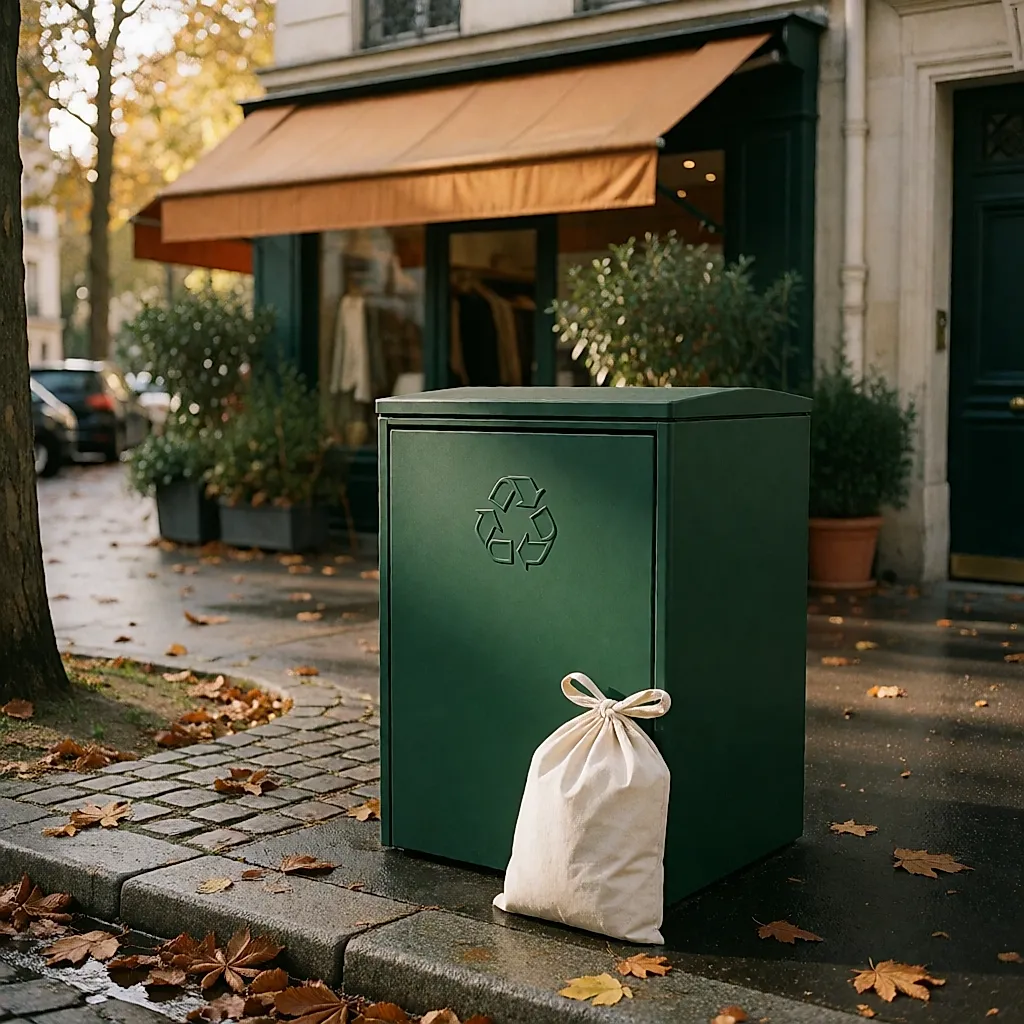
That detour changes the question. Dropping something off doesn't "give it a second life" on its own; the piece still has to be wearable, understood, sellable or transformable. A jacket missing a button, a stained T-shirt, a knit that has gone slack: the impulse is generous, but it slows the sorting down. In practice, a few good pieces beat three bags nobody knows what to do with. The quality of what you drop counts for more than the volume.
The pieces worth a second look
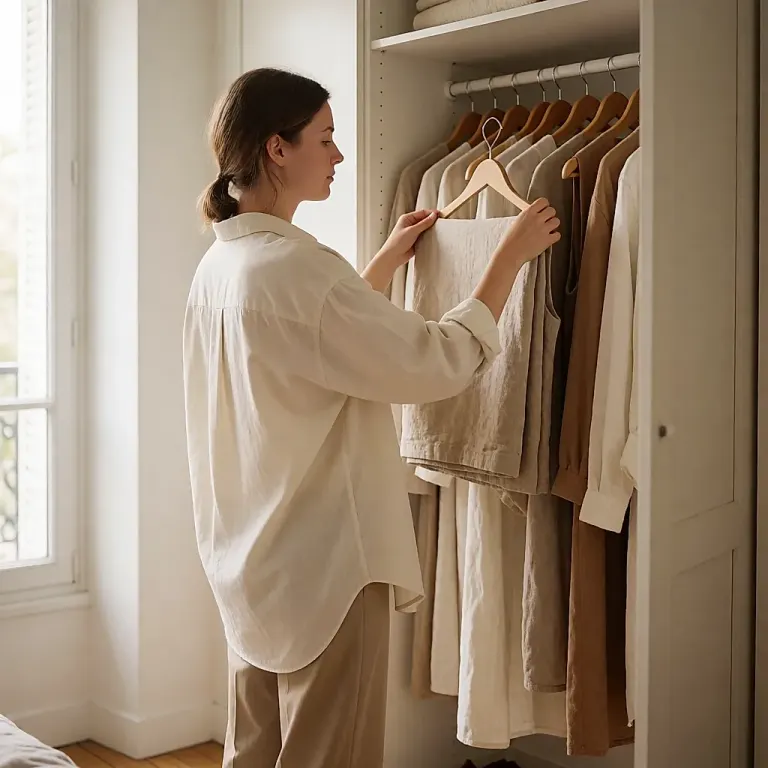
Standing in front of your wardrobe, the test is the same as scrolling a resale site: what will actually get worn? A well-cut wool coat with solid seams and a good hang stands a far better chance of finding a new silhouette than a cardigan whose knit has lost its shape. Fabric, condition and whether it can be mended matter more than the label or this year's trend.
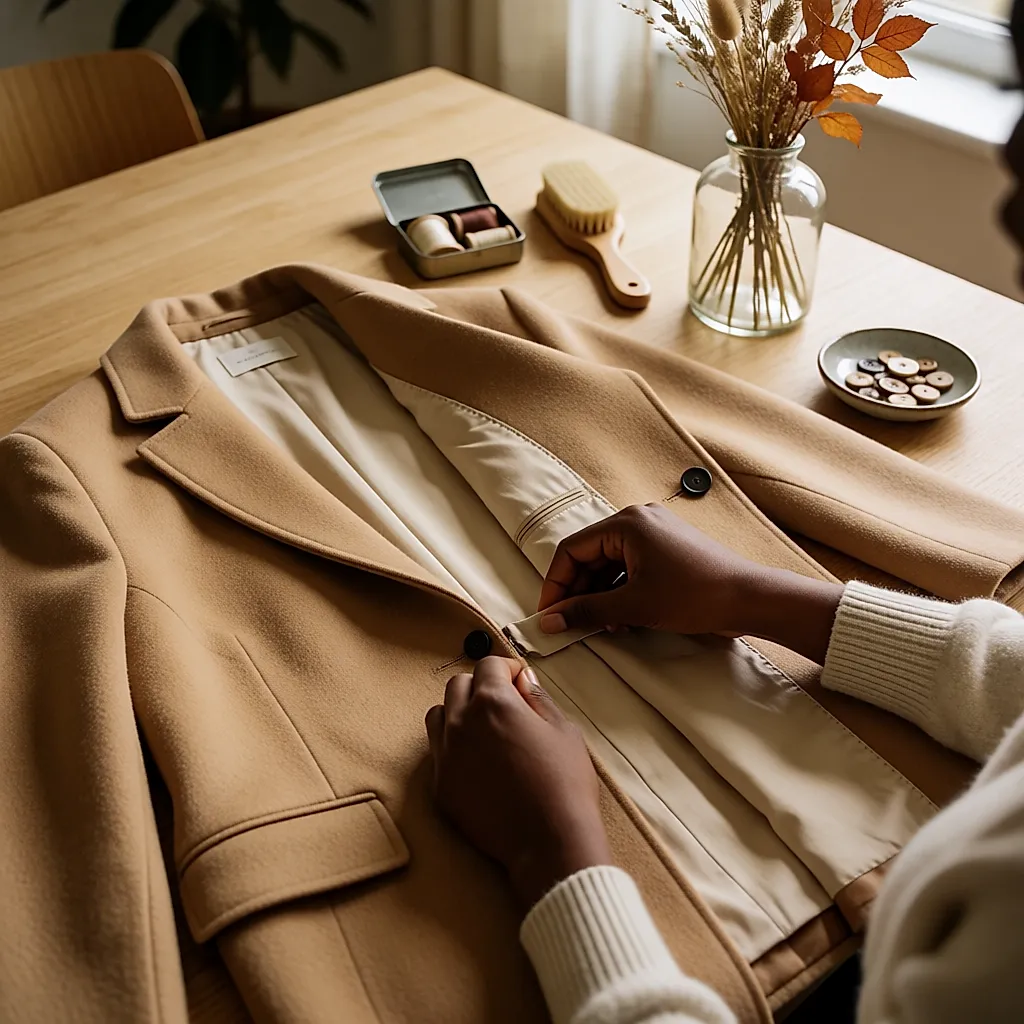
The same goes when you're buying. Before you fall for something new, ask whether it could one day be dropped off, resold or repaired. A cotton or wool basic in a simple cut gets kept, altered and handed on. A statement piece can be wonderful, but if it won't survive a wash or a trip to the tailor, its road ends quickly. Check how much synthetic fibre is in the mix, look inside the seams, feel the texture: a wardrobe is built on exactly this kind of detail.
Spotting a route that resells locally
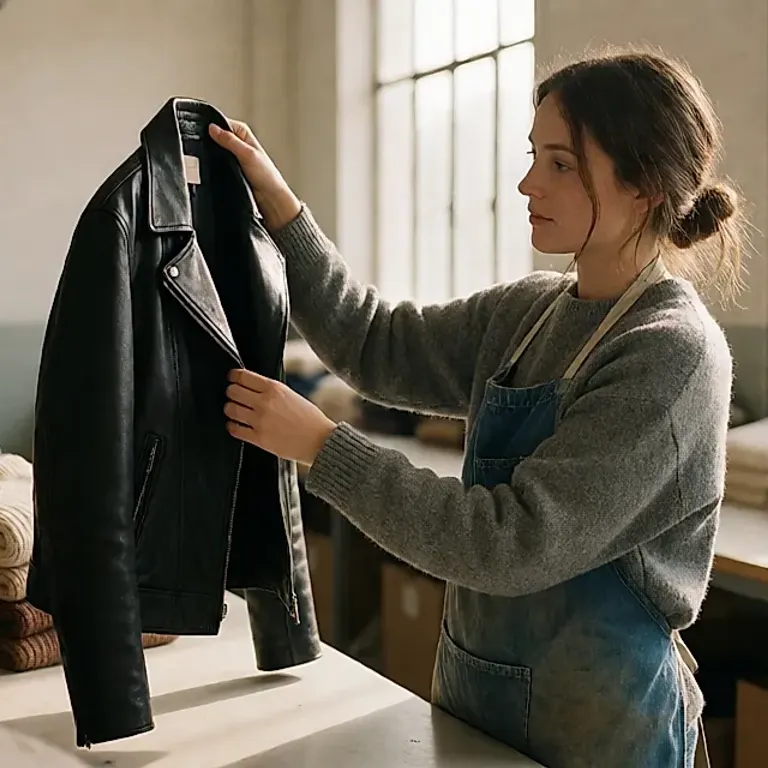
The question isn't just "where do I donate?", it's "where does the textile go next?". A local charity shop that sorts on site, prices clearly and knows where its stock came from already tells you something. If staff can explain what gets resold, what gets repaired and what goes to recycling, the operation is being upfront about how it works. If the answer stays vague, be wary.

Consignment works differently: you hand in a piece, it sells on commission, and anything unsold comes back to you or follows whatever the contract says. Ask how long the deposit runs, what the percentage is and what happens to pieces that don't sell. Online, transparency comes down to photos, measurements, declared faults and return fees. An honest listing that shows the wear beats a flattering photo and a disappointment when the parcel opens.
The check to do before you drop anything off: turn it inside out, look at the seams, the buttons, the fibre label and the places that wear first. If you hesitate to wear it, a buyer will hesitate too. A clean, complete piece that needs a few stitches has every chance.
In the end, the container's journey starts in your wardrobe. Before you tie the bag, keep the piece that's still lovely, mend the one that deserves it, and drop the rest off honestly. Then choose your door: the local charity shop for lower prices, consignment for something more structured, online resale for a precise cut. Wherever you go, the quality of the piece comes before the size of the bag — and that's already a decent way to make your wardrobe last.

Comments
Your opinion matters: rate the article, react and reply to comments.
Comments are moderated; AI-assisted comments are flagged. Text emoticons (8-), :-), <3…) are automatically shown as images.