
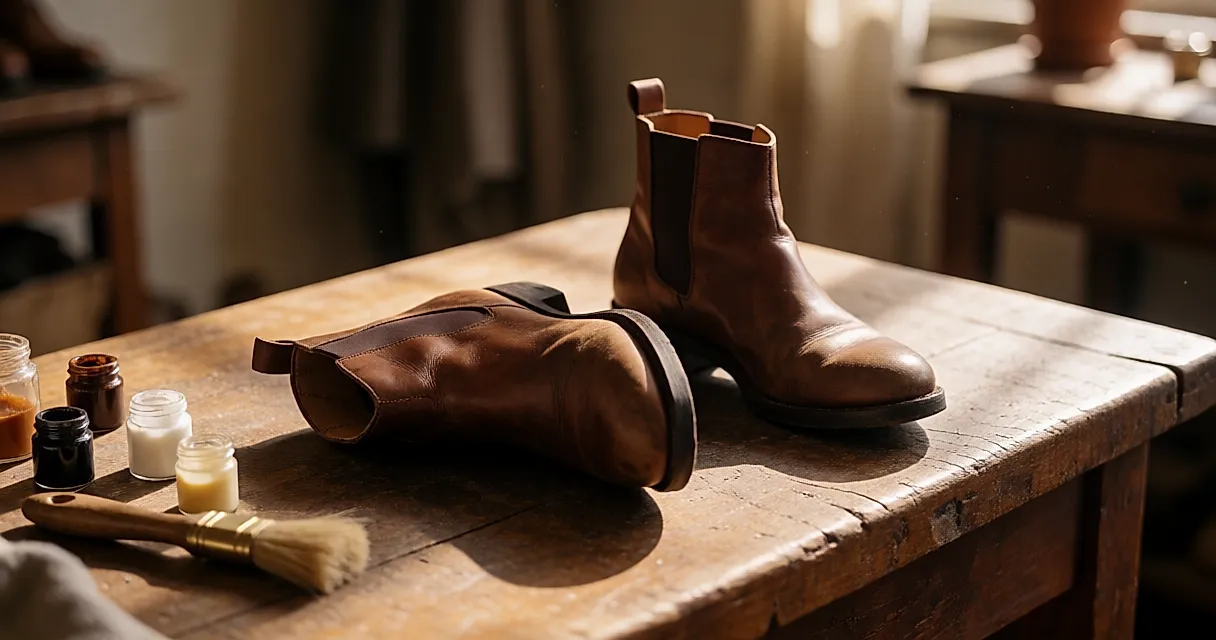
It's been raining for three days, and the sole of your favourite boot has chosen this exact moment to come away at the heel. The noise is deeply unglamorous on the Tube, and you end up walking flat-footed like you're in slippers. Time to find the local cobbler – but before you push the door open, one question: is this sole really worth saving?
What a sole tells you before you've even bought the shoe
There's a ridiculously simple move that should be compulsory in the changing room: turn the shoe over and look at the join between upper and sole. If the edge is smooth, with no stitching, and the sole looks like it's simply butted up against the leather, you're looking at a glued (cemented) sole – often quick to make, light and flexible, and far harder to repair than it appears.
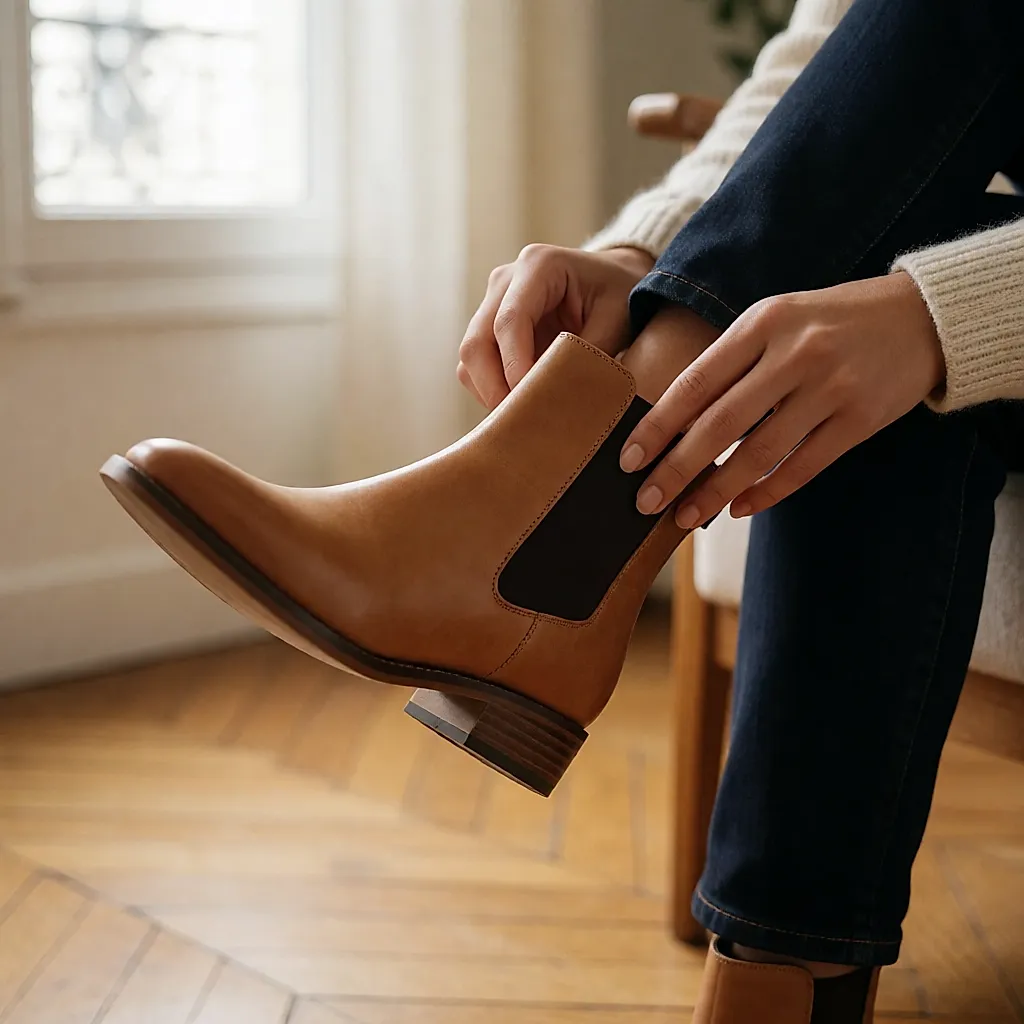
If, on the other hand, a narrow strip of leather runs right around the shoe with visible stitches, that's a welt: the sole is stitched, and the cobbler has something to work with. That's usually a good sign for the long term. A Blake stitch shows up inside, on the footbed; a Goodyear is recognisable by its welt and chunkier sole.
The rest tells you something too. A leather lining that darkens and takes on patina is a good sign; an insole that crumbles is very much not. And the price? A clue, not proof: an expensive pair isn't necessarily stitched, and a cheaper one sometimes is.
Glued or stitched: what can a cobbler actually save?
So should you give up on a glued sole? Not so fast. A sole lifting at the heel can often be glued back down, and a cobbler can also fit a new protective sole, glued in turn. It's usually the cheapest option, and it can hold perfectly well as long as the upper is still sound and the original sole hasn't crumbled away at the edges.

Each glued resole does eat into the material and the margin for another repair, though. In practice, you're often looking at one or two repairs of that kind before the shoe asks to be let go. A synthetic upper with a sole flaking at the edges can give the cobbler almost nothing to grip: the cobbler will tell you straight – they're not a magician.
With stitched construction, the logic flips. A Blake or Goodyear pair can be resoled several times, and Goodyear lets the sole be changed without damaging the upper. Some cobblers will even send the pair back to the original factory for a finer job. This is where the difference lies between a shoe you keep for ten winters and one that gets abandoned by the third.
The call: repair, keep going, or replace
An honest calculation comes down to three things. First, the state of the upper: if the leather is cracked along the creases, the lining torn or the heel counter collapsed, any repair becomes a sticking plaster on a wooden leg. Then there is the ratio of the quote to the purchase price: in practice, once the bill approaches half the price of a new pair and the rest of the shoe is tired, common sense usually points towards replacing it.
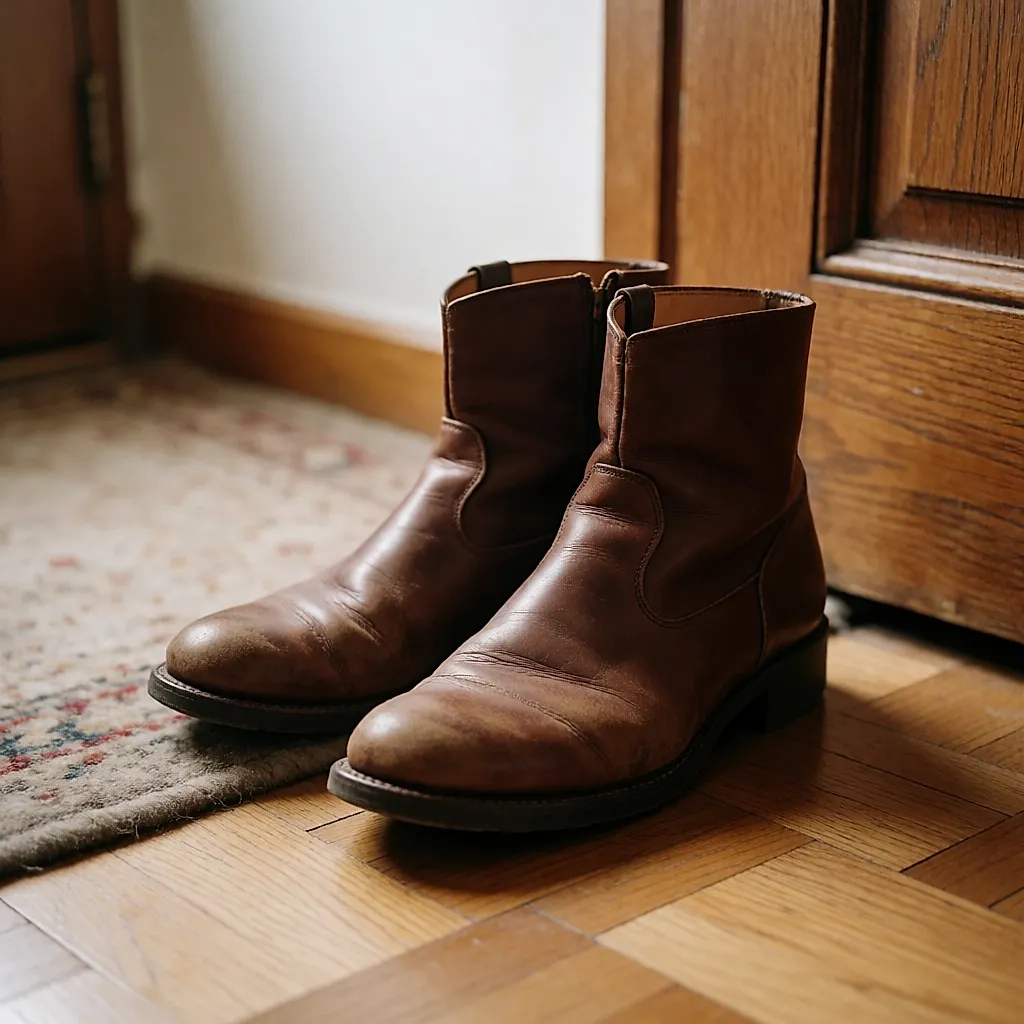
Third, the criterion everyone forgets: how often you wear them. Boots worn three times a week deserve a resole without a second thought; wedding heels that sleep at the back of the wardrobe, much less so. And if the sole gives out very quickly, that can point to flimsy construction. A fast failure can also come down to hard wear, a gluing fault or an earlier repair, so have the pair looked at before drawing conclusions.
Another basic habit: get a protective sole fitted before the original one wears through. It won't save everything, but it can help slow the wear.
At the counter, show the shoe rather than describing it. Ask whether the sole is stitched or glued, how many repairs the pair can still take, and whether the quote includes the heel. A cobbler who talks you out of a repair is often the one you'll trust with your next pair.
Budget
As a rough guide in the UK, expect around £15–30 for a simple reglue, £20–40 for a protective sole and £15–35 for a new heel. A glued resole usually lands somewhere between £40 and £80; for stitched construction, budget nearer £70–150, and more if the pair goes back to the original factory. Workshops price differently from town to town, so treat these as a starting point rather than a quote.
What moves the number? Location, the type of sole (leather, rubber, crepe), whether the part is available and how quickly you want the shoes back. For a diagnosis and small jobs, an independent high-street cobbler is plenty; where the brand runs its own service, a workshop attached to a shoe shop is handy; and for pairs that deserve it, sending them back to the factory through your cobbler remains an option.
The rule that saves the budget? A quote before, not after. And a useful benchmark: a leather pair that can be resoled may work out cheaper over time than replacing glued pairs every couple of years.
So there's the call, worked out without wrecking your budget: reglue and protect while the pair is still sound, resole when the construction allows it, replace when the bill stops making sense. After that, you'll never look at the pavement the same way again.



Comments
Your opinion matters: rate the article, react and reply to comments.
Comments are moderated; AI-assisted comments are flagged. Text emoticons (8-), :-), <3…) are automatically shown as images.