
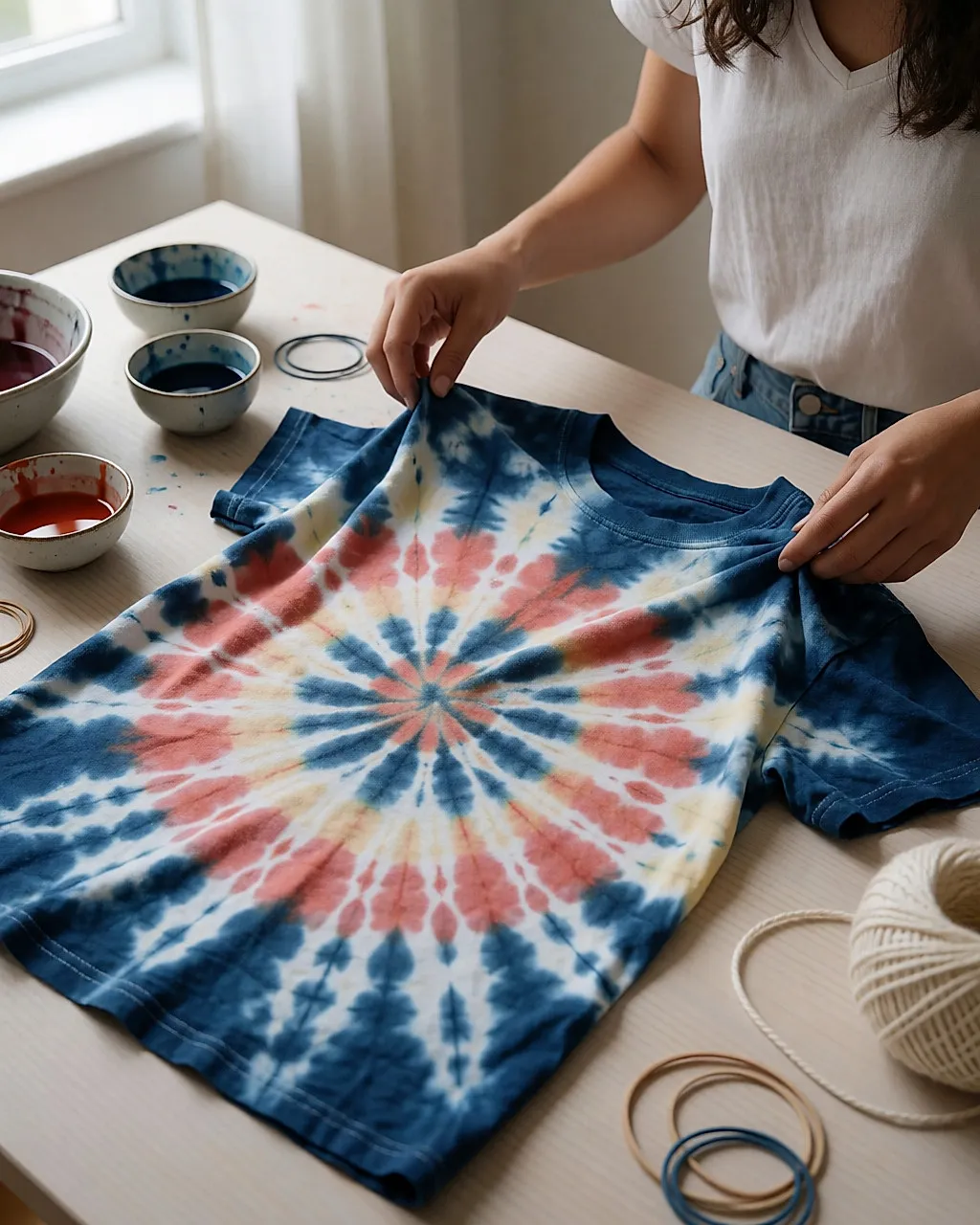
Tie-dye — ever given it a go? You'll have seen those psychedelic, colour-popping patterns on T-shirts, scarves and wall hangings. Maybe on a few surviving relics from your parents' or grandparents' wilder years, or simply on the high street, because tie-dye is firmly back among the fashion set — and these days it reads far less festival tent and far more actual wardrobe. Hugely popular in the 1960s, it's a technique that uses fabric, dye and a handful of elastic bands to turn boring old clothes into graphic explosions of colour. It's easy to do at home and a genuinely creative way to fill an afternoon. Here's how.
From the English tie and dye — the name could hardly be more explicit. Twist or fold the fabric into a particular shape, then bind it, and you can create all sorts of patterns. Apply fabric dye to the outside of the bound section and it colours the design you've created.
For a colourful spiral, pinch the fabric at a central point, then twist the rest of the piece around that centre until you reach the pattern size you want. Gather the folds, wrap an elastic band or a firmly tied piece of string around them, then apply the dye. It's the boldest of the patterns — the classic 1960s swirl — so we'd save it for a T-shirt or a beach cover-up, the kind of piece that carries a loud print without a fight.
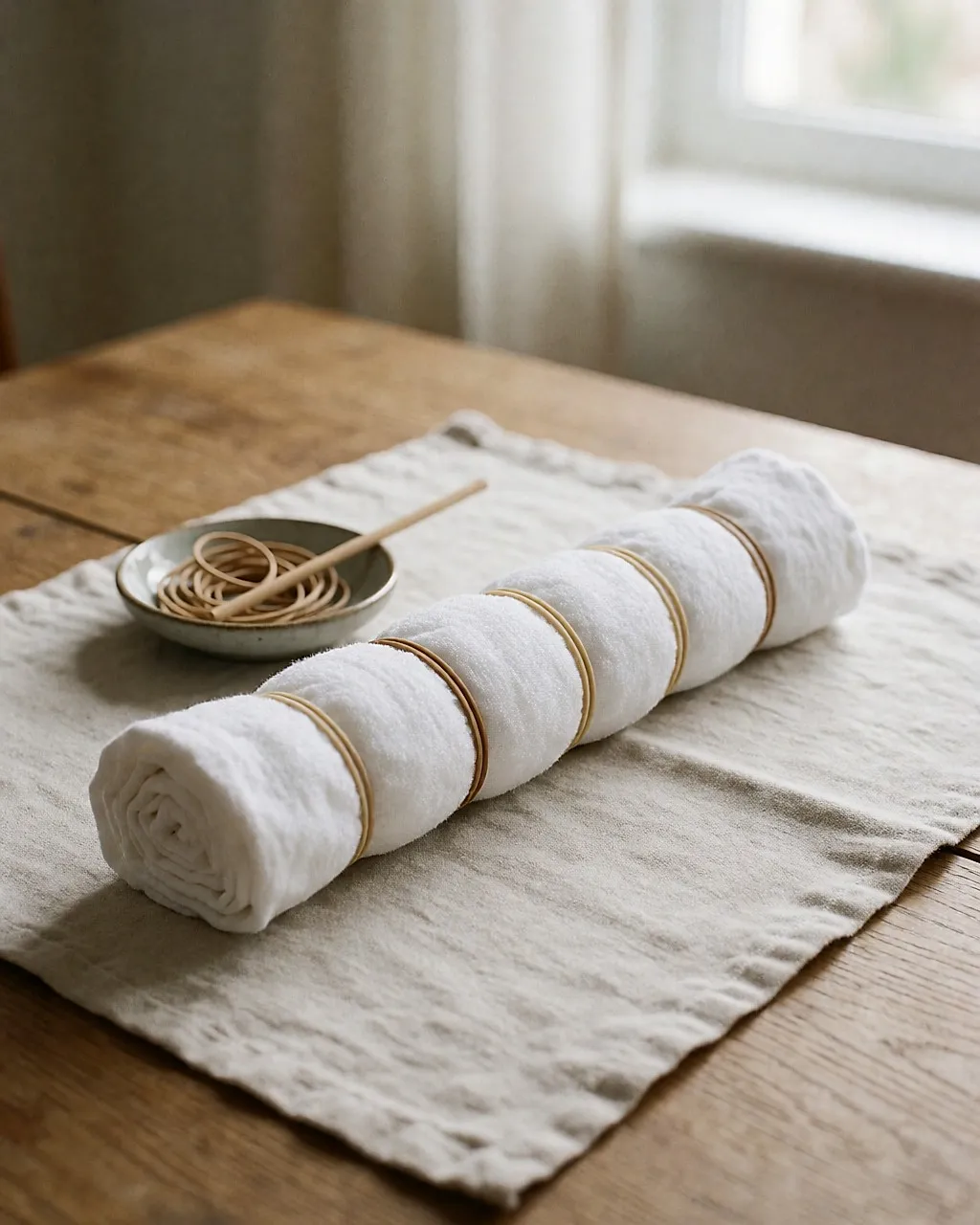
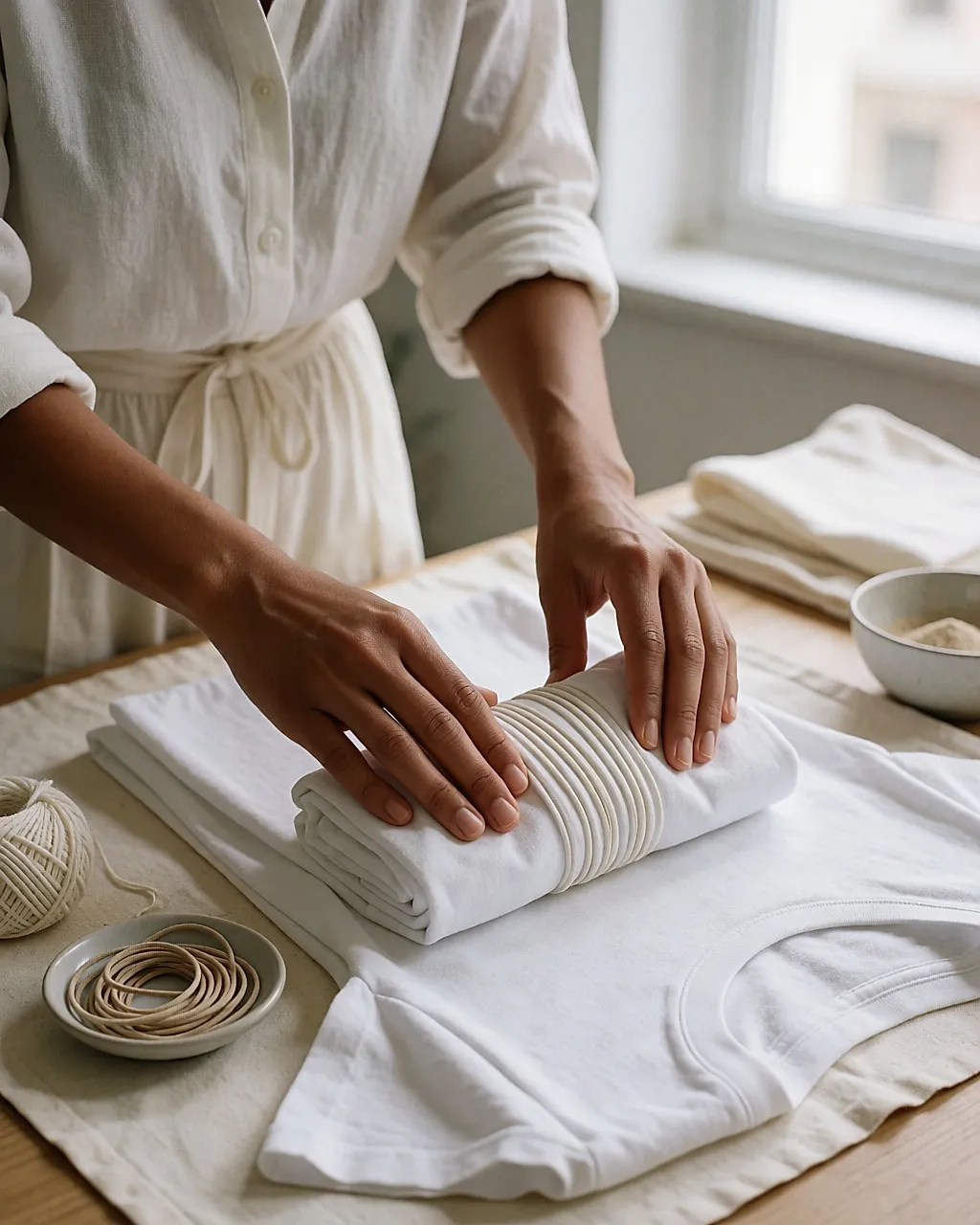
For concentric circles, pinch the fabric where you want the circles and roll it into a small sausage, then bind it with elastic bands at intervals. The bands will mark the circles, so place them exactly where you want the pattern to appear. Keep them close together for fine, discreet rings, or space them out for something more graphic — the subtler option, if the full tie-dye effect isn't quite you.
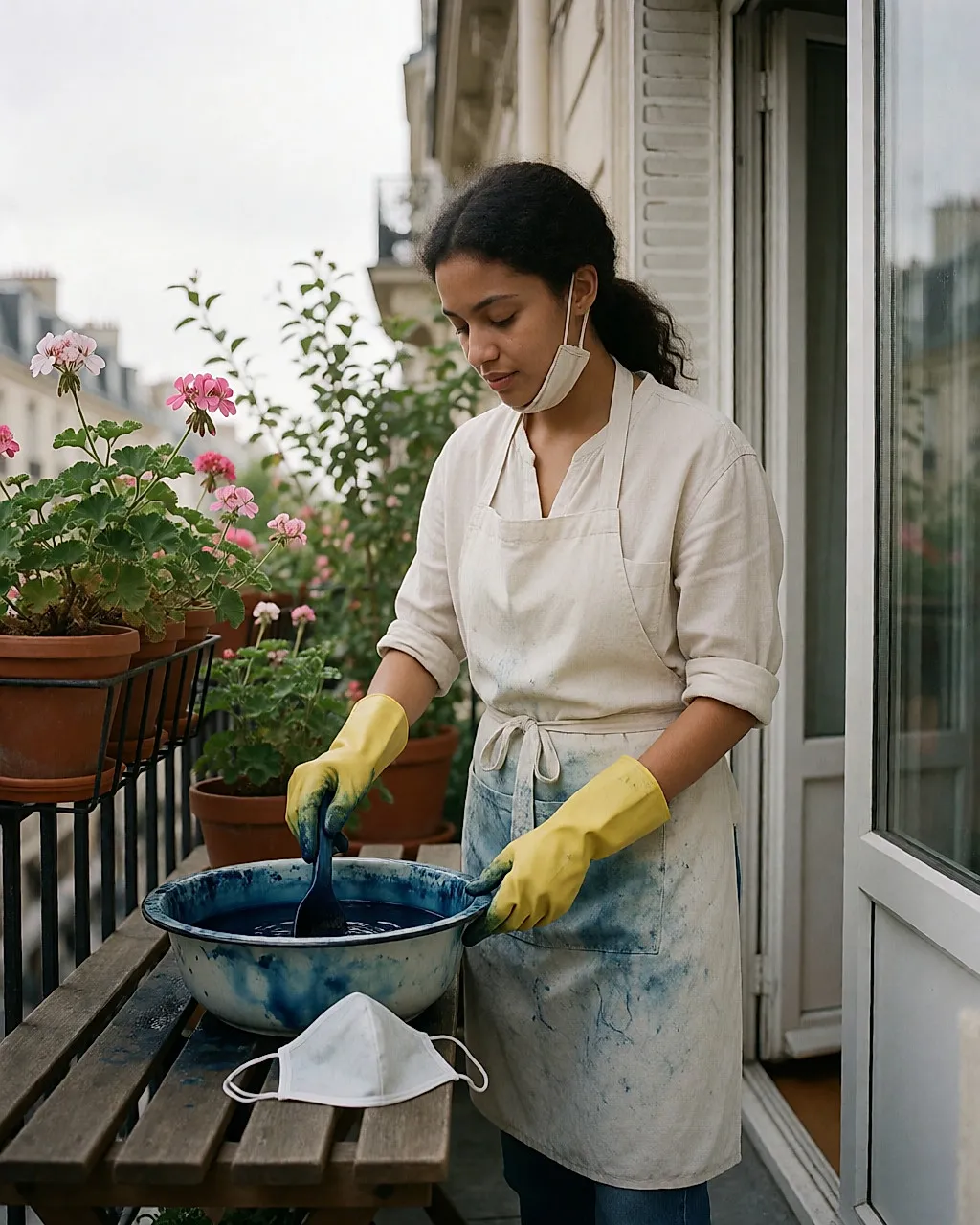
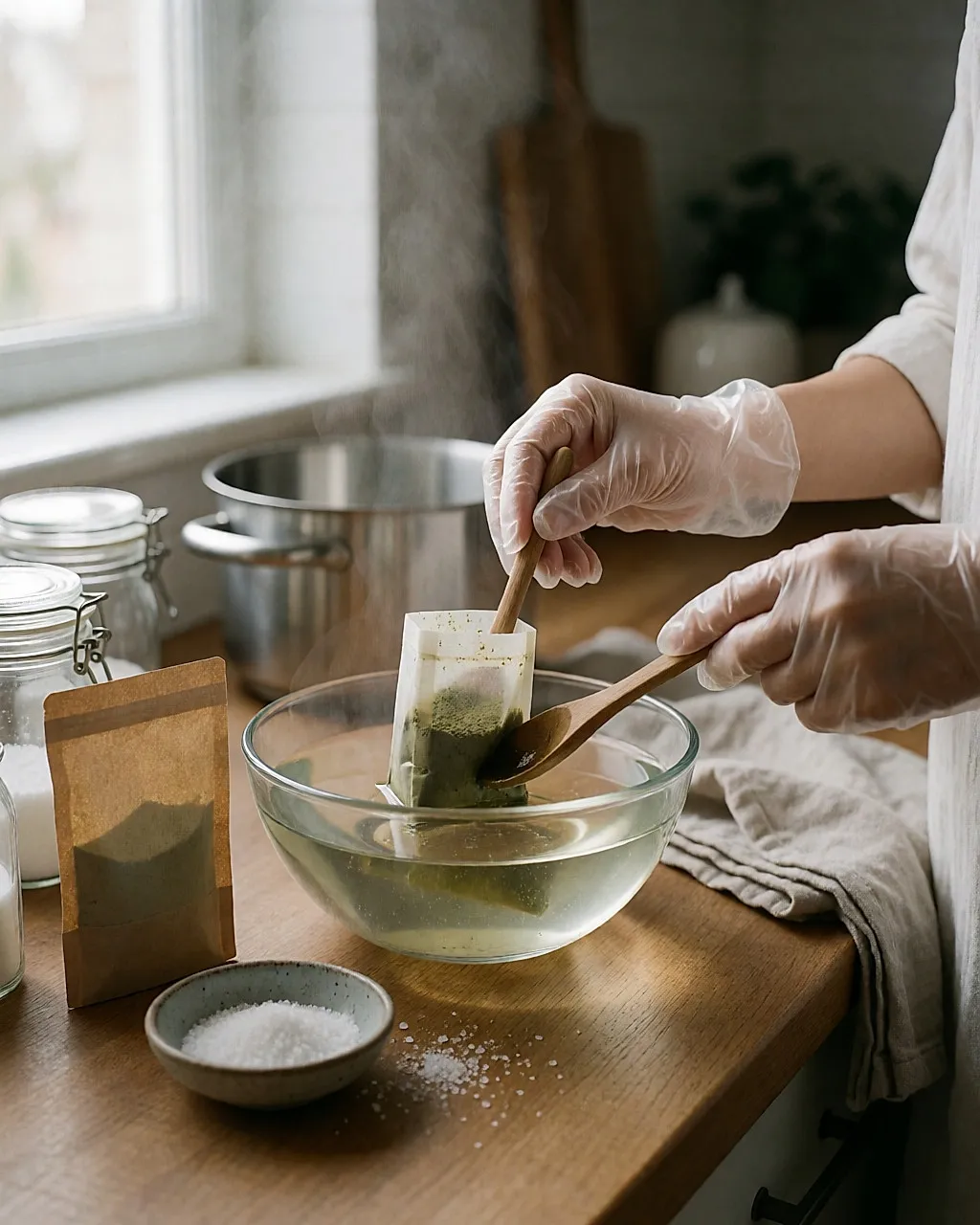
Next, dip the fabric into your basin of water, dye (any colour you like), coarse salt and colour fixer. All the quantities and soaking times are given on your dye packet. Rinse, then undo the bands to reveal the result.
You can also dream up your own folds for designs that are entirely yours. Let your imagination run. And do try combining different folds on the same piece of fabric for a mix of patterns — that's usually where the good surprises come from.
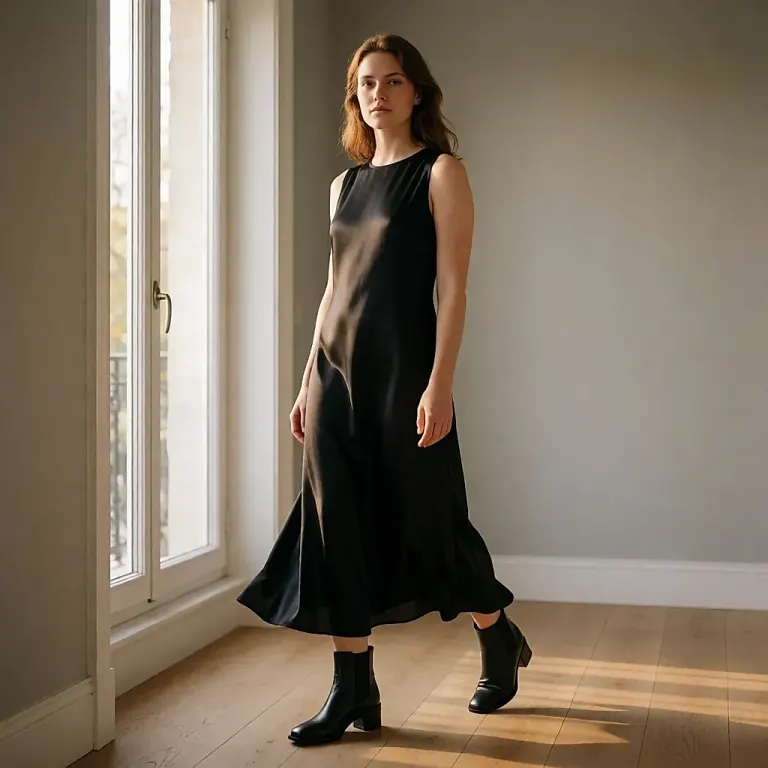
Tie-dye may have peaked in the 1960s with the hippie movement, but fashion has taken the best of it for its own collections. Think black and gold tie-dye summer dresses made for sunbathing, or designs that run all the way from pink through to brown — proof that a home-dyed piece doesn't have to look homemade.
Budget
Tie-dye is one of those creative projects that won't wreck your budget. Expect to pay around £10–20 for fabric dye and its fixer, which you'll find in hardware shops, haberdasheries, supermarkets or online — the coarse salt is already in your kitchen. As for fabric, there's no need to spend anything: an old white T-shirt or a tired bedsheet is perfect for a first attempt. Costs only really climb if you go for a ready-made kit or want to dye a large piece.
We'd still suggest trying it out on an old T-shirt first, before you attempt to customise one of your favourite dresses — a wobbly first spiral stings a lot less on a piece you'd stopped reaching for anyway.

Comments
Your opinion matters: rate the article, react and reply to comments.
Comments are moderated; AI-assisted comments are flagged. Text emoticons (8-), :-), <3…) are automatically shown as images.