
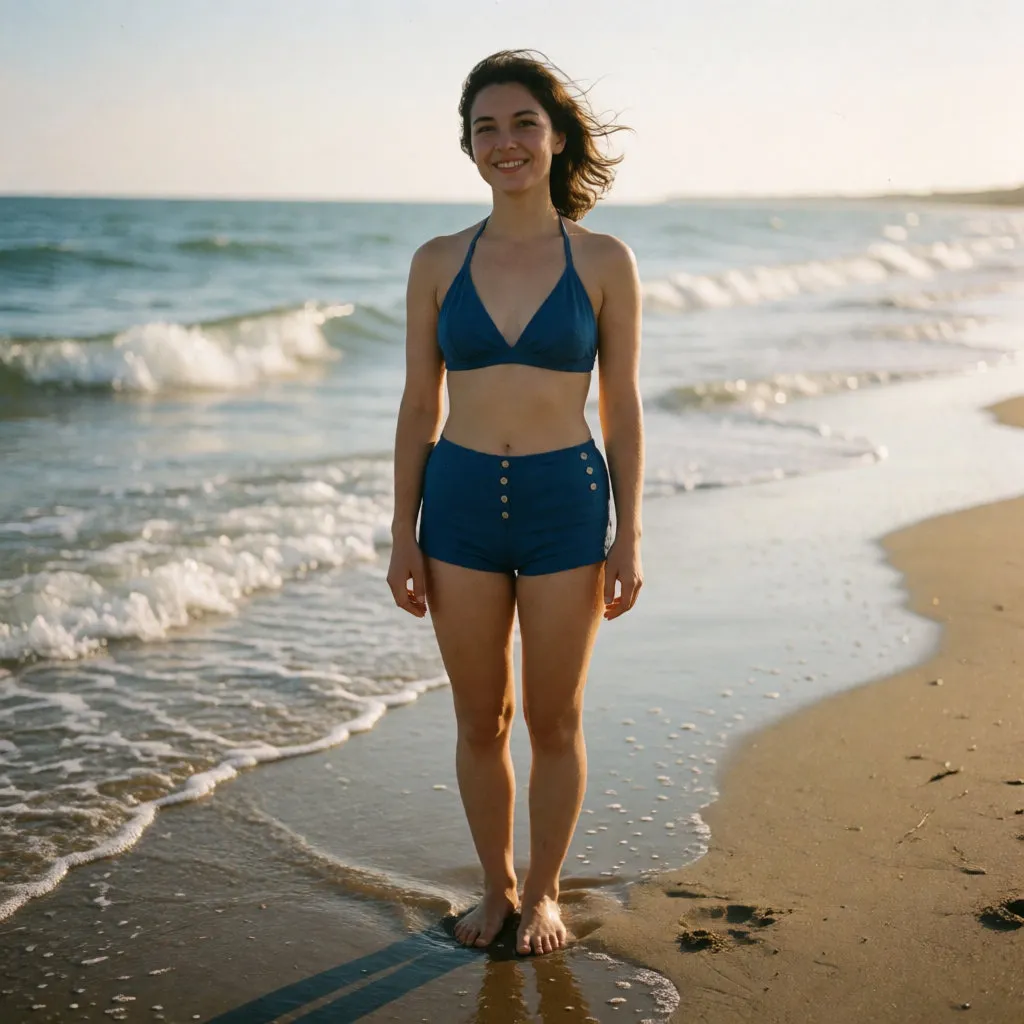
You open a swimwear catalogue at the very end of September, and it is always the same ritual: the towels have long been packed away, yet next season's new arrivals are landing in shops, and suddenly the urge for the beach is back. Summer 2027 is being planned now, and the good news is that the big swimwear obsessions have not shifted an inch: a knowing nostalgia for retro shapes, and a real appetite for bold colour. So we pulled out the lookbooks, opened the catalogues and reread the season with today's eye. Honestly? The triangle, the one-piece and sun-drenched prints are still on the agenda, but in versions that have little to do with those from 20 years ago.
The triangle, still unbeatable
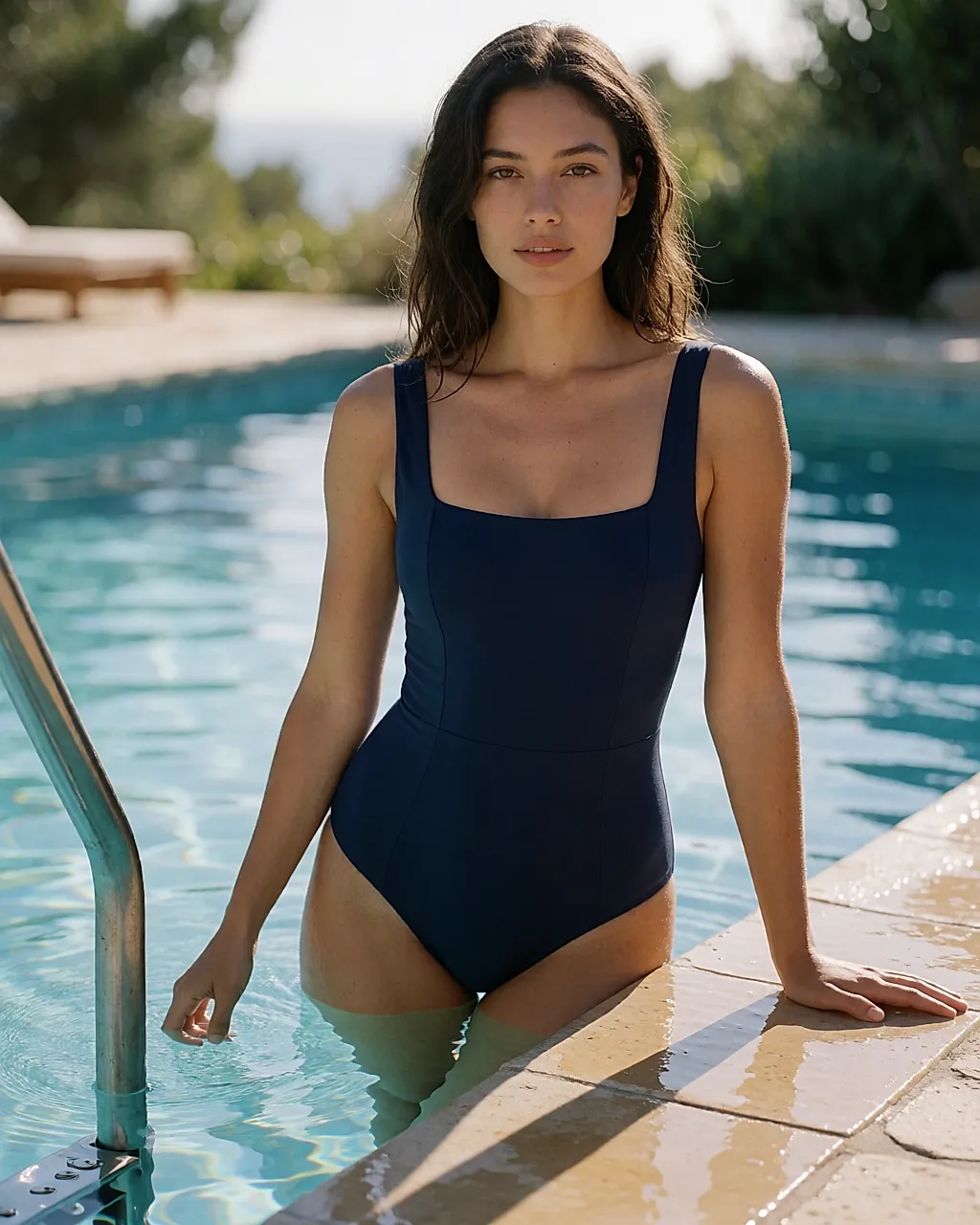
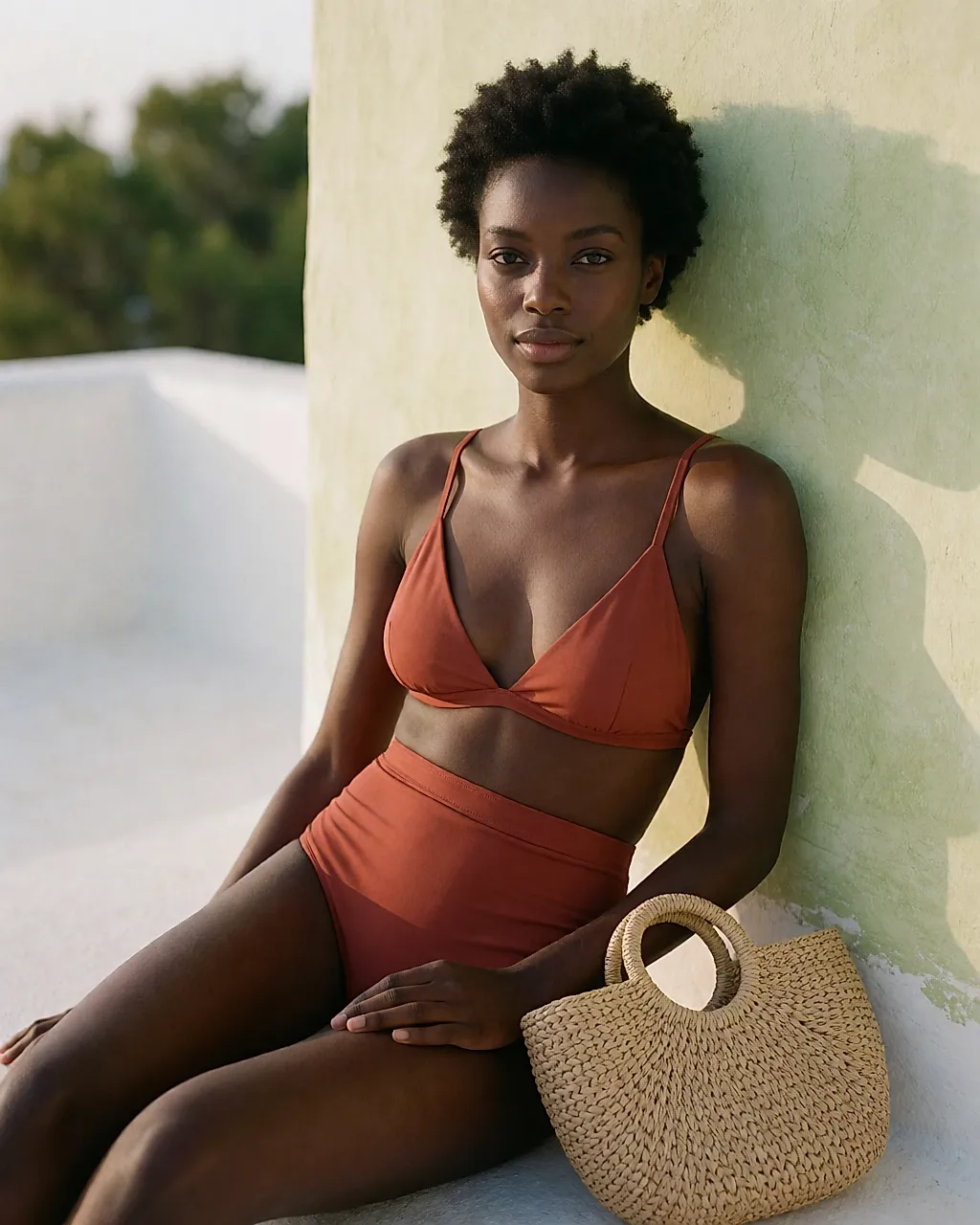
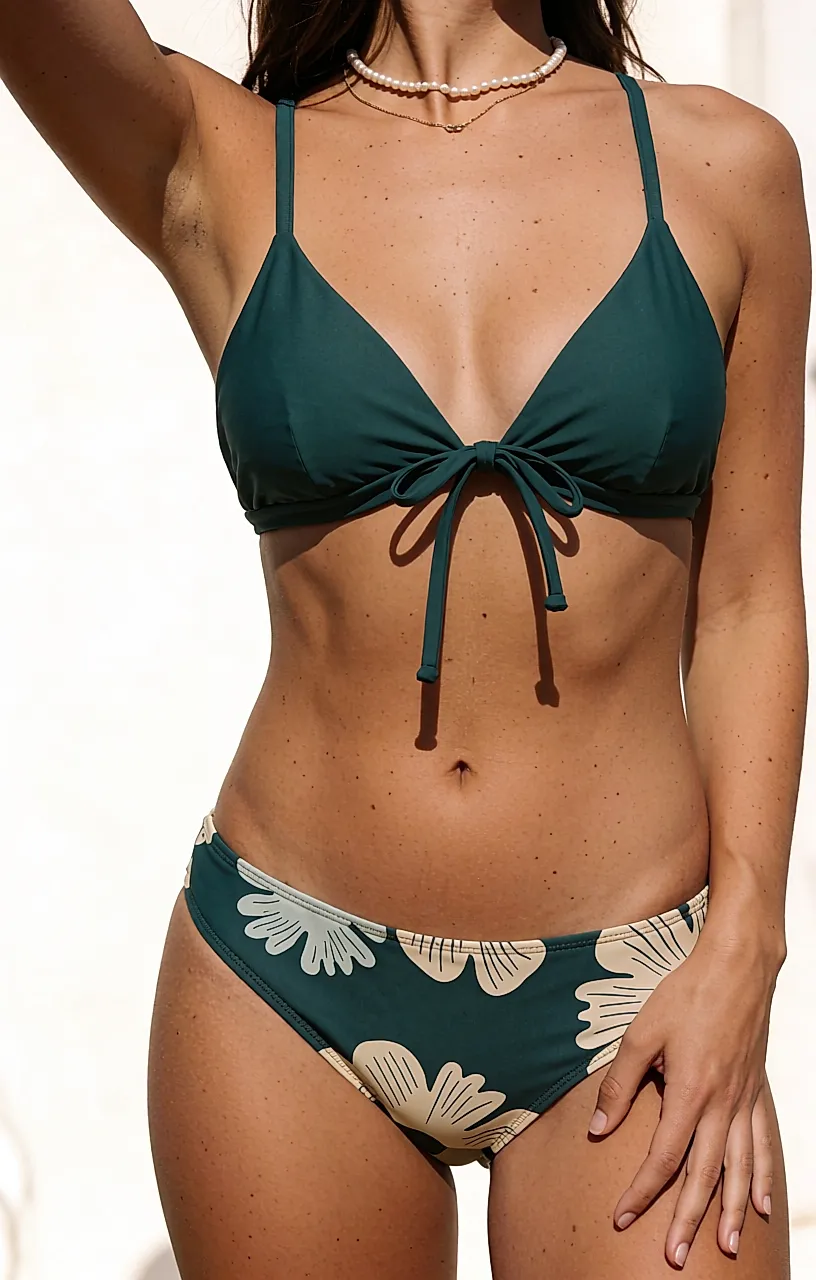
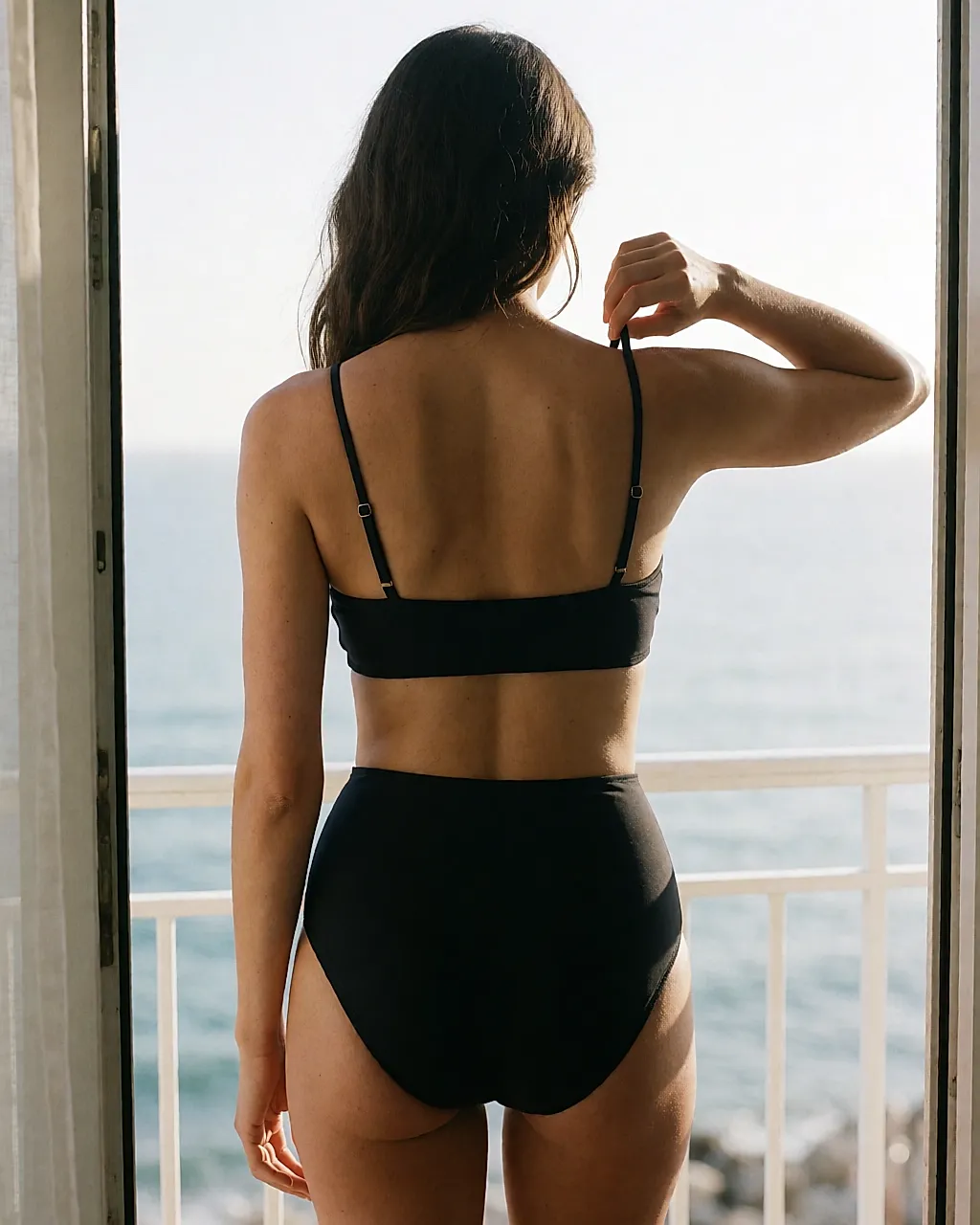
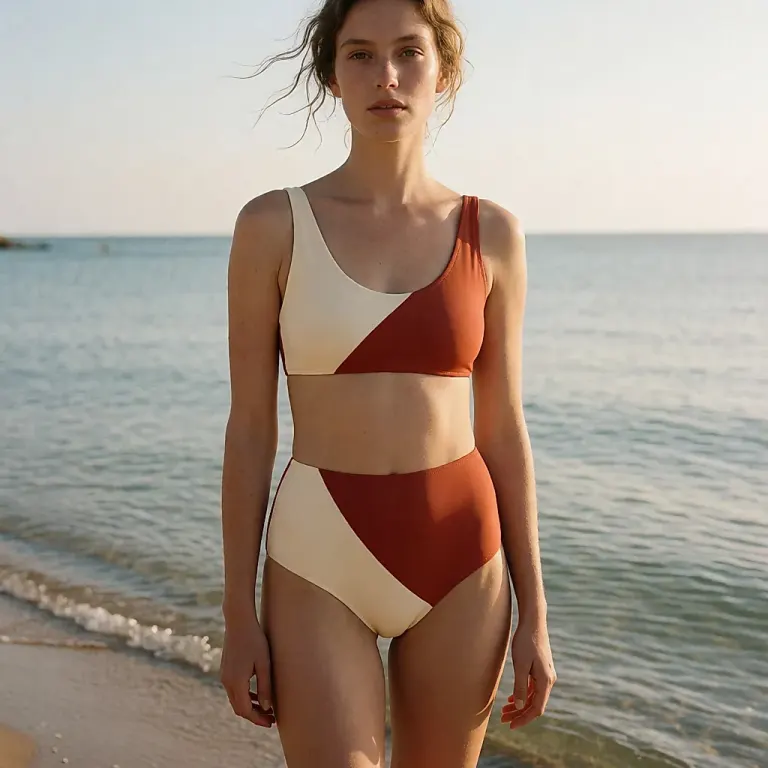
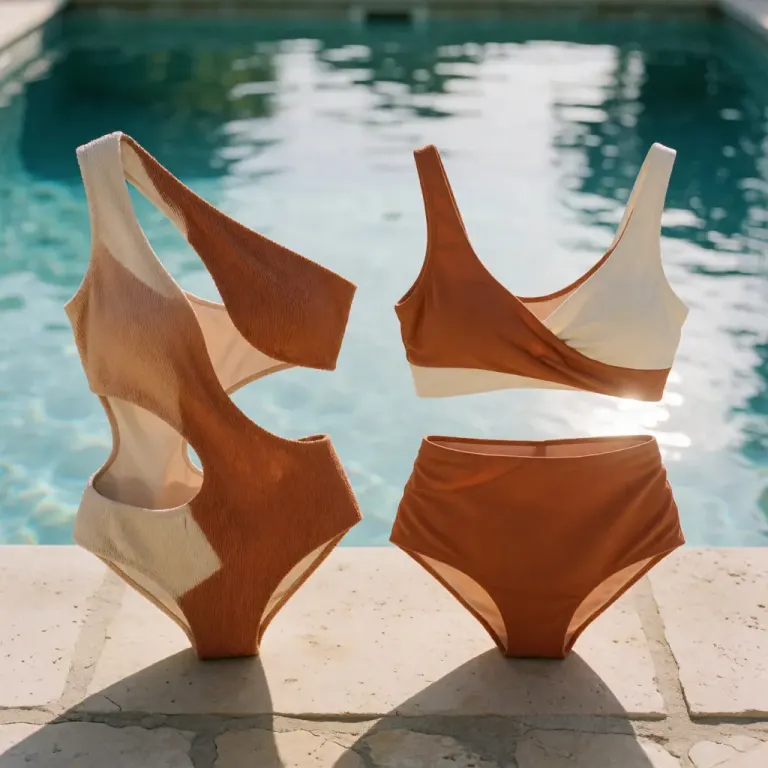
It is the cut you think you know inside out, and yet it keeps getting sharper. The two-piece is still often a triangle top with high-waisted bottoms, but the details make all the difference: adjustable straps, discreet rings or buckles, flat seams for a clean drape. Swim brands are going for well-judged minimalism, with bottoms that rise flatteringly over the hip and a lightly padded top for a naturally flattering shape. On colour, it stays bold: ecru, terracotta, chocolate, deep blue. Let's be honest: this modern triangle has gained support without losing any of its lightness.
The one-piece gets a rethink
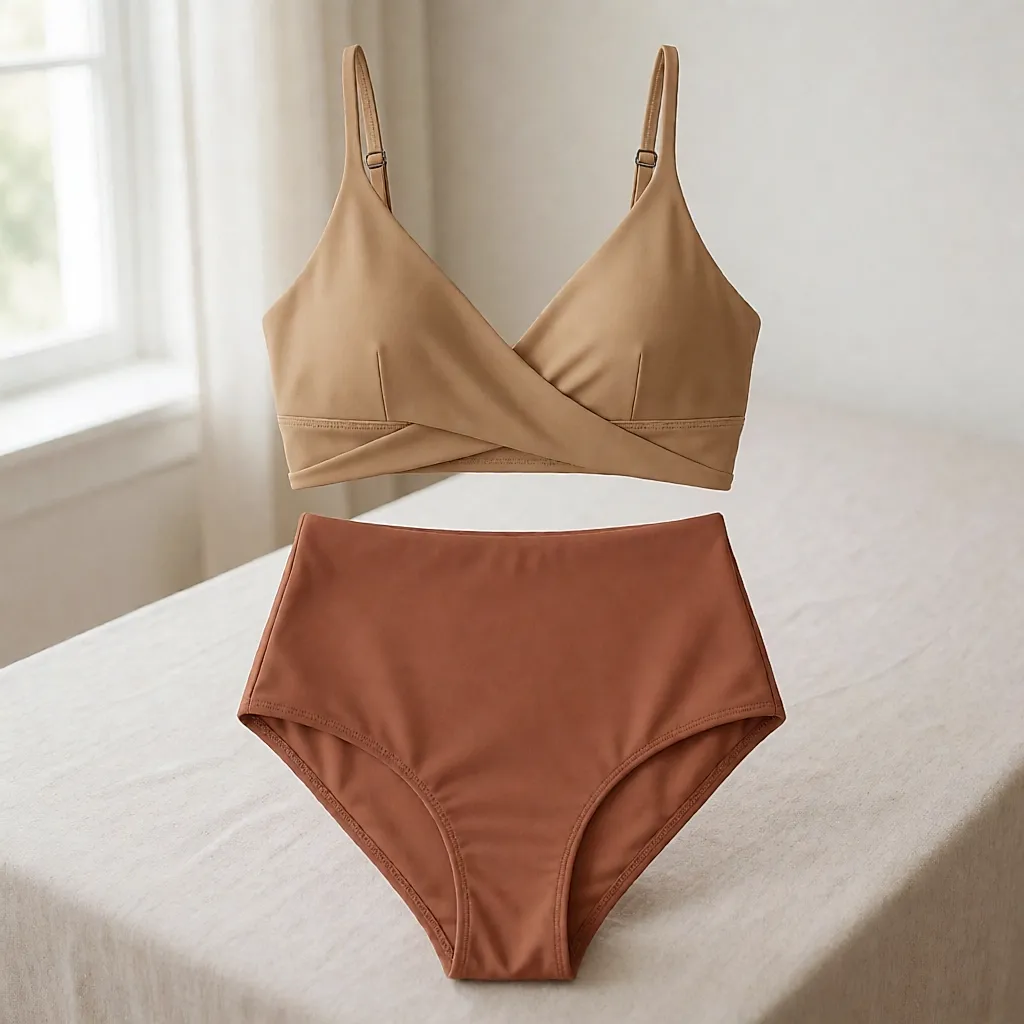
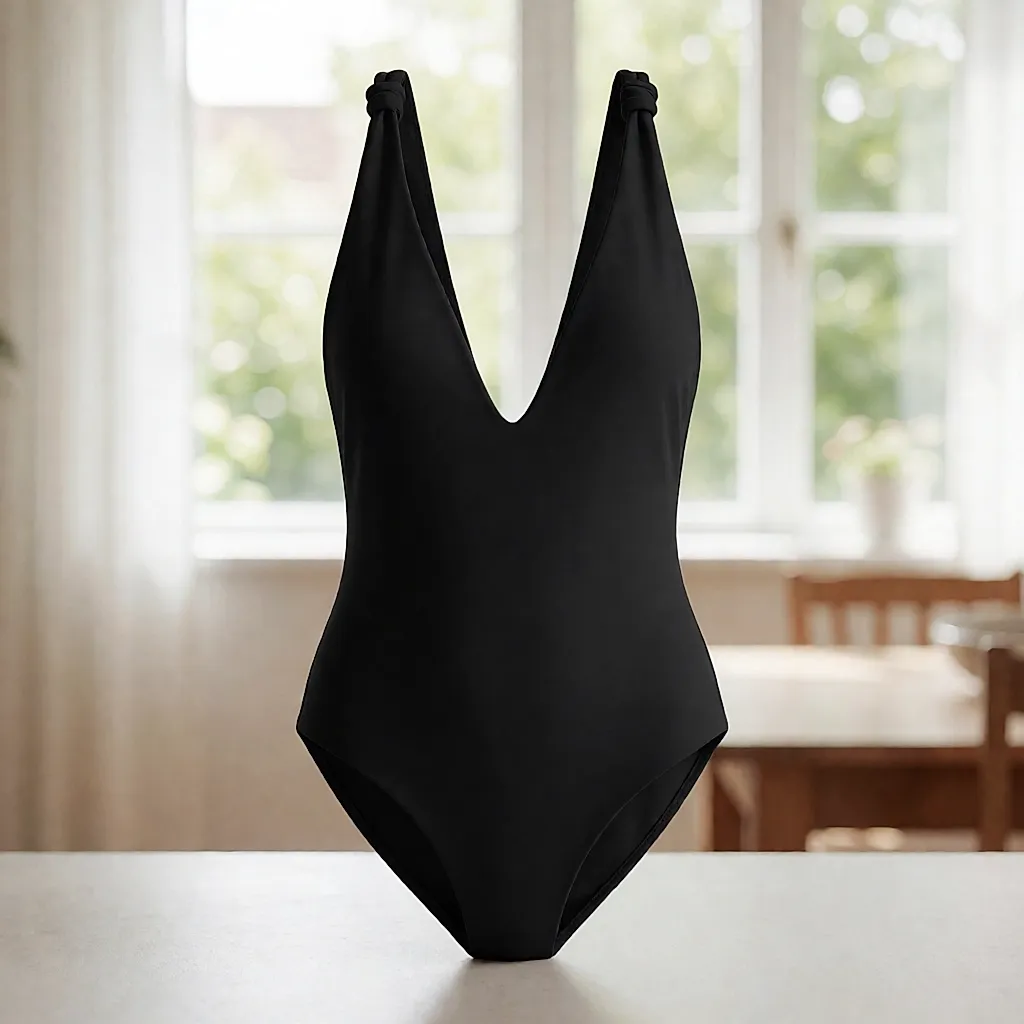
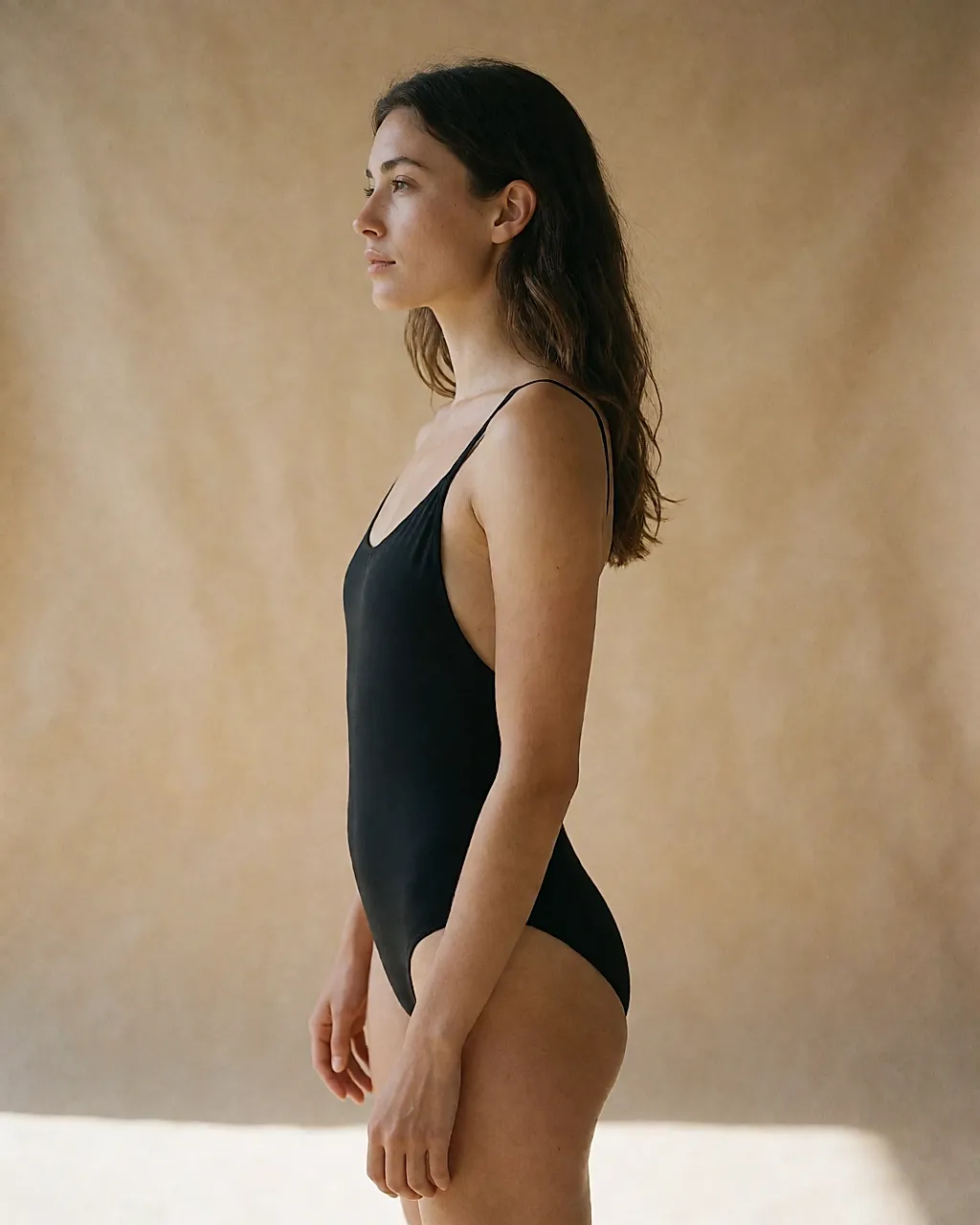
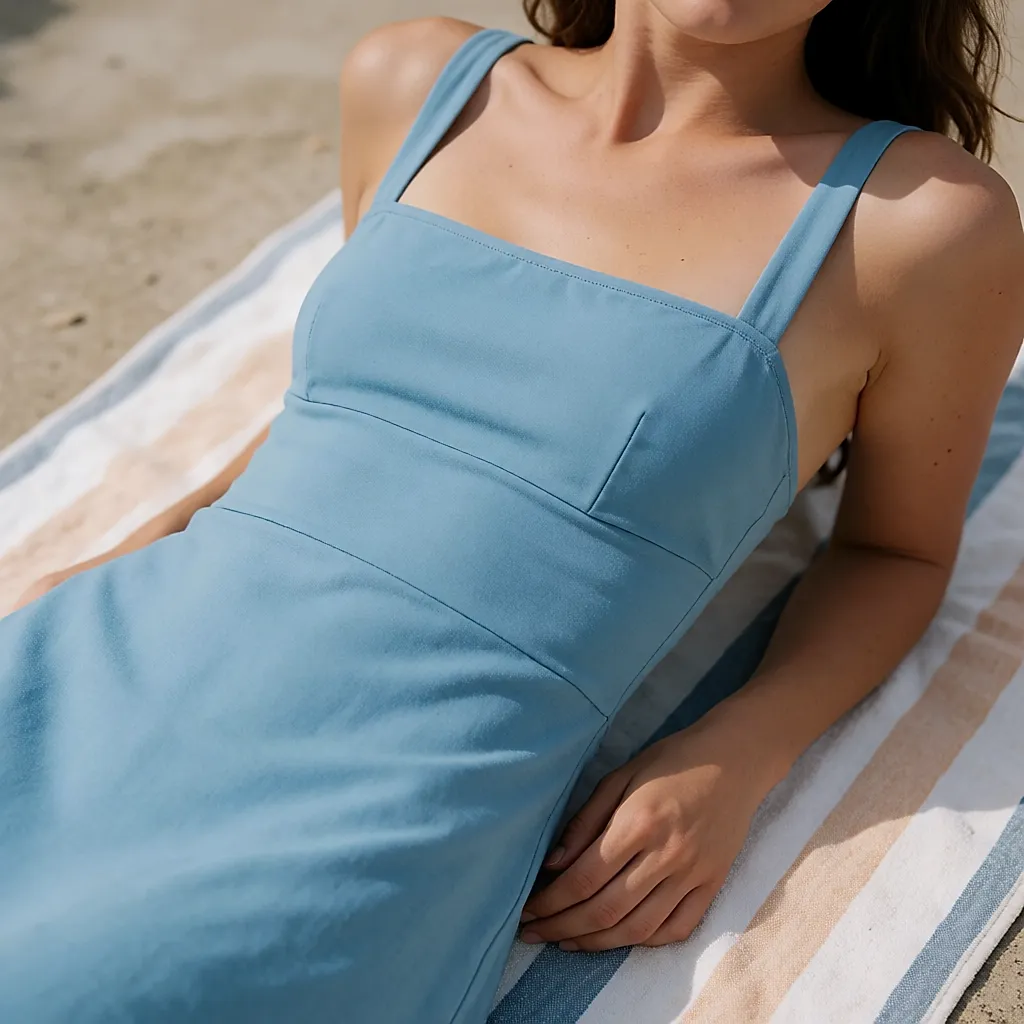
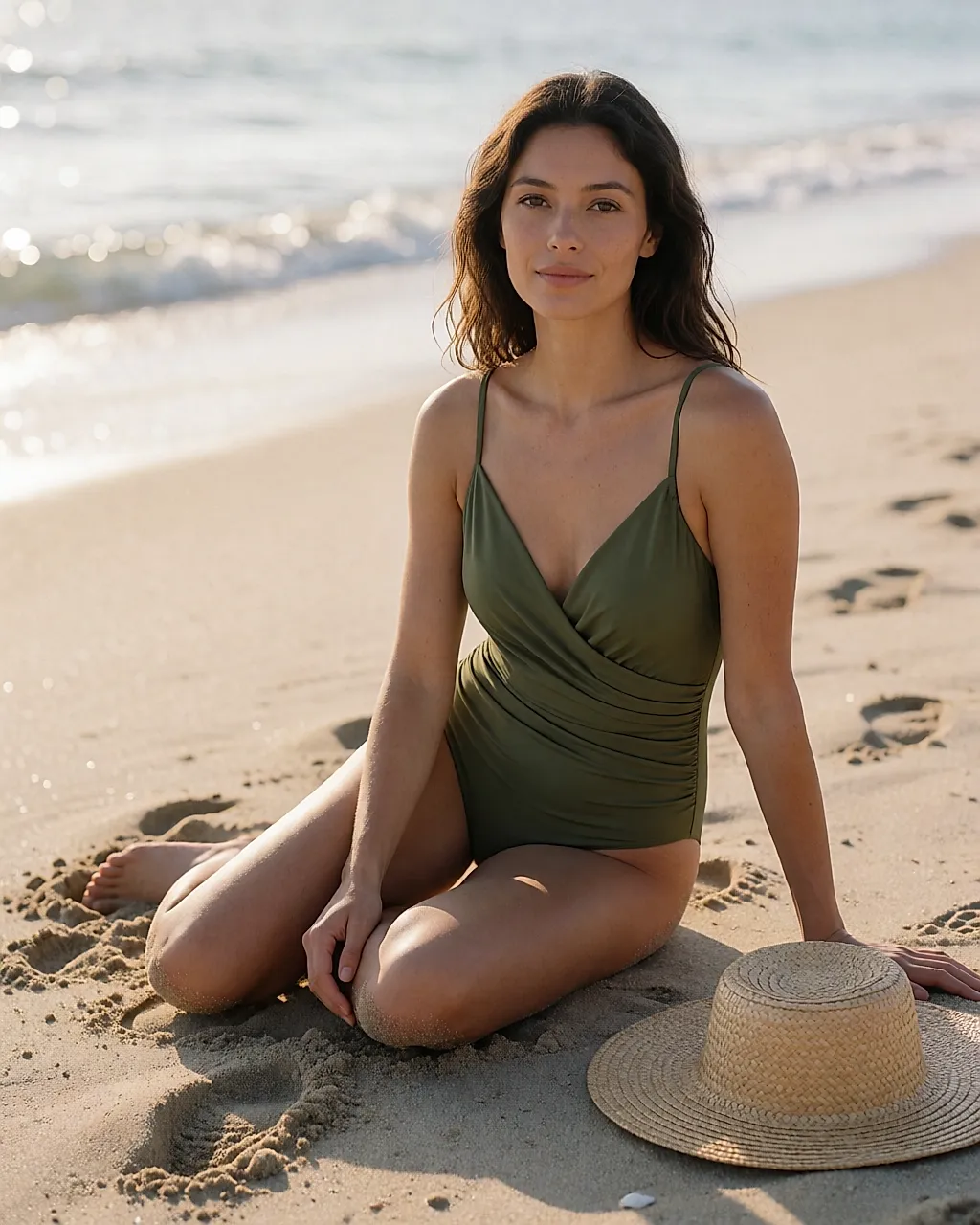
Long associated with sport or safe silhouettes, the one-piece has taken on a very different look. The recipe? A sculpting cut, a neckline that is deeper or subtler depending on the style, fine straps tied at the nape, or an asymmetric panel on one shoulder—enough to redraw the silhouette without trapping it. We particularly like draped shapes, which create a fluid fall and conceal just enough. Textured swim fabric, crêpe or ribbed finishes add interest without a single print. The result: a swimsuit you wear to the beach, then with wide-leg linen trousers or a long skirt. This piece has clearly changed status in the wardrobe.
Colours, prints and a bit of fun
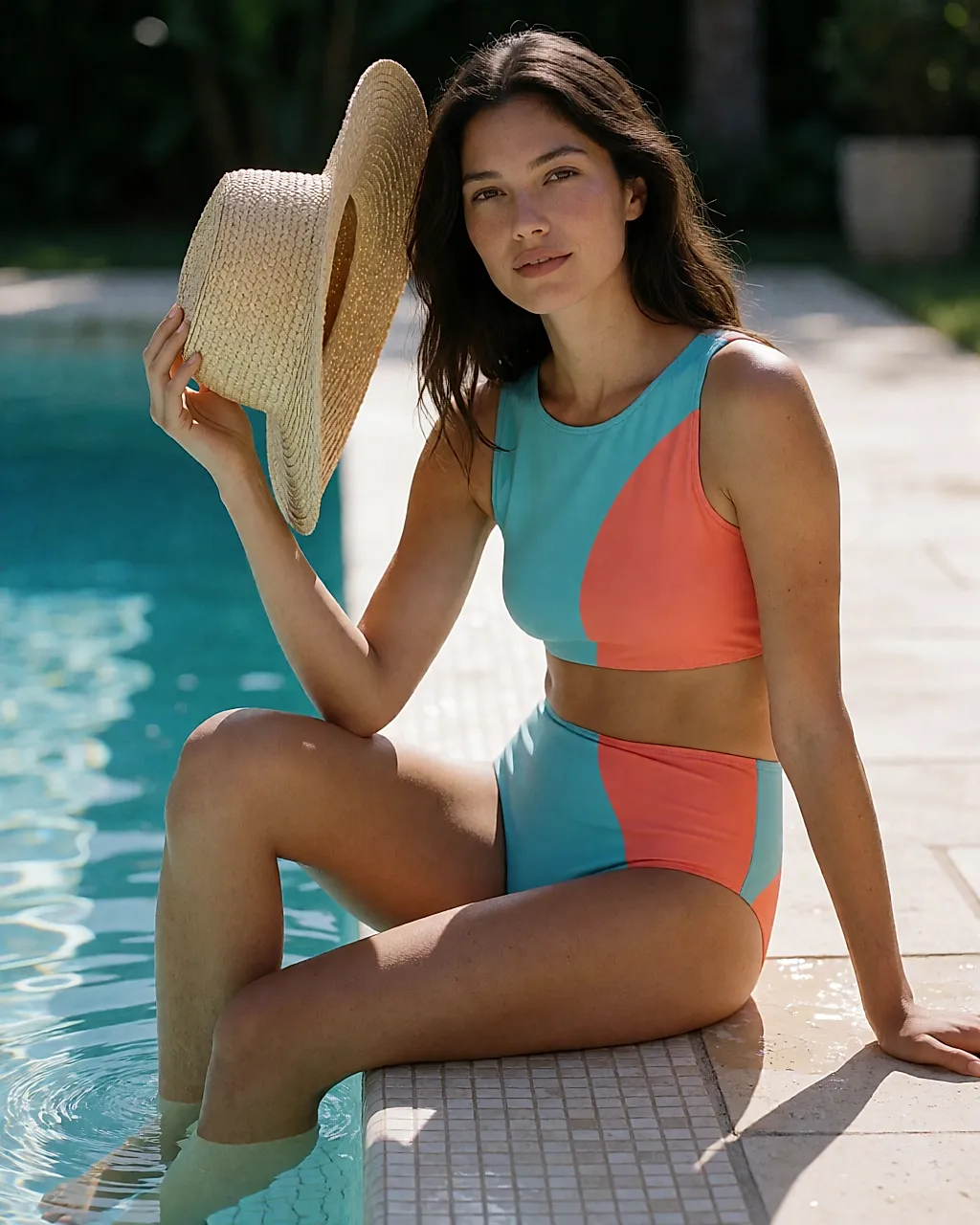
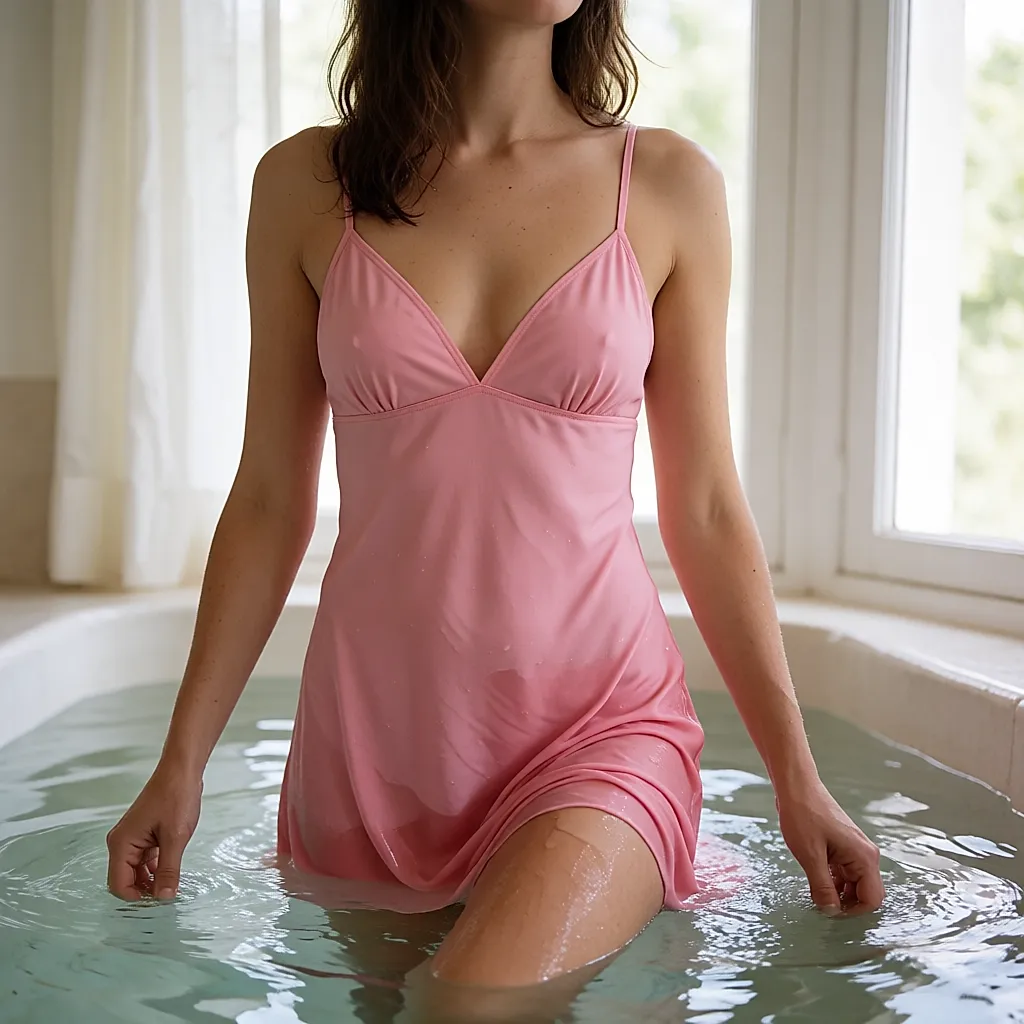
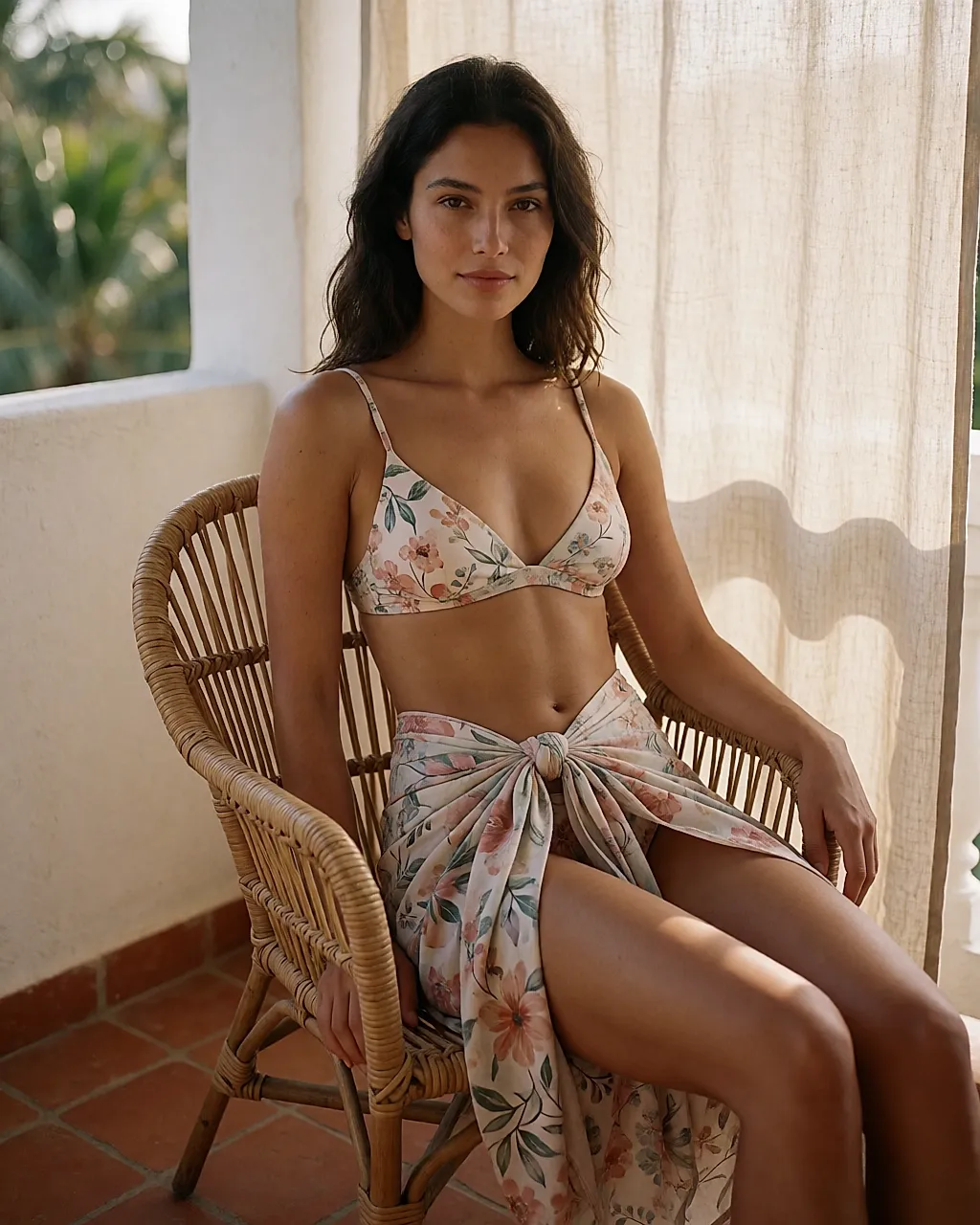
It is hard to talk swimwear without mentioning saturated palettes. On colour, warm tones win out: terracotta, ochre, olive green, chocolate brown, plus classic candy pink and lagoon blue. Prints fall into two camps. On one side, graphic motifs, wide stripes or bold colour-blocking; on the other, tropical evocations, stylised foliage and faded florals, softer than a plain Hawaiian print. Playfulness also comes through in the finishes: embroidery, beads threaded onto a shoulder tie, metallic sheen, wet-look texture. And for anyone who likes to mix things up, tops and bottoms are increasingly sold separately—a welcome freedom to adjust sizes and body shapes.
The legacy today
Two decades on, the legacy of these shapes is tangible. The one-piece has become a wardrobe staple in its own right, worn as easily at the beach as with wide-leg trousers or a long skirt. Two-pieces are often sold as separate tops and bottoms, so you can play with sizes and cuts—a retail flexibility that was not as common back then. Fabrics have moved on too: recycled polyamide, fibres made from recovered fishing nets or plastic waste, textiles designed to stand up better to chlorine and salt. One caveat: technical fabric is no substitute for applying sun protection to exposed skin, and reapplying remains the step that makes the biggest difference.
On protection, choose a mineral SPF and check that it carries a credible certification—'organic' only means something if it is certified. Think about packaging, too: a cardboard tube, glass bottle or refill helps limit single-use plastic. There is an honest trade-off: some mineral textures leave a white cast, while a conventional formula will be more transparent—so it depends on your skin tone and how you plan to use it.
The essentials remain the same: a swimsuit should be chosen first by how it feels. Comfort, support, freedom of movement—and a little bit of joy.
Budget
Budget depends on brand, cut, fabric and where you shop. In supermarkets and online value fashion, expect to pay around £13–£35 for a two-piece and £21–£50 for a one-piece. At lingerie brands and mid-market swim labels, sets tend to be £45–£110, with tops and bottoms often sold separately. For designer or premium pieces, think £130–£255, sometimes more depending on the finish and country of manufacture. Seasonality matters, too: in high summer, prices in swimwear shops climb quickly, while late summer brings markdowns. And pre-loved is good news: a swimsuit worn for one season can be found online for a fraction of the price—just check the elastic and colourfastness.
For sun protection, expect £10–£25 in supermarkets or a pharmacy for a standard format, and more like £20–£35 for a certified mineral SPF, often sold by beauty retailers, health-food shops or online.
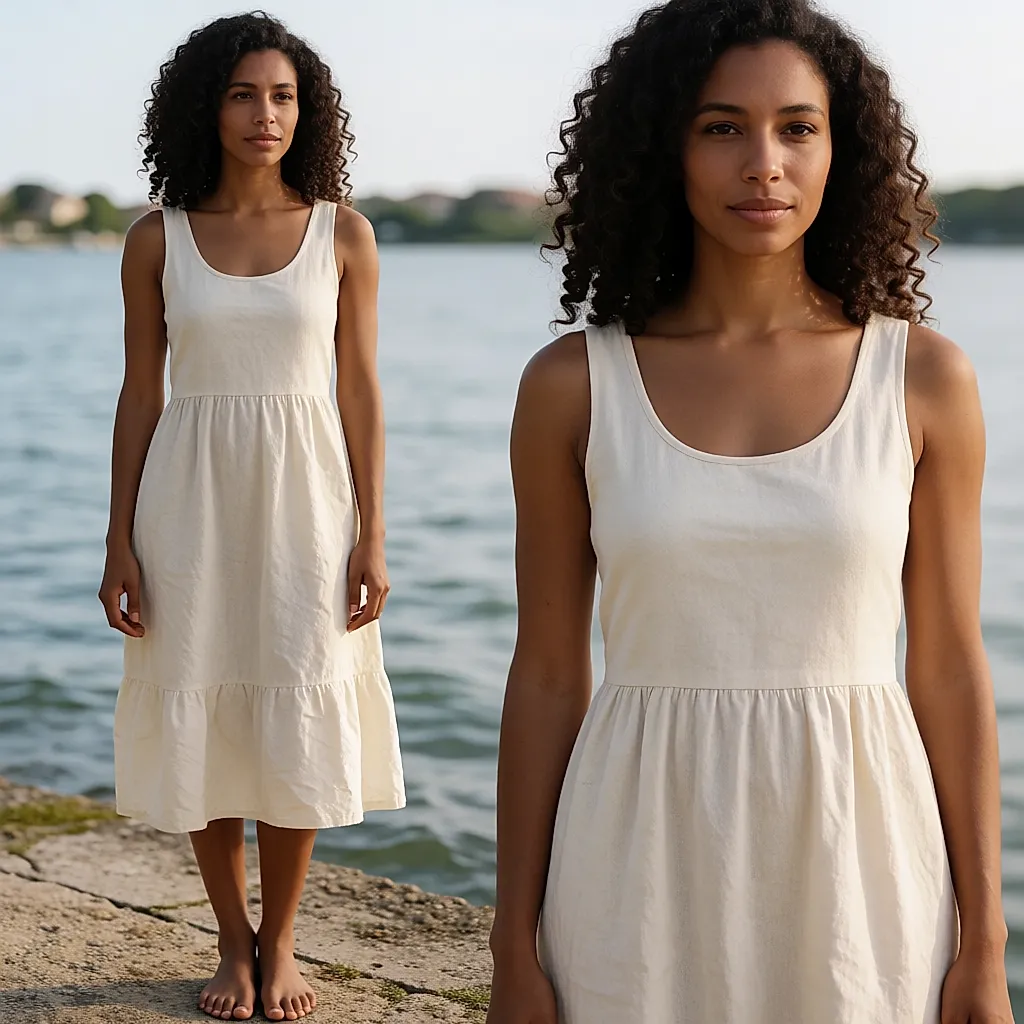
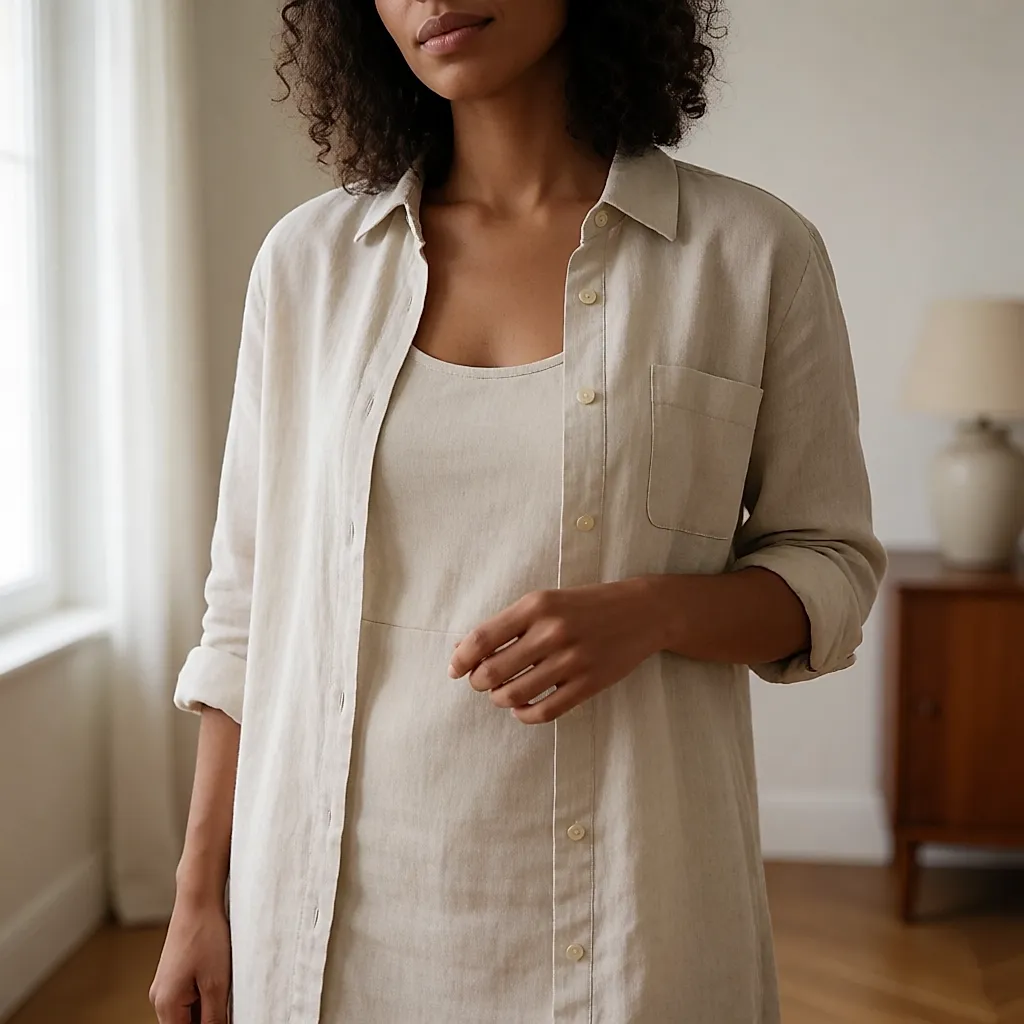
Wearing retro codes without looking costumed. Choose one vintage element—buttoned bottoms, a plain bandeau, a fruity print—and keep the rest simple. A high-waisted bottom works well with a smooth triangle top; a deep-neck swimsuit can be worn with a plain sarong or an open linen shirt. Go for opaque fabrics and flat seams: drape does a lot of the work.
Sources
- NHS — sun safety and UV protection (nhs.uk)
- UKHSA — UV levels and heat health advice (gov.uk/ukhsa)
- WRAP — sustainable textiles and clothing (wrap.org.uk)
Comments
Your opinion matters: rate the article, react and reply to comments.
Comments are moderated; AI-assisted comments are flagged. Text emoticons (8-), :-), <3…) are automatically shown as images.