
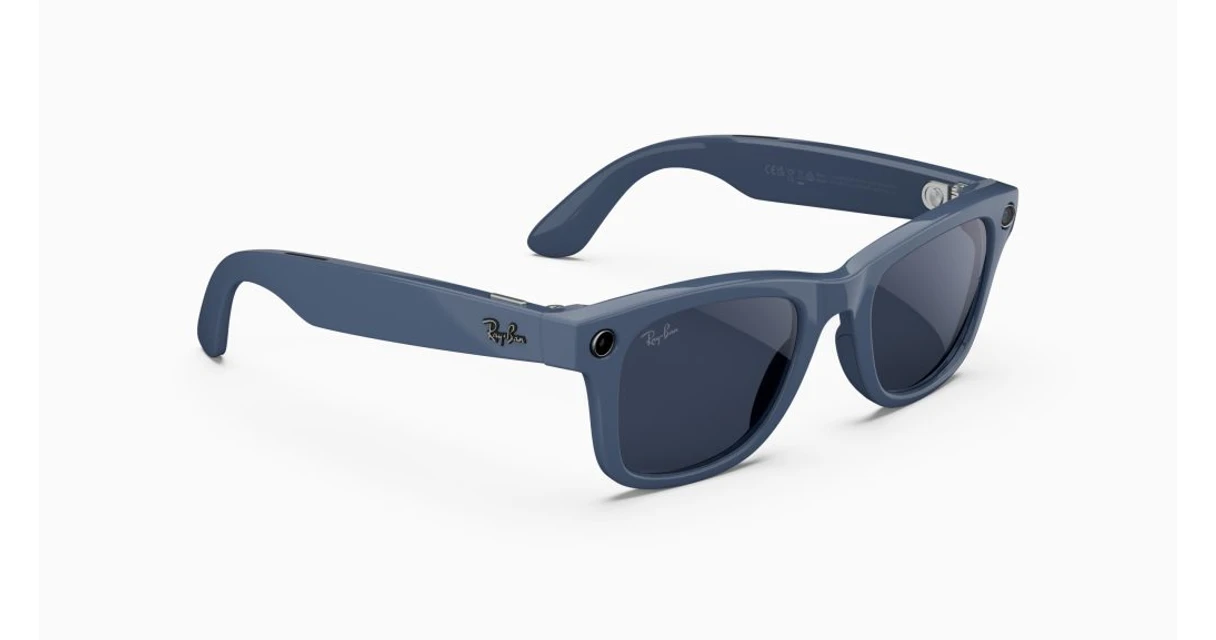
A thicker arm, a hinge with extra bulk: that is how you spot a pair of smart glasses before you have even switched them on. Everything else—sensor, speakers, assistant—almost fades into the background. The frame, though, does the talking. And it is the frame people judge first, whether in the mirror at an optician's or in a holiday photo.
Why the frame matters more than the spec sheet
A classic acetate pair of prescription glasses usually stays light; smart frames are usually noticeably heavier, because battery, microphones and speakers have to go somewhere. That extra weight often sits in the arms, which tend to become thicker and longer. In the shop, you may not feel it straight away. After a while, you are likely to.
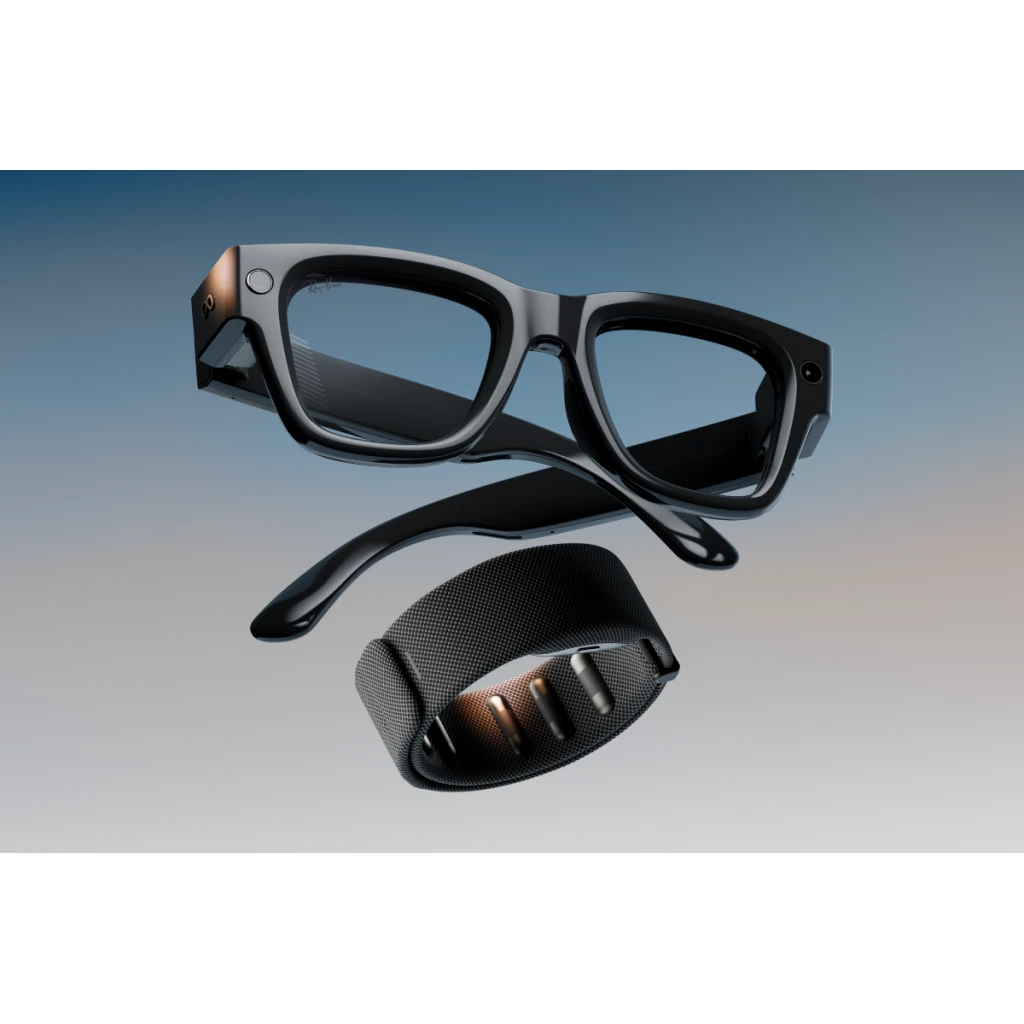
Then there is the shape question. On a narrow nose, a wide arm in thick acetate is less forgiving than a thin metal one: the frame slips, you push it back up with a finger, and that gesture gives the game away more reliably than a camera. If discretion is what you want, narrow lines, thin acetate or brushed metal are less noticeable. Sporty versions, such as Oakley Meta, make no apology for going the other way: technical materials, a secure fit, an outdoorsy look. This is no longer a pair of specs trying to hide; it is a pair announcing exactly what it is.
And comfort? A heavier frame can mean more noticeable pressure behind the ears and on the sides of the nose. You can wear it for an evening without thinking about it; forgetting about it for a whole day is much less likely.
Can you tell it has a camera or a screen?
Two families coexist. The first, the Ray-Ban Meta type, keeps the technology relatively discreet, especially in dark colourways and classic shapes: from a distance, it can pass as a reasonable pair of specs. The second family goes further: display versions, such as Ray-Ban Display, put a screen in the lens. At that point, discretion is off the table: the object does not really pass as an ordinary pair of prescription glasses.

The fact that the glasses can film is worth dwelling on, too. It is not just about you; it is about everyone else in the frame. That can be reassuring on a café terrace, and slightly awkward when all you wanted was to look elegantly short-sighted.
Where smart glasses earn their place
Out for a walk, travelling, hands full with a bag and a coffee: this is where smart glasses come into their own. They can stand in for headphones, they save you reaching for your phone every three minutes, and you are less likely to bother people around you. The same goes for a bike ride or a visit where you want to keep your ears open to what is going on.

By contrast, in an interview, in a meeting, at a wedding or at a dinner where you are keen not to look as if you are filming: leave them in the case. This is not about looks; it is about the unspoken agreement with the people in front of you. And then there is the obvious point: if what you really want is a light pair of glasses you can forget about on your nose from morning to night, this is not the right object. Nor is it right for a child, or as a spare pair left at the bottom of a bag.
What you'll pay
At the till, you are clearly in branded prescription-glasses territory. At the time of writing, expect roughly £300–£400 for camera models, and noticeably more for the display version; check UK availability and current prices before you commit. Prescription lenses can add around £60–£250 depending on your prescription and coatings, bearing in mind that a designer frame with simple lenses often sits between £250 and £450.
Where to get them? At a high-street optician, you can try them on, have the arms adjusted, get lenses fitted, and after-sales support is often easier to reach. Online is often cheaper for the same frame—but fitting is down to you, with a tiny screwdriver and a lot of patience. For something that puts weight on your nose, trying before buying is not a luxury.
Before you commit, do three things: wear the frame for a few minutes without talking (you will feel the weight), look at yourself in profile (the thickness of the arms is obvious), and ask about the gap between the frame and your temple—that is where wide models pinch.
Which leaves the real question: is it worth the money? If you already wear glasses every day and you want headphones anyway, the case for them stands up. If you are after an elegant, light pair of specs, your budget will be better spent elsewhere—on a lovely acetate frame, for instance, that you can keep for years without ever recharging it. For now, the two remain separate purchases.



Comments
Your opinion matters: rate the article, react and reply to comments.
Comments are moderated; AI-assisted comments are flagged. Text emoticons (8-), :-), <3…) are automatically shown as images.