
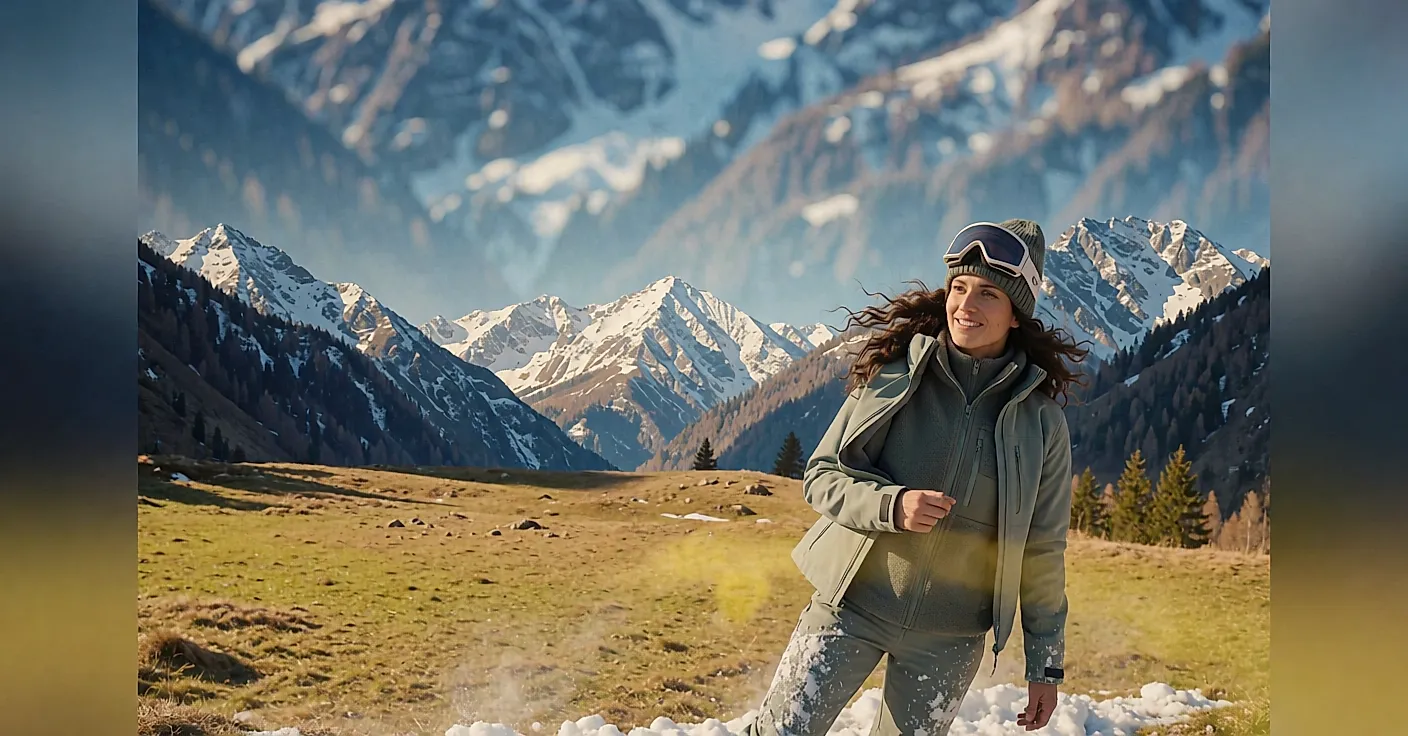
You've booked the week, paid for the lift pass, and there's just one problem left: you have nothing convincing to wear in the snow. Old walking trousers, an itchy hat, town gloves. In reality, that won't last a morning on the slopes.

Good news: looking stylish on the slopes doesn't mean dressing like a sleeping bag. It's all about layering — three thin layers rather than one bulky one — plus two or three well-chosen pieces. Shall we go through your mountain wardrobe?
Start with a base layer that regulates
This is the layer next to your skin. You won't see it, but it decides how your day goes. Two materials are worth your attention.
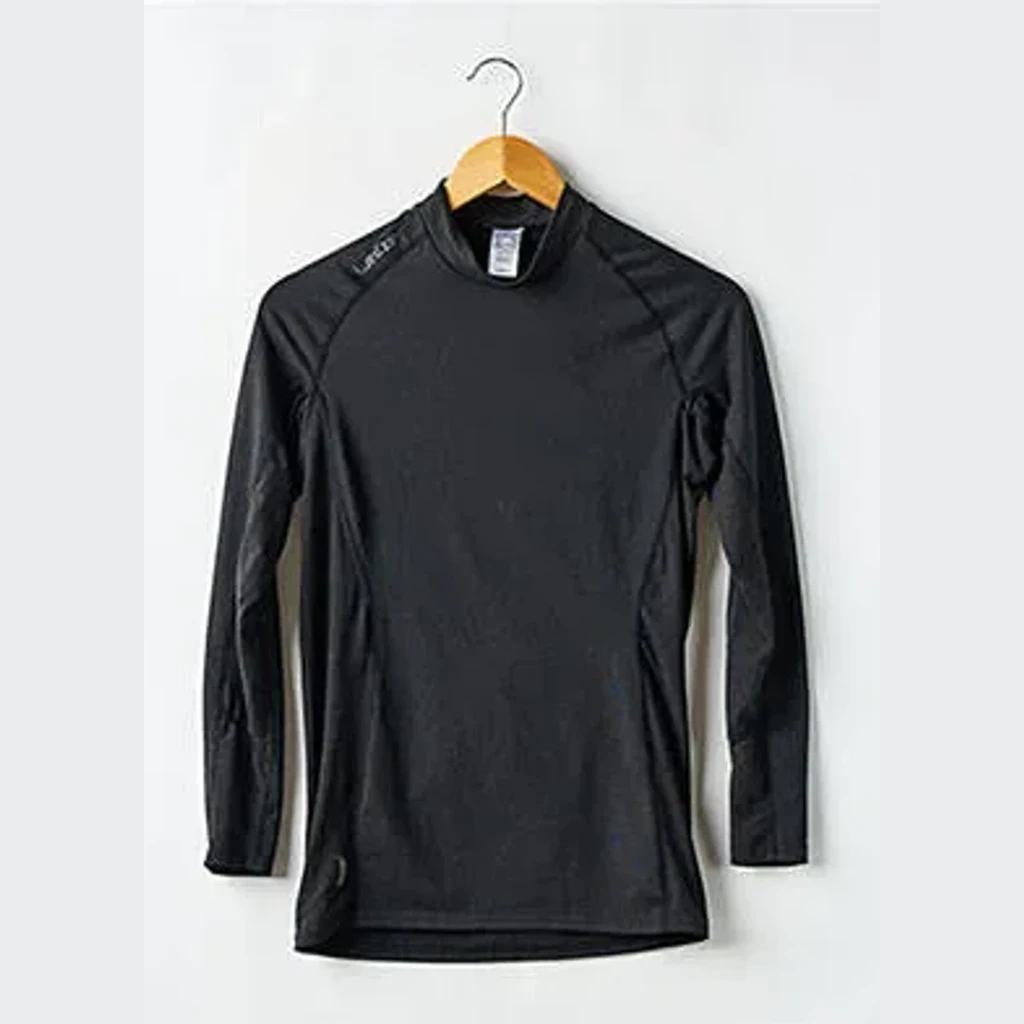

Fine merino wool regulates moisture and slows down odours — useful when you're wearing the same kit three days running. Look for the RWS mark: this standard covers animal welfare and pasture management. Icebreaker, Smartwool and Ortovox all offer it.
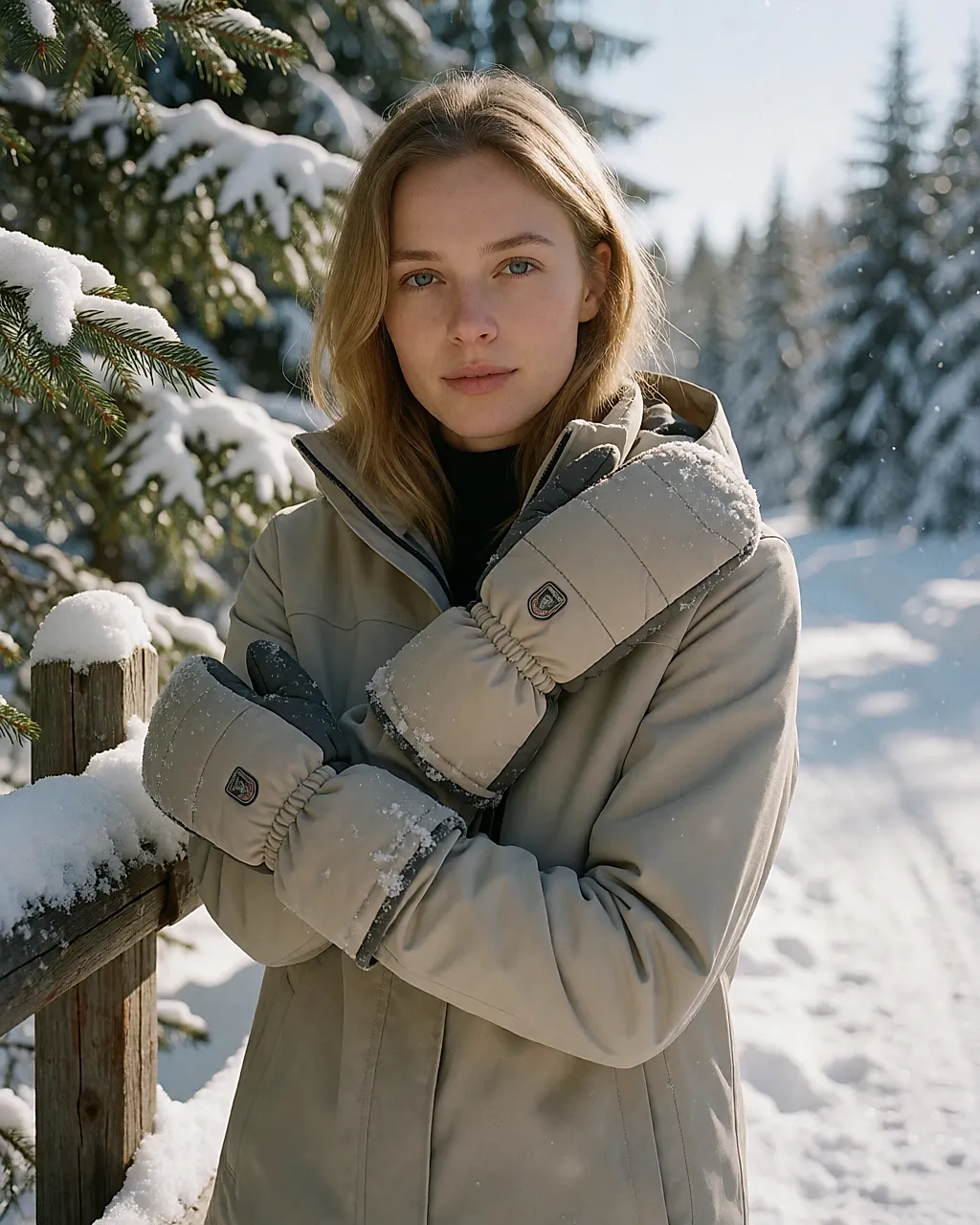
Recycled polyester, meanwhile, dries faster and costs less. The GRS label certifies the proportion of recycled material and its traceability. Decathlon sells it under its Wed'ze brand, and Picture Organic Clothing uses it in its collections.
The trade-off, honestly: merino costs two to three times more and needs a wool cycle in the wash; synthetic fabric starts to smell sooner. Decide based on how you'll use it.
The mid-layer: fleece, not down
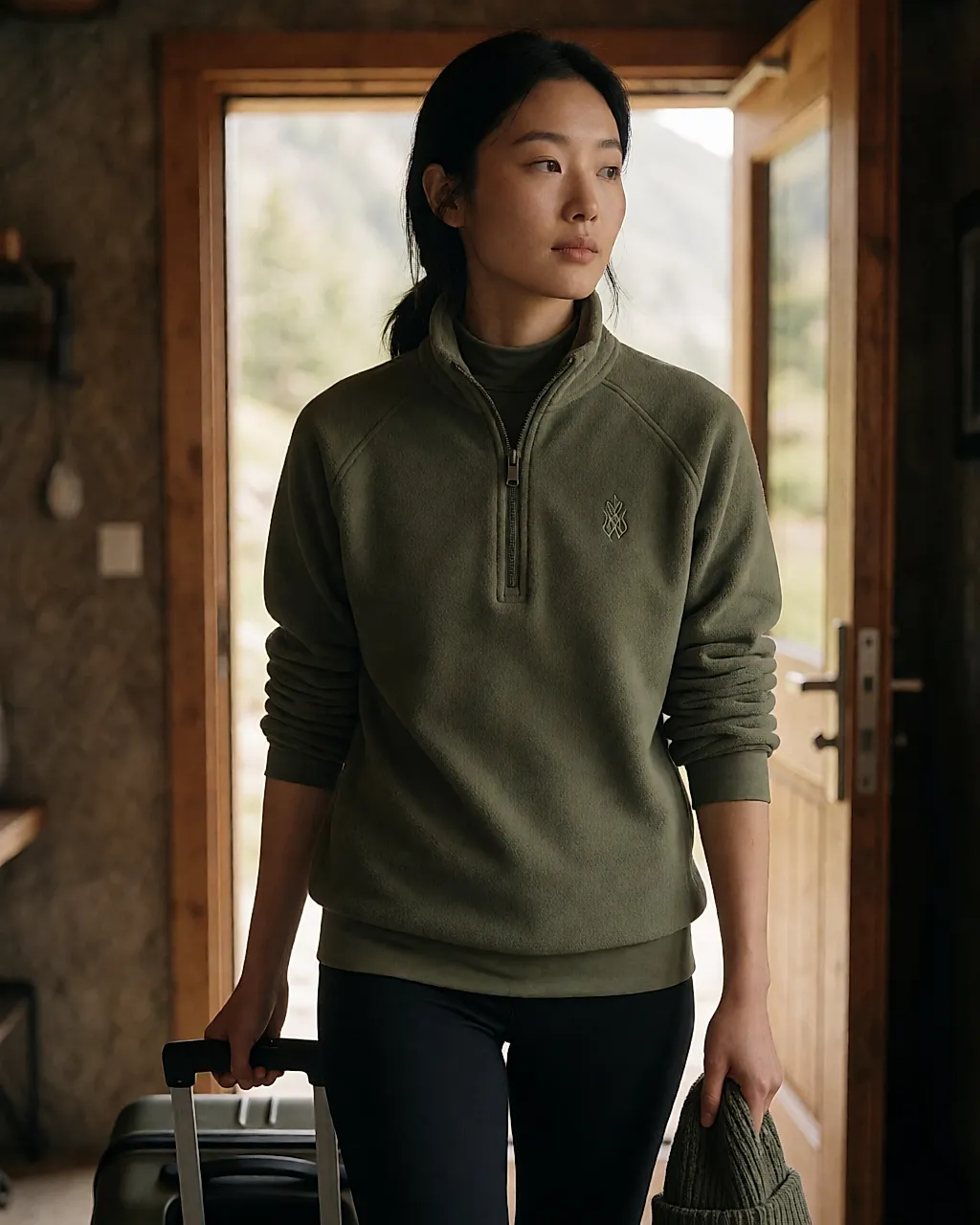
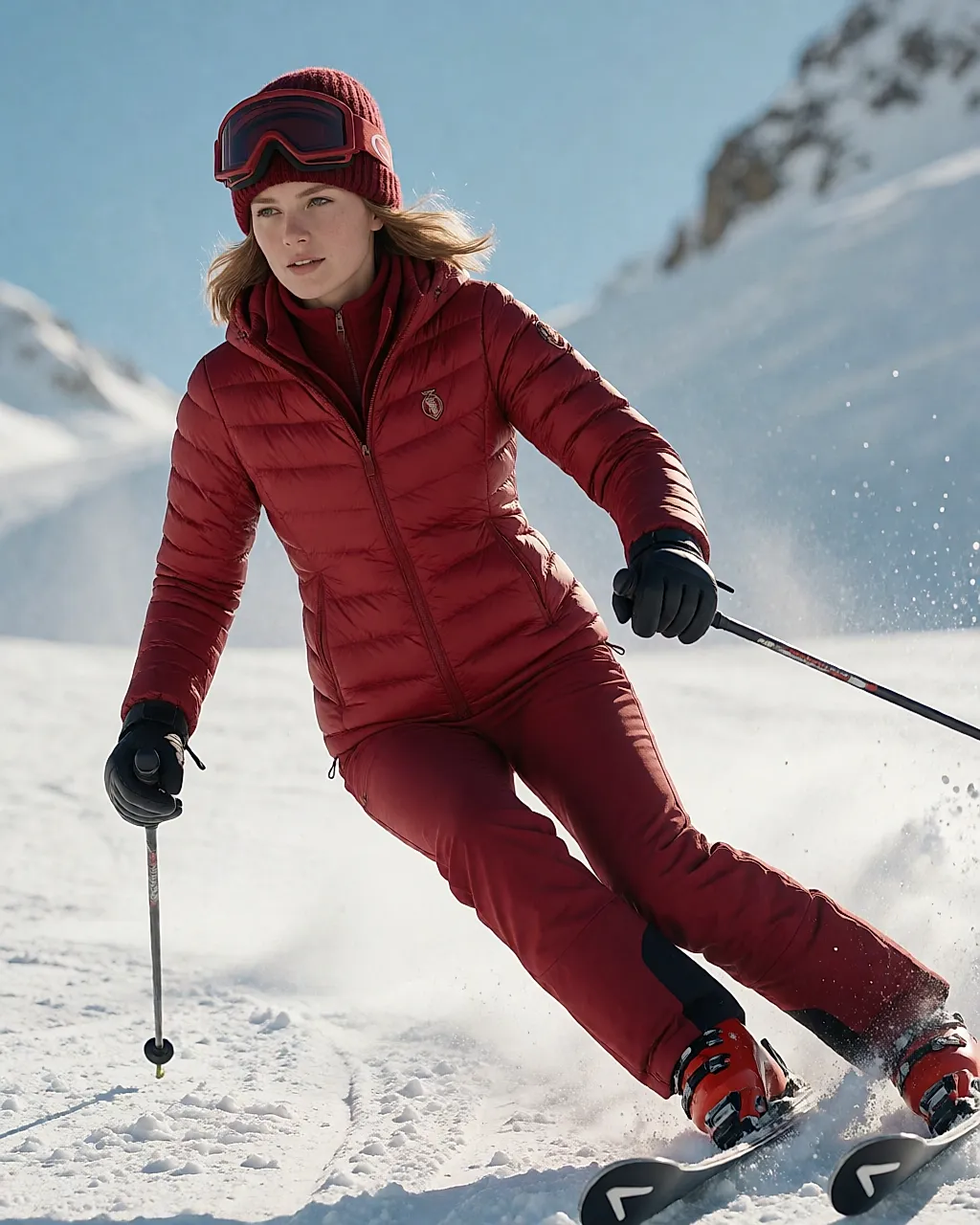
This is the layer you take off at the mountain hut when the room is overheated. A recycled-polyester fleece does the job, and it's the easiest piece to find second-hand.
The fleece that pills has given way to denser, softer knits. A marled texture or a jacquard panel is enough to take it beyond pure technical kit. Patagonia makes some of its fleeces from recycled polyester, sewn in Fair Trade-certified factories; Decathlon has an equivalent under Quechua.
The outer layer: the statement piece
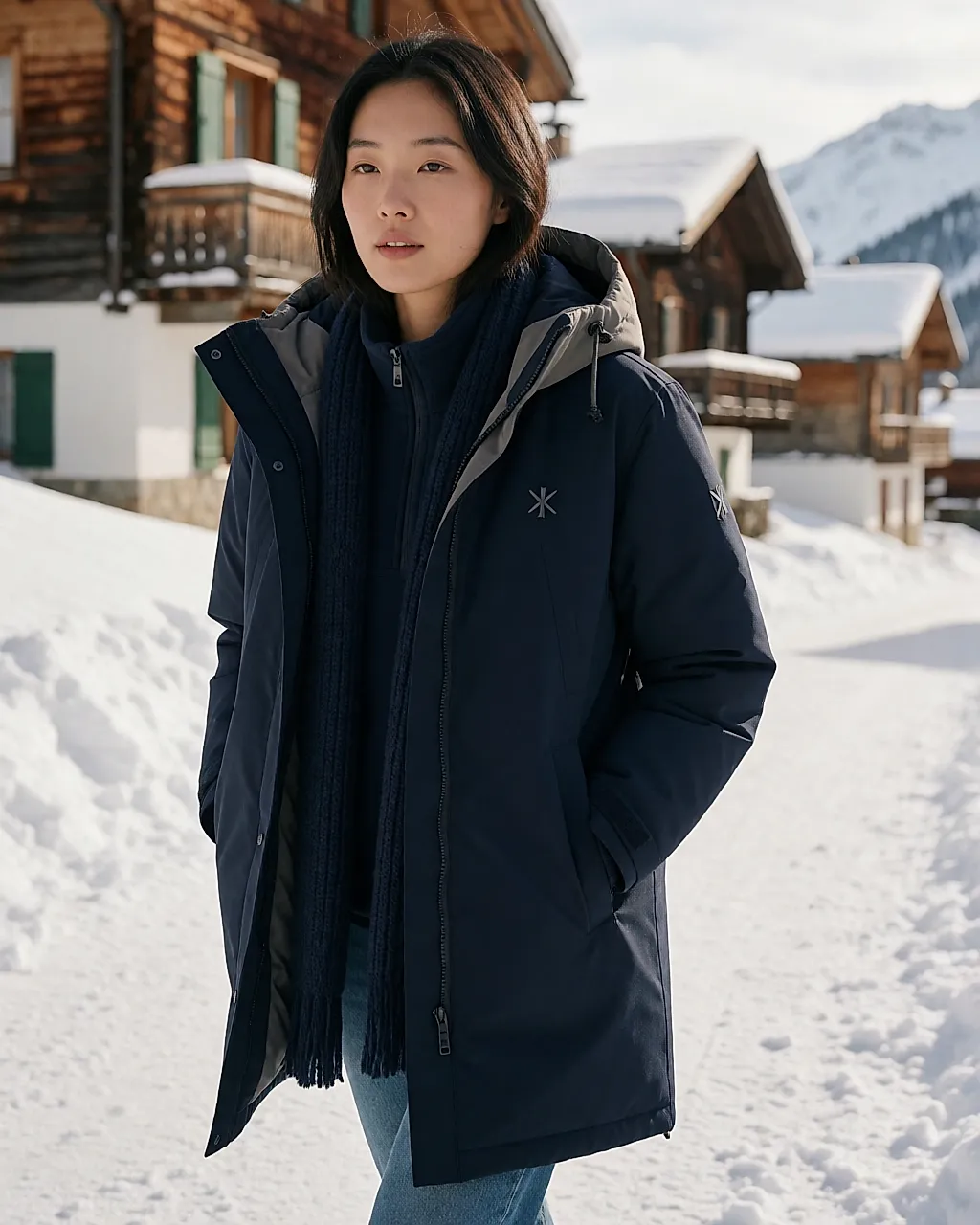
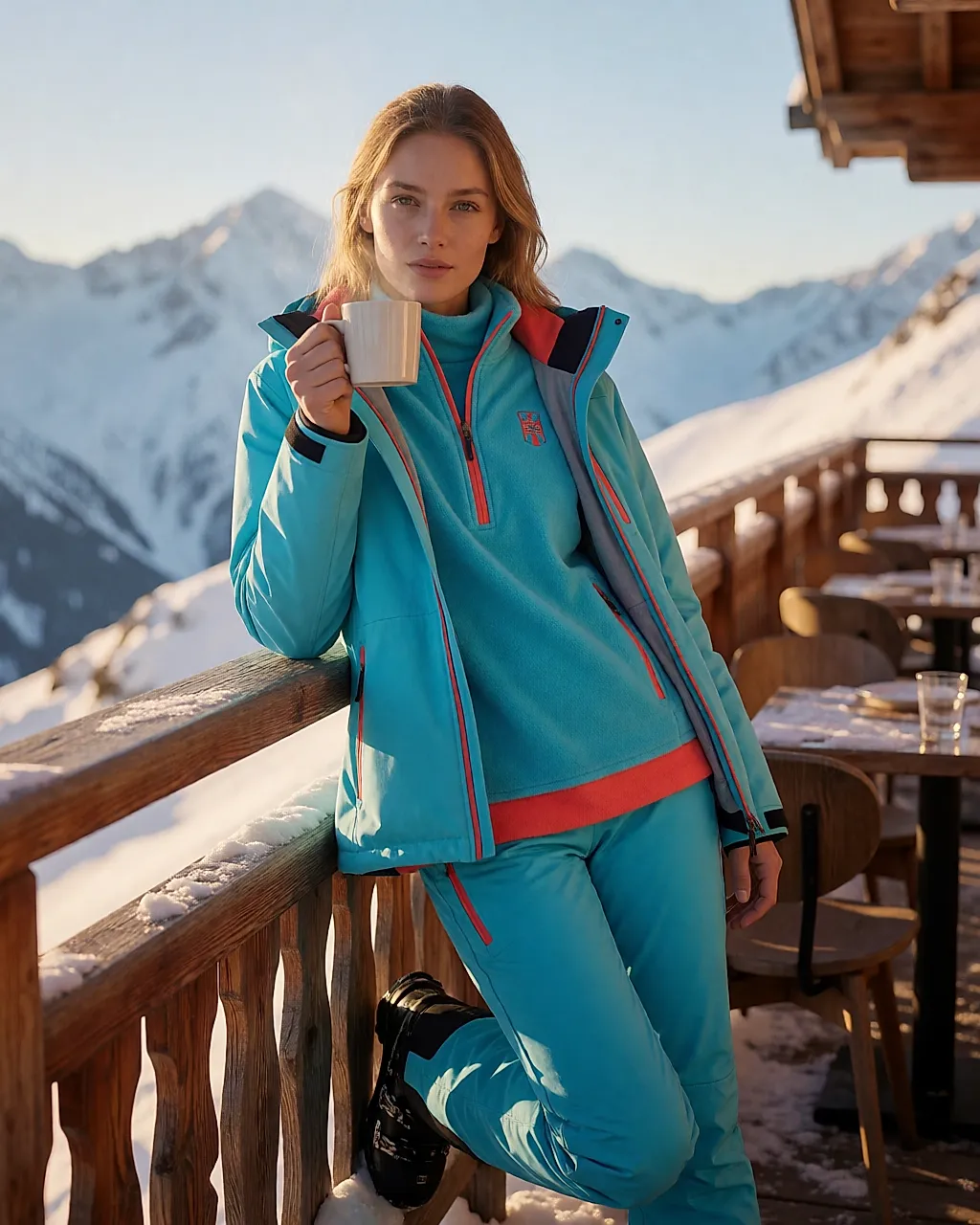
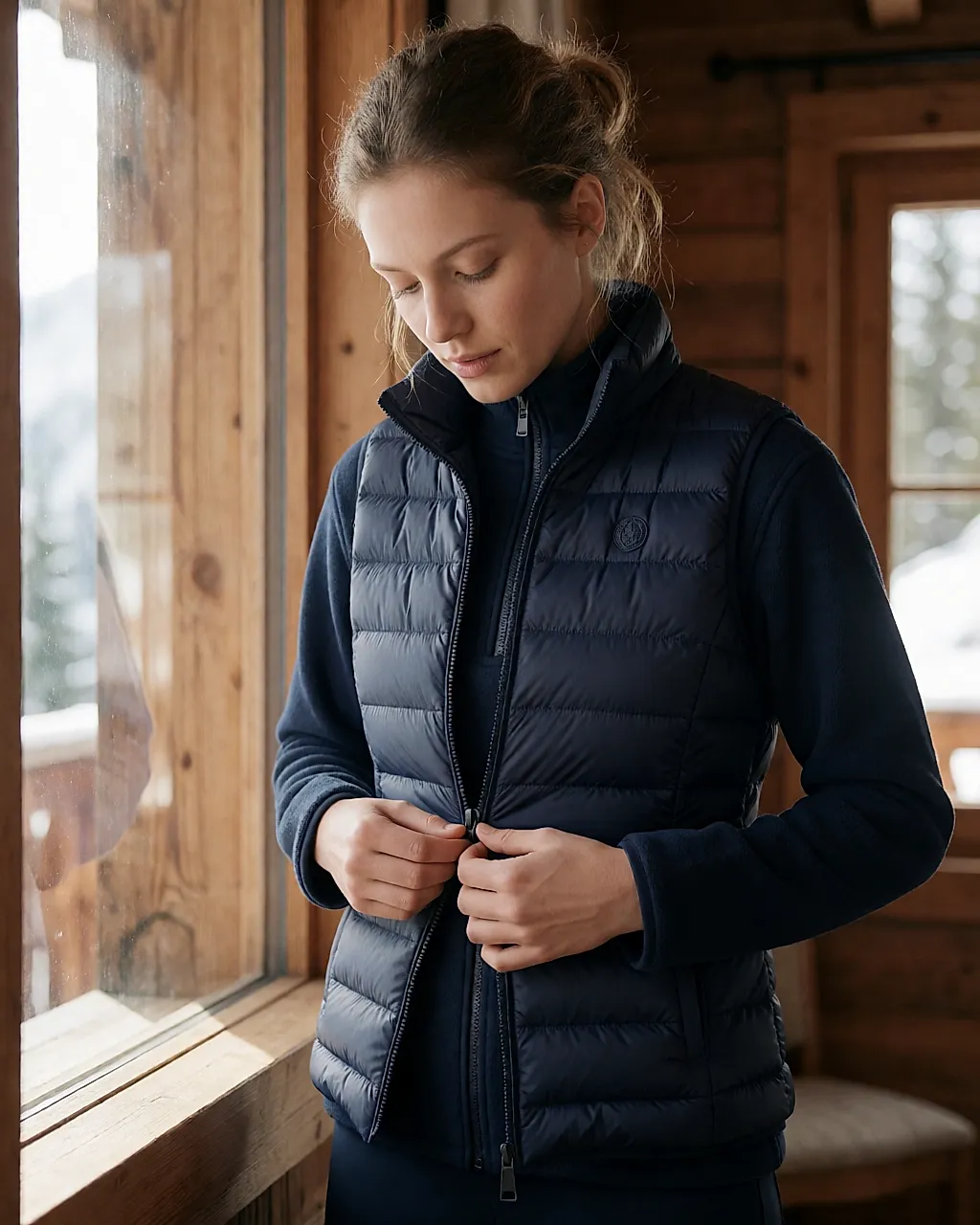
This is the one people notice in photos. A ski jacket does two jobs: insulation and a membrane.
For insulation, down or synthetic? Down is very warm for its weight, provided it stays dry — look for RDS certification, which guarantees feathers are not live-plucked and birds are not force-fed. Synthetic insulation performs less well for the same weight but is unaffected by damp, and is often made from recycled fibres.
For the membrane, two numbers matter: waterproofing in millimetres and breathability in grams per square metre over 24 hours. A versatile jacket sits around 10,000 mm and 10,000 g. Below that, keep it for days forecast to be dry.
Then there's the water-repellent finish. Fluorinated DWR treatments (PFCs) are subject to increasingly strict regulation in Europe and the UK. Look for 'PFC-free' or 'C0'. Picture Organic Clothing, a French B Corp-certified brand, works with recycled polyester and PFC-free water repellent.
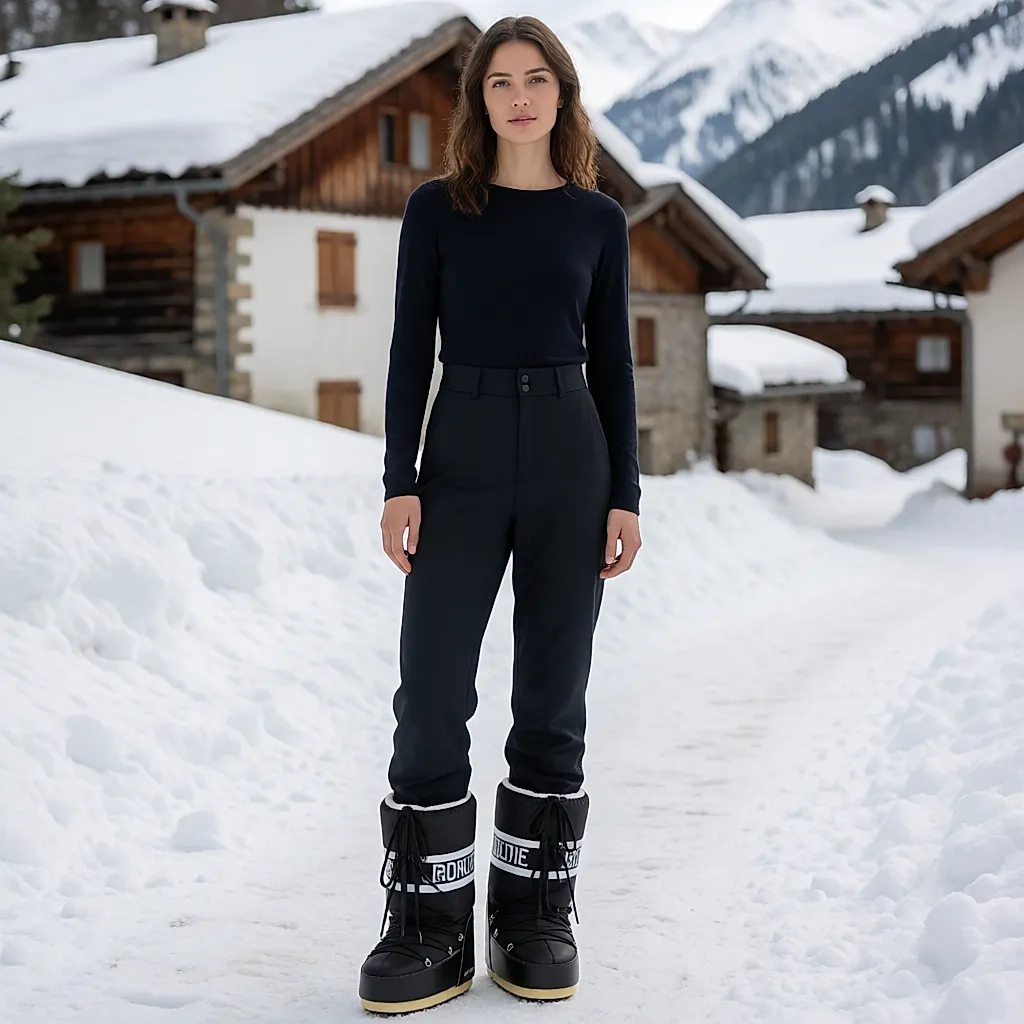
Fit matters as much as the numbers: an overly baggy jacket blurs your silhouette, while a jacket that fits at the shoulders leaves room for layers without ruining the line.
On your feet, the real test
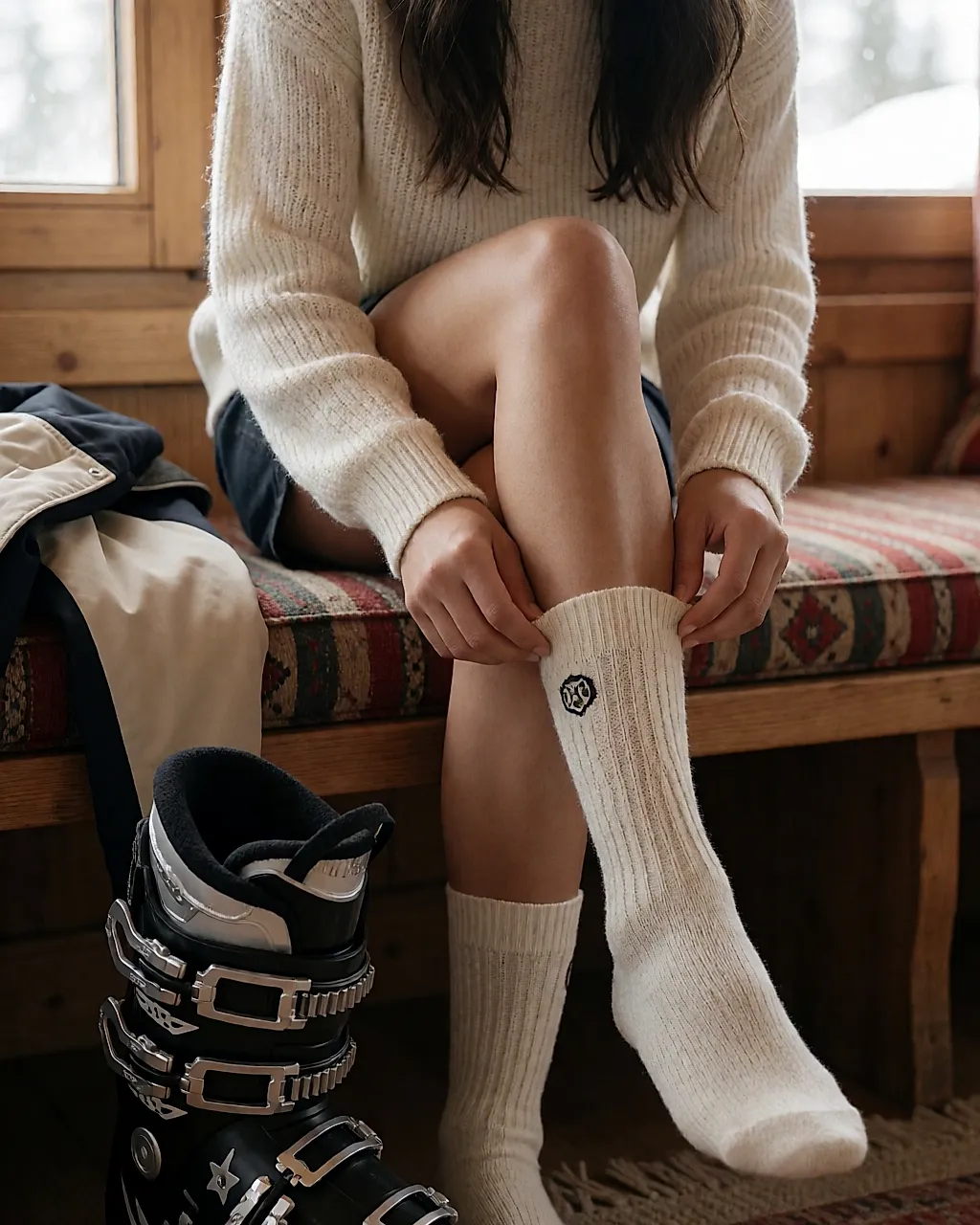
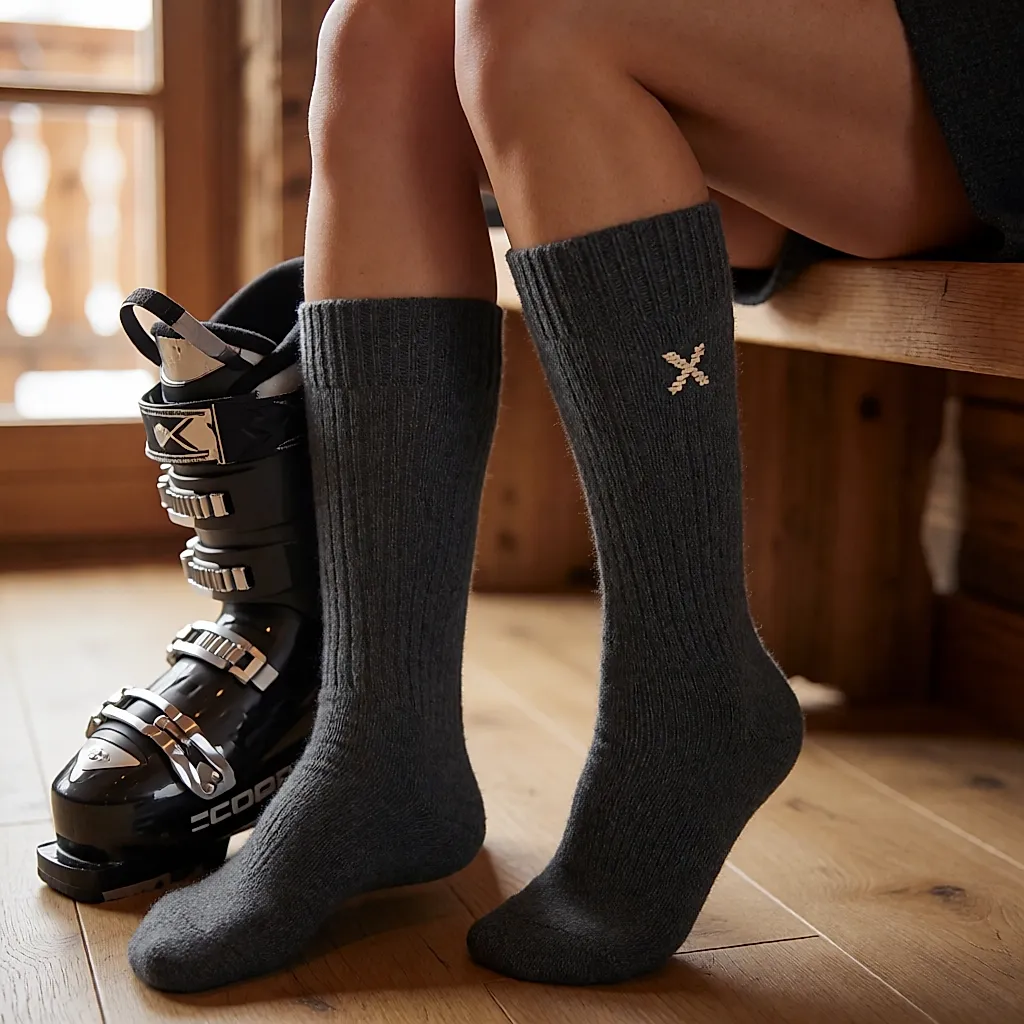
Three hours in ski boots and you understand why socks matter. Go for merino: it cushions, regulates moisture and doesn't bunch at the bottom of the boot after two runs. Cotton holds moisture and makes your feet cold — avoid it.
For après-ski, the Moon Boot remains the icon, launched in the early 1970s in the wake of the Apollo missions. Its thick sole and high shaft keep out the cold, but it isn't designed for long walks. Decathlon offers lighter boots, less dramatic and more practical in town.
Accessories that won't blow the budget
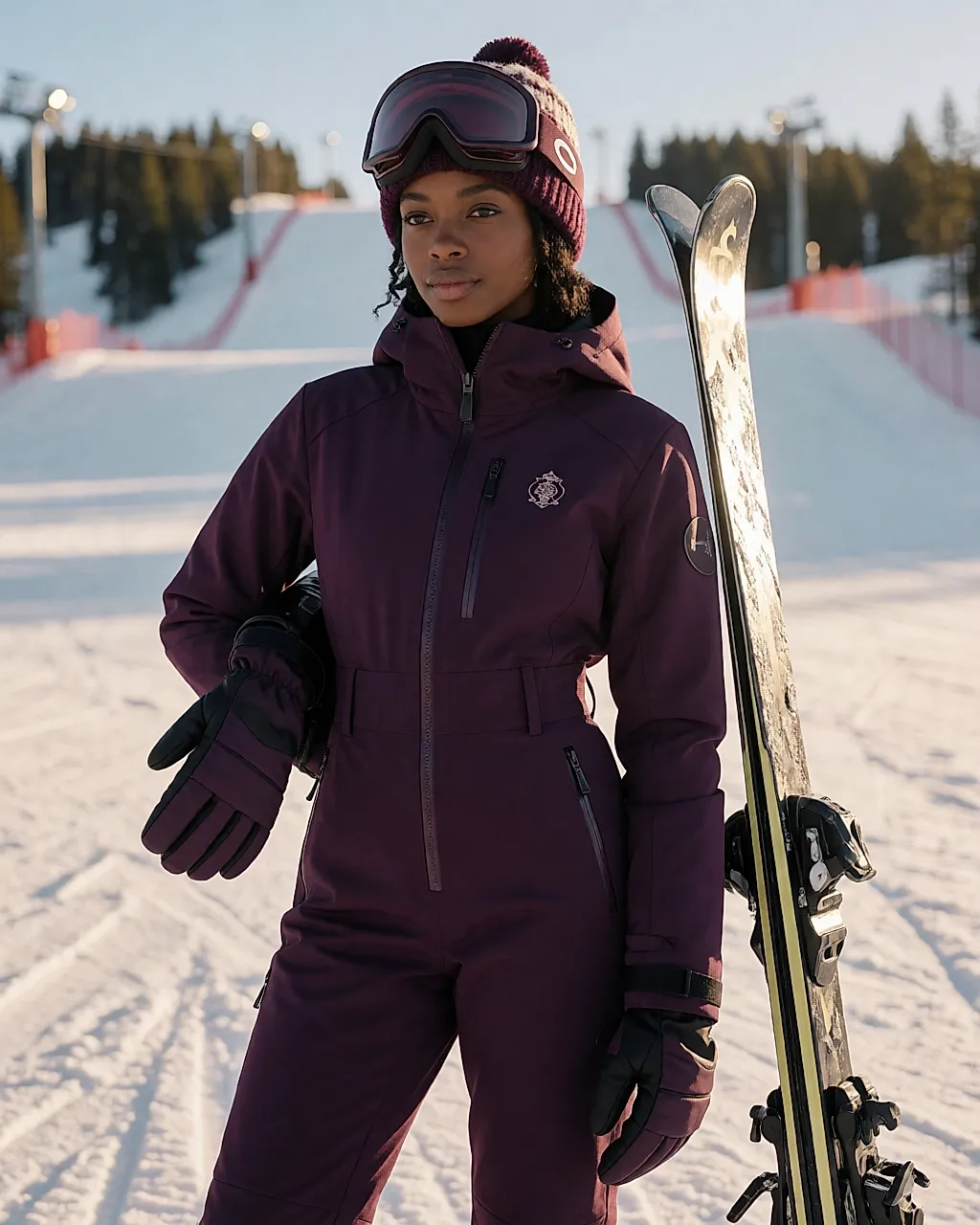
Hat, neck warmer, mittens: this is where you can play with colour and print without pushing up the total. A ribbed knit, a jacquard, a recycled-wool mitten — three ways to personalise an otherwise technical look.
The fit matters as much as the shade: a hat that's too loose breaks the line of your face, while a mitten that's too thin protects nothing. And if wool makes you itch, it's often pure acrylic; check the composition before you fall for it.
The cold test. Put on your base layer, fleece and jacket, and stand outside for ten minutes in dry, cold weather. If you're sweating while standing still, you're wearing too much: keep the fleece for breaks and ski down without it. If you're shivering, you need another layer — never cotton.
Budget
Rough UK price guide, excluding promotions and second-hand. Prices vary by retailer and season, so check before you buy.
- Merino or recycled-polyester base layer: around £20 to £60.
- Fleece or mid-layer jumper: £25 to £110.
- Waterproof, insulated jacket: £90 to £400.
- Ski trousers or suit: £60 to £300.
- Après-ski boots: £45 to £220.
- Hat, gloves and neck warmer: £15 to £80 for the set.
- Merino ski socks: £15 to £30 a pair.
What moves the price: the raw material, the level of the membrane, the presence of labels (RDS, GRS, bluesign) and where you buy. An outdoor specialist will advise and adjust the fit, a large high-street chain cuts prices, and second-hand or trade-in schemes can halve the cost of the big-ticket pieces.
Sources
- Textile Exchange — RDS, RWS and GRS standards (textileexchange.org)
- OEKO-TEX — Standard 100, limits on harmful substances (oeko-tex.com)
- bluesign — chemical management in the textile supply chain (bluesign.com)
- ADEME — environmental impact of textiles and good usage practices, French environment agency (ademe.fr)
- Decathlon — Wed'ze and Quechua brands, Second Life programme (decathlon.co.uk)
- Patagonia — Worn Wear, repair and second-hand (patagonia.com)
- Picture Organic Clothing — French brand, B Corp approach (picture-organic-clothing.com)
- Moon Boot — brand history and ranges (moonboot.com)



Comments
Your opinion matters: rate the article, react and reply to comments.
Comments are moderated; AI-assisted comments are flagged. Text emoticons (8-), :-), <3…) are automatically shown as images.