

Do you really think I can wear neon yellow at 40? The question arrived on a Tuesday morning, between a missing school bag and a coffee that had already gone cold. I gave a vague answer, and I regret it. Let me try again, because the question deserves better: yes, you can. On one condition — stop treating neon as a colour and start treating it as an accent.
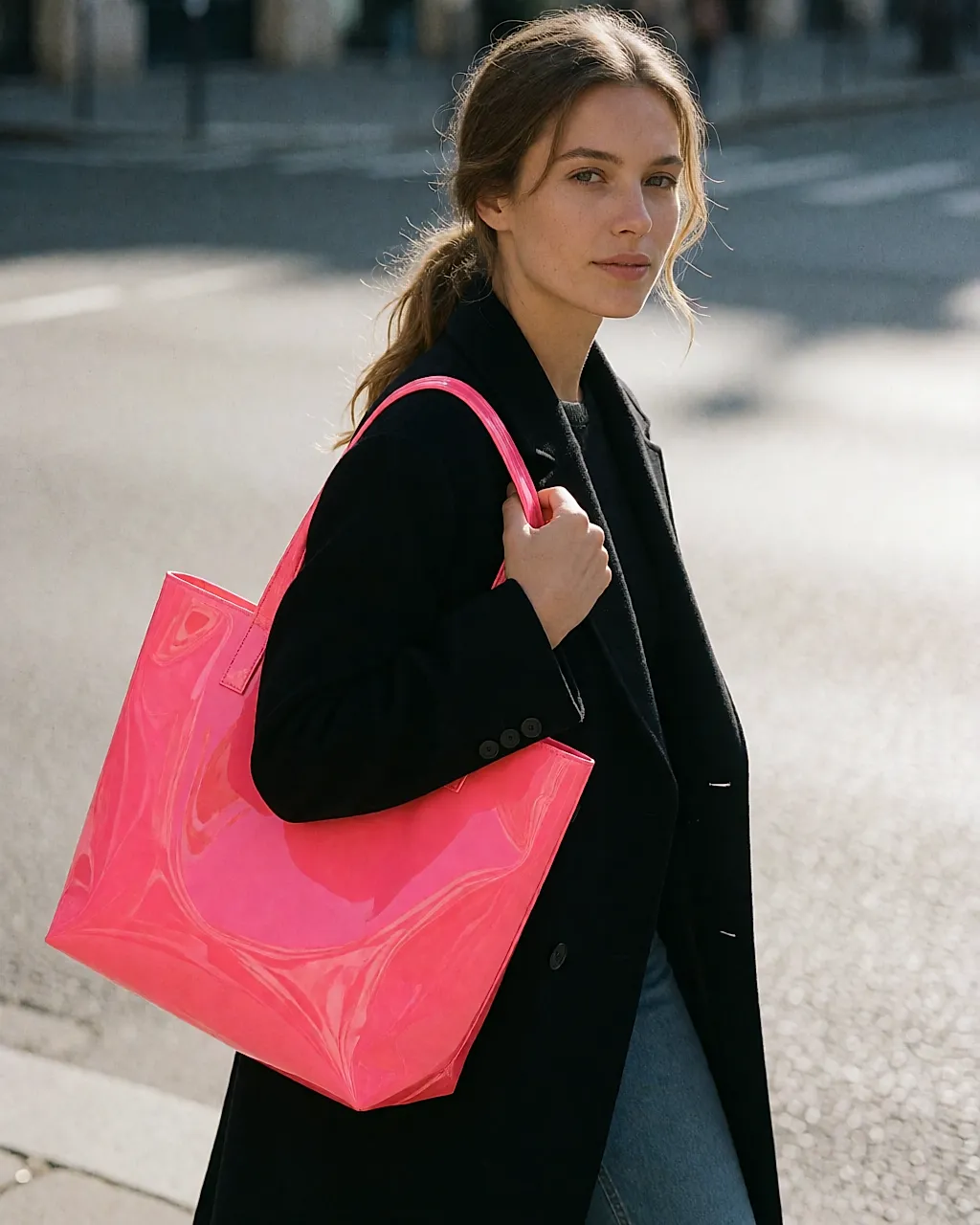
Let's be honest: neon is one of the hardest colours to wear well. Worn head-to-toe with jeans, it can turn an outfit into a sweet wrapper. The colour isn't to blame. It's about surface, fabric and dose.

Why neon keeps coming back
Neon never really dies. It waits for its moment. The 1980s, the early 2000s, then a more recent revival: the cycle is regular enough that we should stop being surprised.


What has changed is how we wear it. Neon is no longer an entire garment; it has become a signal: a stripe on a sweatshirt, piping, a sole, a lining. Brands have twigged, placing it where it catches the eye without shouting. As a result, the colour becomes wearable day to day, even when you're running for a bus with a shopping bag in each hand.

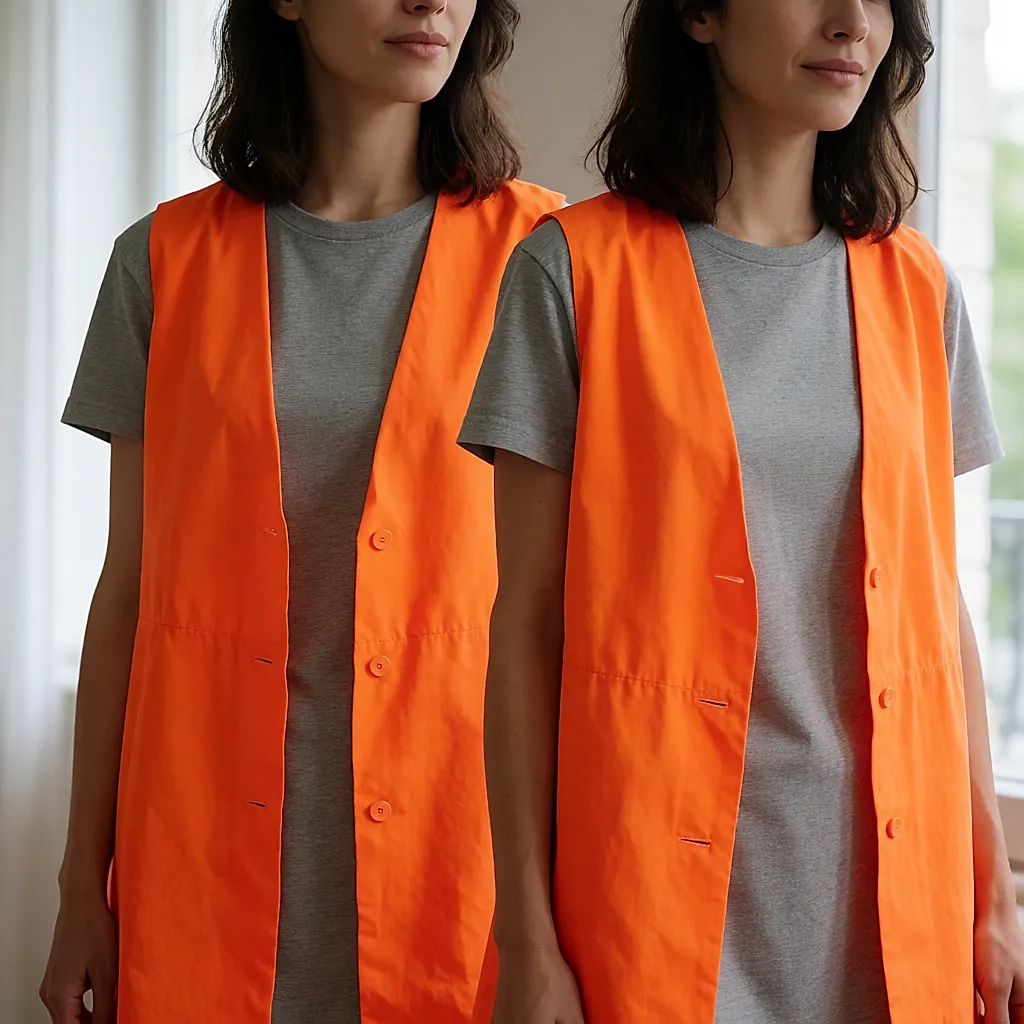
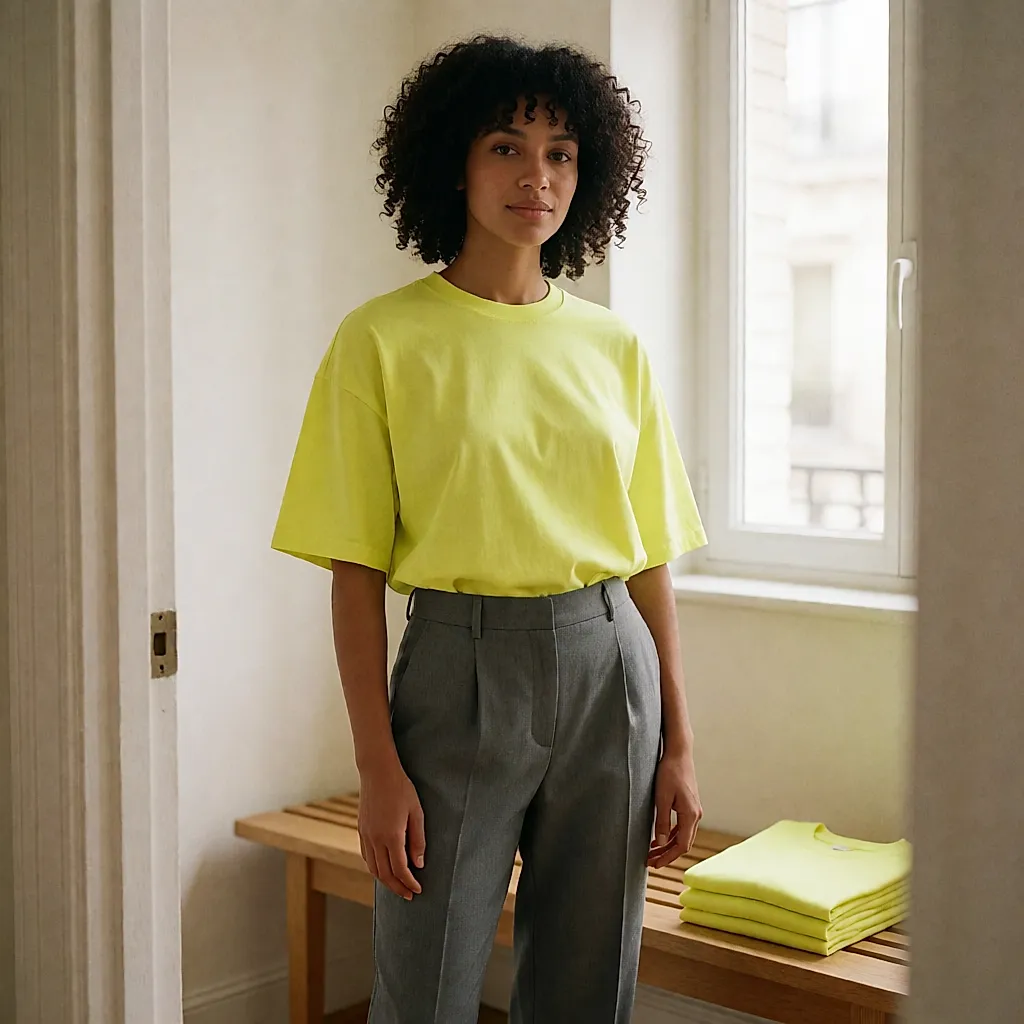
Another shift: neon now works beautifully with matte fabrics and clean cuts. Put a neon piece with grey sweatshirting or raw denim and the outfit holds together without any effort. It's the contrast of textures that does the work, not the amount of colour.
The 10% rule, or the one tweak that makes all the difference
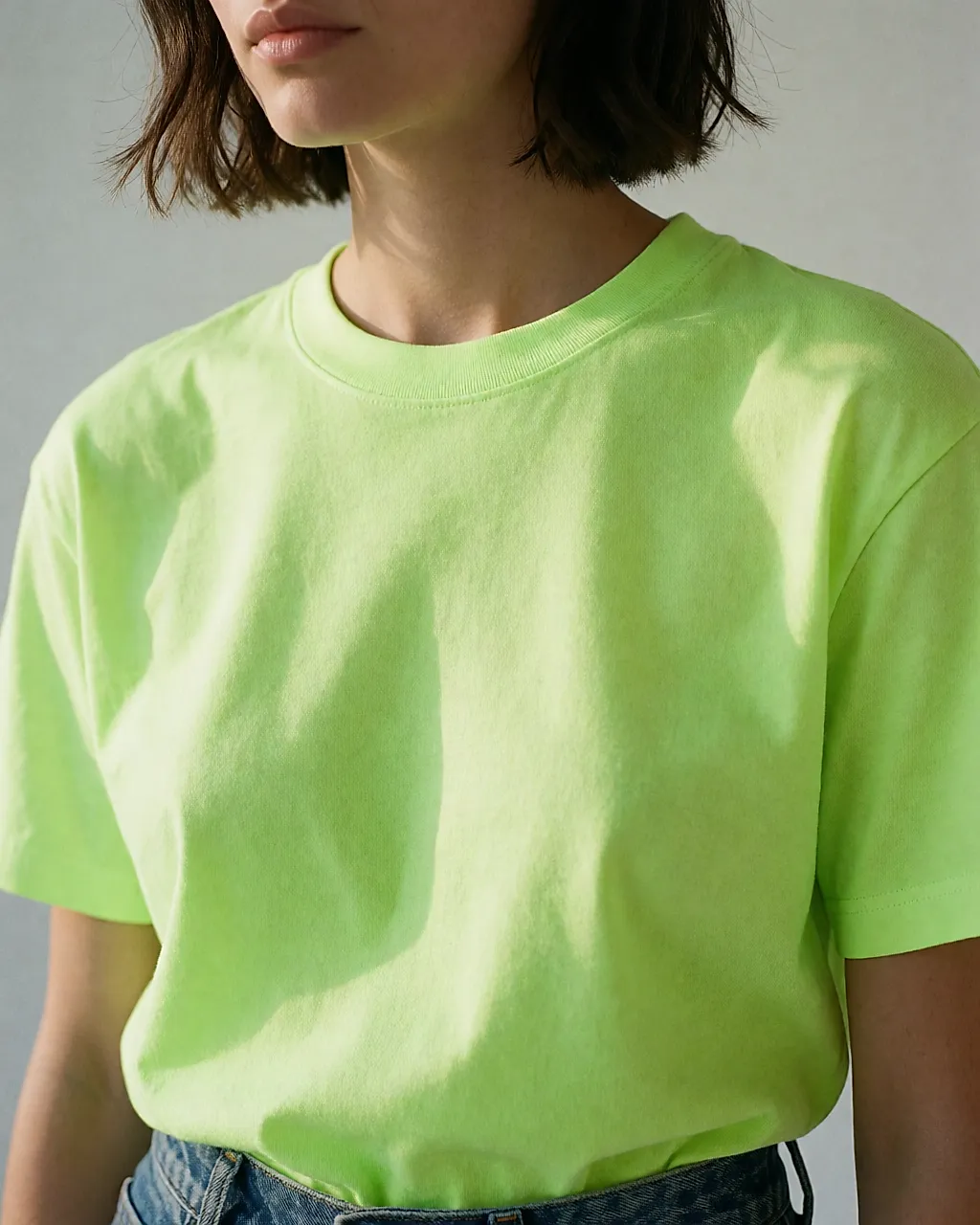
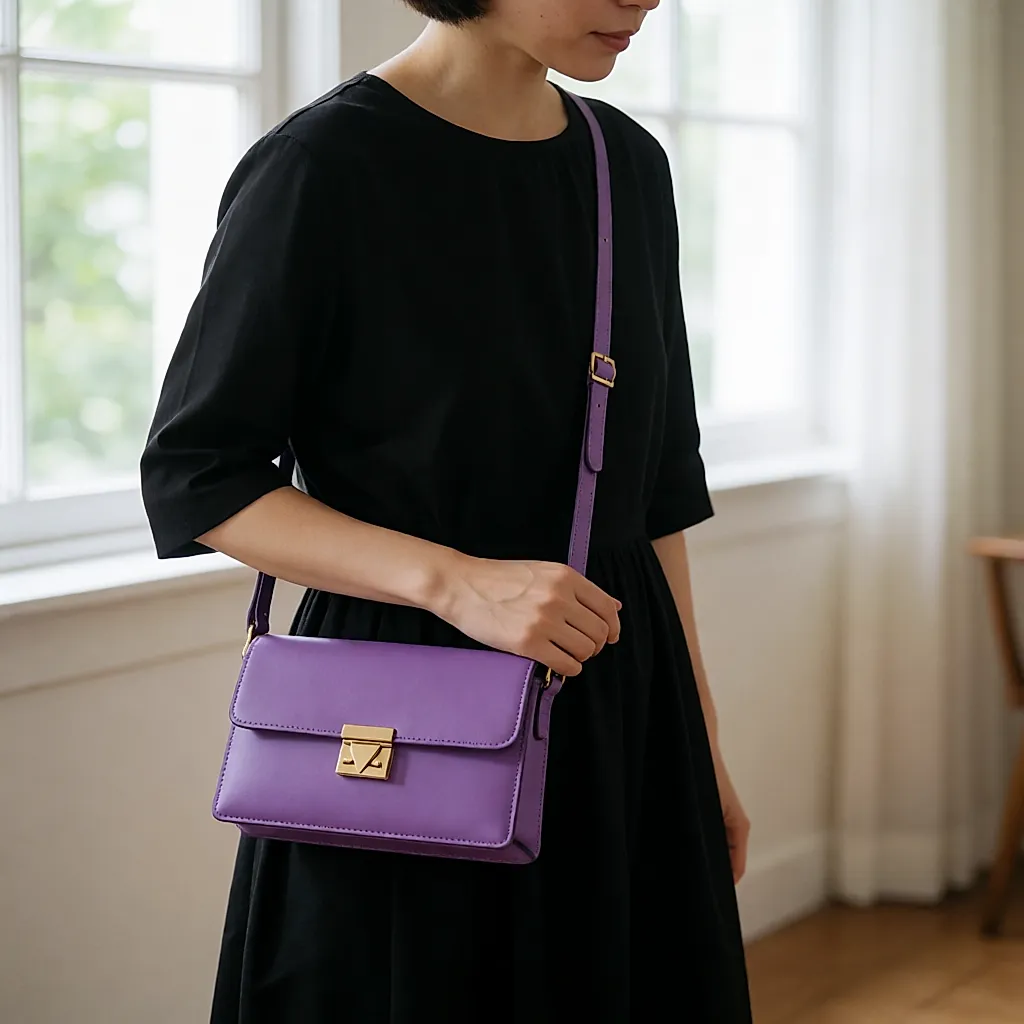
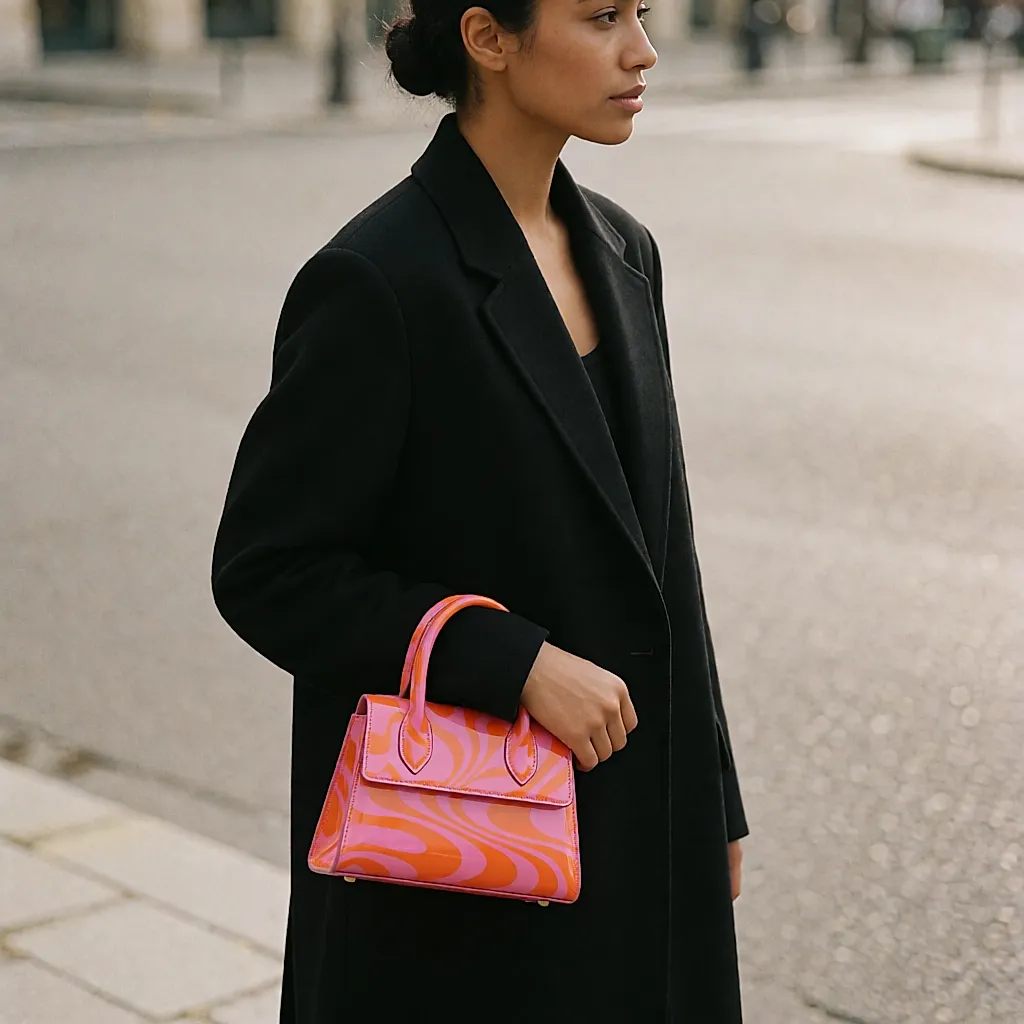
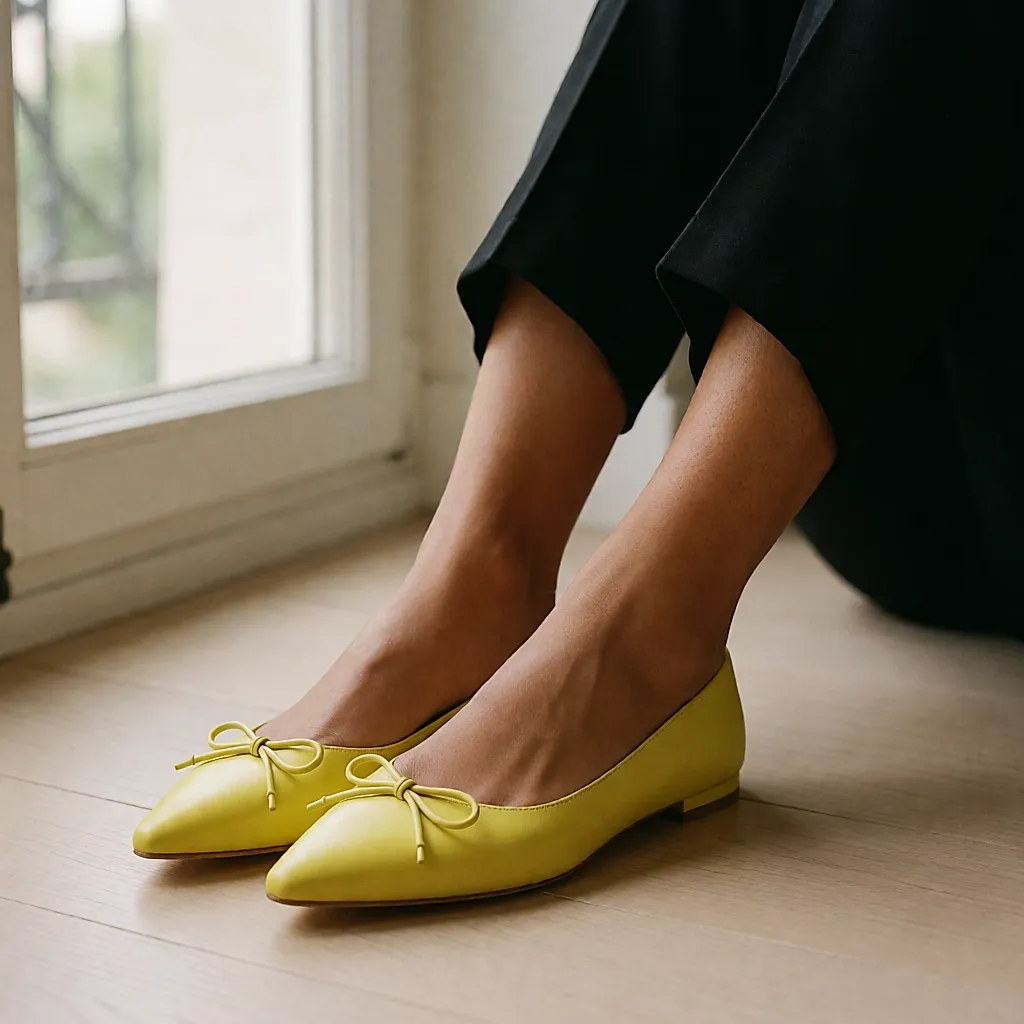
If you take only one thing from this, make it this: give neon around 10% of your outfit. One element, not two. Socks, a belt, a bag, nail polish, a beanie: choose one, but don't pile on three.

Why the limit? Because the eye needs a single focal point. Two neon touches compete for attention and the outfit loses its clarity. With one, people look at your face first — which is usually the aim.

Second rule: pair neon with a neutral, matte base. Black, grey, off-white, khaki, raw denim. The contrast does all the work; you don't need to do anything else.

Third, more subjective: try the shade near your face before buying. No colour suits everyone in the same way, and skin tone reacts differently depending on its undertone. The simplest test is to look at yourself in daylight, in a proper mirror, rather than judging from a photo on a hanger.

Three ways to try it, from safe to bold
Start with an accessory, and that's deliberate. A canvas bag with neon stripes, a belt, a pair of laces: this is neon that forgives everything. If you hate it, you put it away. In practice, it's also the cheapest way to test whether the colour really speaks to you, without committing to a piece that will end up at the back of a wardrobe.
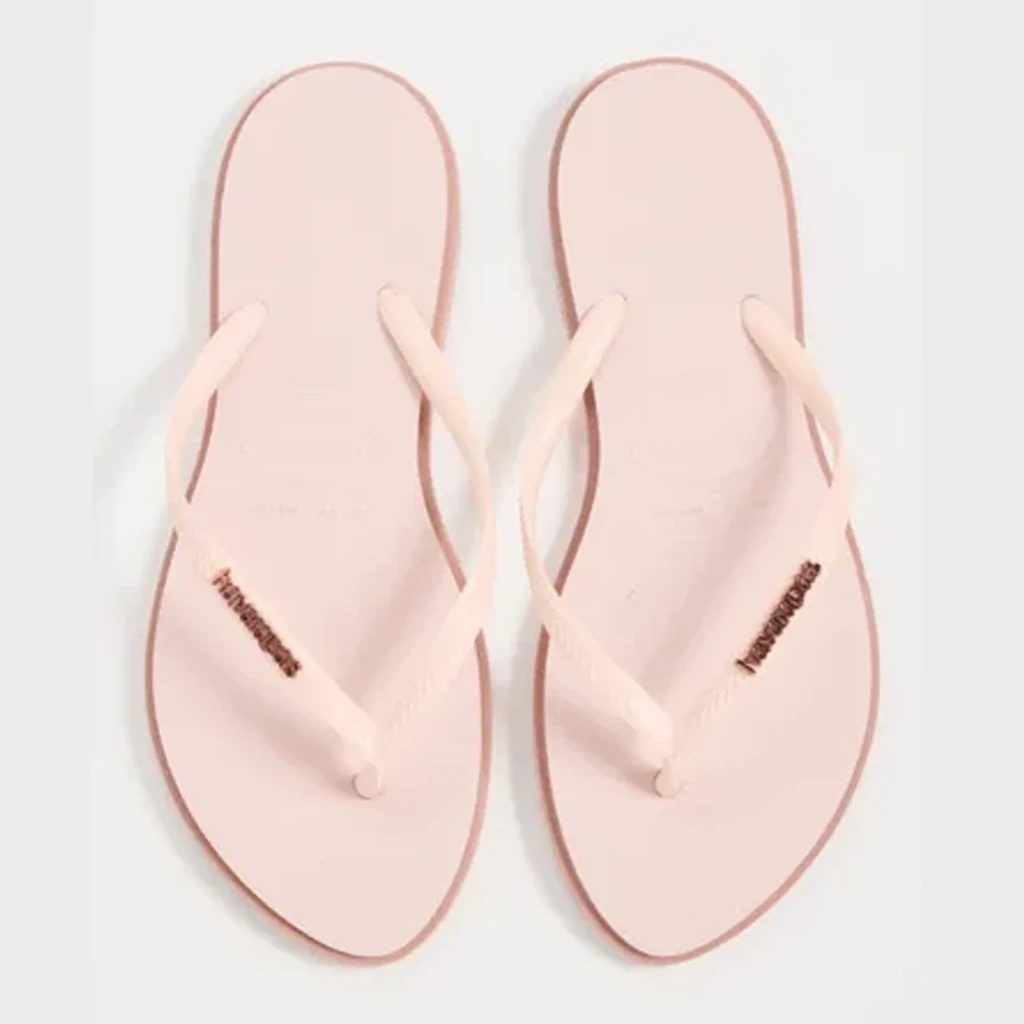
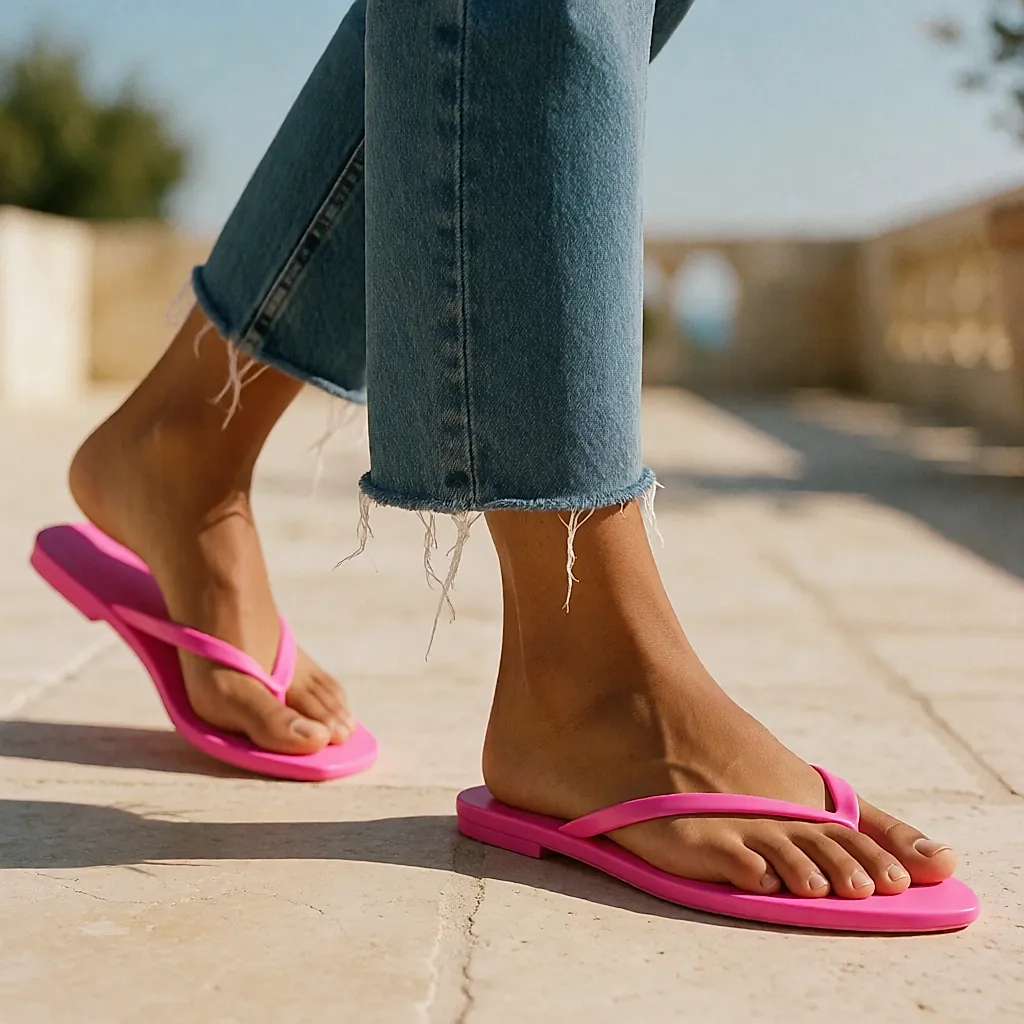
Next, shoes. A trainer with a coloured sole or a low-top with a neon logo works with wide-leg jeans and a plain top. Keep a wipe to hand.

Finally, the statement piece: a sweatshirt, a zip-up jacket or trousers. There's no faking it here. Frankly, this option isn't for everyone, and that's perfectly fine.
Three questions to ask yourself in the mirror, in this order: do I see the colour before I see the person? If so, take one thing off. Does the shade turn green against my skin? If so, change the undertone. Do I feel ridiculous? Then put it back; you've lost nothing.

Beauty can handle neon too
Yes, and this is often where neon is easiest to control. A stroke of neon liner along the lash line, a dab of coloured cream shadow in the inner corner, yellow or green polish on one hand only: three low-commitment ways to try it.
Neon make-up, however, asks one thing of you: a clean base and the rest of the face kept understated. A full-coverage complexion plus a neon line plus gloss is too much — frankly, it's unforgiving. Well judged, it is the easiest compromise to keep up during a busy week.
For anyone who doesn't fancy going there, nail polish remains the gentlest entry point. It comes off with remover that evening, without drama. As for formula, there are now polishes with a naturally derived base, often in glass bottles and sometimes sold as refills: that is a real improvement for the packaging's end of life. The trade-off to know is that wear time often falls below a highly pigmented conventional polish, and remover is still needed. Look at the ingredients rather than the shade name; that is what makes the difference.


Budget
Neon doesn't have to mean a big spend: it depends on the piece and the price bracket. In the UK, expect roughly £5 to £30 for a small accessory (belt, laces, socks, canvas bag), £40 to £120 for a pair of trainers with a coloured sole, £3 to £15 for neon nail polish and £5 to £25 for a liner or cream shadow. These ranges vary by city, brand, material and the care a piece requires — a pale sole gets dirty faster, for example, and a natural polish may need replacing more often. You'll find most of it in supermarkets, high-street fashion chains, beauty retailers or online.
What I tested and what I only observed
In the interests of transparency, as usual: I wore the neon-soled trainers, the neon nail polish and two canvas accessories. The rest — the sweatshirt, the zip-up jacket and the trousers — I only observed in shops and on the street. I'm not going to pretend otherwise.
One last thing. Neon has no season: in winter it lifts a dark coat; in summer it stands in for jewellery. The one tweak that makes all the difference can be summed up in a sentence: one element, always, and the rest kept quiet.



Comments
Your opinion matters: rate the article, react and reply to comments.
Comments are moderated; AI-assisted comments are flagged. Text emoticons (8-), :-), <3…) are automatically shown as images.