
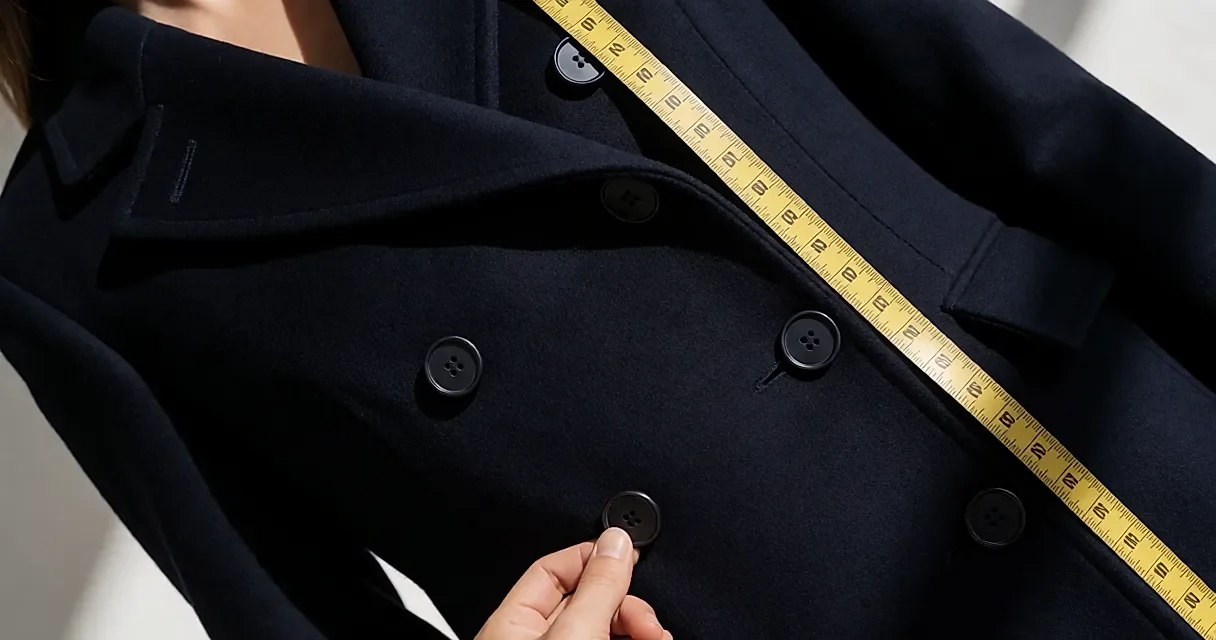
Two wool coats can look like twins on the hanger and behave like night and day once you're outside: on one, the fronts barely cross; on the other, they overlap properly. That overlap is what keeps draughts out and can make a coat feel more protective, though the fabric, the weight of the cloth, the lining, the cut and the wind protection all matter too. The double row of buttons wasn't dreamt up to look serious in a September photoshoot: it closes the front, limits draughts and holds a layer of still air against you. The cut still has to play ball.
The overlap keeps draughts out
When you try on a double-breasted coat, you look at the drape, the shoulder line, the colour that goes with everything. Then you button it up. And that's when the real question appears: how far does the outer front come across the inner one? A proper winter double-breasted coat doesn't settle for a token overlap. The overlap keeps draughts out and can add to the feeling of protection: the front is doubled, so the wind has less room to rush in. But warmth also depends on the fabric, the weight of the cloth, the lining, the cut and how well the coat blocks the wind.
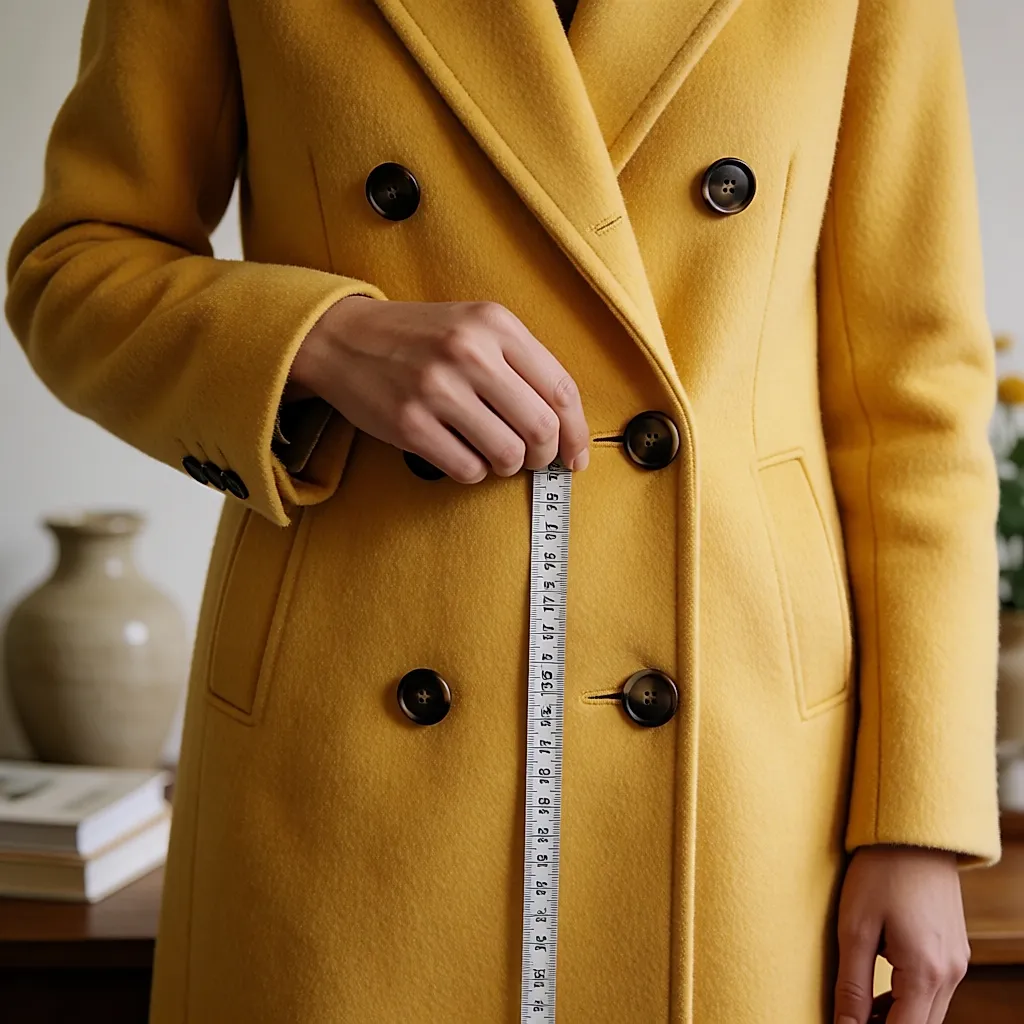
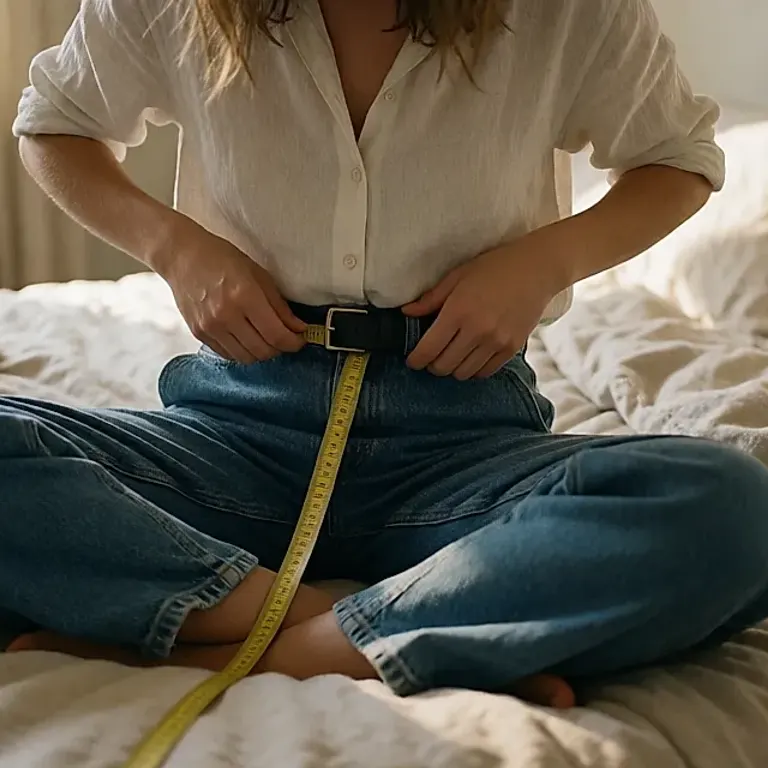
Measuring it is straightforward: coat buttoned, slide your hand under the outer front panel, take a tape measure and check the distance between the edge of the inner panel and the visible row of buttons. In practice, 10 to 15 cm of overlap can already give a feeling of protection; less than that may look neat but gives less protection. It isn't an official standard, just a fitting-room benchmark, like knowing a jean's turn-up looks right without reaching for a calculator.
Two rows, but room for your fingers
The two rows aren't there to add bulk: they let you adjust the overlap and fasten the coat in more than one position. On a good double-breasted coat, the useful row is the one that sits near the edge; the other can stay more decorative. But look at the space left around the buttons: too little, and you'll be tugging at the fabric to fasten it; too much, and the panel floats and the air gets in.
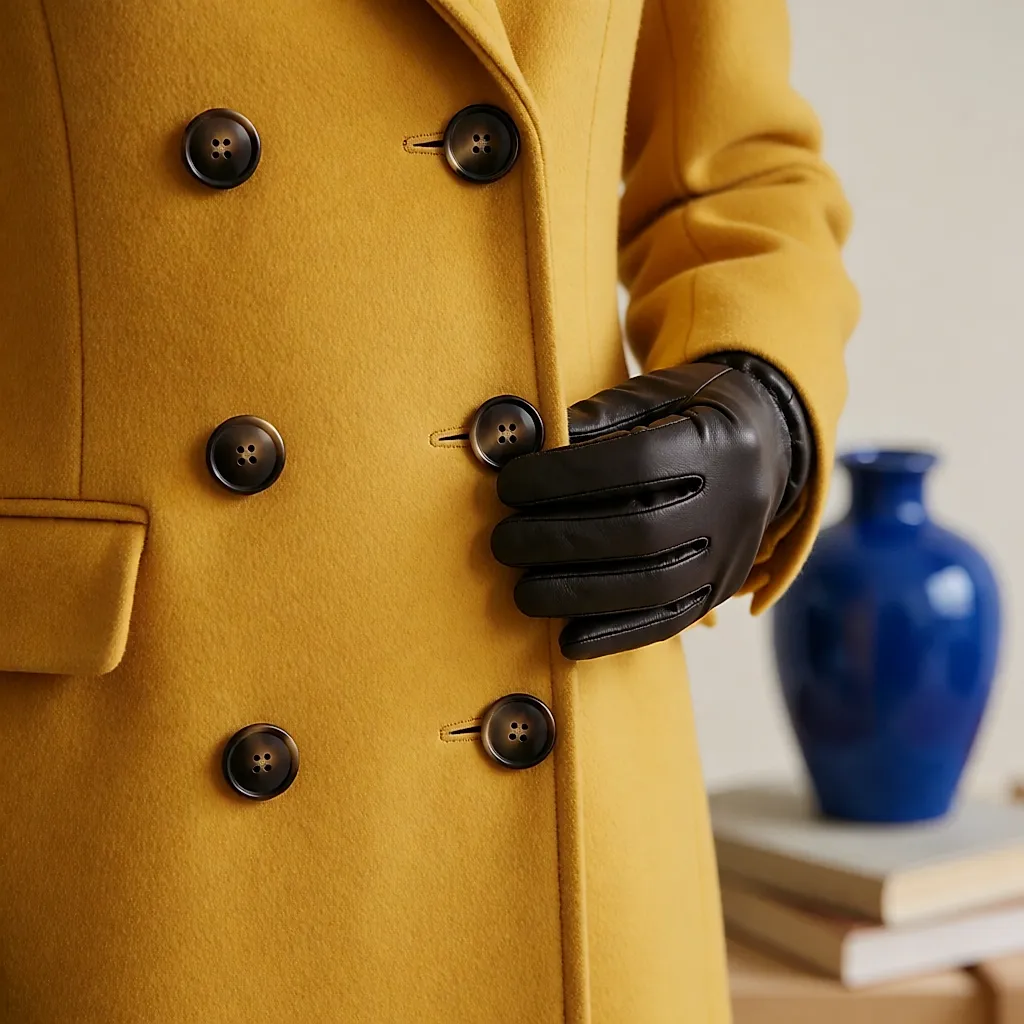
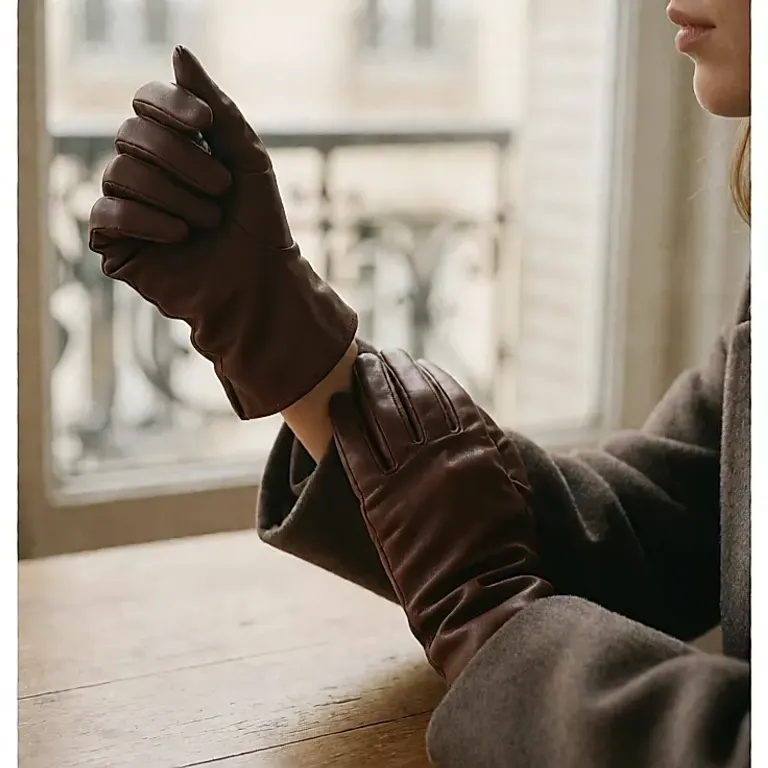
Next, the real-life test: put on your winter gloves and button up. Yes, it looks a bit silly in the fitting room, but that's where it's decided. You know the kind of button that takes ten minutes to catch with numb fingers? A coat you can't fasten in real life stays open, and an open coat won't keep you warm whatever its cut. Bigger, well-rounded, well-spaced buttons are your allies on a cold morning.
The fitting test that tells you everything: button the coat, raise your arms, tighten the collar, take a few steps. If the front opens or the neckline gapes, it's the wrong cut, however much you love the colour.
A single-breasted coat is enough for some lives
A single-breasted coat can handle winter perfectly well. Not in every case, and not for everyone. If your day looks like a ten-minute walk, the Tube, a heated office, a car home, a wool single-breasted coat with a chunky knit, a scarf and warm pockets covers the essentials. It's lighter, easier to carry with a shoulder bag, less bulky in the car.

The single-breasted coat becomes the right choice when you don't need a doubled front: you're not standing at a bus stop in the wind, not crossing a windy park, not spending the day outdoors. If you feel the cold across your chest, though, if you often wait outside, or if you want one coat to see you from November to February, double-breasted is the more generous option. A well-cut single-breasted coat beats a double-breasted one that's too tight, but a double-breasted coat that genuinely wraps you up is hard to beat when the wind gets involved.
When a double-breasted coat gapes at the neck
Double-breasted has a weakness: it's less forgiving of a collar that sits badly. If the top button, the one placed high, is missing, the neckline stays open and air rushes in; if the coat is too big at the shoulders, the top of the front gapes; if your bust is generous and the coat pulls, the panels part instead of crossing. It isn't a body-shape inevitability; it's about cut and size.
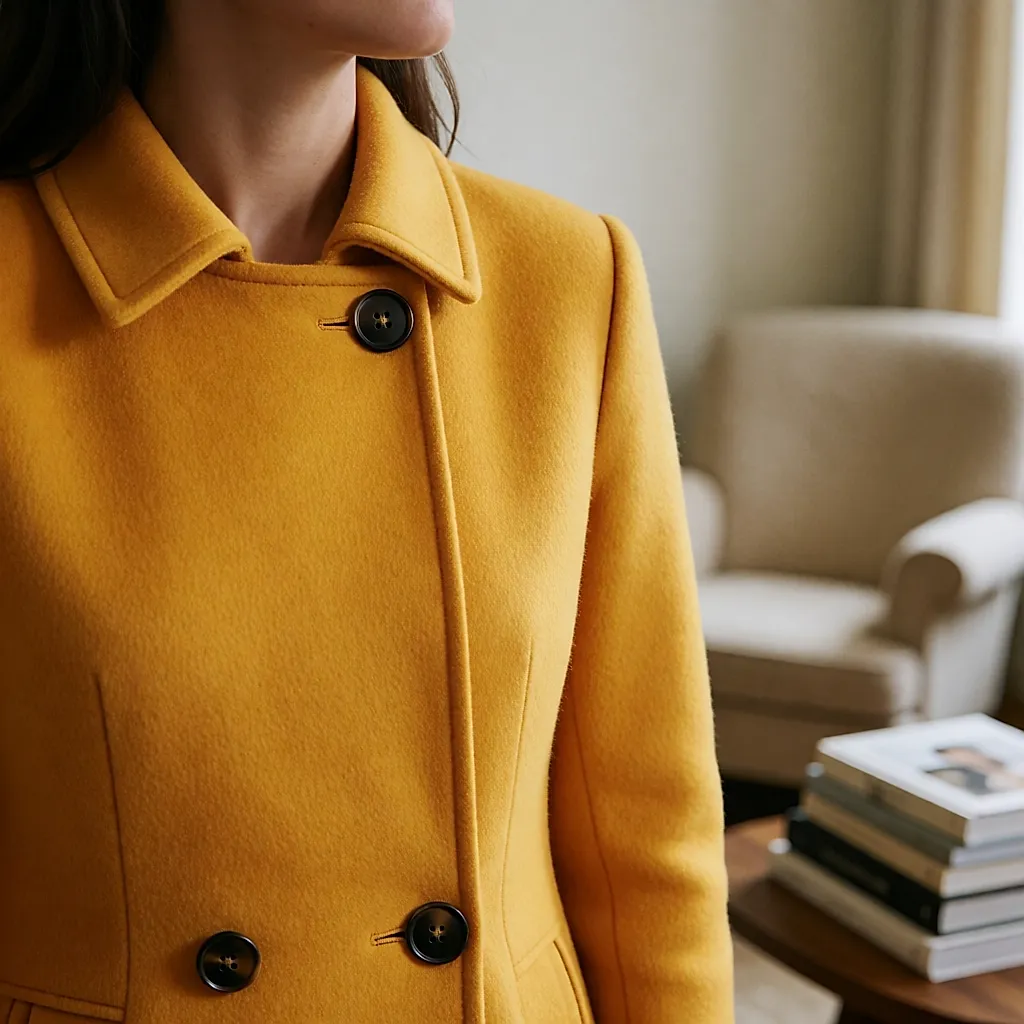
At the fitting, raise your arms, wrap your scarf, walk a few steps. If it gapes, try another style rather than relying on a scarf to hide it. Can a belt rescue a double-breasted coat that opens? Not really: a belt cinches the waist, not the collar. Better to look for a closer neckline, shoulders that fit and a real overlap.
Budget: what actually changes the price
New, a wool double-breasted coat often sits between £120 and £350, depending on the quality of the wool, the lining, the finishing and where you shop. Second-hand, expect more like £40 to £120 for a piece in good condition, sometimes less if a button is missing, but a button can be replaced. Alterations, whether sleeves or buttons, cost between £20 and £60.
The real find isn't necessarily the cheapest: it's the one with a generous overlap, buttons you can manage in gloves and shoulders that sit right. A £90 double-breasted coat that gapes at the neck will stay in the wardrobe; a £150 single-breasted coat you wear for three winters will do a better job. Where to look: high street shops, vintage and second-hand specialists, online resale and your local alterations tailor.
In the end, the question isn't "double or single?" but "what kind of life do you lead?". If you want a coat that really fastens, measure the overlap, check the space around the buttons and try it on with your gloves. If your everyday is warm and urban, a well-chosen single-breasted coat is enough. And if the double-breasted one gapes, don't force it: it's not you, it's the cut.
Comments
Your opinion matters: rate the article, react and reply to comments.
Comments are moderated; AI-assisted comments are flagged. Text emoticons (8-), :-), <3…) are automatically shown as images.