

Spent three evenings comparing catering quotes, and now your living room table looks like a battlefield of invitations? Take a breath: you're not the only one wondering whether you can dream of a wedding that feels like you without giving up every evening to it. The good news is that delegating is a common option. In truth, organising a wedding is still a lovely little project, but no one has to carry it all alone.
One profession, three packages
A wedding planner — also called a wedding coordinator — doesn't work in the same way for everyone. The full planning package covers the whole project: from finding the venue to being there on the day, including the hunt for the caterer and photographer. It's the comfortable option, the one that lets you be the bride rather than the project manager.
Partial planning, meanwhile, takes over once the big decisions are made. Chosen the venue, set the date, settled on the overall idea? The planner finalises the last details, sorts out timings and checks that nothing is off. On-the-day coordination focuses on the final weeks and making sure the day runs smoothly. Already know what you want? The third option is often enough, and costs far less.
What they handle for you
Venue, caterer, florist, photographer, DJ, invitations, seating plan: everything passes through their hands, in line with your budget. They compare quotes, chase suppliers and sort out timings. As for tools, the paper notebook is out: a shared folder and an online countdown schedule do most of the work, and you can follow progress at a glance. Handy when you're juggling work and dress fittings.
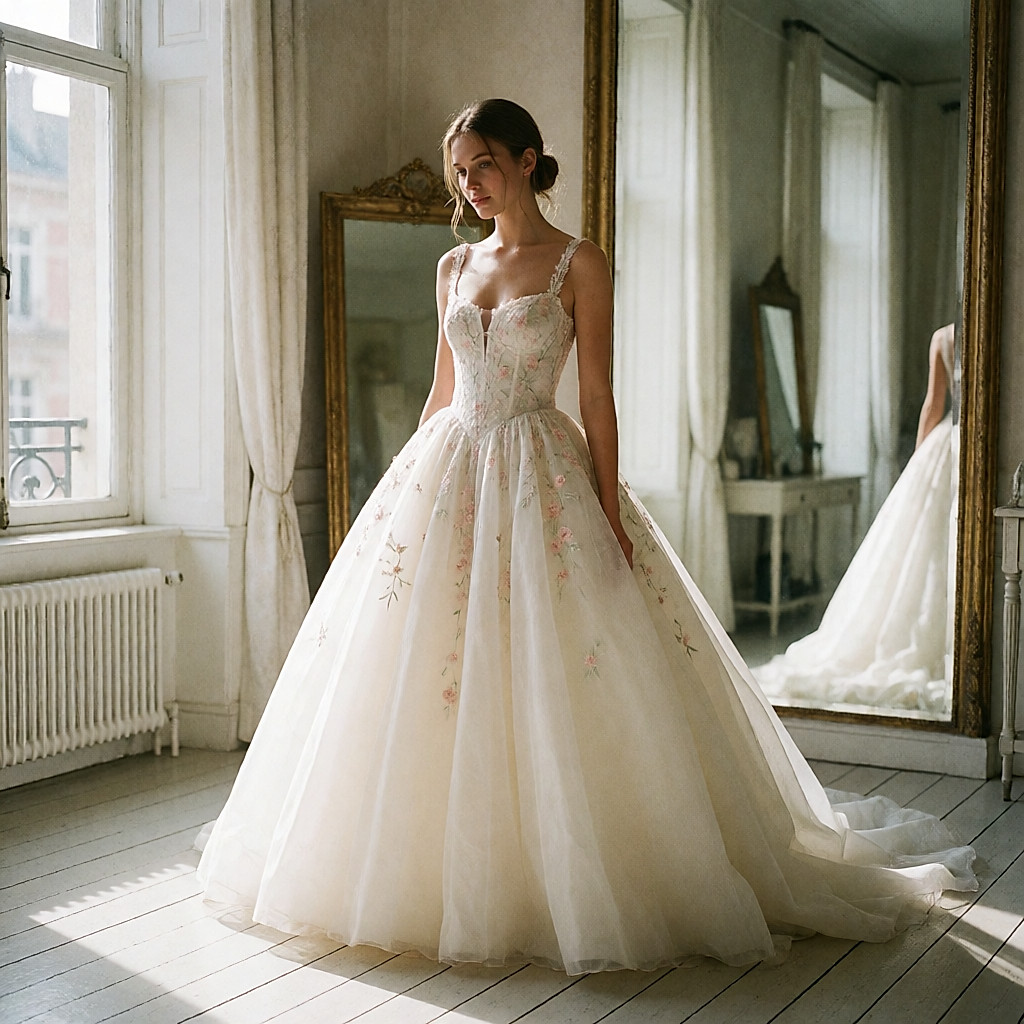
And what about the dress? That's where fashion vocabulary enters the planning. Some wedding planners offer a curated selection of styles, taking into account your shape and how fabrics fall — a fluid silk cut, a crepe that skims the body, a more structured bustier that defines the silhouette. The idea isn't to dictate your entire look, but to help you find the piece that truly feels like you, one you might accessorise with a subtle veil or a pair of gold sandals.

Before you sign, ask for recent references, check their professional insurance and get them to confirm exactly what's included in the package. Honestly, this is the step that changes everything: a clear contract avoids a lot of misunderstandings on the day.

Budget
The awkward question, and yet the first one to ask. On pricing, there's no single rate card: it all depends on the package, the size of the wedding, the location and the scope of services. Expect around £500 to £1,200 for on-the-day coordination, £1,000 to £2,500 for partial planning, and £2,000 to £5,000 for full planning. The most common model is a fixed fee, sometimes with a percentage of the overall budget attached.
To find the right fit, head to online supplier directories, wedding fairs or recommendations from friends and family. Always ask for a written, itemised quote, and compare two or three proposals before committing. A little tip: a low fee that hides extra costs will end up costing more than a clear package.
A listening ear, too
More than organisers, they're often confidants. A caterer running late, an upset aunt, stress building with three days to go? They listen, reassure and advise. On the day, they watch over every step so you can simply enjoy it.
How to choose well
Meet at least two suppliers, and ask every question you need to. How do they handle the unexpected? Who will be there on the day? Trust your instincts: you're going to spend months with this person, so it's better if you click. A good planner doesn't sell you a dream; they make yours easier to live.
So, ready to delegate a little so you can enjoy more? It might just be the loveliest gift you can give yourself before the big day.


Comments
Your opinion matters: rate the article, react and reply to comments.
Comments are moderated; AI-assisted comments are flagged. Text emoticons (8-), :-), <3…) are automatically shown as images.