

Wet hair, a steamed-up mirror, and that moment when you try on three beanies before giving up. We’ve all been there: headwear is the thing you grab by default, the piece you never really choose. This season, though, it is back as a proper fashion accessory – the finishing touch that pulls a silhouette together and gives a new lease of life to a coat you’ve worn for three winters. The question is which hat, in which material, and at what price. We took a closer look.
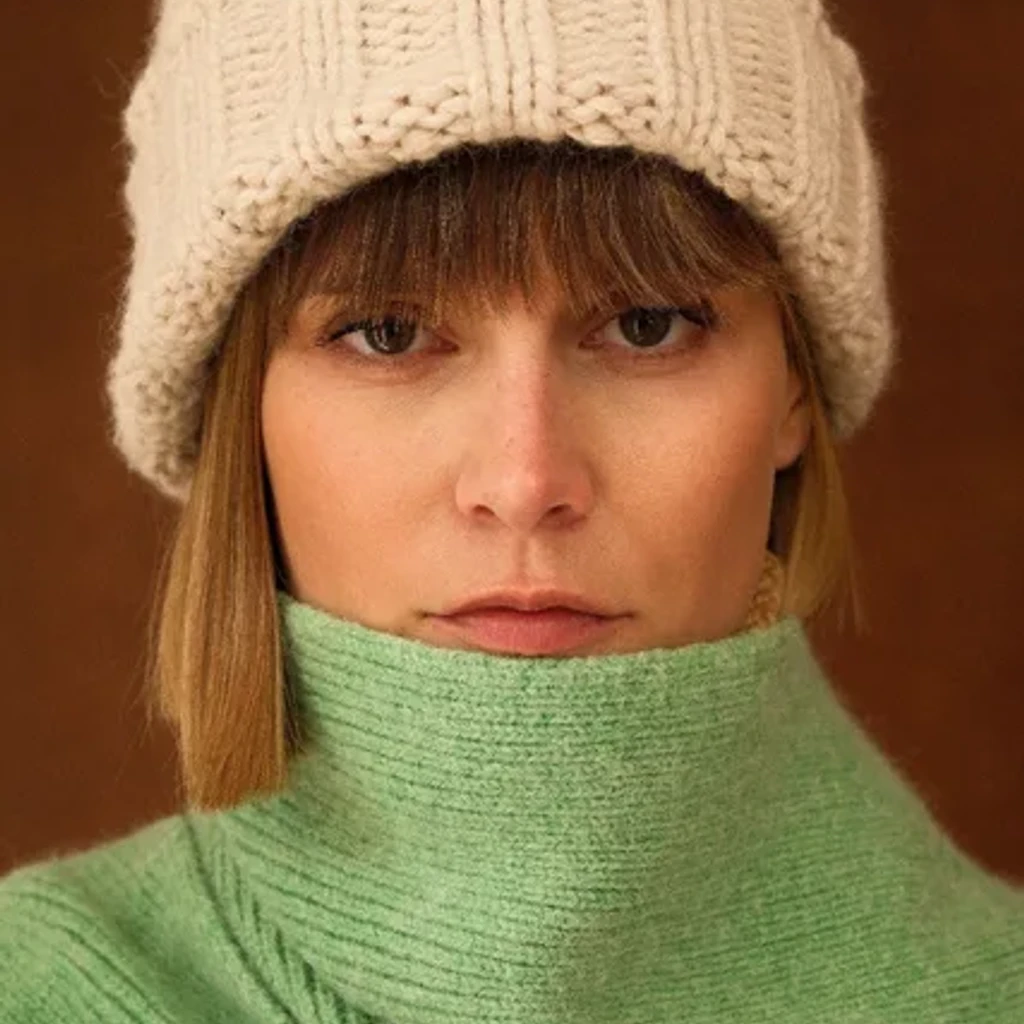

Knit hats remain the dependable choice
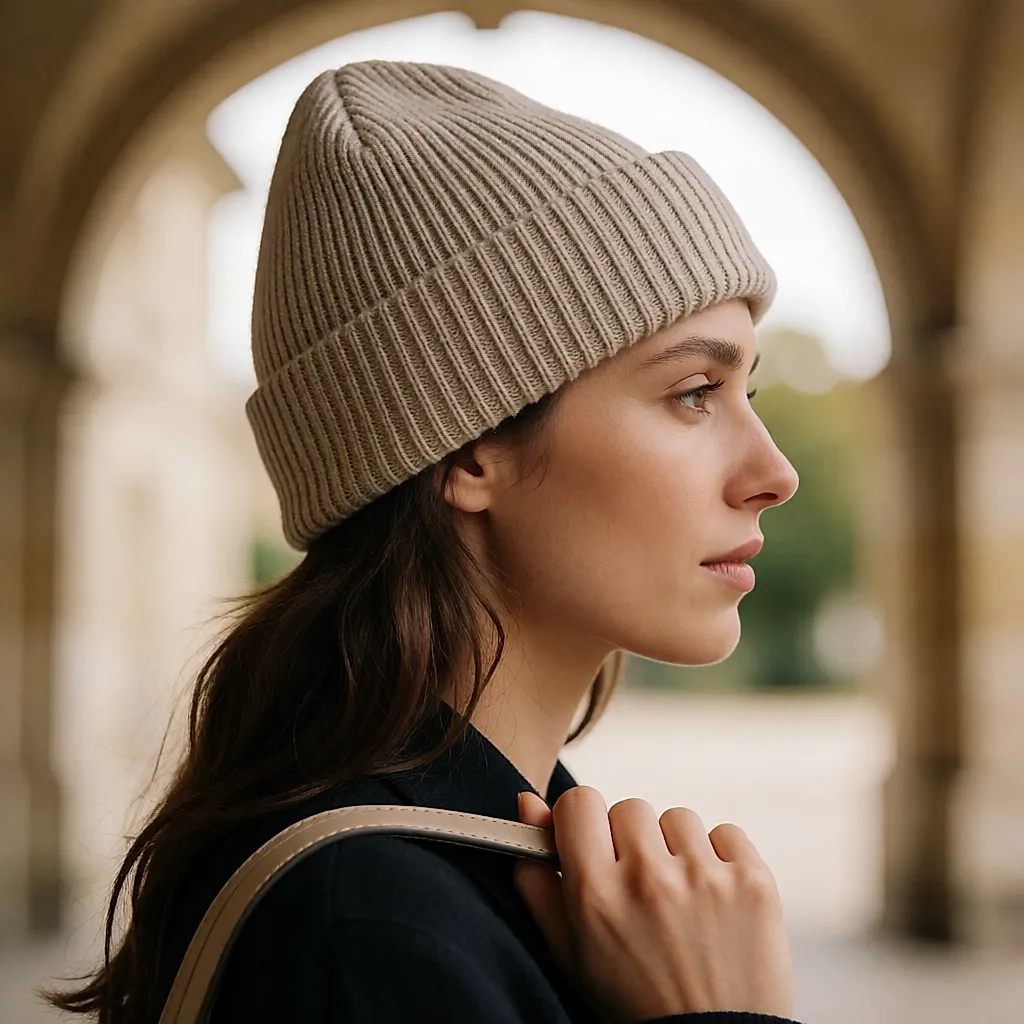
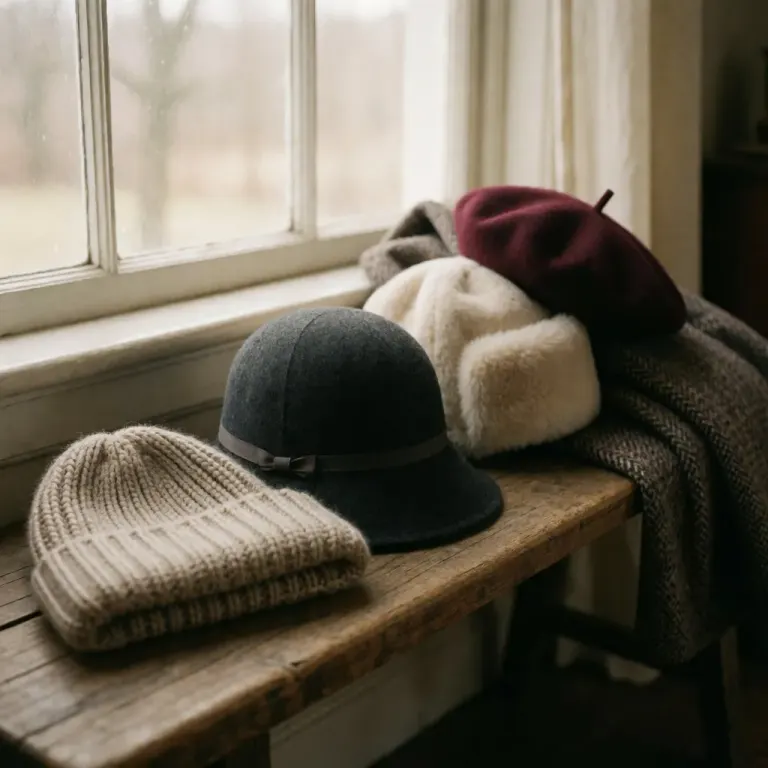
The chunky cable-knit beanie is still the basic that saves a rushed morning: it covers, it forgives hair you haven’t styled, and it works as well with a long coat as with a padded jacket. It all comes down to drape and texture. A knit that’s too fine breaks the line of the head, while one that’s too loose sags after two washes and never quite recovers its shape. The useful habit? Read the label before you buy. Merino wool or recycled wool holds its shape better than a blend that is mostly acrylic – and in real life, that usually shows by the second winter.


Look for a specific standard rather than a vague claim. The Global Recycled Standard (GRS) covers the proportion of recycled fibres and traceability across the supply chain. The Responsible Wool Standard (RWS) covers animal welfare and pasture management. These are verifiable markers, not slogans. A beanie knitted in a French or European workshop also cuts down on transport – a concrete factor, not a magic selling point. One caveat: I haven’t tested these pieces myself; these are documented criteria, not a hands-on review.

Felt makes a comeback
The beret is back, worn at an angle in felted wool or mohair – softer, lighter and much less picture-postcard than you might think. The borsalino is more structured: its wool or fur felt holds its shape and protects against drizzle. Wear it brim down for a boyish look, or turned up for a full 1930s mood. The fedora, with its contrasting ribbon, plays the same retro card without tipping into fancy dress.
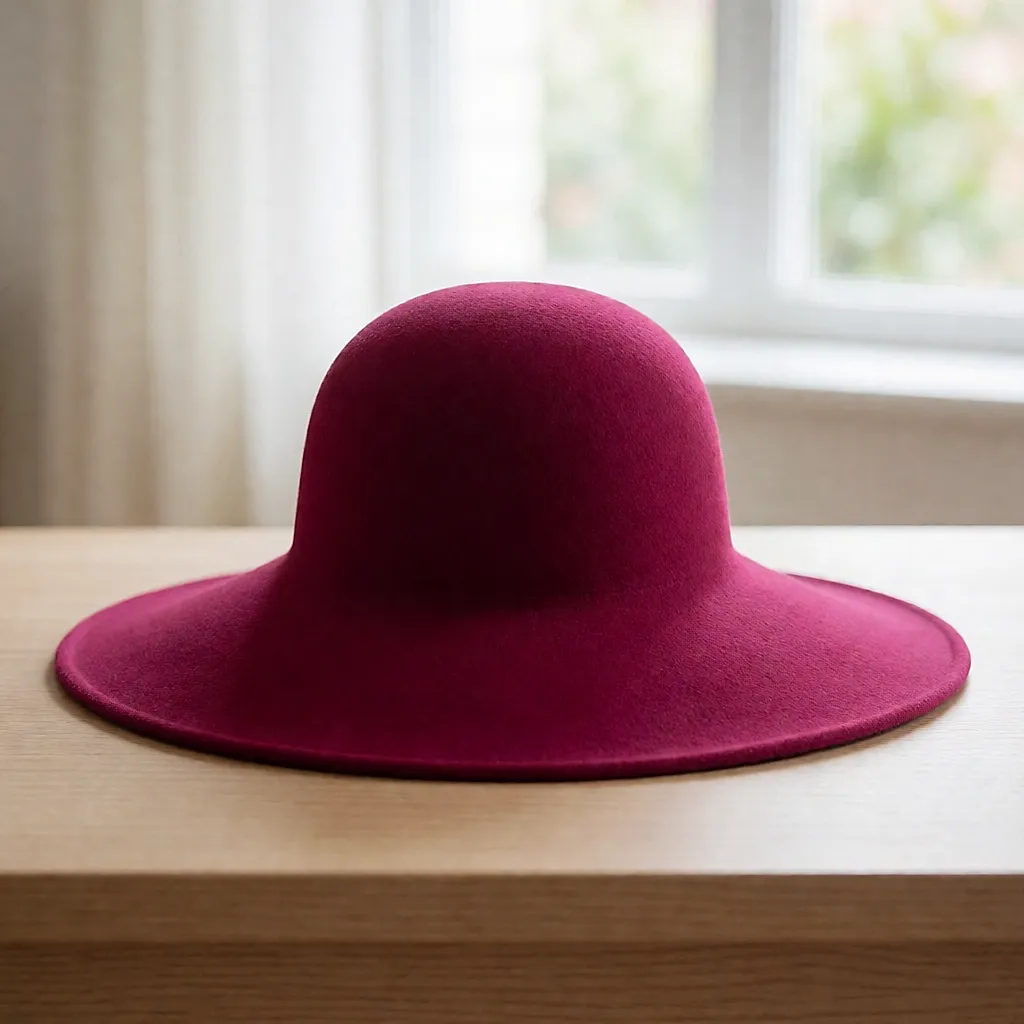

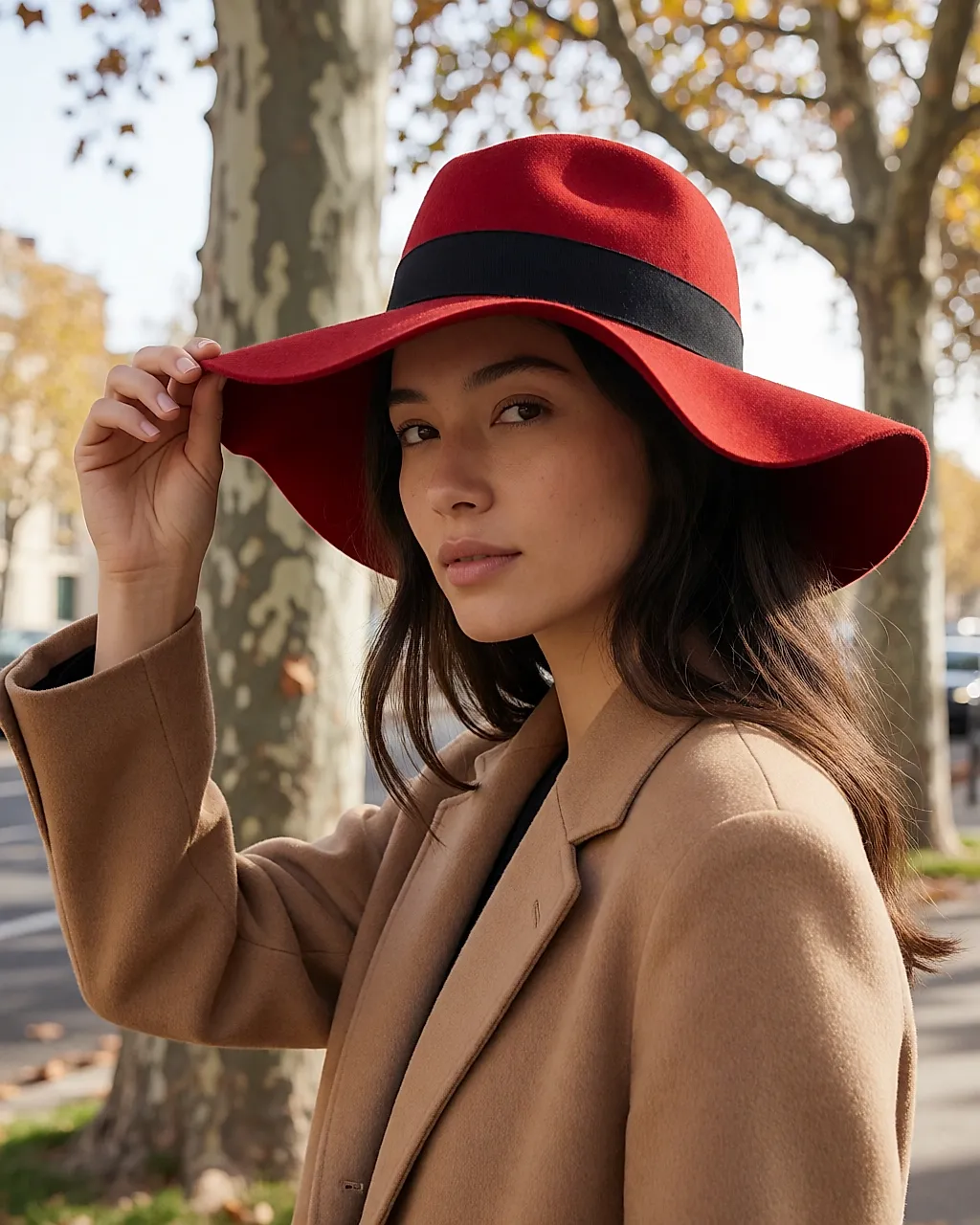
The wide-brimmed felt hat is the statement piece of the season: a broad, wavy brim, often outlined with a contrasting band. It pulls a plain coat together in seconds. Watch out for the wind, though: a brim that’s too soft will lift, while felt that’s too stiff can leave a mark. The best compromise? A soft but dense wool felt that holds its shape without making you feel as if you’re wearing a helmet.

Ear-flap hats
Trapper hats and knitted peaked caps hold their own in a winter wardrobe. Wool-lined leather or wool-lined suede, with flaps that tie over the crown, is functional and a little playful. Check that the lining is genuinely wool or recycled fleece. It’s the part that touches your skin, and the part that really decides how comfortable the hat is.


A hat should be chosen by size first. Measure your head in centimetres, just above your ears. Too small and it presses on your head and leaves a red mark; too large and it slips with every gust of wind. With felt, take your exact size: the material gives a little with wear.



What to spend
In the UK, expect to pay from around £20 for a high-street wool beanie up to several hundred pounds for a felt hat from a milliner such as Maison Michel, which makes its hats in France. A signature merino or cashmere style sits at the top of that range. A wool-lined leather trapper hat also varies with the leather, the lining and the brand.
What pushes the price up: the material (wool, fur felt, cashmere, full-grain leather), where it was made, the lining, and the blocking of the felt, which takes several passes. Entry-level styles turn up in department stores, on the high street and online. Bespoke blocking is the milliner’s territory, while high-end pieces come from historic makers. And if you’re still hesitating, trying a hat on is still the best way to avoid getting the size wrong.
Sources
- Textile Exchange — GRS and RWS standards
- Maison Michel — French milliner (Chanel group)
Comments
Your opinion matters: rate the article, react and reply to comments.
Comments are moderated; AI-assisted comments are flagged. Text emoticons (8-), :-), <3…) are automatically shown as images.