
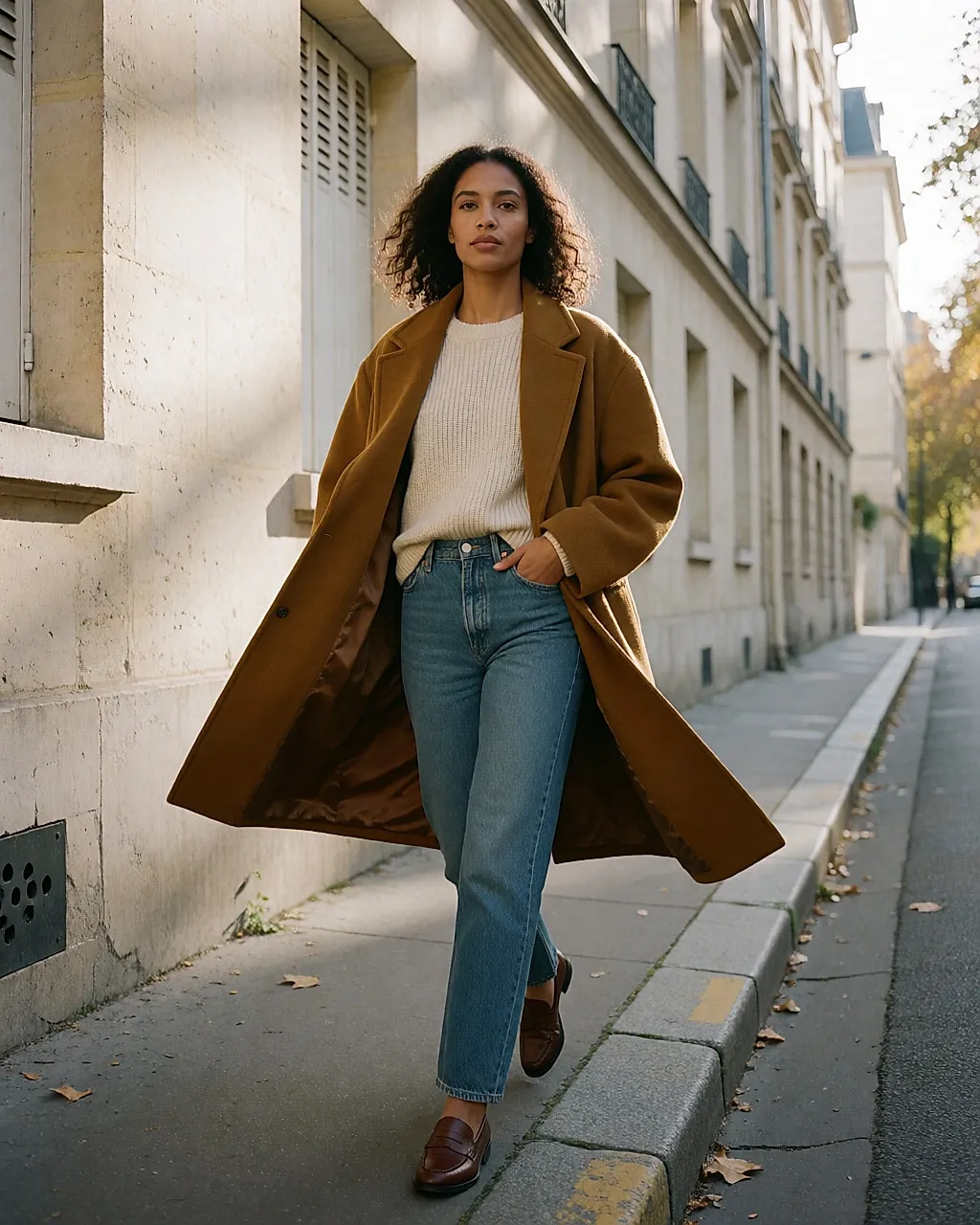
You open your wardrobe one September morning and the verdict is in: three black jumpers, two pairs of jeans, a grey blazer. Practical, but a bit monotonous, right? This season, one colour is shaking up the routine, and it's taking over both shop windows and rails: yellow. From pale butter to rich mustard, the palette is broad, and the good news is that it's not reserved for golden skin tones or twenty-somethings.
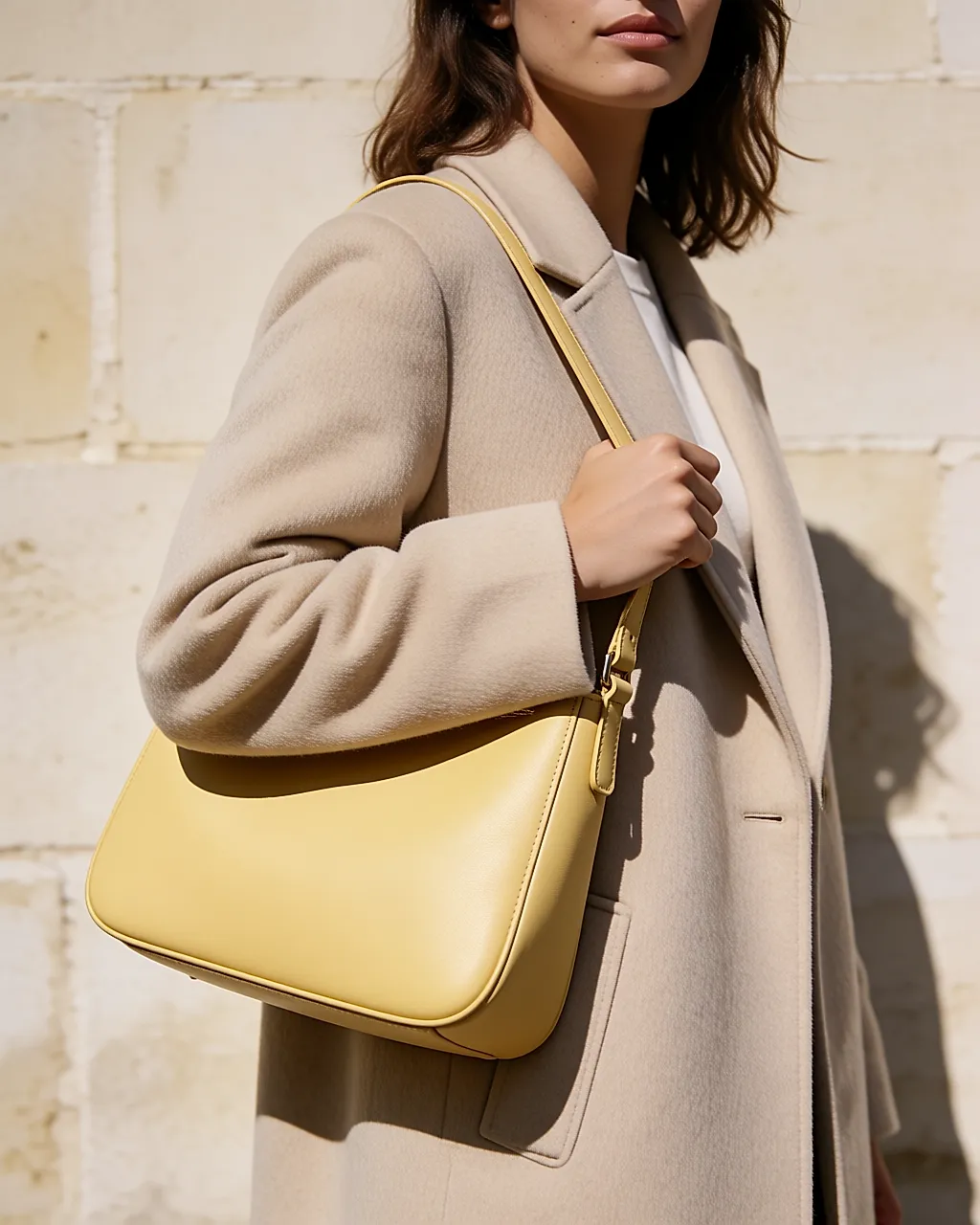
From pale butter to mustard: which shade suits your complexion
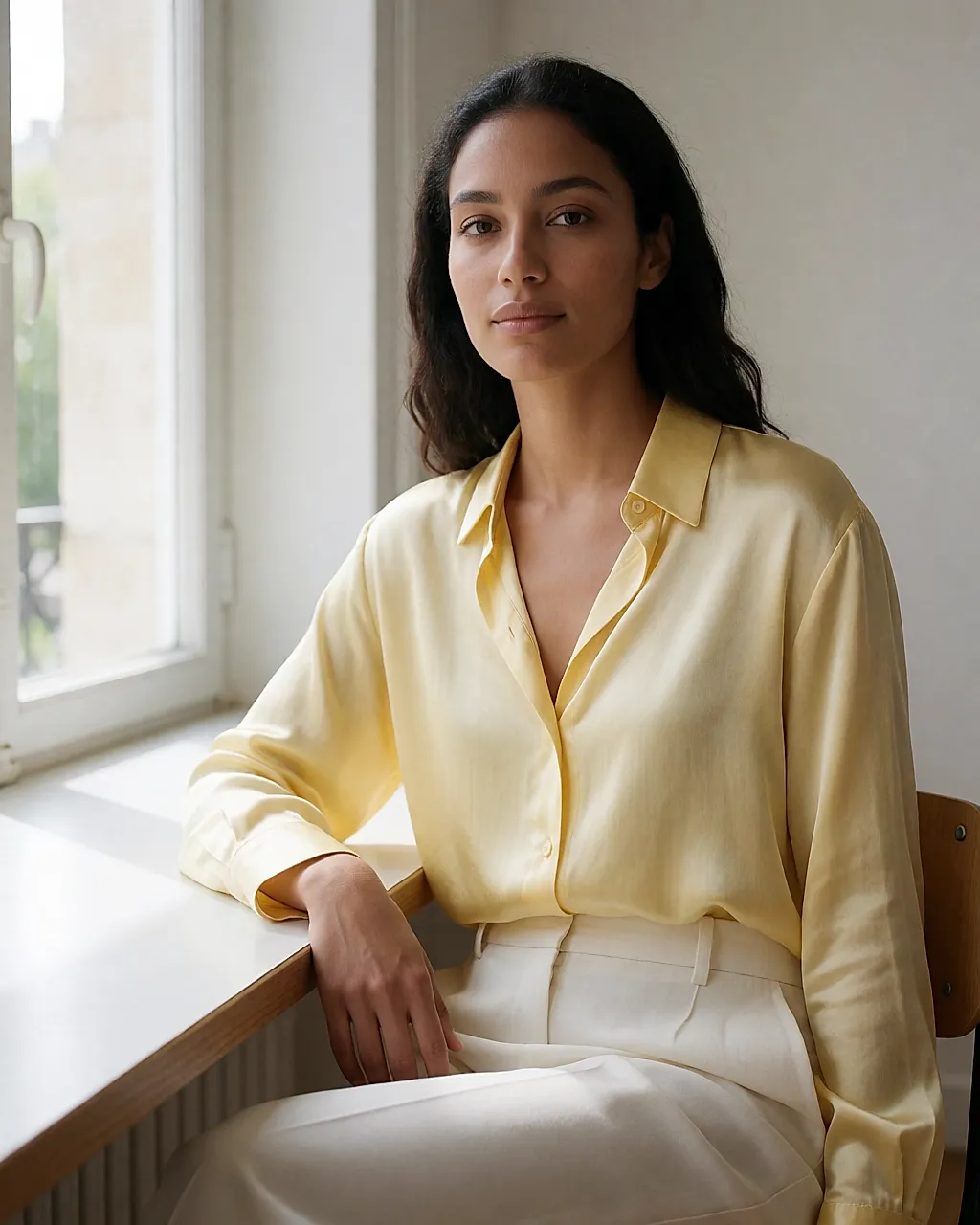
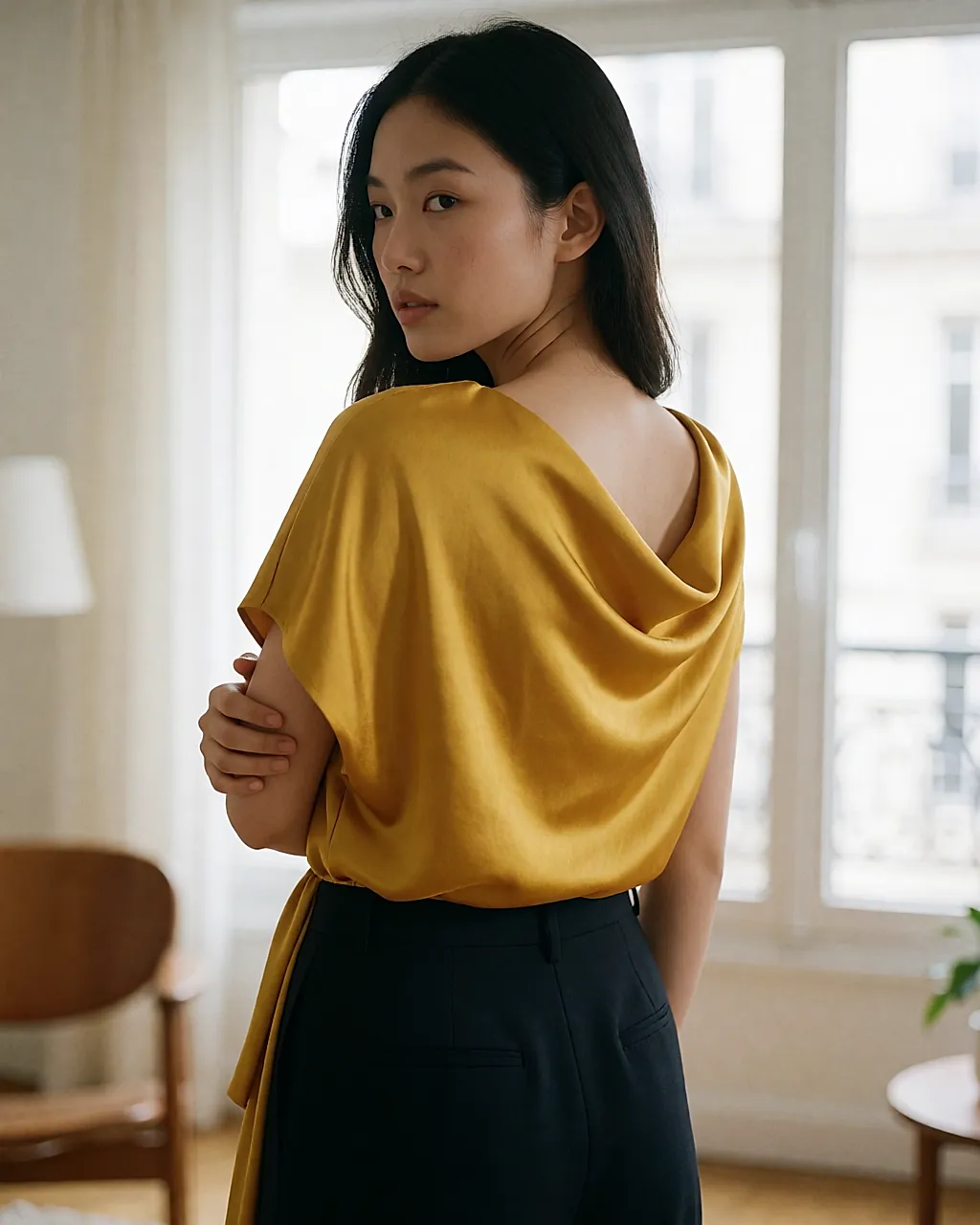
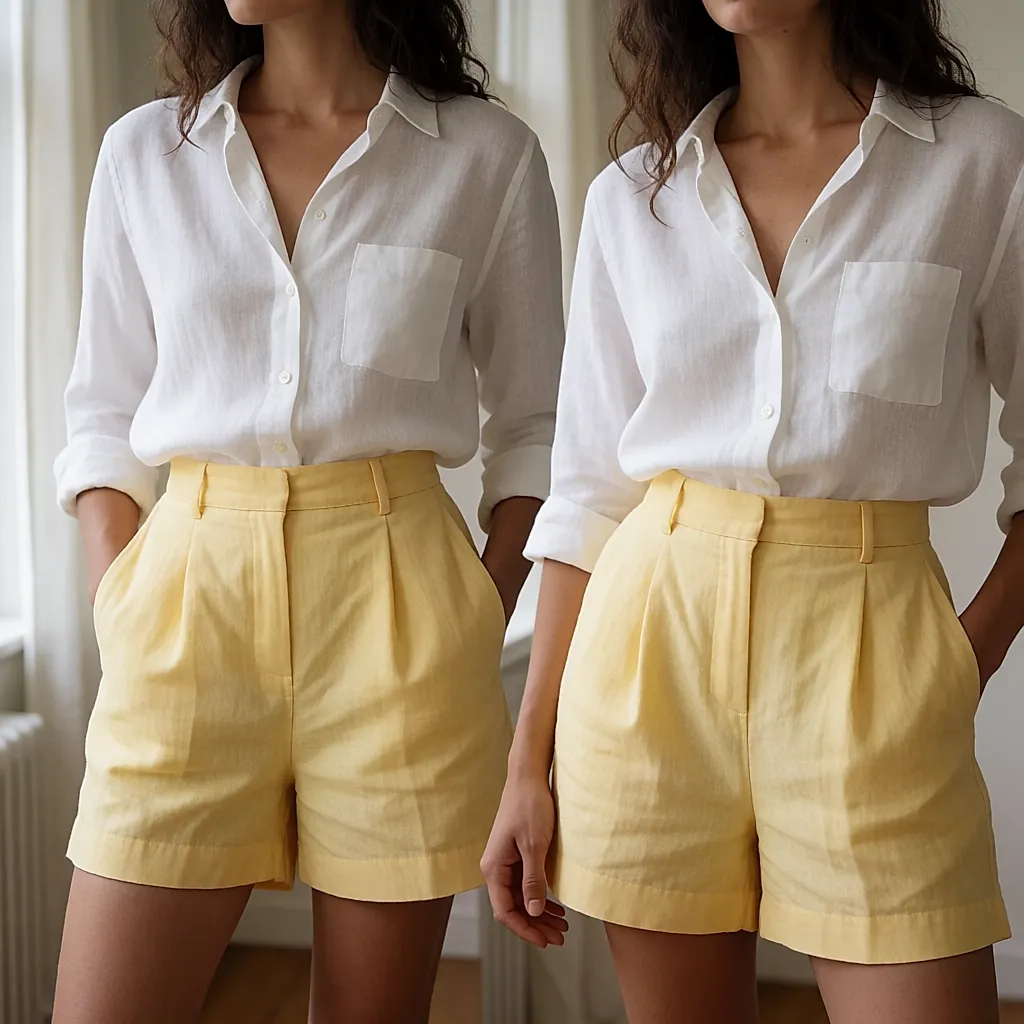
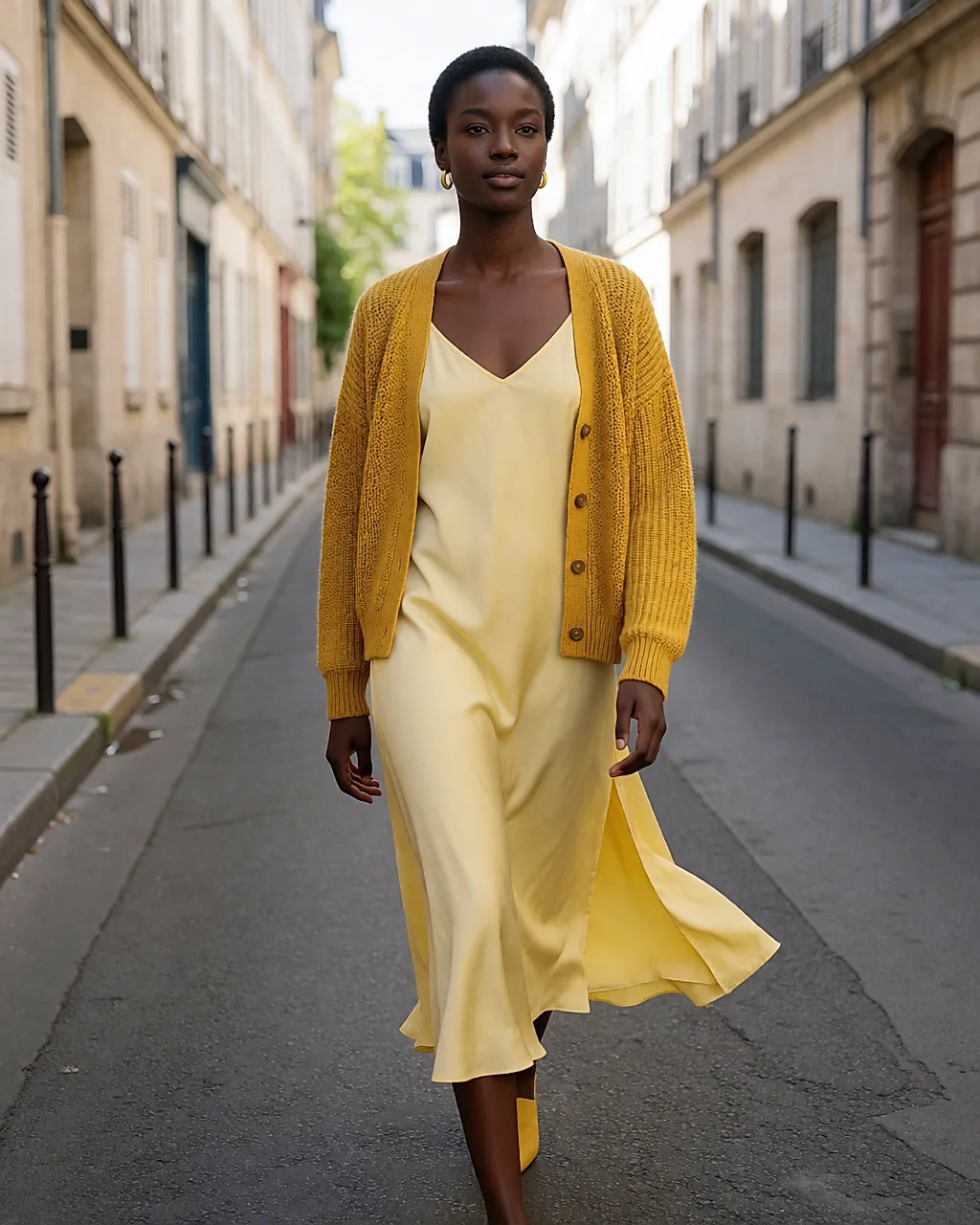
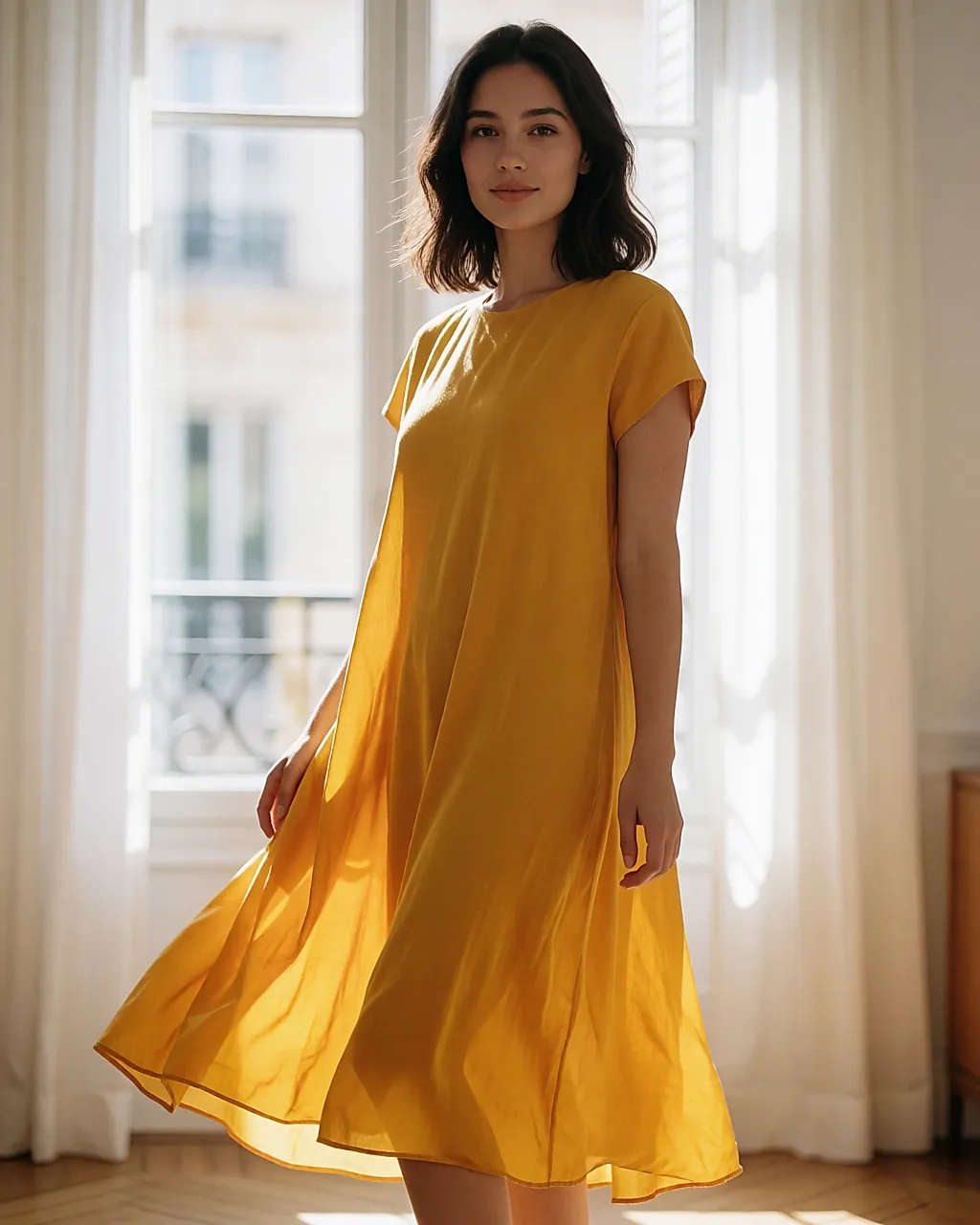
It all depends on your complexion, your hair colour and the light you live in. On fair skin, a butter yellow or pale pastel works like a halo: it warms the complexion instead of draining it. Medium and tanned complexions can go more saturated, lemon or saffron, as long as you keep the fabric matte to avoid a shiny effect. If you're unsure, mustard remains the safe bet: it's the most universal shade, warm and understated, and it pairs effortlessly with camel, off-white or raw denim.
How to wear it every day
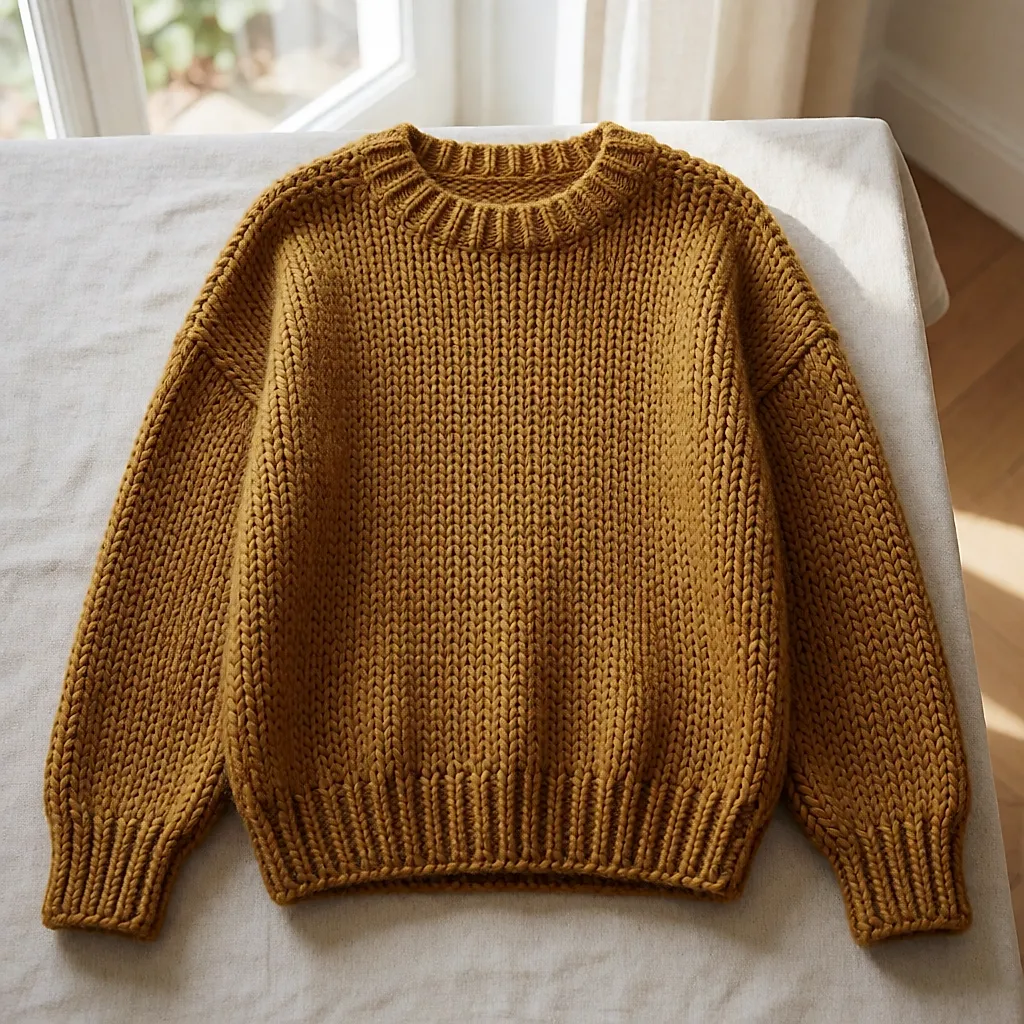
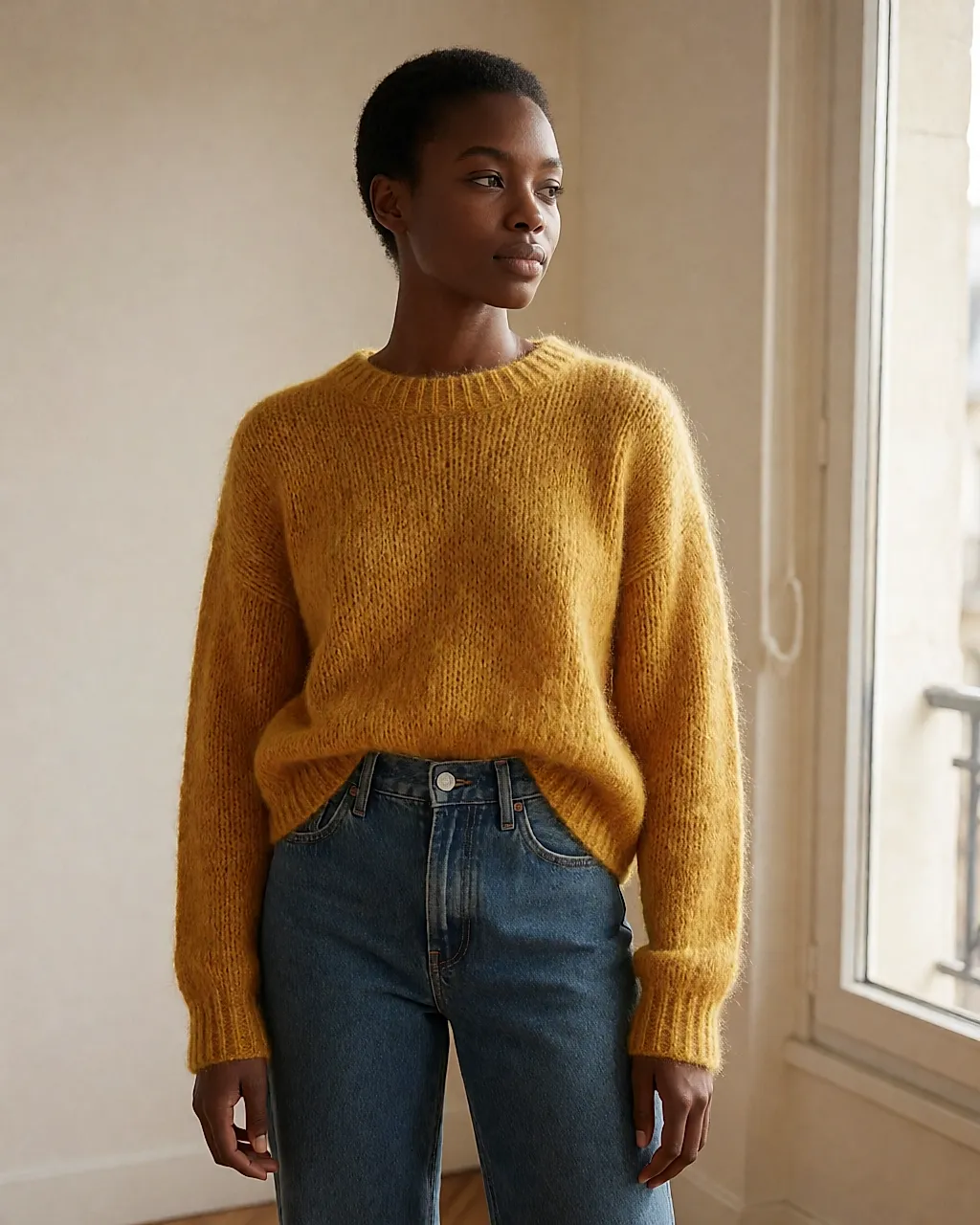
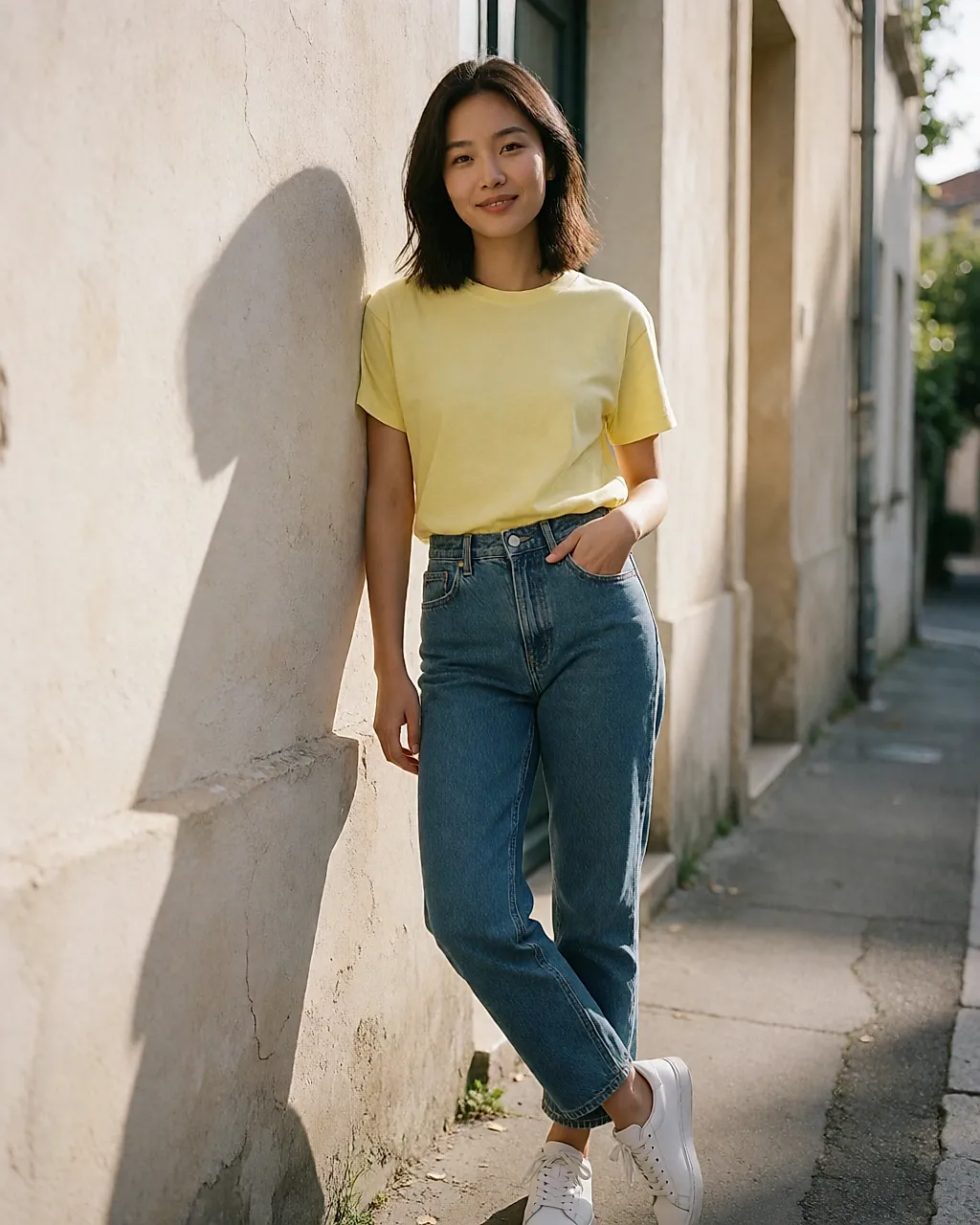
You don't need to go all in. A mustard jumper, straight-leg jeans, trainers: the outfit is already there. A pale yellow blazer thrown over a black dress changes everything in two seconds. The simple rule: yellow loves neutrals. Paired with other bright colours, it can quickly tip into overkill. For an evening, go for a statement piece instead — a satin dress, a fluid top — and keep the rest discreet, playing with textures rather than prints. When it comes to silhouette, light yellow elongates, while a dense mustard can feel more compact: it's up to you what you want to say.
Accessories: your way in
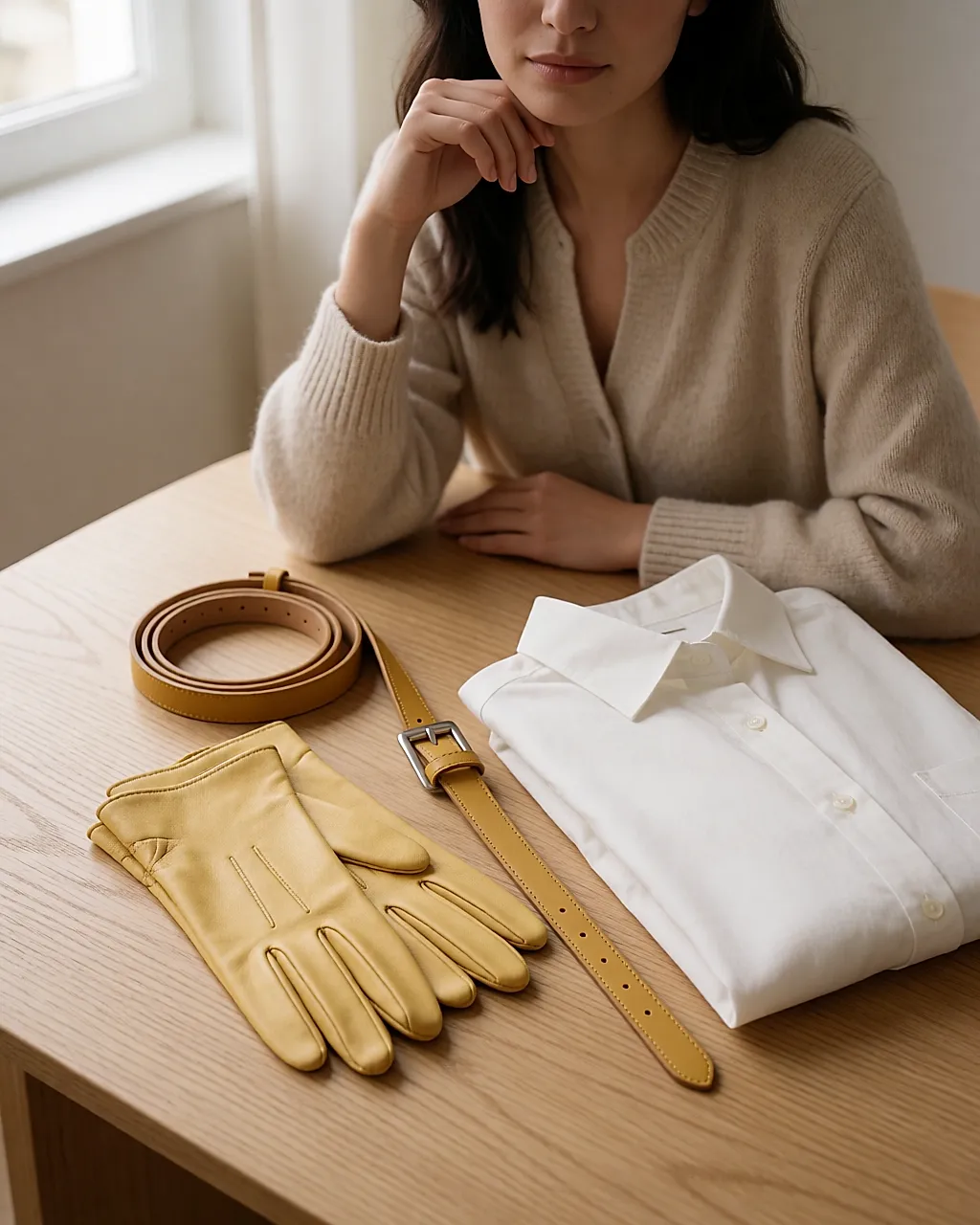
If the colour intimidates you, start small. A bag, a scarf, a pair of soft-yellow ballet flats: your basics get a ray of sunshine with no risk. It's the simplest way to test the shade on you without rethinking your whole wardrobe. Once you've adopted it, you'll move on to a coat, then knitwear, without even thinking about it.
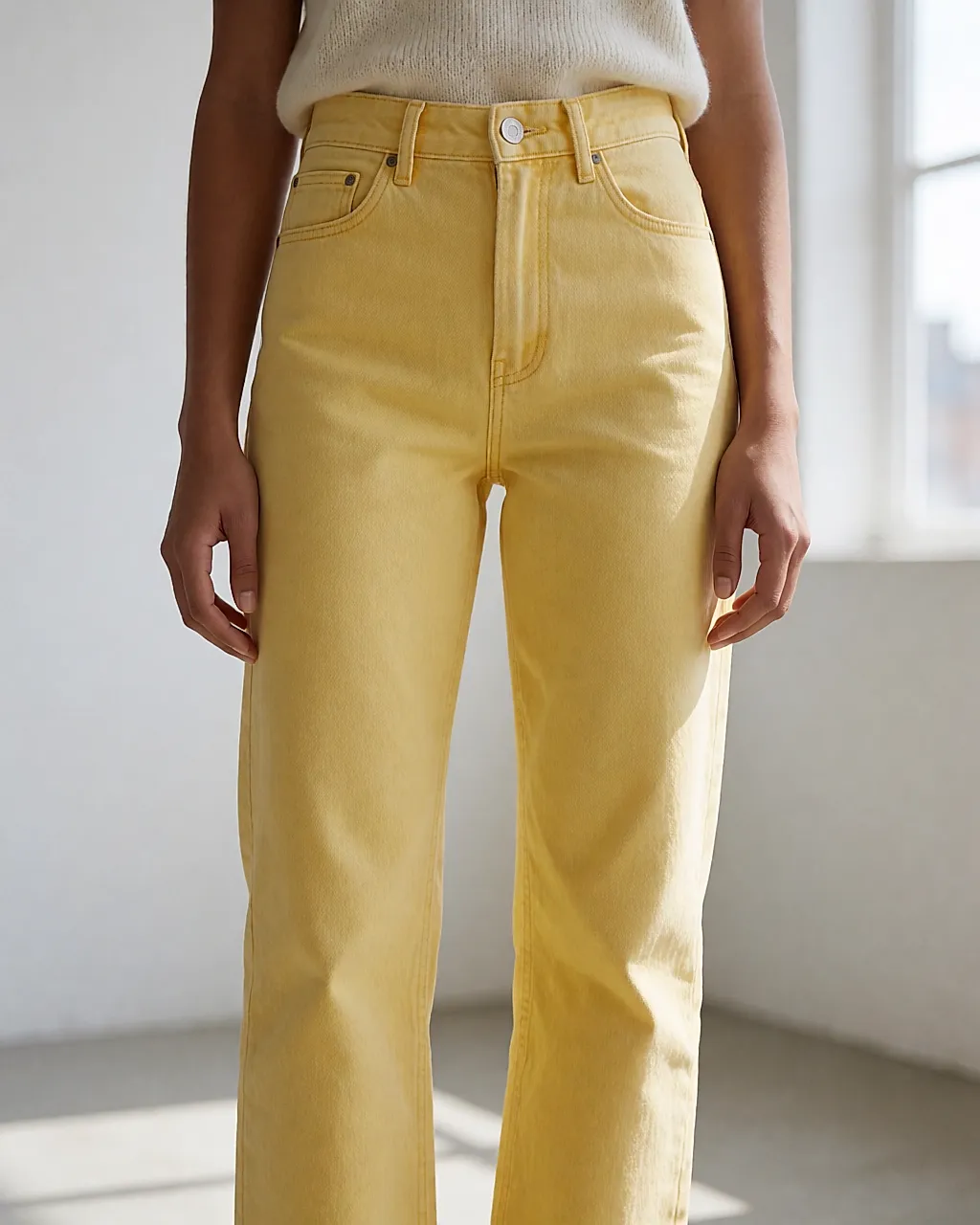
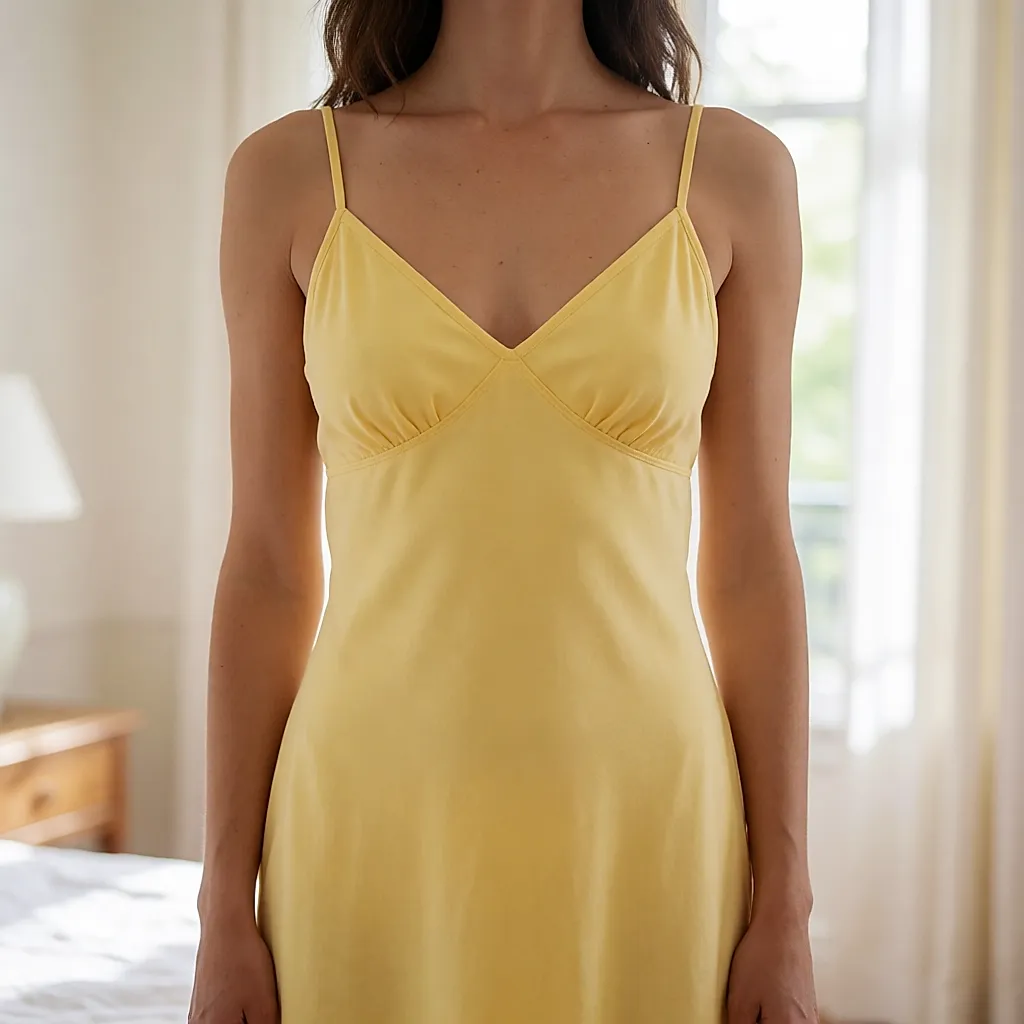
In store, hold the piece up to your face, near a window, in natural light. Yellow changes completely depending on the lighting: a mustard that looks soft under strip lights can turn green in daylight. If you're ordering online, check the returns policy before you check out.
Budget
Expect to pay around £20 to £60 for a simple cotton or knit piece — a jumper, T-shirt or straight-cut dress — on the high street or at a mid-range label, and more like £60 to £120 at a premium brand. In silk or wool, the ranges rise quickly: often £100 to £250, and more for designer pieces. For accessories, a scarf or belt can be found for £15 to £40, while a genuine leather bag starts at around £80 and easily climbs to £200.
What changes the price: the raw material, where it was made, the cut and when you buy. At the end of the season, the same pieces drop significantly. Where to find them: in a physical shop to judge the drape and the shade against your skin, on brands' own websites to avoid counterfeits, and online to compare. Be wary of year-round sales: a knocked-down price often hides a fragile fabric.
Comments
Your opinion matters: rate the article, react and reply to comments.
Comments are moderated; AI-assisted comments are flagged. Text emoticons (8-), :-), <3…) are automatically shown as images.