
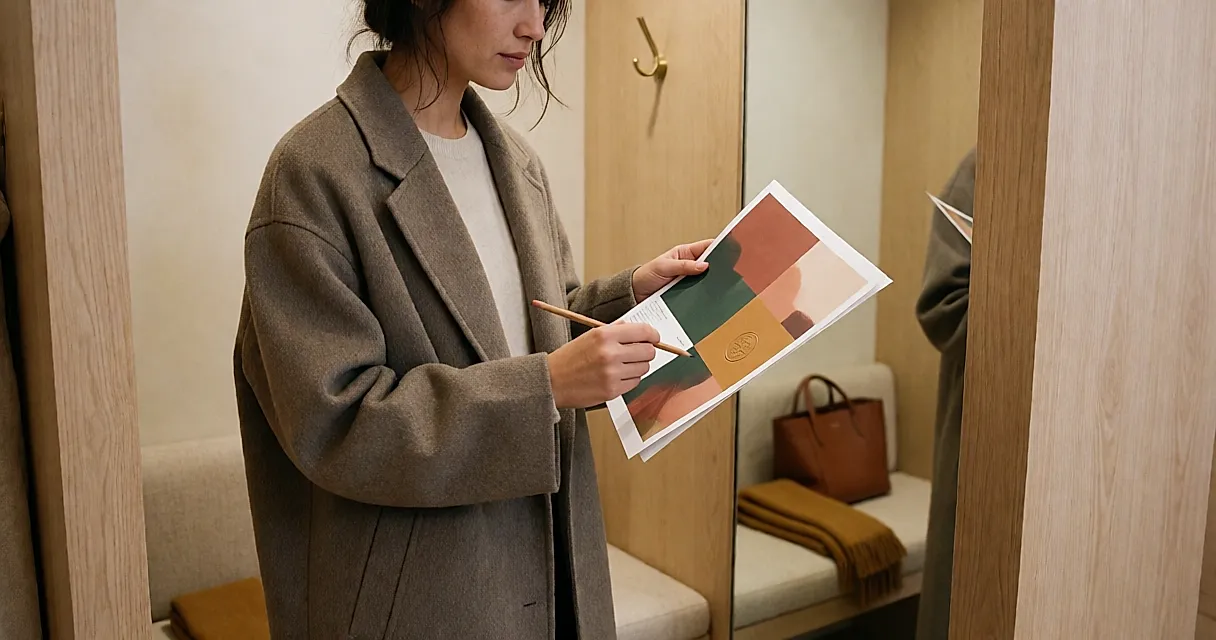
You're looking for a winter coat, and fashion has already moved on. The spring 2027 collections have shown, been photographed, written up and ranked — and the calendar for what comes next is already published, long before the first relevant catwalk. While your wool waits for its first outing, the industry is already living a season ahead.
Hundreds of shows, and only one pair of eyes
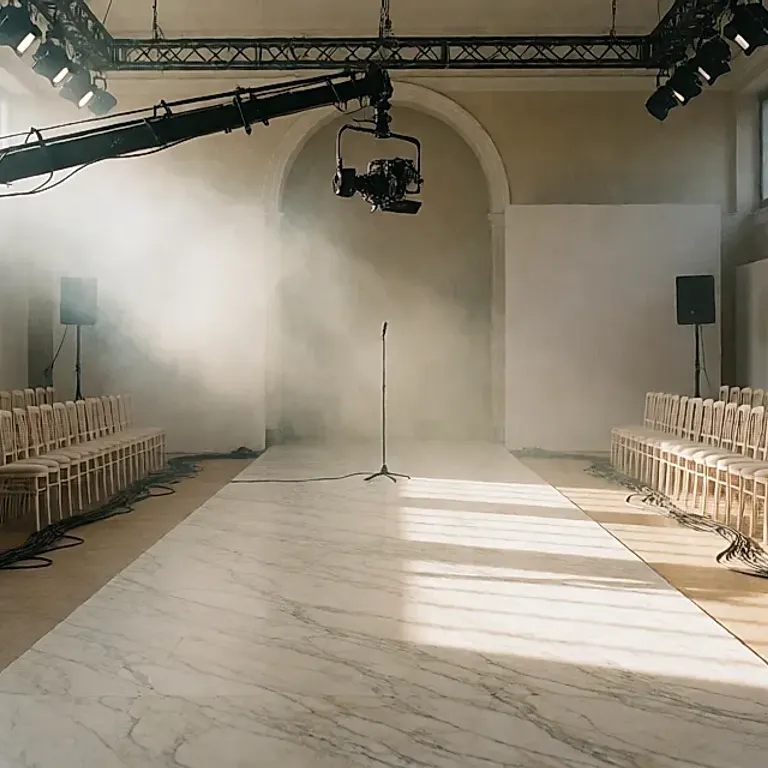
Between New York and Paris, the press covered hundreds of shows in a single season, spring 2027. And that's only two of the four cities in the marathon: London and Milan are running the same race, with their own catwalks and their own shuttle buses.

On the ground, the day feels like a badly organised house move: a taxi that doesn't turn up, a lukewarm coffee downed standing, notes typed in the dark on a phone, and images landing online before the last model has left the runway. The next day, you can't remember the show. You remember a coat.
Here's what's changed for you: the season no longer arrives through a magazine, it arrives through a feed. Before you've bought your winter coat, you've already seen a hundred times what next spring will look like. Trends are no longer decided in a newsroom; they're observed in an image feed.
A schedule published well ahead — and it's not a whim
The official Paris calendar, published by the Fédération de la Haute Couture et de la Mode, comes out well in advance. A show means a venue booked, a production, fittings, teams travelling, buyers and journalists whose diaries have to hold together without colliding. All of that gets locked in very early, or not at all.

Hence the season's paradox: the offer explodes — hundreds of shows, not counting off-calendar presentations, lookbooks and campaigns — and the rhythm locks down. The more there is to see, the earlier the dates are fixed, and the less room is left for improvisation.
And the labels that don't fit the grid?
Not every house fits the schedule. The official calendar is a selection, with heavy organisation behind every slot; plenty of young labels miss out and present in other ways. An apartment, a showroom, a courtyard, twenty guests, pieces on a rail: it isn't a show, it's a conversation — sometimes more telling than a ten-minute catwalk.
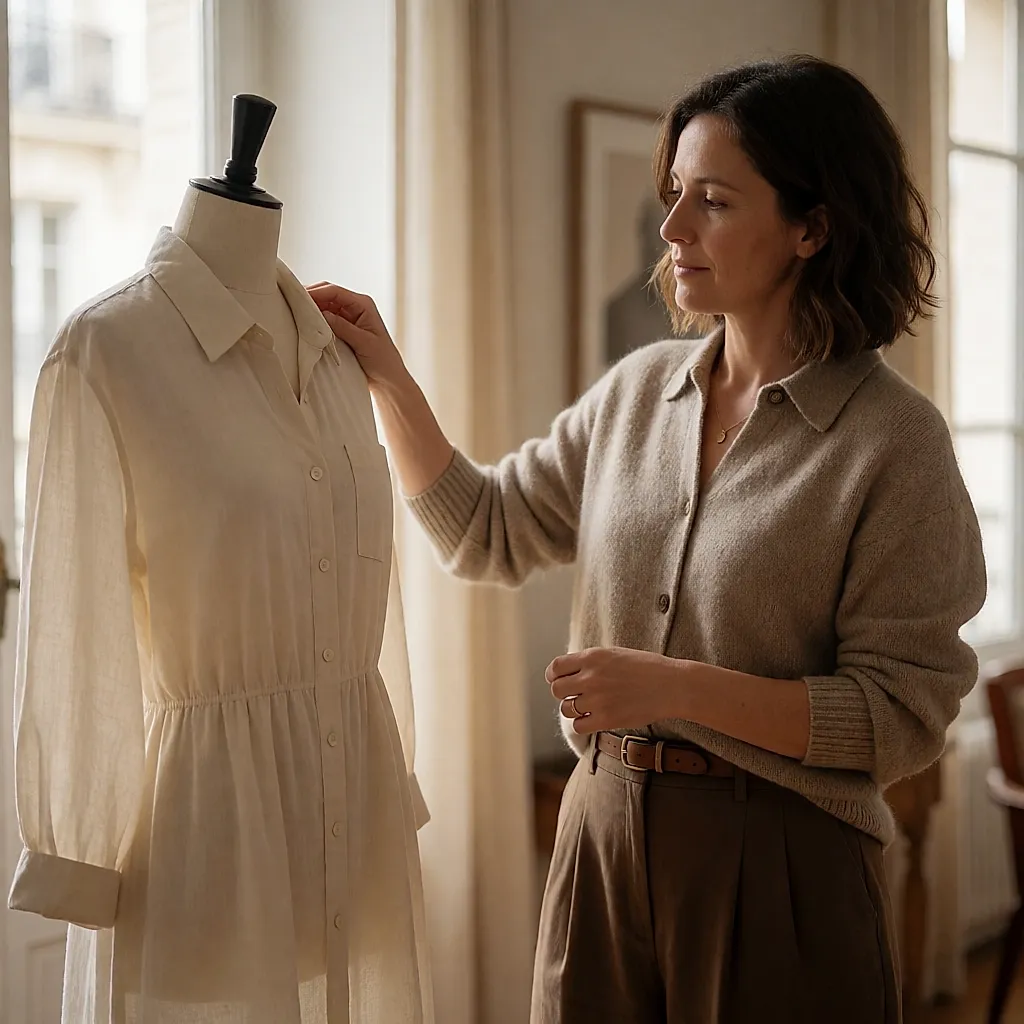
Others choose not to present at all and put their money into images instead. The result circulates differently, perhaps more slowly, but it circulates. That's part of the exploding offer too: it no longer looks only like catwalks, it looks like everything a brand can show in a season.
So what do we do with it?
Nothing, or almost nothing — and that's good news. Nobody is asking you to remember hundreds of shows. The right instinct comes down to three images: the ones still in your head two days later, without needing to check the name of the house. A skirt length, a shoulder, a fabric that catches the light: that's often where the season is hiding.
And you can watch those from the sofa. Many houses stream their shows live or on demand, and the photos turn up everywhere afterwards. The real luxury here is choosing what you watch — not seeing everything.
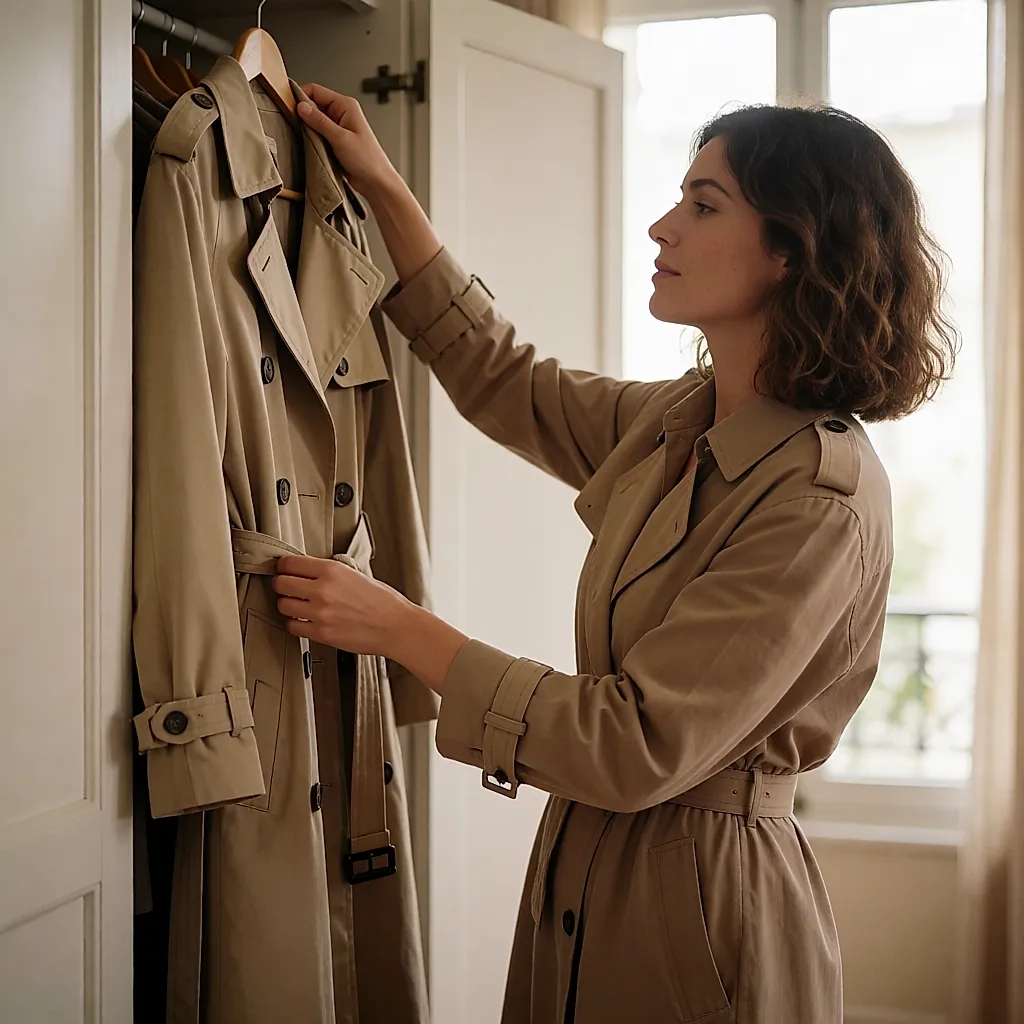
Second instinct: don't buy spring in November. A piece spotted on a catwalk takes several months to reach the shops, and by then you may have changed your mind — which will have saved you a purchase. In the meantime, look at what you already own: the trench that lasts four winters, the cotton or linen shirt that still works, the wool that hasn't budged. It's less spectacular than a show, and yet it's what works hardest in a wardrobe.
To get through a season without losing your evenings: keep the silhouettes that come back to you two days later, note one detail each time — a length, a fabric, a colour — then wait until they arrive in the shops before deciding. If, after a few weeks, that detail no longer feels right, it was probably just a passing image.
Ultimately, the calendar does its job very well: it keeps houses standing and diaries straight. It's up to us not to confuse the rhythm of the industry with the rhythm of our wardrobes. And if you really miss the show, there's always the live stream, a cup of tea and the sofa: the only runway where you're always on time.


Comments
Your opinion matters: rate the article, react and reply to comments.
Comments are moderated; AI-assisted comments are flagged. Text emoticons (8-), :-), <3…) are automatically shown as images.