
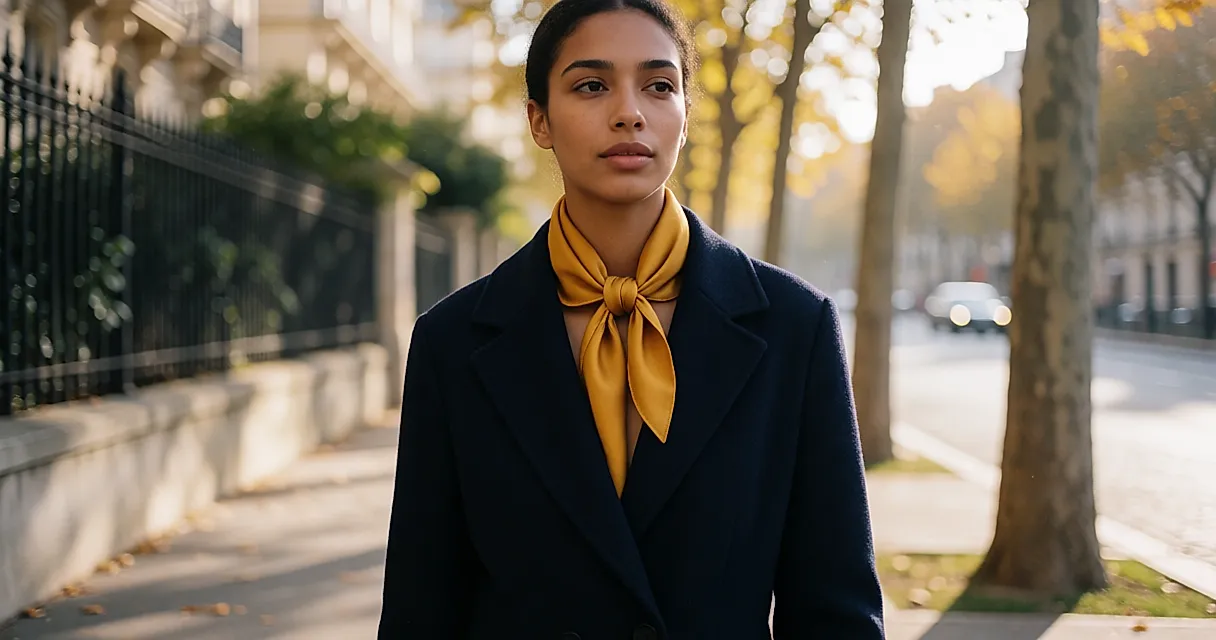
You spotted a mustard jumper in a shop window and paused. Cue the usual questions: will it make your complexion look sallow? And, more to the point, will you ever wear it anywhere other than in a photo? Honestly, mustard is one of the easiest colours to wear in autumn — on one condition. Treat it as an accent in your outfit, never as a head-to-toe look.
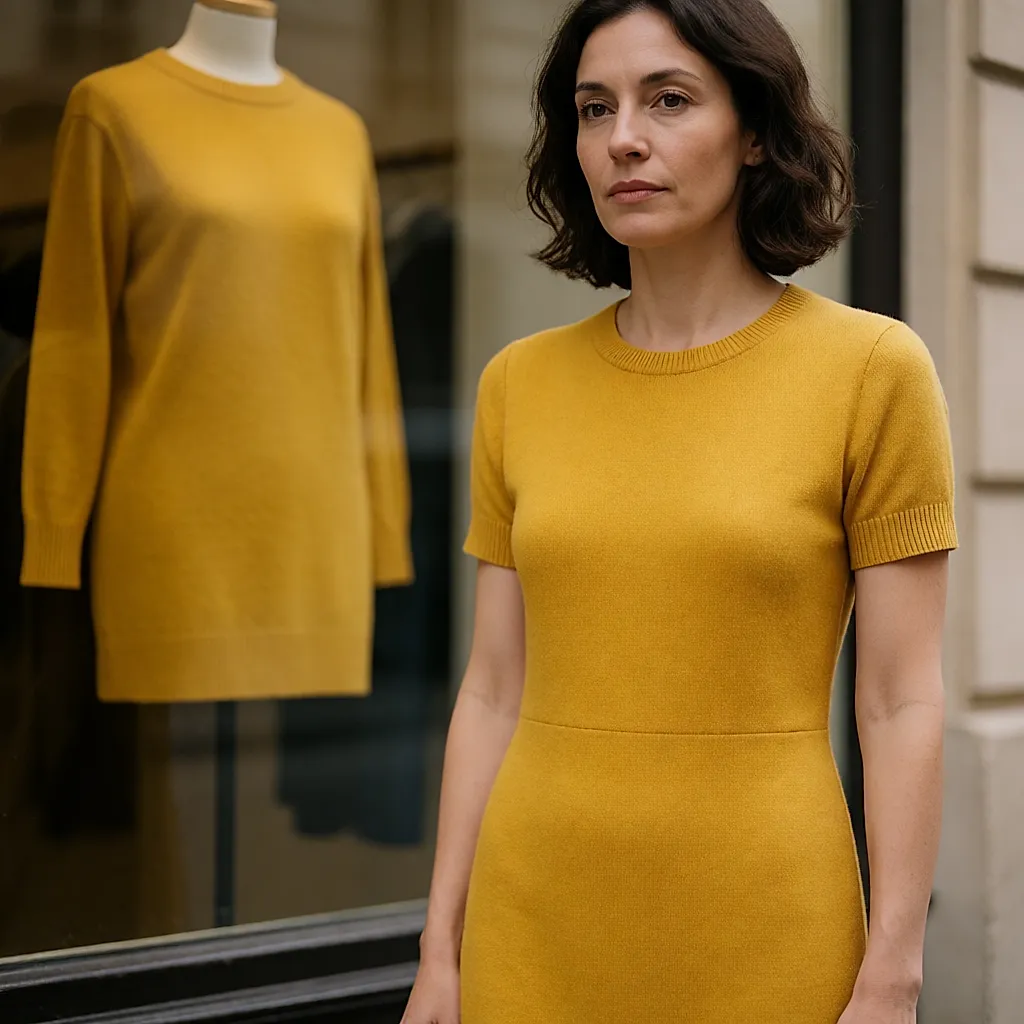
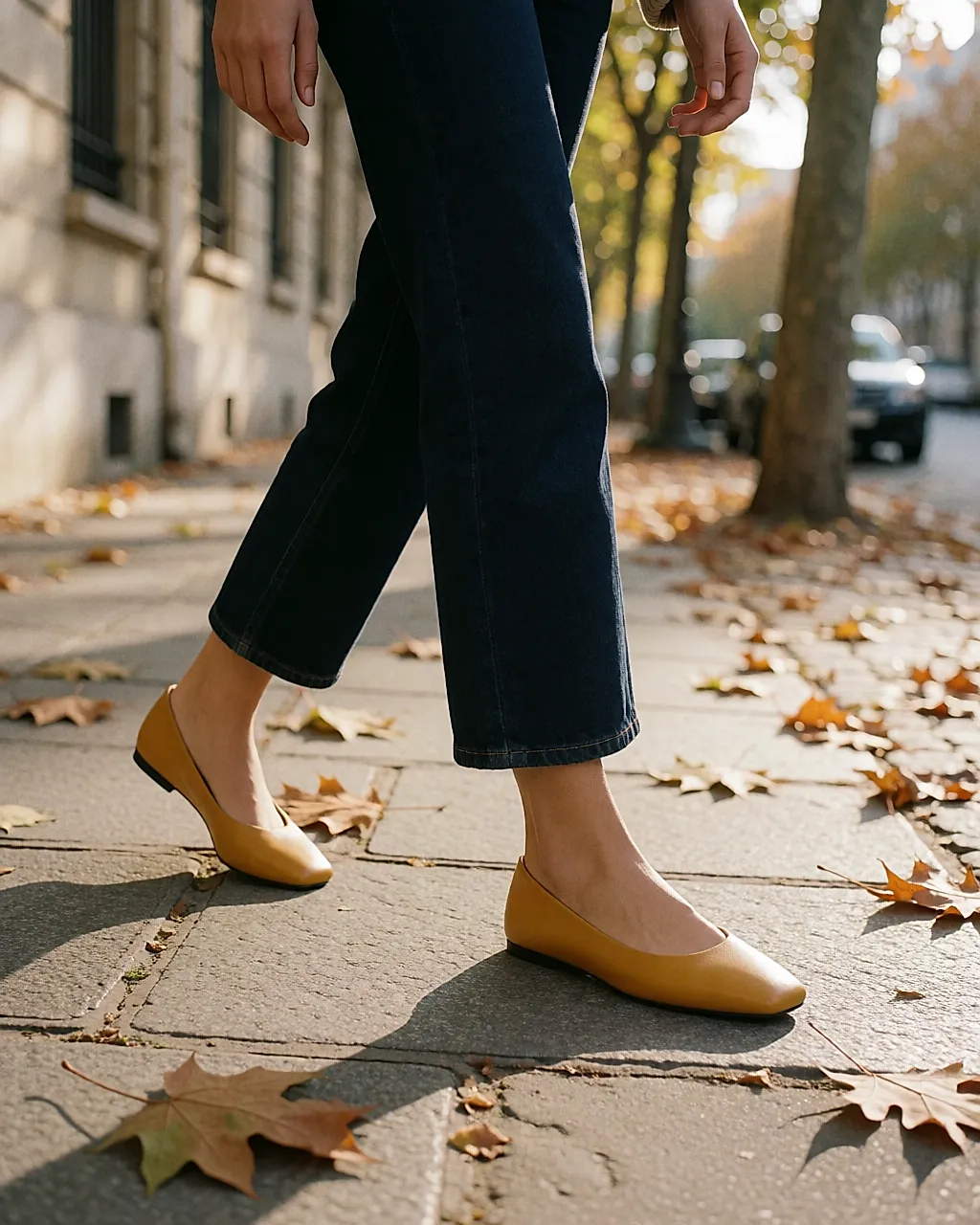
The name comes from the crushed seed, but the colour itself covers a lot of ground. Between almost-brown ochre, warm saffron and olive-tinged yellow, the shades have very little in common. Which is precisely why the same colour can flatter you and disappoint your best friend.
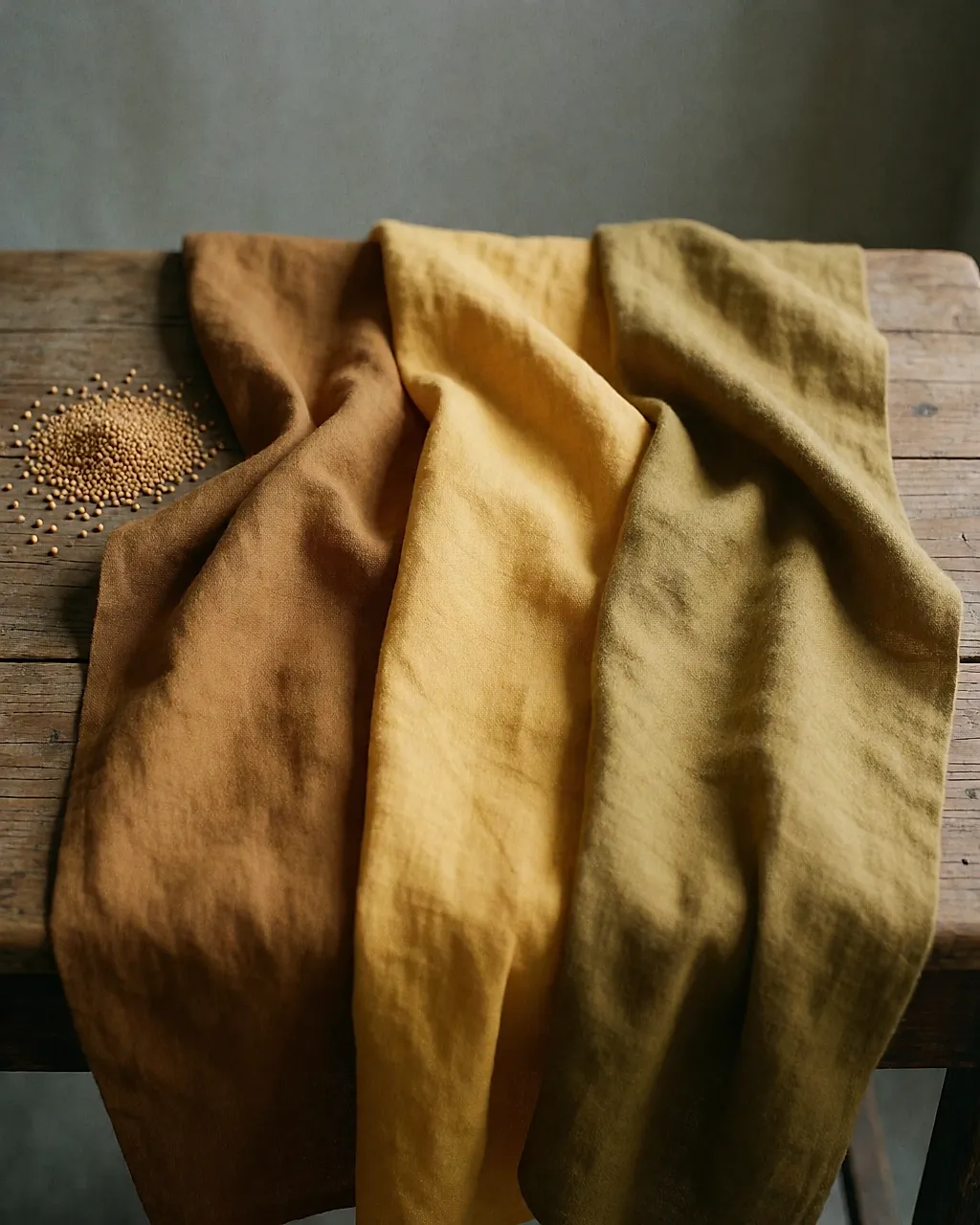
The shade matters more than the cut
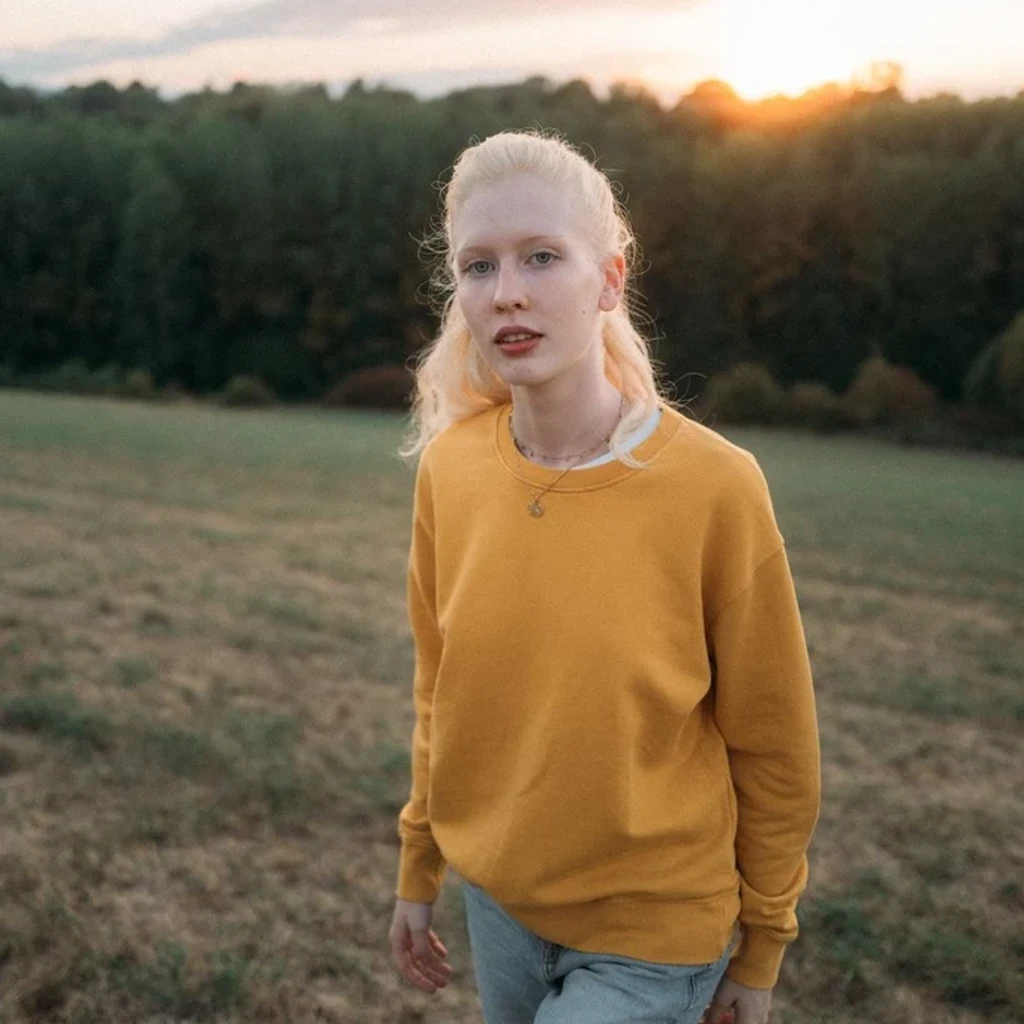
A colour gets judged on a trend photo, yet it behaves completely differently depending on your colouring. Fair, pink-toned skin carries lighter, honeyed mustards more easily. Olive or tanned skin with golden undertones takes dark ochre in its stride. On deep skin, a bright mustard creates a contrast that lights up the face.
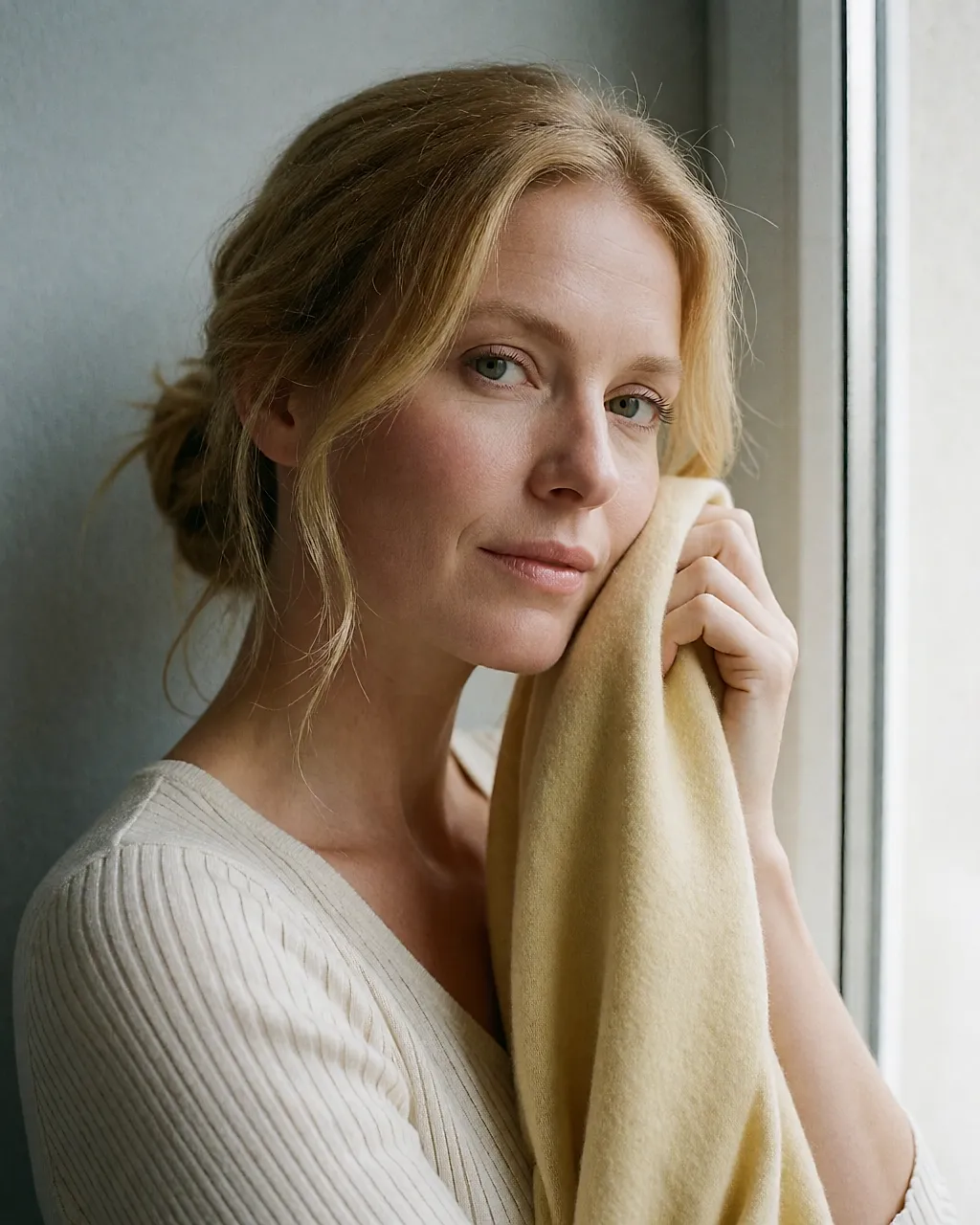
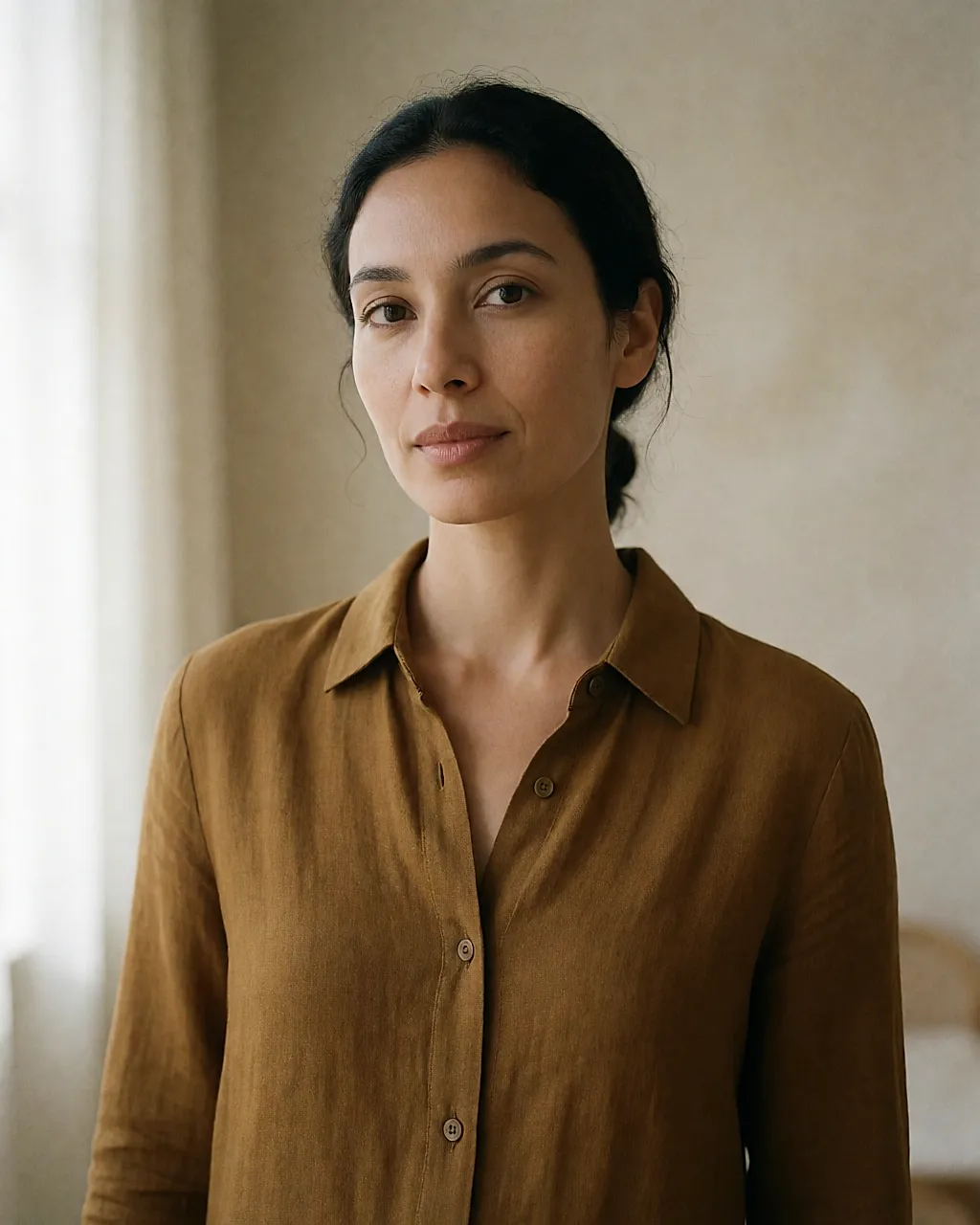
The move that changes everything: hold the piece up to your face in daylight, with no foundation on. If your jawline picks up a greyish cast, change the shade — not the colour.
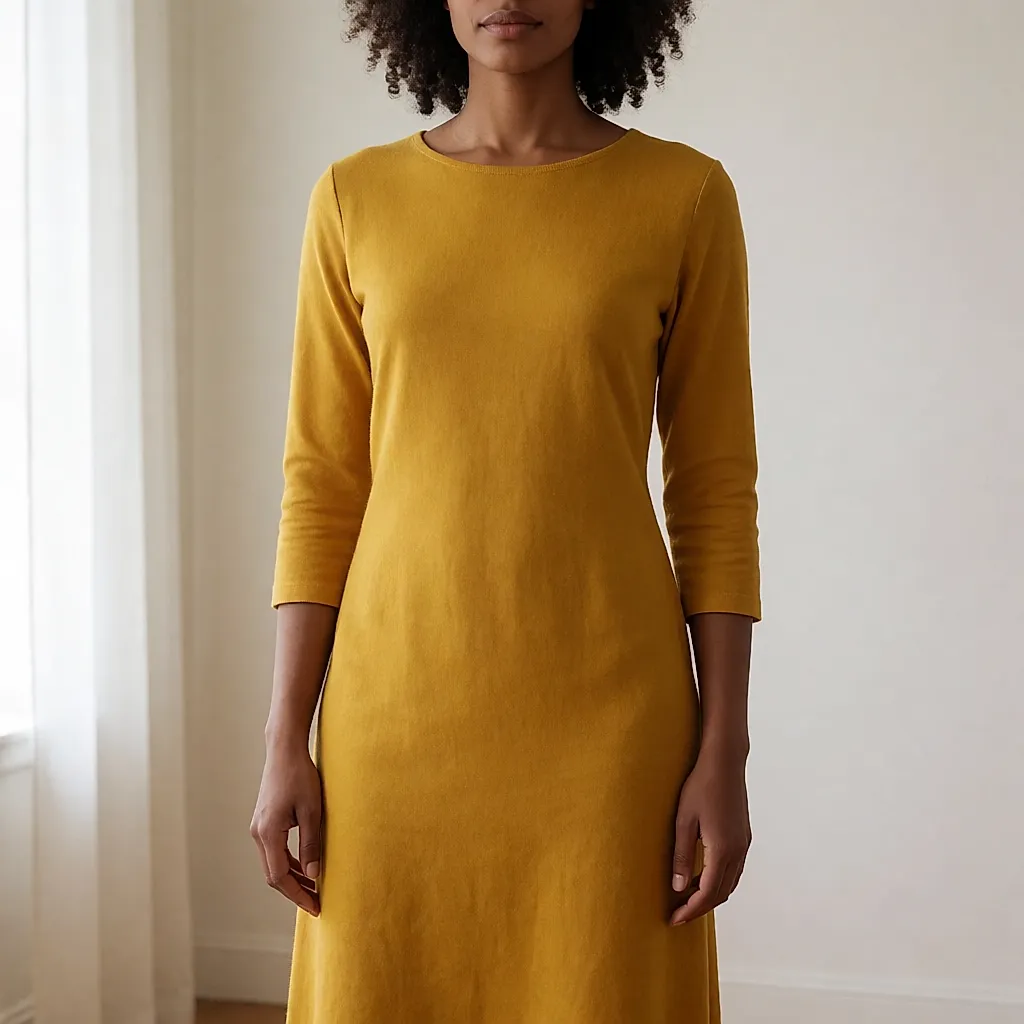
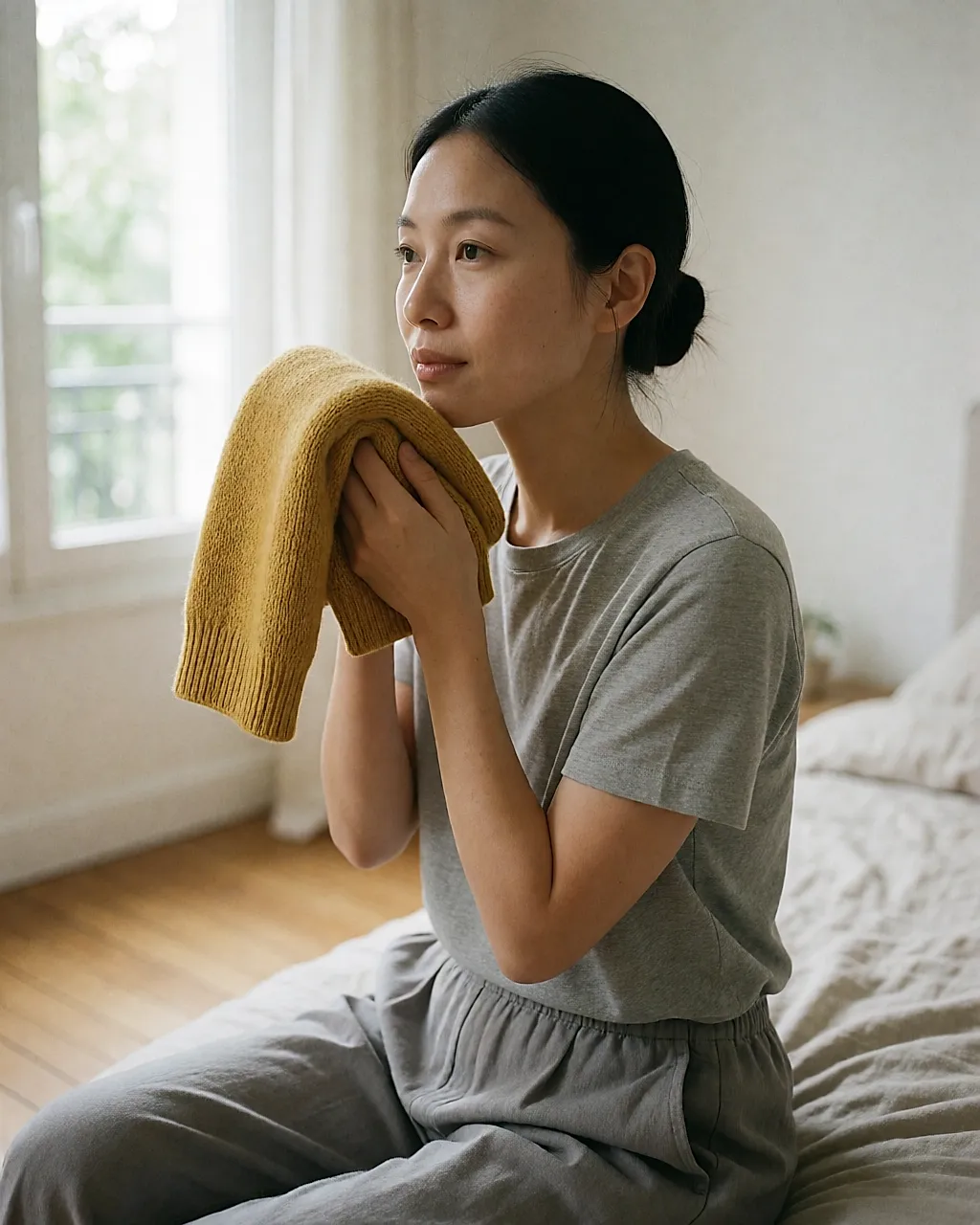
As an accent, in layers, or as a statement piece
Nothing says you have to wear mustard from neck to ankle. Three ways to work it into your wardrobe without losing your complexion along the way.
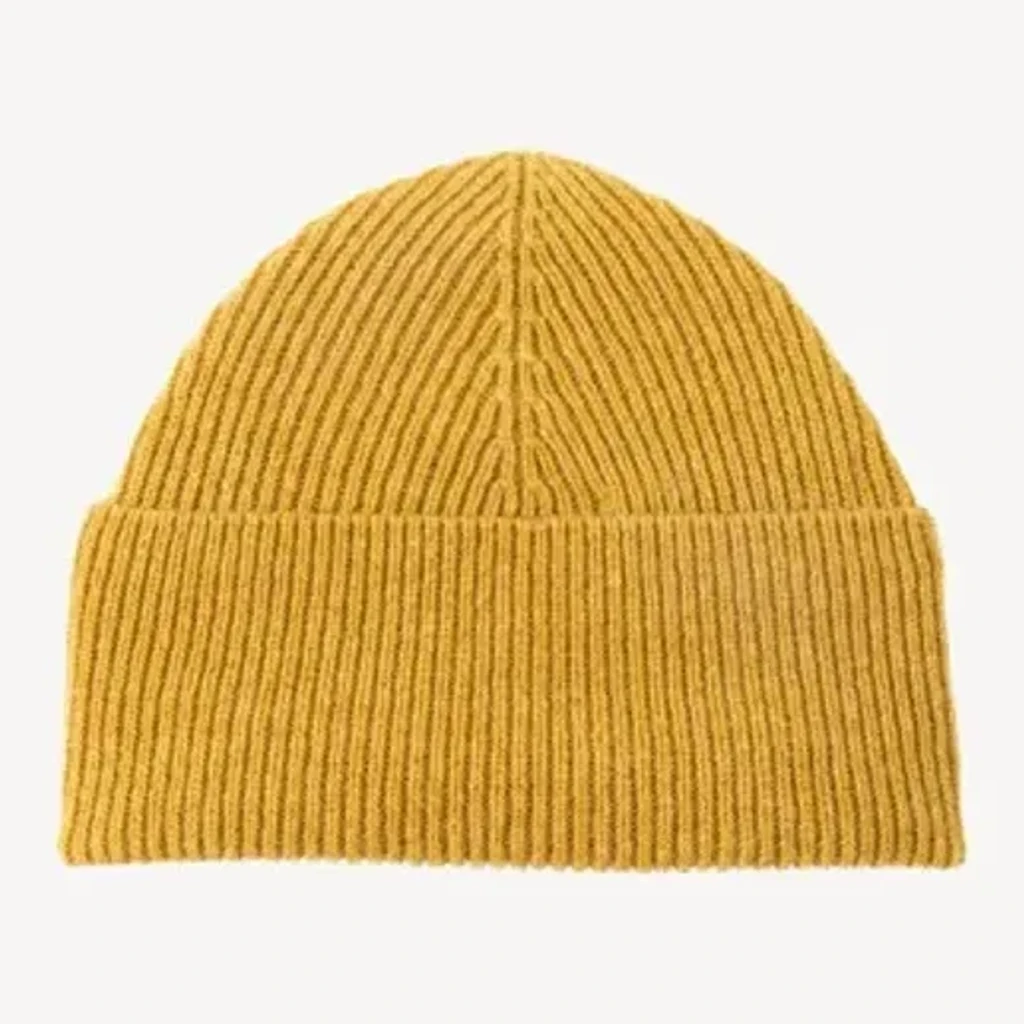
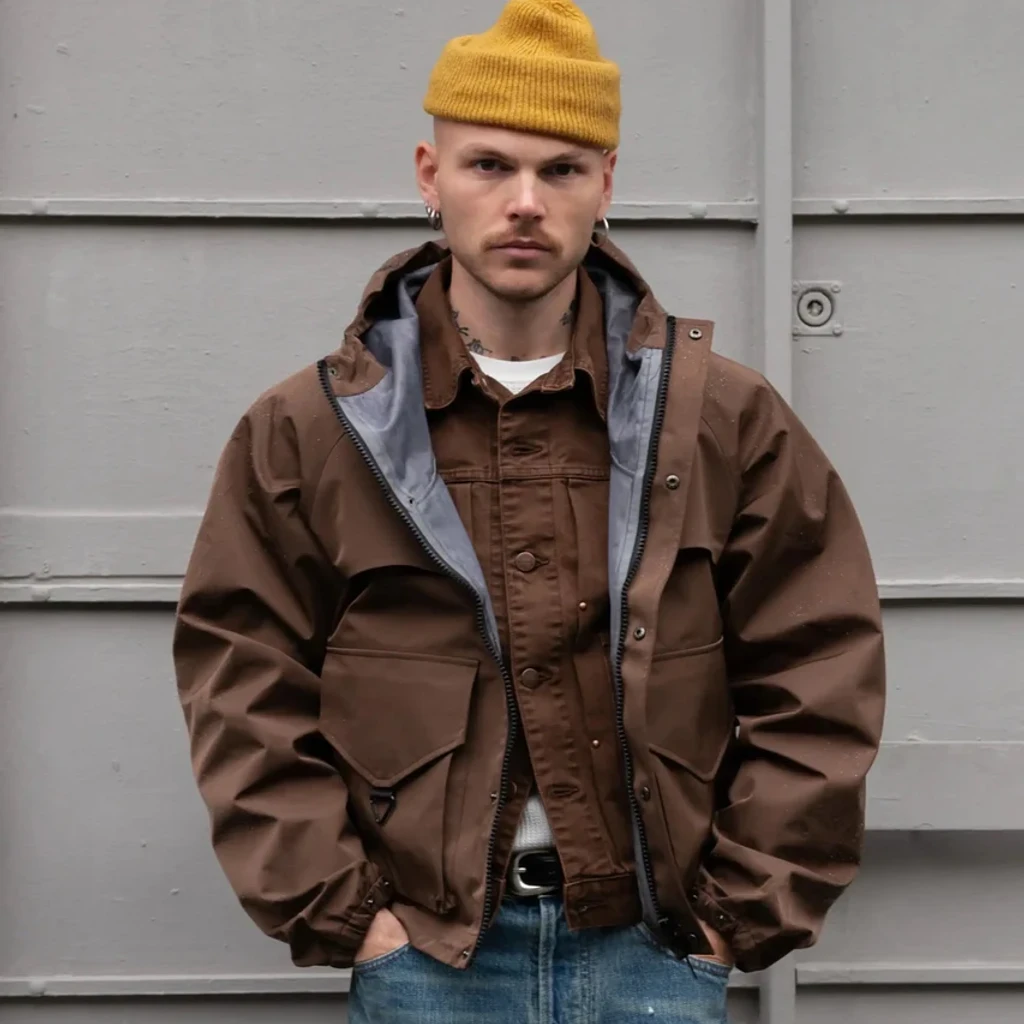
Start with the small accent: a beanie, a silk square, a pair of gloves. The colour registers, the overall look stays understated, and you're accessorising a basic you already own.
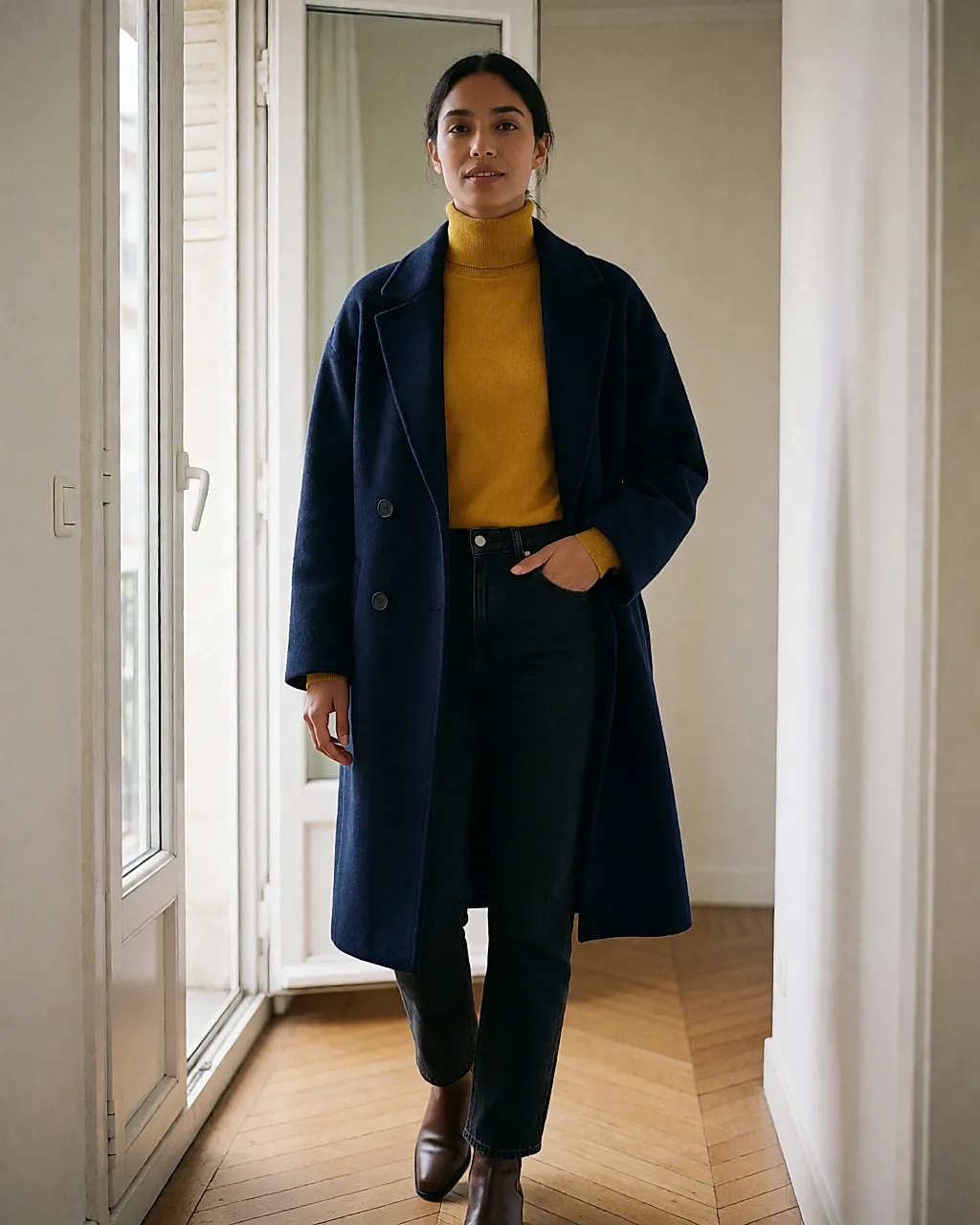
Layering comes next: a mustard jumper slipped under a navy blazer or a cream coat. Navy and mustard is the easiest contrast to get right, because the blue cools the warmth of the yellow without extinguishing it.
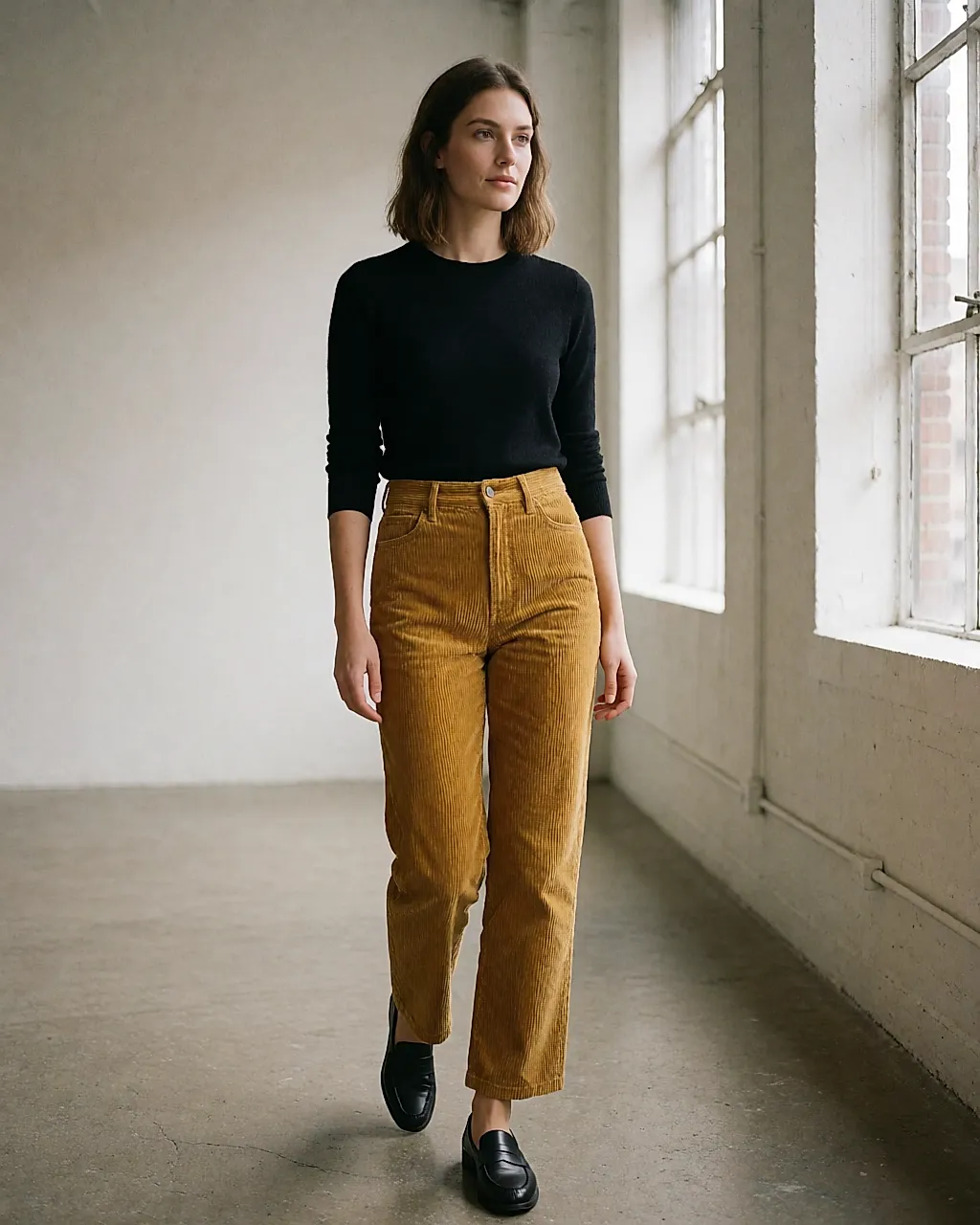
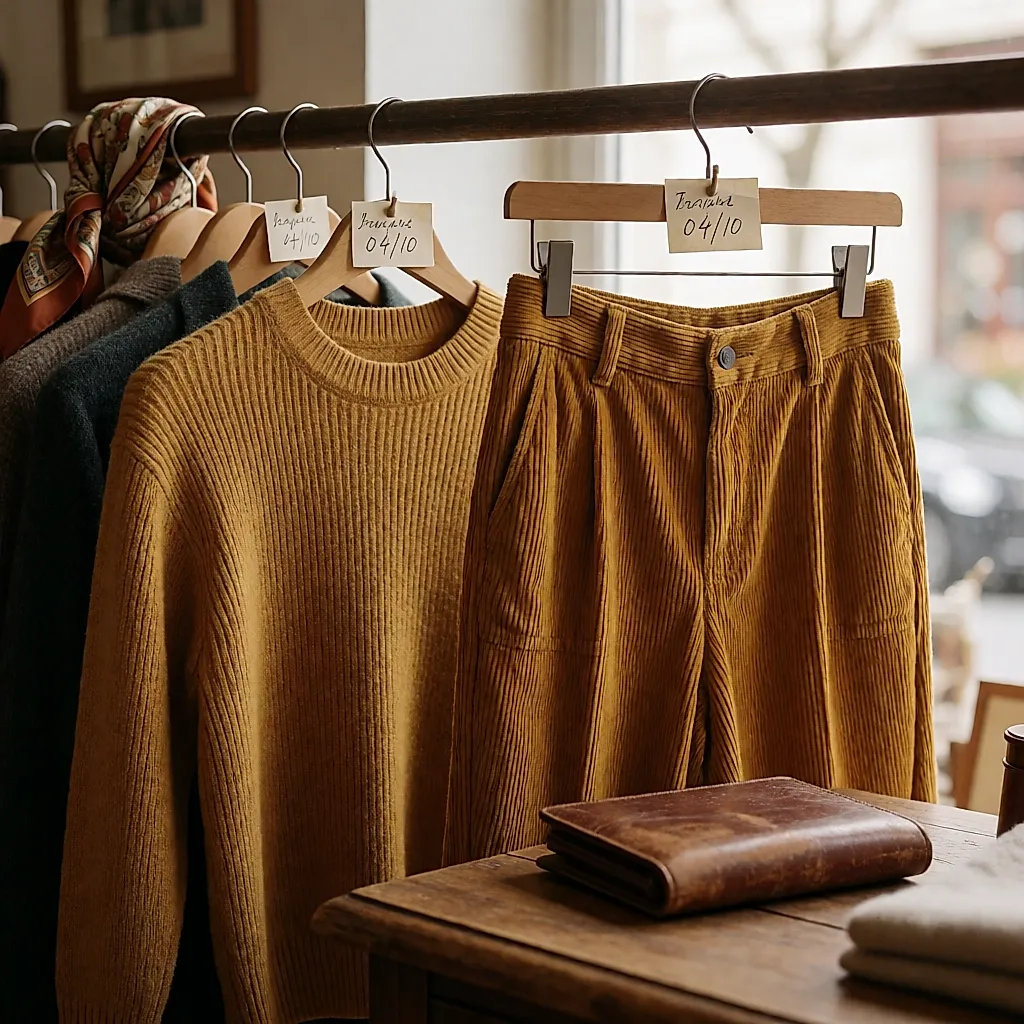
And finally the statement piece: a corduroy knit or a pair of straight-leg trousers, worn with black or raw denim. Here the colour does all the talking, which is why the drape is worth getting right.
On the fabric front, cable knits, corduroy and matte silk hold the shade well, with a matte finish that absorbs the light. High-shine surfaces, on the other hand, can tip the yellow towards green — worth trying on in a fitting room before you buy.
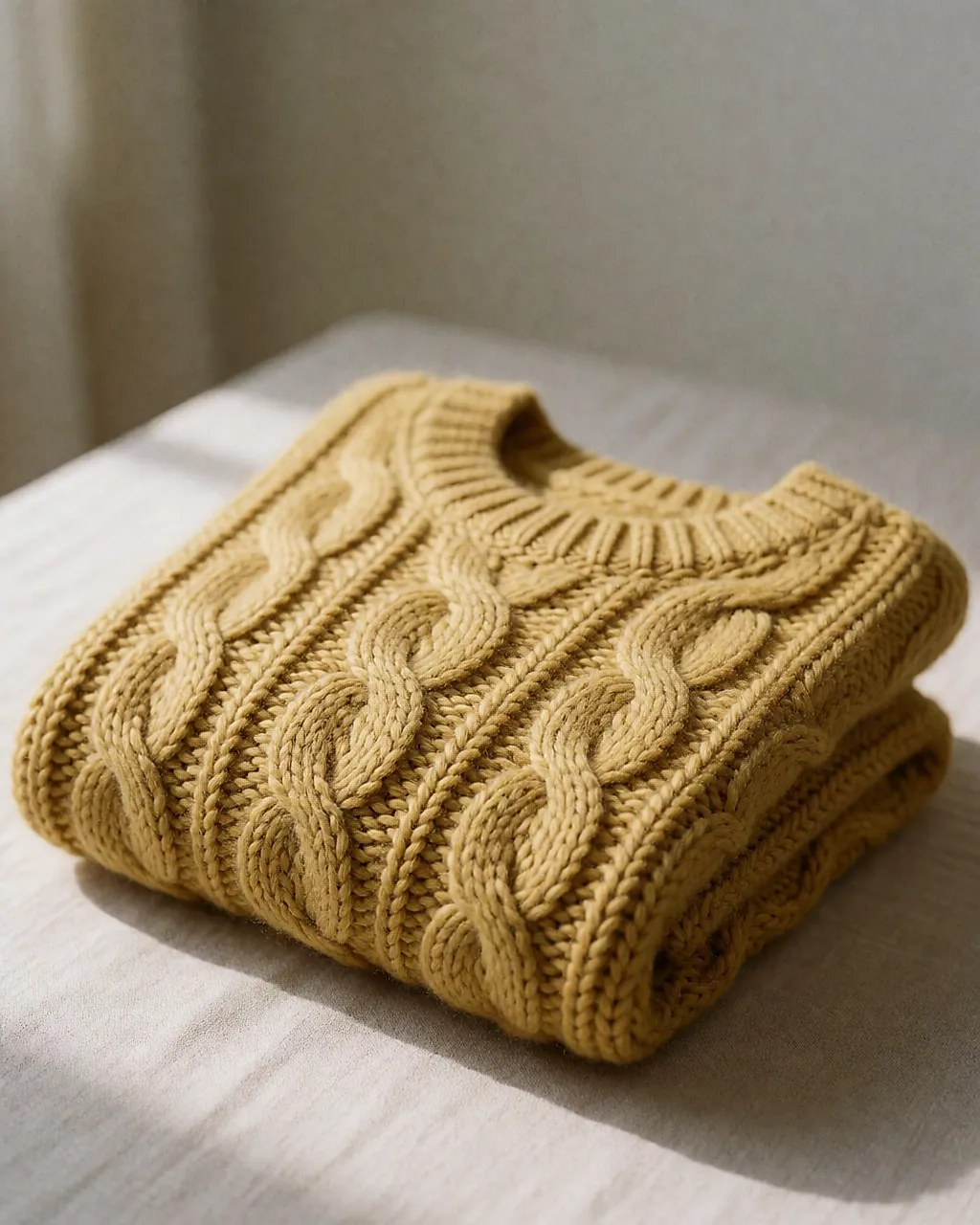
The quick test. In front of a mirror, in daylight, hold the piece just under your chin, then take it away. If your complexion looks more rested with the garment than without it, you've found your shade. If you see the colour first and your face second, look for a lighter or greyer version.
And to be straight with you: none of this has been wear-tested over time. This is a researched piece, not a product test.
What to pay
Rough UK ranges, outside sale periods. Treat them as a guide rather than a quote.
- Top or T-shirt in GOTS-certified organic cotton: around £20 to £45.
- Merino or alpaca jumper: around £60 to £160. An acrylic blend sits closer to £25 to £50, and tends to pill sooner.
- Corduroy trousers: around £45 to £120.
- Silk scarf: around £35 to £130; recycled polyester, more like £12 to £35.
- Vegetable-tanned leather goods: around £70 to £220.
- Secondhand: around £5 to £35 for a knit, often the best value.
What moves the price: the fibre, where it was made, the label, the city you're shopping in and the sales channel. Where to look: charity shops, vintage shops and resale platforms, specialist brands, larger clothing retailers and multi-brand online shops.
Comments
Your opinion matters: rate the article, react and reply to comments.
Comments are moderated; AI-assisted comments are flagged. Text emoticons (8-), :-), <3…) are automatically shown as images.