
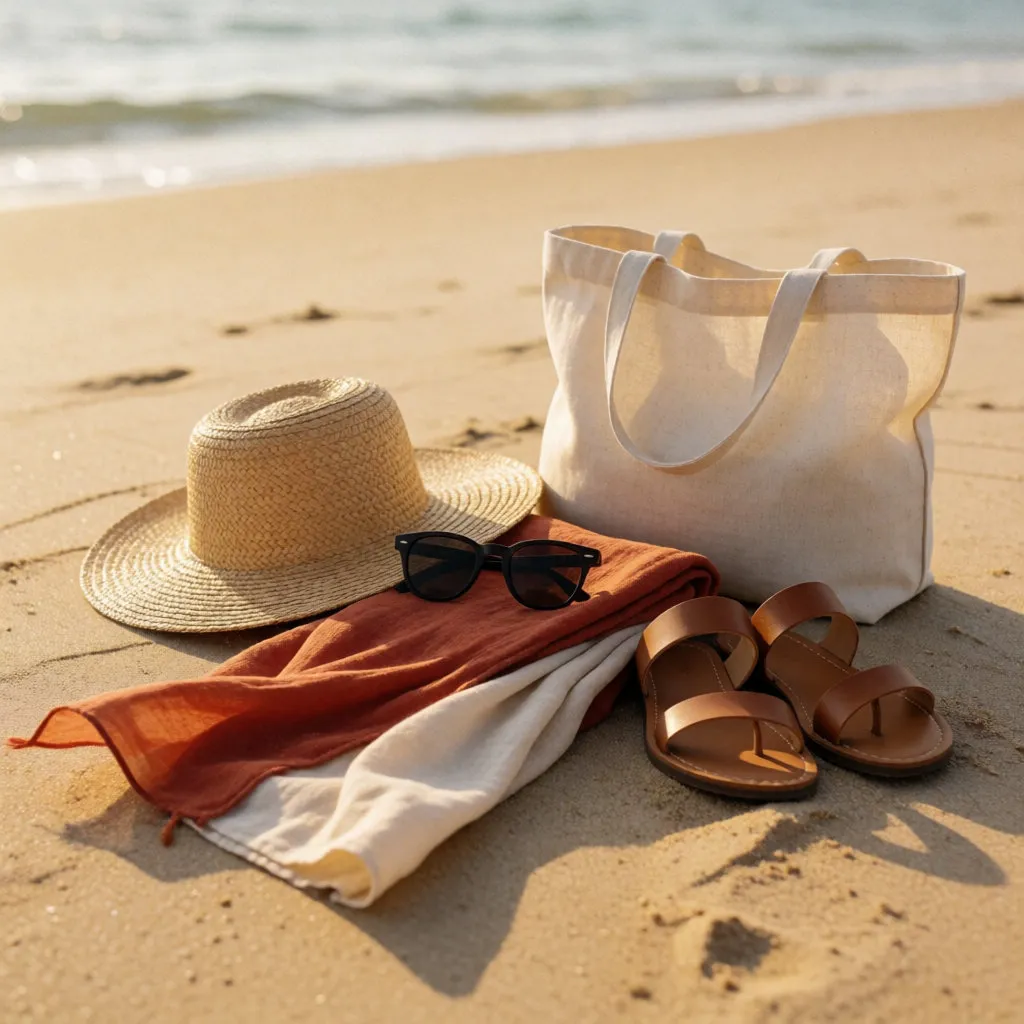
You know the scene: the night before you leave, you pile up three swimsuits 'just in case', shove a towel into your bag at random, and once you're on the sand you realise half the essentials are missing. Beach accessories are not a decorative afterthought — they decide whether your day runs smoothly or whether you spend it hitching up a strap. Full transparency: nothing here has been lab-tested; it all comes from what I've seen on the shelves and what official guidance says.
Swimwear: the piece that dictates everything else
A swimsuit that rides up, gapes or digs in can make the whole day uncomfortable. The triangle bikini remains a summer wardrobe staple, but look at the construction before the colour: adjustable straps, an elastic band under the bust, flat seams. The fit depends on those three details far more than on the print. Sizing has moved on! Many retailers offer wider ranges than they did ten years ago, though it still varies a lot from brand to brand. And after every swim, a quick rinse in fresh water: salt and chlorine break down elastane far faster than sand does.

Bag, towel, sarong: the logistics that save the day
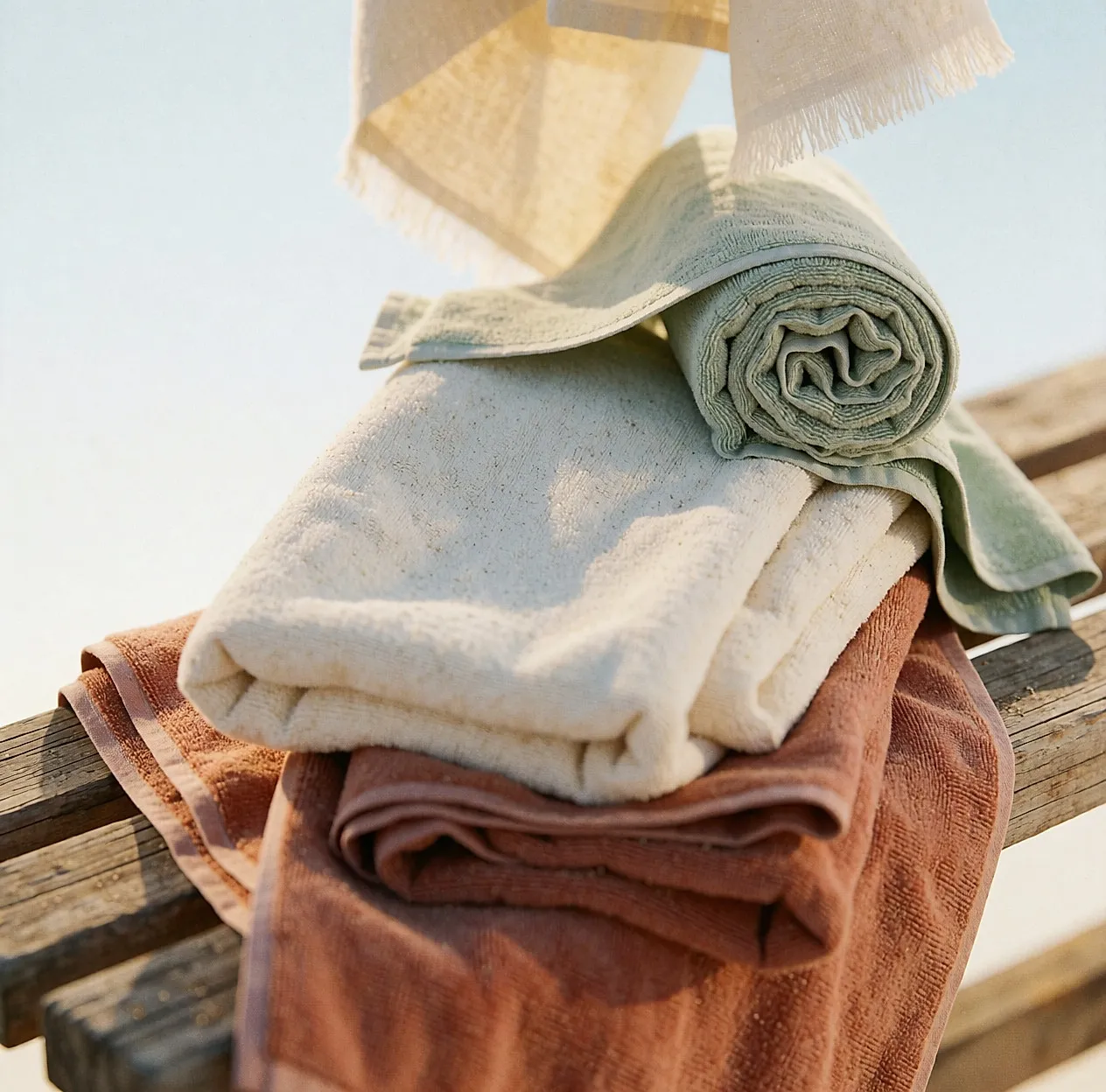
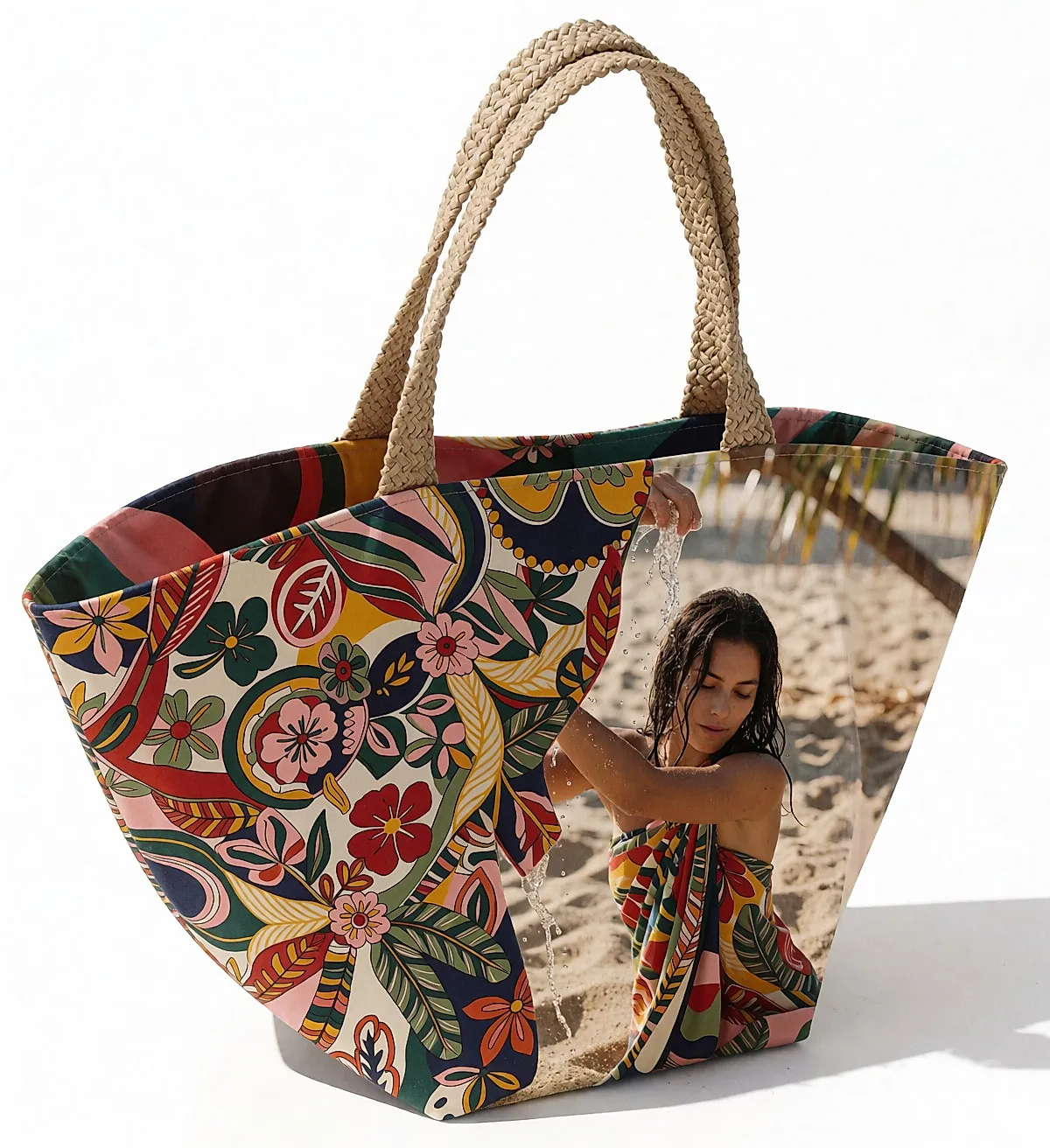
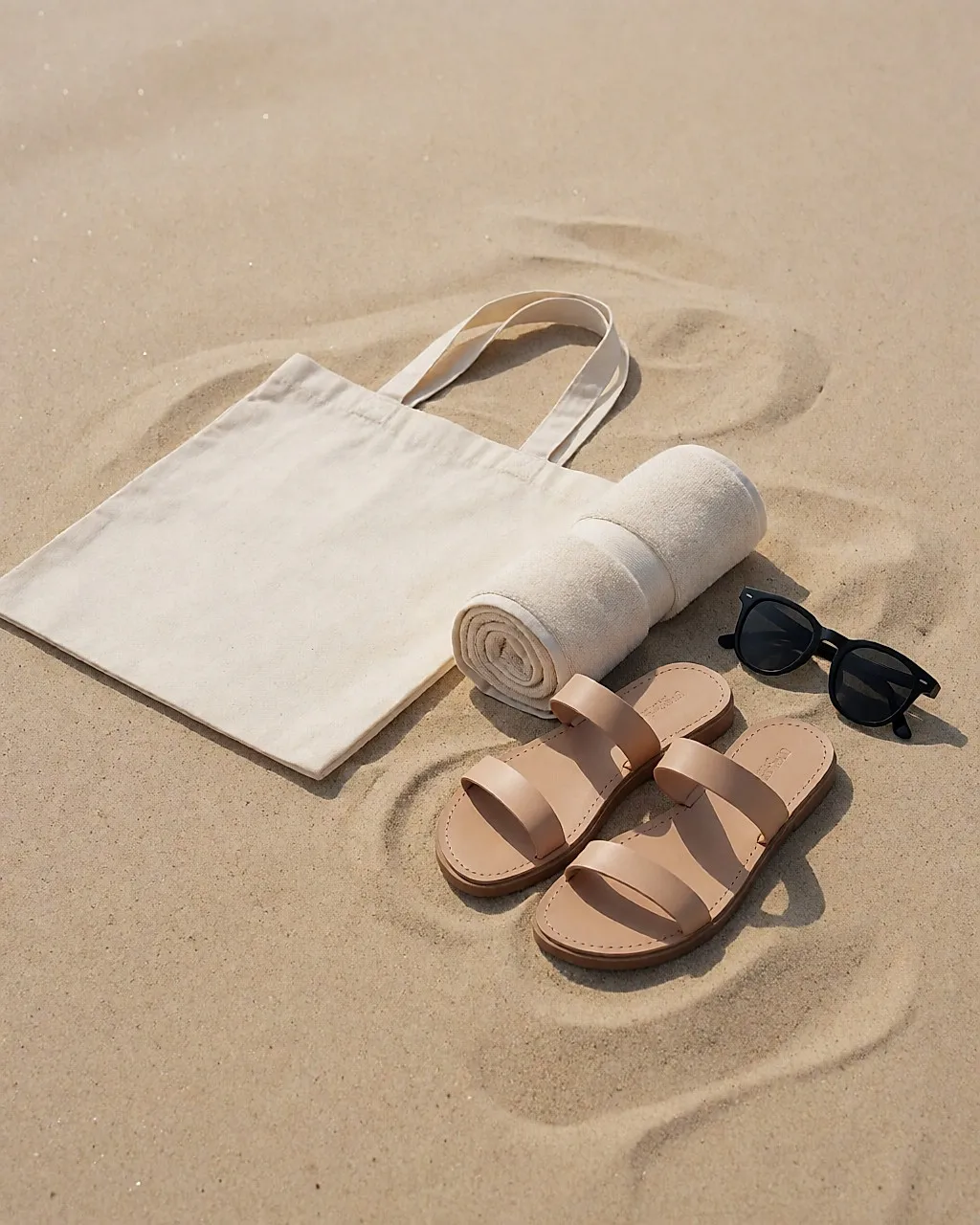
The big wicker basket is photogenic — until you have to carry it wet. A light coated fabric or a synthetic tote does the same job, dries faster and folds into the boot. For towels, compare absorbency and drying time: microfibre wins on the second point but can feel scratchy, while thick cotton is softer but stays damp for hours. And if the label says 'bamboo viscose', be aware that it is most often a man-made fibre produced by chemically processing cellulose: fluid, soft, but no more natural than standard viscose. The sarong, meanwhile, remains the hardest-working item in your bag: beach cover-up, shoulder wrap, belt, hair wrap.

Hat and sunglasses: style is nothing without a filter
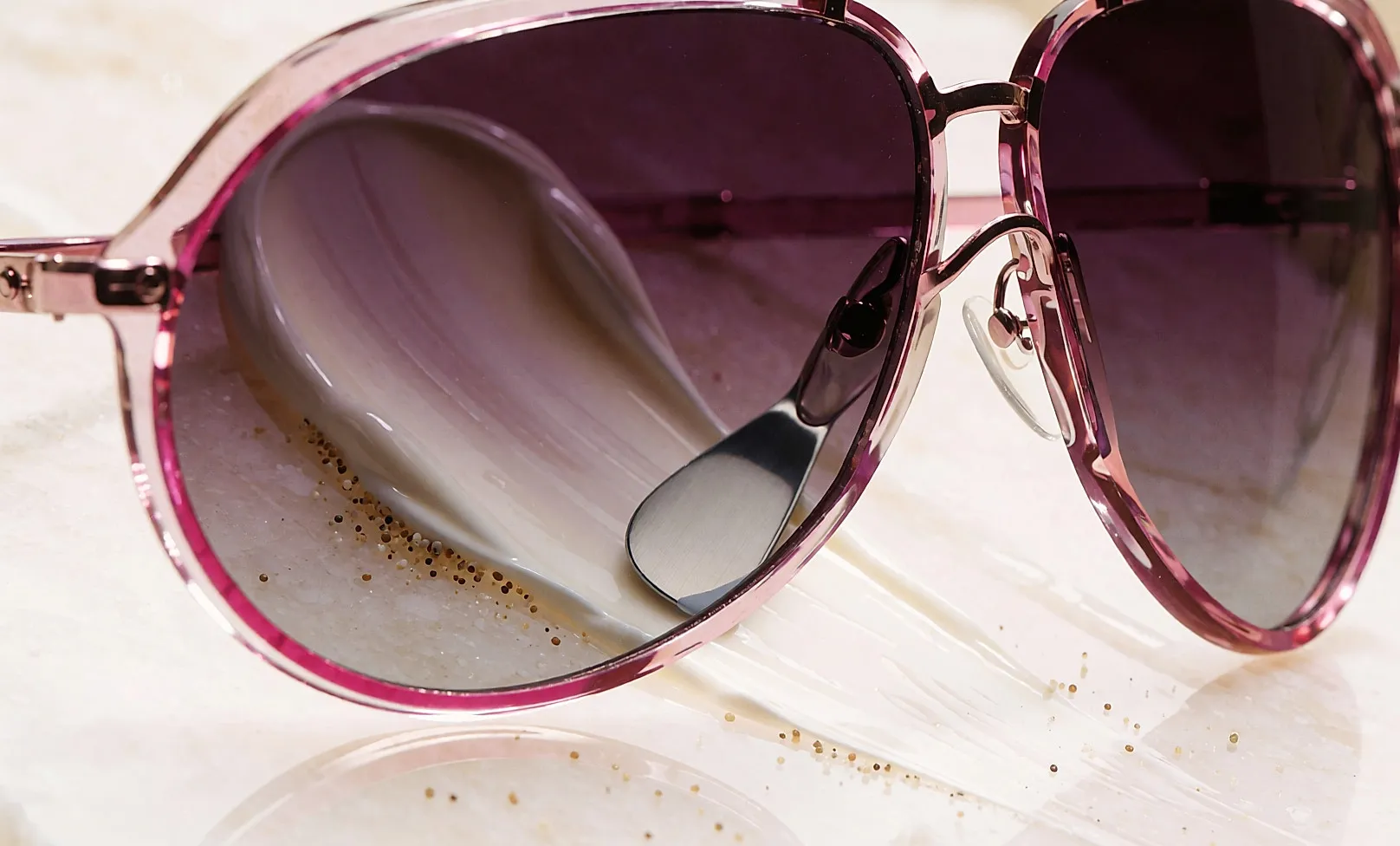
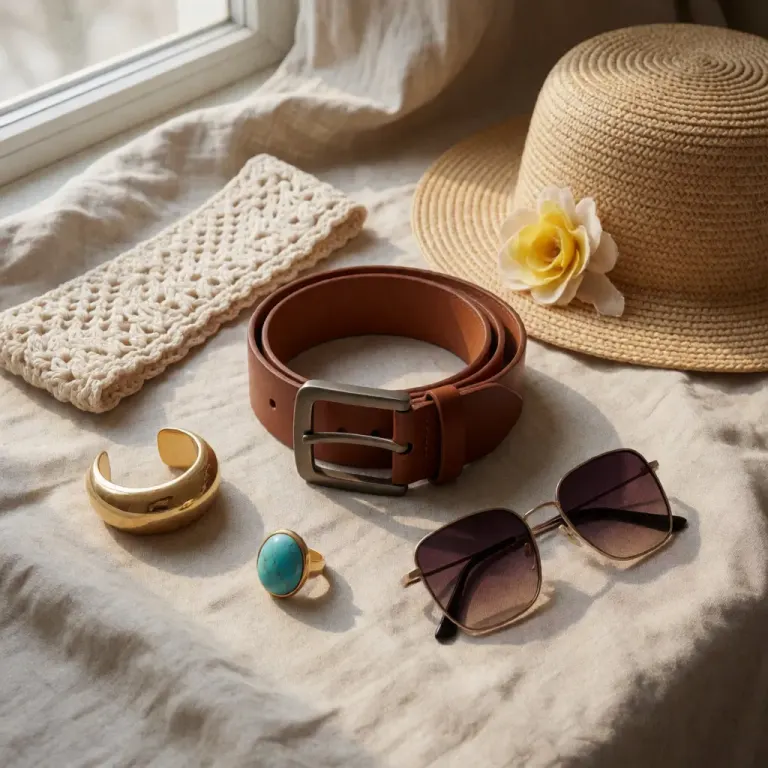
A wide-brimmed hat protects your face, ears and neck; short, very fashionable brims mainly shade the forehead. For sunglasses, don't look at the tint — look at the marking: BS EN ISO 12312-1 grades lenses from 0 to 4, and category 3 is intended for beach and mountain use. A very dark lens without UV protection does not protect properly, because the tint makes the pupil dilate and allows more rays through. Category 4, which filters even more, is not suitable for driving and must say so.

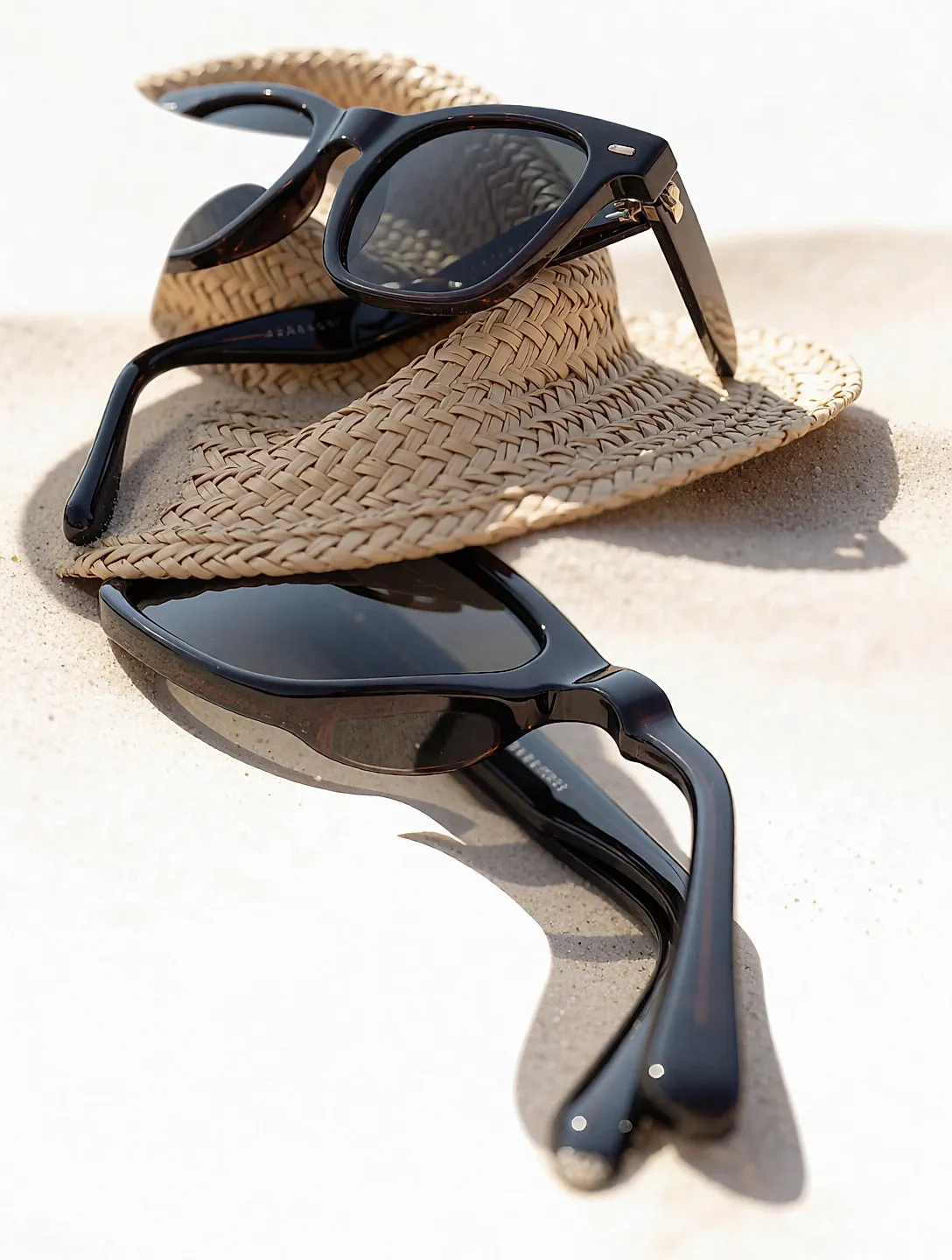
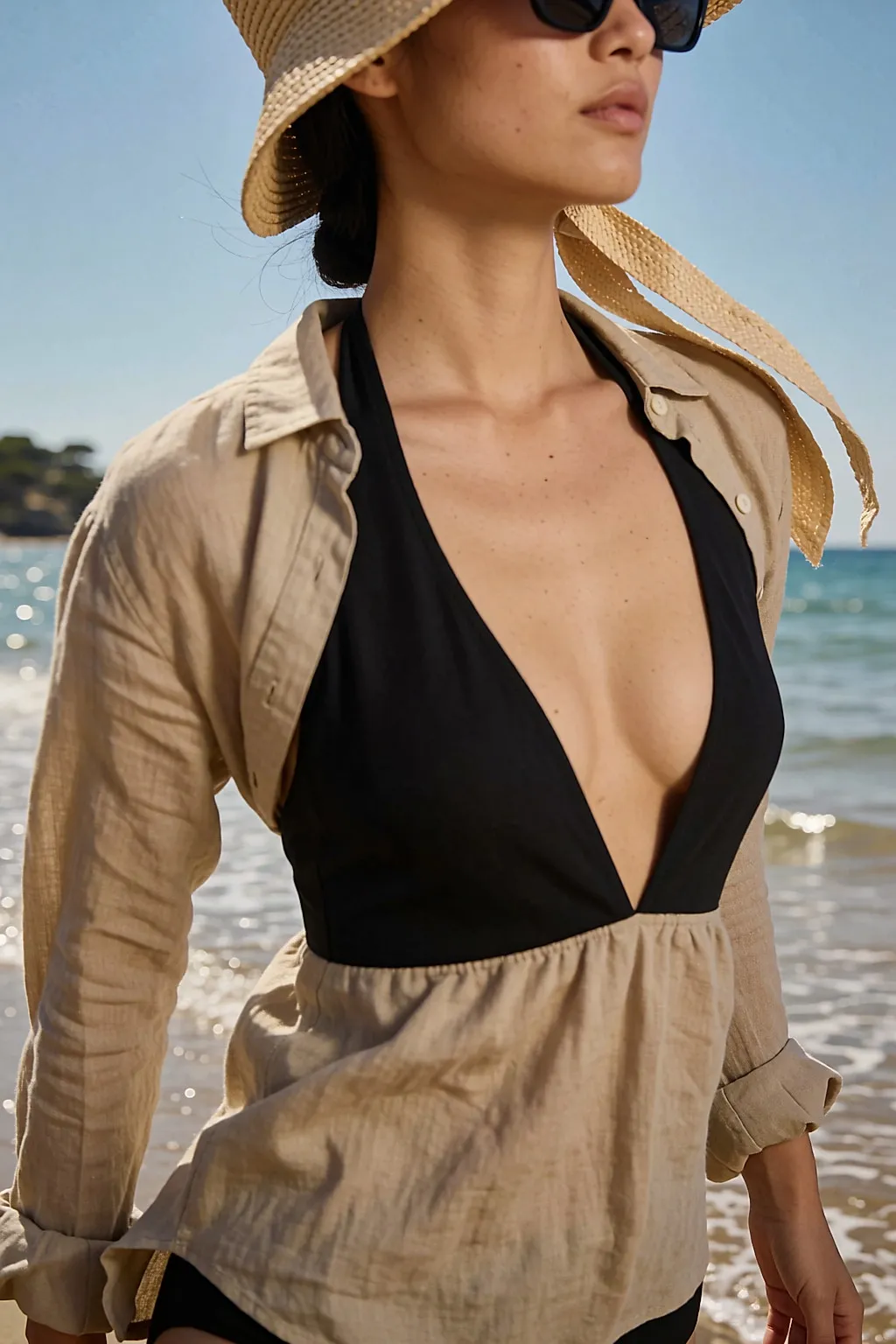
The three-second sunglasses test: fold the arm and look at the hinge. A flexible joint and a legible conformity mark (UKCA or CE), with the filter category, are worth more than a branded frame with no information.
Sandals, feet and nail polish
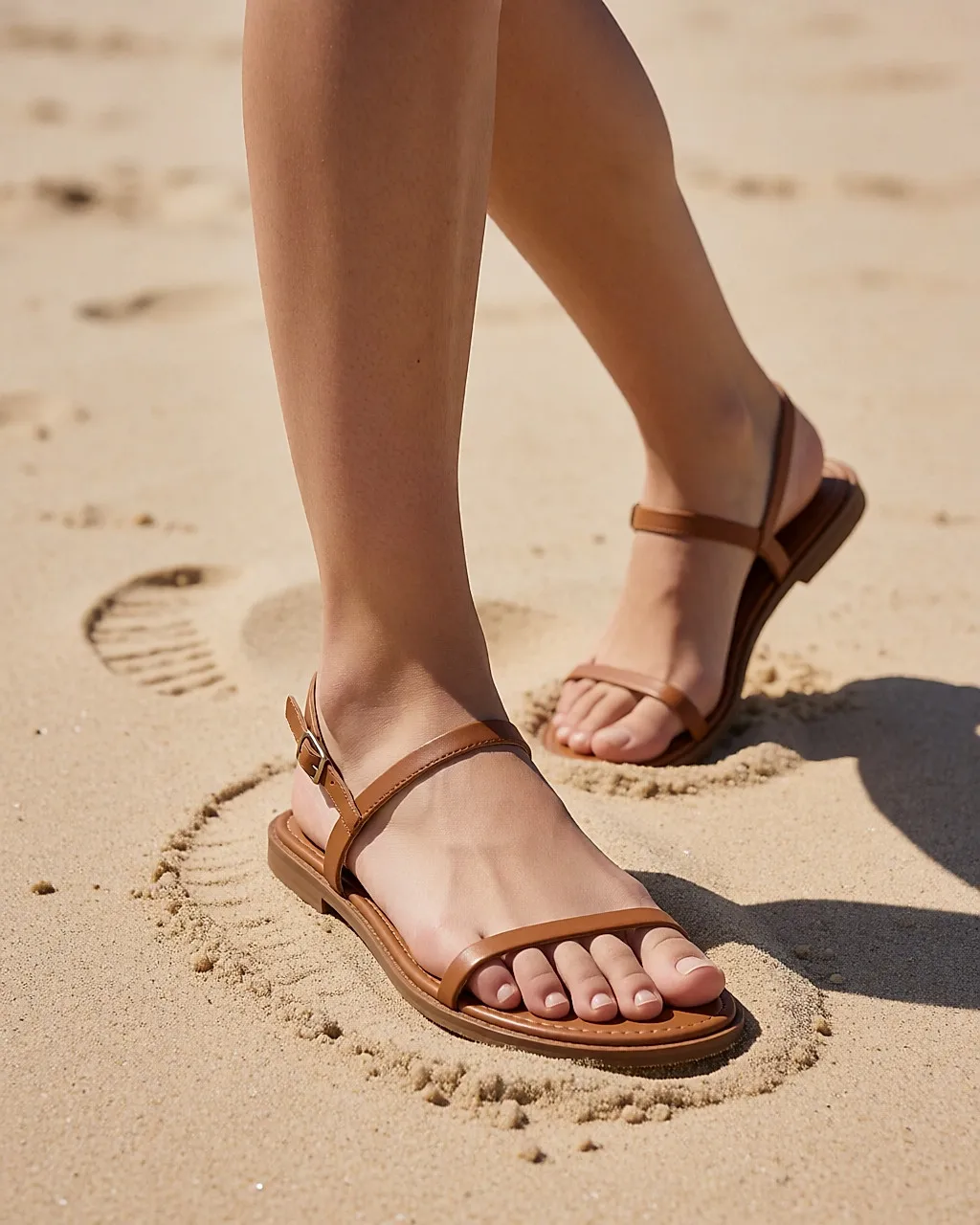
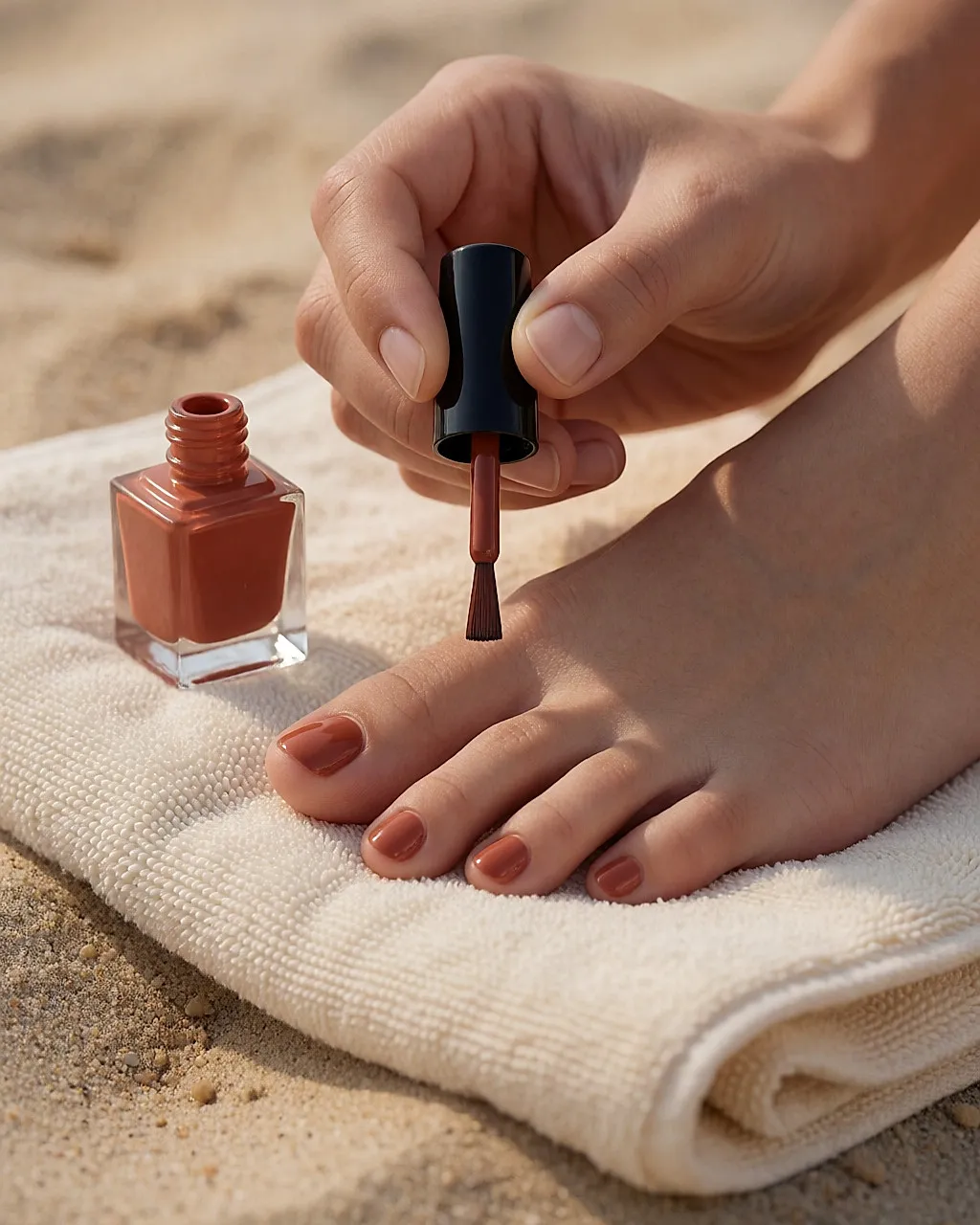
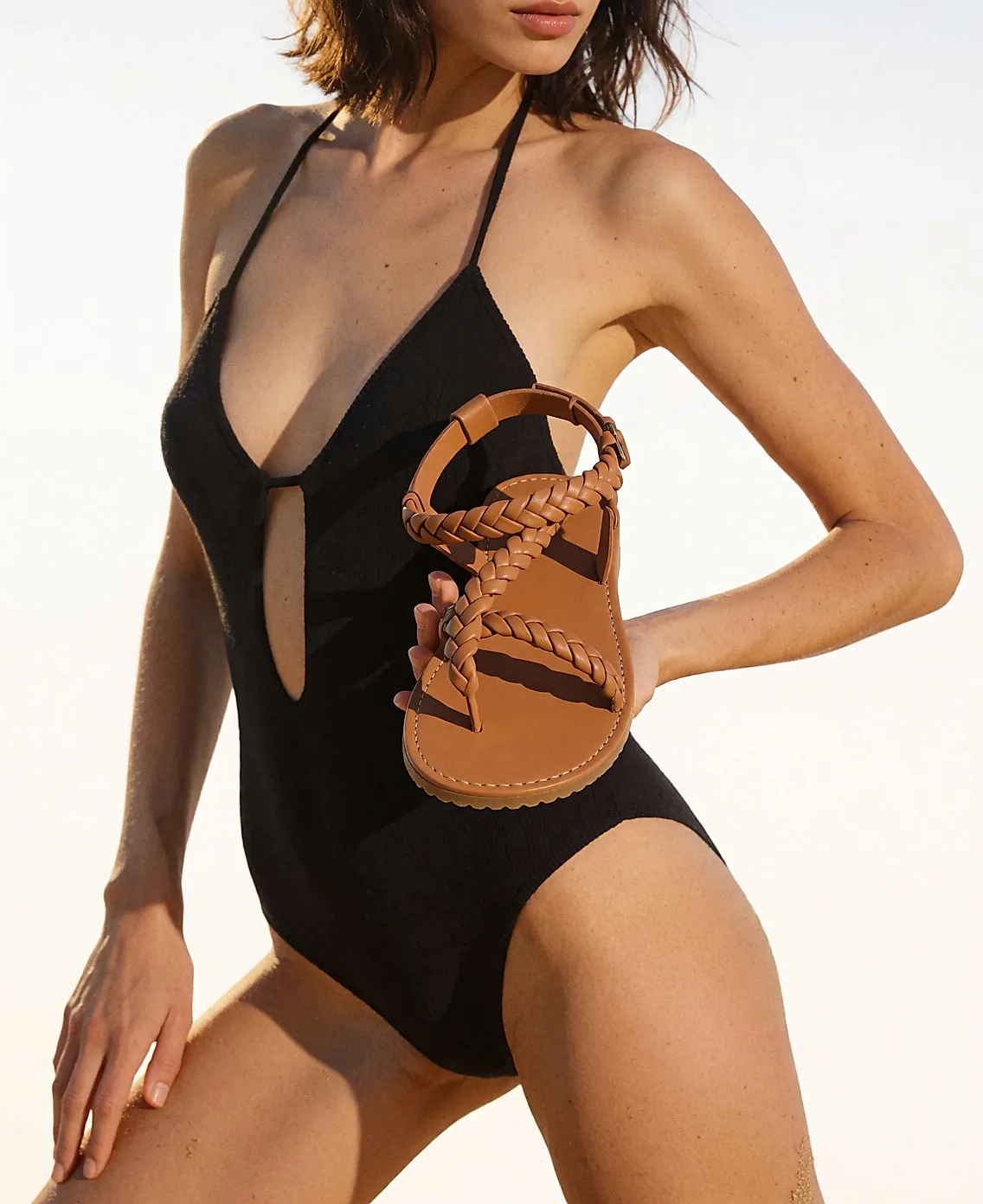
On burning sand, a thin sole quickly becomes a bad idea: look for a non-slip sole and straps that don't rub between your toes. As for nail polish, salt, sand and towels are a trio that destroys a pedicure. A base coat, two thin coats and a top coat last better than one thick coat applied on the morning you leave. In the evening, an oil on the cuticles does more for the overall look than another colour. And if the most controversial solvents worry you, water-based polishes exist — they often last a little less long, which is the trade-off.
The care, not the collection
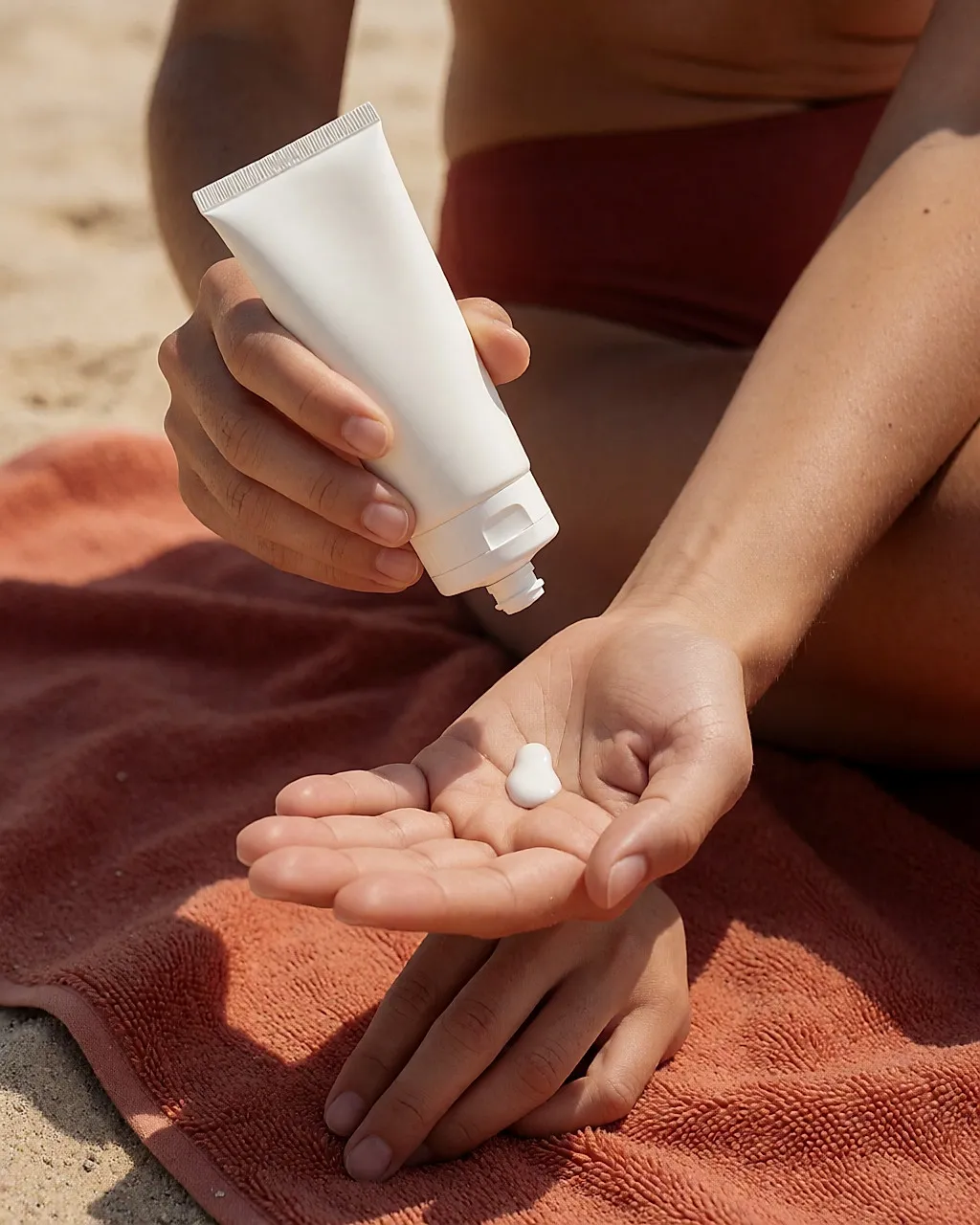
If you could keep only one, which should you choose first? Sun protection, without hesitation: it's the step that changes everything. European guidance states that sunscreen products should display UVA protection at least one third of the SPF, a benchmark that helps you spot so-called 'total screens'. The weak point is almost never the product — it's the amount: apply generously and reapply every two hours, as well as after every swim, even with a water-resistant formula.
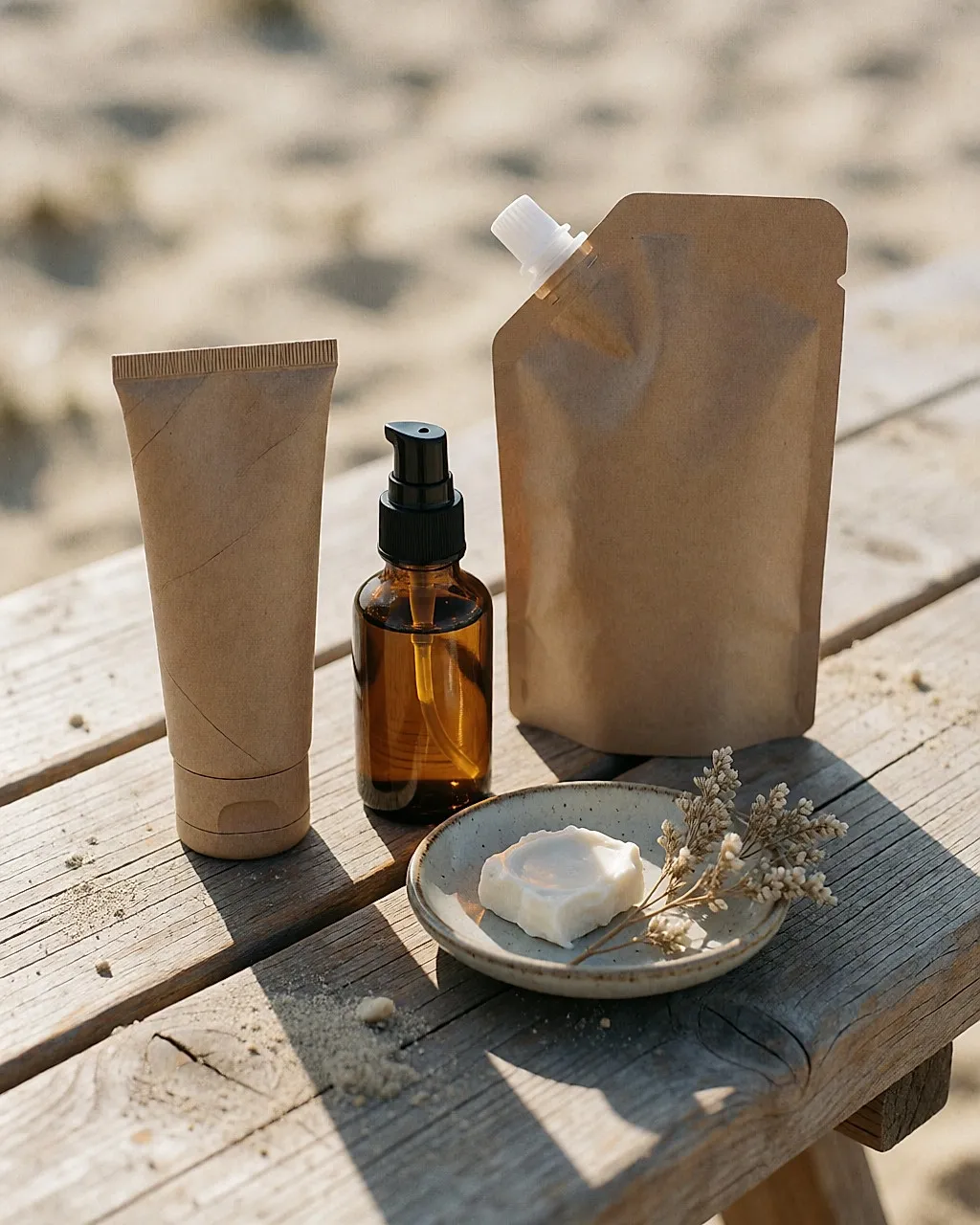
In terms of ingredients, mineral filters — zinc oxide, titanium dioxide — often appear in so-called natural formulas. A label such as Cosmos Organic sets limits on the share of naturally derived and organically farmed ingredients; it says nothing, however, about how effective the protection is, which depends on the SPF and the UVA/UVB ratio. Also look at the packaging: cardboard tube, glass bottle, refill when the brand offers one. At the end of the day, thermal water soothes and rinses away salt.

Budget
How much should you budget, realistically? These are rough UK price ranges, outside the sales.
- Swimsuit: £15 to £30 on the high street, £35 to £80 at specialists, £90+ at designer labels.
- Towel: £8 to £18 in supermarkets, £20 to £45 in homeware shops.
- Beach bag: £15 to £35 in cotton or canvas, £50 to £130 from fashion brands.
- Straw hat: £15 to £30, £50 to £130 from a milliner.
- Category 3 sunglasses: £15 to £30 from retailers or online opticians, £50 to £150 from eyewear brands, £180+ from luxury eyewear.
- Sandals: £18 to £55. Nail polish: £5 to £12. SPF 50+ sunscreen, 200 ml: £9 to £25 depending on where you buy.
The final bill depends on the material, traceability, where you buy (supermarket, beauty retailer, pharmacy, optician, brand website) and timing: late August, the same pieces drop noticeably. Second-hand remains the best route for a wicker basket or a sarong.
Sources
- European Commission, Recommendation 2006/647/EC on sunscreen products (EUR-Lex).
- NHS, sun safety and protecting your skin from the sun, nhs.uk.
- Cancer Research UK, sun safety and skin cancer prevention resources.
- British Standards Institution, BS EN ISO 12312-1, 'Eye and face protection — Sunglasses and related eyewear'.
- WRAP, publications on the environmental impact of textiles.

Comments
Your opinion matters: rate the article, react and reply to comments.
Comments are moderated; AI-assisted comments are flagged. Text emoticons (8-), :-), <3…) are automatically shown as images.