

A pre-tied sari isn't a sari you can drape faster. It's a garment that has already been made up: the pleats are set, the waistband is stitched and the shoulder panel is attached. You step into it as you would a dress, then adjust the bustier. That one difference changes everything, including how you try it on in the fitting room.
Where the effort goes now
A classic sari is usually five or six metres of fabric that only takes shape as you wrap it: the pleats are made against the body, the waistband is tied, the shoulder is secured with a pin. The result depends as much on the fabric as on the person doing the draping. Some can do it in ten minutes; others give up, and that is often where the sari project ends, not for lack of wanting to wear one but for lack of practice.

A pre-tied sari moves the challenge elsewhere. The pleats are sewn into the waistband, the shoulder panel is attached with a hook or a press stud, and sometimes a zip runs down the side. You step in, pull it up, adjust. Getting it on is no longer a draping skill; it is closer to putting on a slightly technical dress.
Which means the things you used to check in the mirror, such as how the pleats fall and whether the shoulder panel sits evenly, are now things you check on the garment itself. A good pre-tied sari isn't the one that drapes most beautifully. It's the one that holds itself together.
The bustier does the heavy lifting
With a classic sari, the top can stay simple because the drape does the work of structuring the silhouette. Here it is the other way round. The bustier, or the top sewn to the skirt, carries the waistband, which carries the pleats, which carry the whole look. If it lacks support, everything slips. If it is too rigid, you won't be able to sit down.

Look at the structure of the bustier before you look at the print: well-placed darts, light cups, a lined panel. Waistband height matters too. The higher and firmer it is, the better the pleats stay flat when you bend your knees.
And what about that shoulder hook? It is the most fragile part of the system. A single hook is handy when you are getting dressed, but it needs to be sewn with a reinforced stitch. Otherwise the panel will slide down your arm the first time you reach up or move your arms widely. Ask to see the hook up close: a rushed job is easy to spot.
What to check in the fitting room
Sit down. Properly: on a chair, not a pouffe. The pleats should stay flat, the bustier shouldn't ride up towards your shoulders and the waistband shouldn't gape. If the whole thing shifts as soon as you bend your knees, it won't survive three hours of a wedding.

Then raise your arms, walk around and climb four steps; a wedding means stairs and photographs with your arms in the air. Check the fastening next: a side zip you can manage alone, a back full of hooks needs help. It sounds like a silly question, but it matters: who will help you get dressed on the day?
Then there's length. The pleated panel won't fall in the same place on someone who is 1.55 m as on someone who is 1.80 m, and it needs to be tried with the shoes you plan to wear. A hem can be taken up fairly easily; shortening pleats that are already sewn in is much harder.
Three checks before you get to the till: lean forward to see whether the waistband holds, give the shoulder panel a gentle pull to test the hook, and ask whether there is any alteration allowance in the size. An adjustable waistband, whether ties, tabs or hidden elastic, is often a better bet than a perfect fitting-room fit that won't feel perfect after dessert.
Budget
As a rough UK guide, expect to pay around £60–£150 for a pre-tied sari in silk chiffon or printed cotton, often sold with a top. At labels specialising in Indian occasionwear, the range is more likely to be £180–£400, with more detailed embroidery and better-thought-out sizing. Beyond that, at Indian couture houses, a hand-embroidered piece can run into the hundreds of pounds, sometimes over £600.
Buy or rent? Online, from Indian boutiques that ship to the UK; from British-Indian designers, who often offer fittings and alterations; or by renting for a wedding, a sensible option for a piece you are unlikely to wear again soon. And don't forget the tailor: around £30–£80 to have a waistband taken in or a hem shortened.
A piece to keep, not collect
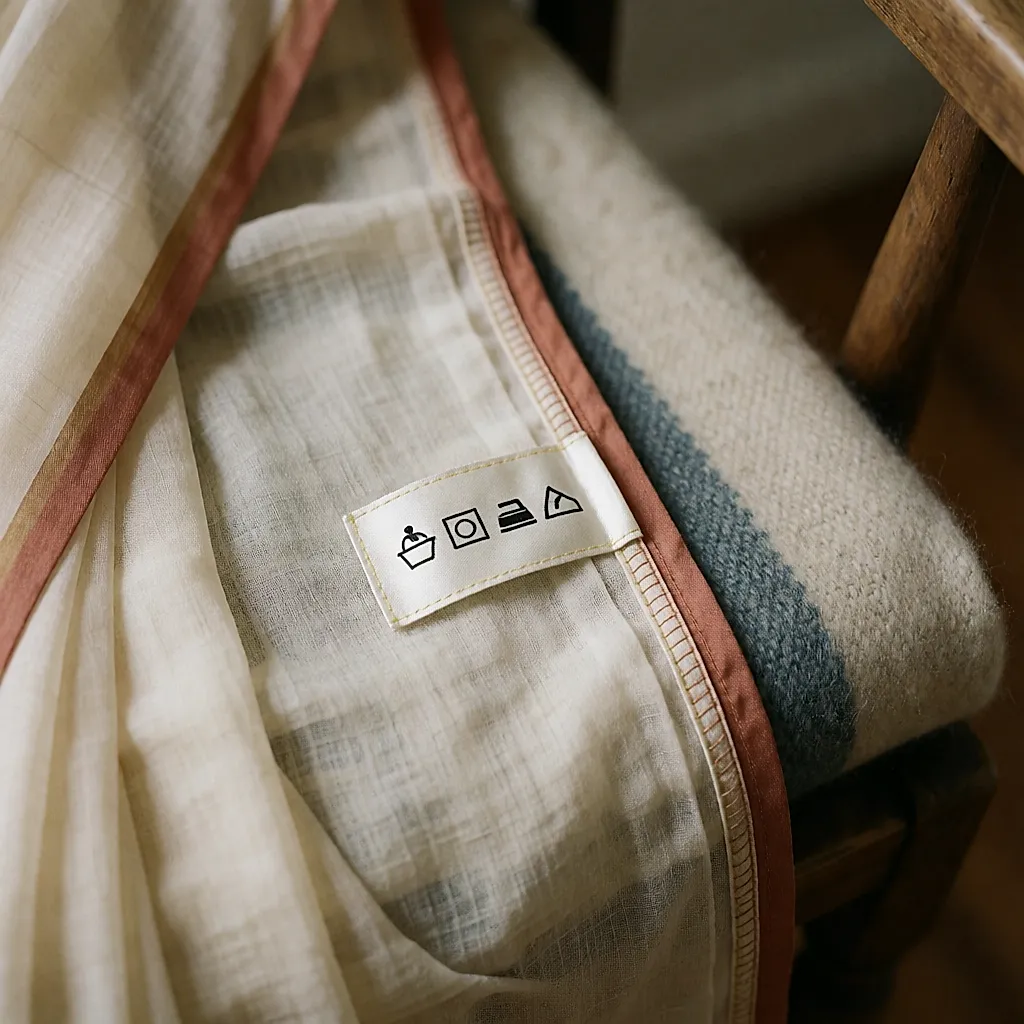
On fabric, the label is worth a look: silk, silk chiffon, cotton and linen breathe and age well. Many cheap pieces are made from synthetic fibres; a word of warning: check the composition before you buy. Silk often needs dry cleaning and should be stored flat, without crushing the waistband.
If you already own a sari, a tailor can sometimes fix the pleats and add a shoulder hook. It is often cheaper than buying a new piece, and it saves a fabric you love. Restraint has its virtues when it stops you buying a third wedding sari.
The pre-tied version isn't for everyone. If you like adjusting the drape to your silhouette, playing with the panel over your shoulder or changing the style from one dinner to the next, the classic version will feel freer. If you are in the other camp, wanting to be ready in ten minutes without thinking about pins, you have a credible option.
Then there's the decision: rent for a single wedding, buy at around £100–£150 for a summer piece you will wear again, or go for embroidered silk to keep for ten years if the budget allows. Whatever you choose, try it sitting down. That is the test that matters most.



Comments
Your opinion matters: rate the article, react and reply to comments.
Comments are moderated; AI-assisted comments are flagged. Text emoticons (8-), :-), <3…) are automatically shown as images.