
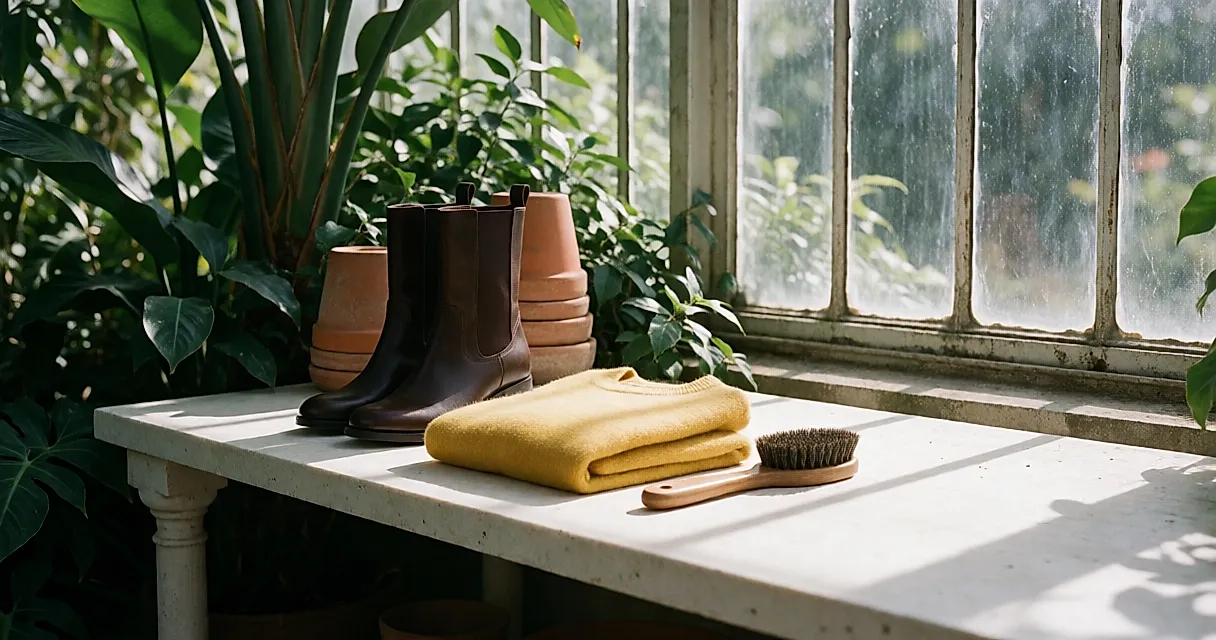
In many wardrobes, fashion consumption seems to be slowing. Not a dramatic collapse: more a drawer closed quietly, an online basket left sitting there, a card that stays in the wallet. When the monthly budget gets squeezed, several signals suggest clothing is one of the expenses many of us look at twice.
It isn't that fashion has become boring. It's that it has become the easiest expense to put off: life without a new dress is perfectly manageable; life without a working boiler much less so. So the wardrobe pays for everything else — and that is often a good moment to look differently at what we already own.
What's changed in the basket
You can see the shift at a glance. There are fewer pieces in the basket, but you take longer to choose them: two basics that will be worn three times a week rather than the printed skirt that only works with one top. Socks, leggings and replacement T-shirts move up the list; the statement piece waits its turn, sometimes for two seasons.
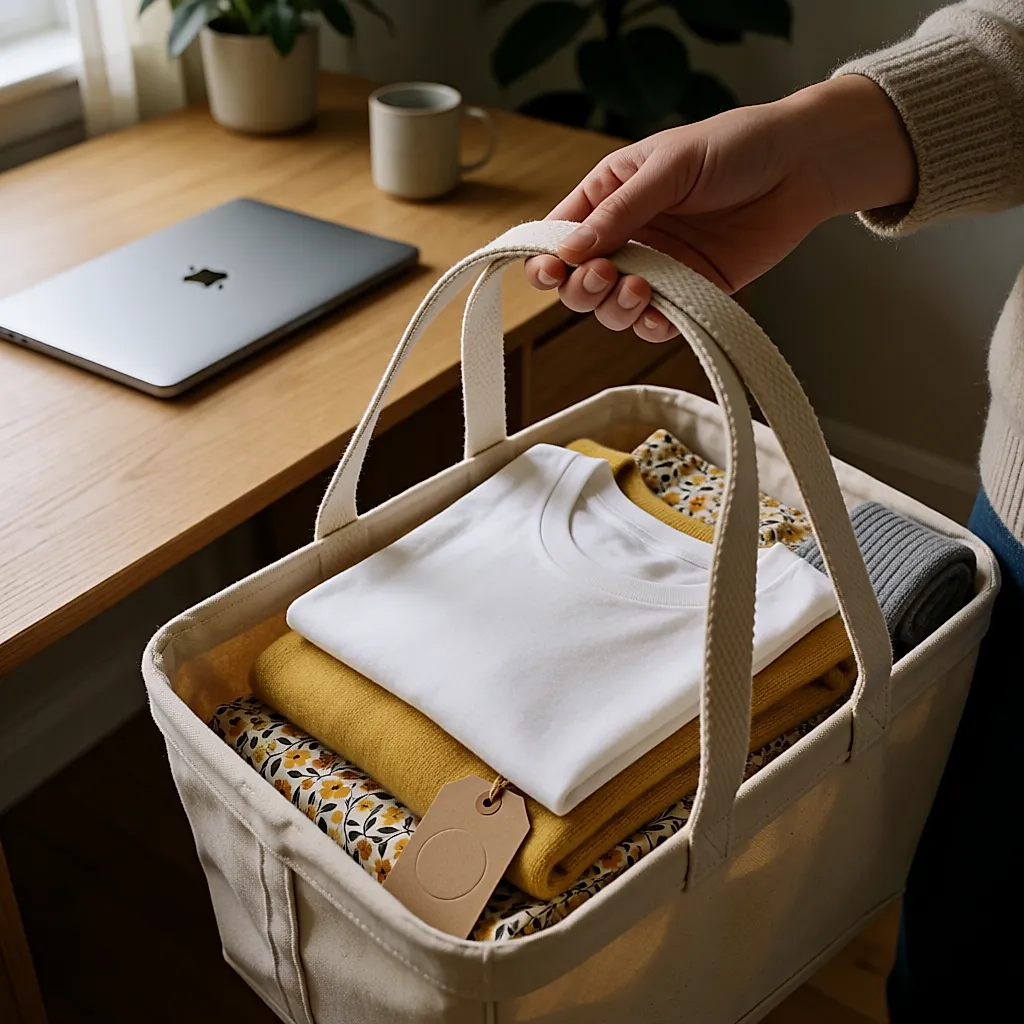
The thinking behind the purchase has changed, too. Before, we read the label and weighed up the pleasure. Now we mentally calculate cost per wear: how much is this jacket costing me every time I put it on? The arithmetic isn't silly; it's actually pretty sensible. It only becomes awkward when it pushes us to buy three mediocre pieces for the price of one good one.
How to rebuild a minimal wardrobe from what you already own
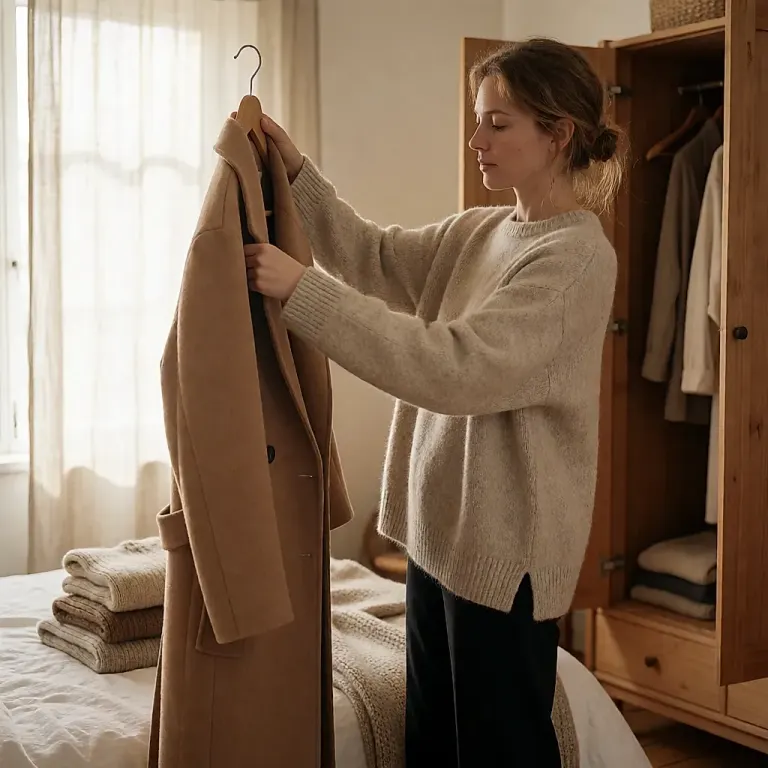
What's happening in the wardrobe is quieter, and more interesting. Hangers are not multiplying at the same rate, but they are getting more use: last year's blazer comes back out, you try the layering you didn't dare attempt, and you discover that a belt can change a silhouette. Layering becomes a skill again rather than a reflex picked up from trend pages. And an outfit built from three pieces you already own can sometimes feel more satisfying than a parcel ripped open in a hurry between errands. In short, your wardrobe may have more to offer than your basket.
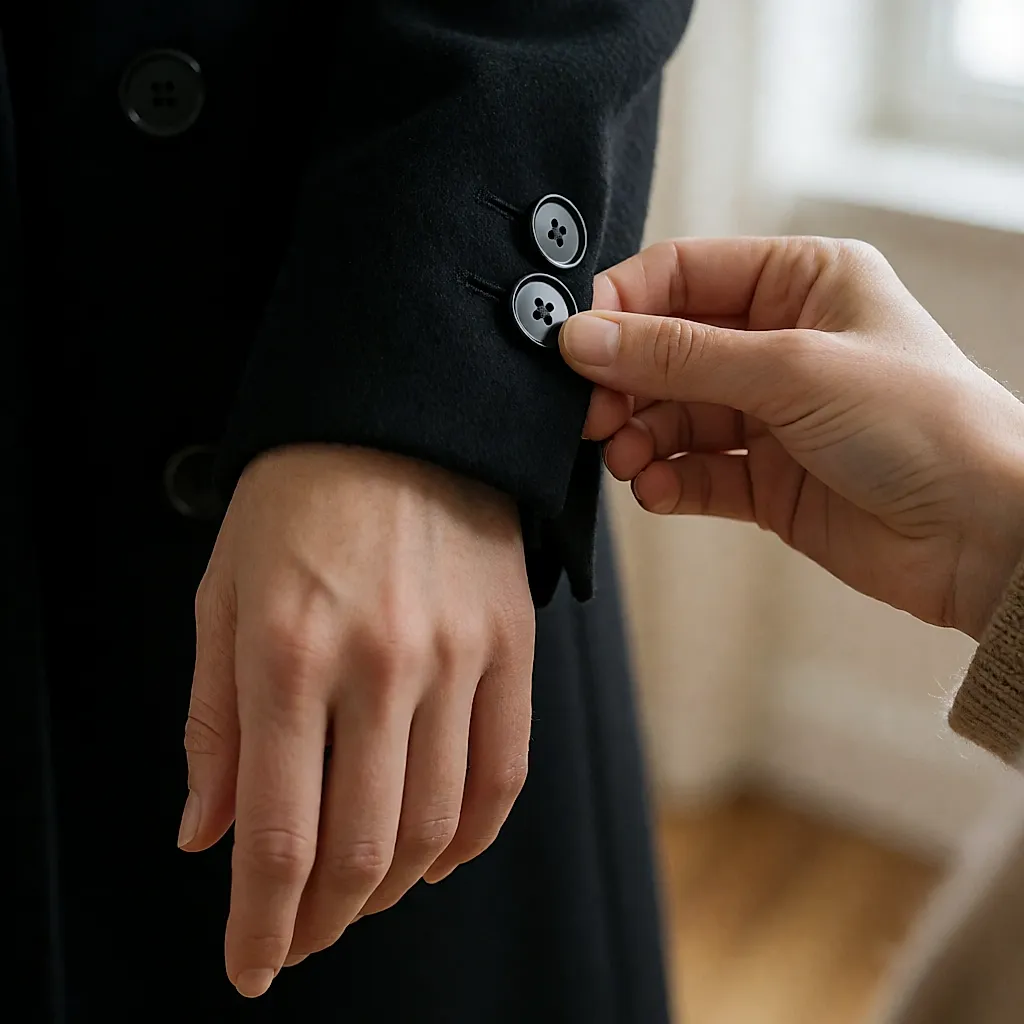
Repairs are having a moment again, too. A hem redone, a button sewn back on, a heel replaced: these actions cost far less than a replacement, and the garment gets its look back. That's where a wardrobe gains — not by filling up, but by going back into circulation. You already have a piece that just needs a call to the local alterations shop, don't you?
Price isn't the only thing that matters
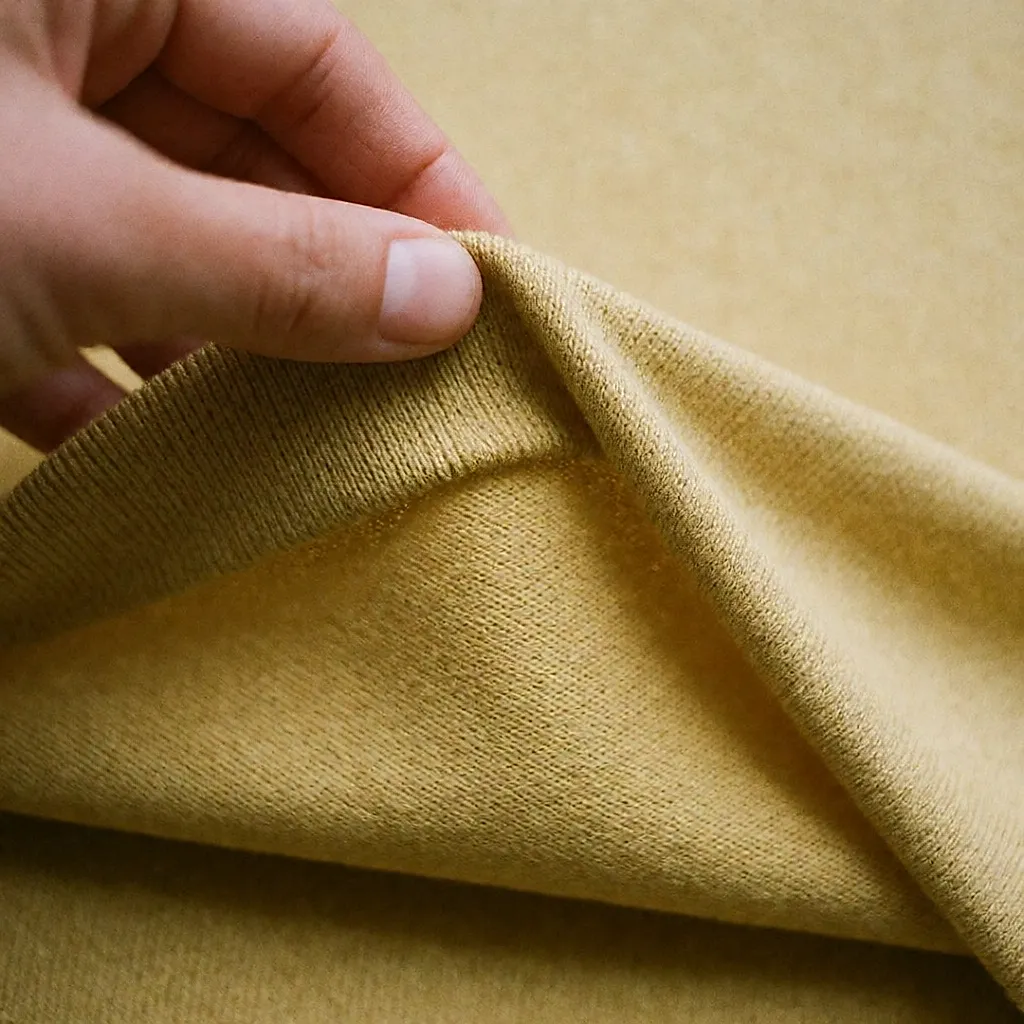
If you're looking at value retailers, it's worth looking a little closer. Check the synthetic fibre content on the label: that's information worth having before you choose. Natural materials — organic cotton, merino or recycled wool, linen, vegetable-tanned leather — are not a dogma; they often lend themselves better to alteration, repair and long wear.
Then there's the question of where you shop. Second-hand, charity shops, vintage shops and clearance sales can bring down the cost of a characterful piece. In return, they demand time, patience and a willingness to accept that the dream size won't always be there — for an everyday basic or a pair of trainers, new is often simpler.
Before you check out, build three complete outfits with the piece you want, using only what you already own. If one of the three requires another purchase, the piece isn't a basic: it's a project. And a project can wait for the sales.
Budget
On price, a few rough guideposts help. Expect to pay around £15 to £35 for a well-cut organic cotton T-shirt, £50 to £100 for jeans depending on the denim and construction, and £60 to £130 for a merino wool jumper. A well-made linen or recycled wool piece often costs more; the same material in a charity shop can cost considerably less, if you have the patience.
What moves the price: location (a London alterations shop won't charge the same as one in a smaller town), fabric, whether it's made in Europe or not, and the care it will need. A hem or a resole usually costs far less than a replacement, though the exact price depends on the shop, the work and the sole. Where to buy? High-street and specialist retailers for new basics, charity shops, vintage shops and resale platforms for a characterful piece, and a local alterations shop or cobbler for repairs.
This restraint isn't a punishment. It forces us to look at what we already own, to choose a piece for what it will do in real life, and to prefer one jumper that lasts three winters to three jumpers that last one. Tight budget? Put your money into fabric and cut, even if it means buying only one piece this month. A bigger budget? Treat yourself to proper alterations; it's often a good investment for the wardrobe. And in front of a hanger, one question is enough: how many times? The answer is rarely the one we hope for.


Comments
Your opinion matters: rate the article, react and reply to comments.
Comments are moderated; AI-assisted comments are flagged. Text emoticons (8-), :-), <3…) are automatically shown as images.