
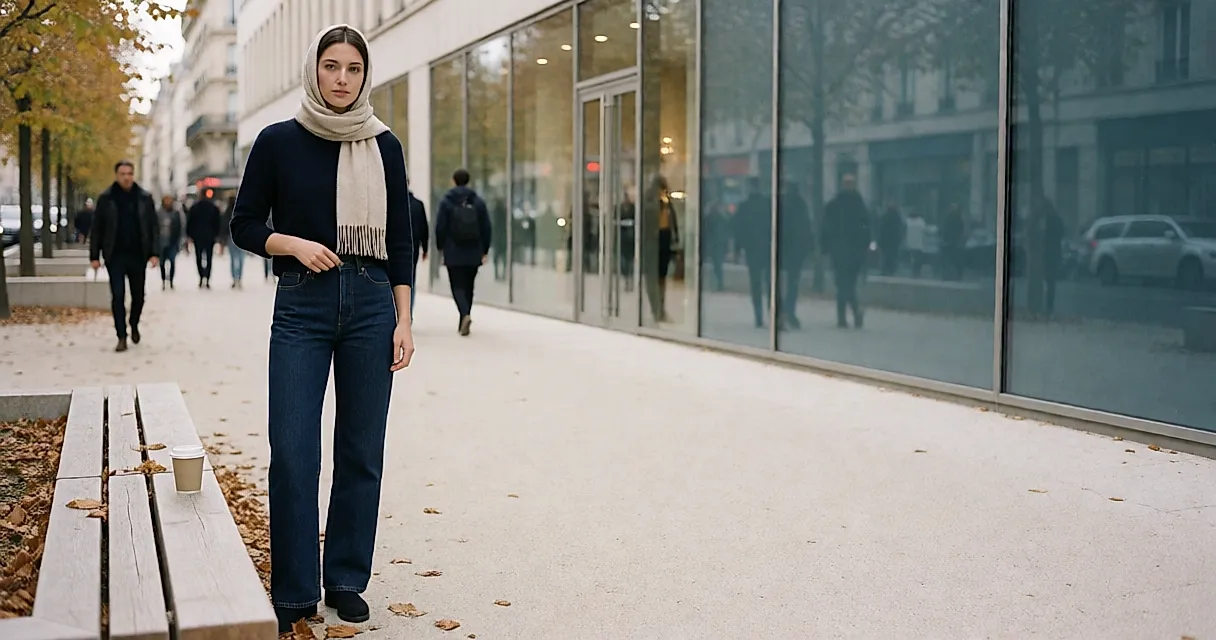
You've fallen for a pair of jeans in a sale at a shop whose window had been empty for six months. At home, you turn over the label: the familiar name on the waistband, and just below it, a workshop thousands of miles away. The name itself has never set foot in that factory.
A piece of clothing now leads two parallel lives: the life of the name you buy, and the life of the stitching you wear. They separated without drama, rarely with elegance, and it's worth knowing before you reach for your debit card.
A name can be rented like a flat
A fashion brand is a logo, a typeface, an advert you remember and a tune in your head. That capital is called a licence: the house signs, a manufacturer produces and pays a percentage for the right to put the name on the goods. No factory needed, no shop needed. Pierre Cardin's story is often told as that of an early example, who very early on put his name to objects that had little to do with couture; perfumes, eyewear and home textiles followed elsewhere.
And when a label starts to wobble? It isn't the machines that are saved; it's the name. The shutters come down on the high street, but the brand carries on online, sometimes under a new owner, with the same label and a different workshop. You are buying a name, never a workbench.
Jeans don't know borders
A pair of jeans can be sewn in Tunisia, Morocco, Turkey, Bangladesh — or Lozère. The 'made in' refers to the country of manufacture, not the brand that ordered it, and one workshop often produces for several labels. The cloth itself may come from Italy, Japan or elsewhere, even when the stitching is French.
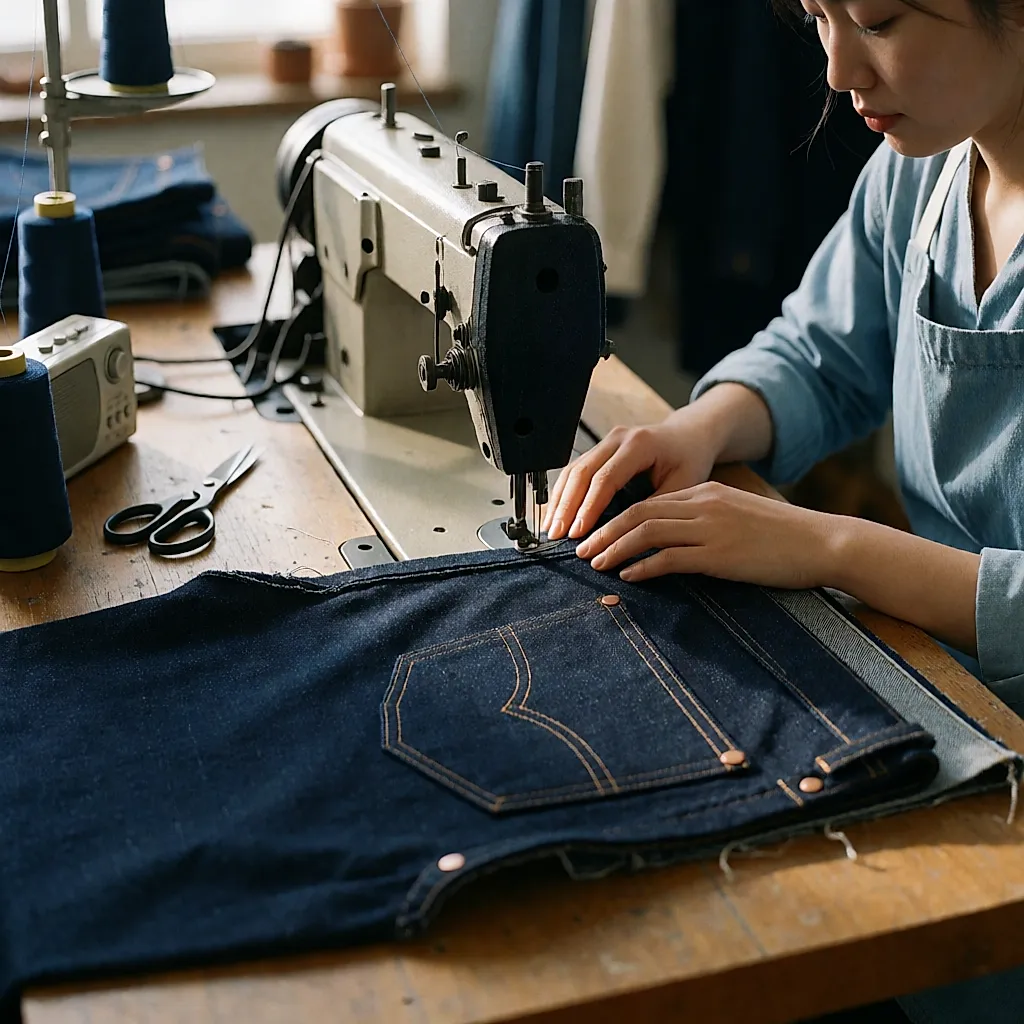
In France, Atelier Tuffery in Florac and 1083 in Romans-sur-Isère are two labels worth looking at if you want jeans made in France; check where and how the pair is assembled before you decide. Is that automatically better? Not necessarily: the country doesn't tell the whole story, and dense denim, regular seams and well-set rivets matter as much as the stamp on the label. The right question isn't 'Where is it from?' but 'How long will it last?'
The new sales assistant has no name badge
Brands close shops and sign partnerships. In place of the assistant adjusting a hem, someone talks to their phone, shows how the jeans move as they walk and drops a link in the description. Live shopping, affiliate links, creator discount codes: the shop floor has moved into your feed, and commission has replaced rent.
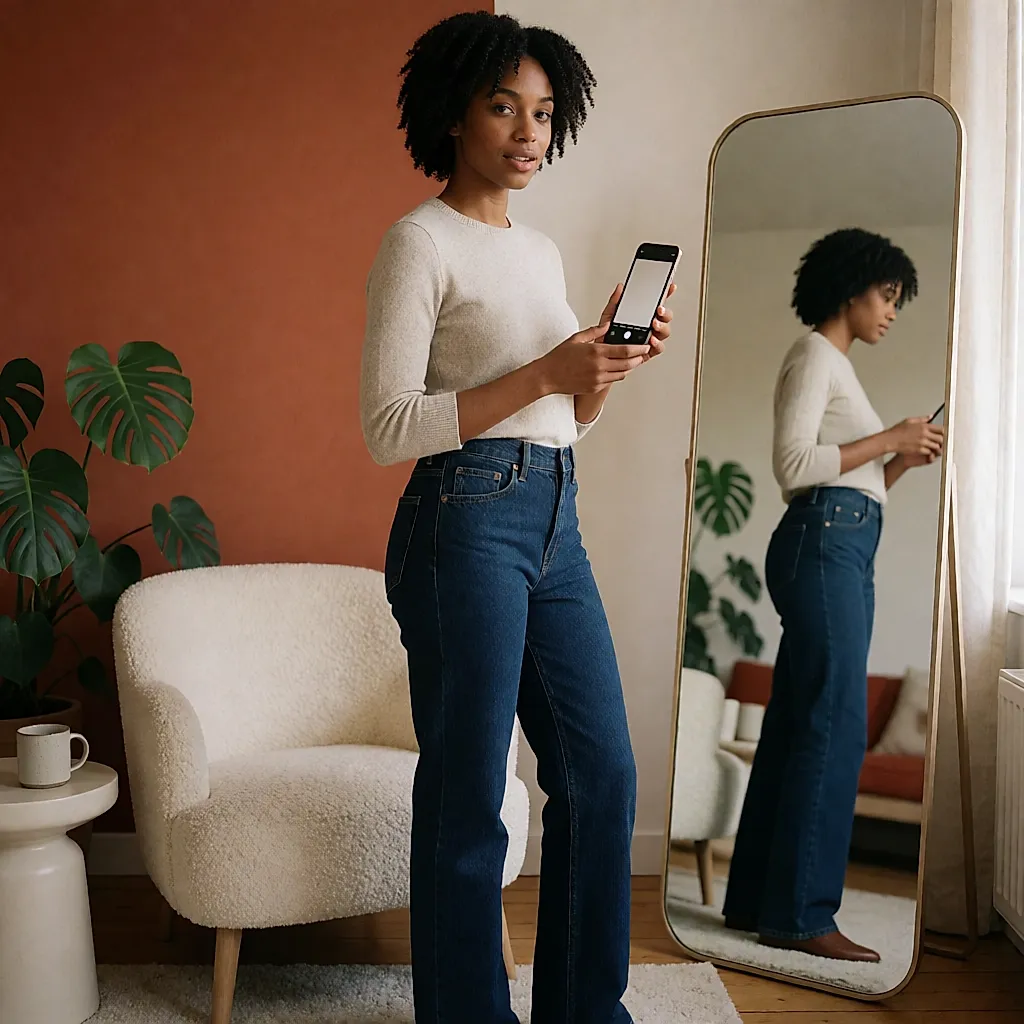
Admittedly, it works: you see the piece move, hear how it holds up after three washes, ask a question live. Except the person talking is paid when you click. That's not a trap; it's information: an affiliate link is a paid arrangement, not a disinterested recommendation; the creator earns a commission if a purchase goes through. The shops that remain become showrooms: you go to touch and try, then order elsewhere.
What this means for your wardrobe
Since a name no longer guarantees a workshop, what should you look at? Composition first, watching for the share of synthetic fibres hidden in the blend. Then the finishing: inside seams, waistband, buttonhole and hem. And the question we too often forget: could this piece be altered or repaired by a tailor in two years, or will it end up at the back of a drawer with its tags still on?
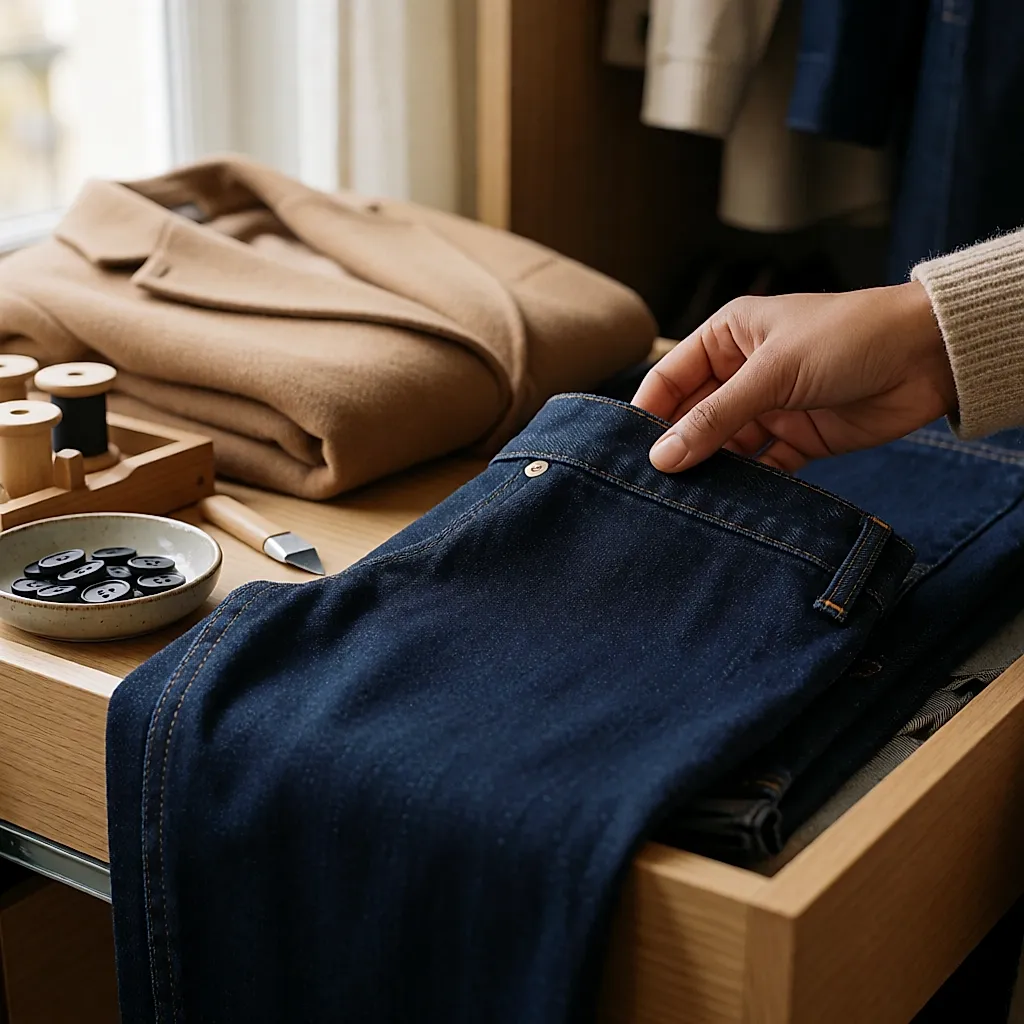
The most cost-effective habit is also the quietest: wear what you already own, get things repaired, buy second-hand when a piece deserves it. A well-cut pair of jeans worn for three winters in a row costs less per wear than an impulse buy in November. And it already knows you.
Budget
As a rough guide, expect to pay £30–70 for high-street or fast-fashion jeans, £80–180 for a pair assembled in France, and £15–60 second-hand, depending on condition. What moves the price: the cloth (Japanese denim costs more), the cut, the finishing and where you buy — shop, brand website, charity or vintage shop, resale platform.
Where to look? In store to compare how different pairs hang, on the brand's own site for a missing size, in charity and vintage shops for denim that has already been broken in. And if you're torn between two pairs at the same price, choose the one whose stitching you could describe from memory.
Three checks before you pay: turn over the label and read the composition before the name; check who sewed it, bearing in mind that 'made in' is a clue, not a verdict; ask whether the hem and buttons can be adjusted in-store or by an alterations tailor. Five minutes well spent.
The name stitched inside the waistband will never tell you who sewed the fabric. So choose what you can see: cloth that hangs well, a cut that suits you, jeans you'll keep longer than the trend that prompted the purchase. The rest is licensing.

Comments
Your opinion matters: rate the article, react and reply to comments.
Comments are moderated; AI-assisted comments are flagged. Text emoticons (8-), :-), <3…) are automatically shown as images.