
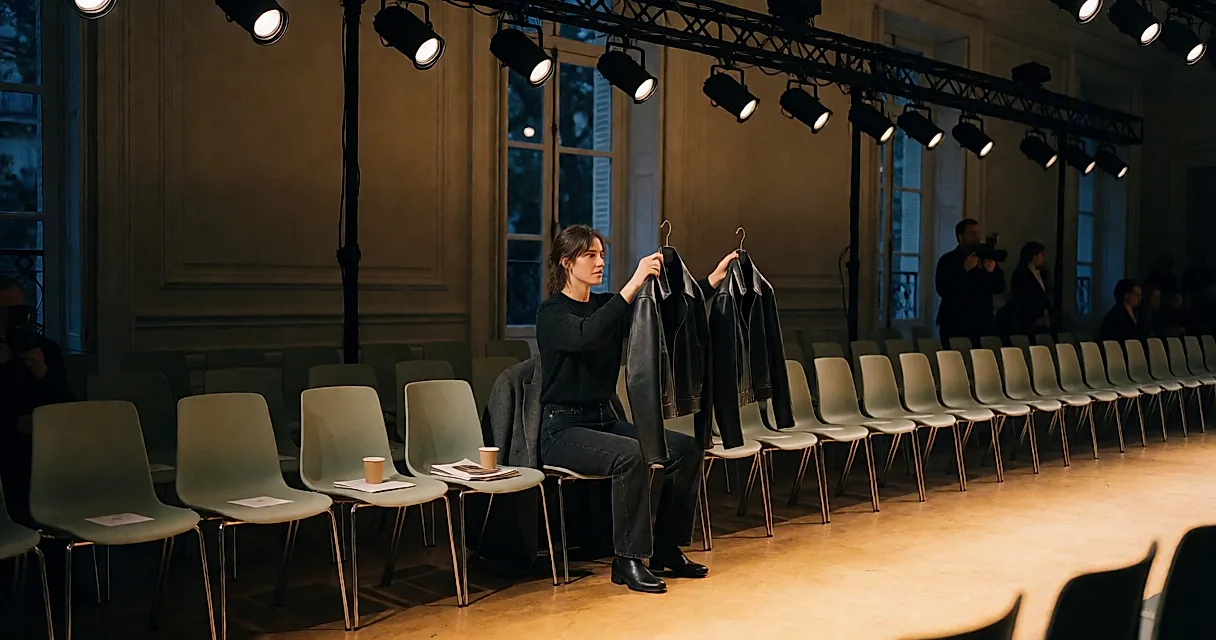
Two black jackets, same cut, same price on the rail: one drapes like a second skin within a week, the other folds into concertina pleats at the elbow. The culprit is almost never the price tag but the animal the hide came from — and the way that hide was treated. Lamb, cowhide, goat: three leathers, three very different lives on your shoulders.
Lamb, and why it drapes straight away
A lamb jacket promises an instant drape. Fine, almost satiny grain, a hide so light and supple that the jacket moulds to your shoulder at the first try-on, with none of the usual breaking-in period. On a slim frame, or in a pared-back wardrobe — fine knit, straight jeans, boots — it is often the most flattering choice, because the leather follows the body instead of bracing it.

The flip side comes down to two words: it marks, and fast. Lamb scratches on the slightest rough edge, drinks water more readily than other hides, and its very suppleness means it loosens at the elbows and pockets. That isn't a fault — it's a leather that lives — but if you want something armoured for the 8.40am Tube, you may weep over the first scuff.
Cowhide holds its shape, and it takes its time
Cowhide (and its younger self, calfskin) plays in a different league. Thicker hide, more pronounced grain, tougher surface: it holds its shape, structures the shoulder and is far more forgiving of everyday knocks. A cowhide jacket feels more assertive, almost architectural — perfect over a roll-neck, with a slightly looser silhouette.

But you have to accept the wait. Brand new, it is stiff, it creaks slightly when you raise an arm, and it needs several months of wear to really soften up. It's a long-game purchase: the more you wear it, the more it develops a patina, the more it looks like you. In between the two, goat strikes an honest compromise — irregular grain, good resistance, decent suppleness from day one.
What "100% leather" really tells you
You read "100% leather" and think you've got it sussed? That's where it gets tricky. The phrase certifies an animal origin, not the quality of the surface. Split leather is the lower layer of the hide, separated from the grain and then often coated and embossed; sanding the grain down gives you corrected-grain leather. The result: a very uniform look, an edge as clean as cardboard and a surface that won't absorb a drop of conditioner.
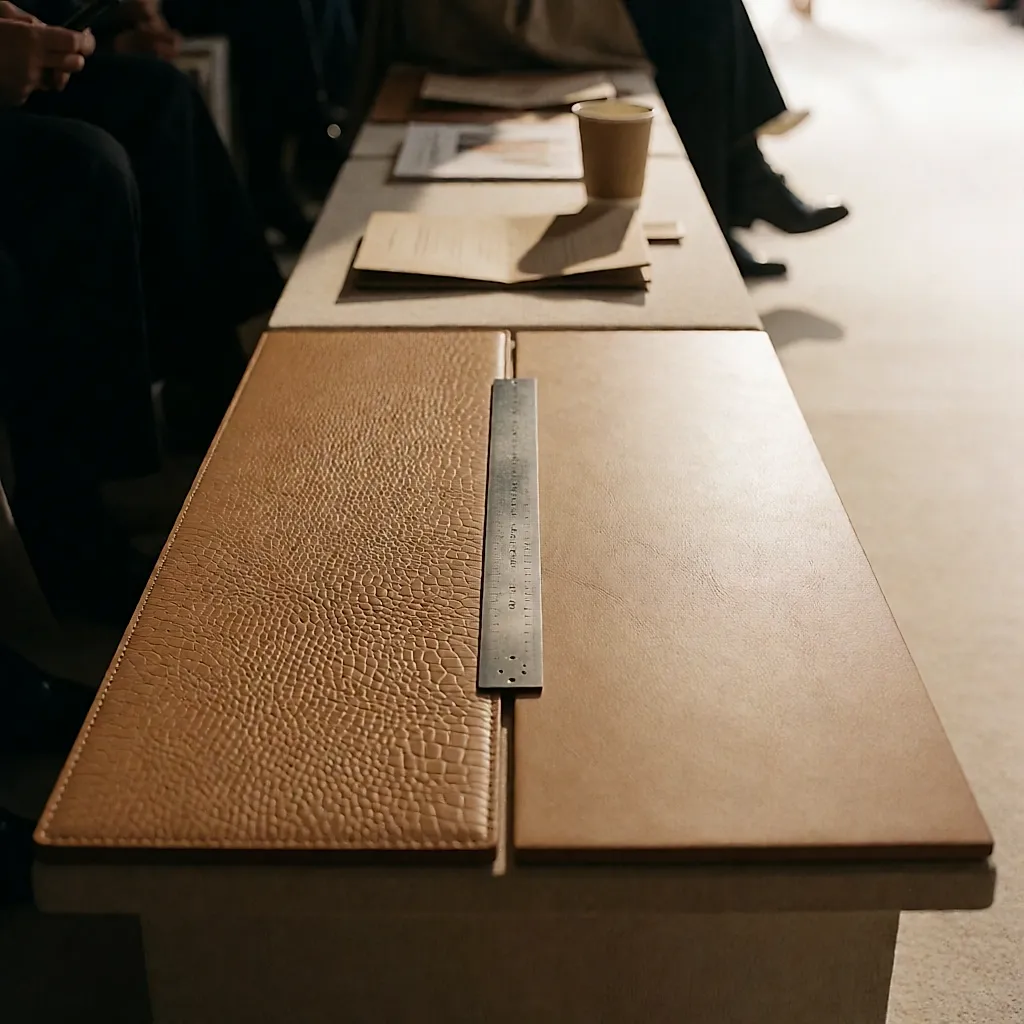
How do you spot it without a microscope? Look for the words "split leather", "coated leather" or "bicast" in the composition. Visually, a grain that repeats identically across the whole panel, with no pores or irregularities anywhere, is a bad sign. By contrast, "full grain" means the top layer is intact — often the most durable option, and usually the priciest. Nothing is foolproof, but those two words on a label are usually worth looking for.
What to read on the label, in order:
- "full grain": the natural surface, the most hard-wearing over time;
- "cowhide / lambskin leather": the origin of the hide, useful for anticipating the drape;
- "split leather", "coated leather", "bicast": real leather, but covered — don't pay full-grain money for it;
- the lining: viscose, cupro or cotton are often more comfortable to wear, though everything depends on the weave, the weight and the finish.
Why the lining decides how long you keep it on
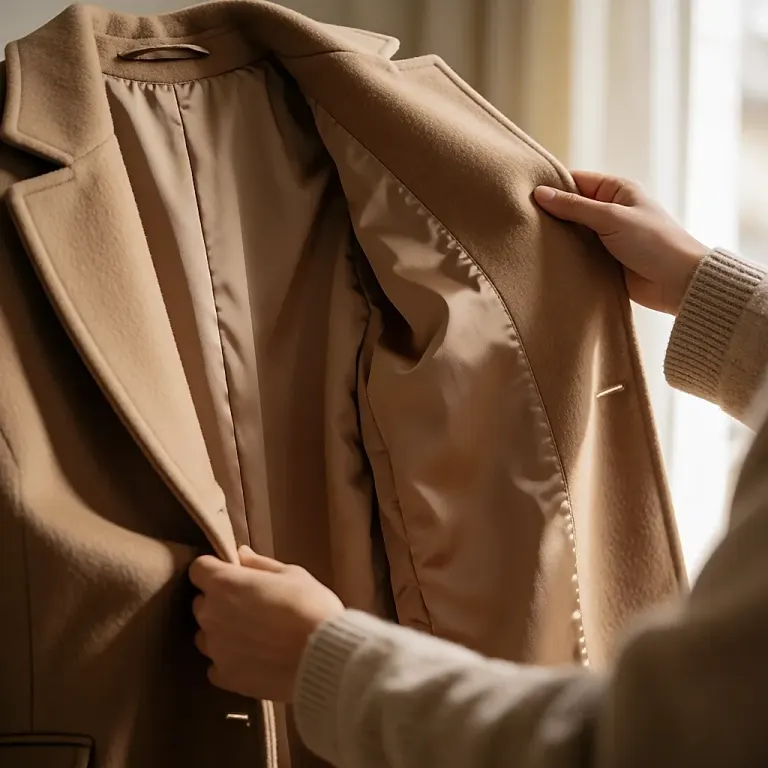
People talk endlessly about the hide and rarely about the inside — yet the lining is what separates a jacket you keep on for three hours from one you end up carrying open down the street. Leather doesn't breathe much; glued to a synthetic lining, it turns a Tube journey into a lukewarm sauna and then a clammy feeling the moment you're back outside. A viscose, cupro or cotton lining is often more comfortable to wear and slips easily over sleeves, though it all depends on the weave, the weight and the finish.
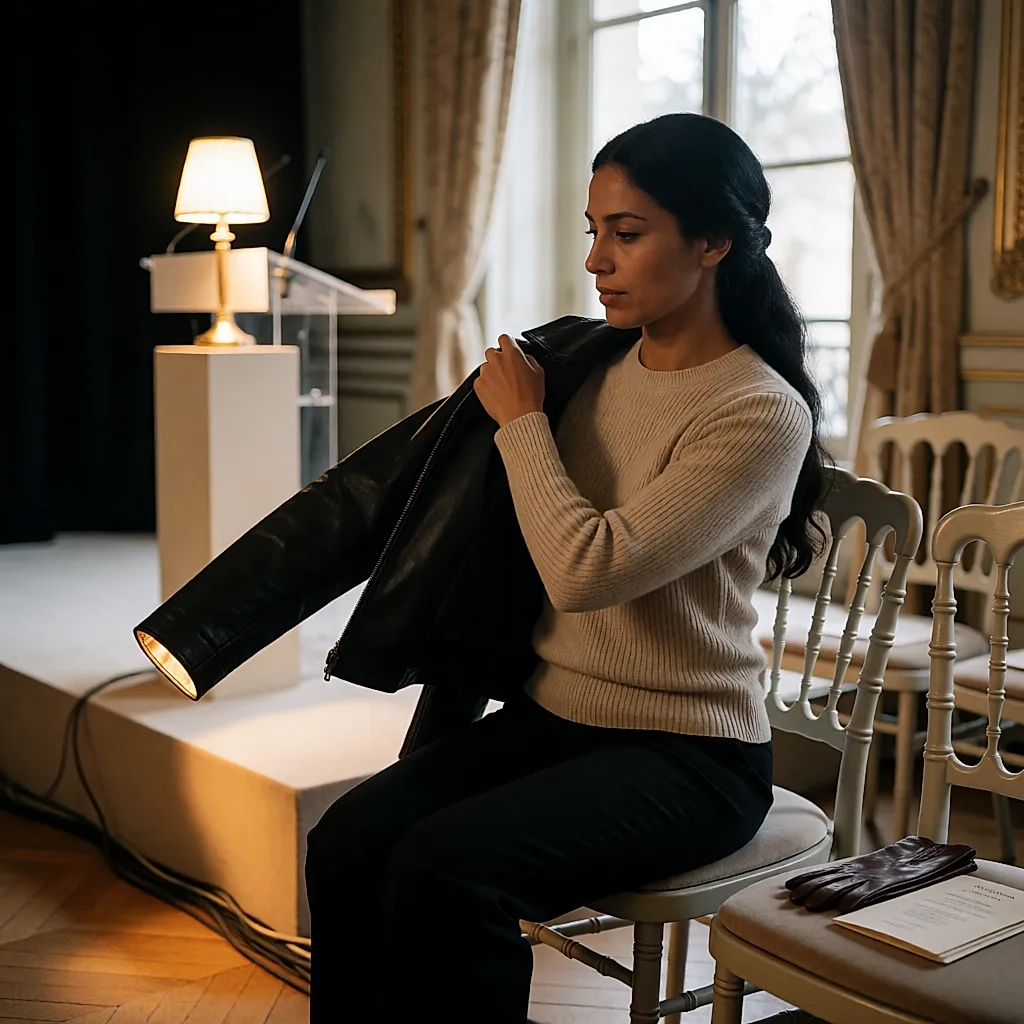
The make matters as much as the material: a lining that's too tight or catches on your sleeves stops you getting your arms through, and a sleeve you can't push up ends its life on the hanger. In November, an unlined jacket isn't warm enough over a T-shirt, while a leather lining sticks to the skin. Hence the golden rule of the fitting room: come wearing the knit you'll actually wear underneath, not the T-shirt of the day.
What to budget
Price depends on the animal and the tanning. Expect roughly £120 to £300 for a properly lined, ready-to-wear lamb jacket; budget more like £300 to £600, sometimes more, for a vegetable-tanned cowhide from a workshop that spells out where its hides come from. Second-hand, good 1990s cowhide turns up for £35 to £130 — often the best deal of the lot, provided you check the lining and the seams under the arms.
For care, a nourishing silicone-free cream costs £8 to £20 and lasts for years; a full clean at a specialist leather dry cleaner's costs £25 to £50. In practice, one or two applications a season are enough for a leather you wear regularly, on a clean garment and away from direct heat — never on the radiator, which dries the hide out and cracks it.
So, lamb or cowhide? Instant drape and scuffs to watch on one side, a structured shoulder and several months of stiffness on the other. If you're still torn, start second-hand: it's a good way to see how a leather ages without paying new-season prices. The right jacket, in the end, is the one you throw on without thinking in November and still don't want to take off in March.
Comments
Your opinion matters: rate the article, react and reply to comments.
Comments are moderated; AI-assisted comments are flagged. Text emoticons (8-), :-), <3…) are automatically shown as images.