
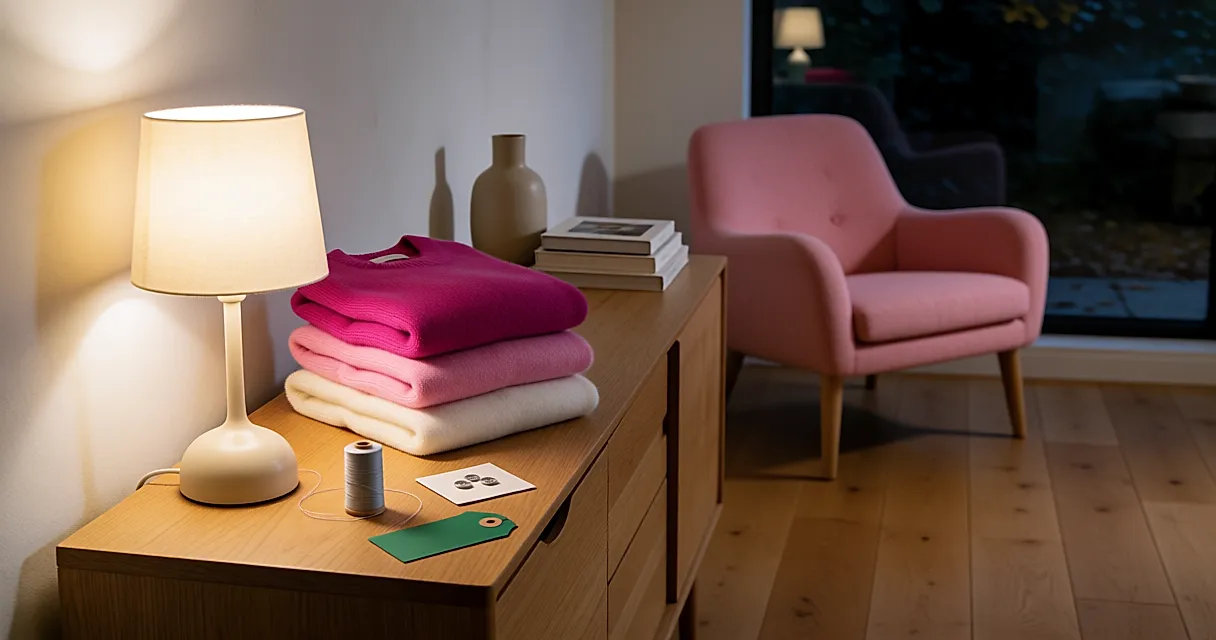
"Organic cotton" stitched onto a tag and a pair of jeans that survive three winters are not telling you the same story. The first takes five seconds to read in the changing room; the second is still being talked about to a friend two years later. Somewhere in between sits a word we have learned to squint at: "responsible".
Doubt has set in around eco-friendly fashion. Not rejection — more a kind of fatigue, the tiredness of promises we swallowed whole that didn't survive three washes. And honestly, who can blame us?
The word "sustainable" has a credibility problem
Remember the piece you bought because it had a nice green leaf on the tag? The drape was limp, the seam gave up after two wears, and the green leaf never once answered the phone. That sort of thing leaves a mark: these days, in the changing room, we don't read the slogan, we turn the label inside out.
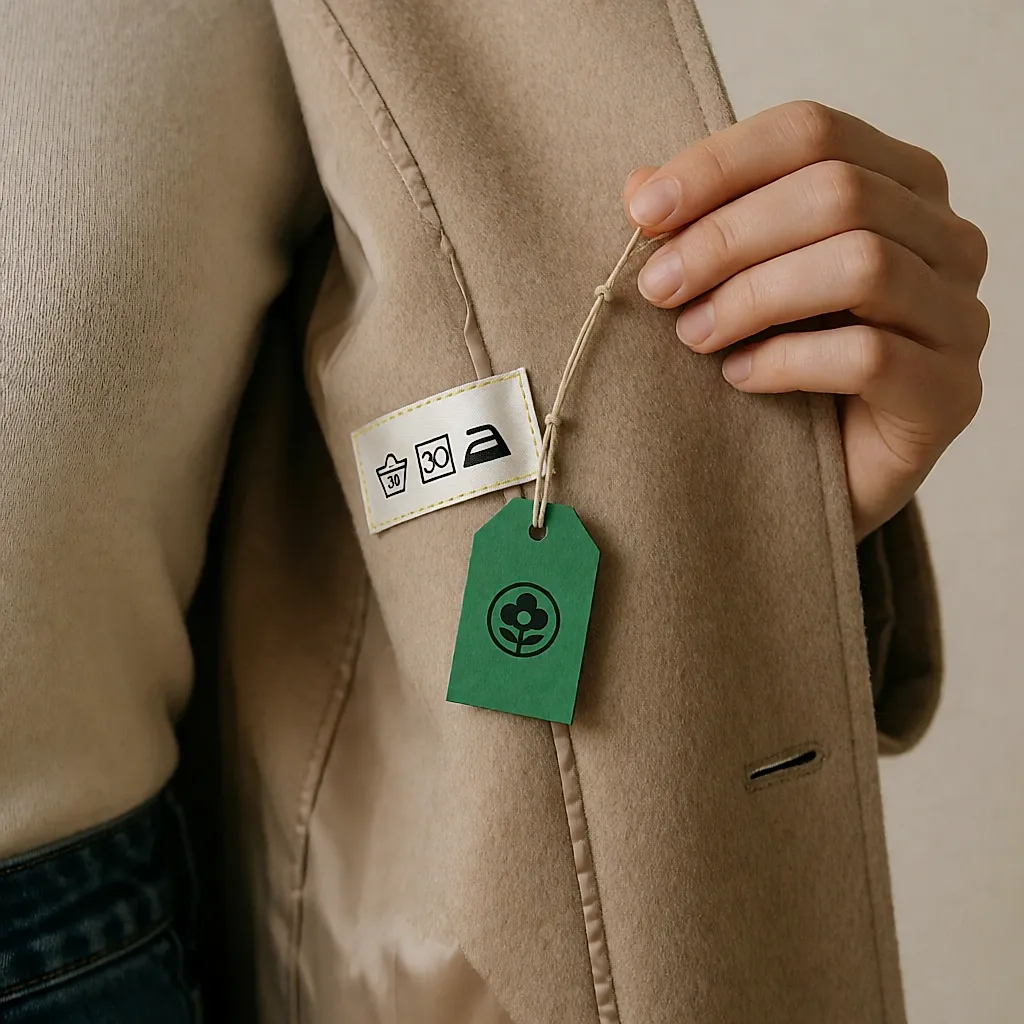
What are we looking for? A fibre named plainly — wool, linen, cotton, silk — the share of synthetics when there is any, and a seam that doesn't need permission to hold. A piece that ticks those boxes doesn't have to shout that it's green. It quietly is, because it will stay in the wardrobe far longer than average.
Why aftercare has become the new selling point
This is where the argument changes sides. For years, customers were the ones asked to make the effort: sort, wash cold, bring things back, repair. Put it another way and the ask lands differently: it is now up to brands to make repair appealing — meaning restoring a piece, making it last, giving it a second life rather than replacing it.
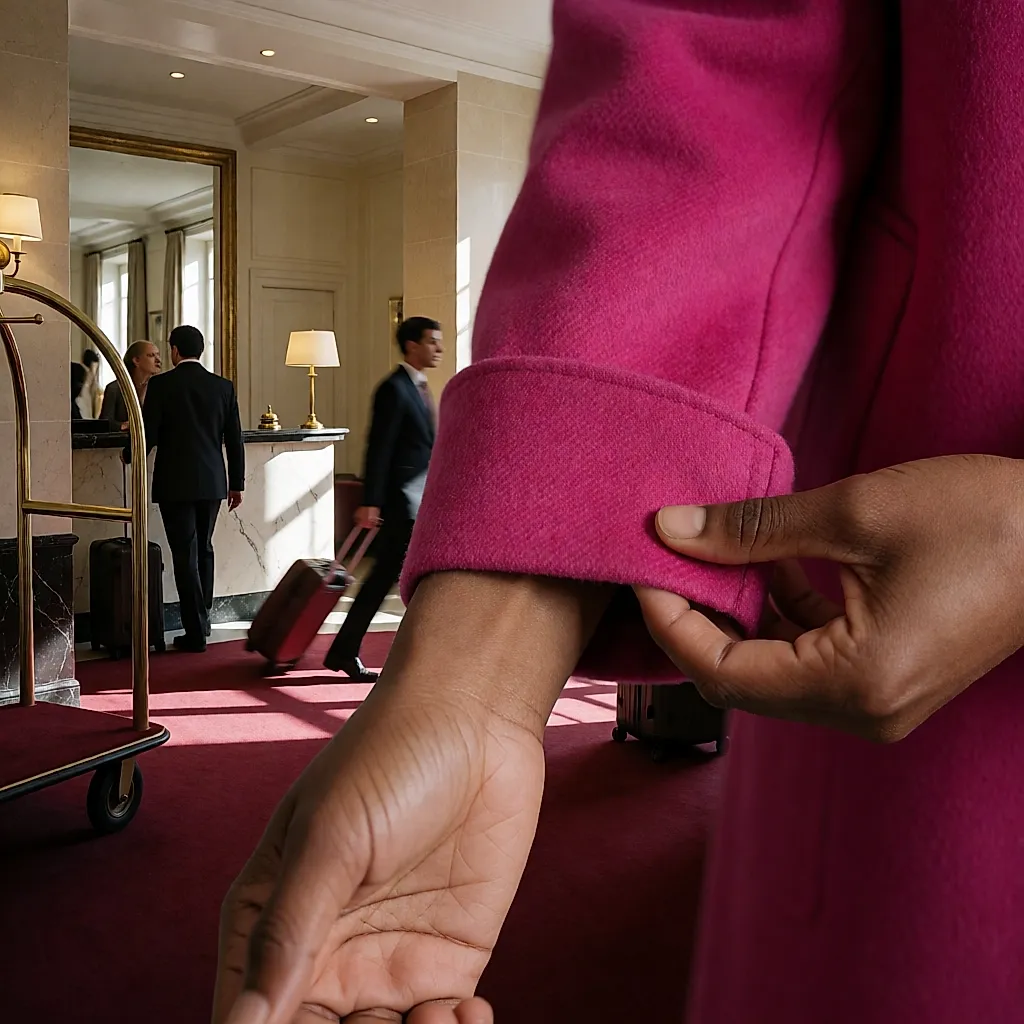
The idea is less moral than sensual, which is exactly why it works. A good alteration is a sleeve that finally falls in the right place. A proper resole means boots that head back out for two more winters with a new sole and a patina no freshly unboxed pair will ever imitate. The pleasure isn't in the buying. It's in the rescue.
Except that pleasure takes effort to find. Tracking down an alterations tailor, working out what a resole actually involves, accepting that you pay for something you already own — that's where it gets sticky. A brand that makes those steps simple, visible and genuinely nice wins more than a customer: it wins someone who comes back.
What would actually swing the decision
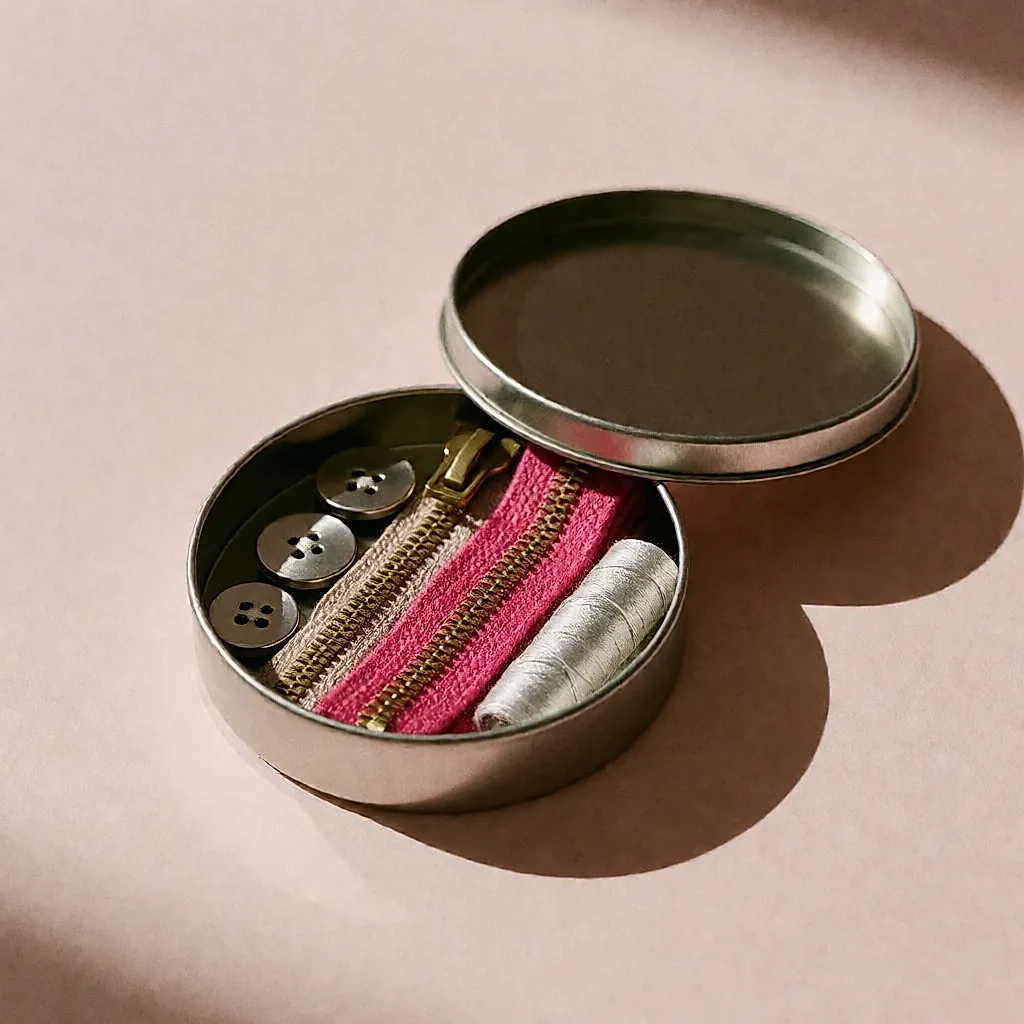
Three things, concretely, would change the game in the changing room. Spare parts on hand (a button, a zip, a belt loop) — because jeans that lose a button at three months aren't dead jeans, they're jeans missing a button, and that is fixable. A repair desk or drop-off point you can actually find in store, not a contact form buried at the bottom of the page. And readable information on how repairable a piece is, in plain black and white, not in 6pt type.
What comes through isn't a lack of interest in responsible fashion: it's doubt about the claims that travel with it. That's a big difference. We're willing to buy better, but we want to see the mechanism — the fibre, the stitching, the aftercare — not just the emblem embroidered inside the collar.
Three questions that cost nothing before you pay: what exactly is this made of? If it falls apart in six months, where does it go? And will you still want to wear it in three years' time? If any of the answers makes you hesitate, the piece hasn't earned its price tag yet.
What it costs
Making things last rarely costs as much as buying new, but it does add up. As a rough guide, expect somewhere in the region of £12 to £30 for a hem or a small repair at a local alterations shop, more for a lining or a fully lined piece; £40 to £80 for a resole at a cobbler, depending on the sole and where you live; and £45 to £90 for a dye job that brings a faded piece back to life, more for a delicate fabric. Always ask for a quote first — and check whether that quote is free, which saves the unpleasant surprises.
On the buying side, the maths often flips: a wool piece found second-hand for somewhere between £20 and £60 can be the better buy next to a new high-street basic at around £79 that lasts a single season. Where do you find these services? Your local alterations tailor is usually the best value for a simple hem; online alterations services are handy for delicate pieces or if you live far from anywhere, with a premium you accept as the trade-off. For leather, a proper cobbler remains the safe pair of hands.
In the end, the question isn't "is this green?" any more. It's "can I wear this for years, and get it mended when it tires?". No label will ever answer that, however beautifully printed. A seam that holds, a spare button, an alterations tailor two streets away — yes. We'd bet that in two years' time, that's exactly what we'll be looking for in the changing room, eyes fixed on the inside of the collar.

Comments
Your opinion matters: rate the article, react and reply to comments.
Comments are moderated; AI-assisted comments are flagged. Text emoticons (8-), :-), <3…) are automatically shown as images.