

Get clear skin in 3 lessons
7.40am, three minutes before you head out, and that tired complexion in the mirror that didn't ask for any of this. Let's be honest: clear skin doesn't come from a pricey serum. It comes down to three habits we constantly skip — and we're going to pick them back up here, guilt-free.
Lesson 1: what you eat shows on your skin
You've heard it a hundred times, and yet it's true: skin is an organ, and it's built from what you swallow. No need for a monastic diet — colourful fruit and vegetables, wholegrains, good-quality protein, and water regularly through the day, more if you're active or it's hot.

That Friday-night burger won't give you a spot within the hour, don't worry. But a very sugary, very fatty diet, sustained over months, can quickly show on skin that's prone to acne. Add movement: running, swimming, dancing, then rinse your face with clean water — that's already a first cleanse.
Lesson 2: sunlight, yes — sunbeds, no
This is the lesson that has dated the most. Booking five to ten sunbed sessions 'to look healthy' no longer holds up: the IARC classifies UV-emitting tanning devices as carcinogenic to humans, and under-18s are banned from using sunbeds in the UK. A tan isn't skincare; it's your skin's defence response.
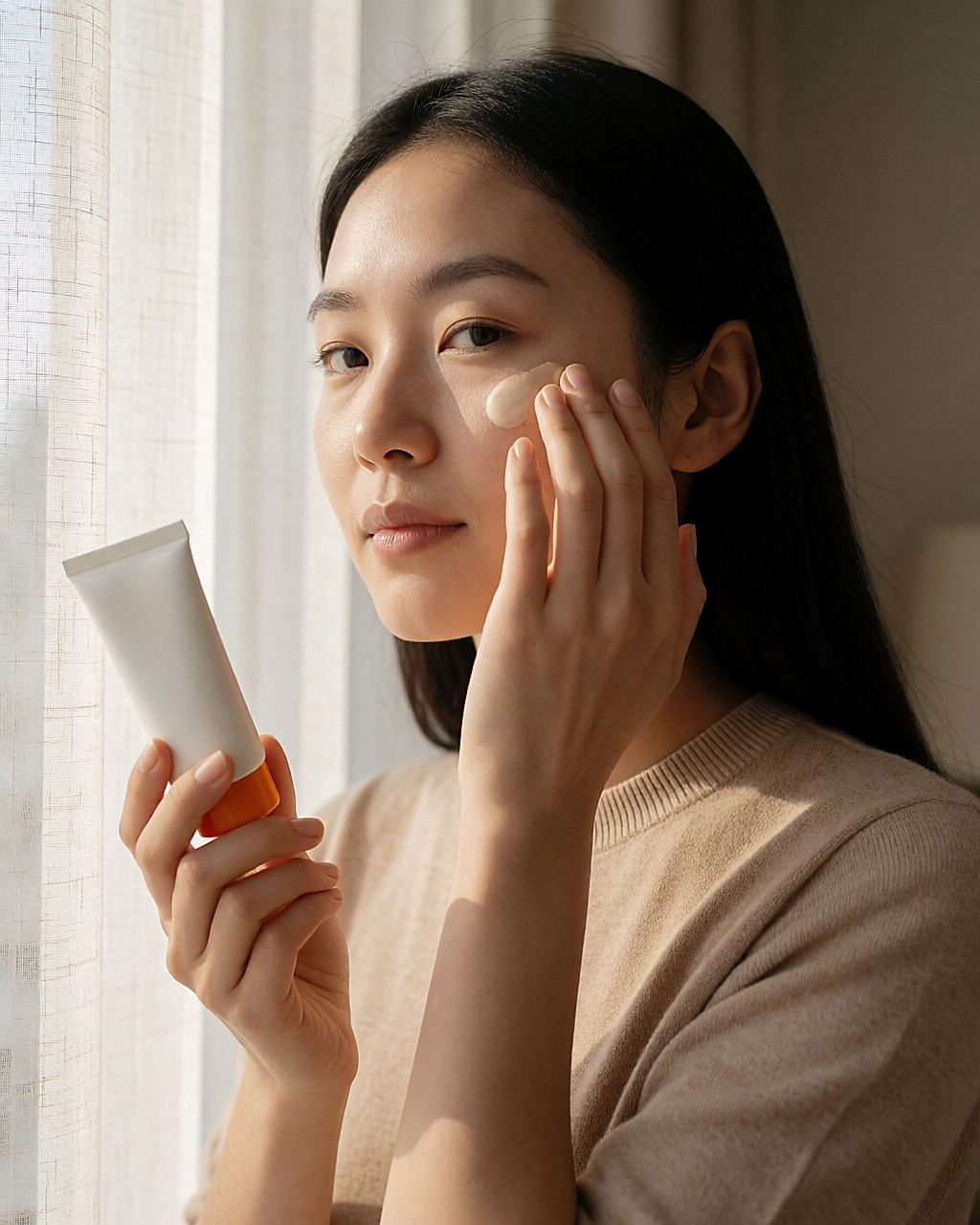
So what do you do when the grey sets in? Sunscreen every morning, even in town, even when the sky is overcast. Self-tan or a tinted moisturiser for colour. A light highlighter on the cheekbones for glow. It's the step that changes everything, honestly.
Lesson 3: the morning routine, in four steps
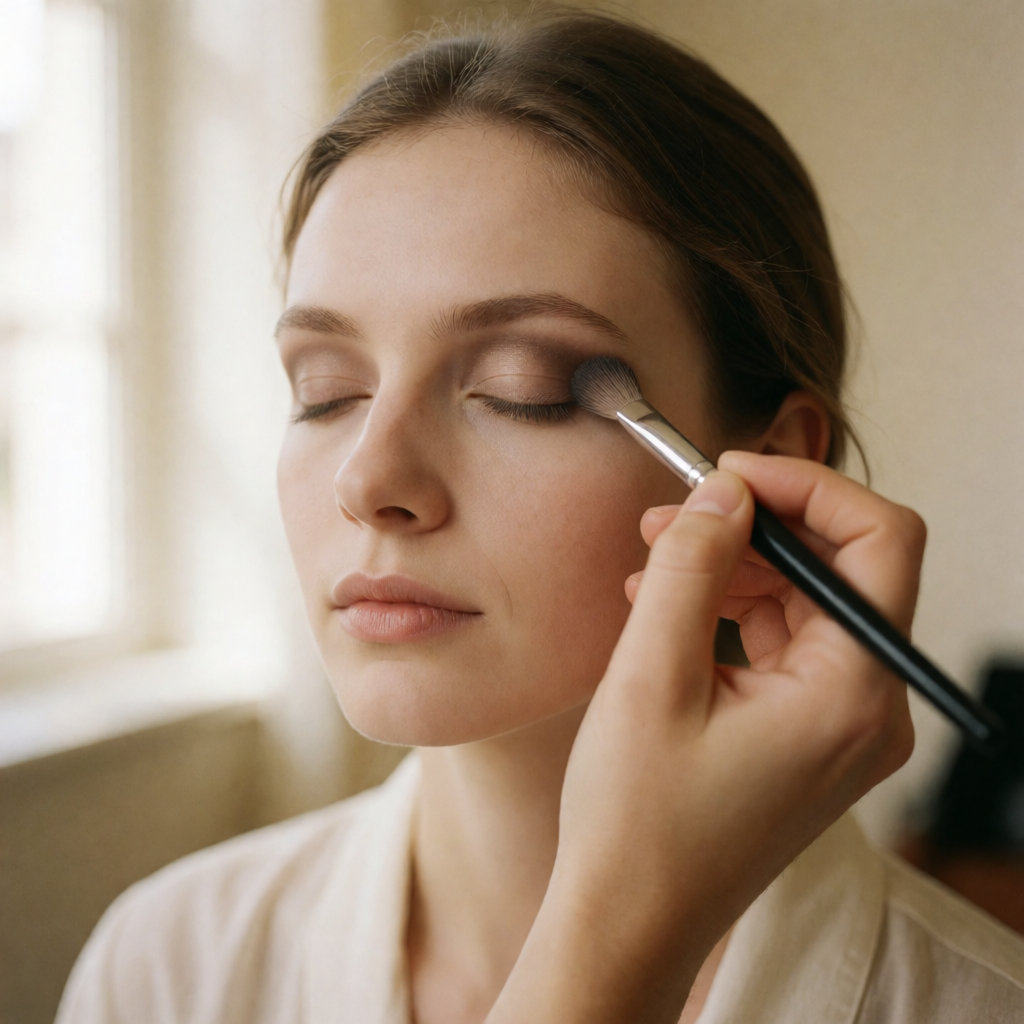
Cleanse first: a gentle gel, with lukewarm water, without scrubbing as if you're scouring a saucepan. Then moisturise, with a cream or serum suited to your skin — dry, combination or oily, it's not the same story. Massage, too: with your fingertips, from the centre of the face outwards — thirty seconds is enough to wake up your cheeks. Finally, even out with a thin layer of foundation, BB cream or tinted serum from the nose towards the temples, then a touch of blusher, and if needed concealer under the eyes and around the sides of the nose.
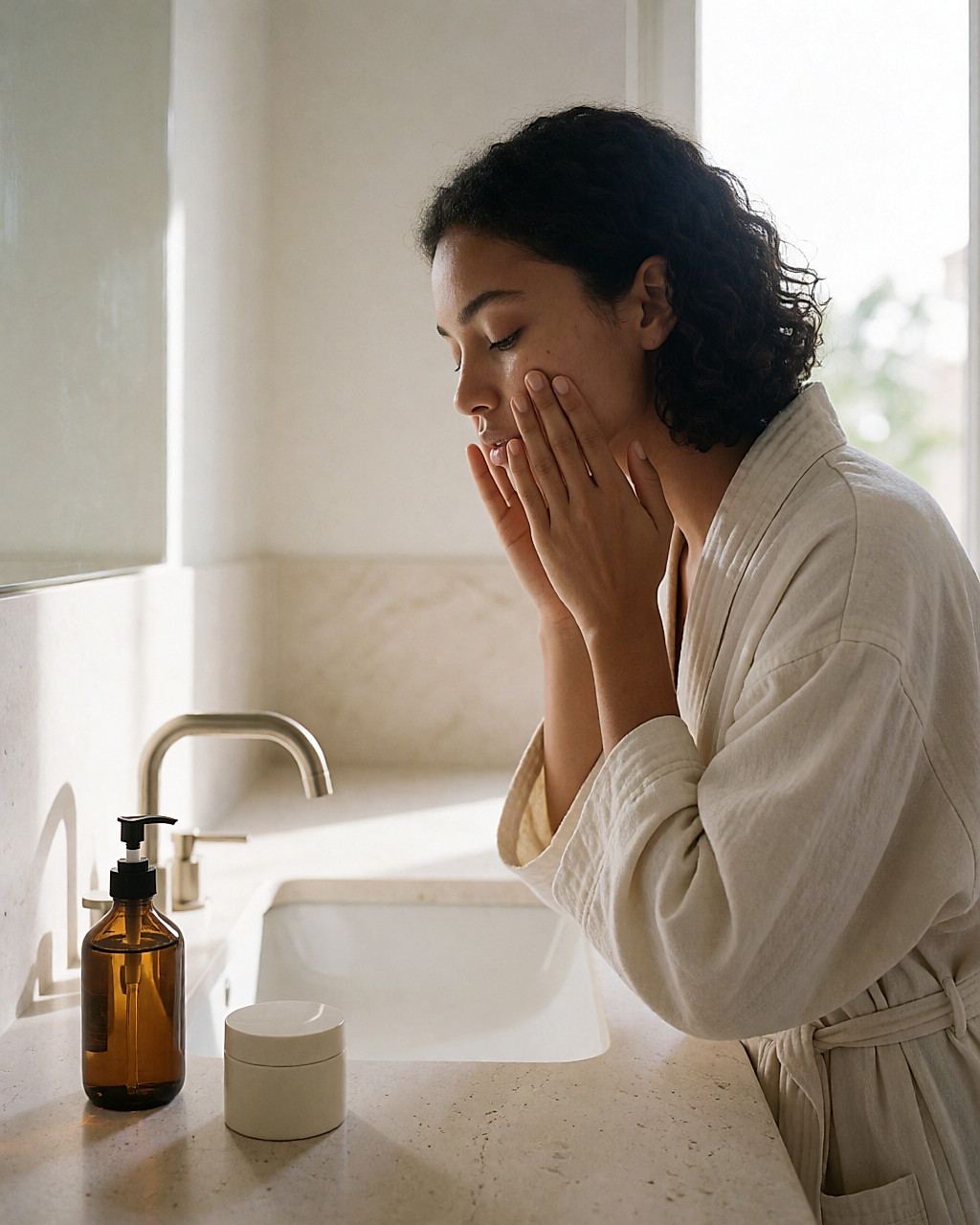
A small disclosure: I haven't tested any specific product for this article, so I'm not selling you a brand. What matters is the texture and the order of the steps, not the logo on the bottle.
Skin supplements (zinc, omega-3, vitamins) sold in pharmacies aren't a given: it's case by case. Ask a doctor or pharmacist before starting, and don't rely on these supplements to replace cleansing or sun protection.
Over to you
Which one costs you least? The water bottle on your desk, the SPF next to your toothpaste, or the thirty-second massage. Choose just one for this week: one habit kept is better than three started.
Budget
Good news: a sensible routine doesn't require emptying your bank account. Expect to pay around £6–£15 for a gentle cleanser, £8–£25 for a simple moisturiser, and £10–£25 for facial sunscreen SPF 50+. A self-tan, BB cream or highlighter often costs between £8 and £25.
What pushes the price up: the range — pharmacy or beauty retailer rather than supermarket —, the size (30 ml instead of 50 ml), the concentration of active ingredients, and how often you replace it, since an SPF needs replacing every six to twelve months and a moisturiser two to three times a year. Prices can vary by as much as double between a supermarket, a high-street pharmacy and an online retailer for the same type of product: compare before you buy.
On the formulation side, favour what you can read. Naturally derived actives, short lists, and credible labels: Cosmos Organic or Ecocert, for example, guarantee a minimum proportion of organic ingredients and formulation standards — not cosmetic performance. Texture and your skin type will tell you that. A refill or solid format, when it exists in the range you already use, lightens the packaging without changing the routine. And if a conventional product remains the best choice for your skin, it's not a disaster: better a cream you finish than an organic jar you abandon after three weeks.
The right approach stays the same: start with a cleanser and an SPF, and only add the rest later, when you know what your skin really needs.
Sources
- World Health Organization — Ultraviolet radiation, fact sheet.
- International Agency for Research on Cancer (IARC) — IARC Monographs, WHO.
- Santé publique France — Santé publique France website.
- ANSM — ANSM website.
Food supplements do not replace a varied, balanced diet and a healthy lifestyle.


Comments
Your opinion matters: rate the article, react and reply to comments.
Comments are moderated; AI-assisted comments are flagged. Text emoticons (8-), :-), <3…) are automatically shown as images.