

On the label, three verbs: removes make-up, purifies, nourishes. The bottle is tiny, the promise is enormous, and in a weekend bag it replaces an entire shelf. The catch is the same one you get with a Swiss Army knife: the corkscrew gets used once a year, and you paid for it anyway.
The formula doesn't change, your timer does
A 3-in-1 doesn't contain three products in one bottle. It contains one formula and three sets of instructions: you work it in with your fingertips to cleanse, you leave it on for two or three minutes as a mask, you press in a thin trace as a moisturiser. What actually shifts things is contact time and whether you rinse, not some three-tier formula. I haven't had a bottle analysed for this piece: what follows comes from reading ingredient lists and from using the stuff, not from a lab verdict.
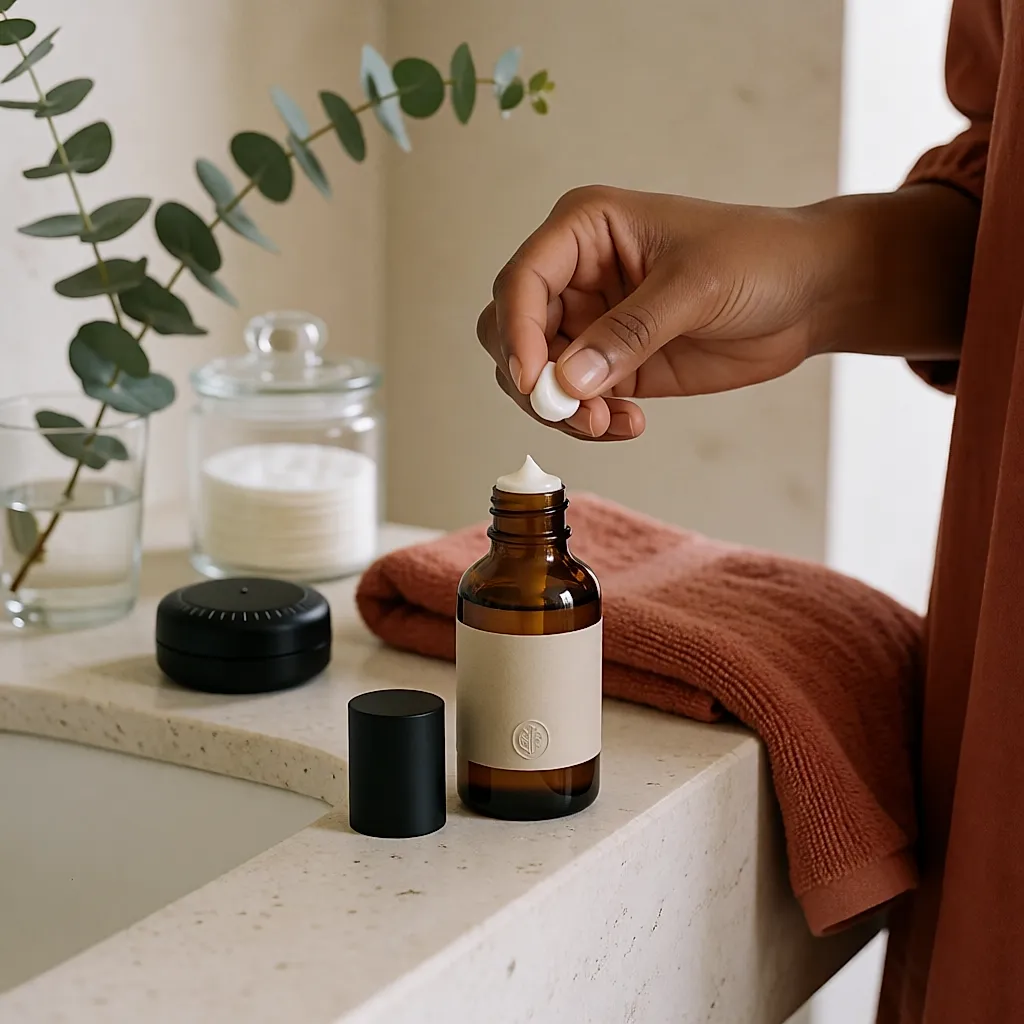
This bit of sleight of hand is honest enough, on one condition: that one of the three jobs is genuinely carried by the formula. Usually it's the first, the one that dictates the texture. A cleansing base or a cleansing emulsion has to grab make-up and sebum, so it shapes the whole thing, and the other two promises hang off it. The 'mask' becomes a pause; the 'treatment' becomes a light film. Lovely on paper, underwhelming against the pillow.
Which leaves the awkward part: a product you rinse off after thirty seconds doesn't have time to nourish much, and one you leave on has to be light enough not to feel tacky. Those two demands pull the formula in opposite directions. If it's the moisturising step you're after, that's usually where the three-headed bottle disappoints most.
What the ingredient list tells you before the bottle does
An ingredient list reads like a recipe: names are ordered by descending concentration, down to 1%. In other words, the first five names tell you most of what you're buying; after that it's a conversation held at a whisper. You don't need to know it by heart, just find where the headline ingredient lands.
If it turns up after the fragrance, it's often there for the family photo: a bit of set-dressing, a lot of marketing narrative. That's not a scandal, since a formula doesn't need twenty actives to be pleasant, but it does change what you should be willing to pay. Look, too, at the surfactant family (names ending in '-glucoside' are generally described as gentler than sulphates) and at whether glycerin is in there, which softens the feel.
On the green front, two pieces of information worth having beat ten pictograms: a refillable container or a solid format, and a certification you can actually check behind the claim, something like COSMOS Organic or Ecocert. The rest is often bottle decoration. Glass isn't automatically greener than a recycled cardboard tube: it all depends on what has to be shipped and then thrown away.
Space, cost per ml, results: the trade-off
Let's put some numbers on it, in round terms. A 200 ml 3-in-1 at around £19 works out at roughly 9.5p per ml. A 250 ml cleanser at around £8 comes in at about 3p per ml, and a 50 ml mask at around £13 climbs to 26p per ml. So the three-in-one is neither the cheapest nor the most expensive: it's the most compact. That's an argument for your suitcase, not for your skin.
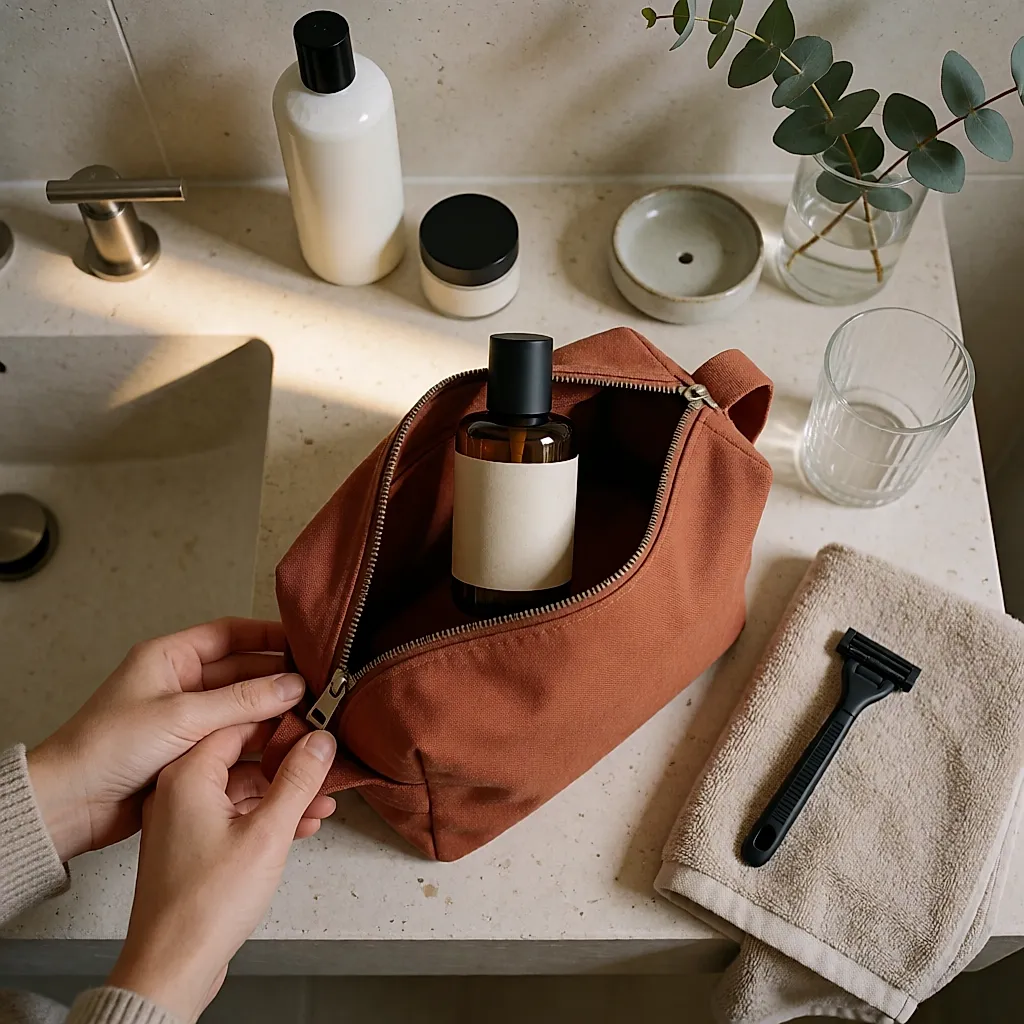
Which brings the real question: which of the functions will you actually use? If you cleanse every night and reach for a mask once a month, buy a good cleanser and a separate mask. Your skin will gain, your shelf a little less. If instead it's about fitting into a gym bag or a 100 ml liquids bag, space becomes a legitimate criterion, and the single bottle wins hands down.
The honest compromise is to buy the 3-in-1 for its main job and treat the other two as a bonus. You aren't paying for three products: you're paying for one product and two extra steps.
Budget
In the UK, expect roughly £10 to £22 for a 3-in-1 from a supermarket, a chemist or an online retailer, and £22 to £40 in department store beauty halls for the more complex formulas. A cleanser on its own is more like £7 to £18, a mask £9 to £27, a night cream £18 to £55. Refill formats, where they exist, can bring the second purchase down, provided the brand actually sells the refill here.
Where to look: pharmacy and free-from aisles for the certified labels, supermarkets for the big sizes, direct-to-consumer brands online for refills and solid formats. Check on the brand's own site what a certification really covers, rather than trusting the name on the front.
Three questions before you pay, in this order: which of the three jobs will I use most often? Where does the headline ingredient sit in the list? Is the container refillable, or recyclable where I live? If the first answer is fuzzy, the bottle can go back on the shelf, and honestly, you've just saved yourself three promises in one go.
That leaves the one gesture still available when you've got five minutes and a single bottle in your bag: deciding in advance what it's for. A well-chosen 3-in-1 follows you everywhere; a badly chosen one just stays with you longer than planned.



Comments
Your opinion matters: rate the article, react and reply to comments.
Comments are moderated; AI-assisted comments are flagged. Text emoticons (8-), :-), <3…) are automatically shown as images.