

You applied your blush at 7.30, sure you'd finally nailed the dose, and by 3pm your reflection handed you back two pink patches set hard in the middle of your cheeks. It happens with a powder you genuinely love. So it's worth going back to the beginning: the good news is that cream and liquid textures can make a difference.
What powder and cream actually do on your skin
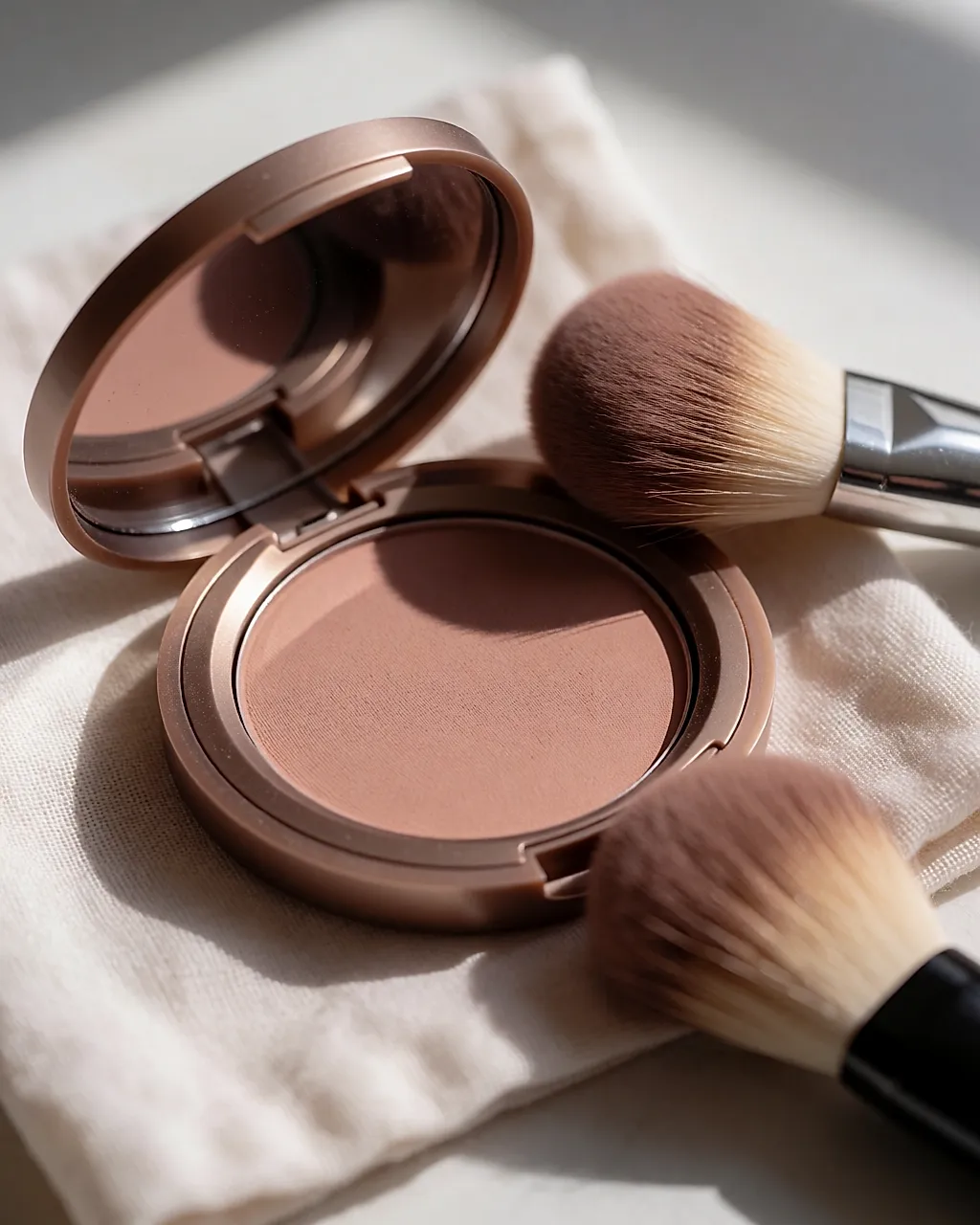
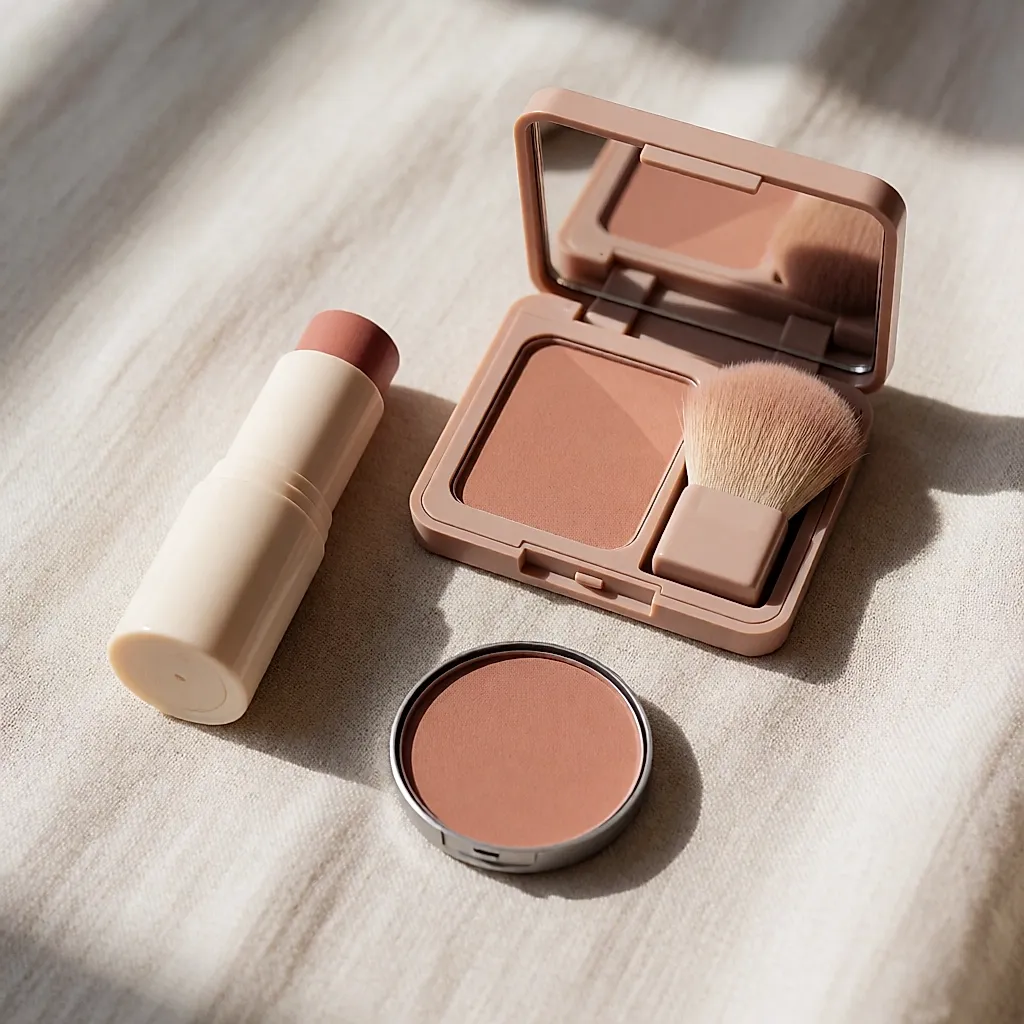
It all comes down to the formula — how the product is built. A pressed powder is pigment mixed with mineral fillers: it stays on the surface, holds well on combination to oily skin, but it catches on dry areas and throws every flake into relief. A cream, by contrast, combines oils, waxes and sometimes plant butters: it melts with the warmth of your skin and blends into your complexion. On dehydrated skin, the difference between the two textures can show quickly.
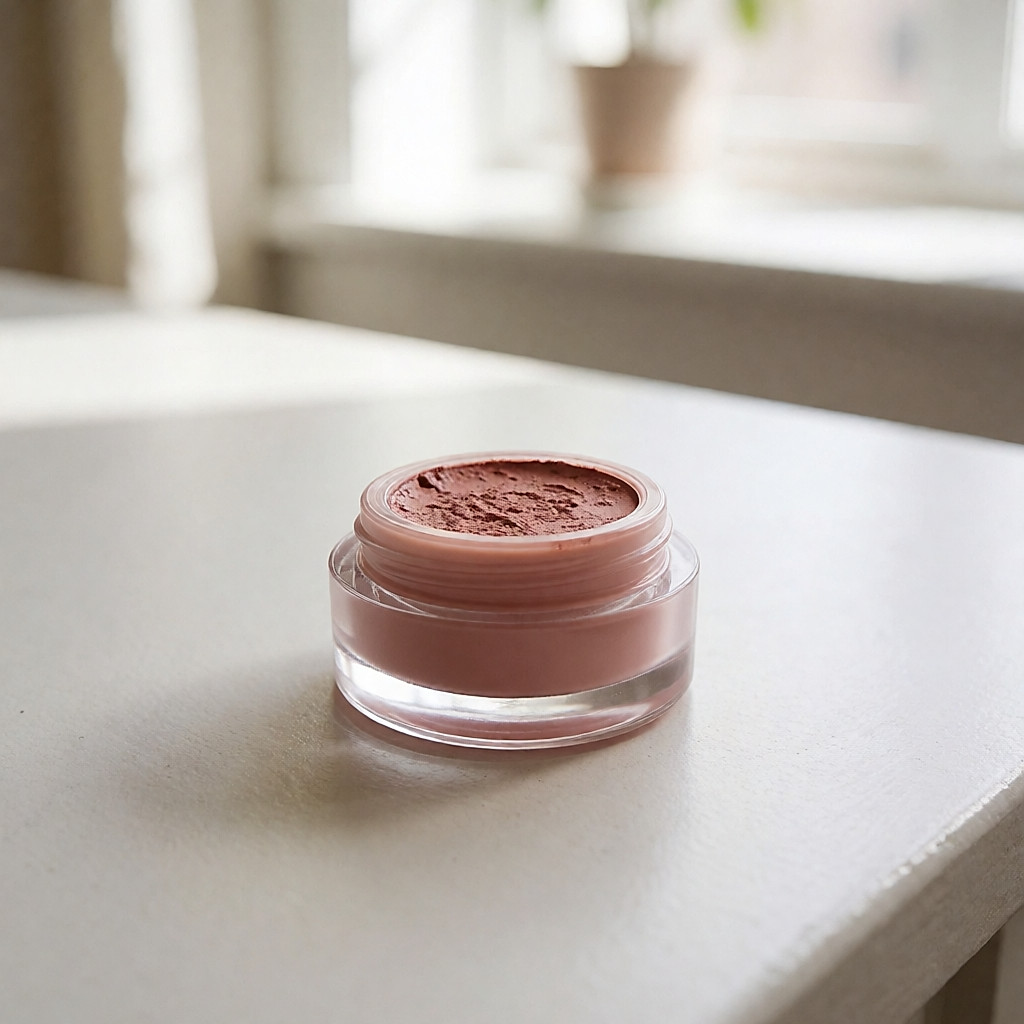
So which one? If you get shiny quickly, powder keeps the upper hand. If you want a glow that looks like it comes from inside, cream is far more forgiving. The compromise I reach for most days: cream first, then a very light veil of translucent powder to set it without flattening everything to matte.
Three rules, and your blush stops looking like a stain
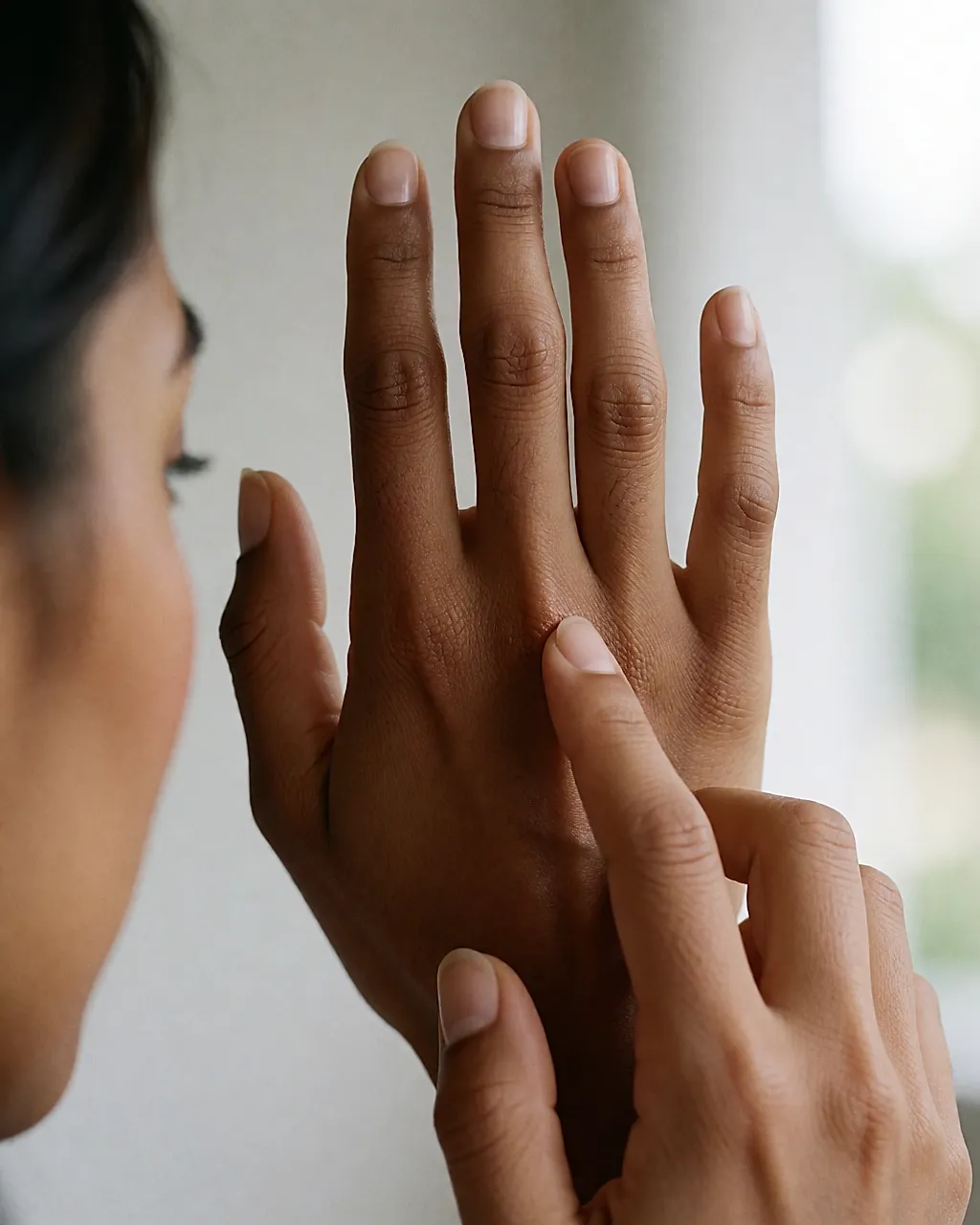
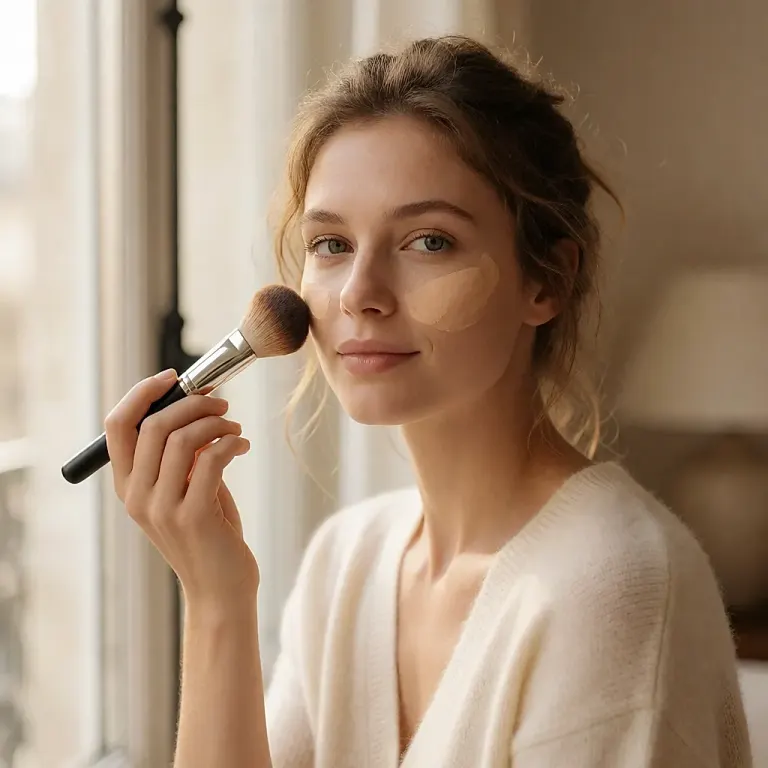
First the dose: tap your cream onto the back of your hand before you apply it, and you'll see straight away if it's too concentrated. Then the placement: forget the centre of the cheek, put the colour on the top of the cheekbone and blend up towards the temple, because blush placed too low drags the whole face down. Finally the light: judge the result by a window, not under the yellow bulb in the bathroom, or you'll double the dose without noticing.
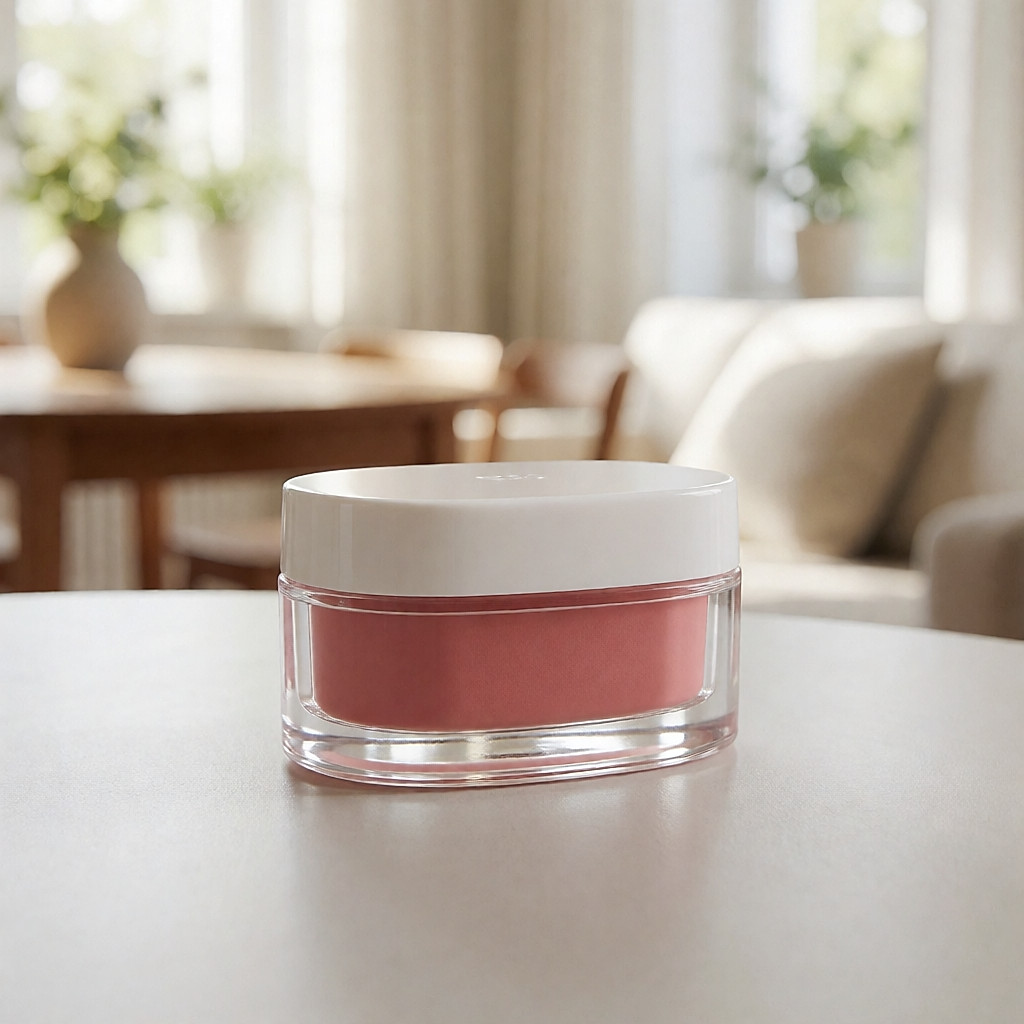
On tools: fingers work beautifully with creams, a duo-fibre brush evens out powders, and a damp sponge blends everything nicely — though it does drink product, which is worth knowing. One last thing: placement has moved on, with blush carried up over the nose for a sunburnt effect. Charming on fair skin, harder to carry off in an office, so try it at home before you leave the house like that.
Too much blush is always fixable. Don't rub — you'll only spread the colour across the whole cheek. Take a little foundation or concealer on your fingertip and tap it over the top, working from the outer edge inwards. A veil of loose powder finishes the job and pulls it all together.
The shortlist
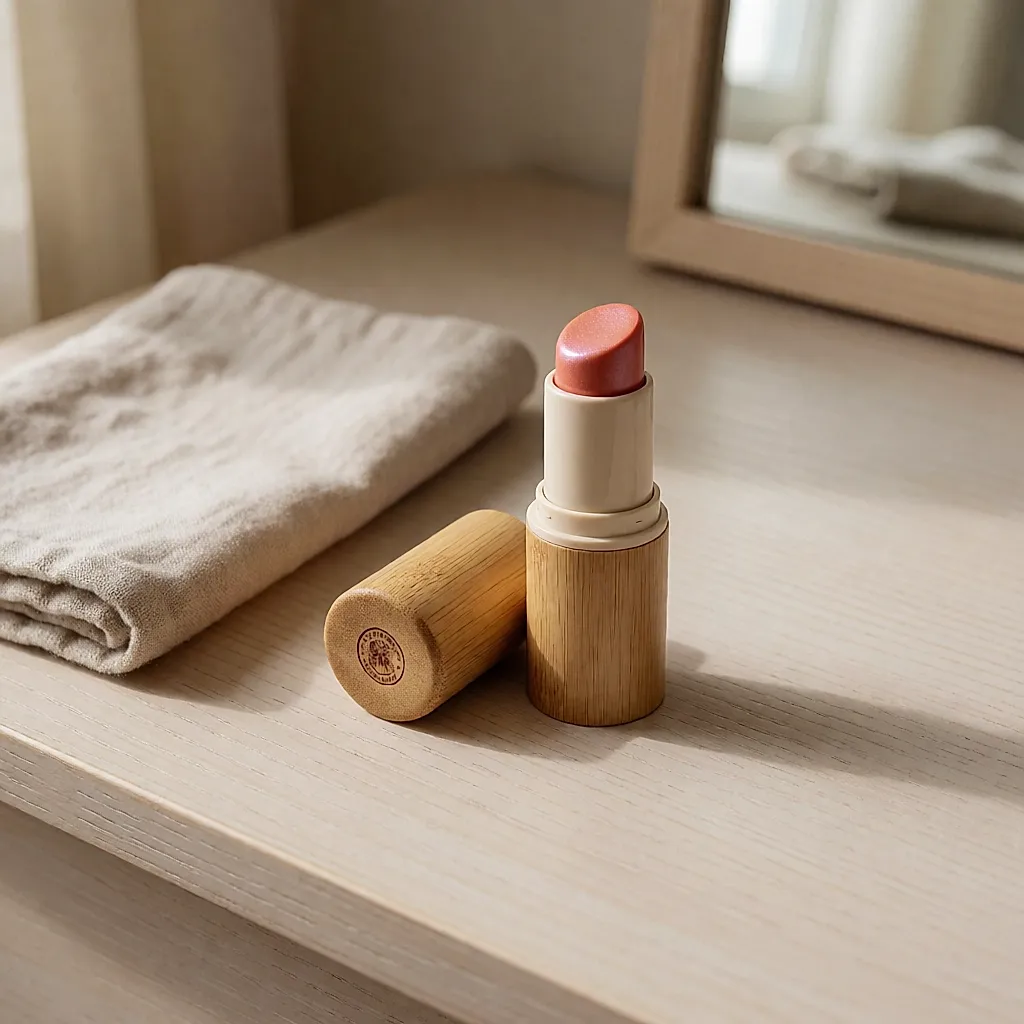
At Zao, the bamboo case is refillable and the brand says the product is COSMOS Organic certified, a European standard that sets a minimum quota of natural-origin ingredients and a minimum share of organic ones. The peach shade has a fine texture, a satin finish and decent wear for a day in the office. The real argument is the refill — you keep the case and only buy the colour again. The refill system reduces waste, though it isn't completely zero waste.
At Kjaer Weis the metal case is refillable too, and the brand presents the cream blush as organic. It's a balm that warms under your finger: a single swipe can be enough for both cheeks. It's an investment up front, but the refill means you only repurchase the colour.
Avril is a French brand, and its prices stay kind. The compact isn't refillable — that's the trade-off to accept.
Among the conventional options, NARS powder blushers remain a safe bet: dense pigment, excellent wear, and peach and pale pink shades that work on a wide range of skin tones. No refill, a plastic compact, a beauty-hall price.
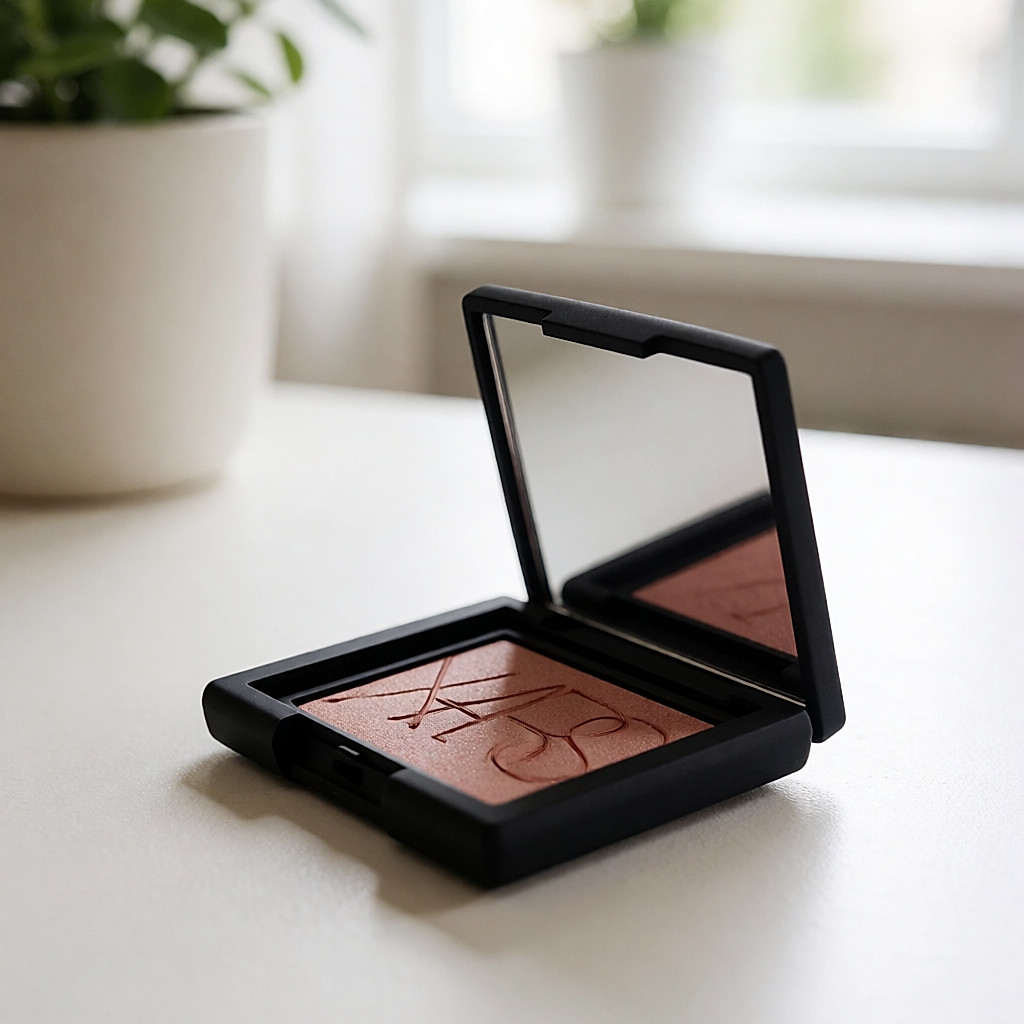
On a tight budget, cream stick blushers from the high street do the job: straight onto the cheekbone, blended with a finger, topped up at lunchtime. They don't last as long, but at that price it hardly matters.
What to spend
Expect roughly £5–£10 on the high street for an accessible format, £10–£18 in a chemist for a certified French brand, and £18–£28 for a refillable bamboo-type case, with refills afterwards around £10–£16. In a department store beauty hall, a prestige blush tends to sit between £30 and £40. Prices shift around, so treat these as a guide rather than gospel.
What moves the price: certification, the casing (bamboo, metal, refillable), the weight — anywhere from 4g to 8g, which changes how long it lasts — and where you buy it. A 6g powder blusher used every day will take longer to run out than a small format, and that's worth checking before you compare two price tags.
Where to buy: supermarkets and high-street chemists such as Boots and Superdrug for the affordable formats; the brand's own site or a department store beauty hall for the refillables. Zao, Kjaer Weis and Avril are usually sold online and through specialist UK retailers rather than in every chemist, so check delivery and refill stock first. One genuinely useful tip: make sure refills are still in production before you invest in a case, or you'll end up with a very pretty compact you can't use.

Comments
Your opinion matters: rate the article, react and reply to comments.
Comments are moderated; AI-assisted comments are flagged. Text emoticons (8-), :-), <3…) are automatically shown as images.