

Dark circles can make us look tired and drain the brightness from our eyes. That is reason enough to try to get rid of them, or at least to conceal them when nothing else works. First, a reminder: the eye area is delicate and deserves a gentle touch and products made for it. Dark circles can have many different causes, and no two pairs are quite the same. Looking after your sleep and lifestyle is good for your mood and your skin, even if it will not fix everything. And once dark circles settle in, they soon become part of your face.
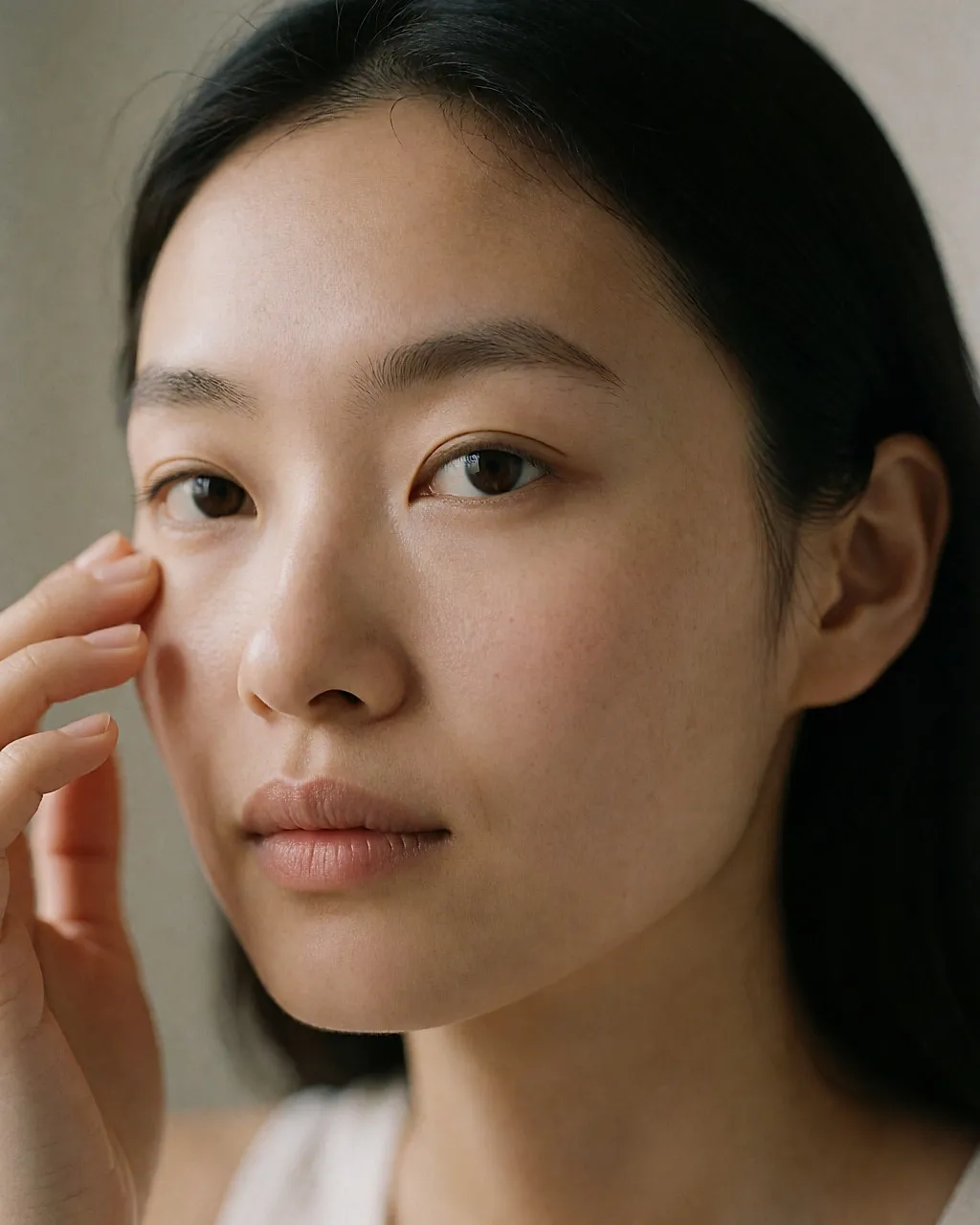
A healthy lifestyle is good for your body overall, but it is not always enough to make dark circles disappear. For some people there is little to do on the skincare front beyond concealing them, and there is plenty of choice when it comes to that.

To start with, it is essential to protect this vulnerable area, which is especially prone to premature ageing and dehydration. The best option is a product designed specifically for the eye area, whether that means a gel, a cream or a balm.
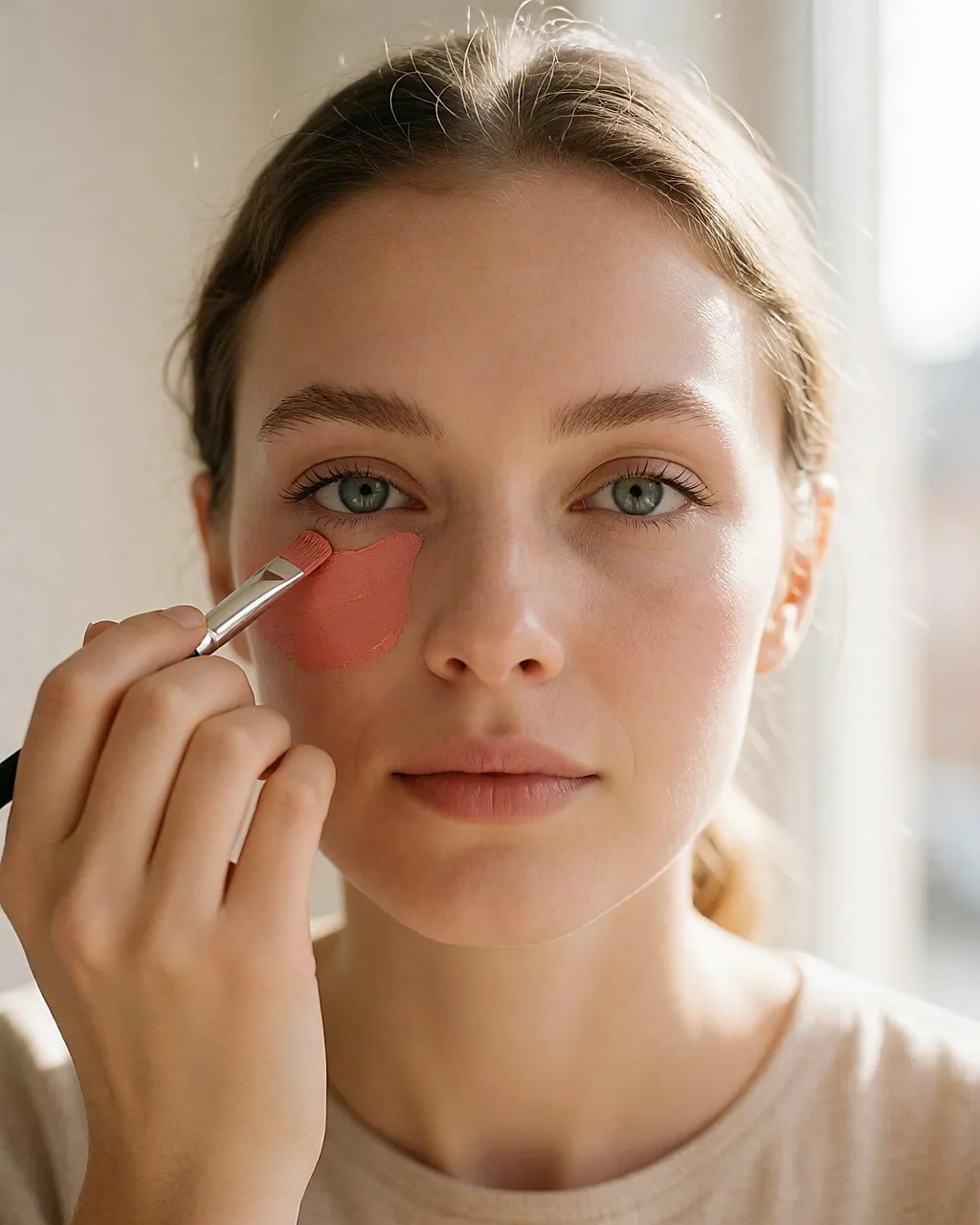
Hydrating, protective and firming, eye creams are applied morning and/or evening; some products claim a draining effect.
Also worth knowing: some old wives' remedies are now well known, but they are really about tradition and comfort, small pick-me-ups for days when you are determined to look your best. With that in mind, put together a little anti-dark-circle routine for yourself, with no promise of results but with the aim of taking care of yourself.
The night before, before bed, apply a nourishing eye balm. It will then have all night to work, without its effectiveness being hampered by make-up, pollution and so on.
Before you go to bed, prepare two small tea bags: let them infuse for a few minutes, then put them in the fridge. Then get a good night's sleep: it is good for your mood, and your eyes benefit too.
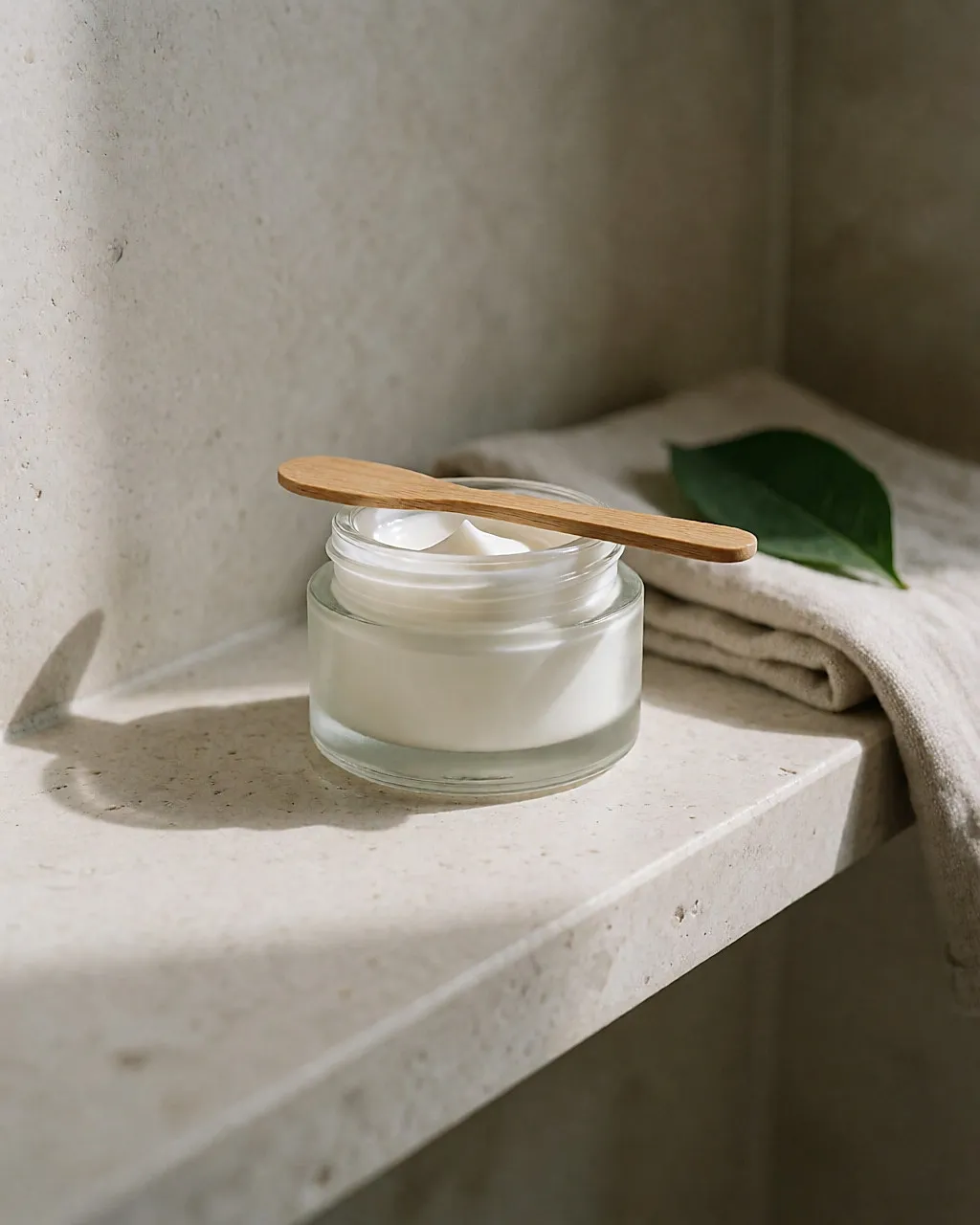
The next morning, leave the two chilled tea bags on your eyes: they feel refreshing and offer a simple moment of comfort. Then all that is left to do is your make-up.

You can also place two cotton pads soaked in a few drops of cornflower water over your eyes, or glide an ice cube around the eye area for a temporary cooling effect.
That said, if you are more into cosmetics than old wives' remedies, consider eye contour masks: apply, leave on, then remove any excess with a cotton pad. They are ideal for a deeper treatment.
The products: Sisley's eye contour mask for a de-puffing and smoothing effect, Klorane's very cooling cornflower eye patches, Garnier Nutritionist anti-dark-circle, anti-puffiness eye cream enriched with caffeine, and Weleda's wild rose eye contour, which is very hydrating.
Once the skincare is done, use a little make-up to erase any remaining traces of dark circles and stop them from reappearing too quickly.
Start with a concealer slightly lighter than your skin tone and apply it first with a brush, placing the product right down to under the lashes. Then soften it by gently tapping from the inner corner of the eye outwards, working up onto the eyelid to even it out. Next, think about blending concealer and foundation: for example, dust a little powder over the concealer with a brush to set it and improve its staying power.
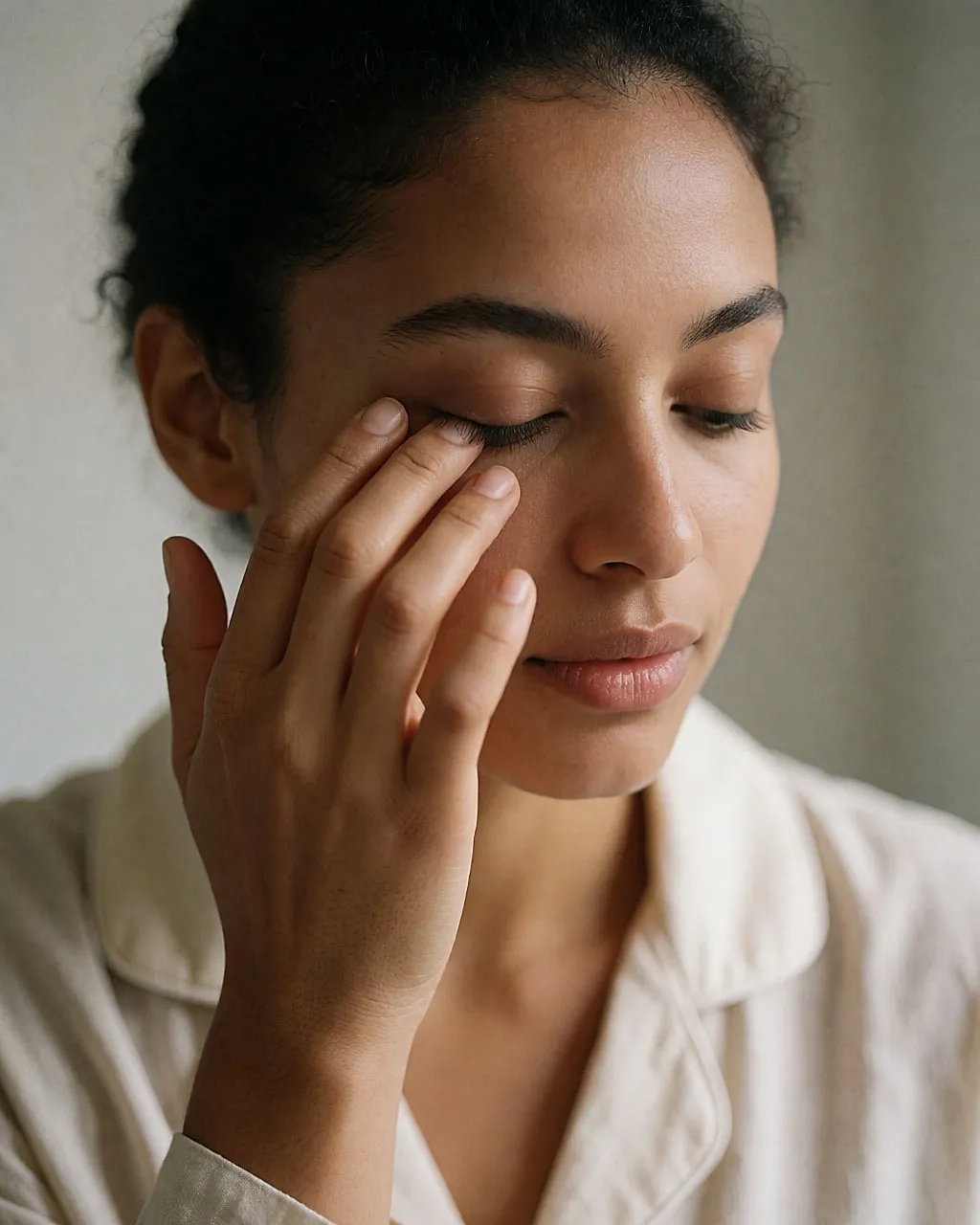
The products: Sisley Phytocernes concealer, whose texture, coverage and finish are impeccable (though it is unfortunately expensive), Yves Saint Laurent Touche Éclat, a real brightener, and Estée Lauder's gloss-like concealer, whose applicator we like.
Finally, if the problem is persistent and nothing seems to help, speak to a dermatologist: some types of dark circles can be treated specifically after an assessment. The catch is that these treatments are significantly more expensive than a concealer stick. In any case, a dermatological opinion is essential before going ahead.
Budget
For eye creams and eye contour products, expect to pay roughly £15 to £25 for a pharmacy or supermarket option, £30 to £50 for the brands mentioned here, and up to £80 or more for premium pharmacy beauty ranges. Eye patches and masks start at around £10 a pack. For make-up, a decent concealer usually costs between £12 and £35 depending on the brand, coverage and format. In-clinic dermatology treatments run into hundreds of pounds per session, and several sessions are often needed: discuss this with a dermatologist.



Comments
Your opinion matters: rate the article, react and reply to comments.
Comments are moderated; AI-assisted comments are flagged. Text emoticons (8-), :-), <3…) are automatically shown as images.