

Your heels have two seasons: sandal season, and the one where wool socks catch and pyjama cuffs scratch like sandpaper. On Sunday night out comes the file, you scrub with the energy of despair, and by Wednesday the skin has grown back like a weed. But what if the problem isn't how hard you scrub, but the order you do things in?
A file fixes the emergency, not the dryness
A file does one thing very well: taking off hard skin. It doesn't do the other half of the job, which is putting water back into skin that's short of it. On a dry heel the callus is tough, so you press harder, go over it again, keep at it — and the skin can end up irritated, or split right where you were trying to smooth it. The result is usually temporary, which is a thin return on a sacrificed Sunday evening.

The other route is less dramatic: occlusion. Skin left in contact with something oily for a long stretch holds on to its water, and the hard skin softens. It's what happens in a long bath, when the skin on your feet goes white and soft. Night gives you a practical marker: the hours you spend asleep, with nothing to do and nobody asking anything of you.
Rich and thick: the texture that works while you sleep
Not every foot cream is up to a night's work. What you want is a film: something rich in oils and waxes — shea butter, sweet almond oil, beeswax — rather than a light lotion that sinks in within thirty seconds and disappears. A thick, almost tacky balm is a compliment here. Fragrance-free formulas are often preferred on reactive skin, though that's no guarantee of safety either.
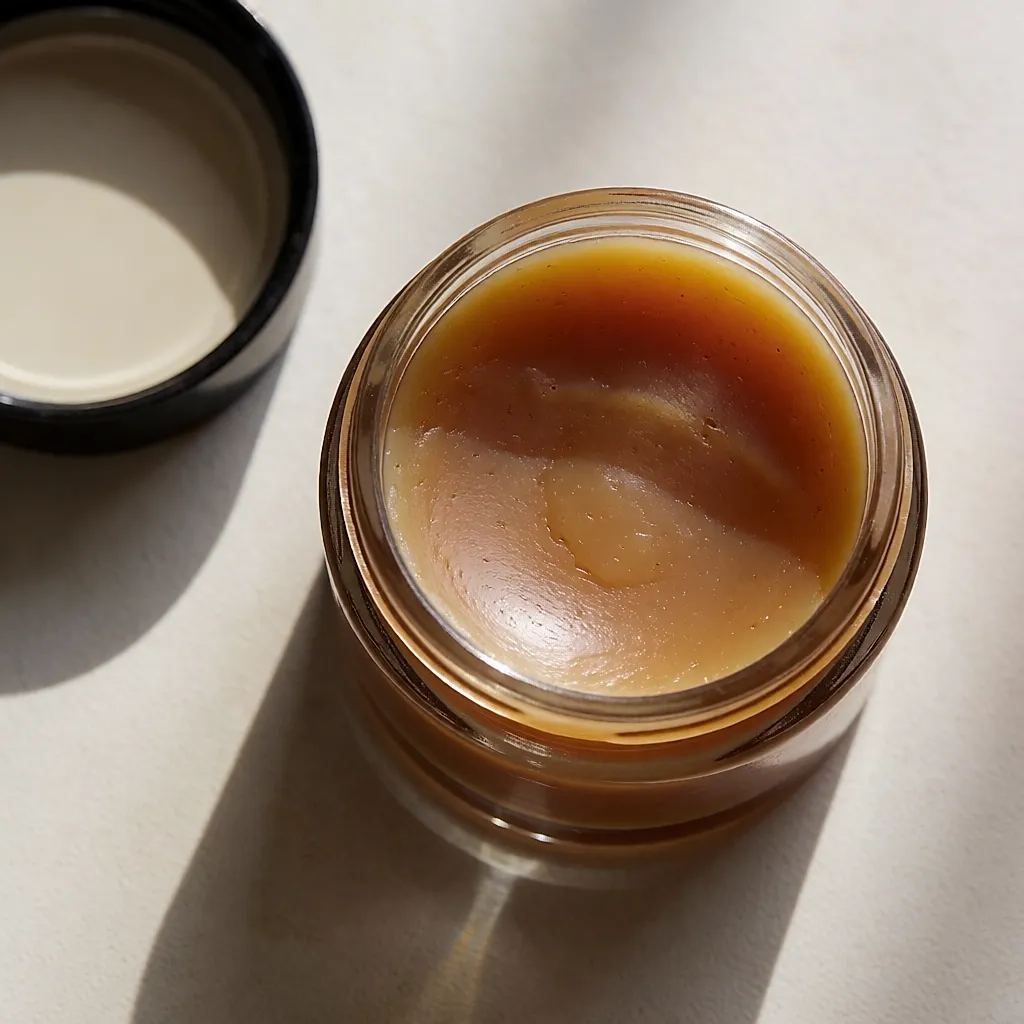
On quantity, greed doesn't pay. A pea-sized amount per heel, massaged in with extra attention around the edges — that's where it cracks first — is enough to form a film. If your sock slides off and the sheets end up greasy, you've used three times too much. The whole thing works even better on slightly damp skin, straight after a shower: the film traps that water instead of letting it evaporate.
The cotton sock, underrated
It has three jobs, and none of them glamorous. Keeping the balm against your skin rather than on the sheets, holding a sealed-in environment that extends the product's work, and sparing your bedding greasy marks on a Tuesday night.
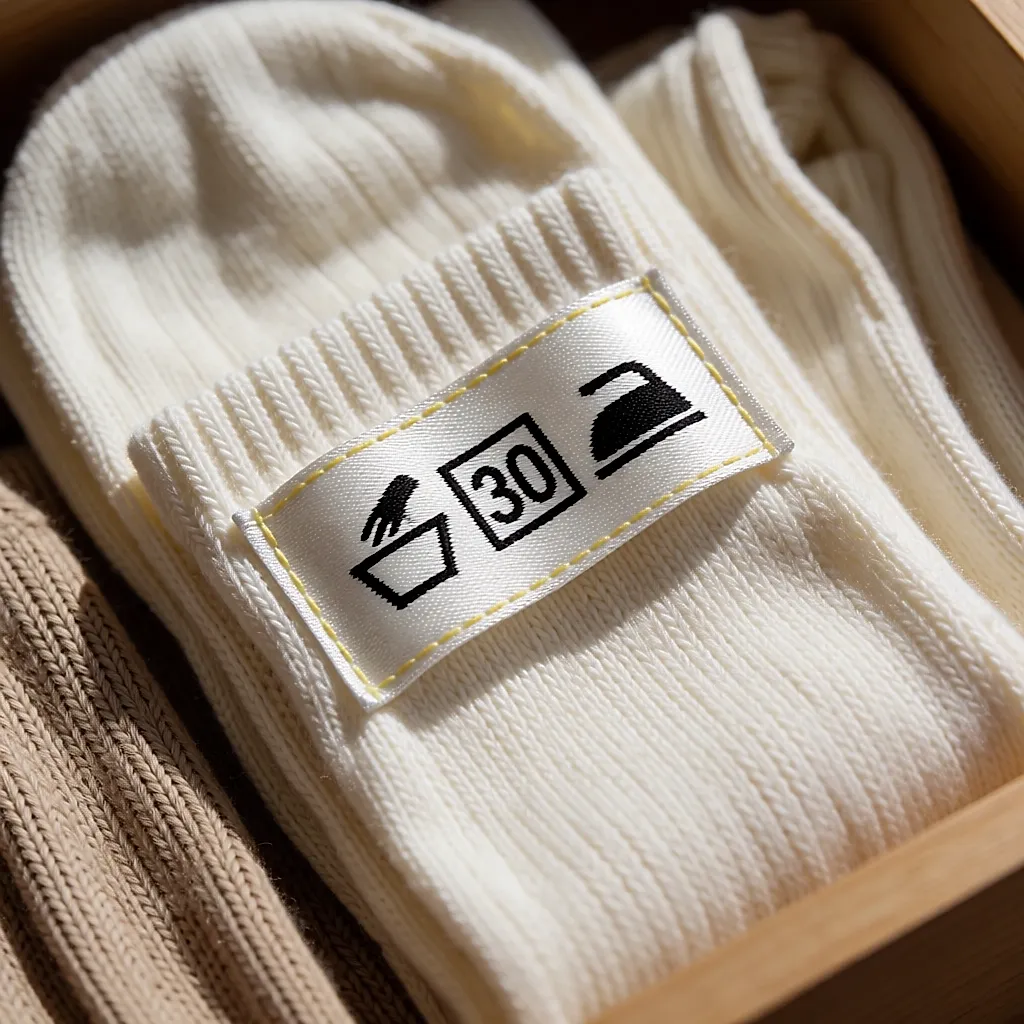
Cotton rather than a synthetic: it lets skin breathe and stands up to repeated washing, whereas a tight sports sock traps moisture and can leave your foot clammy — the opposite of the point. The right pair is probably already in your drawer, in the odd-sock pile: an old, slightly baggy mismatched cotton sock does the job perfectly. A clean pair every night or every other night, and rotate.
The evening routine, in order
- Clean feet, dried but not dried out: a quick pass under warm water is enough.
- A pea-sized amount of balm per heel, massaging the edges and the contour of the heel.
- Cotton sock on, lights out. In the morning, a quick rinse with plain water if the film bothers you.
What a sock won't fix
Not everything is solved under a sock. A crack that bleeds, that hurts when you walk or that opens deep isn't dryness to toy with: it needs a proper look from a pharmacist or your GP. And if the skin between your toes itches or peels, or a nail changes colour, it may be something other than dry heels — no amount of balm will stand in for a diagnosis.
Two more cautions. If you have diabetes or circulation problems, don't play at being your own podiatrist: sensation in the feet can be reduced, and a small wound can go unnoticed. And leave the file in the cupboard for a few nights: scrubbing hard, dry callus is the best way to irritate skin while telling yourself you're helping.
What it costs
The receipt stays modest: expect to pay somewhere around £8 to £20 for a thick foot balm from a high-street chemist, a pharmacy or online — short ingredient lists and glass or refillable jars sit in the same bracket. For socks, £5 to £15 for a cotton pair is plenty; no need to reach for technical hiking socks.
If you'd rather buy nothing, a spoonful of sweet almond oil does the same film-forming job, as long as you don't mind the rustic approach. The real cost here is consistency: regular beats one intensive session spaced far apart. And the time, you're already spending asleep.
Afterwards: maintenance, not war
Once the heel is soft, you don't put everything away. Keep the balm within reach when closed shoes come back out. And stop treating your heel like a renovation project: a light go-over with a fine grain now and then, a regular balm, and the hard skin stays at a reasonable level. Skin doesn't need to be as bare as a newborn's, just not splitting.
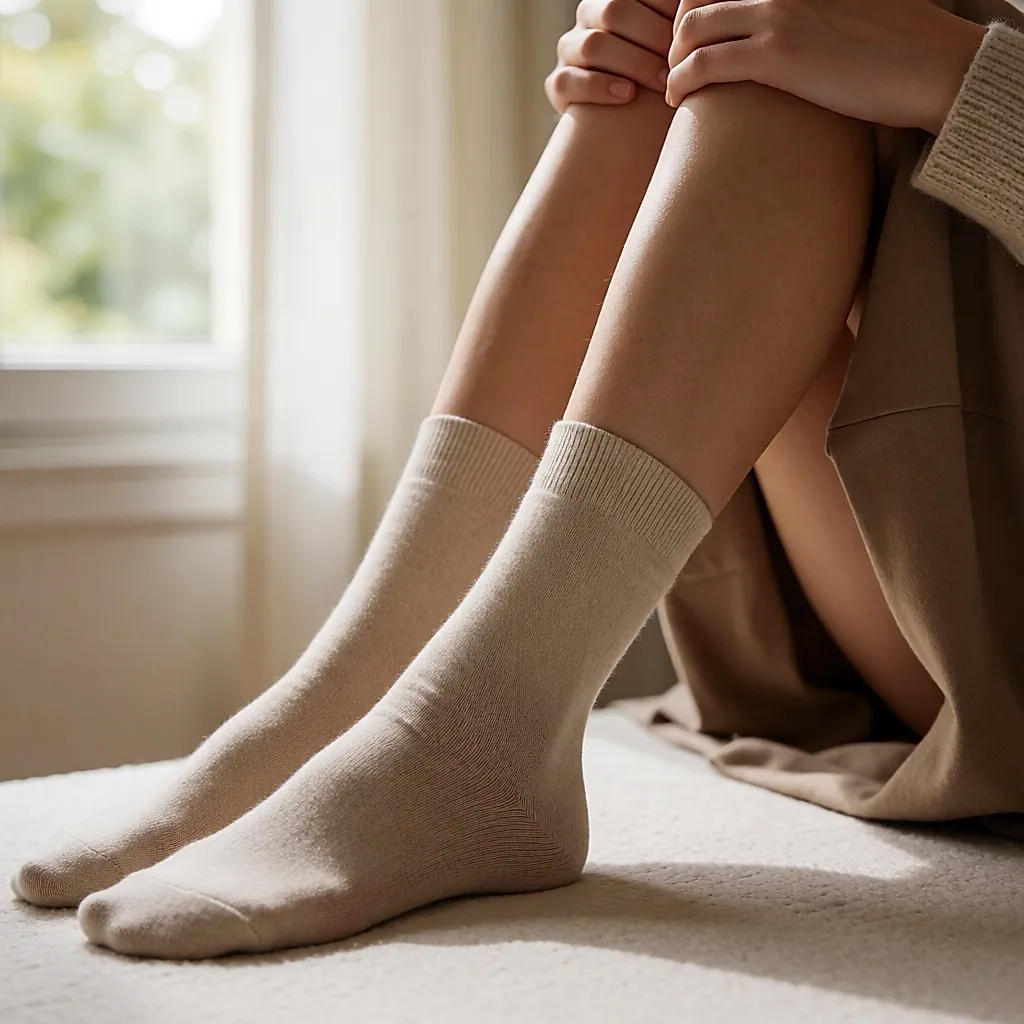
The hardest part is left: accepting that you won't see it straight away. The treatment works at night, with no dramatic proof at breakfast. With consistency, skin can become softer and socks can slide on without snagging — no guarantees, and that's already a lot. The gesture that survives when you've only got five minutes? A pea-sized amount, a sock, and the light off.


Comments
Your opinion matters: rate the article, react and reply to comments.
Comments are moderated; AI-assisted comments are flagged. Text emoticons (8-), :-), <3…) are automatically shown as images.