

Two bottles, two gestures: one you dab into the hollow of your wrist, the other you spray in a cloud above your head. The first is only noticeable up close; the second fills the room before you've even taken off your coat. That is the whole difference between a perfume oil and its alcohol-based cousin — and it changes plenty in practice, from your handbag to your shirt collar.
Scent that travels versus scent that stays close
An eau de parfum runs on alcohol: as it evaporates it carries the fragrant materials with it and builds that generous cloud you get from a spray. A perfume oil is laid down without that volatile relay. The result is that it clings to the skin and unfurls in discreet wafts; to smell it, someone has to lean in.
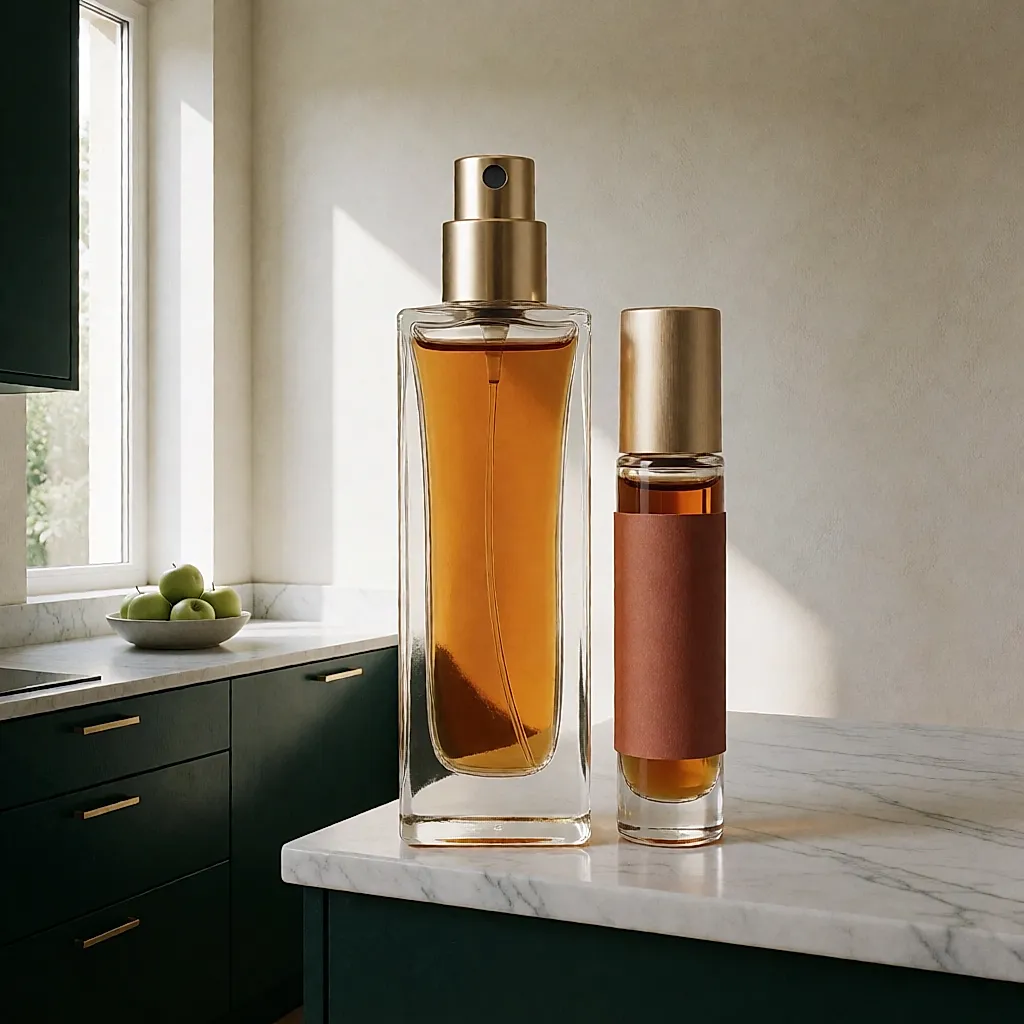
This isn't about quality, it's about distance. You won't leave a trail in the lift, and yet people will recognise you when you sit down at the table. Some oil formulas do hold beautifully all day — but they drop off other people's radar long before they truly fade on you. Odd feeling, being the only one who can smell your own perfume? That's the whole point of the format.
Topping up through the day
A word on promises: I'm not going to guarantee the same all-day wear across every skin and every formula. What is certain is that a top-up doesn't carry the same social cost in the two cases. With an oil, one dab at the pulse point is enough — no cloud, no collective coughing fit in the open-plan office.
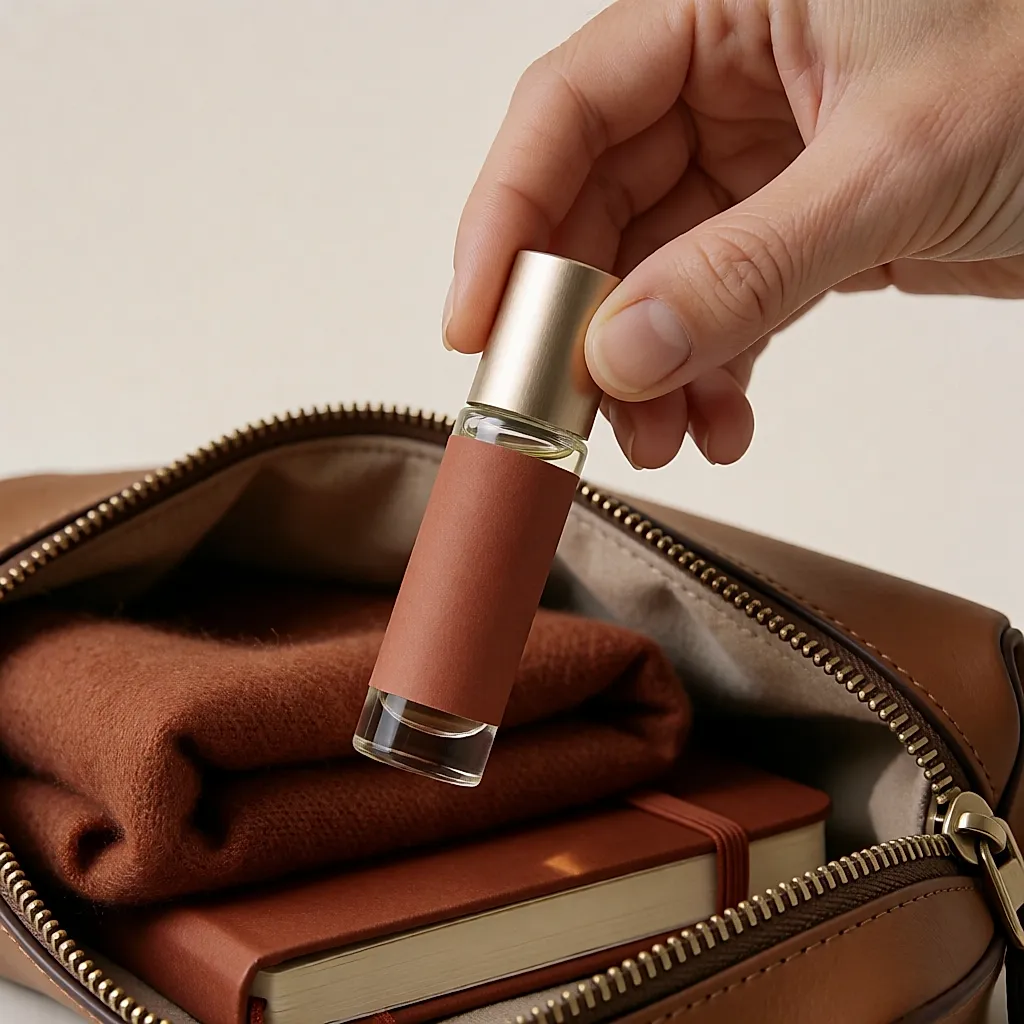
With an eau de parfum, the late-afternoon top-up is a balancing act: two sprays too many and you become that perfumed corridor everyone walks around. This is where the 10 ml roll-on earns its place in your bag — and honestly, it deserves it.
On fabric, it comes down to a single drop
Oil is greasy by definition. It can mark pale linen, light cashmere, delicate silk — and it sinks in more slowly than an alcohol spray, which dries almost instantly. Hence the rule: apply to skin, wait a few minutes, and only then pull on the white turtleneck.
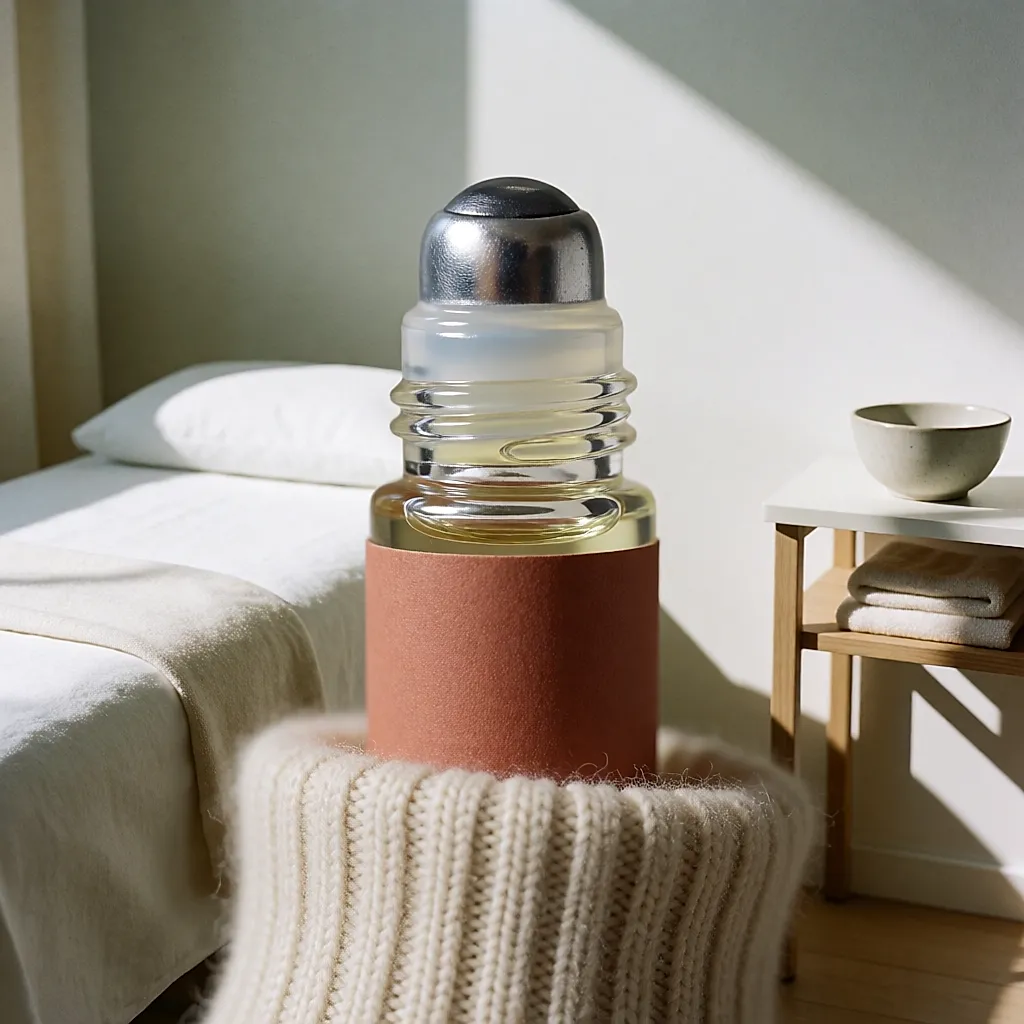
The other rule, true either way: never spray perfume onto a garment hoping it will 'hold longer'. Raw materials and colourants can leave a ring, and a perfume stain on a collar shows far more than you would think. Perfume goes on skin; the fabric didn't ask for it.
Read the millilitres, not the bottle
A common trap in fragrance: a small roll-on can look like good value next to a larger spray bottle, but per millilitre, the maths can flip. Except you don't get through the two formats the same way: an oil asks for a dab, whereas in practice a spray often means a few pumps.
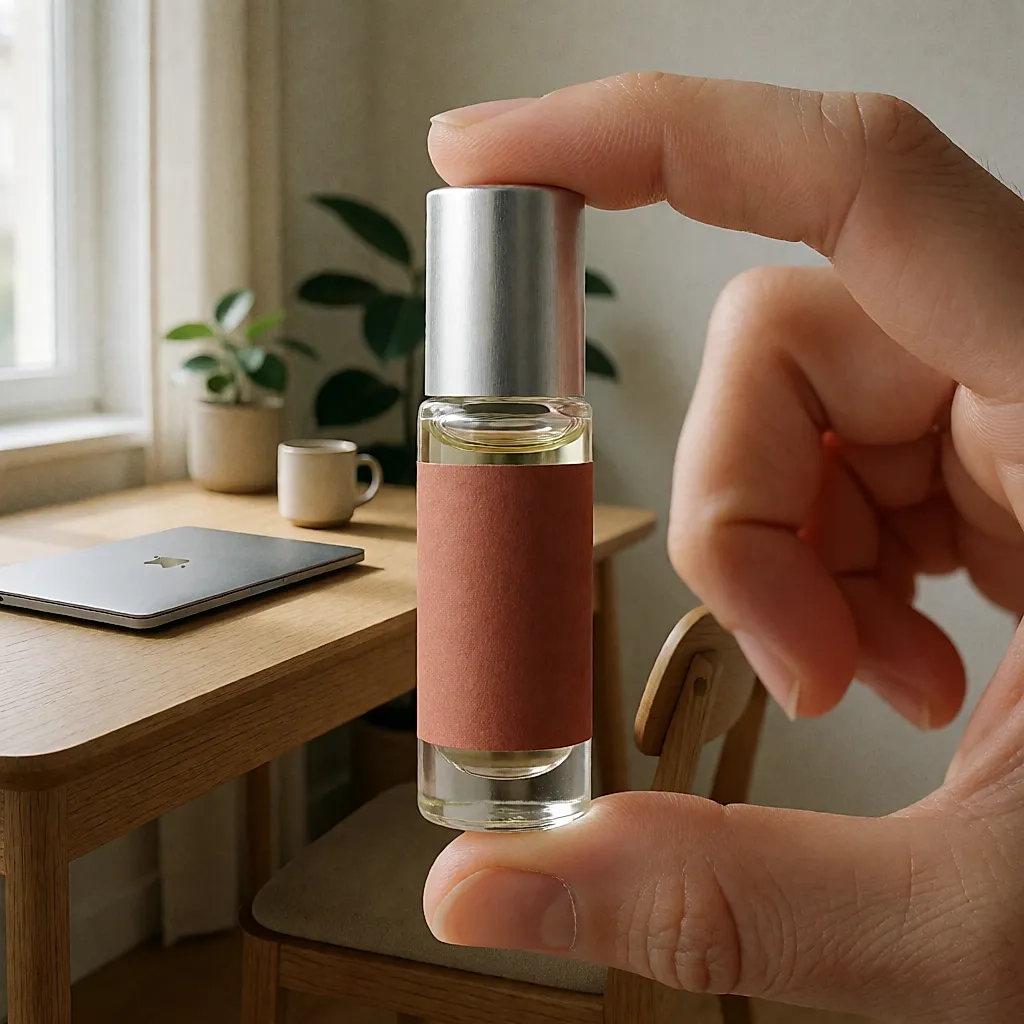
So the real calculation is cost per wear, not cost per millilitre. And there's a criterion people forget: oil isn't automatically natural. Some formulas contain nothing but raw materials and a plant base; others include synthetic molecules — not a flaw in itself, but read the label rather than the word 'oil' on the box.
Who is oil actually for?
For anyone who wants a perfume that stays intimate, who works in a shared space, who travels light, or who finds alcohol uncomfortable on skin that feels tight. And for anyone who likes changing scent with their mood: a small roll-on usually costs less than a bottle, so you hesitate less about trying a few before finding the right one.
Conversely, if your pleasure is the trail people notice and the compliment from three metres away, stay with eau de parfum. And if you're after a ritual, the warmth of a pulse point you dab has something calming that no spray can reproduce.
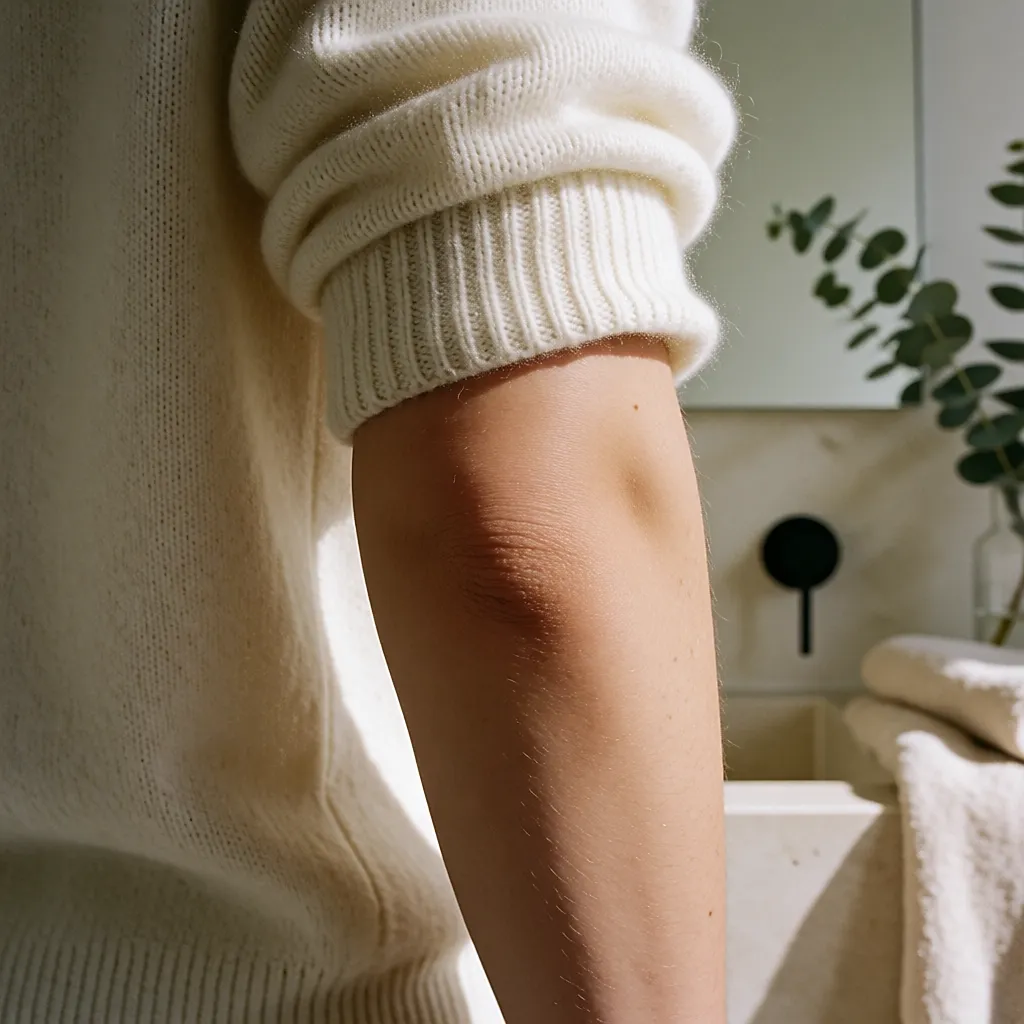
The gesture that changes everything: two points, no more — the inside of the wrist and the crook of the elbow — and dab without rubbing. Rubbing warms the skin and speeds up evaporation; you lose the little you had.
What it costs
Expect to pay roughly £18 to £60 for a 10 to 15 ml perfume oil at a fragrance counter or beauty retailer, and sometimes under £15 for 5 ml discovery sizes. For eau de parfum, a 50 ml usually sits between £50 and £120 depending on the house and where you buy it. City, line and whether a refill exists all move the figure: when a brand offers a refillable bottle, it's usually the refill that softens the bill on the second purchase.
Where to look? Perfume shops and online retailers for samples, larger beauty and department stores for the classic sizes, and discovery sets for oil — often the least expensive way to check the format suits you before committing.
Which leaves one simple question: do you want people to sense you coming, or to recognise you when they lean in? Both are defensible. The bottle won't decide for you.

Comments
Your opinion matters: rate the article, react and reply to comments.
Comments are moderated; AI-assisted comments are flagged. Text emoticons (8-), :-), <3…) are automatically shown as images.