
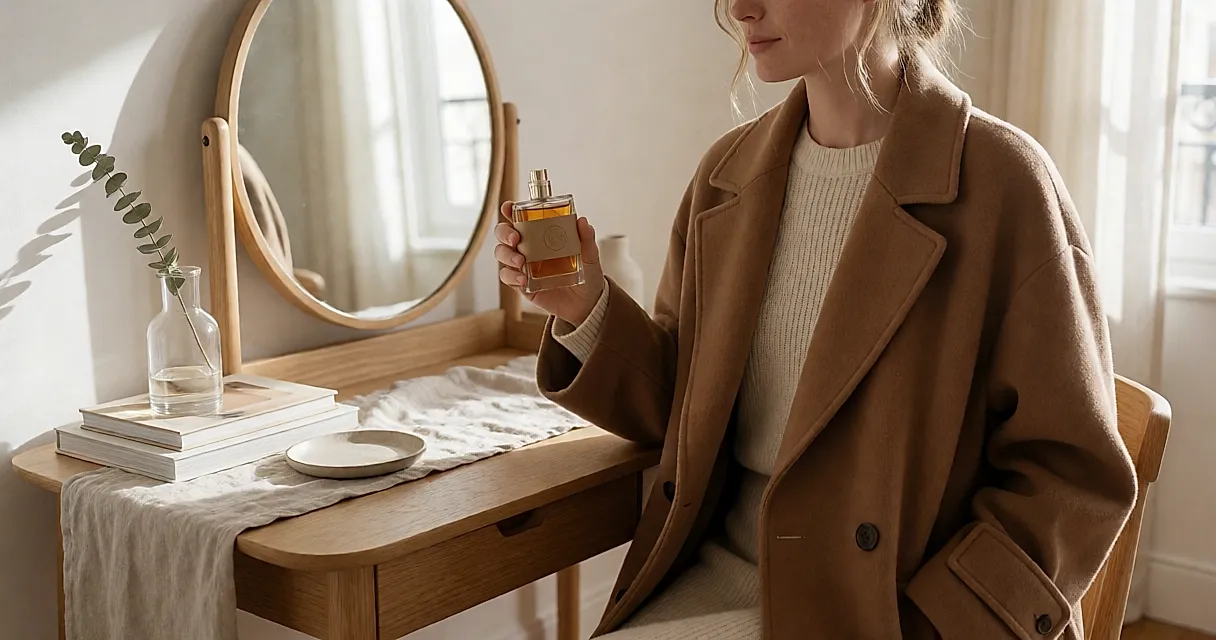
On the counter of a Paris perfume shop, a bottle with a fairly plain label smells of saffron, date and warm wood. You may well have smelled something like it on the Tube, on a colleague, in the Monday-morning lift. And if it feels familiar, that is not entirely by chance: the career path of the perfumer who composed it looks less and less like that of their predecessors.
The scent map has changed
For a long time, a perfume that sold well in France smelled of rose, peach, lily of the valley or bergamot. Today the shelves are lined with ambery woods, smoky vanillas and spiced roses. Oud — that resinous wood we hear so much about — has become far more visible on mainstream shelves, and with it a whole vocabulary: saffron, incense, amber, candied dates. Product descriptions often talk less about freshness and more about warmth, sillage and trail. Why the shift?
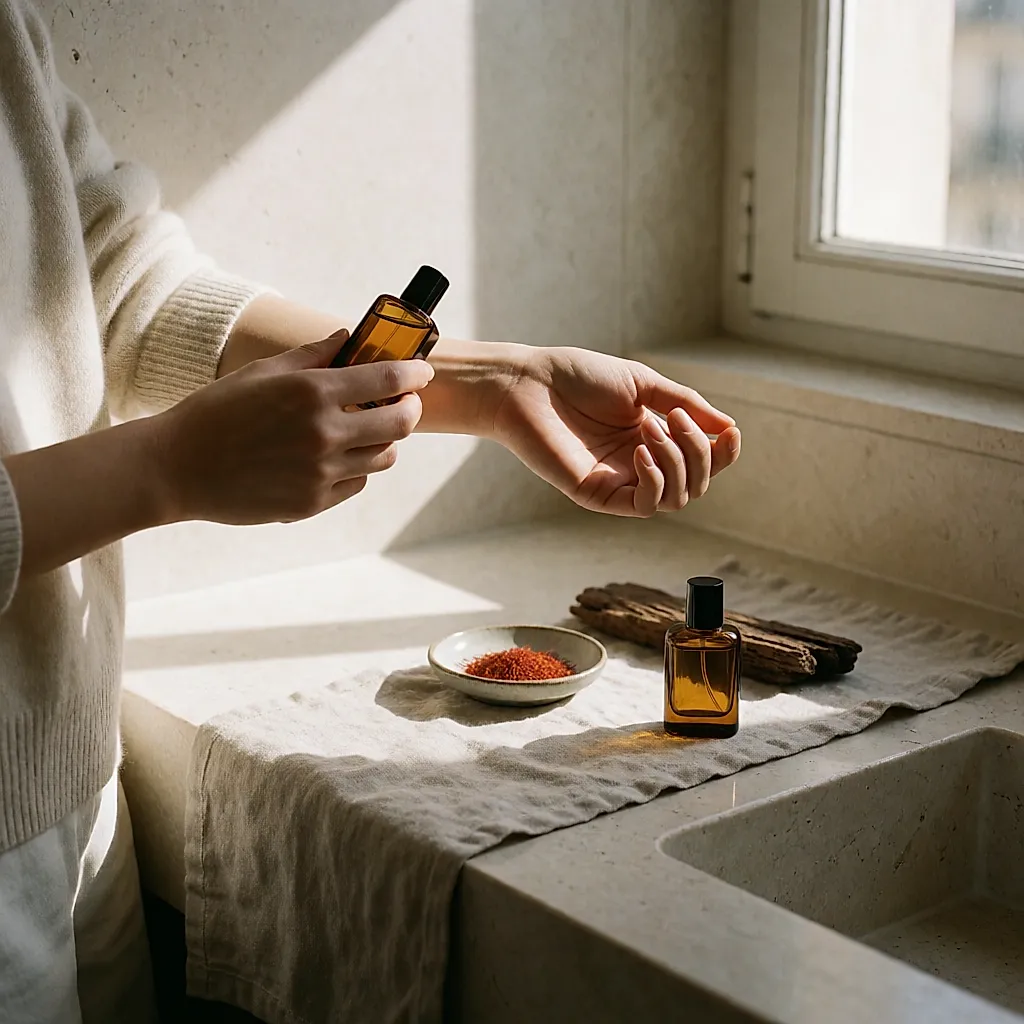
Because perfume is not worn the same way in every climate. In the Gulf, it is layered: an oil on the skin, a mist on fabric, incense curling through the sitting room. Bakhoor — soaked wood chips that are heated — scents clothes and hair. A perfume designed for that life is not built like a light, fresh fragrance you spray before rushing to the office. It has to hold up in the heat, on skin that is alive, and blend with everything else without a fight.
Training stays in Versailles, careers happen elsewhere
The training itself still follows a familiar path. ISIPCA, in Versailles, remains a French benchmark. Several major fragrance houses — Givaudan, IFF, Symrise, Robertet, Mane, dsm-firmenich — train their perfumers over several years, between memorising a wide palette of raw materials and composition exercises. These houses generally do not sell consumer bottles: they create the formulas that brands market under their own names.
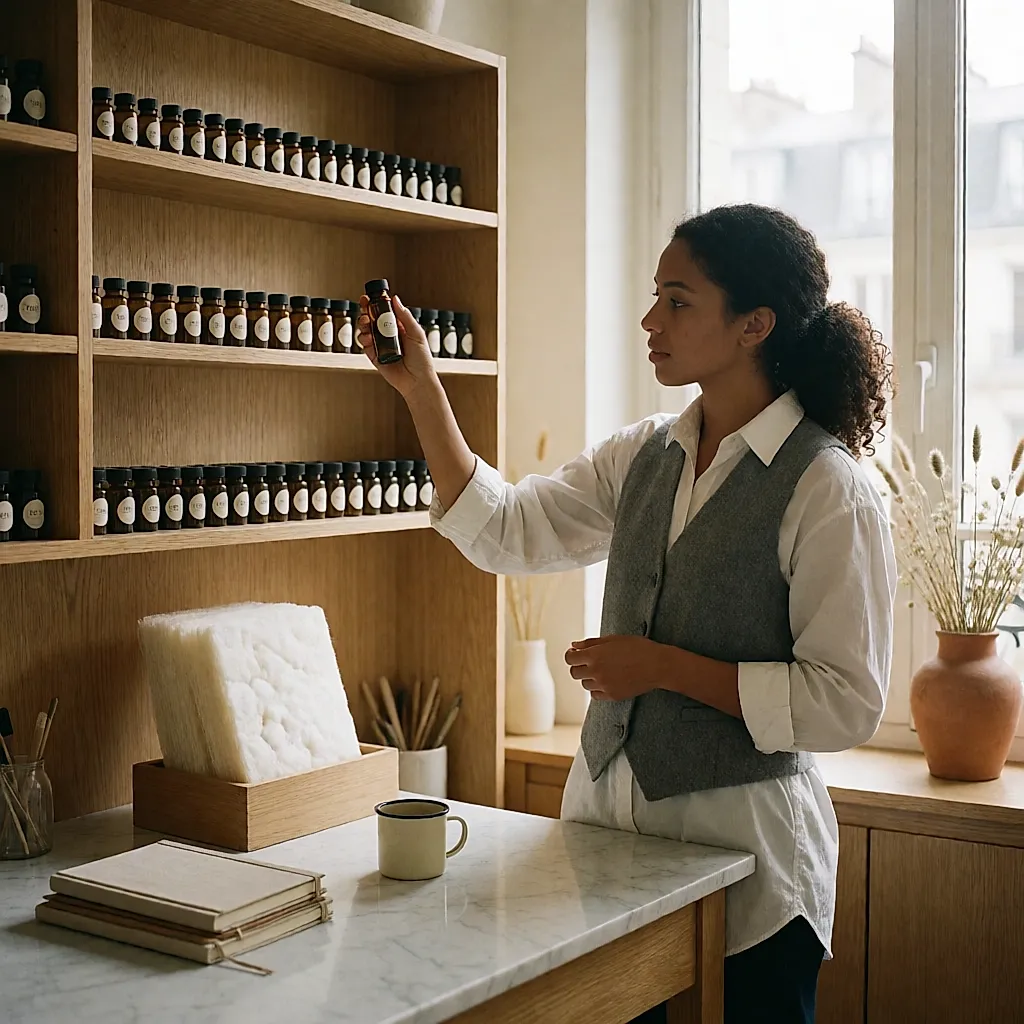
What has changed is what comes next. Career paths have also become more international: some train in France, spend several years in Dubai, Muscat or Singapore, then come back to compose in Paris. That experience beyond the French market can make them valuable.
A brief that is global from day one
For a long time, a French brand could design its perfume for its French customer, then export it. Today the brief is global from the outset: it has to appeal in Riyadh, Seoul, São Paulo and Lyon, often in the same bottle. A perfumer who has built their career in the Gulf or Asia knows what catches on there, and what sends people running.
Then there is the business side. In prestige, fragrance is often treated as a growth engine: a brand with a successful scent has recurring revenue, an easy gift to give and a gateway into its skincare. Small wonder brands look after the people who create their scents.
What it means for your bottle
In practice, you may have noticed without putting words to it: many recent perfumes feel denser, more resinous, longer-lasting. Textures have diversified too — oils, mists, hair perfumes — as layering has become more common instead of staking everything on one spritz. The morning ritual has been slightly shaken up, too.
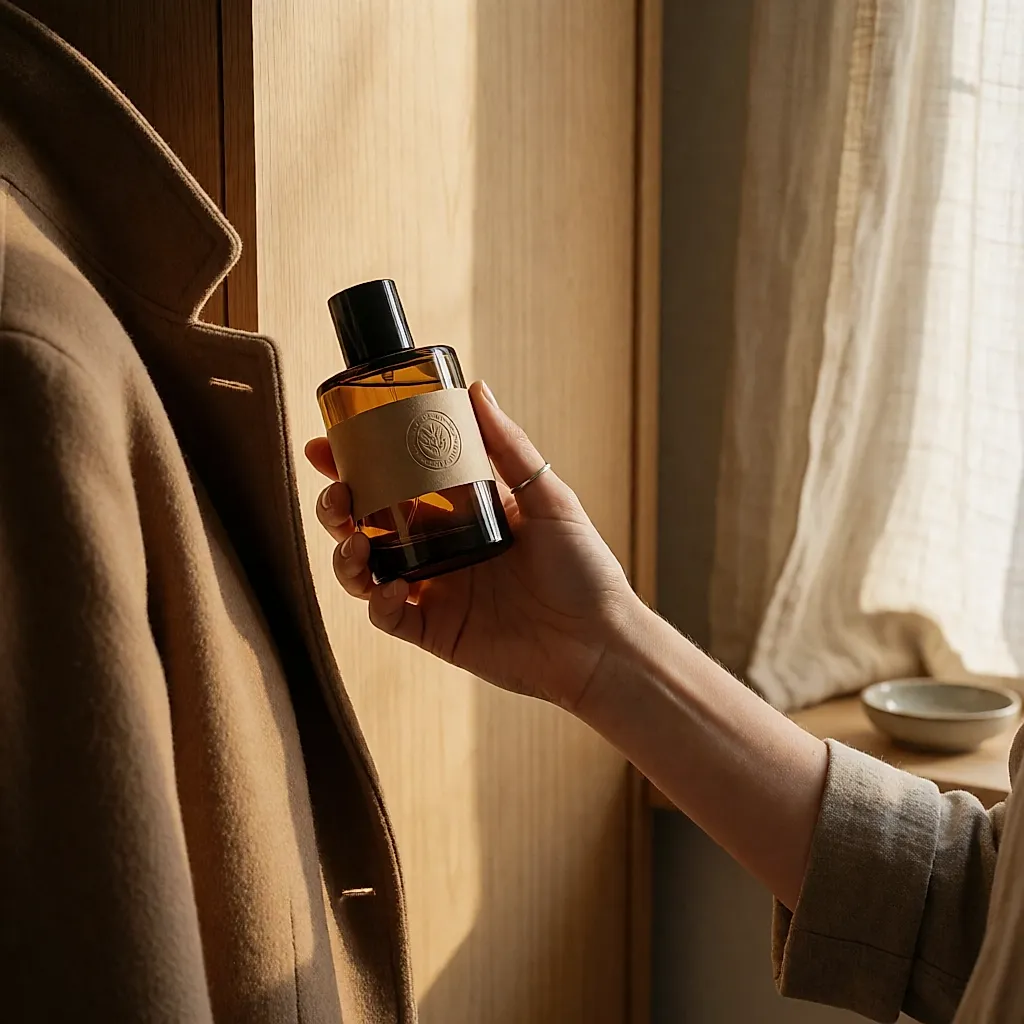
The way you apply it adapts too. Spray onto moisturised skin: many people find the fragrance clings better than on dry skin in winter. One spritz on a coat collar leaves a softer trail than a blast on the neck. And if a perfume feels overpowering in the shop, be wary: the first few minutes do not tell the whole story.
We will not pretend to guess what will last on your skin — nobody can do that for you. Try it, give it time, and judge at the end of the day rather than on first spray.
Three ways to get to grips with a denser fragrance
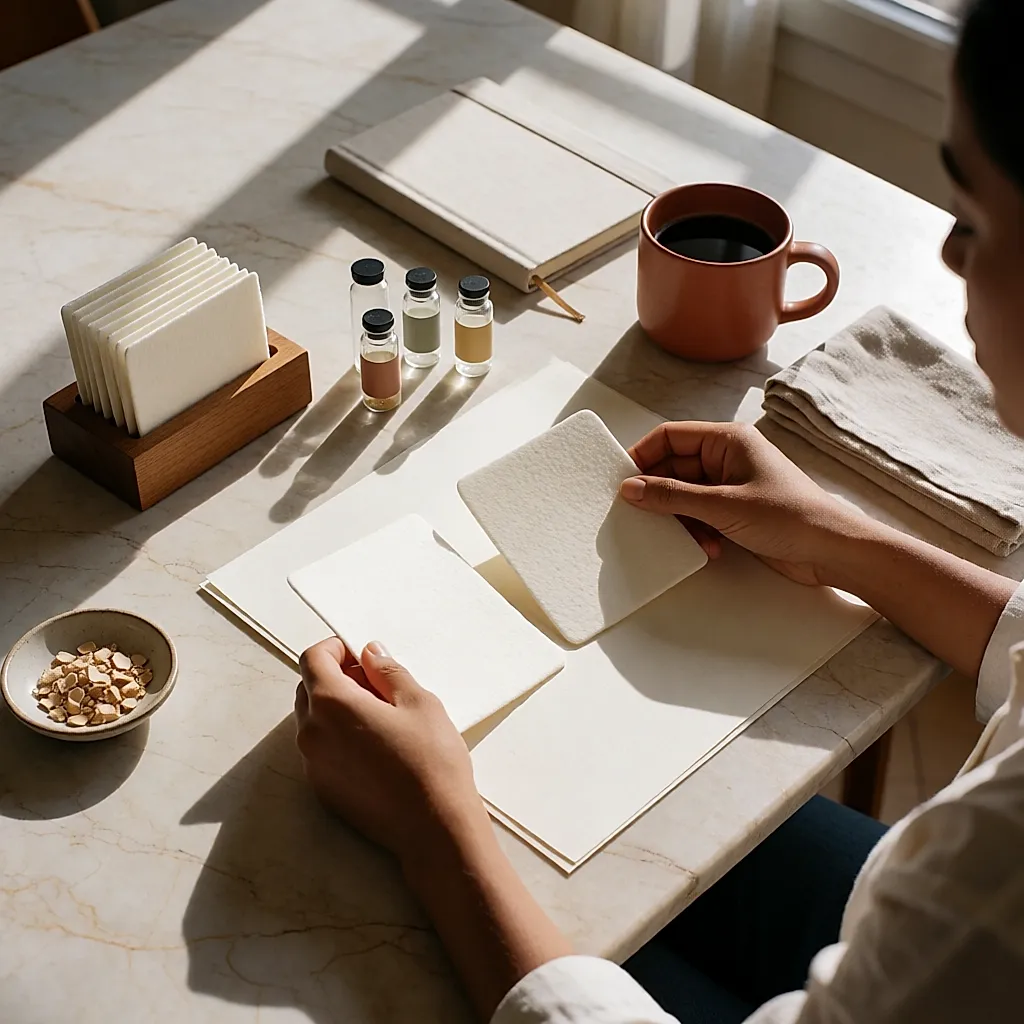
- Spray it on a tissue or a scrap of fabric first: you will smell the perfume without it mixing with your moisturiser.
- In practice, it is often worth waiting a while before deciding — ambery woods open slowly.
- One spray on the wrist and one on the collar is often enough. Two is already a lifestyle choice!
Budget
Do you have to spend a fortune? No. As a rough guide in the UK, expect to pay £15–40 for an eau de parfum in a supermarket or pharmacy, £60–130 for 50 ml from a designer brand at a department store or beauty retailer, and £115–260, sometimes more, for niche fragrance, often in a smaller size. Discovery sets and samples are still the best education: £10–35, sometimes partly redeemable against a full-size purchase, in store or online.
A useful habit: ask whether there is a refill or travel size. Some bottles can be refilled, which lightens the bill and the weight of glass thrown away. And check the actual volume before comparing two prices — a 30 ml and a 100 ml are not telling the same story. All that before you even get to Christmas gift sets!
Perfume has changed latitude, and that is no bad thing: the repertoire has widened, textures have multiplied, and you no longer have to smell of white peach to be elegant. The only thing that has not moved is the basic rule — a perfume should be chosen on skin, at the end of the day, rather than on a paper strip at midday. The rest is geography.

Comments
Your opinion matters: rate the article, react and reply to comments.
Comments are moderated; AI-assisted comments are flagged. Text emoticons (8-), :-), <3…) are automatically shown as images.