

The at-home manicure was meant to take ten minutes. You soak a cotton pad, rub, and the polish clings on as though you hadn't tried at all. So you press harder, the cuticles pull, and the nail takes on that chalky white cast you know only too well. The culprit is rarely the polish: it's the remover, picked up at random off the shelf, usually because it was on offer.
The good news is that it comes down to two or three criteria. Once you have them in your head, the label reads easily again — and the shelf stops being intimidating.
Acetone versus acetone-free
Acetone is still the most effective solvent going. It lifts a standard polish in seconds, and it is still what shifts a gel polish or a home-cured gel. The flip side is that it strips oil. The nail plate and the skin around it lose their lipid film, which is where the dryness, the ragged cuticles and the brittle nails come from if you reach for it every week.
The gentler formulas replace acetone with esters — ethyl acetate, butyl acetate — and sometimes a little alcohol. They are less aggressive, but they work more slowly, and none of them will dissolve a gel. If you wear gel polish, you need acetone, or a removal in the salon.
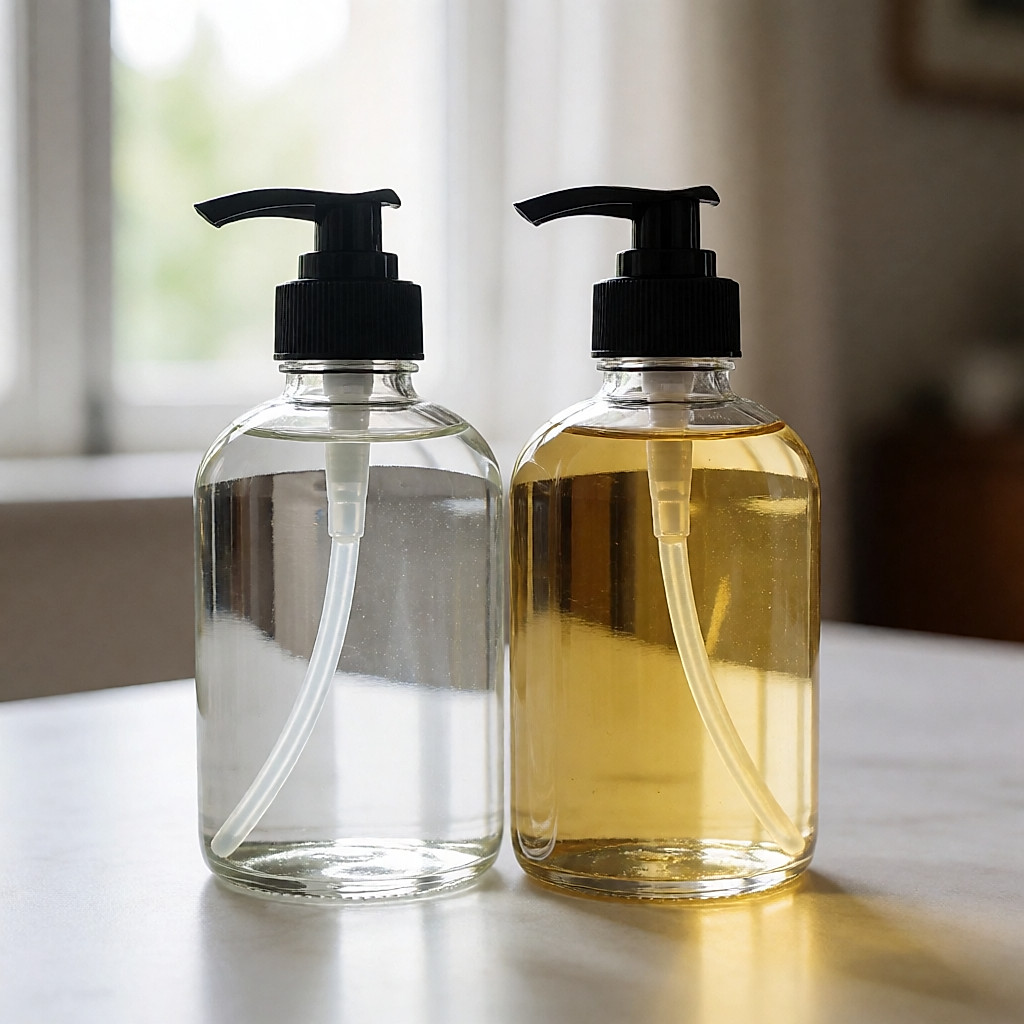
Reading the label without being taken in
Three groups of ingredients make the difference at the point of use: plant oils (sweet almond, castor), humectants such as glycerine, and panthenol, the provitamin B5 that soothes. As for texture, a thicker one sits better on the pad and drips less between your fingers — a detail that counts when you're soaking off gel.
Then be wary of the word "natural": in cosmetics it has no official definition. If a brand claims organic, look for a certification — COSMOS, Ecocert — and check on the certifier's website exactly what it covers. A remover is still a solvent product: use it with a window open, keep it out of reach of children, and never tip it down the sink. The empty bottle goes to your local household waste recycling centre.
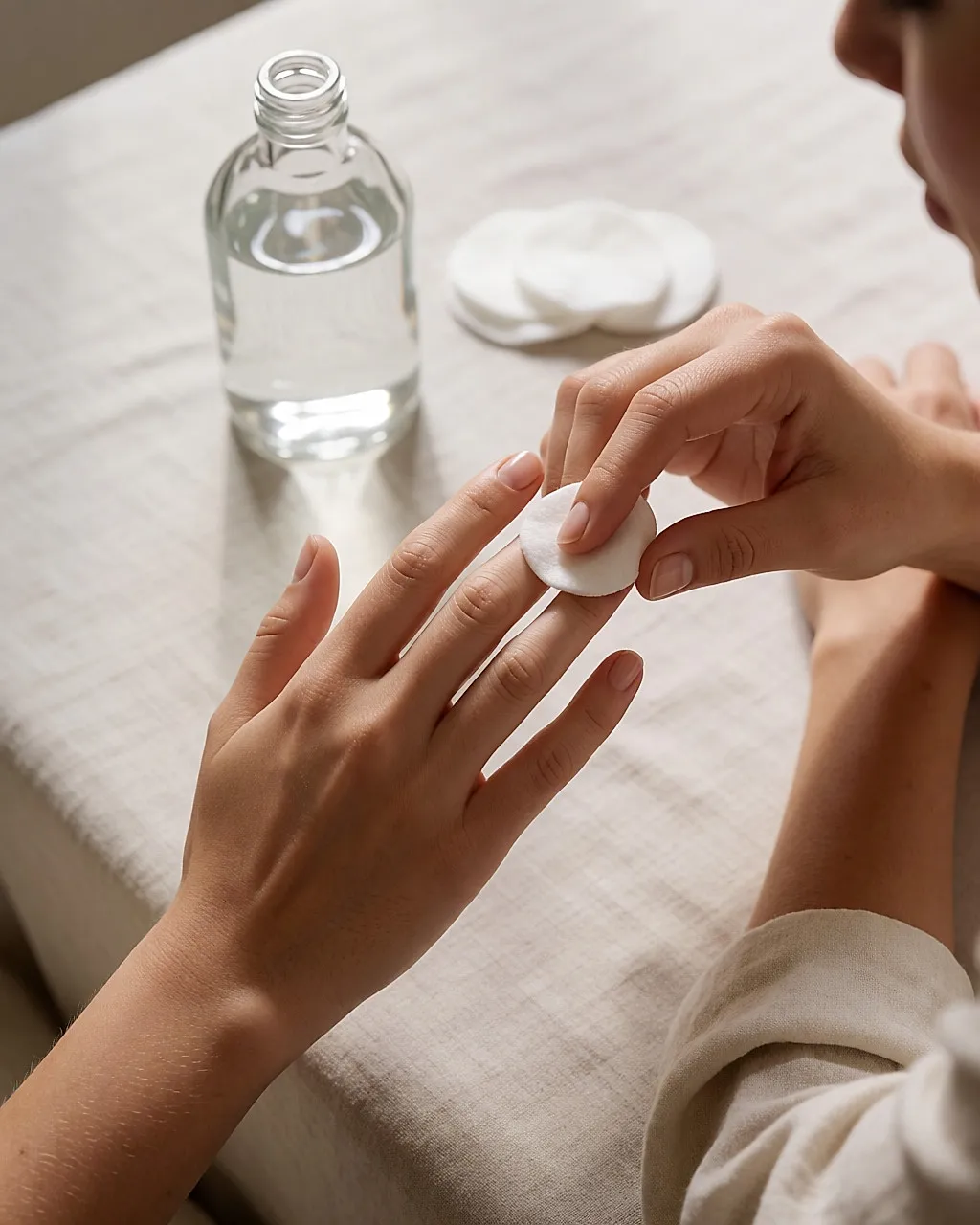
Where the damage happens
The drenched pad scrubbed like an eraser is what does most of the harm. Rest it, soaked, on the nail, count ten to twenty seconds, press, then slide from the edge towards the centre. Rinse, dry, and moisturise the cuticles straight away. Fewer moves, less damage.

The rest is down to consistency: an oil around the edges at night, and the nail grows back in better shape. Nothing magic — just a short routine you actually stick to.
Which format to buy
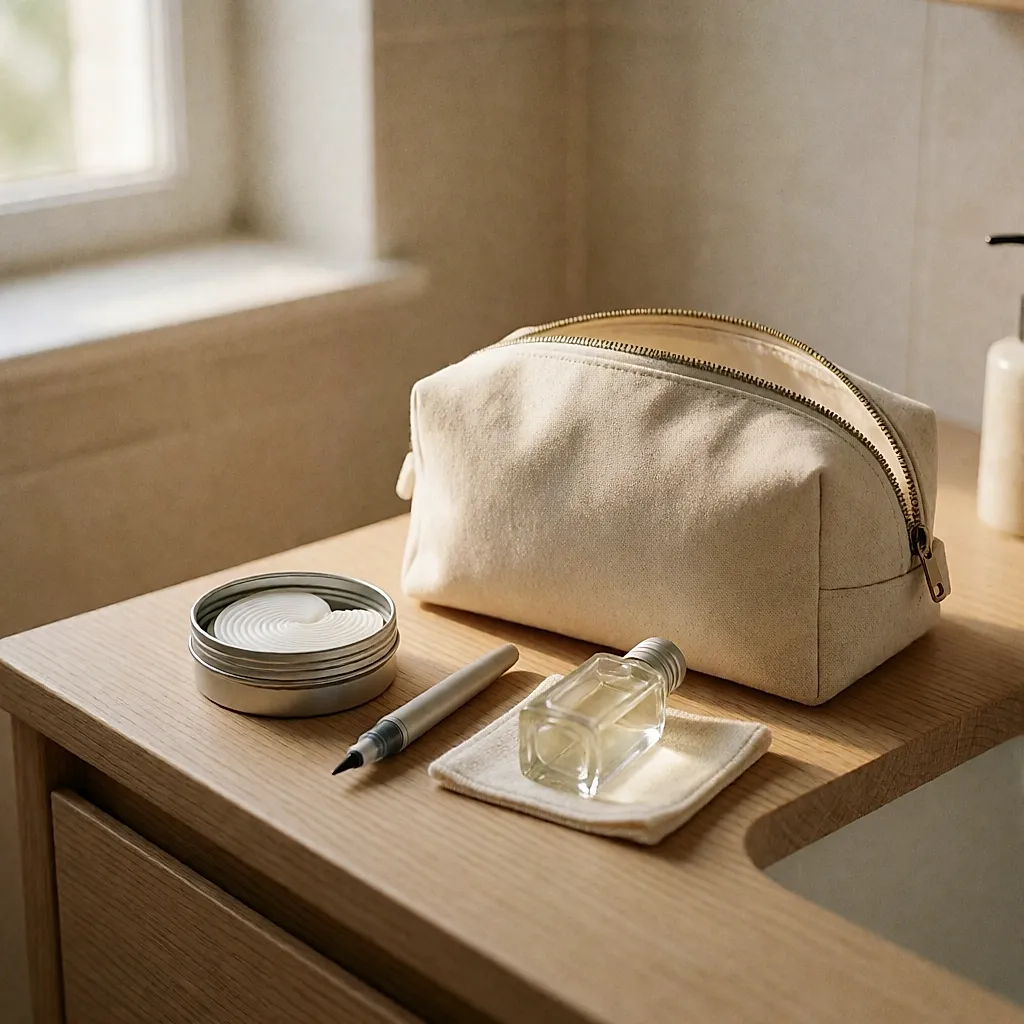
The liquid bottle remains the standard at home: the best ratio of product to packaging. The sponge pot is quick, but the sponge picks up polish and the pot stays open; keep it for occasional use. Impregnated pads earn their place when you travel, cost more per pad and arrive in a lot of packaging. And the pen touches up a chipped corner; it won't take off a whole manicure.
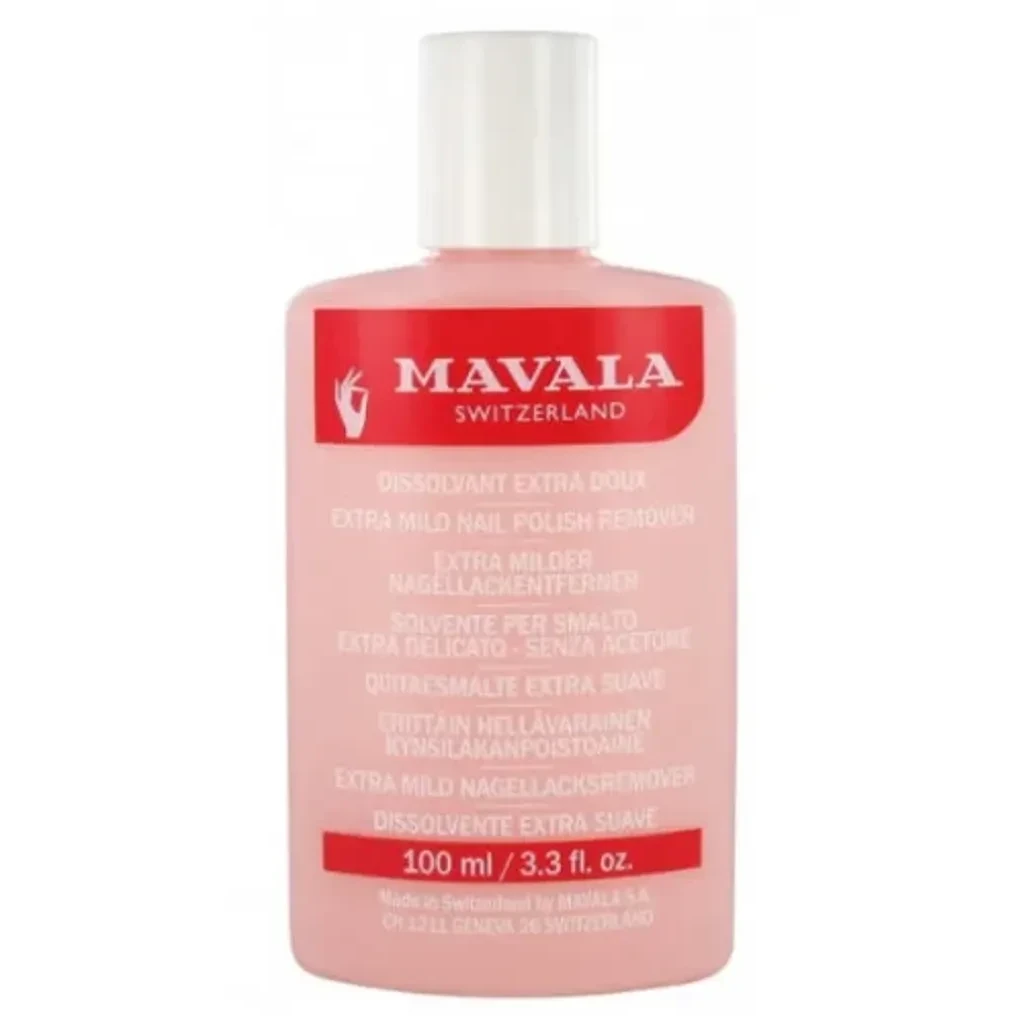
On the end-of-life side, this category is not impressive: few refills, a lot of plastic. Two simple levers: a glass bottle, and reusable cotton pads instead of disposable ones. Nail-specialist and clean-beauty brands such as Mavala, Kure Bazaar or Avril do make acetone-free formulas (Avril is French and thin on the ground on UK high streets, so check stockists online). When you're looking at one, read the ingredients, check for a certification and look at the container. I'm not handing you a ranking: I haven't retested these bottles recently, so what you are getting here is criteria.
Budget
In the UK, expect roughly £3 to £6 for a 100–200 ml acetone-free remover from a supermarket or pharmacy, and £5 to £10 for a sponge pot. A specialist or clean-beauty brand runs to about £8–£15 for 100–200 ml from a beauty retailer, a health-food shop or online. Impregnated pads: £5 to £10 a pack. Reusable cotton rounds: £8 to £15 for ten. Salon removal of a gel polish varies with the salon, the region and their pricing — best to ask. Treat all of it as a rough guide rather than a quote, especially online.
What moves the price: the format, the range, whether there are oils and panthenol, the container, where you buy it. Online, duo packs and refills bring the cost per millilitre down — but you can't smell the product first.
If you only remember one thing: an acetone-free bottle for everyday upkeep, and a small bottle of acetone kept back for gels and gel polish. Two products, two jobs, rather than forcing one remover to do the lot.
Sources
- Regulation (EC) No 1223/2009 on cosmetic products, as retained in UK law and enforced by the MHRA.
- INRS toxicological data sheet on acetone (French national institute for occupational health), kept as a technical reference.
- COSMOS-standard: what the certification covers and where it applies.
- Recycle Now (recyclenow.com): household guidance on empty packaging and where to take it.

Comments
Your opinion matters: rate the article, react and reply to comments.
Comments are moderated; AI-assisted comments are flagged. Text emoticons (8-), :-), <3…) are automatically shown as images.