
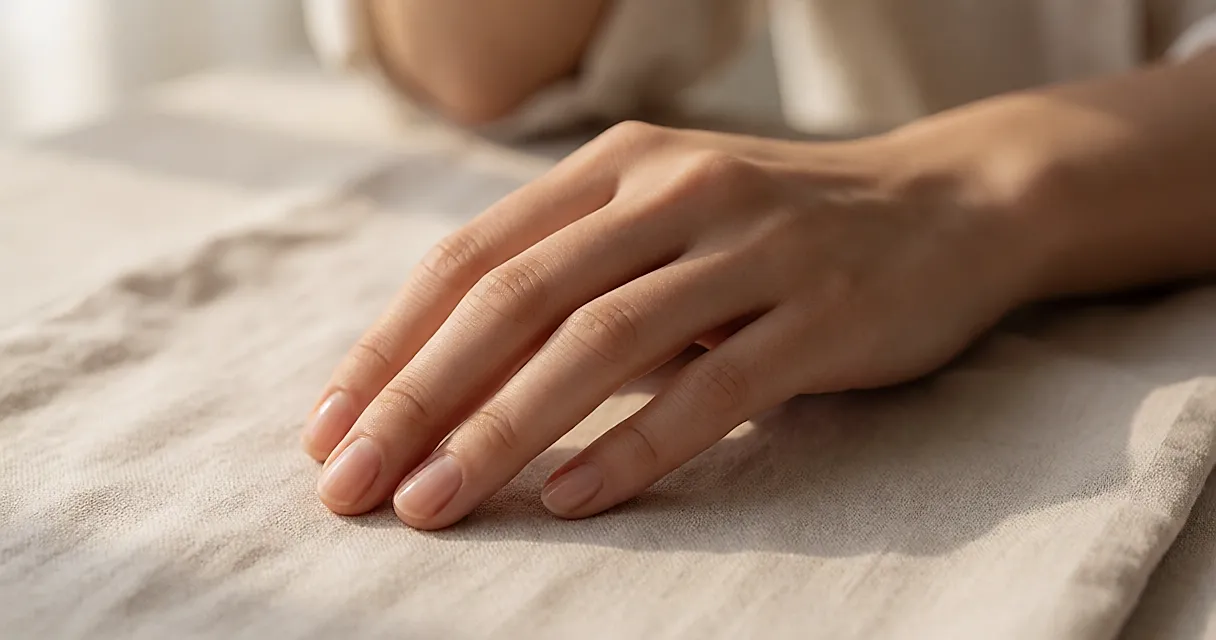
What's really going on under the colour
Semi-permanent gel polish and gel overlays have one thing in common: they bond to the nail and then have to come off. In between, there are layers of product, curing under a lamp and then removal—often with acetone, sometimes with a file. Repeated every three or four weeks, in practice that cycle can take its toll on the nail plate. Cue splitting edges and nails that snap at the worst possible moment.
That said, not every pair of hands reacts the same way. Some people can keep up back-to-back appointments for months without any visible damage; others notice a difference after two cycles. Genetics, the quality of the application, how gently the gel is removed and how often you go all matter as much as the product itself. So a break isn't a rule set in stone: it's a case-by-case decision, made by listening to what your nails are telling you.
The signs it's time to stop
How do you know when it's time to put the file down and leave your nails alone? There are some telltale signs. An edge that peels at the slightest rub, a nail that bends under pressure—sound familiar? White marks that appear for no reason, sensitivity to cold or hot water: these are worth noting. Lifting that happens very quickly can also be a sign.
On the other hand, don't panic at the first little mark. Nails grow and they put up with a lot. And if pain, redness or a change in colour persists, don't play at being a dermatologist: see a healthcare professional, who can look at what's happening beneath the surface.
Removal is what makes all the difference
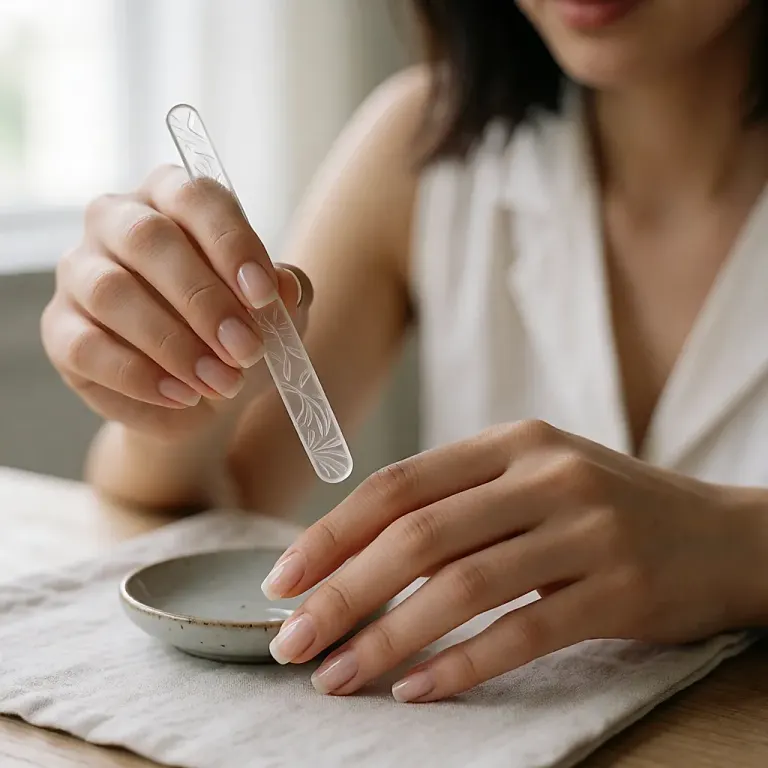
This is often the make-or-break moment. A successful removal starts with patience: don't pull at a lifting corner, don't bite the polish, don't rip it off 'just to see'. Let acetone or a suitable remover do its job. Then file with a fine-grit file, in one direction, without pressing as if you're sanding a plank of wood. Coarse electric files and rough handling do more harm than good.
Once the gel is off, resist the urge to reapply straight away. A bare nail is nothing to be ashamed of; it's actually a good way to see where things stand. If the dull finish bothers you, a clear nourishing base coat will do the job—a light polish, with no promise to rebuild the nail, that protects without sealing it in.
The break routine: three moves that make a difference
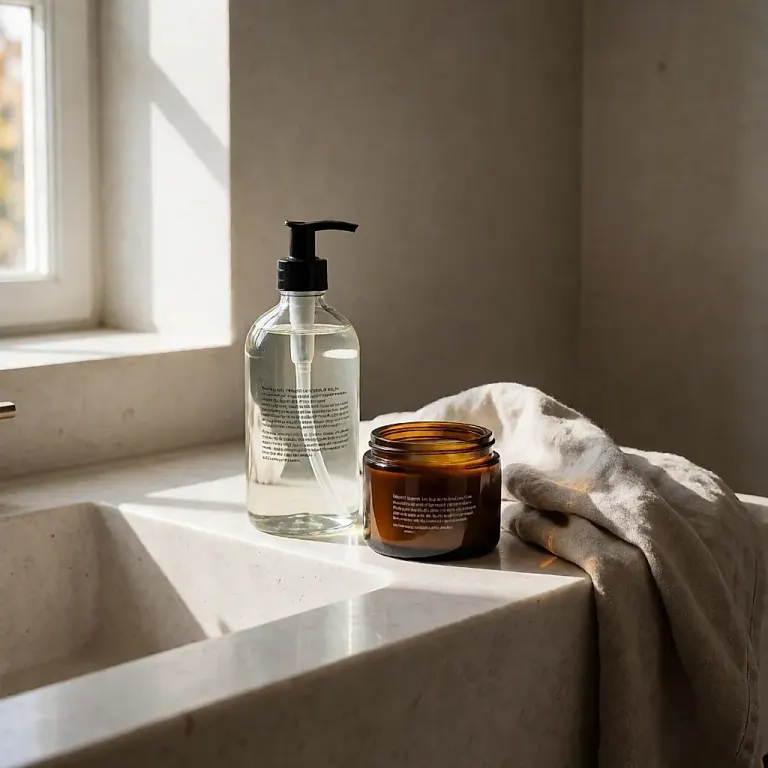
The first comes in a bottle. Plant oil—jojoba, sweet almond, castor—massaged into the cuticles and over the nail surface nourishes the surrounding skin and softens the keratin. The action matters as much as the product: massage, let it sink in, repeat. In practice, you can massage as often as you need, with no set time limit—this isn't a spa treatment.
Second, sensible filing: maintain the shape with a soft file rather than cutting everything off. Third, protection: gloves for washing up and household cleaning products, and nails that don't double as screwdrivers or bottle openers. As for how long the break lasts, it's a judgement call: long enough for healthy regrowth to come through and for the edge to stop crumbling—often a few weeks. You'll know when you're ready to book the next appointment.
Budget
At the salon, a semi-permanent gel polish application often sits between £35 and £60, a removal on its own between £10 and £20, and a full care appointment—removal, filing, hydration—between £20 and £40. Prices vary by city, technician and how complex the design is. Some salons include removal in the reapplication; others charge for it separately.
At home, a break costs less: an organic plant oil can be found for £5–£15 in health food shops, beauty retailers or online; a nourishing base coat for £8–£20; a fine file for £3–£8. For base coats, French brands such as Kure Bazaar or Manucurist highlight shorter ingredient lists—check the INCI closely, bottle in hand, rather than trusting the promise on the front.
The edge test: gently rub the nail against a wool jumper. If it snags or frays, the break has lasted long enough—or the removal was too rough.
There's no such thing as the perfect break: some nails put up with everything, while others ask for mercy sooner. The important thing is not to wait for a breakage before you listen. An oil, a soft file and the right to say no to the next appointment—that's already a method.
Comments
Your opinion matters: rate the article, react and reply to comments.
Comments are moderated; AI-assisted comments are flagged. Text emoticons (8-), :-), <3…) are automatically shown as images.