
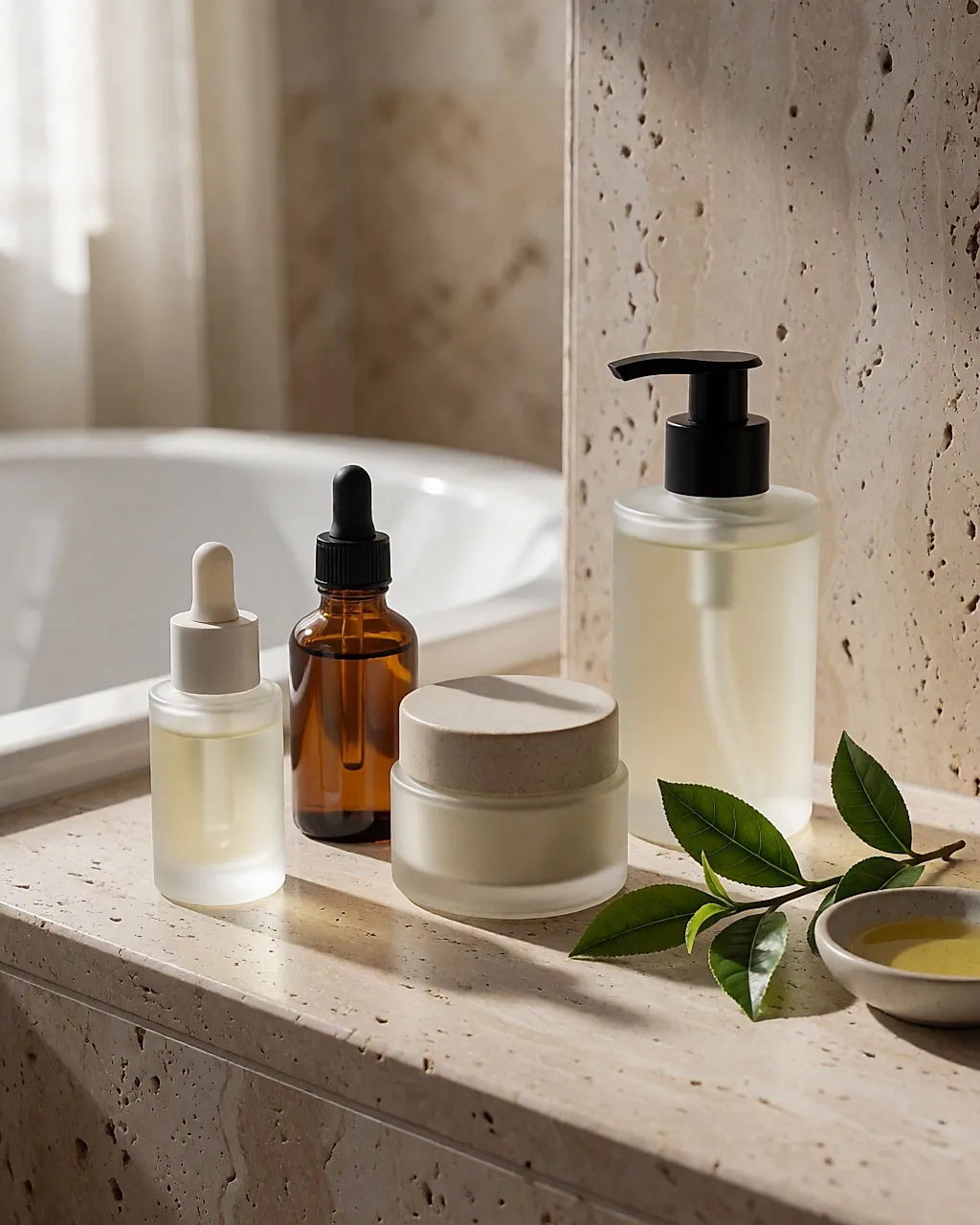
Your skin feels tight, fine lines are showing up more clearly in the morning light, and the cream you bought in spring clearly isn't cutting it anymore. So you're weighing it up: wait for an aesthetic treatment, or start looking after your skin now? That's exactly the gap Mtx is stepping into with a new anti-ageing skincare range.
Before and after: the range's promise
The starting idea can be summed up in one sentence: the brand has launched several products to support skin around an aesthetic procedure — cleansing, moisturising, soothing, smoothing. In practice, that means a product to prepare the skin barrier before your appointment, then textures designed to limit tightness, redness and flaking in the days afterwards. One point never to overlook: no cream replaces your practitioner's advice. After a laser, peel or injectable, they decide which skincare you can use and how soon you can go back to it.
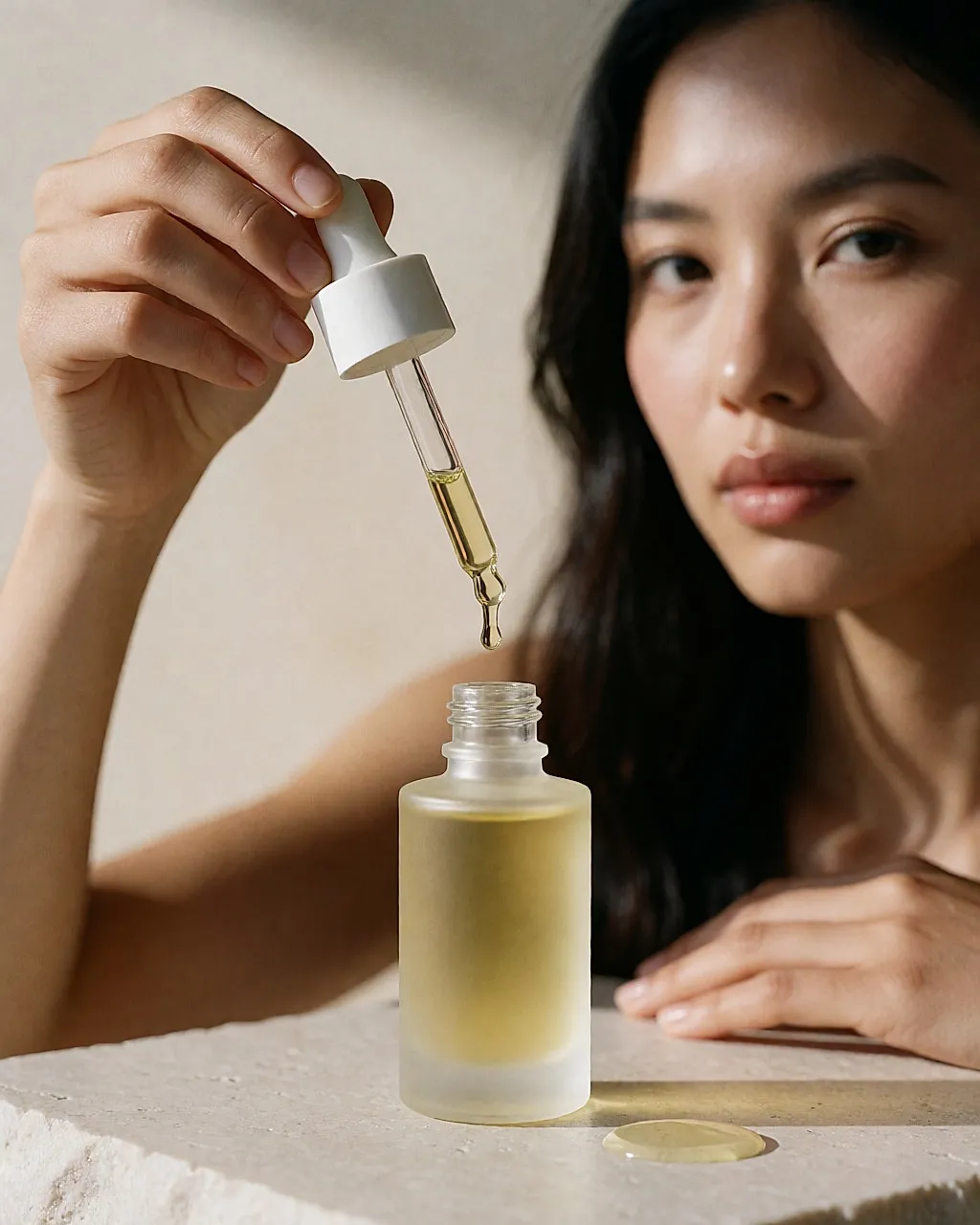
What's in the formulas
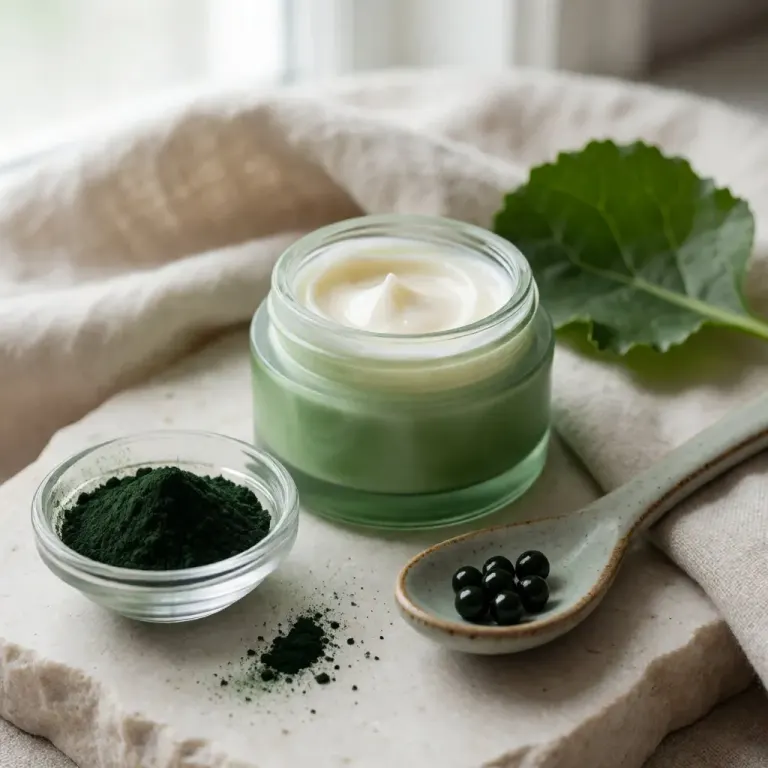
The common base has a name: A.I.M. According to the brand, it contains tamanu oil, rich in omega 6 and 9; madecassosides from centella, already found in many repairing products; green tea extract, an antioxidant; and lipoamino acids, which are close to the skin's structure. The range then breaks down into a cleansing gel, a moisturiser, a serum and a preventive anti-ageing cream. There's no secret here: these are well-documented ingredients in reparative skincare, formulated into fluid, lightweight textures. The useful habit is to check the INCI list to see that they're actually there, and how high up they appear.
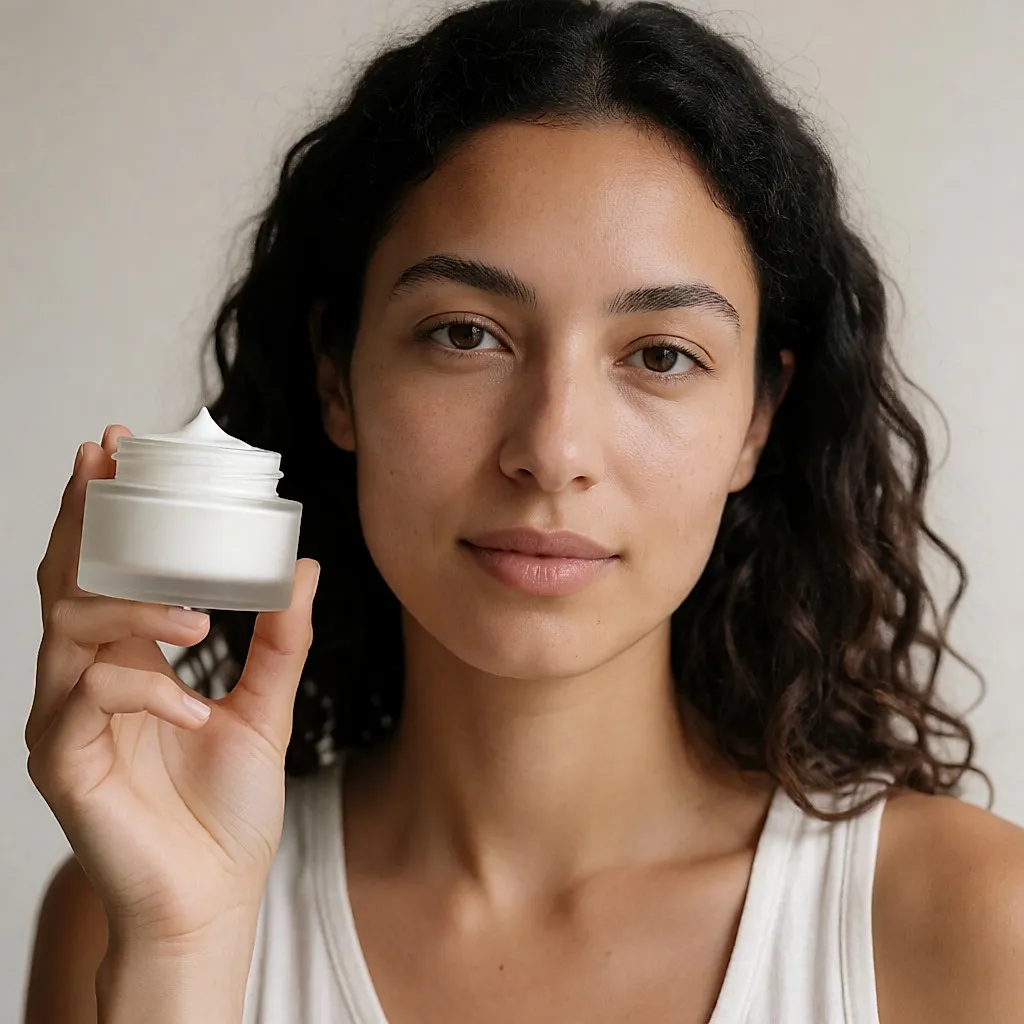
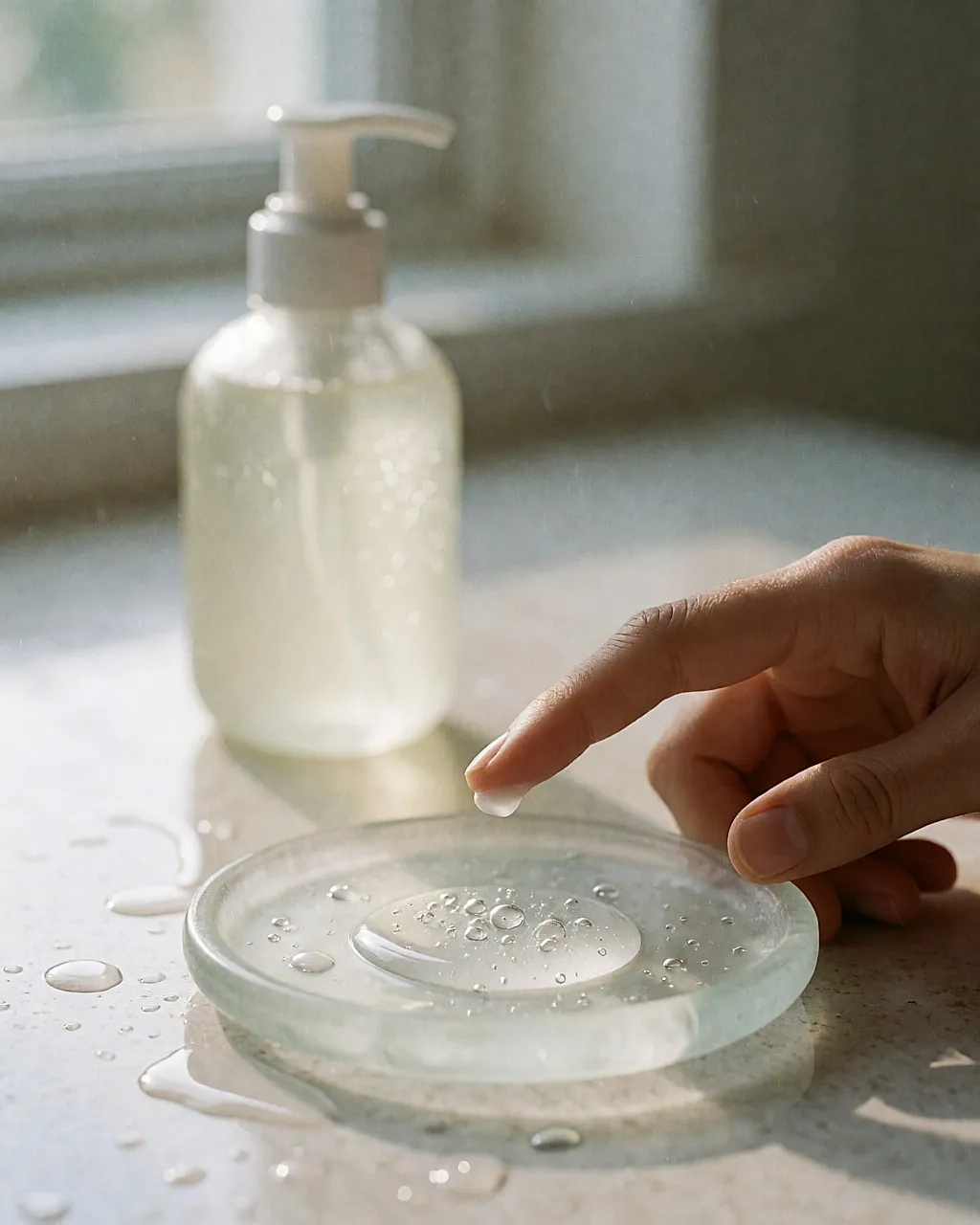
Read the ingredient list in order: an active listed on the very last line is often present only in trace amounts. And check the full INCI list rather than trusting a 'free-from' logo — in cosmetics, fragrance allergens and preservatives are the things worth looking at closely.
Claims to take with a pinch of salt
Three claims have aged badly. Hypoallergenic isn't a regulated term: prefer 'dermatologically tested', which is more concrete and more verifiable. 'Paraben-free' says nothing about the quality of the rest of the bottle, or the other preservatives used. And 'not tested on animals' has been the rule in the UK and EU for years: the EU sales ban came into force in 2013. The real issue is the markets that still require these tests, and the export routes used by some brands. In other words, a marketing claim worth reading with a little distance.
What's it actually like?
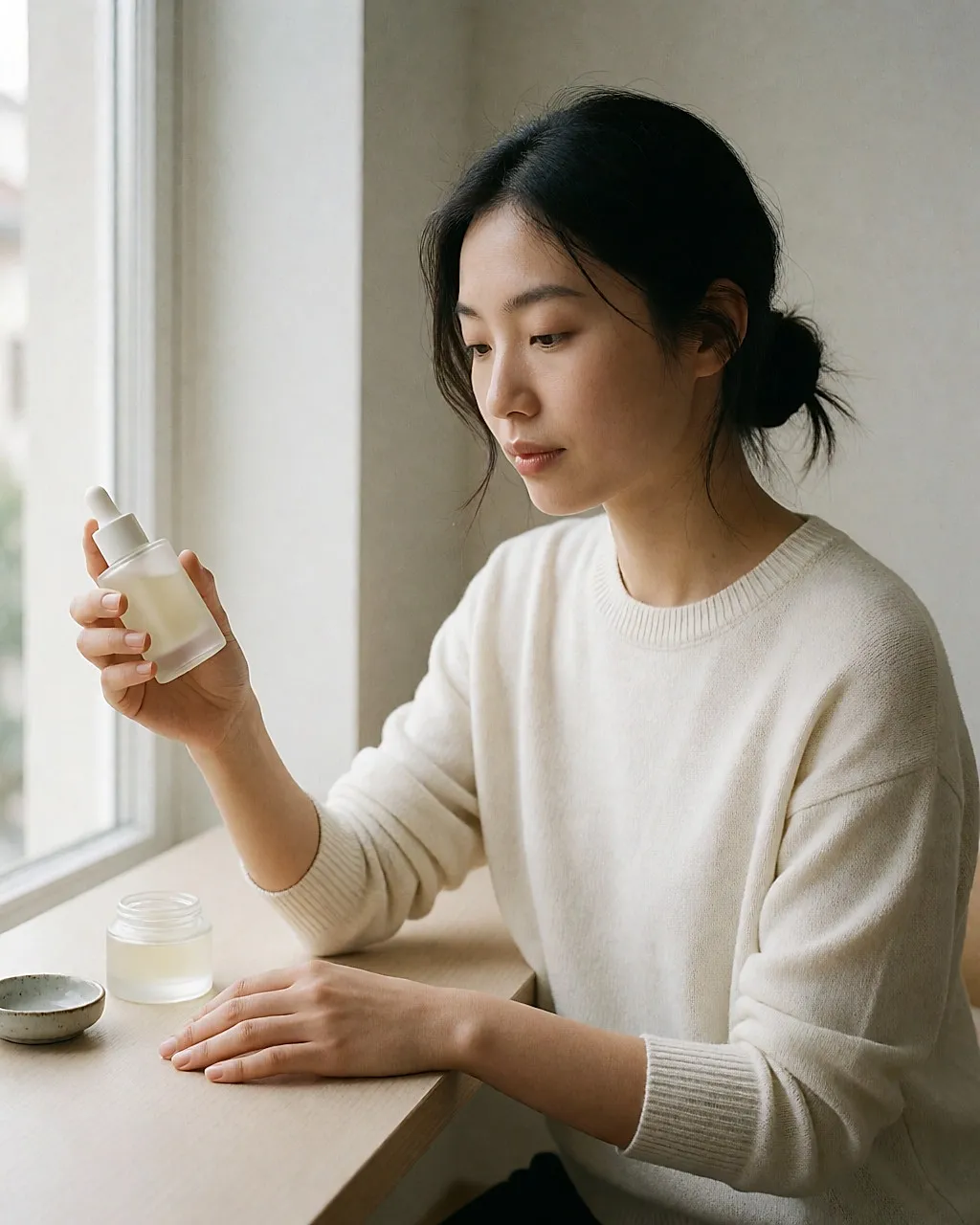
I haven't tested this range, I'll say that straight away: what follows comes from the brand's communications, not from personal experience. What we can say is that the promise rests on known ingredients, and that the real variable isn't the length of the ingredient list but your consistency. The step that changes everything isn't layering five products: it's applying your skincare every evening, on clean skin that's still slightly damp, for several weeks. On that front, no formula does the work for you.
Budget
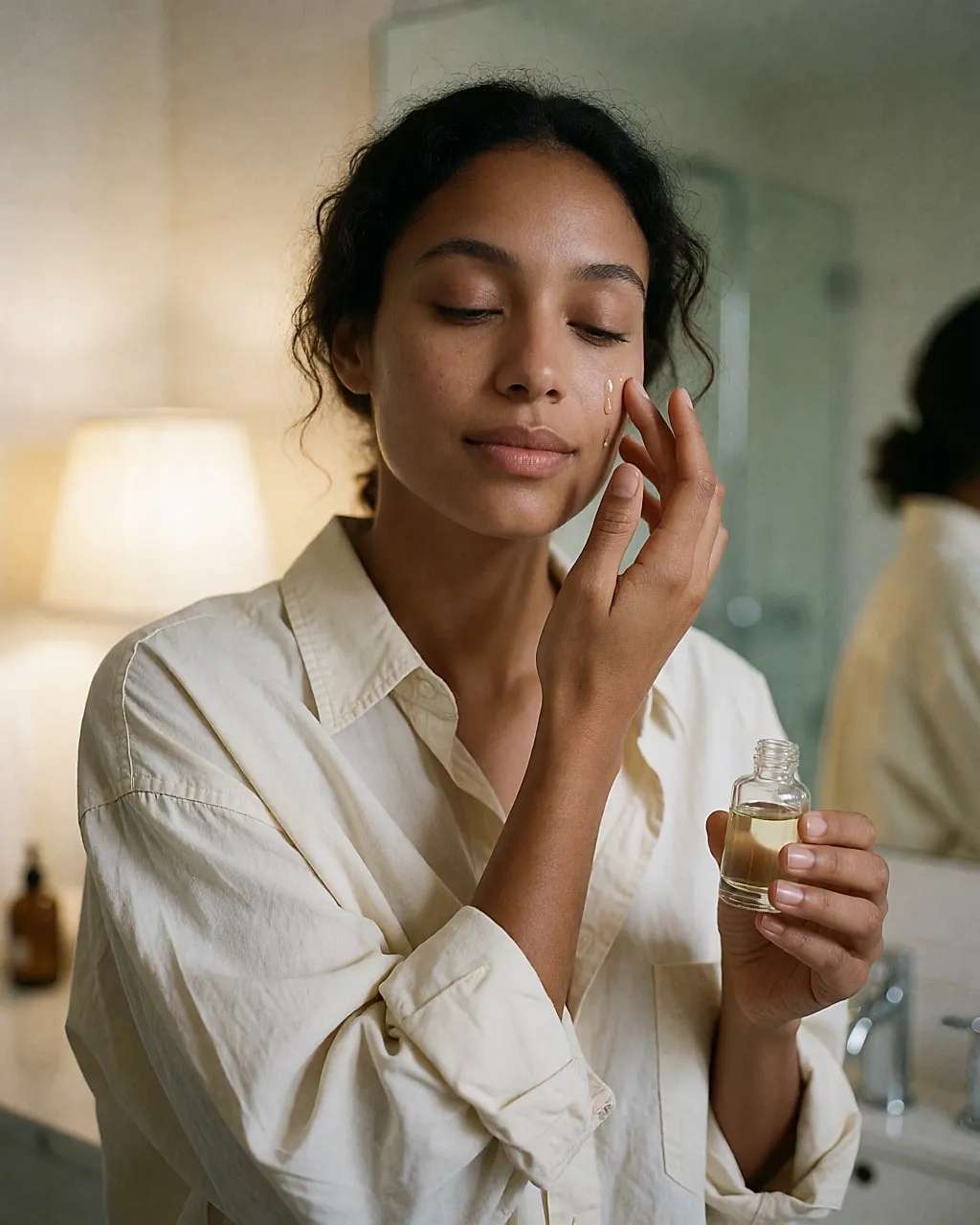
Budget-wise, expect to pay around £17–£38 for a serum from a pharmacy or beauty retailer, £13–£34 for a moisturiser, and £21–£51 for a targeted anti-ageing cream. Price depends on the concentration of actives, the packaging and where you buy: online pharmacies and supermarkets pull prices down, while dermatological brands and clinics push them up. A treatment in a salon or clinic is more likely to sit between £50 and £100, depending on the treatment and the city.
If you're after a more no-nonsense alternative, a certification such as COSMOS Organic (Ecocert) sets a minimum percentage of organic ingredients and a specific list of exclusions — a way to keep things clear without the spin. A glass bottle or a refill limits plastic at source, provided the refill is genuinely available: otherwise, the benefit remains theoretical. Expect to pay a few pounds more on the first purchase, less afterwards.
Sources
- UK Cosmetics Regulation and OPSS guidance on cosmetic products.
- European Commission, ban on animal testing for cosmetics in the EU (2013).
- Cosmetic, Toiletry and Perfumery Association (CTPA), information on UK cosmetics regulation and manufacture.
- COSMOS ORGANIC standard, Ecocert Greenlife.
Comments
Your opinion matters: rate the article, react and reply to comments.
Comments are moderated; AI-assisted comments are flagged. Text emoticons (8-), :-), <3…) are automatically shown as images.