
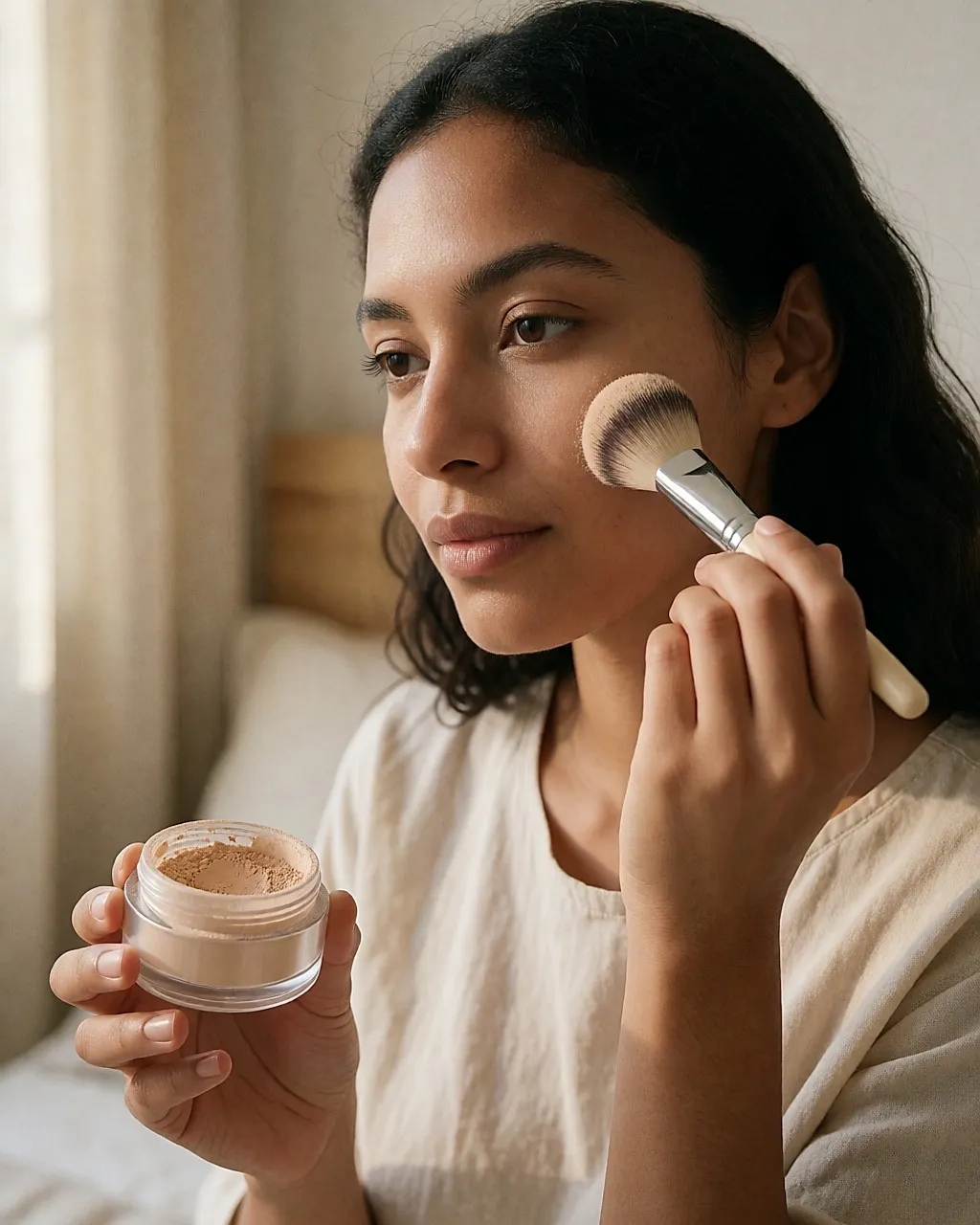
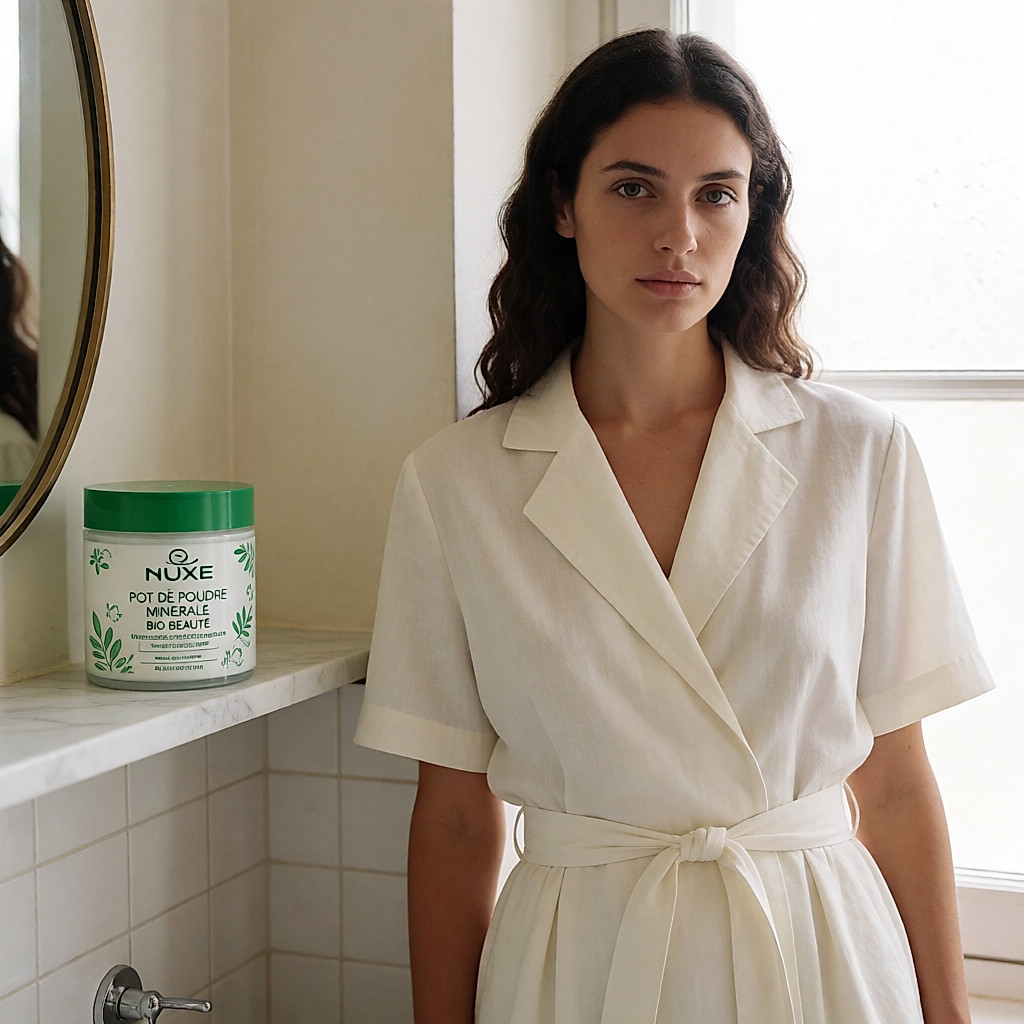
You know the cycle by heart. A spot appears, you cover it, you cleanse properly at night, and by morning it has brought two friends along. Let's be honest: foundation is often the first suspect. Many liquid formulas contain oils and silicones that can feel suffocating on certain skin types. That's exactly why I dug out my mineral powders again — and I haven't put them down since.
Why mineral formulas change the game
The idea is simple. Instead of an emulsion, you apply a blend of powders. Titanium dioxide and zinc oxide give the formula its covering power and can filter some UV — though they are no substitute for sunscreen; iron oxides provide the colour; mica creates the luminous finish. Often water- and oil-free, these formulas need little or no preservative.
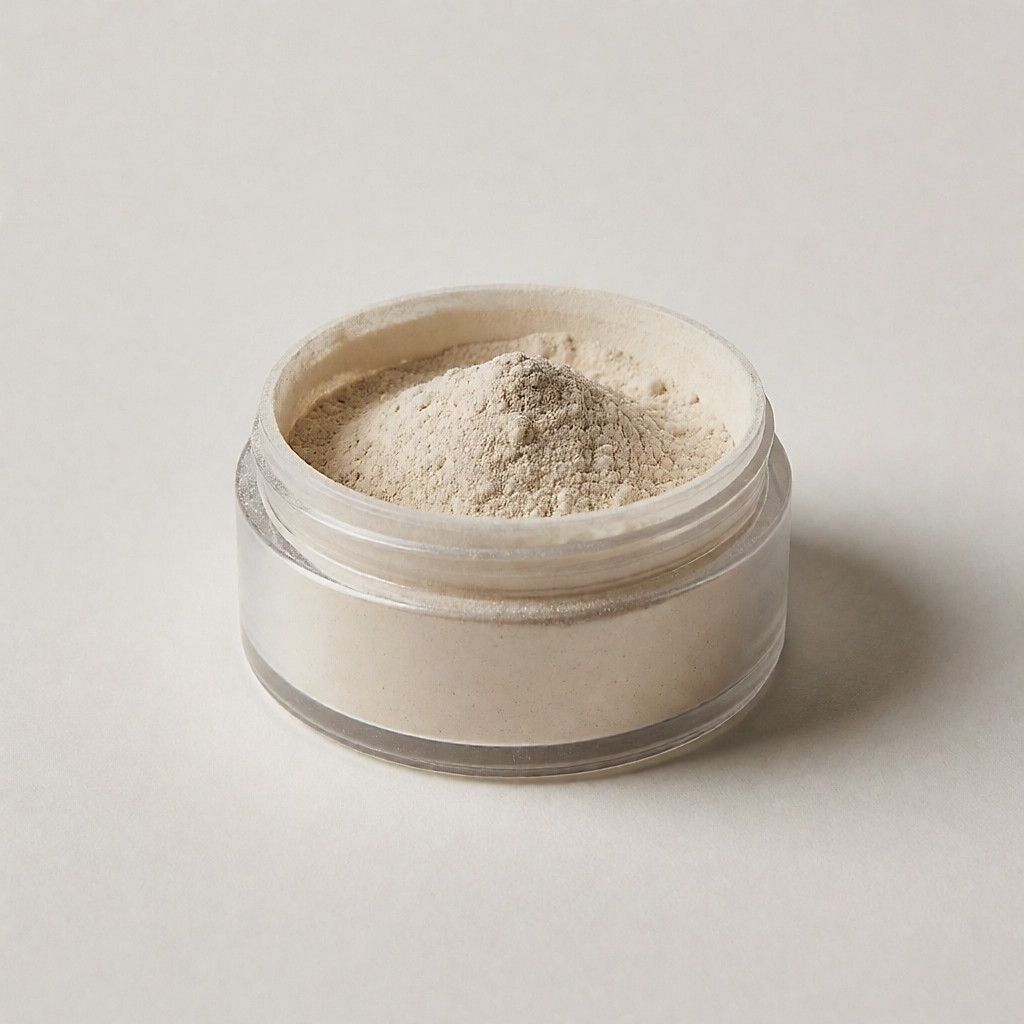
The result: a dry formula that's less likely to clog pores — although no formula guarantees zero spots. This is what's known as a non-comedogenic texture — in other words, one that doesn't block pores. On combination to oily skin, it can make a real difference.
An important caveat: 'mineral' doesn't mean 'beyond reproach'. Some powders contain fillers, fragrance or skin-feel agents that aren't exactly brilliant. The smart move is to read the INCI list rather than the 'natural' sticker printed on the box.

The finish in real life
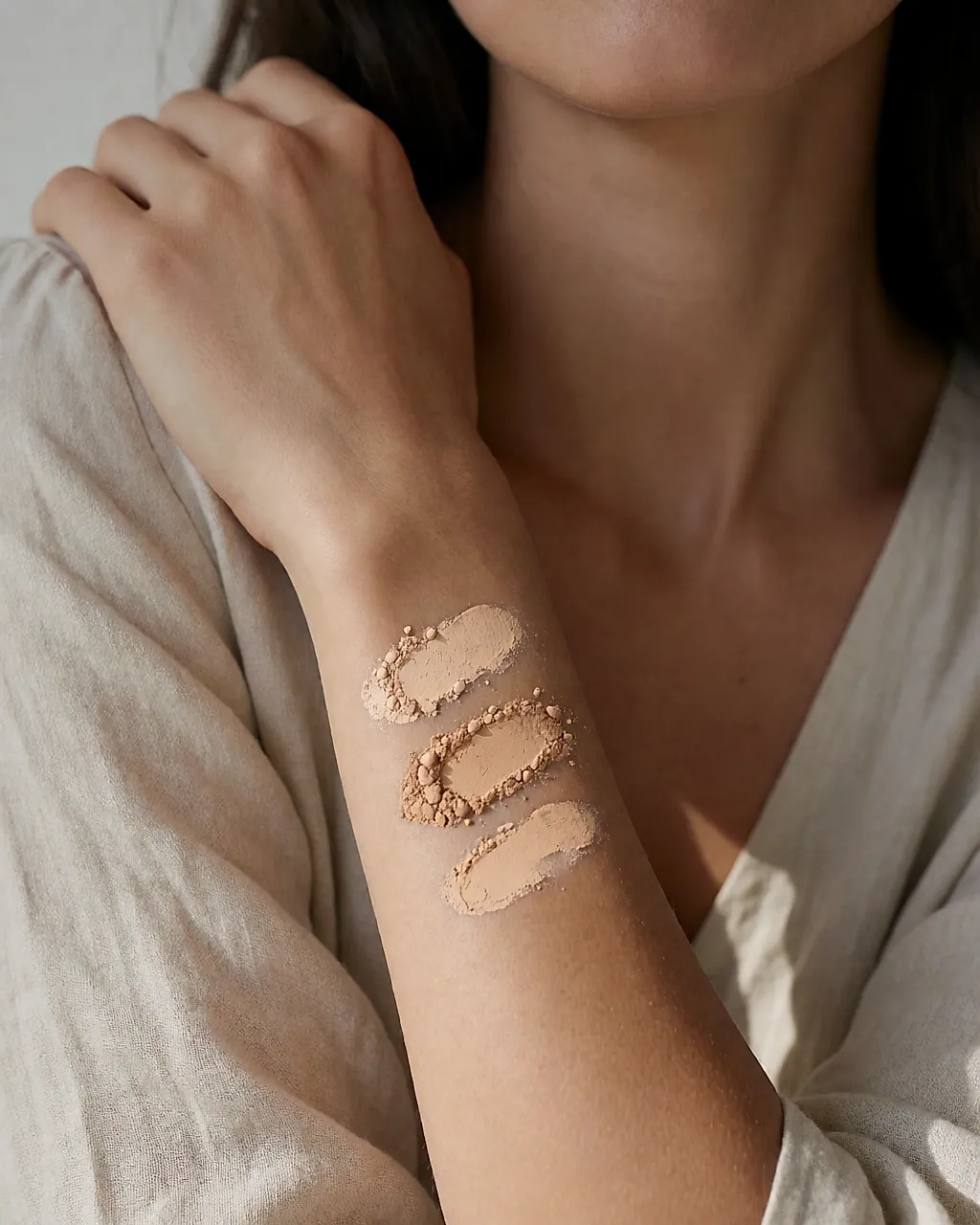
What does it actually look like on the skin? A powdered, velvety finish — never shiny if you choose the mattifying version. The complexion looks more even, redness is softened, and skin stays luminous without feeling smothered.
What I like less: on very dry or dehydrated skin, the powder can settle into tight patches. You need to prep the skin first — serum, rich moisturiser — then wait a minute before applying. That's the small tweak that helps avoid a floury look.
The technique that changes everything
You don't need much. The rule is four words: use little, blend well.
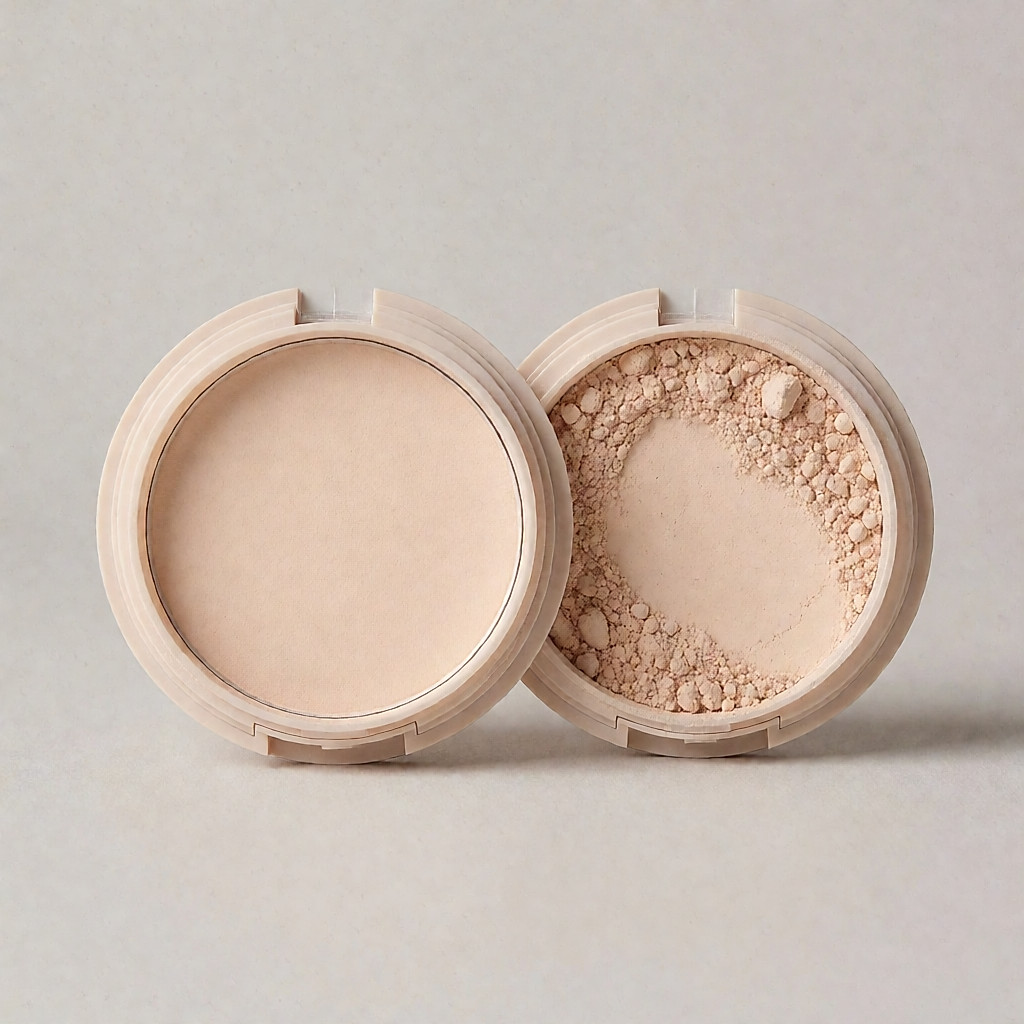
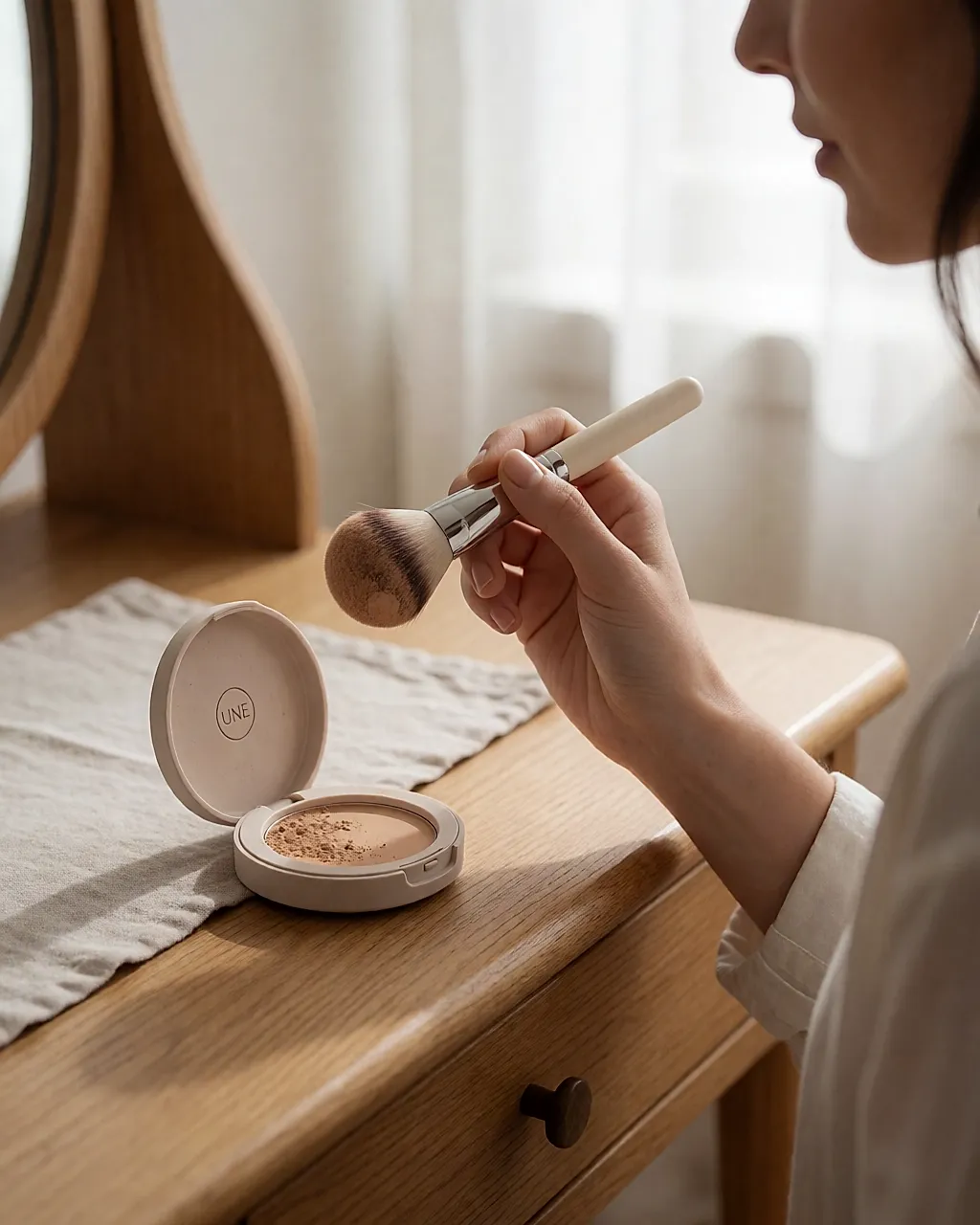
- Tip a small amount of powder into the lid.
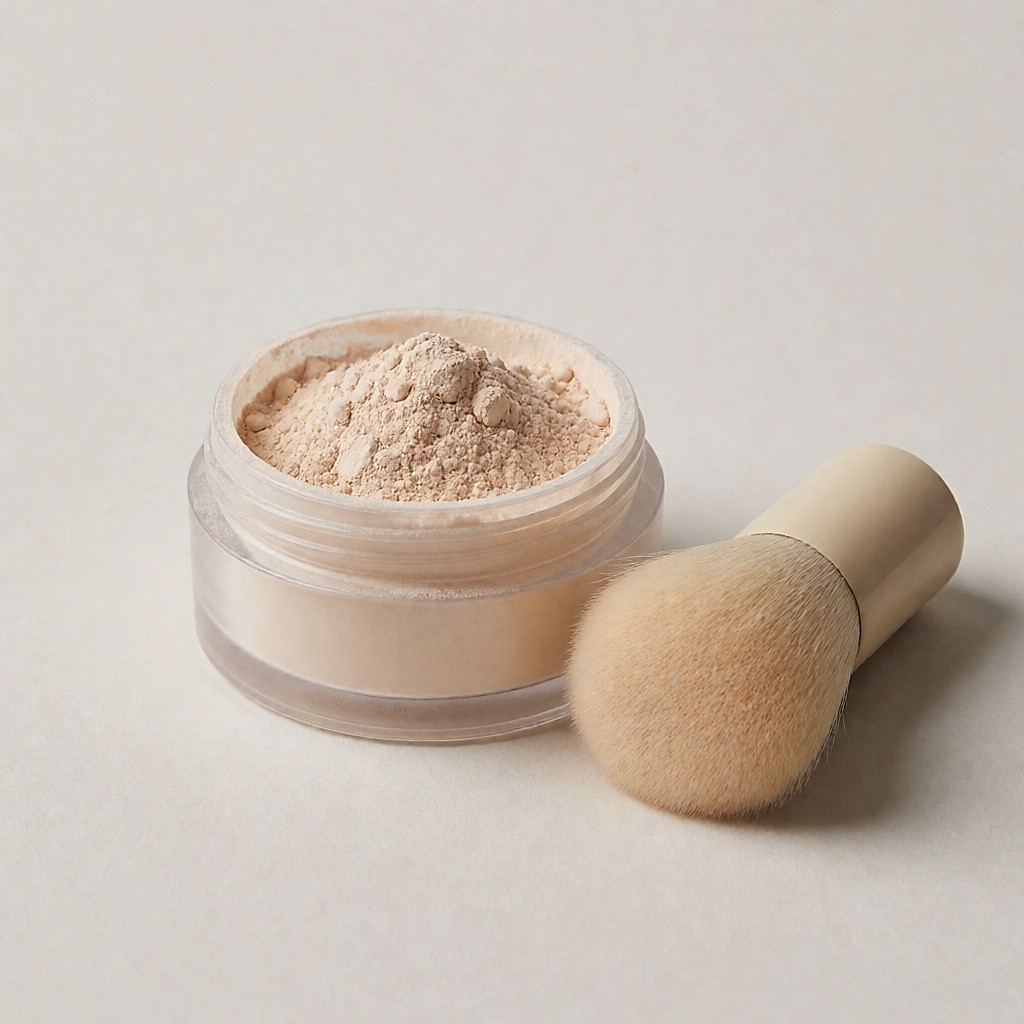
- Dip a kabuki brush in, then tap off the excess.
- Apply in circular motions, working from the centre of the face outwards.
- Build up only on the areas you want to cover.
The finish is buildable: light in the morning for the office, more coverage for an evening out. And at night, a simple cleanse is enough — no need to pile on a double cleanse.
Léna's test. A loose mineral powder in refillable format, tested for three weeks in the city, between Tube journeys and meetings. The finish lasts a working day without looking mask-like — provided you moisturise dry areas around the nose before applying. Three weeks later, no new spots on my forehead: enough to keep going, though I won't swear it's solely down to this.
What to look for when choosing
To narrow it down, look at four things.
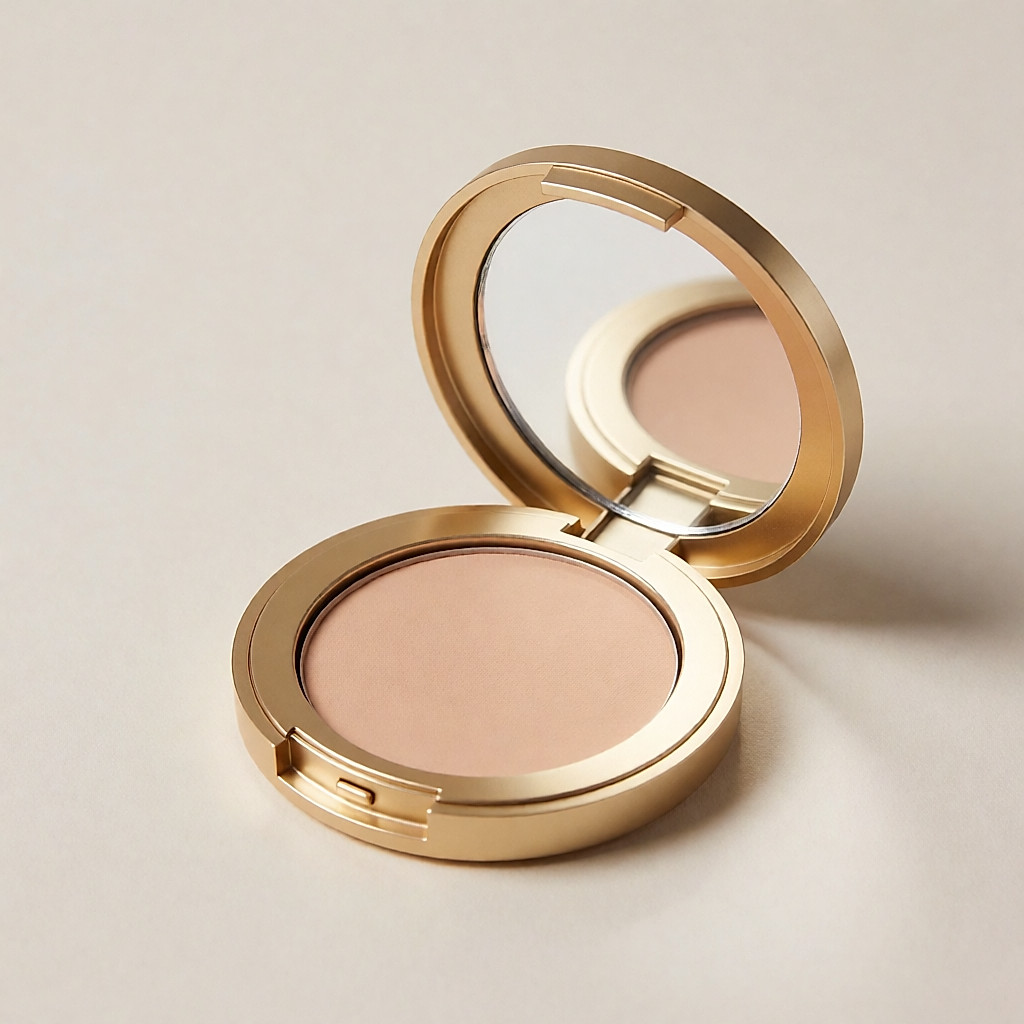
The formula: mostly mineral powder, simple pigments, and no fragrance if your skin reacts quickly.
The texture: a fine texture is easier to work with and settles less into fine lines and uneven texture.
The certification: COSMOS Organic (Ecocert) sets strict criteria — percentage of organic ingredients, permitted ingredient list, traceability. It isn't a guarantee of absolute skin tolerance, but it's a solid benchmark.
End of life: glass or cardboard packaging, or a refill system. That's where the eco-friendly choice is most concrete.

Budget
Prices vary a lot depending on where you shop.
At supermarkets or online, a decent mineral powder is around £9–£17. In a pharmacy or health-and-beauty retailer, expect more like £13–£26 for a certified organic formula. At premium beauty retailers, prices rise to about £26–£39 — although refills are often cheaper than the full compact.
What pushes the price up: the number of shades available (deeper skin tones are still poorly served), certification, and refillable packaging.
Where to buy: in the UK, try a pharmacy or health-and-beauty retailer to test shades on your skin, supermarkets and specialist online retailers for price, and brands' own websites for refills.
Sources
- Regulation (EC) No 1223/2009 on cosmetic products, as retained in UK law
- MHRA — Medicines and Healthcare products Regulatory Agency, cosmetics guidance
- COSMOS Organic standard (Ecocert)
Comments
Your opinion matters: rate the article, react and reply to comments.
Comments are moderated; AI-assisted comments are flagged. Text emoticons (8-), :-), <3…) are automatically shown as images.