
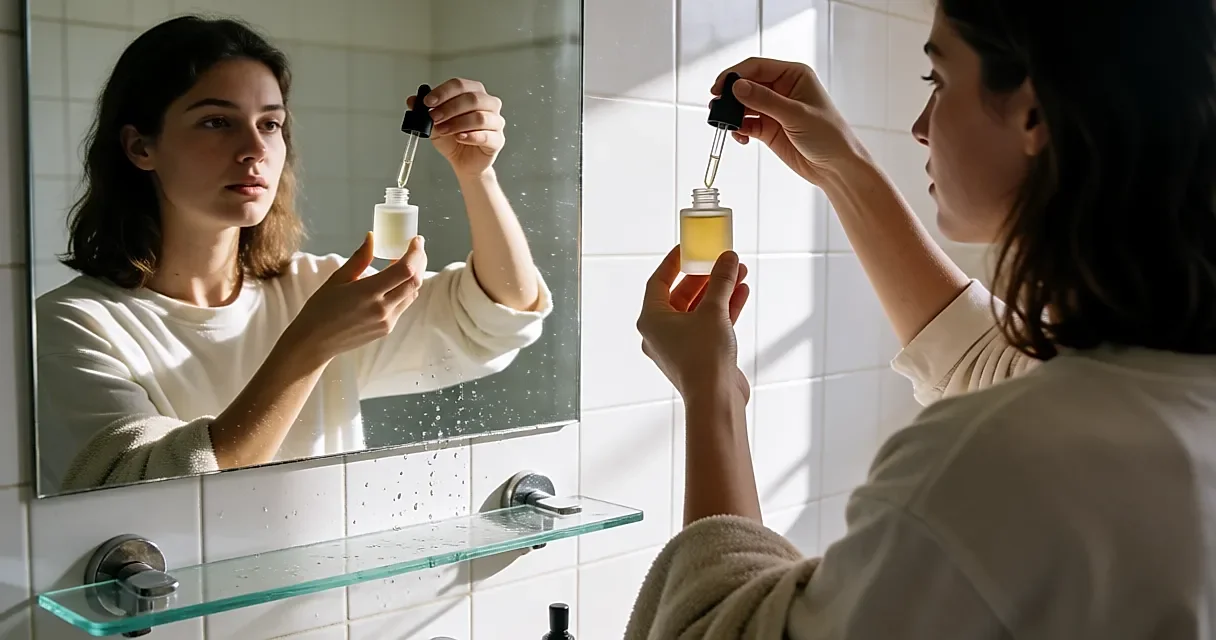
Two bottles side by side on the coffee table: same name, same amber glass, same promise printed in small capitals. Line up the two ingredient lists, though, and the first few lines can trip you up. Some Korean serums sold in the UK may carry a different formula from the Seoul version — and one of the two is going on your face. Which one, though?
The name travels, the formula may not
A serum doesn't cross a border the way a book does: it doesn't arrive with its text intact. To be sold here, a cosmetic has to meet the UK Cosmetics Regulation, and anything that also sells in the EU has to satisfy the EU version of those rules at the same time. A brand entering the UK market therefore has two options: drop certain raw materials, or reformulate. A serum can keep its name and its bottle while quietly changing preservative, UV filter or fragrance along the way.
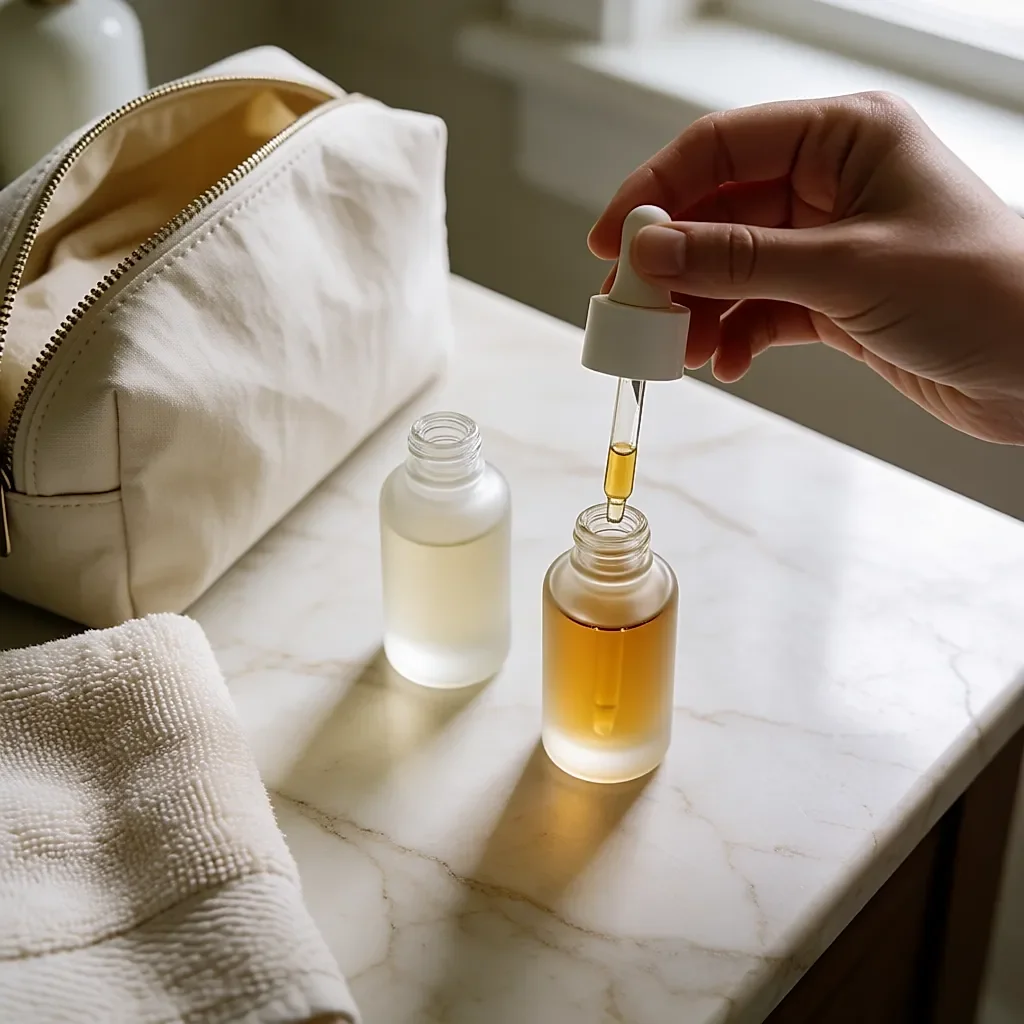
Korea, for its part, applies its own rules to cosmetics, and that framework doesn't map neatly onto ours. Add local habits, textures that run thicker or thinner, consumer testing carried out country by country, and you end up with close cousins rather than twins. It isn't a plot: it's regulation and marketing, two professions writing different texts on the same label. Still, when two formulas circulate under one name, it changes the whole business of buying.
What the INCI list actually tells you
The INCI list is the one place on the bottle where the product speaks without the marketing filter. The names are the same everywhere, in international Latin — which is exactly what makes comparison possible. As you read, bear in mind that the first names give a more reliable indication than the end of the list: the order mainly reflects the concentration of the main ingredients, while the last names shouldn't be read as a ranking of how much is in there. In other words, the first few names carry weight, but the tail end isn't a dose scale.
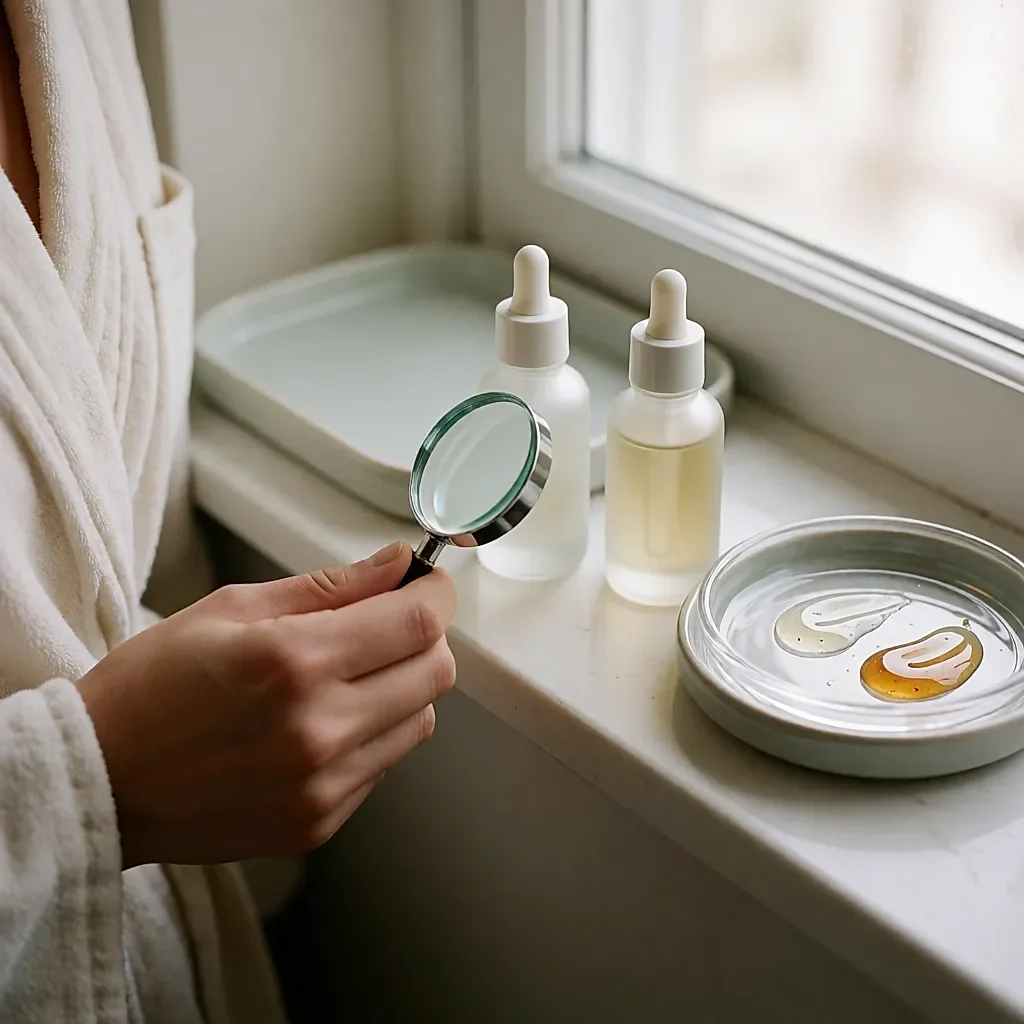
Comparing then becomes straightforward: get hold of the Seoul version's list (the brand's Korean site, a local retailer's product page, the box itself) and the list for the version sold here. Line up the first three or four names. Aqua and glycerin at the top of both? You're looking at cousins. A solvent that climbs to second place on one side and fades away on the other? That's no longer quite the same product, nor the same feel on application. In practice, the difference can be settled right there — long before you reach the headline active.
What to check before you hit buy
First reflex: make sure the listing really is the version you think you're ordering. Some sites show the Korean-market photo and ship the export version — hence the confused reviews. Look for the full INCI list, not the three-actives summary on the front: if a site publishes only five lines, that already tells you something. Check the language of the packaging and the name of the responsible person too. A product sold in Great Britain has to name a UK responsible person on the label; a bottle bought in Seoul won't necessarily carry that.
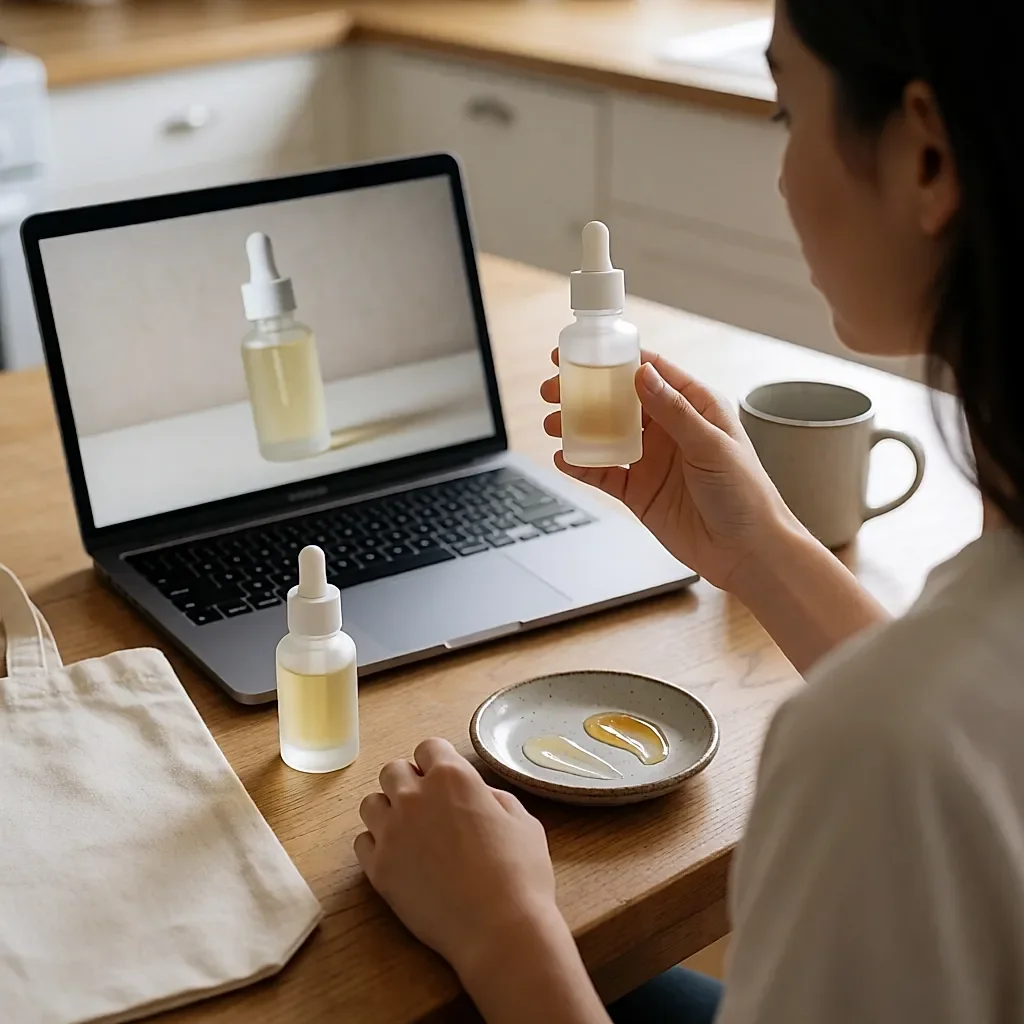
Then there's the practical side. Import times vary, often running to several weeks, and nobody knows what conditions your parcel travelled in. Customs charges and handling fees can land on top of the price you saw. And yes, I'll hold my hands up: I haven't had two bottles lab-tested side by side, and it wouldn't have changed anything — the INCI list is public, and that's what settles it.
Four things to track down before you order: the full INCI list, the exact name of the version (domestic market or export), the language on the packaging, and the stated delivery time. If one is missing, you're buying a name, not a formula.
What it costs
Price-wise, the UK version of a Korean serum tends to sit somewhere between £20 and £40 at beauty retailers, specialist K-beauty shops or pharmacies, and sometimes £10 to £20 on entry-level ranges in the bigger high-street retailers. Ordering from Seoul comes in around £15 to £30, before shipping and any customs charges are added. For a 30ml bottle, the charm wears off a little, doesn't it?
So where should you buy? In the UK, favour retailers that publish the full list and the name of the UK responsible person. If you do import, keep the receipt and the product listing. On packaging, recycling depends on your council's rules and on the materials involved; glass and plastic go through separate streams. Refills are a good idea — provided the brand actually sells them here, which isn't a given.
Underneath it all, the question isn't "Seoul or London" but "which formula do I want on my skin this winter". The one reflex worth keeping, when all you have is five minutes: photograph the INCI list on your bottle before you bin it. Next time you restock, that's the only evidence that will stop you ordering a stranger under a familiar name.

Comments
Your opinion matters: rate the article, react and reply to comments.
Comments are moderated; AI-assisted comments are flagged. Text emoticons (8-), :-), <3…) are automatically shown as images.