

On one side, a Korean brand that hardly anyone could have named a few years ago, and which now turns up in countless filmed routines. On the other, an American label fronted by Hailey Bieber, long sold mainly online, whose acquisition by e.l.f. Beauty has been announced. Two ways of becoming unmissable in a single season — and one question underneath them both: what makes a jar nobody has heard of end up everywhere?
The demonstration model
Take Beauty of Joseon. The Korean brand built its story around the skincare rituals of the Joseon era, and then its Relief Sun sunscreen started appearing in beauty videos: you see the dose, the texture stretching between the fingers, the way it spreads, the sheen on the forehead. It isn't an advert: it's a demonstration. And that's a very different thing: you watch the product work before you get your card out.
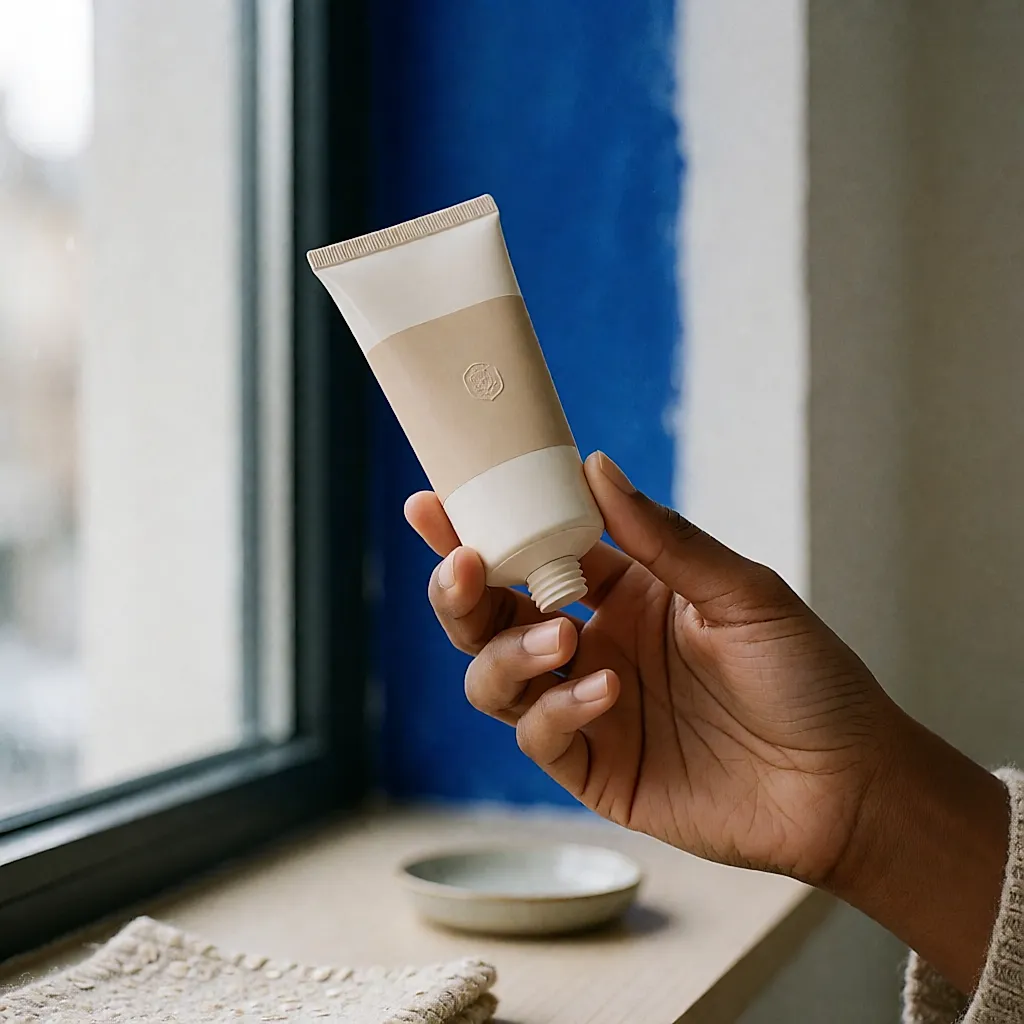
The short format has its own rules, and they are not your skin's rules. What a fifteen-second clip shows is a gesture, a colour, a before and after. What it doesn't show is anything that takes time. In other words, virality rewards demonstration, not effectiveness — it tells you whether a product is pleasant to watch, not whether it suits you.
The name model
Rhode, Hailey Bieber's brand, works in the exact opposite way. A short range, sold mainly online for years. The founder's face stands in for the sample, the waiting list for the shop front. In short, a good chunk of the experience fits in your pocket — and the online store is only a click away.
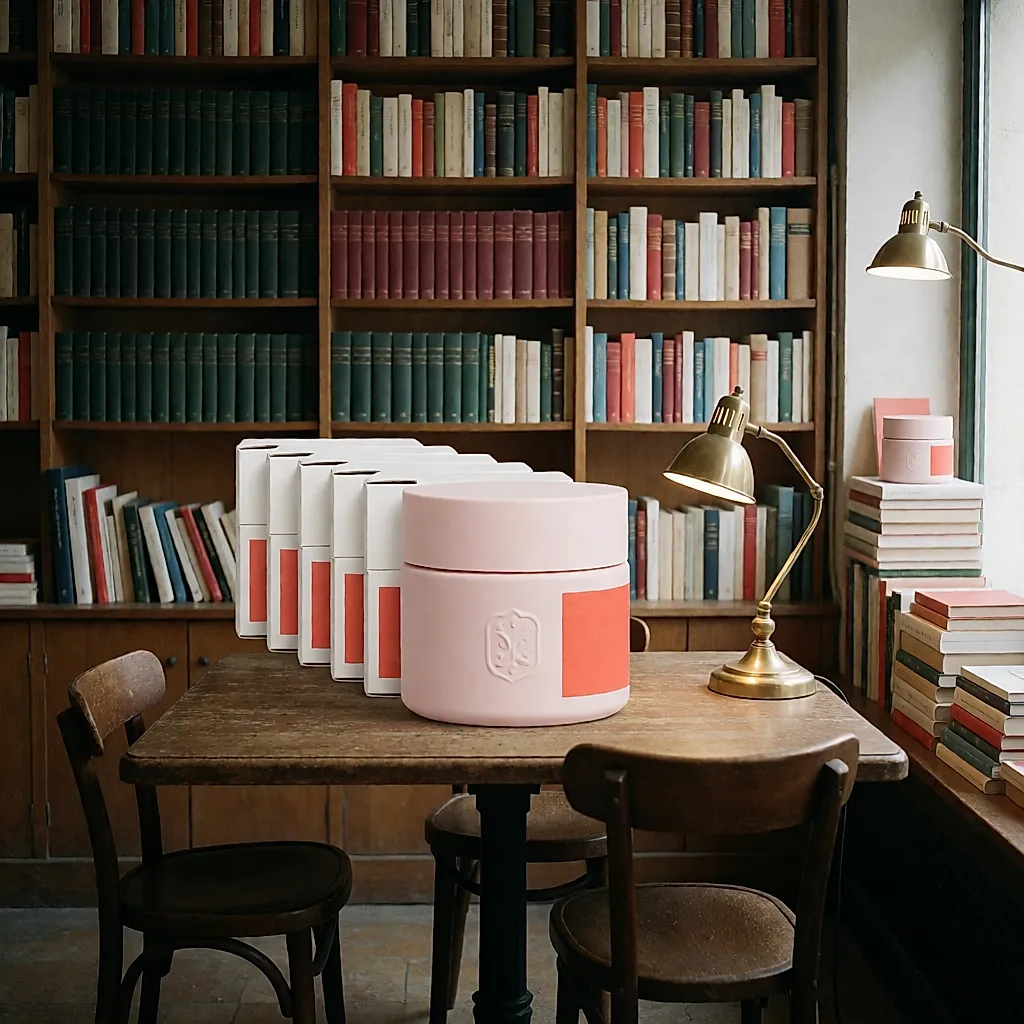
Except a name only opens the door. It plants a very different question in your head: no longer 'do I know this brand?' but 'do I believe in it?' And this is where the two models converge. An acquisition sets the bar high: the second order has to arrive without the face on screen. The Korean model manufactures demand through visual proof, the American one through personal trust. Both are ultimately betting on the same thing: that you'll buy again without being asked.
Before you give in to the third video
Three things deserve your attention, and none of them can be seen in an edit. Formulation first: a light texture that disappears quickly is not necessarily more effective than a rich cream — it is just easier to film. Application next: in practice, how much you use and how you apply it both play an important part. The order of layers and the time of day come into it too. The ingredient list, finally, is often available on the brand's site, which is already better than the decoration on the box.

I won't give you a verdict on how they wear, because I haven't tested them: these two creams are judged over time, and that is precisely what virality doesn't measure. What I am sure of, though, is that neither will work miracles on skin you take to bed at 1am. Trends pass; tiredness stays.
Three checks before you buy on a video impulse
- Does the brand talk about its formula anywhere other than its captions? Official site, full list, percentage of actives: they should exist.
- Does the same voice come back to the product months later, or is it a flash in the pan from a single clip?
- Does the product meet a need you already had, or one created by last night's video? The honest answer often saves you a purchase you didn't need.
What it costs
Price-wise, the two models aren't in the same league. For a Korean cream or sunscreen, expect to pay around £15 to £25 at a pharmacy, in an Asian supermarket or on a specialist site — sometimes less for a travel size. For Rhode, budget more like £30 to £40 for the cream depending on the format, and remember that buying direct sometimes adds postage that stings.
That leaves the gesture that really counts, the one that depends on no trend: applying the right dose, morning after morning, even on the days when nobody is filming. It's less spectacular than an acquisition announcement, but it can show in your complexion.

Comments
Your opinion matters: rate the article, react and reply to comments.
Comments are moderated; AI-assisted comments are flagged. Text emoticons (8-), :-), <3…) are automatically shown as images.