
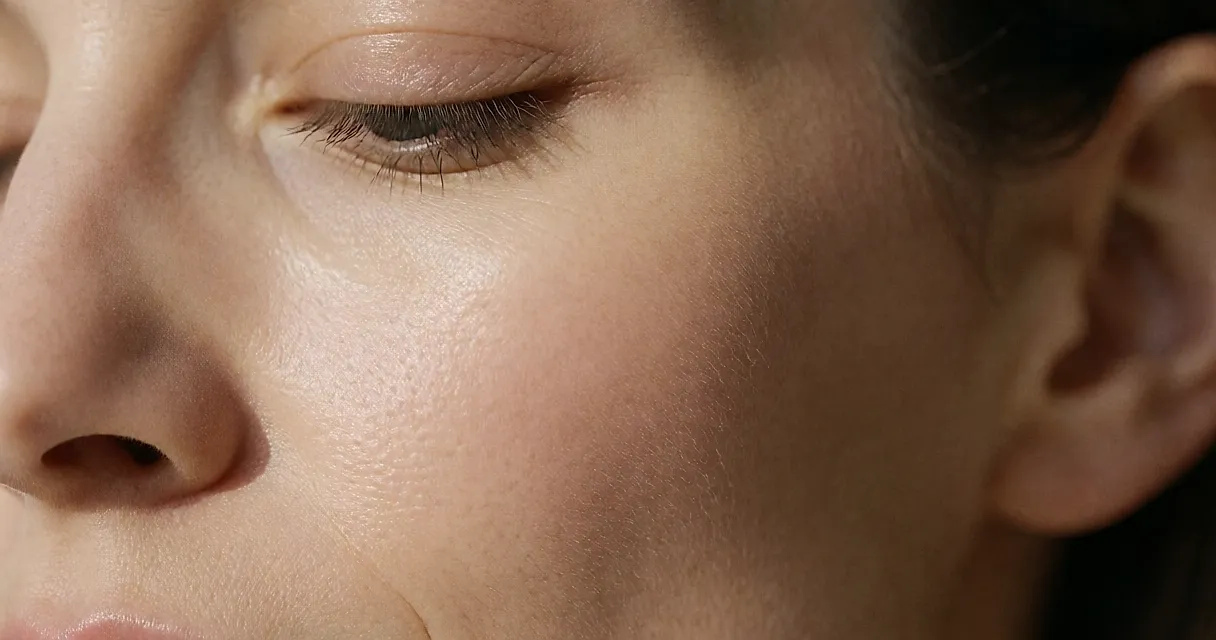
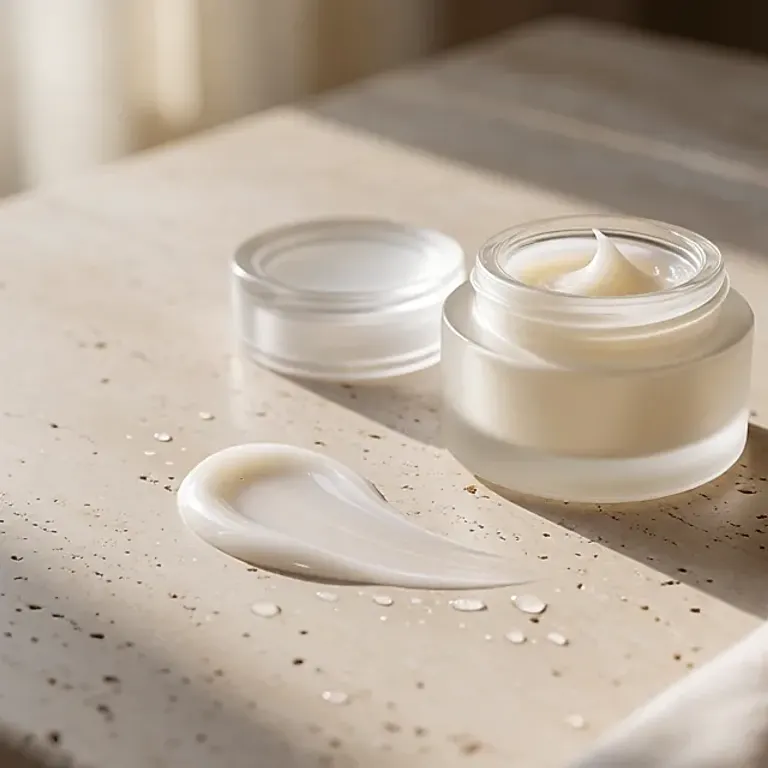
A white glass jar, a lid that catches slightly, a label free of grand promises. Cold cream does not look like a novelty and does not try to be one: beige paste, the smell of plain soap and old-fashioned rose, a texture that resists the spatula. It has been a fixture in pharmacies for decades, the kind of jar that sits on family bathroom shelves, and we no longer quite know what it is really for. It removes makeup, protects, and does a few other things too, provided you know what is in the jar.
An emulsion with oil at its heart
The recipe has been around since antiquity, attributed to Galen: beeswax, oil and a little rose water. That is where the name comes from: the water evaporating from the surface gives an impression of freshness, even in a rich cream. Technically, it is an emulsion with a high oil content: the water is trapped in the oil phase, not the other way round. Hence the firm texture that does not run and needs warming between your fingers before it will spread.
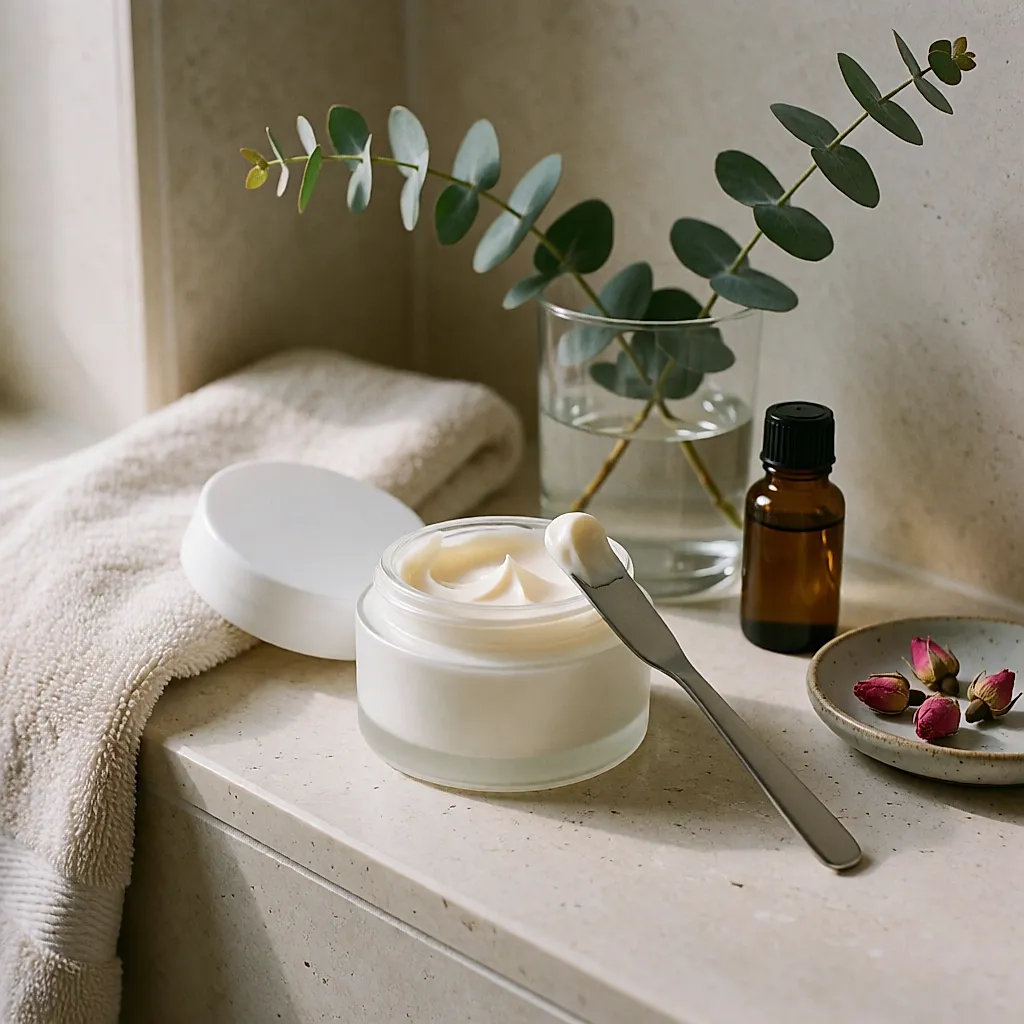
Why does it remove makeup? Because oil mixes with oil. Foundation, mascara and waterproof eyeliner are largely oil- or wax-based; a rich paste dissolves them without needing to foam. The classic formula contains no foaming detergent, which is why it does not leave that tight, squeaky feeling after rinsing. The emulsifiers are there to keep water and oil together, not to do the cleaning.
How to use it: dry first, then rinse or wipe
Start with dry skin and dry hands: take a pea-sized amount for the whole face, a little more if you wear mascara. Massage it in for a few moments, without scrubbing as though you were cleaning an oven; the oil does the work on its own, including over closed eyes.

So should you rinse or wipe it off? Both work. Rinse with lukewarm, never hot, water if the residual film bothers you; wipe with a soft, clean cotton or microfibre cloth if your skin feels tight and reacts badly to tap water. The most comfortable compromise is a warm, damp flannel, followed by patting dry. Either way, a fine protective film remains. That is deliberate, and it is precisely the point of the product when the heating is on full.
What it doesn’t do
Let’s be clear from the outset: the classic cold cream contains no targeted active ingredients. No acid, no retinol, no measured dose of vitamin C, nothing designed to treat a dark spot, a blemish or a wrinkle. It cleanses and it protects, full stop. On combination to oily, blemish-prone skin, its richness may feel heavy: keep it for makeup removal, then rinse carefully, or choose something lighter.
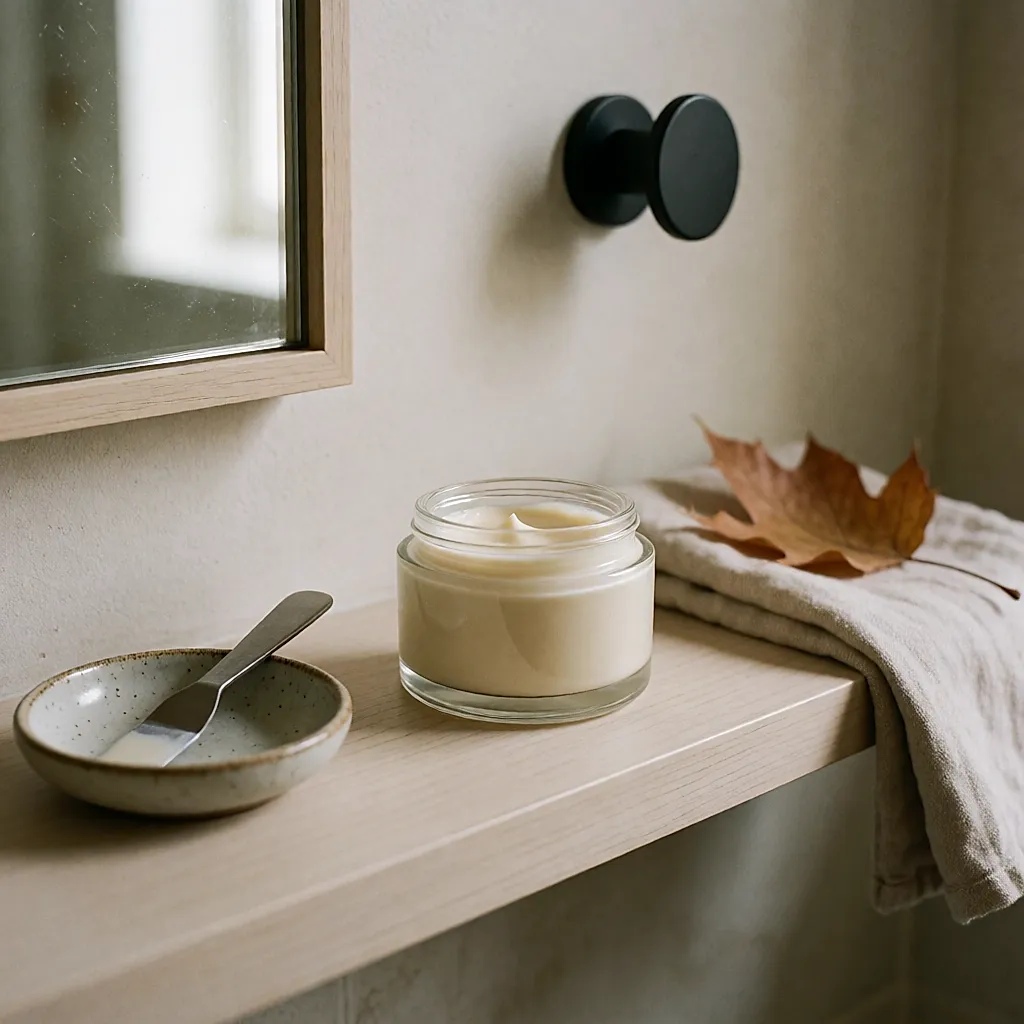
And you do have to like this sort of product. The texture is pasty, sometimes hard to spread when the jar is cold, and the fragrance, often powdery, smells of an elegant great-aunt rather than a laboratory novelty. Some recent formulas have softened all that; others embrace it outright. That is not a fault if you know what you are buying; it is a matter of taste.
The open jar, your finger and the real question
Dipping your fingers in is an open invitation to bacteria, and an emulsion containing water needs preservatives to stay stable. The open-jar symbol marked 6M or 12M shows how many months the product keeps after opening; it is not decorative. Clean hands, short nails and a small spatula if you have one: three seconds that change how the jar ends its life.
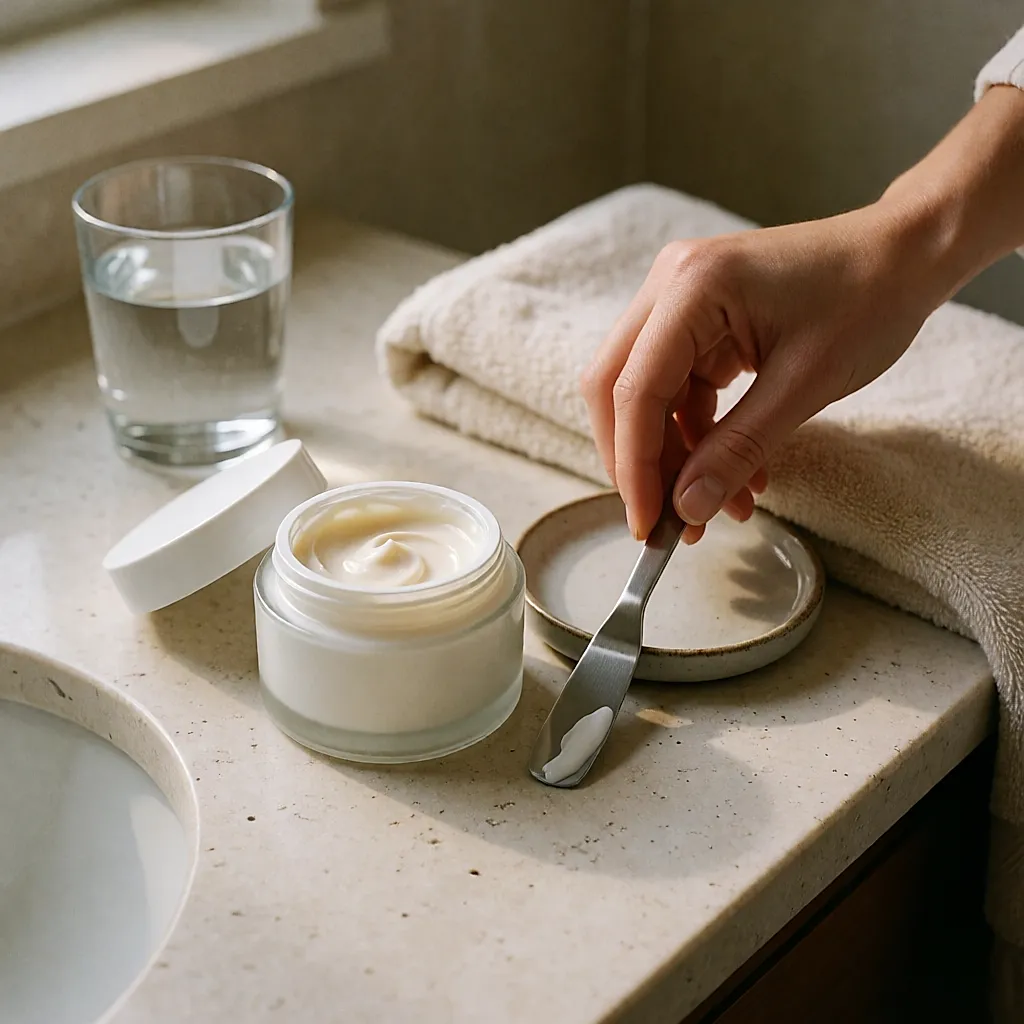
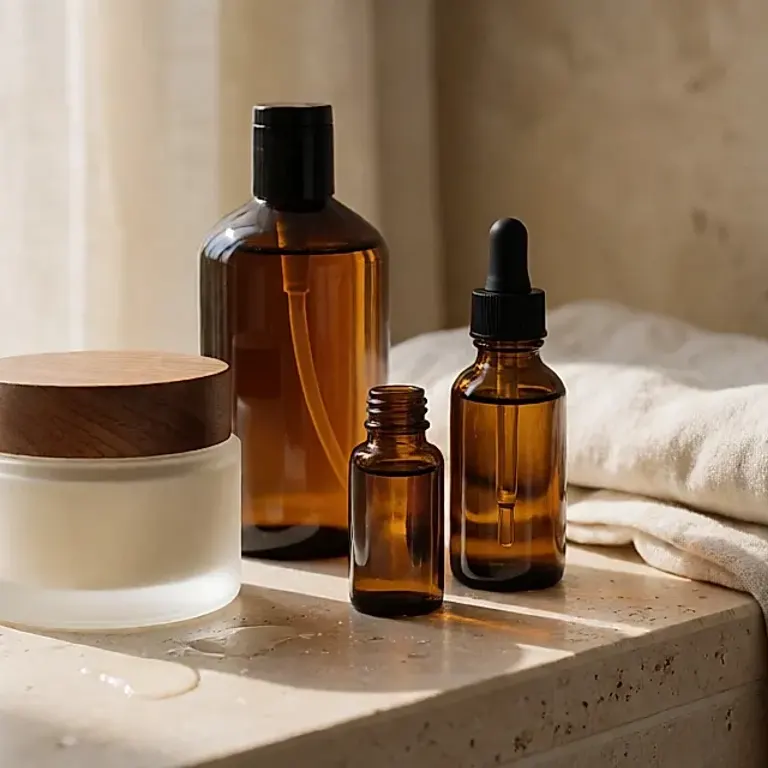
For storage, avoid the shower shelf where steam gathers and a sunny windowsill. A dry drawer is enough. And if the smell turns, or the paste separates or goes distinctly yellow, do not argue: bin it, even if the jar is half full. We all have a forgotten jar at the back of a drawer from three winters ago; that one does not deserve your face.
What it costs
In pharmacies and health and beauty retailers, expect to pay roughly £8 to £25 for a 40–50ml jar, depending on the brand and format. Avène Cold Cream is one of the benchmarks on the shelf; own-brand versions cost less, while organic or glass-jar versions cost a little more. A jar lasts several months if you use it on and off, which softens the cost per use. As for the organic version, it is hard to say whether it is worth the extra: the classic formula already does the job very well.
Where should you buy it? Pharmacies and health and beauty retailers first, where you can ask for a sample; supermarkets for basic formulas; online for refills, when they exist. Is the glass jar really the right choice? It recycles well, but it is also the least hygienic container without a spatula; the tube, rarer for this type of formula, keeps fingers at a distance. Over to you.
Keep the jar away from steam, take it out with a spatula or spotless fingers, and write the opening date on the lid with a marker. And if your face no longer wants it, elbows, chapped hands and cuticles will still be grateful.
One thing remains clear: cold cream is neither a new discovery nor a youth treatment, and that is precisely what makes it reassuring. One jar, one routine, a few minutes in the evening, and skin feels simply comfortable again. The only advice that really matters: choose a plain version, keep it clean, and do not ask it for what no cream can give.

Comments
Your opinion matters: rate the article, react and reply to comments.
Comments are moderated; AI-assisted comments are flagged. Text emoticons (8-), :-), <3…) are automatically shown as images.