
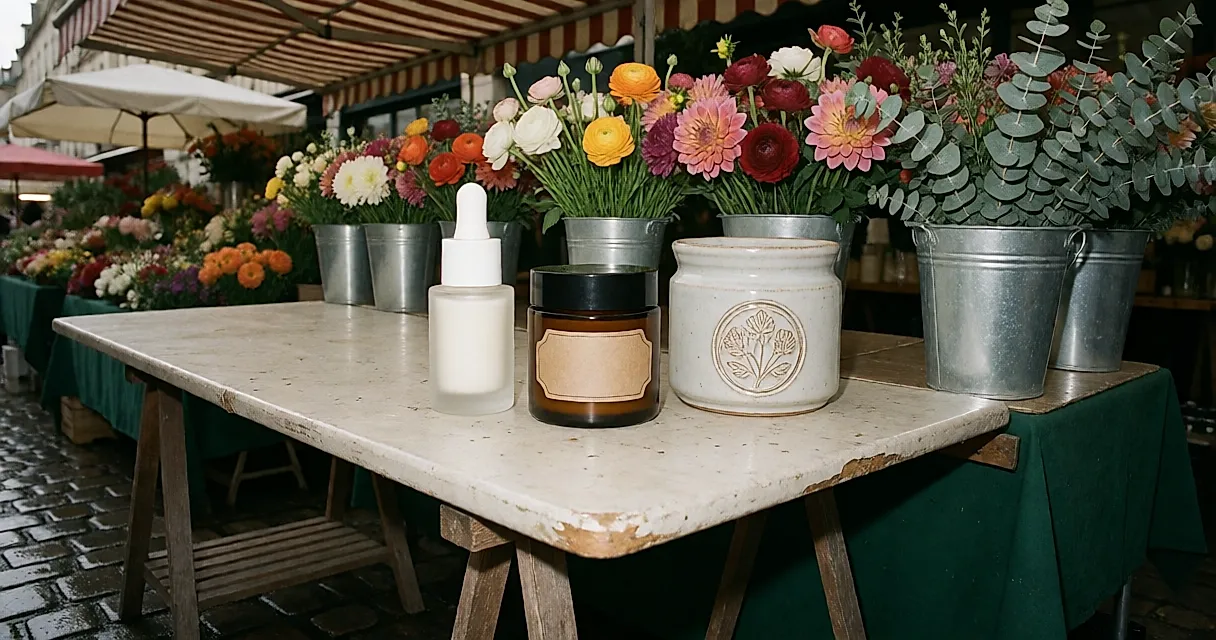
An algorithm doesn't advise you, it ranks you. And in that ranking, your skin counts for very little next to a video that's been looping for three days. The result: we approve a serum without knowing whether it holds 15 or 30 ml, or what percentage of active sits behind the word in bold on the label. Three numbers are enough to take back control, and it takes less time than a thirty-second video.
Why newness sits at the top of the feed
A new launch comes with a story attached: a video, a before-and-after, a side-by-side of two bottles, and the product becomes a narrative. A cream that has held the same spot on the shelf for six years inspires far less. It isn't a conspiracy, it's just how a feed works — it pushes whatever gets a reaction, not necessarily whatever does you good.
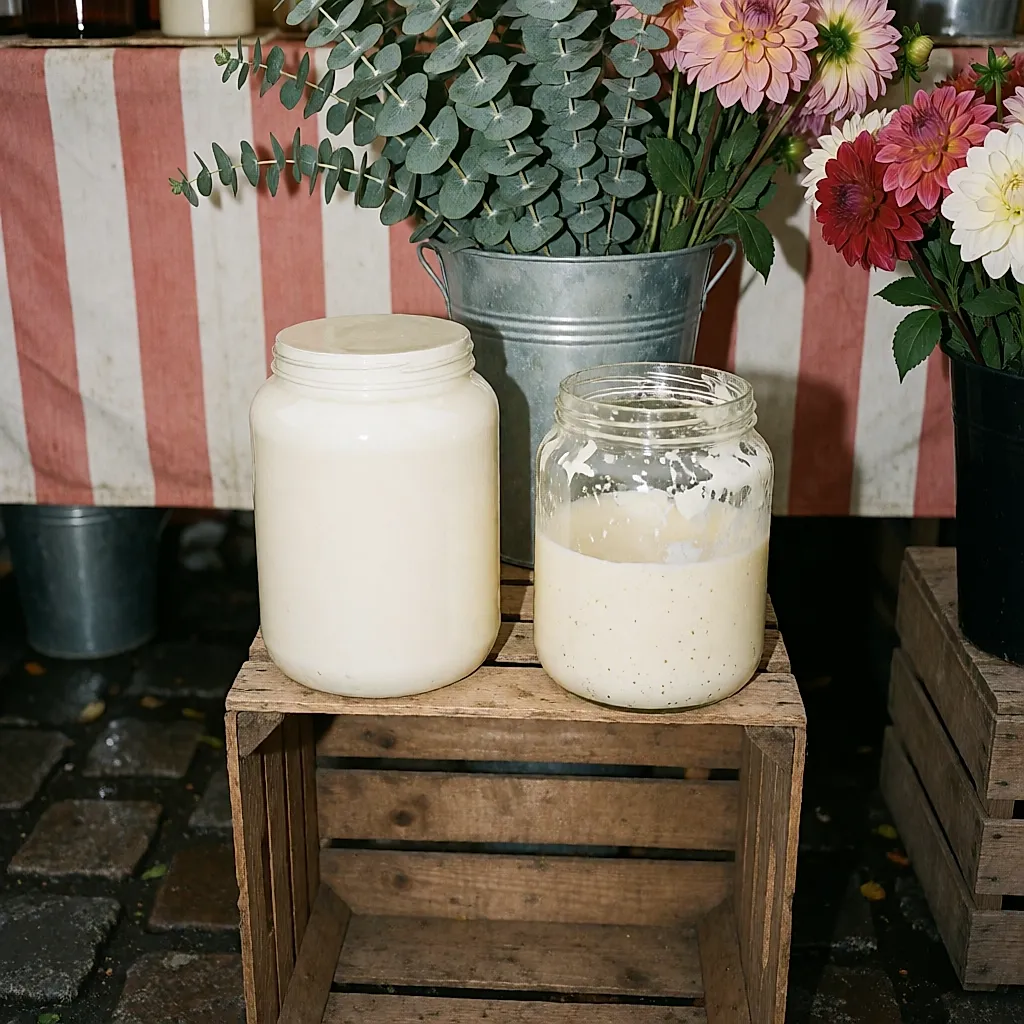
And we play along without noticing: newness suggests a problem has just been solved, when mostly we simply fancied a change of scene. Hence a question that is not remotely glamorous but lethal before you hit checkout: does this bottle do better than the half-empty one sitting in your bathroom? If you're stuck, read on.
What pack size does to the price
Quick bit of maths, no brands, no specific product. A 15 ml serum with a £70 price tag works out at £4.67 a millilitre. A 50 ml cream at £35 is 70p a millilitre: the same supposed pleasure, a ratio of one to seven. And the 10 ml ‘discovery’ sizes at £10, which look gentle, come in at £1 a millilitre.
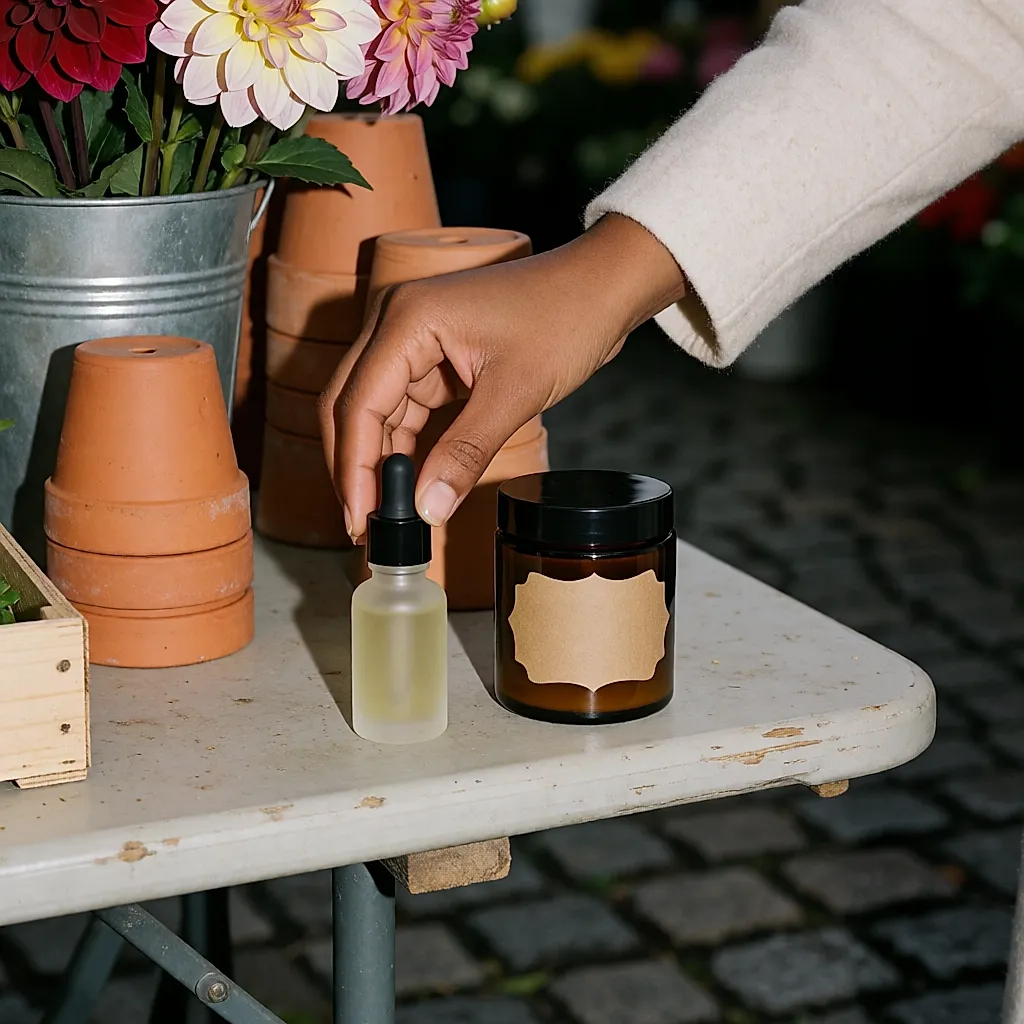
The next thing to check is how much of it you'll actually use. A 200 ml pot you'll get halfway through before you tire of it isn't a bargain, just a bulky pot; a 30 ml tube you finish in six weeks costs a lot per month. How many millilitres was that again? Pack size isn't a packaging detail, it's a price in its own right.
The active: one word, one percentage, two different things
On the INCI list, ingredients are ordered by decreasing concentration. Useful, with one caveat: below 1%, the order is no longer mandatory. So an active at the end of the list isn't necessarily absent, and one in the middle isn't necessarily dosed at 2%. The list gives you the order, not the quantities.
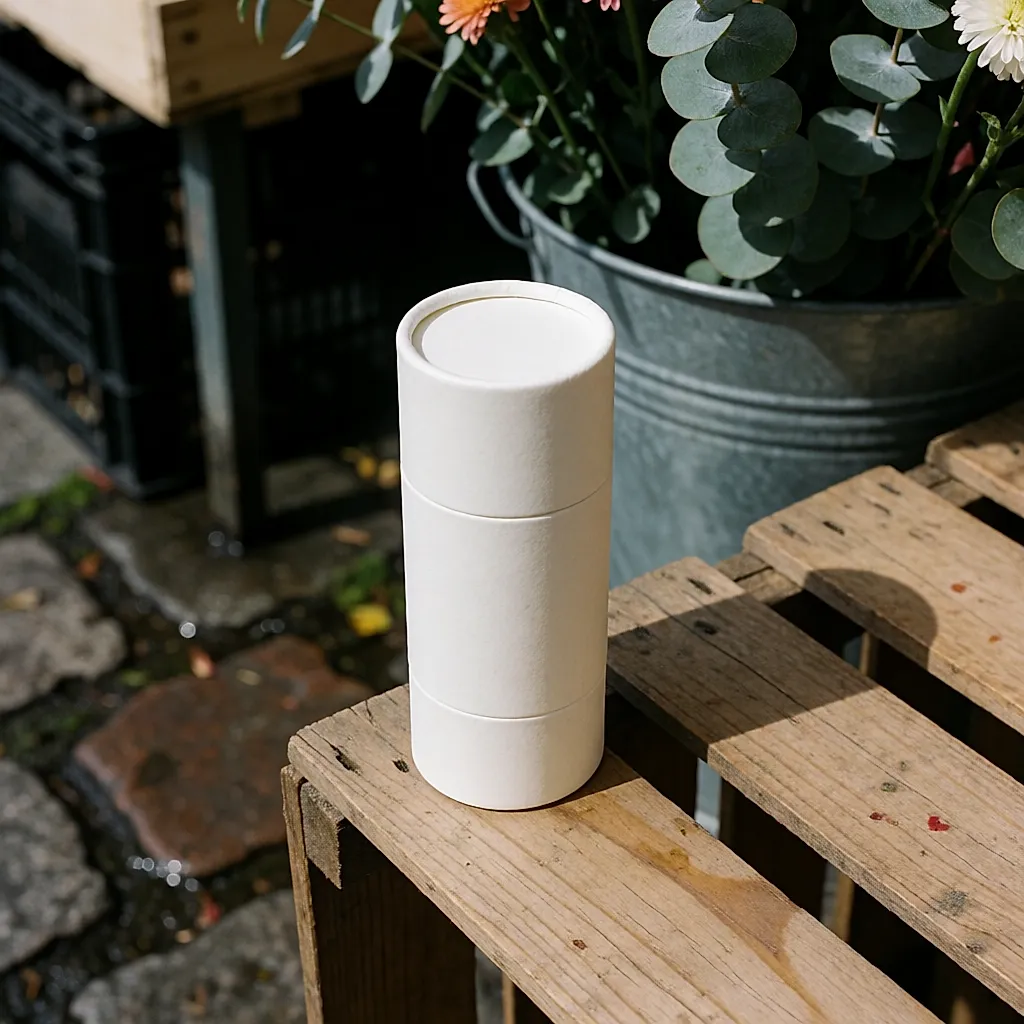
The exact percentage, though, is rarely printed on the box — and ‘concentrated’, ‘intense’ or ‘pure’ aren't dosages. An ‘extract of’ is not a ‘formulated at’, and that's the whole difference between a bottle that works and a bottle that talks. An active at the end of the list is present at a low concentration; depending on the ingredient, that may or may not be enough — better to check the dose the brand actually claims. A certified organic or natural label, meanwhile, governs the share of natural and organic ingredients; it guarantees nothing about the percentage of active.
Price per millilitre doesn't tell you everything
A good price per millilitre is still a bad buy if you don't like the product. The texture, how it sits, the smell, the pot you get grease all over your hands: none of that can be calculated. In practice, a 30 ml serum used morning and night often lasts two to three months — a benchmark that makes the monthly cost far more telling than a price tag.
Then there's end of life: refills, glass, card, solid formats. A refill cuts the packaging more than it cuts the bill, which is already a reason to prefer one — not a reason to buy. Personally, I only introduce one product at a time: a fortnight apart is long enough to see whether something is aggravating your skin.
Budget
As a rough UK guide: a 30 ml face serum comes in at around £15 to £35 in a chemist, health-and-beauty retailer, supermarket or online, and more like £40 to £80 in a department store or premium beauty retailer. A 50 ml moisturiser drops below £20 in a supermarket and climbs easily to £60-plus in a department store. These aren't quality judgements, just price tags — and they move.
The biggest saving isn't the brand, it's the comparison: size, price, divide, then run the same sum across different retailers. Health-and-beauty retailers and brand websites generally list the full INCI; some supermarket product pages, far less so. I've walked away before now for lack of information — and honestly, it has never cost me a bottle.
Before you check out: note the size in ml, find the full INCI list, then divide the price by the millilitres. If the result is more than you'd spend on a day's food shop, ask yourself whether it's the product or the novelty that's tempting you.
In the end, the one move you can still make in five minutes comes down to a division. The feed will keep pushing newness, that's its job; it's up to you whether the new thing deserves your skin this month. And if you're still unsure, keep your old bottle right to the last drop: the best judge is a finished one.


Comments
Your opinion matters: rate the article, react and reply to comments.
Comments are moderated; AI-assisted comments are flagged. Text emoticons (8-), :-), <3…) are automatically shown as images.