
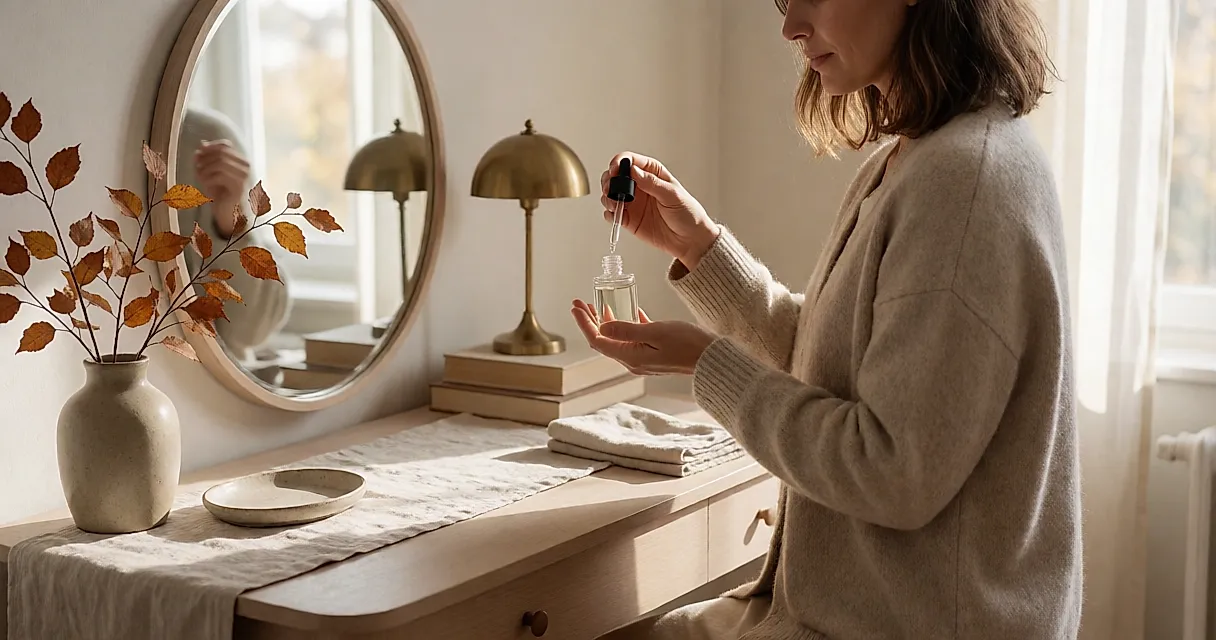
In the changing room, the bottle does not carry the hotel's logo. It has a laboratory name, a sober typeface and a list of actives that runs to three lines. It is often at this small detail that the new rules become clear: a grand hotel's signature treatment is no longer a jealously guarded house recipe, but a protocol signed by a beauty brand you will later find in a department-store beauty hall. The real question, skin-wise, is what that label changes in the treatment room: a texture you can finally repurchase, or one more pretty name on a bottle?
The grand hotel spa has changed hands
For a long time the logic was simple: the hotel commissioned a formula from a lab, put its name on it and served it in bottles stamped with its monogram. A white-label product: elegant and mute. You could not know what was in it, let alone buy the bottle for yourself; you left with soft skin and the mystery intact. The mystery was part of the charm, wasn't it?
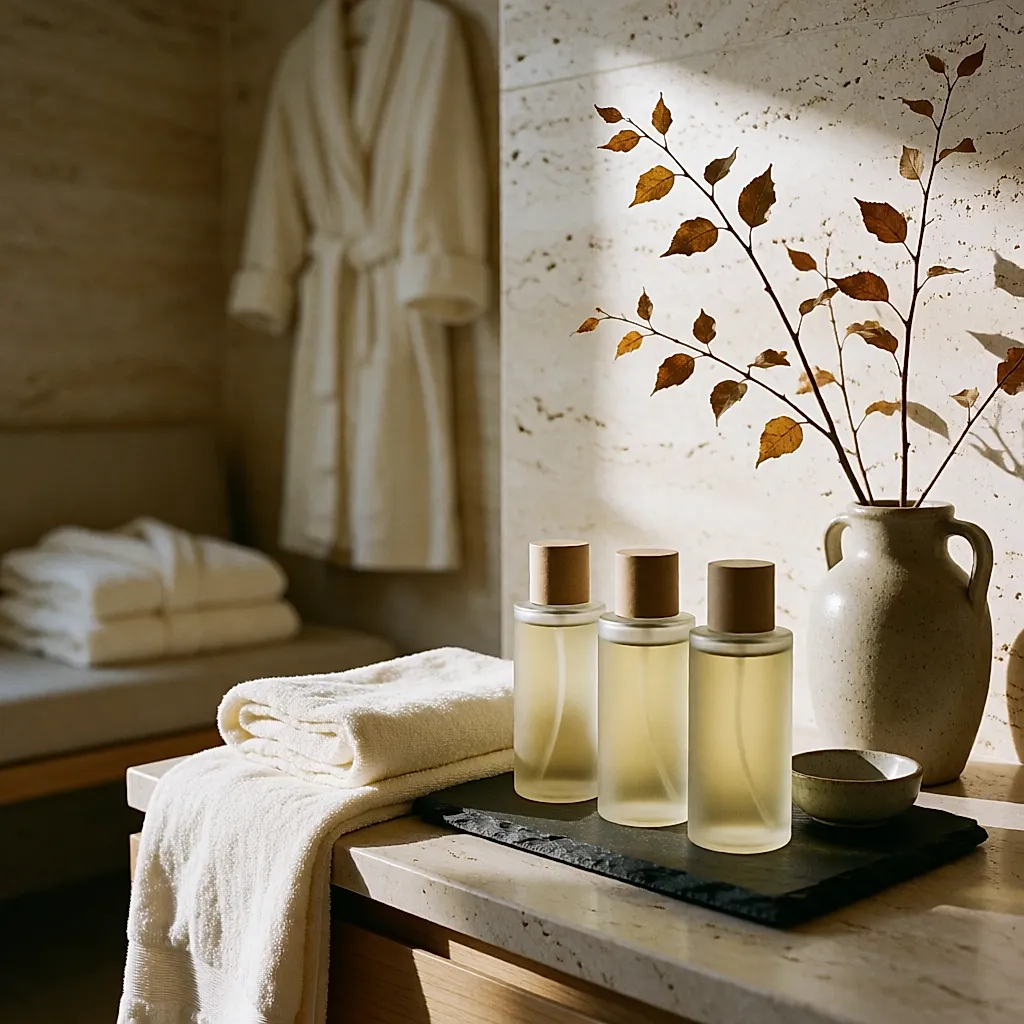
Paris addresses have since made the partnership visible. The Ritz has handed its spa to Chanel, Cheval Blanc Paris to Dior and Le Meurice to Valmont. The reasoning is less romantic than it sounds: the brand supplies formulas, written protocols and therapist training; the hotel supplies the walls, the hands and the clientele. And you get a name on the box.
What changes in practice
First effect, far from trivial: the protocol becomes comparable. A signature treatment is no longer a house mood, but a described sequence: duration, steps, products and order of application. From one address to the next, you can finally ask whether the 90-minute treatment is worth three times the price of the 45-minute one.
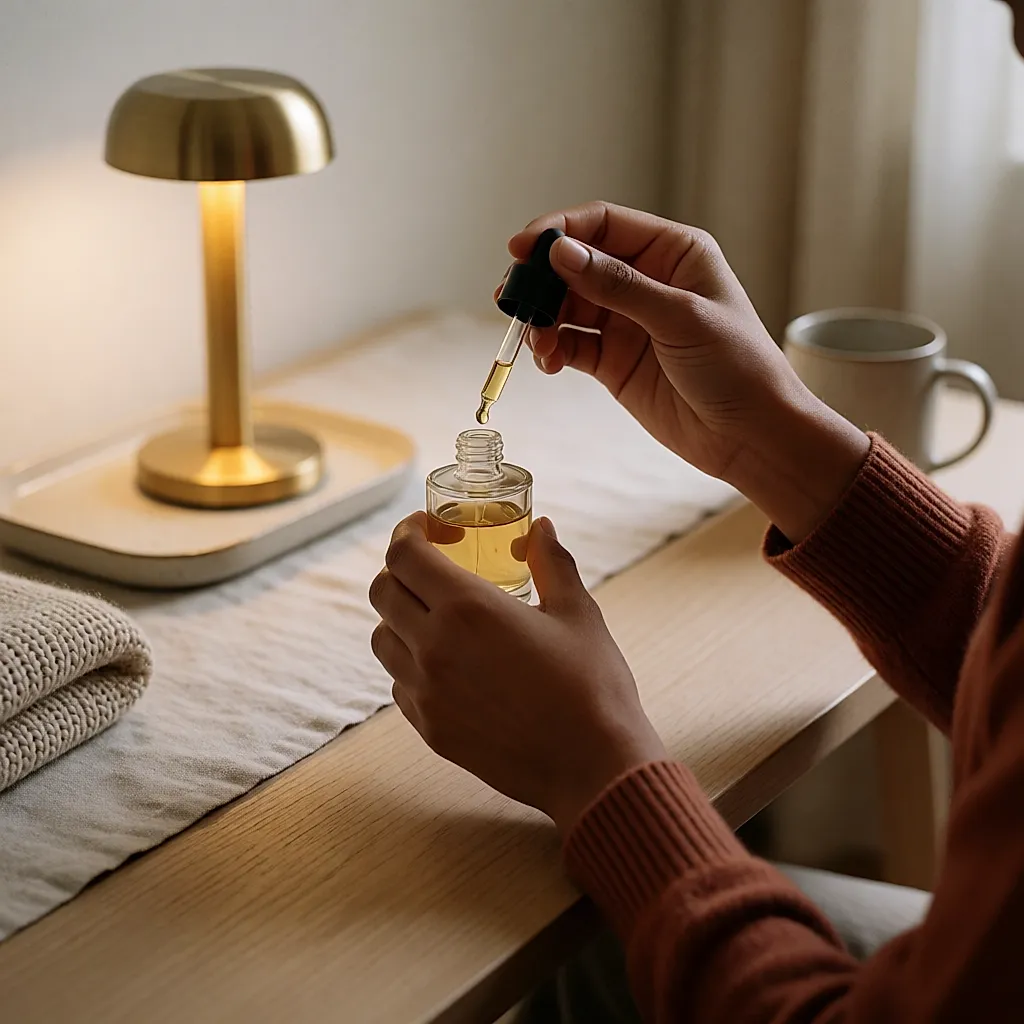
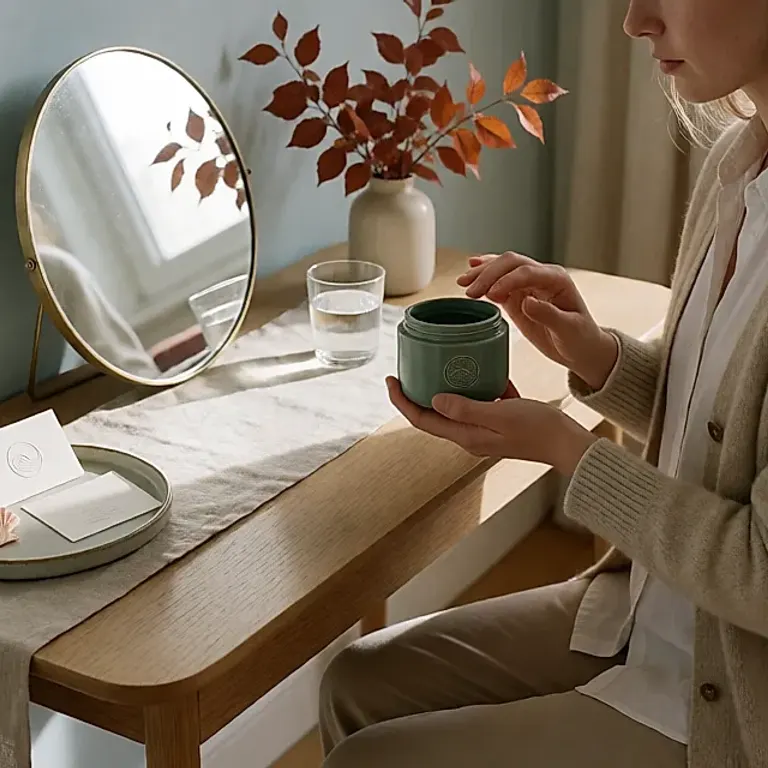
Second effect: you can take part of the treatment room home. Part of it, mind: the bottle, not the hand. The serum applied at the last step exists in full size, and the label lets you check the formula, what the brand claims and what it does not promise. You will not get the same result at home: the room, the light and the therapist's touch all shape how it feels. But if you rush the last step at 11pm because the sofa is calling, the texture may well sit on the surface: the gesture matters as much as the ingredient list.
In the treatment room, the hands remain the variable
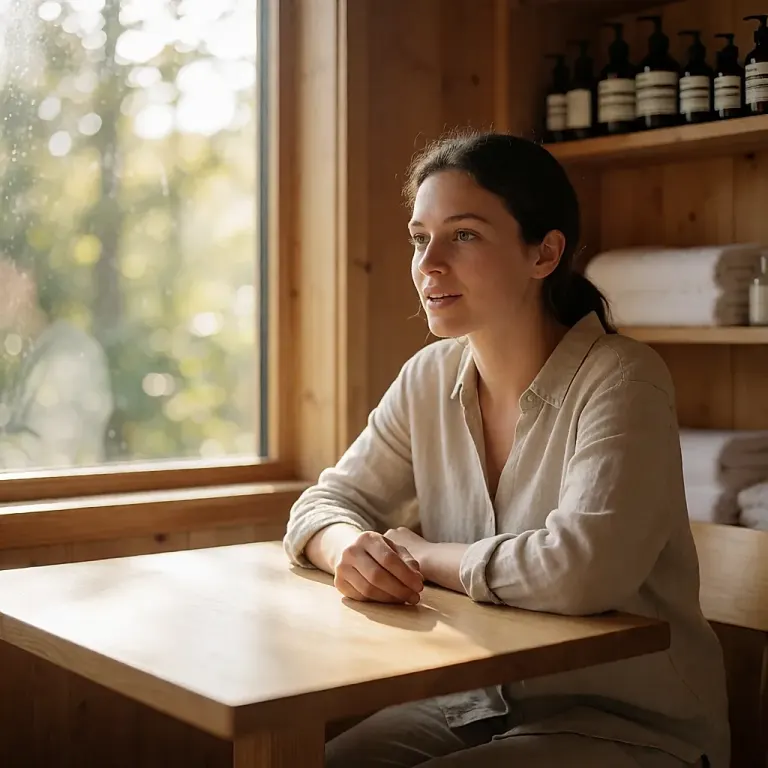
An identical protocol does not make an identical treatment. The brand trains therapists; it does not clone them. Pressure, the amount of product, the time spent on the jaw or around the eyes vary from one room to another. That is the honest limit of the system, and frankly its best part. A well-written protocol applied in a hurry is still a well-written protocol applied in a hurry.
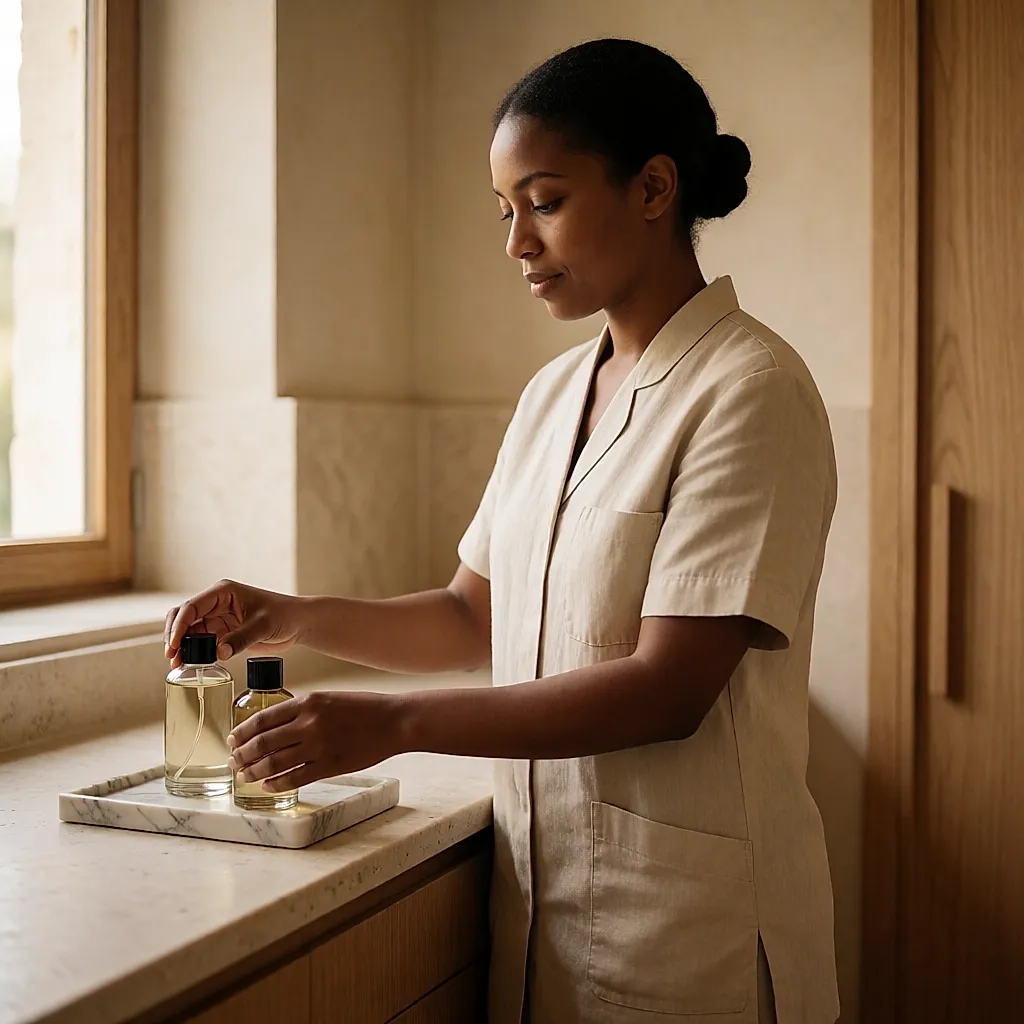
What can be said, however, is that brands now document their sequences, durations and products, whereas a hotel's own signature used to be a black box. Hence the useful reflex: ask for the exact name of the protocol when you book. 'The signature treatment' sometimes refers to three different formulas depending on the length you choose, and no one will hold it against you for wanting to know what is being spread on your face.
What you are really paying for
Let's talk prices, because this is where the dream often meets the wallet. At the time of writing, expect around £150–£300 for a 60–90 minute signature facial in a Parisian palace hotel, and more like £215–£385 for a body treatment. Shorter discovery formats often sit between £100 and £170. Outside Paris, and in four-star hotels with a branded spa, the bill is gentler for a comparable protocol.
On the product side, a serum from the same line sits roughly between £70 and £215, a cream between £85 and £255. You will find them at the hotel spa (sometimes with a guest perk), in the brand's own treatment rooms, in beauty halls and on the official website. If the bill stings, the travel size of the hero product remains the most sensible entry point: a few weeks to find out whether the texture suits you, without tying up half a rent payment in a jar. And if the full-size bottle is taunting you, there is no obligation to buy it the same day; judge the treatment first on texture and touch.
Three questions to ask before you book. What is the exact name of the protocol, and how long does it last? Which products are used, and in what quantity? Has the therapist been trained by the brand? If the answer to the second question is vague, you will know where you stand.
Ultimately, this transparency does not make grand hotel treatments more affordable: it makes them readable. You know what you are buying, you can compare, and sometimes you can continue the protocol at home for the price of a bottle. The rest — the heated room, the hand that lingers behind your ear, the three extra minutes beyond the protocol — cannot be bought in a jar. And five minutes into your Sunday evening, the gesture remains: two drops in your palms, warm them, press. Not enough to turn your living room into a grand hotel treatment room, but enough that the routine does not stop at the spa door.
Comments
Your opinion matters: rate the article, react and reply to comments.
Comments are moderated; AI-assisted comments are flagged. Text emoticons (8-), :-), <3…) are automatically shown as images.