
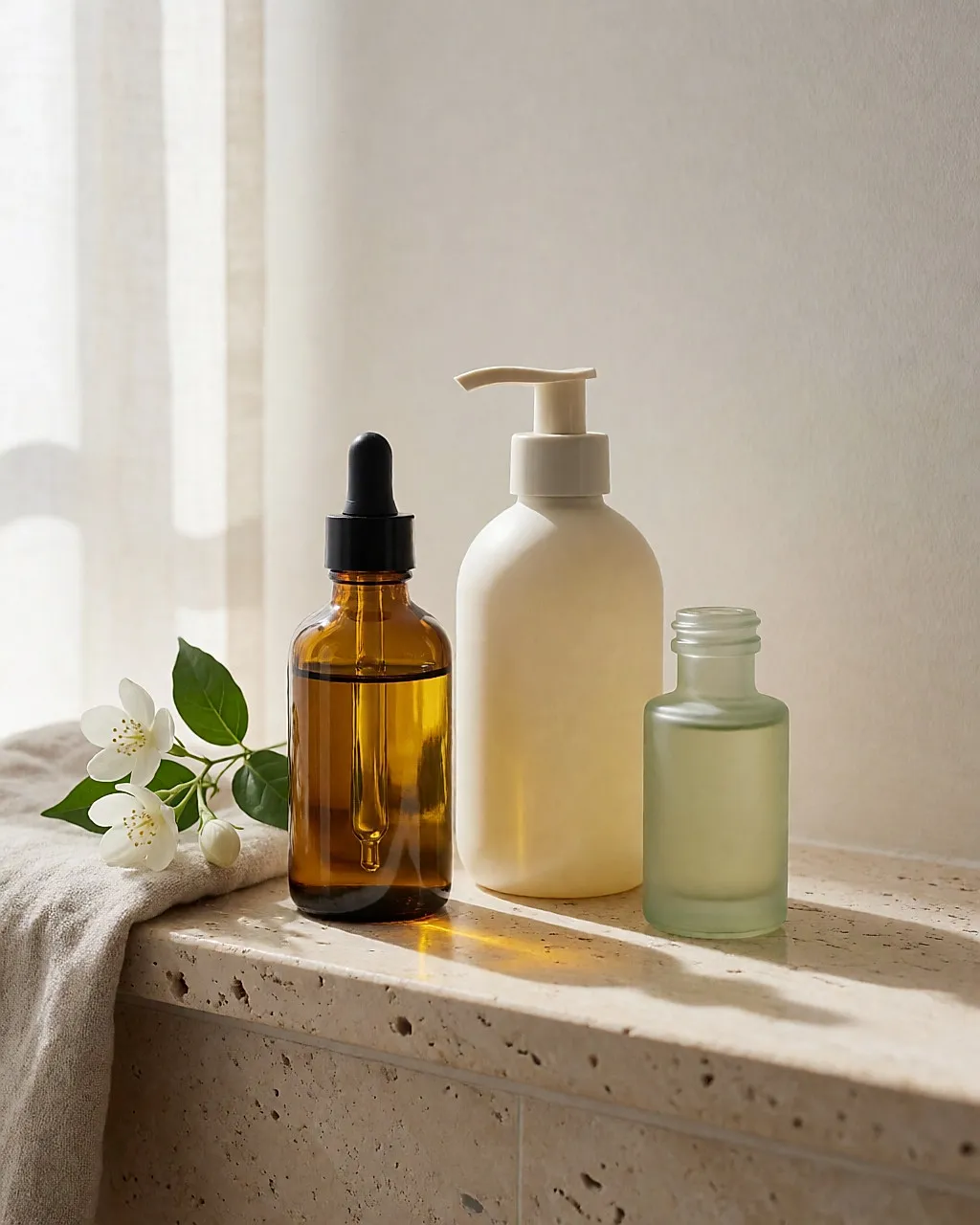
Why does the same name keep coming up the moment anyone mentions damaged hair? In Paris salons, Leonor Greyl has been doing the rounds for years — and not just because the bottles look good on a shelf. The house was founded in 1968 by Jean-Marie Greyl and built its reputation on galenics — the science of formulation — and on a botanical approach, long before "natural" became a marketing line. These days it's his daughter, Caroline Greyl, who runs the place.
The practical upshot: rich, worked textures, very little product per application, and a technique you have to learn. Here's the short version.
Full disclosure, as ever: I haven't tested these products over several months. I've mostly watched them do the rounds in salons, in the hands of stylists who know them inside out.
Three formulas that hold up
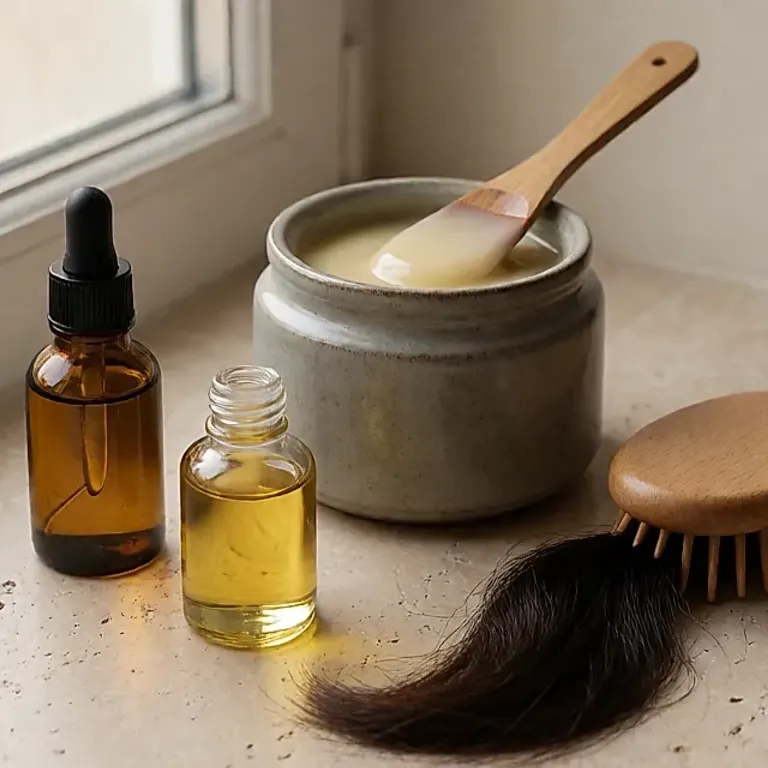
Huile de Palme. An oily texture, used as a mask before shampooing, on dry hair, from roots to ends. Leave it for about twenty minutes, then wash. It's aimed at very dry, brittle hair, or hair sensitised by colour, highlights or a perm. Plenty of people also use it before a sea swim, because the oil limits how much salt water reaches the fibre — hence its "waterproof" reputation among holidaymakers.
An honest caveat: palm oil is an ingredient that raises questions, because of the deforestation linked to some supply chains. If that matters to you, check the current ingredients list on the brand's website or ask at the counter — the precise origin isn't always spelled out on the label.
Shampooing Crème Moelle de Bambou. A very gentle wash: little lather, a creamy texture, a floral scent. The formula pairs bamboo marrow extracts with proteins and suits more or less every hair type. The technique: a pea-sized amount emulsified between your palms, a scalp massage, then rinse. If your hair is very fine, you could save it for every other wash.
Sérum de Soie Sublimateur. A fluid texture, a small blob through the mid-lengths and ends, and hair behaves: it smooths, straightens, gains shine. The step that makes the difference — you apply it to towel-dried hair, not soaking wet, before styling. It's light, so it suits fine hair that dreads the greasy look.
New to the brand? Start with a shampoo and an oil, not the whole lot at once. One product at a time and you can see what's doing the work; layered under three others, you'll never work out which one to repurchase.
The routine, in order
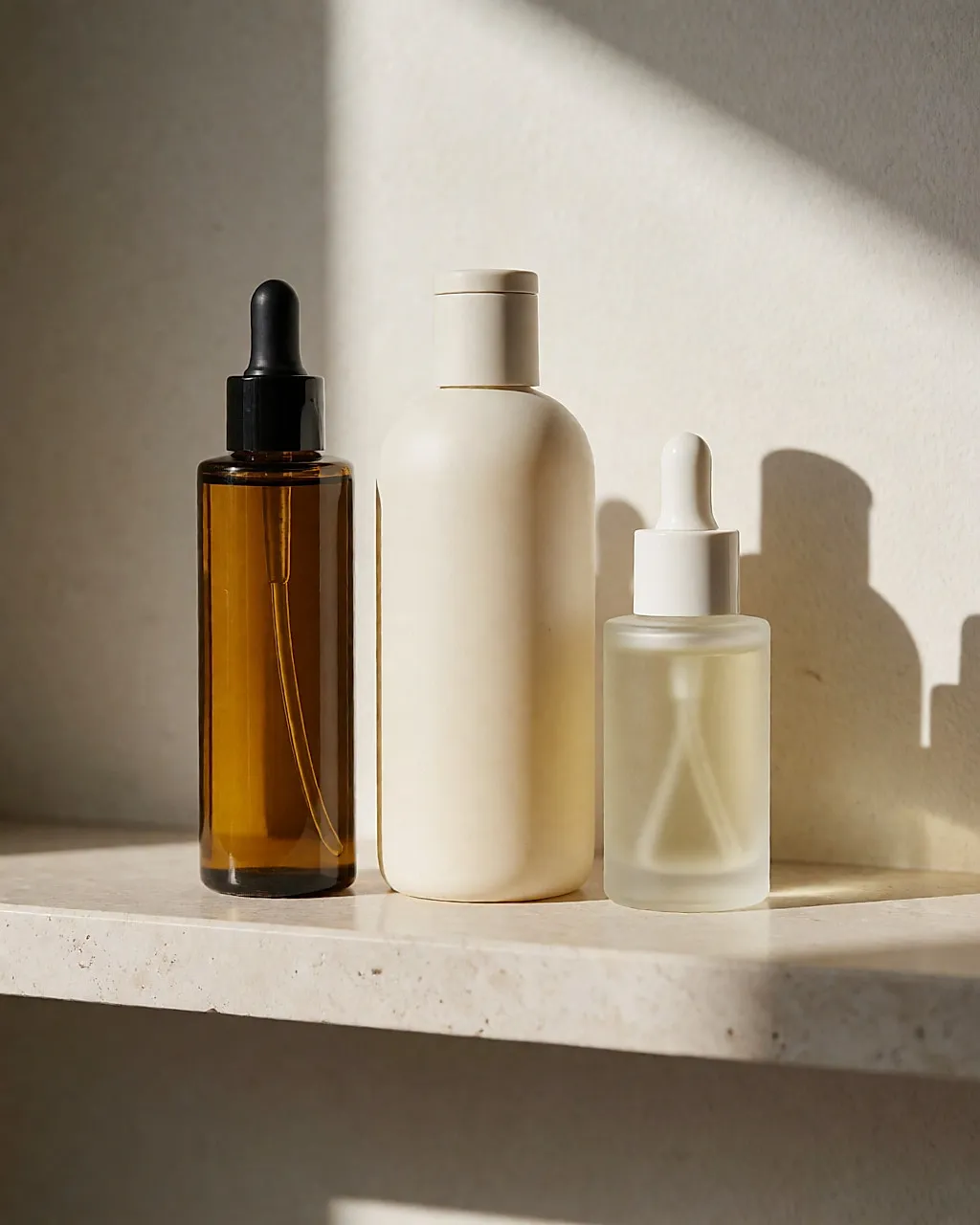
Before the shower, the oil as a mask on dry hair. In the shower, the cream shampoo. Afterwards, on towel-dried hair, the serum. Once a week, a richer mask through the mid-lengths and ends — jasmine, orchid, whichever suits your hair. It's this simple layering that works, not the full collection.
What it costs
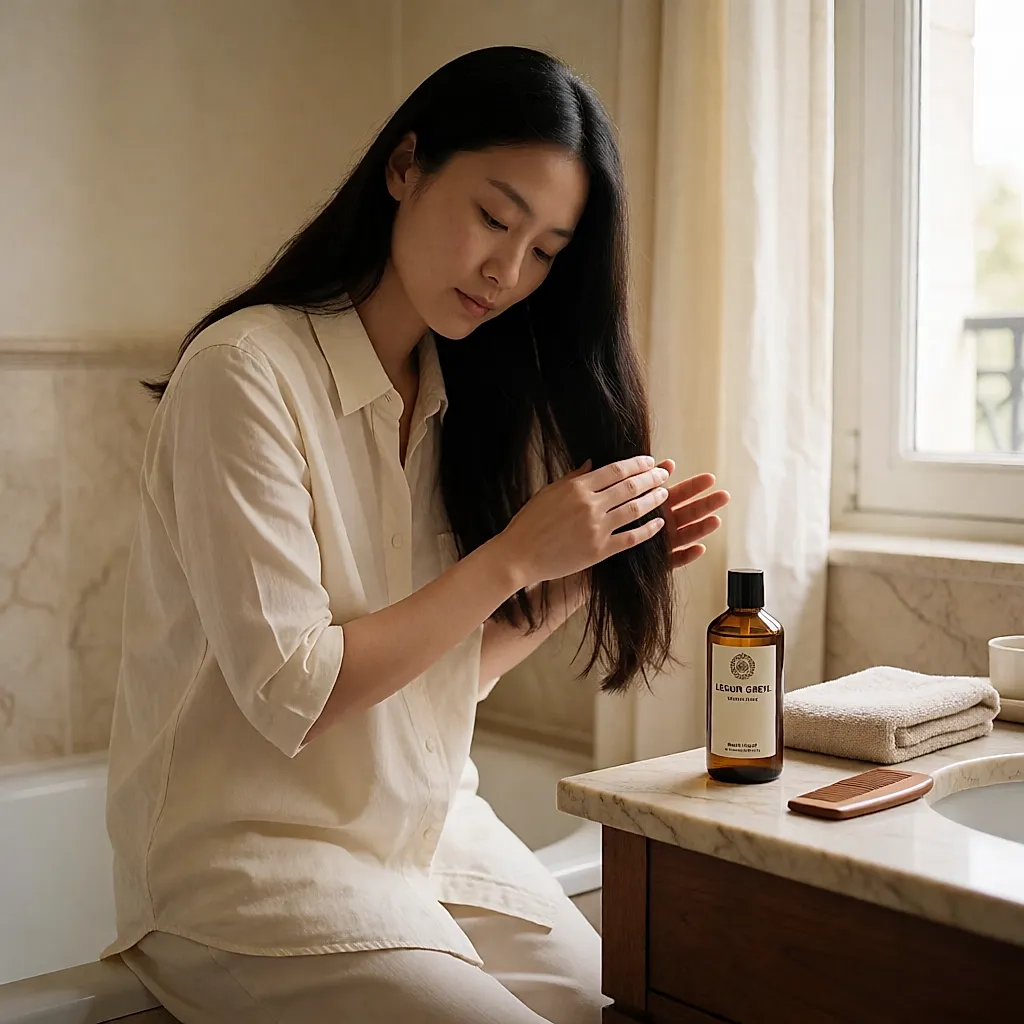
These sit at the premium end of the French hair care market. Rough guide to the prices I've seen:
- Shampoos: in the region of £30 to £45 for 200 ml.
- Huile de Palme: around £40 to £60 depending on the size.
- Sérum de Soie Sublimateur: usually £30 to £40.
- Masks: often £40 to £60 a pot.
What moves the number: the size, the stockist, the city and any promotions going on. You'll find them in partner salons, beauty retailers or on the brand's official online shop — compare, because the gaps are real. My advice: buy the small size first to see how the texture behaves on your hair, and invest in the big bottle later if it works for you. Pricing differs between France and the UK, so check the shelf price rather than assuming the euro figure carries over.
Comments
Your opinion matters: rate the article, react and reply to comments.
Comments are moderated; AI-assisted comments are flagged. Text emoticons (8-), :-), <3…) are automatically shown as images.