

Two years ago, I was in bed within four minutes flat: one cotton pad of micellar water, two swipes with a towel, lights out. My forehead sent me the bill a few weeks later. The problem wasn't the product; it was the method: I was taking off my make-up, not cleansing. Since then I've started from scratch and looked at a good ten formulas. What I've taken from it comes down to a few principles, and one very simple question: does your skin feel tight 30 seconds after you rinse?
Make-up removal and cleansing are two steps, not one
Make-up removal is about dissolving. Make-up, sunscreen and pigments don't come off with water alone: you need an oil, a balm that melts on contact with the skin, or an emollient milk. Cleansing is about removing what's left — sweat, sebum, dust, residue from your make-up remover. A gel, a foam or a soap-free bar will do that perfectly well. Skip the first step and you smear make-up across your whole face; skip the second and you leave a greasy film that dulls your complexion. It isn't about budget, just the order you do things in.
The right texture for your skin type
Dry or reactive skin: a cleansing milk, a cleansing cream or a balm removed with a damp cloth, rather than a foaming gel. Combination to oily skin: a gel or foam, with fluid textures and a quick rinse — Avène's Cleanance range, available from pharmacies and beauty retailers, is designed for this type of skin. Sensitive skin: keep the formula short and fragrance-free, and read the INCI list before you look at the packaging. For the eyes, use a dedicated product: the area is thin, and it doesn't like pressed cotton pads or rubbing.
If your skin feels tight after rinsing, that's not a good sign. Surfactants lift oils, but they also weaken the skin barrier when there are too many of them or they're too harsh. 'Soap-free' and 'superfatted' formulas limit the damage, without working miracles. Whatever the texture, a moisturiser within the next few minutes resets the balance.
How to do the evening cleanse properly
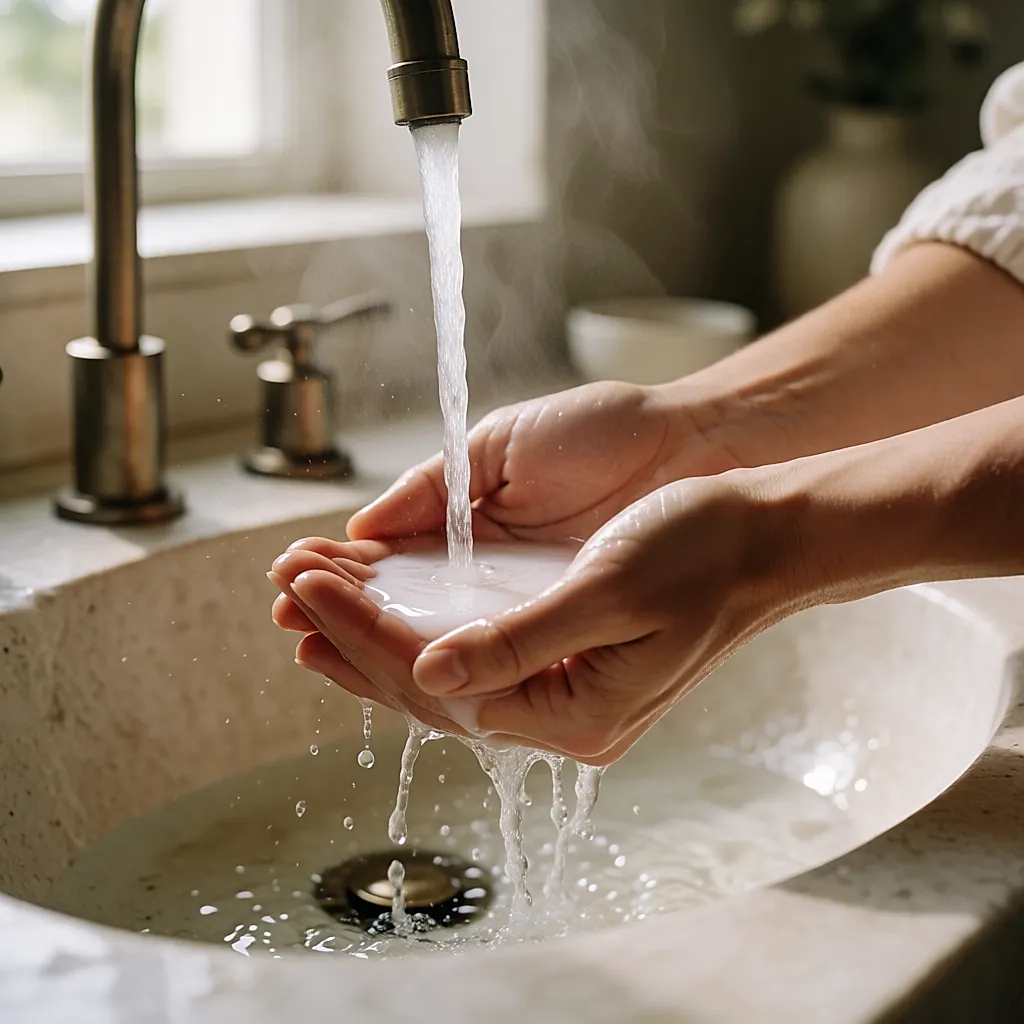
On dry skin, massage your balm or oil over your face and the sides of your nose. Add a little warm water: the texture turns milky — that's emulsification — and it rinses off almost by itself. Rinse, then follow with your everyday cleanser. Pat dry, never rub, and moisturise afterwards.
In the morning, if your skin is dry and you cleansed properly the night before, a simple rinse with warm water is often enough. Oily skin? A light gel, then sunscreen, every day, even in winter.
Where to start with solid cleansers, glass and refills
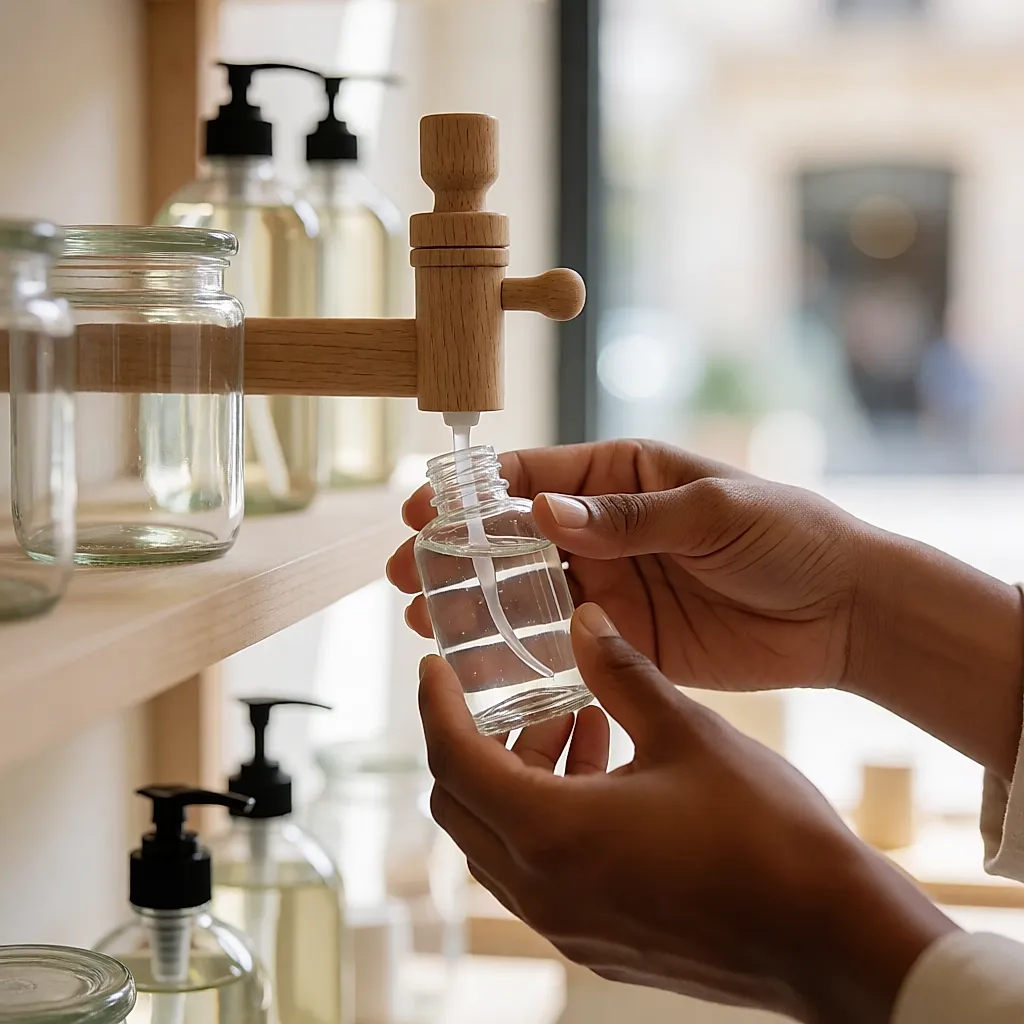
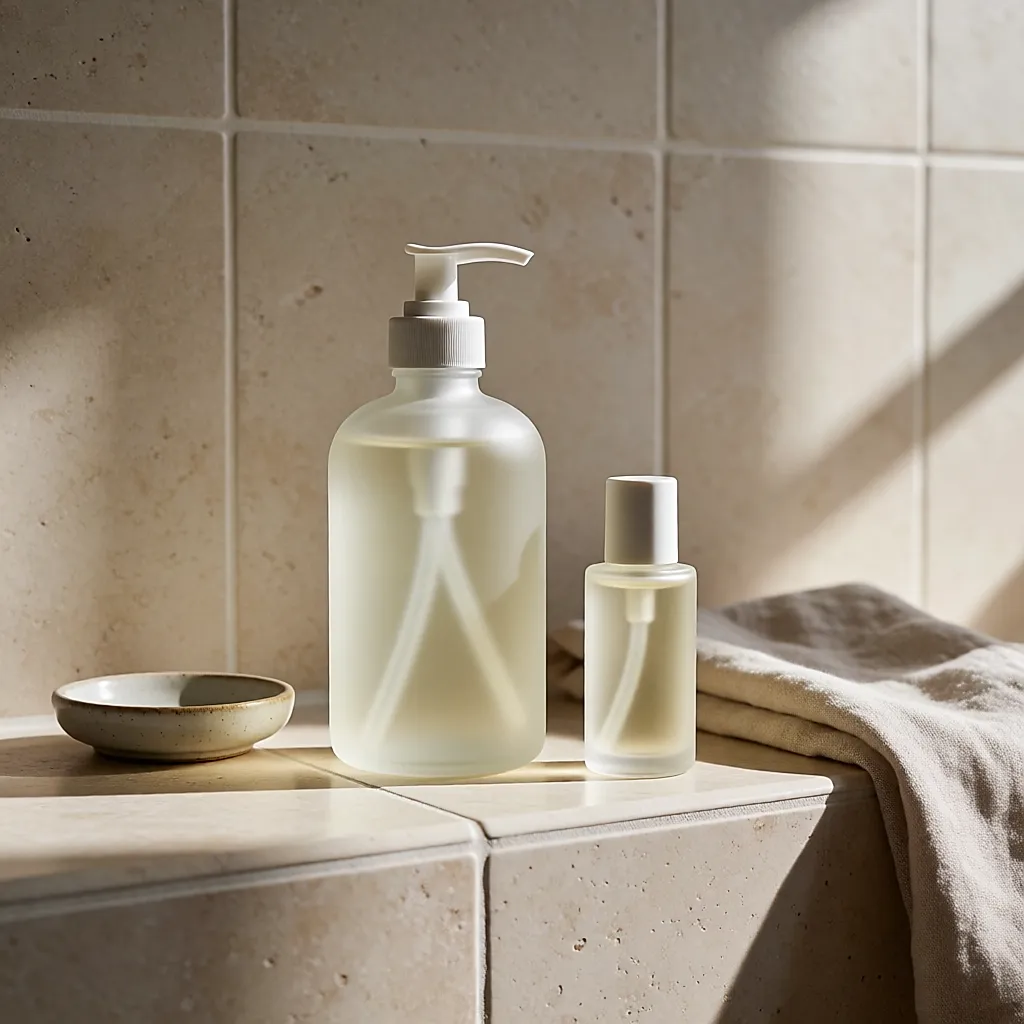
The solid make-up remover is a bar you rub between your hands or directly onto damp skin: no plastic bottle, and a lifespan that far outstrips a tube. Lamazuna and Comme Avant make them in France; allow for an adjustment period if you like a big, foamy lather. On the glass packaging front, several French brands with short formulas offer glass bottles and, for part of the range only, refills. Check each product individually, as formulations and refill options vary.
A word on labels, because you'll read all sorts of contradictory claims. A cosmetic certified COSMOS ORGANIC or Cosmébio meets a controlled standard, with a minimum share of organic ingredients and a list of banned substances. It is a framework, not proof that the product works. The word 'natural', by contrast, is not a regulated label, so keep your eyes open.
Three questions before you pay: is your skin comfortable 30 seconds after rinsing? Does the formula contain fragrance, which is best avoided if your skin reacts? How long does the product keep after opening? The little open-jar symbol on the packaging tells you — there's no point buying a giant size if you won't finish it. If in doubt, choose the simplest option.
What to expect to pay
Prices can vary tenfold depending on where you shop. A gel or bar from a supermarket or high-street shop costs around £3 to £8, often with more heavily fragranced formulas. In pharmacies and beauty retailers, expect £10 to £20 for 200 to 400 ml: Avène, La Roche-Posay and Bioderma remain reliable choices, and larger sizes bring down the price per 100 ml. French brands with short formulas, and organic beauty products, sit between £12 and £25. In department stores and premium beauty halls, a foam from Dior, Chanel or Clinique quickly climbs above £30: you're paying for the packaging and the fragrance as much as the formula.
Where to buy? Pharmacies and beauty retailers, in store or online; supermarkets and high-street shops for basics; health-food and refill shops for solid formats; the brand's own website for refills. My advice: choose a mid-size format, give it a few weeks, and don't build up a stock that sits unused in the bathroom.



Comments
Your opinion matters: rate the article, react and reply to comments.
Comments are moderated; AI-assisted comments are flagged. Text emoticons (8-), :-), <3…) are automatically shown as images.