
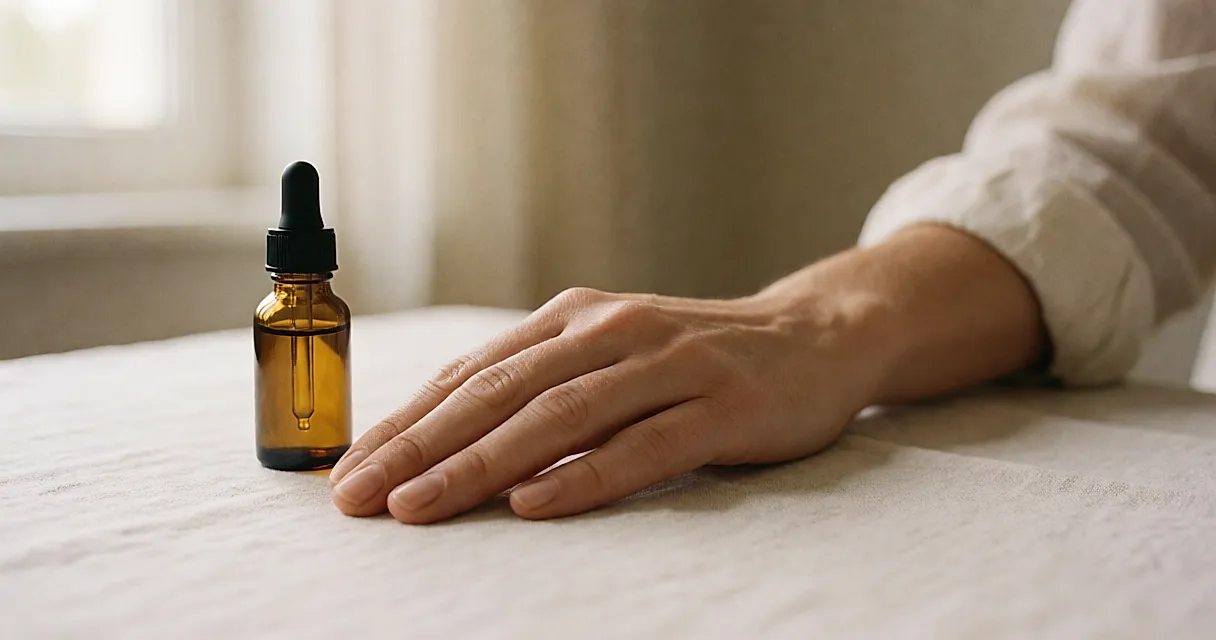
Sunday night: the washing machine is going round, you've queued up an episode, and that middle fingernail has been peeling for three days. You grab the nearest bottle, press a bit too hard on the cuticle, and by Monday morning it makes you pay for the insult every time you use your hands. But what if the problem isn't the oil, but the way you put it on?
Jojoba, castor, blends: texture before label
On paper, all cuticle oils look alike. In the palm of your hand, they're nothing like each other. Jojoba oil is really a liquid wax: thin, it sinks in fast and leaves very little greasy film — the one to keep at your desk without leaving marks on the keyboard. Castor oil is thick, almost syrupy, and sits on the surface: perfect in the evening in front of an episode, far less handy when you have to be behind the wheel five minutes later. It is often credited with helping nails grow; the evidence is thin, and it isn't what we're asking of it here.
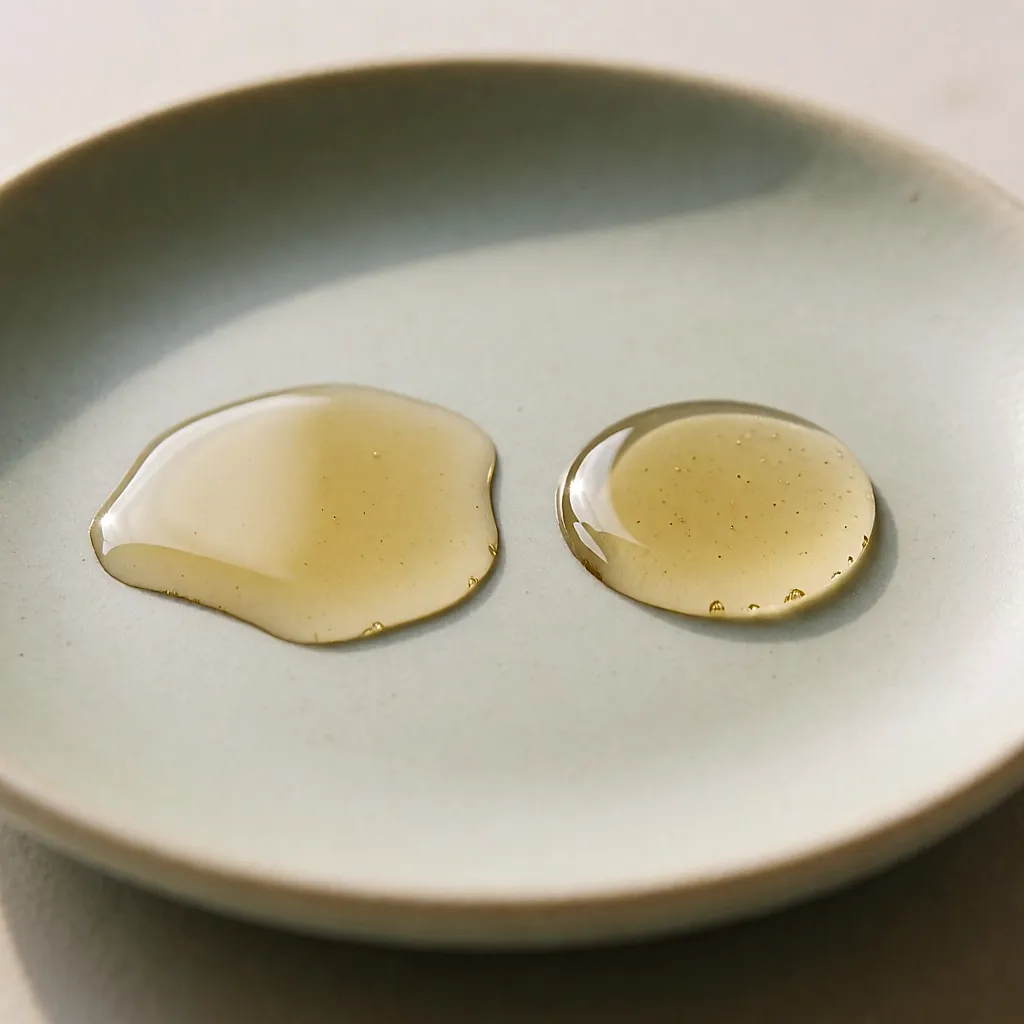
What you can expect from an oil is softer cuticles and a comfortable feel on dry skin — not a nail that grows faster, or a lunula that creeps up. Hence a fairly simple rule on formula: a short ingredient list, oil first, and as few essential oils as possible if your skin reacts easily. A little vitamin E (tocopherol) to stop the bottle going rancid, and that's it. A jojoba-castor-apricot blend makes real practical sense: castor brings the film, jojoba the fluidity.
The method matters more than the bottle
The cuticle is that little ridge of skin acting as a seal around the nail plate. It doesn't need to be pushed back to the millimetre: the harder you push, the more you irritate it, and a damaged cuticle takes its revenge in ragged bits that catch on everything. The method that counts fits in one sentence: one drop per cuticle, massaged in with a fingertip, no pushing. A few seconds per finger, just long enough to massage, and then you forget about it.

How often? In practice, usually in the evening, two to three times a week is enough for normal skin; very dry skin, or a job with your hands in water all day, will want it more often — but that's a rule of thumb from the desk, not a prescription. Keep the wooden orange-stick pusher, bevelled, for the days when a shower has softened the skin, and don't force it. And if a cuticle turns red, sore or swollen, stop everything and show it to a pharmacist or GP: that is not the moment to try out a new oil.
The travel format nobody loves
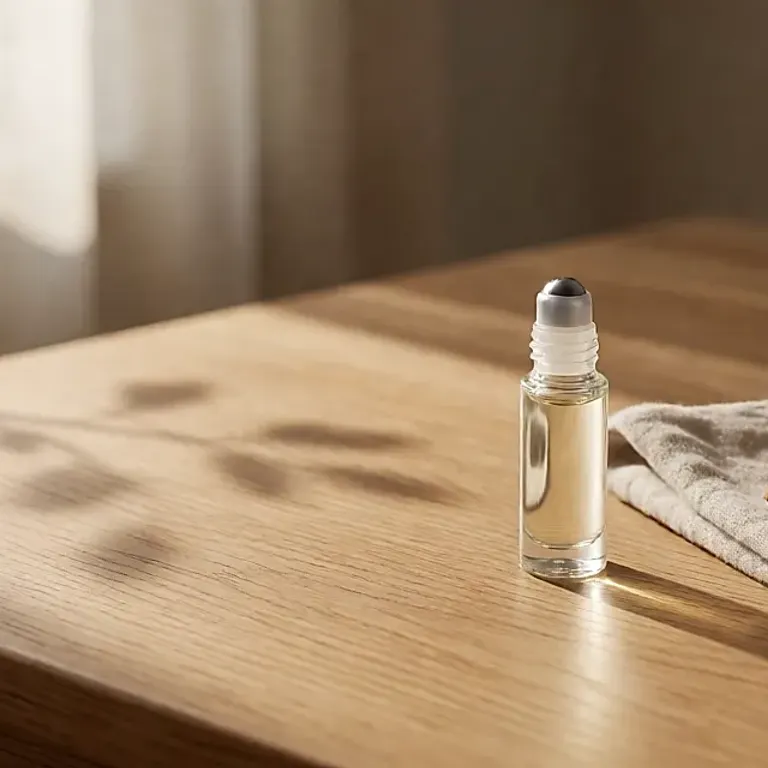
A 100 ml glass bottle stays at home, and that's fine. But the real question is the format that lives in your bag: 5 to 10 ml, roll-on or brush pen. A roll-on dispenses the right amount without dipping your fingers into the bottle; a brush pen is more precise in the corners. A solid balm in a small tin is much less likely to leak onto your lining — the trade-off is accepting that you'll be greasing the tip of your finger on the way out of the Tube.
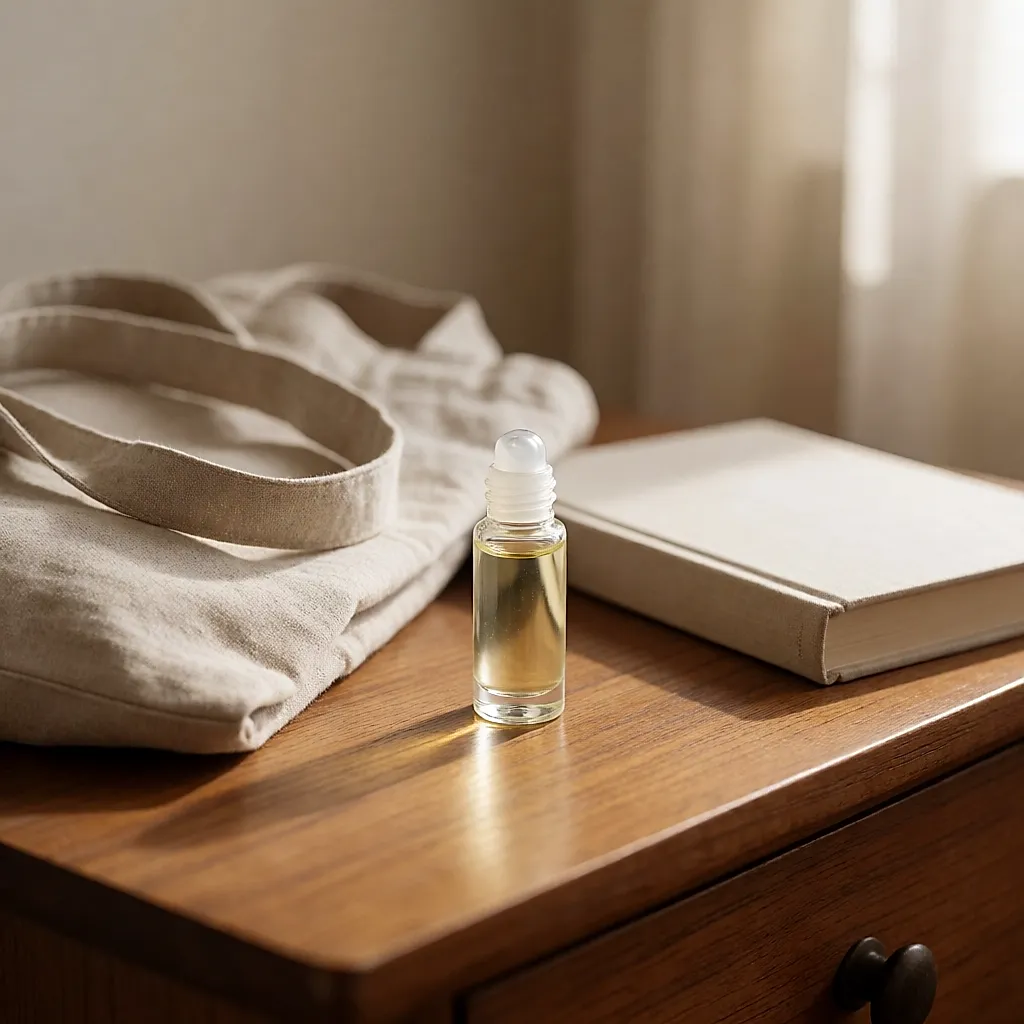
A detail that makes a difference in real life: the lid. If a roll-on isn't screwed on properly inside a tote bag, it's your notebook that suffers. Also weigh up ground-glass droppers, pretty but fragile, against the plainer plastic pipette — the trade-off isn't always the one you'd expect.
Packaging versus formula: the honest trade-off
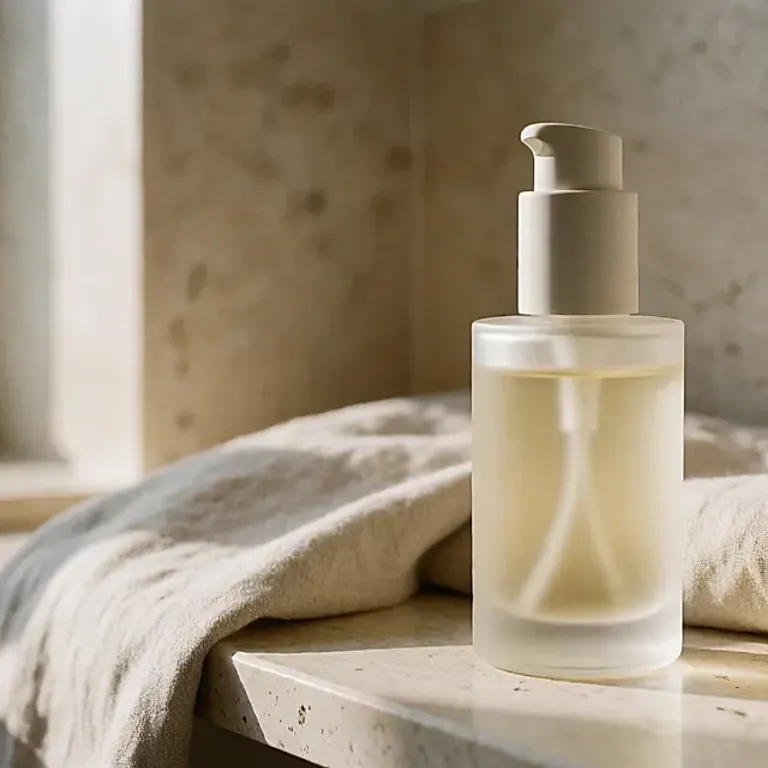
The most photogenic bottle isn't always refillable, and the cleanest formula sometimes arrives in a jar you'll throw away. Choose your camp. A pure oil bought in bulk, decanted into a glass bottle you keep for years, ticks both boxes on a laughably small budget. A DIY blend made from bulk is better still — as long as you label it with the date: plant oils don't keep forever.
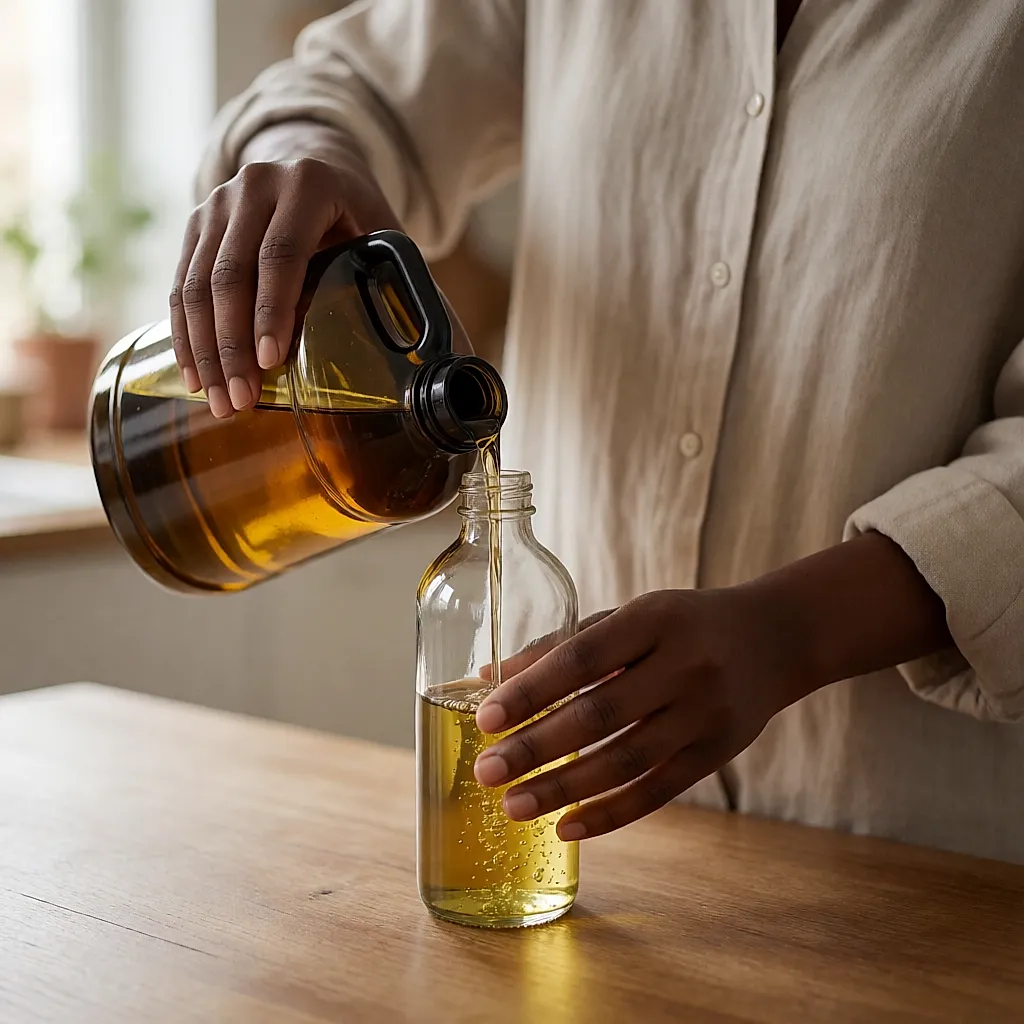
Be sceptical about the word "refill": check that the refill actually exists and is in stock, not just advertised on the product page. A waterless solid balm in a metal tin also cuts down packaging volume. And if the formula that suits your nails best turns out to be a conventional product, that's not a disaster: buy it, keep the bottle, and make up the difference elsewhere.
Budget
Expect to pay around £8 to £15 for 50 ml of organic jojoba oil, £5 to £10 for the same volume of castor, from health-food shops, independent pharmacies or bulk and refill retailers in the UK (in store or online). A ready-made 7.5 to 10 ml roll-on blend sits somewhere between £10 and £22, a brush pen between £7 and £18, a solid balm between £9 and £18. Bulk is often the cheapest route per millilitre, provided you have a clean bottle to hand.
At a salon in the UK, a manicure with cuticle care comes in at roughly £25 to £45 depending on the city and the range — useful if your cuticles are in a state and you want to start from a clean base, but it doesn't replace an oil at home.
The five-minute habit: keep the roll-on on your bedside table and apply it before you start reading. One drop per nail, massage, close the book. It's one step that survives a genuinely rushed life.
Where does that leave you? A simple oil, a gentle method, a format that is less likely to leak, and a pusher gathering dust. The rest — growth, lunula, promises — isn't up to us, and that's almost a relief.

Comments
Your opinion matters: rate the article, react and reply to comments.
Comments are moderated; AI-assisted comments are flagged. Text emoticons (8-), :-), <3…) are automatically shown as images.