
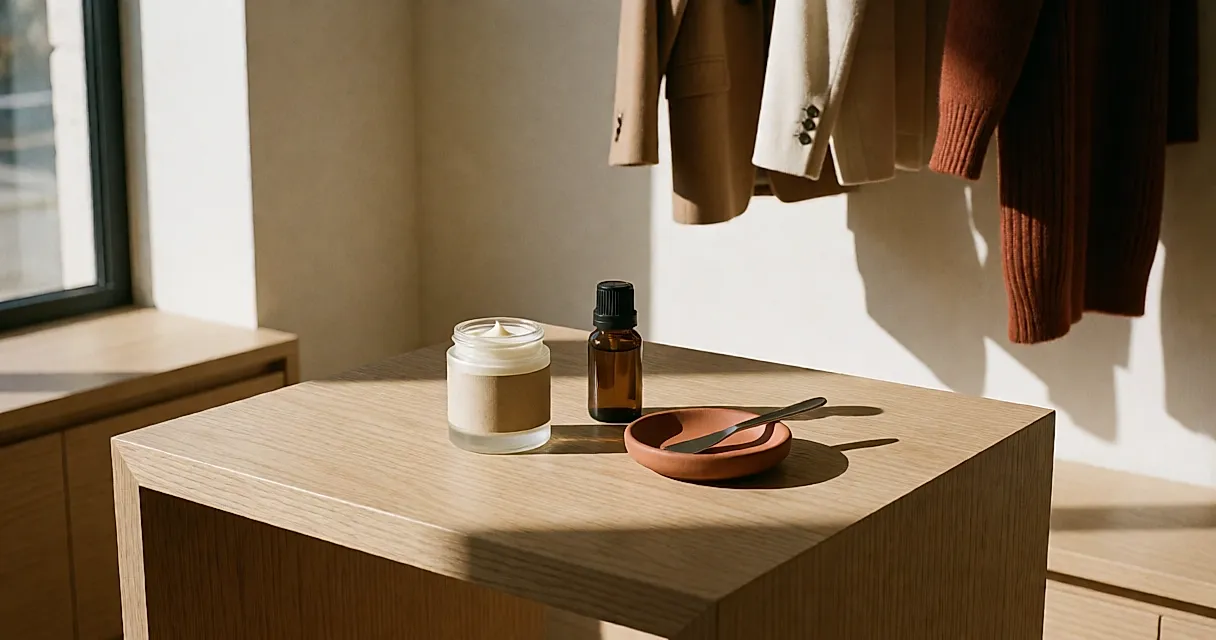
Putting together your own lip mask feels less and less like picking a colour and more and more like walking into a perfumer's. You push open the door for a single jar and leave with a formula nobody else has. The catch is knowing what you're mixing — and accepting that the result isn't always what you pictured.
The lip mask has outgrown the first-aid kit
For years it had one job: damage control in February. You dug it out once the cold had cracked everything, pressed it on before bed, then forgot about it until the next winter. An emergency product, filed somewhere between the plasters and the hand cream.
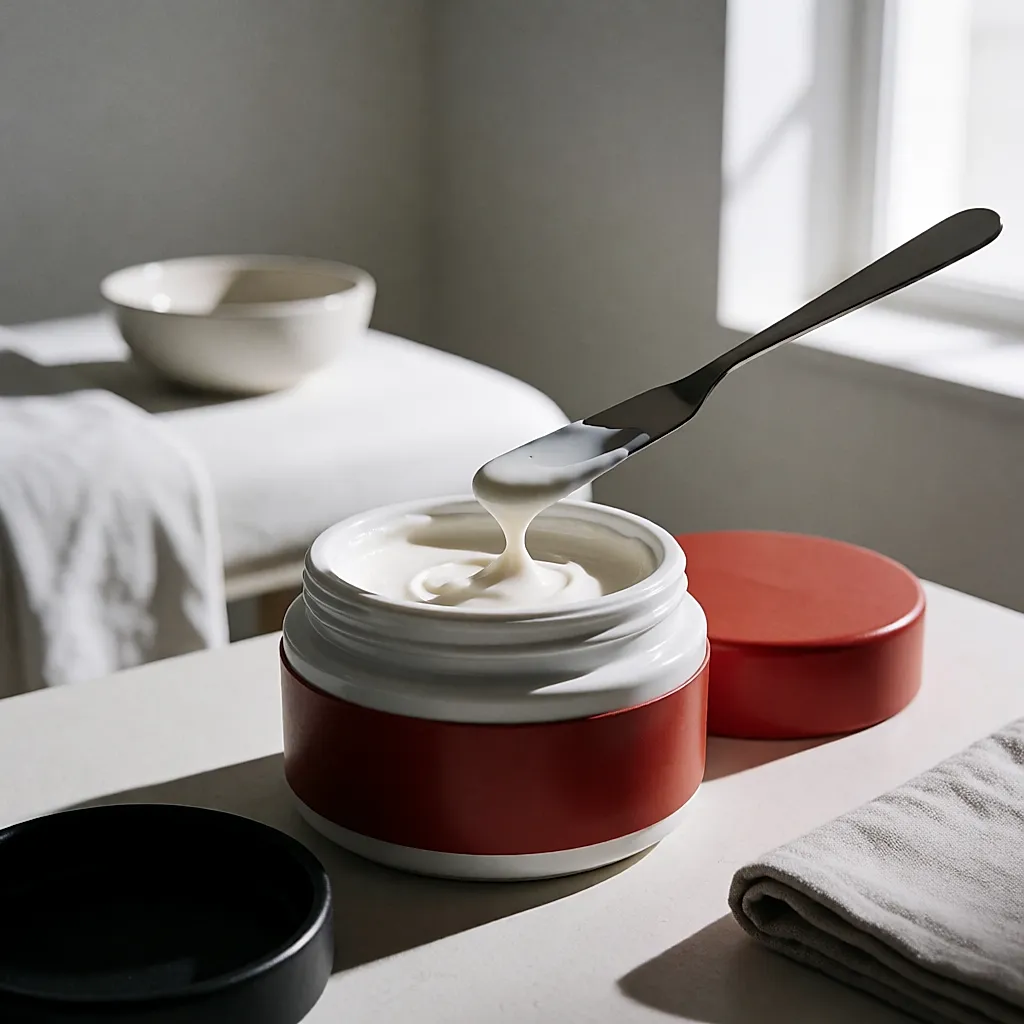
K-beauty shifted expectations by establishing the idea of a dedicated overnight treatment — thick, comfortable, applied in a generous layer and left to work while you sleep. The jar stayed, the status changed: from emergency buy to ritual. A small evening pleasure, almost a collectible. Which is precisely the gap personalisation has rushed into.
Pick a base before you pick a scent
The principle is simple: instead of a finished jar, the shop offers a neutral base plus a series of boosters — a little more emollience for rough lips, a finer texture for anyone who hates the greasy feel, two or three fragrance notes purely for pleasure. You choose, they blend it in front of you, label it, and off you go.
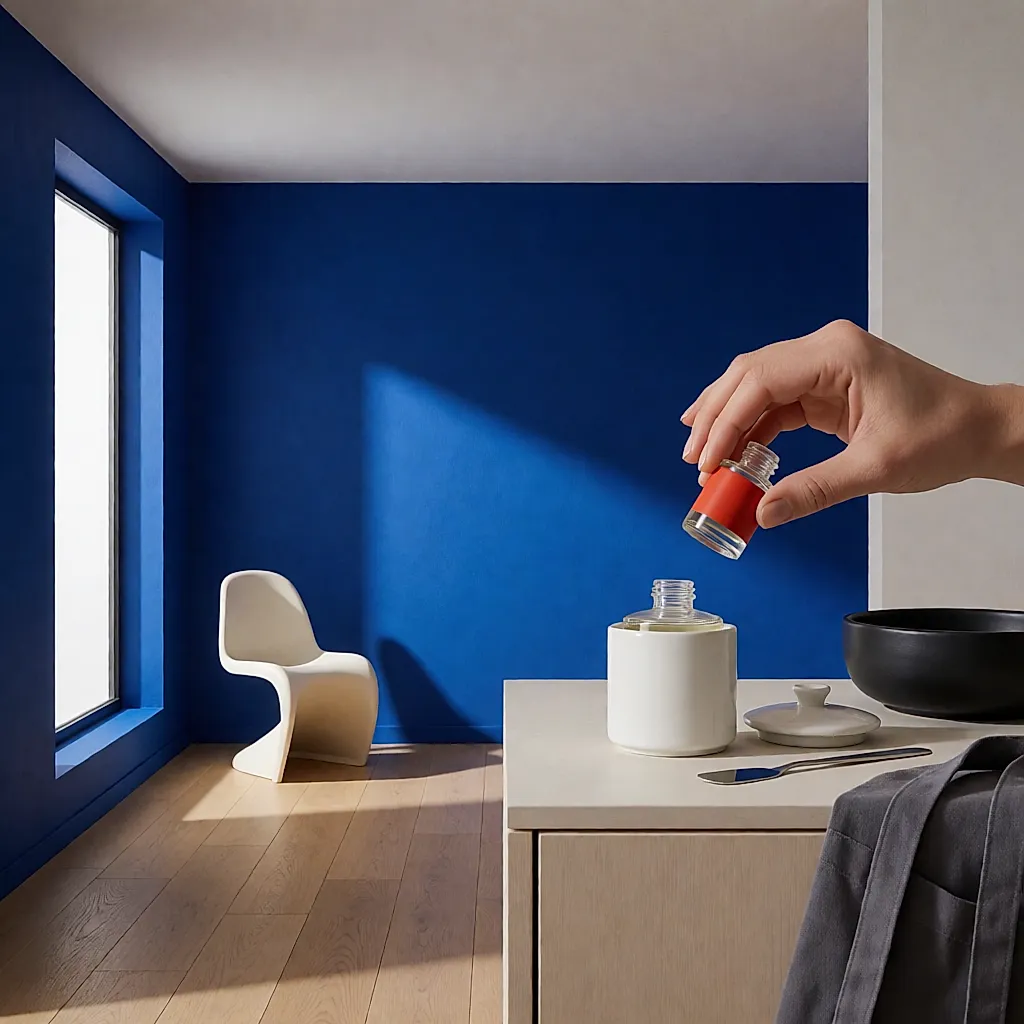
That gesture is not nothing. It turns a purchase into a making session and the customer into a composer: you weigh, you sniff, you waver between vanilla and citrus, you double back on your first idea. The time it takes to blend, a small jar, and the product is already a little bit yours. In terms of attachment, it's hard to beat.
Does any of it actually change anything? On the care side, let's be honest: don't expect a blend to fix what a base won't fix. Ingredients remain ingredients. What does change is the texture under your fingertip and the urge to come back to the jar — and in a routine, that counts for more than you'd think. One thing remains unknown: how long this workshop format will hold up against the logistics of a big brand.
Fragrance is a lovely idea and a genuine headache
Adding scent to a lip product is instantly appealing. Except the area is thin, mobile, and only moderately keen on extra fragrance molecules when it is already irritated. On cracked lips, the most discreet ingredient is often the most sensible choice — a reflex that reactive skin knows by heart.
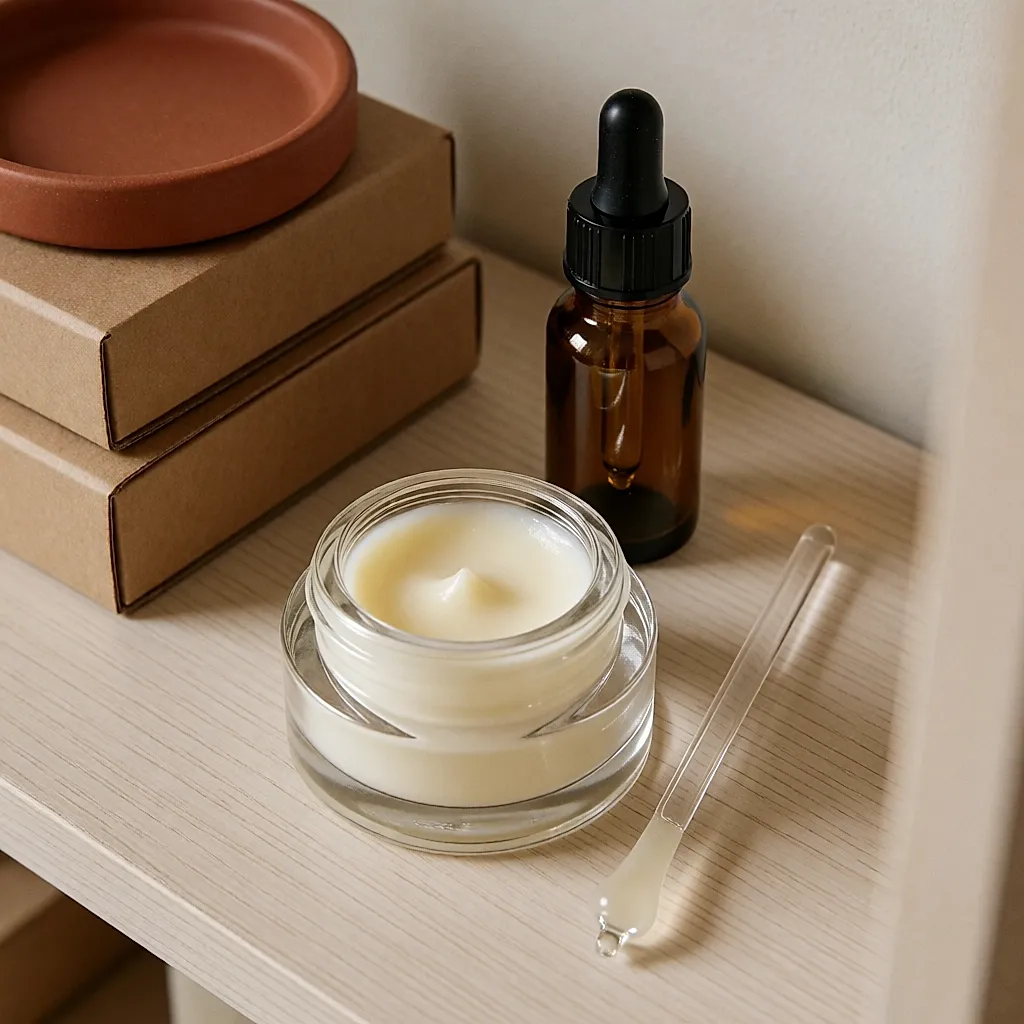
Another detail the workshop doesn't always mention: fragrance tends to evaporate fast and does not linger long on the lips. A citrus note fades quickly; a vanilla note may linger a little longer, but don't count on your jar to scent the pillow. It's a pleasure of the gesture, not a long-wear claim.
For lips in good condition, the exercise is still charming. You layer as you would in perfumery: a gentle base, a more resinous booster, a hint of freshness if you fancy it. One small reservation, though: menthol notes are no friend to a compromised mouth.
Making it at home, without the shop
You can reproduce the principle at home with two jars and a clean spatula. A practical rough guide: three parts base to one part booster, adjusting afterwards if needed. Pour the base in first, add the oil or scented balm, mix, then test on the back of your hand before going anywhere near your lips.
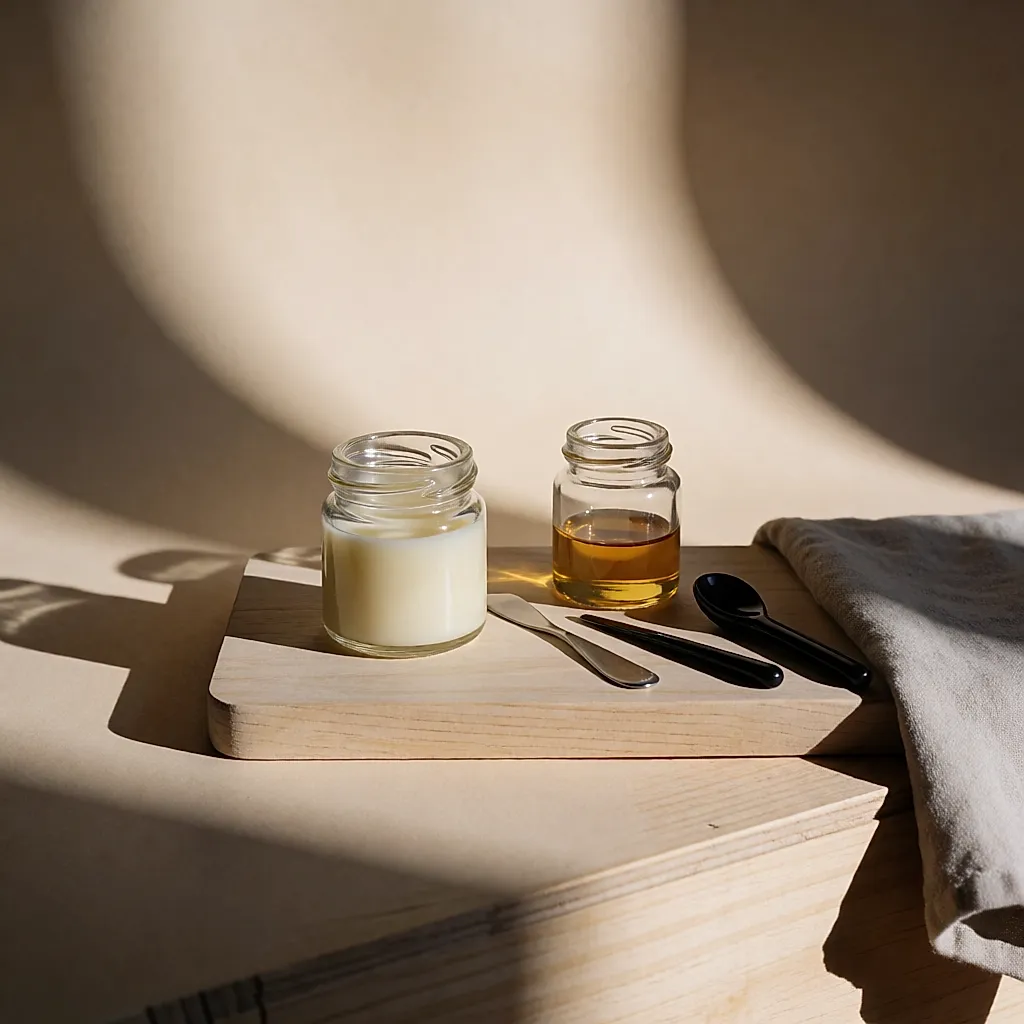
Work in small quantities: a 10 ml jar, used up within a few weeks, saves you from finding an oxidised blend at the back of a drawer. And write down what you did — the ratio, the note, the brand of the base. The second version is often better than the first, provided you remember what went into it.
Three steps: a neutral base, a booster, a scent. Mix a little at a time, label the date, keep the jar away from light. And if your lips are sore, skip the fragrance — base alone, thick layer, at night.
Budget
A jarred lip mask usually costs between about £10 and £30, from a pharmacy, a health-and-beauty retailer, a supermarket or online, depending on the size. A bespoke blend in a shop workshop costs more: expect roughly two to three times that, since the time spent and the container both cost money.
On packaging, look at what you're actually buying — glass jar, refill, cardboard sleeve, waterless formula. A plastic jar is nothing to be ashamed of if a refill exists for that container, but it's worth checking before you leave with three of them. And is it worth it? Yes, if you enjoy the gesture and the object. No, if you're only after a good layer of care: one well-chosen base will do the job perfectly well.
Lip masks have changed role: from winter rescue to playground. You can find the whole thing a bit pointless, or see it as the simplest pleasure going — a jar, a clean finger, five minutes to yourself. Next time you linger at a display, just ask yourself one thing: is it the texture you like, or the idea of composing? Both are good reasons, though not necessarily at the same price.

Comments
Your opinion matters: rate the article, react and reply to comments.
Comments are moderated; AI-assisted comments are flagged. Text emoticons (8-), :-), <3…) are automatically shown as images.