
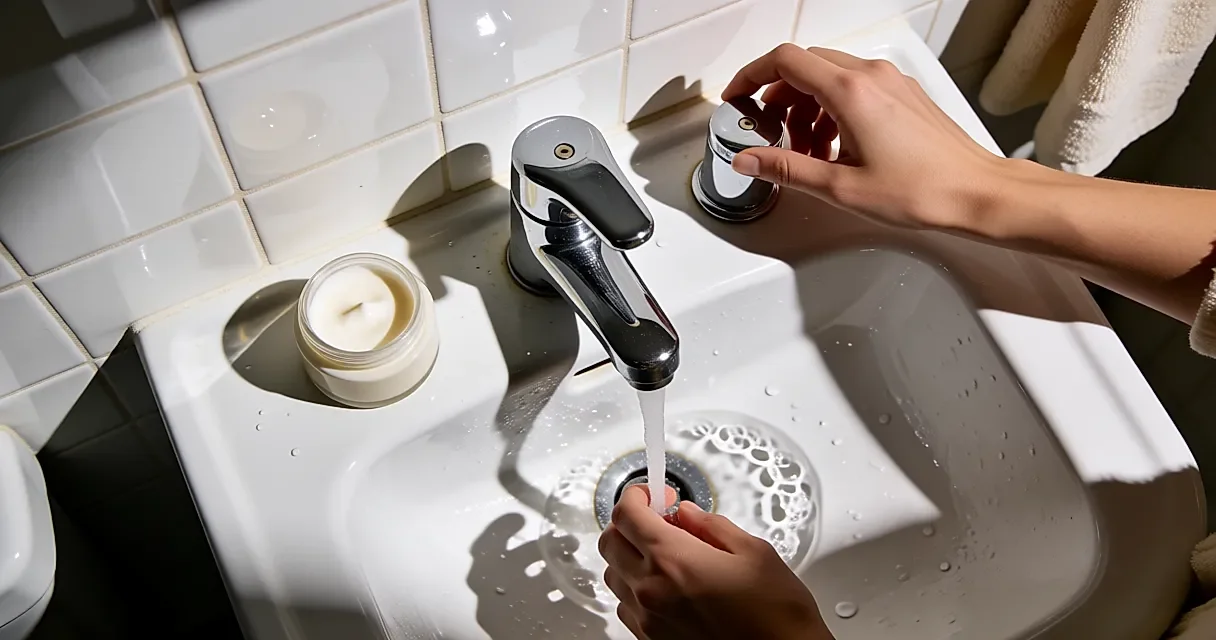
A pair of washing-up gloves can do more for your hands than a trendy hand cream. Not because gloves nourish anything, but because they make an obvious point: what damages hands is often what you do to them before the cream. Scalding water, rushed drying, a thick layer applied to already dry skin. Four steps, one sensible order, and it does not start with the tube. The aim isn't to compare creams, but to put the steps in the right order, and that order starts at the tap.
Start with the tap, not the tube
Admit it: washing your hands often turns into a mini steam room. Hot water is pleasant, especially when your fingers are freezing and the radiator is clanking. The trouble is that the hotter the water, the more it strips the skin's protective lipid film, the thin fatty layer you only notice when it's gone, at the end of the day when everything feels tight. In practice, aim for lukewarm water: water that doesn't make you flinch or turn your skin red. The simplest test is the inside of your wrist, which is more sensitive than your palm.
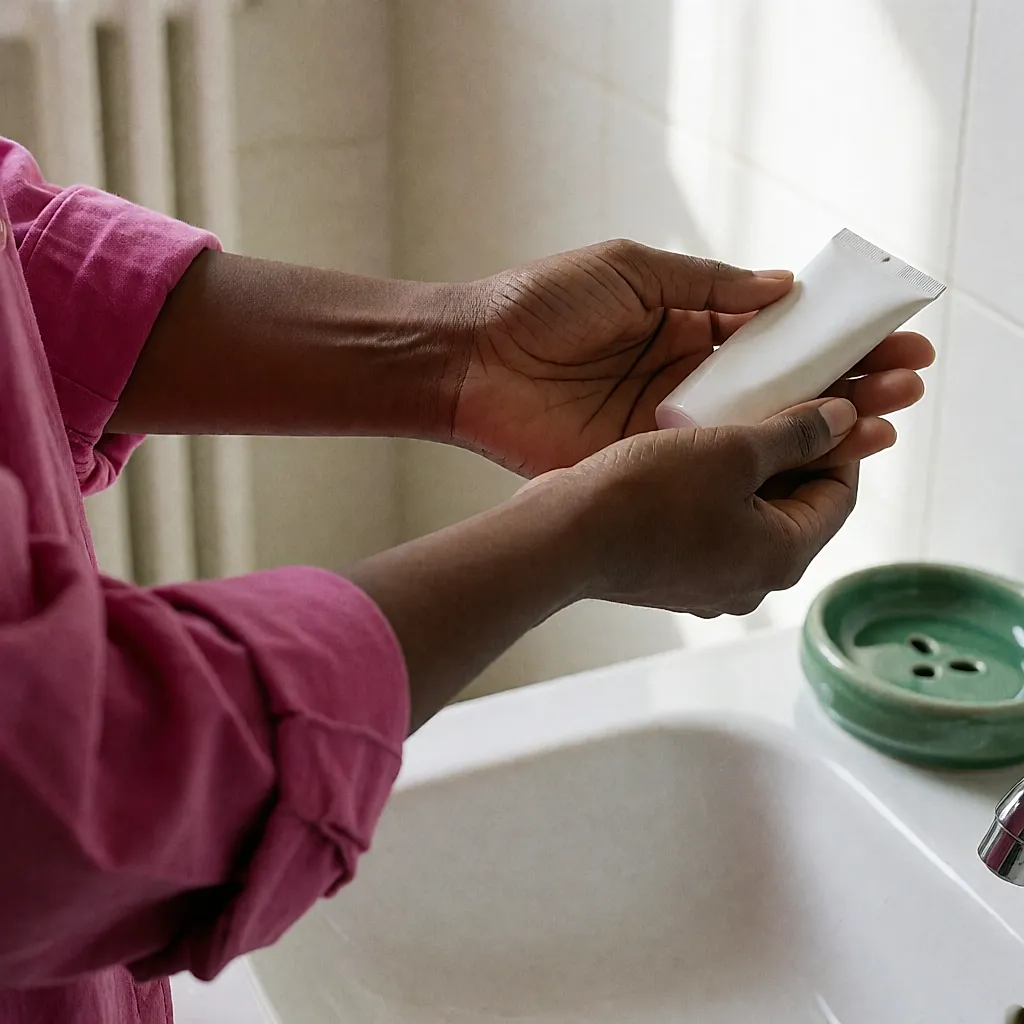
Turning the temperature down is easy to write and annoying to do, because you wash your hands 20 times a day without thinking, between saucepans and a return trip on the Tube. The trick that actually works is not to change the whole ritual, just the tap. And if your hands are already cracked, with splits that pull or bleed, it's no longer a cosmetic matter. Show them to a GP or pharmacist, who can check whether something else is going on.
Your towel does half the work
We dry our palms, give them a quick rub and forget the spaces between our fingers. That's where water hides, quietly softening the skin until it cracks. A poorly dried hand keeps trapped moisture that softens and weakens the skin, so your evening cream is working on ground that's already tired. Silly detail, real effect: take rings off before drying, otherwise water stays underneath and the skin goes white for no apparent reason.
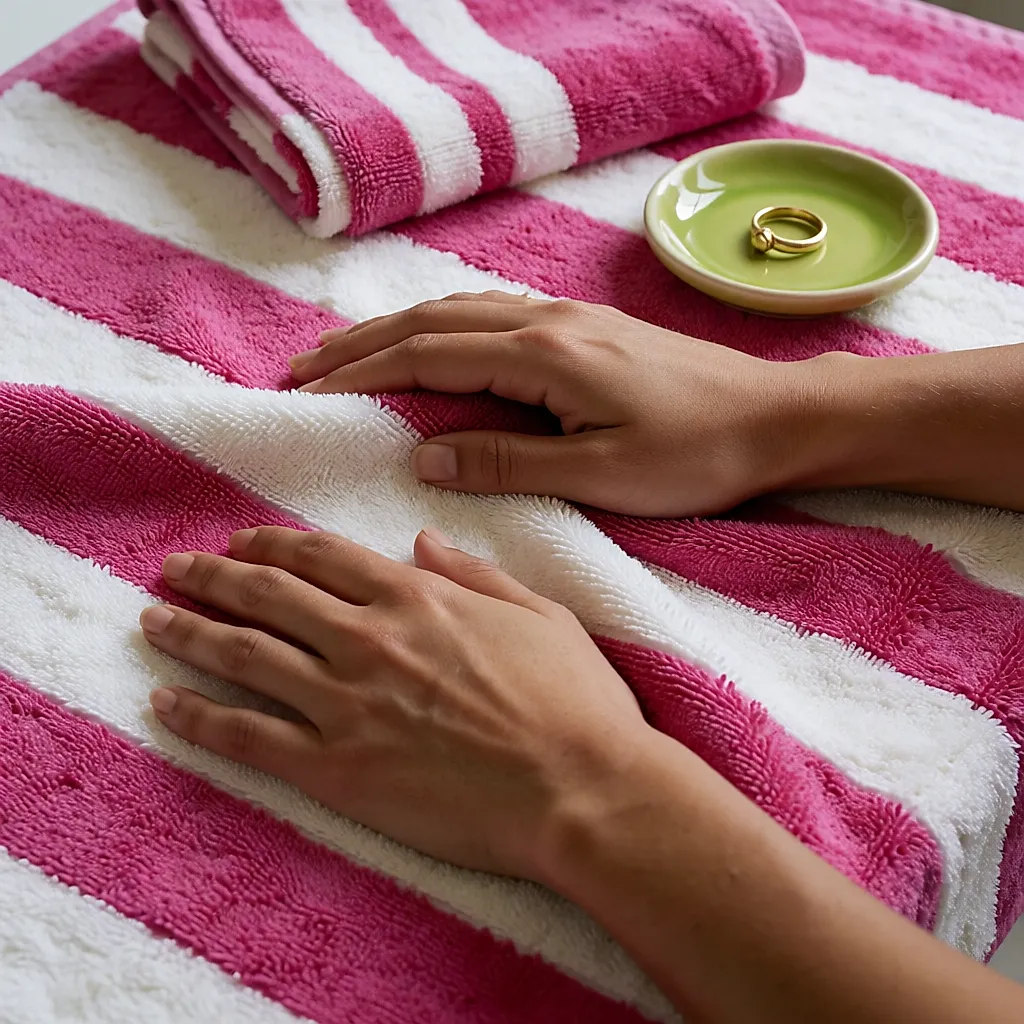
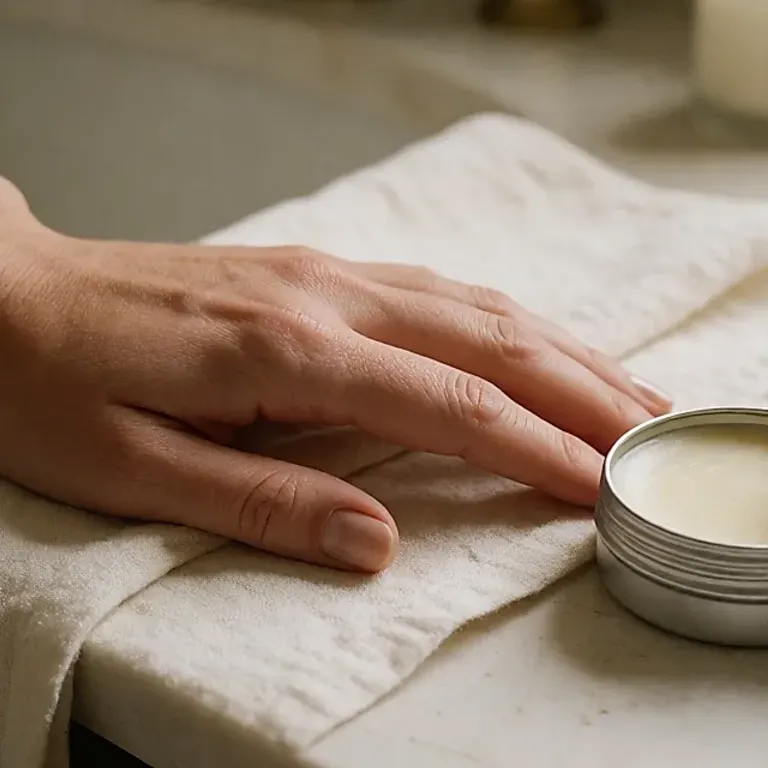
The right technique is no technique at all: pat rather than rub, gap by gap, and don't forget the backs of your hands or your wrists. As for the towel, change the cotton often. A damp cloth left hanging around for three days won't dry anything, it just spreads moisture around. And if you're heading straight out, finish drying before you put gloves on, because a damp hand in a warm glove is the combination that makes skin feel tight at the first cold gust.
Apply cream while skin is still damp
On skin that is still slightly damp, cream doesn't just moisturise: it helps hold in the water already on your skin. That's the principle behind emollient products, and why the order matters. In practice, apply your cream before the skin is completely dry. The useful move: a pea-sized amount, warmed between your palms, worked into the backs of your hands and around the nails, where skin tends to peel first.
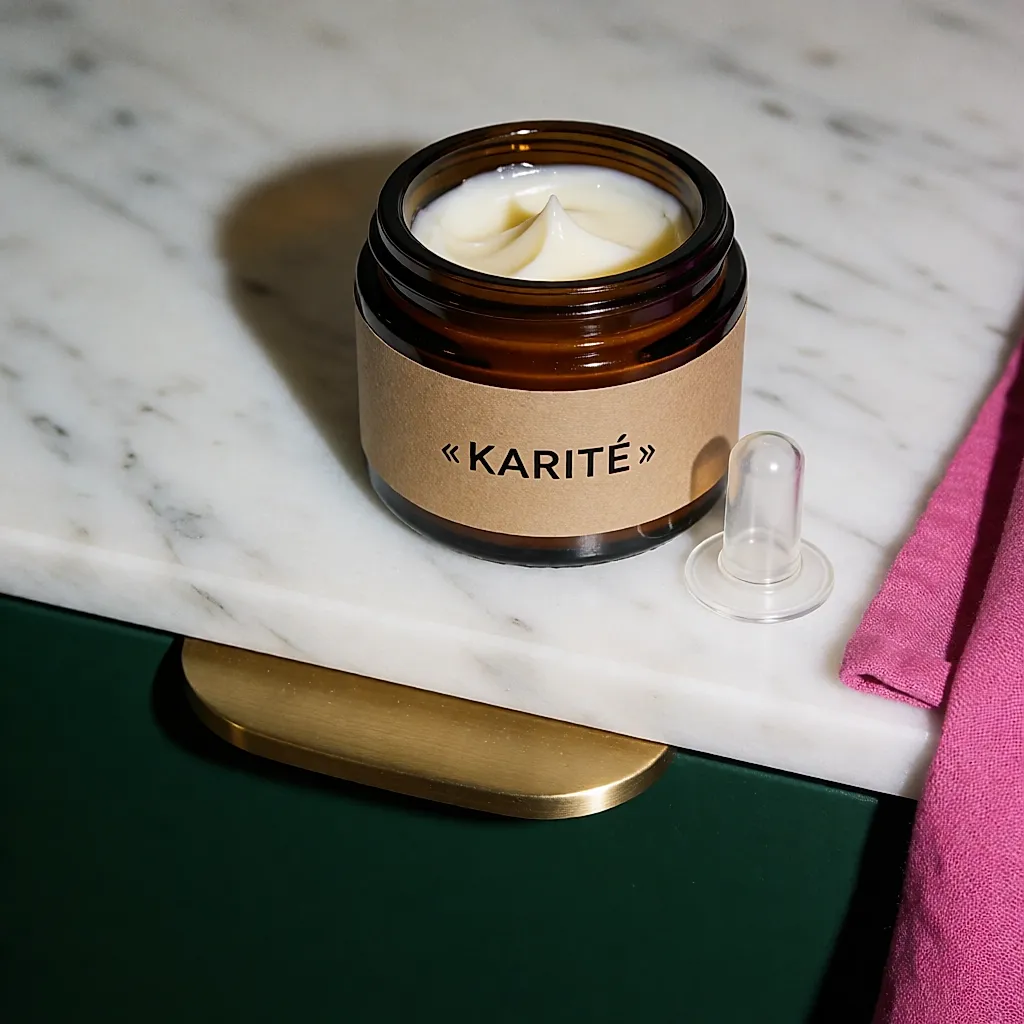
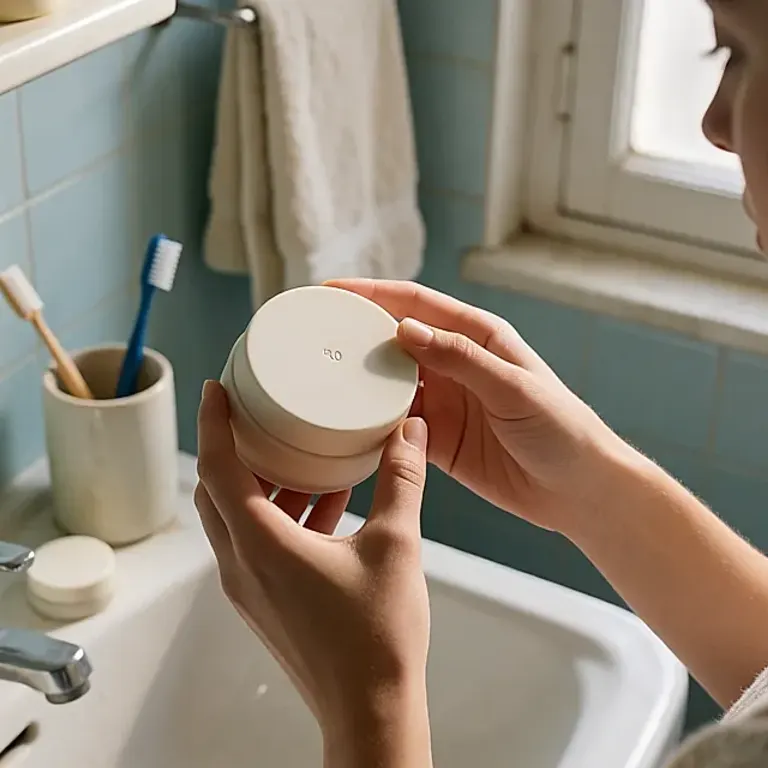
As for the formula, there's no need to go for the most expensive. As a rule, look for vegetable glycerin near the top and shea butter or a plant oil further down the list, but INCI order alone doesn't guarantee concentration, especially below 1%: ingredients present at less than 1% can appear in any order. Choose a balm texture if your skin is very dry, or a lighter, more fluid formula if you're typing at a keyboard all day. Organic labels guarantee a minimum proportion of organic ingredients and a set of formulation standards, not proof that a cream will work better. The real eco bonus is a glass container, a refill, or a solid bar format, which avoids a tube being thrown away every two months.
Reapply through the day rather than piling it on
In the morning, we often slather it on hoping it will last all day. By midday the skin already feels tight, and the tube might as well wait until evening. The opposite works better: a thin layer in the morning, then reapply as needed during the day, on clean hands that are barely dry, when skin starts to feel tight rather than once it's rough. It takes 20 seconds, watch in hand.
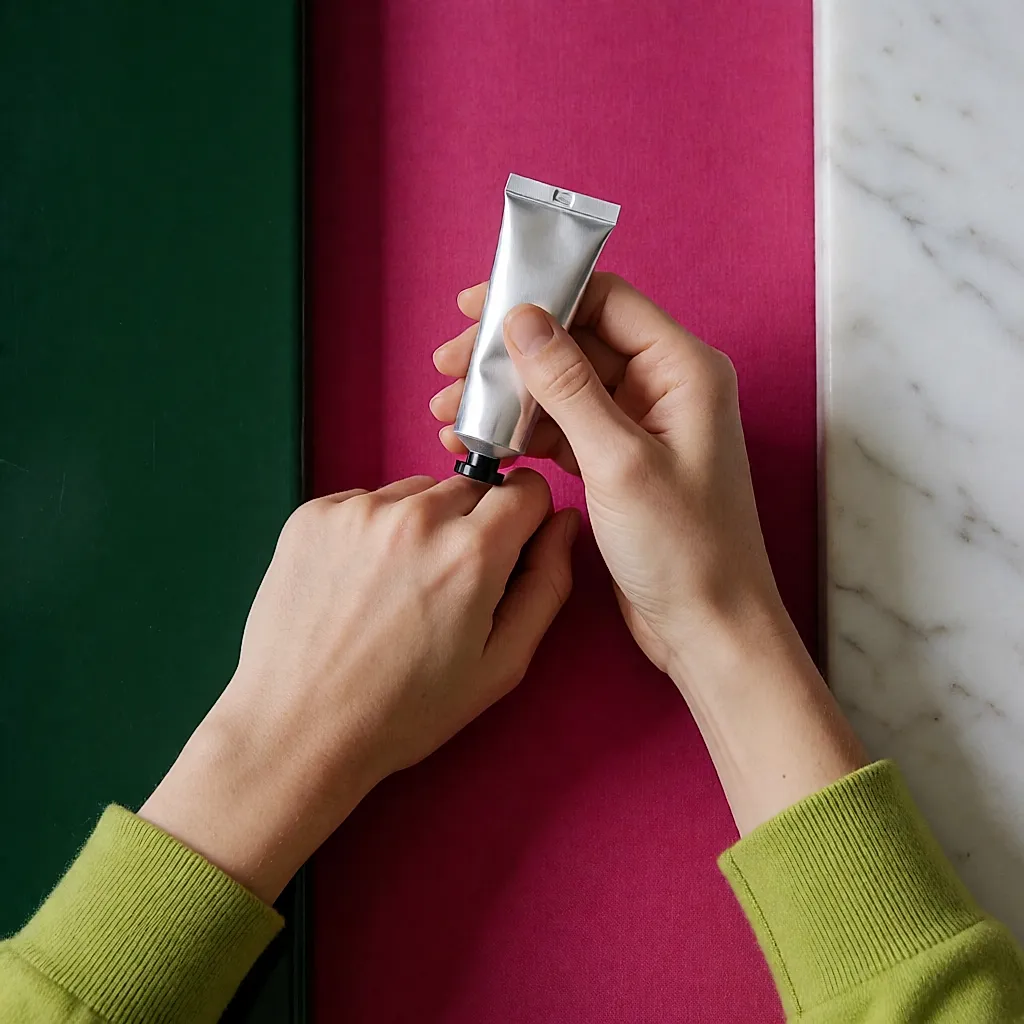
Where should the reapplication live? One tube by the sink, another in your bag, and the habit slips into the day on its own. In the evening, you can afford a richer product, or even a more generous layer under cotton gloves. The warmth helps the product stay put, and we don't have a figure to give you on that, just the thought that it costs nothing to try. And let's be honest: no cream repairs hands that are rinsed in scalding water six times a day.
Budget
For a basic routine, expect to pay around £4 to £8 at a supermarket or high-street chemist for a classic tube, and £10 to £25 at a pharmacy, health-food shop or natural-brand counter for a richer formula with more active ingredients and a glass or refillable container. Solid bar formats often sit at the top end of that range, but they tend to last longer.
The price difference mostly pays for texture, active-ingredient concentration and packaging, not a cure-all. And there's no need to line up five tubes: one for the bathroom, one for your bag is enough. In practice, you can reapply once during the day as needed. Better one product you actually use than three formulas forgotten at the back of a drawer.
The order that matters: lukewarm water when washing → dry completely, including between your fingers → a thin layer of cream on still slightly damp skin → a light reapplication during the day as needed. If you change only one thing this week, start with the tap: it's free, it takes two seconds, and no cream can make up for scalding water.
Turn the temperature down, dry as if you mean it, and moisturise in thin layers rather than one thick application. Nothing spectacular, nothing that shows up in a photo, just hands that no longer feel tight when you shake someone's. It's the one step that remains when you only have five minutes, and it happens to take the least.

Comments
Your opinion matters: rate the article, react and reply to comments.
Comments are moderated; AI-assisted comments are flagged. Text emoticons (8-), :-), <3…) are automatically shown as images.