
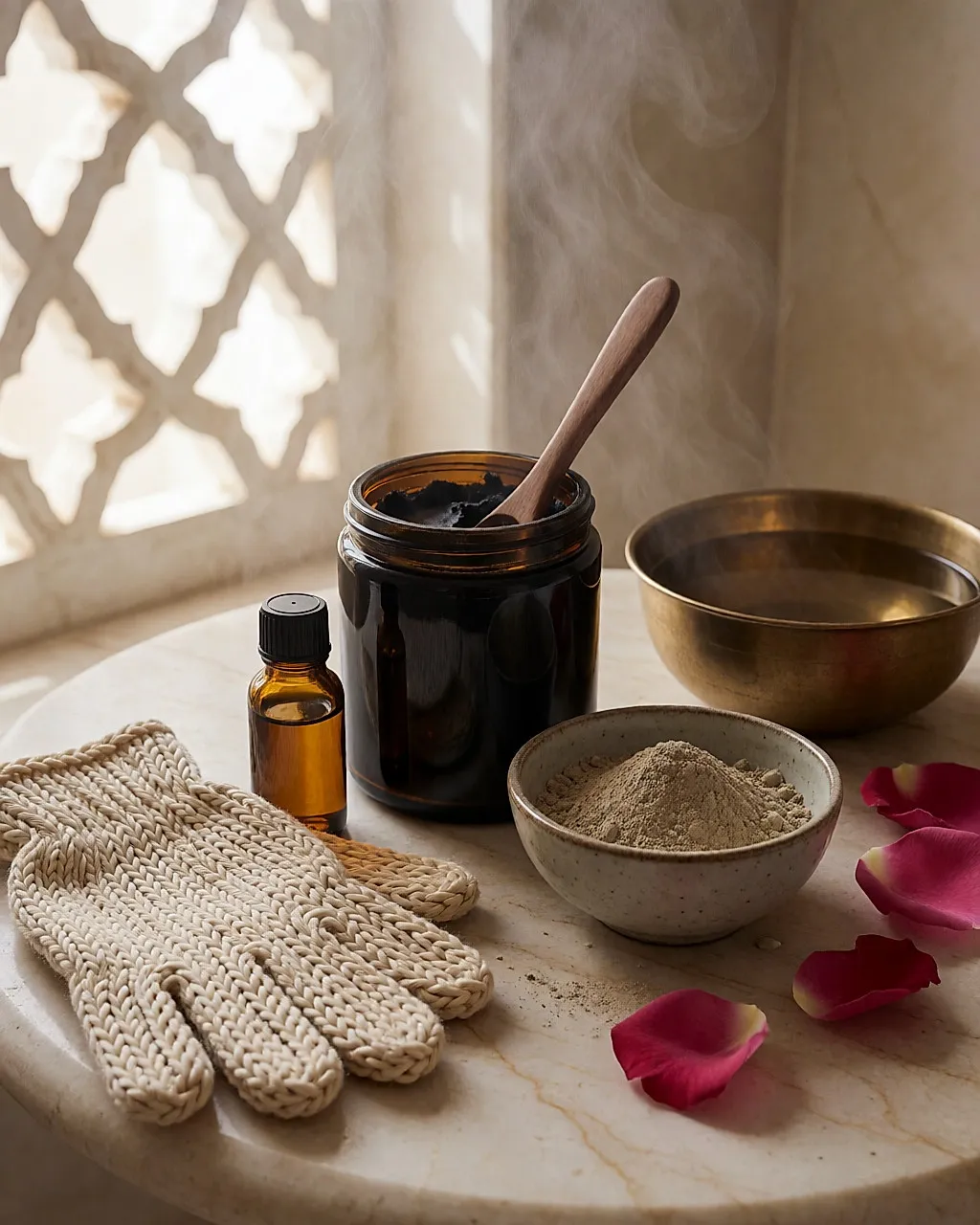
First hammam, first lesson: I scrubbed as if I were scouring a saucepan, and my skin sulked for two days. Since then I've stuck to the rule: beauty rituals from the Middle East and North Africa aren't about force. They're about patience.
The hammam, or the slow approach
A hammam is a hot, humid room where steam softens the skin and loosens everything that has knotted up during the week. You stay for about 20 minutes, doing nothing but breathing. Then comes beldi black soap, a brown paste made with olive oil and potash: spread it on, leave it for about ten minutes. Then the kessa glove, a rough texture, long strokes, working from the bottom upwards.
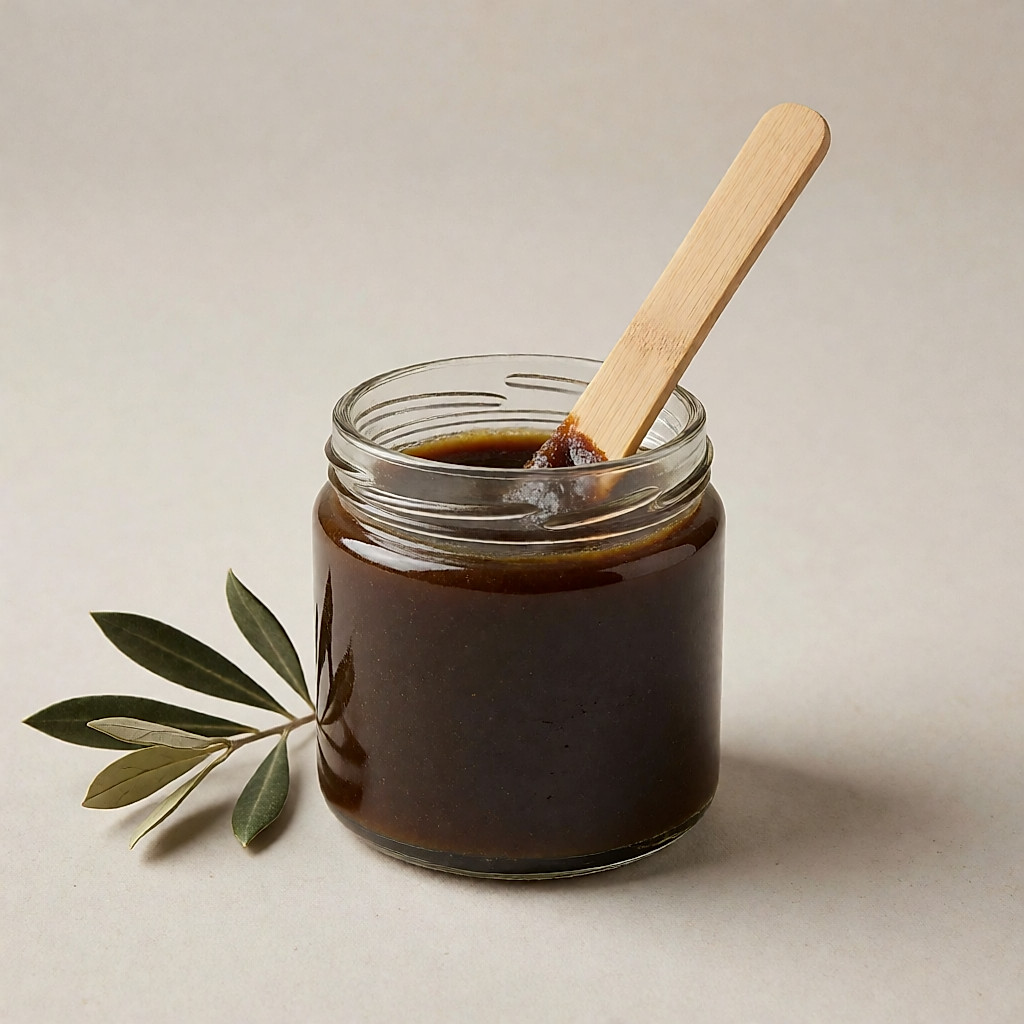
What matters is frequency, not force. Once a week, or every ten days in winter. Any more and the skin barrier suffers — and your skin will remind you who's boss.
The detail that matters: rinse your kessa in clean water and dry it flat, never rolled into a ball. A glove forgotten at the bottom of a bag is a smell you will never get rid of.
Oils and butters: what's true and what isn't
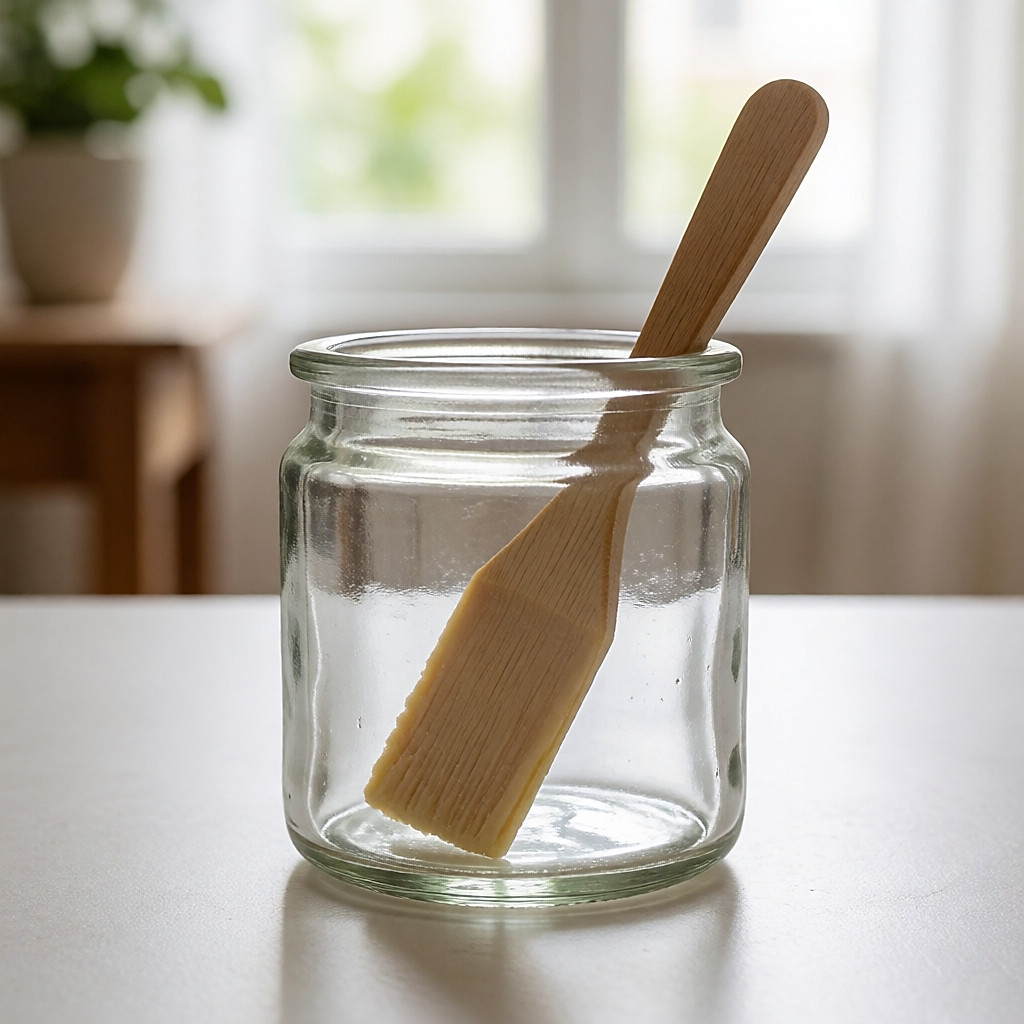
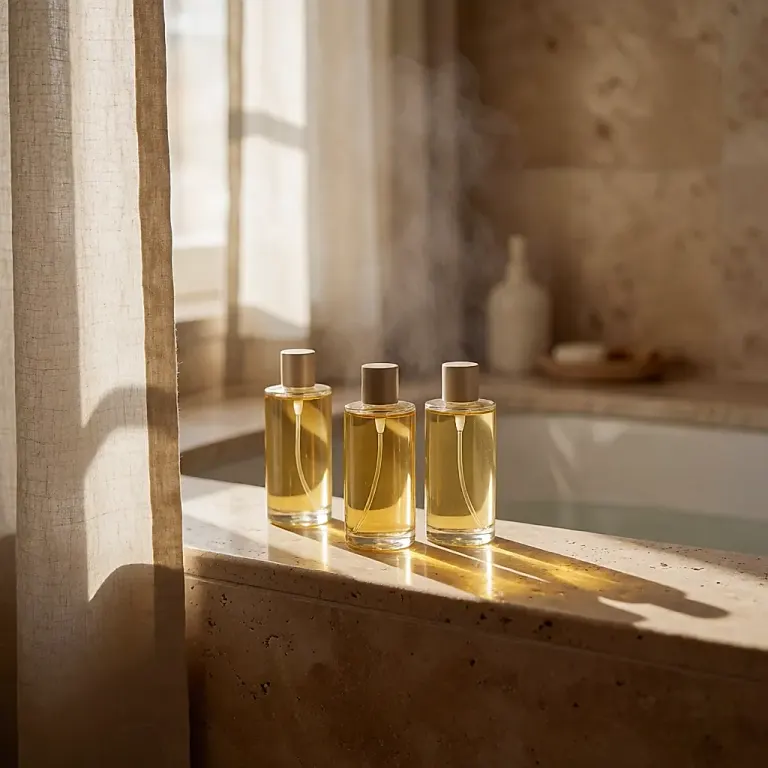
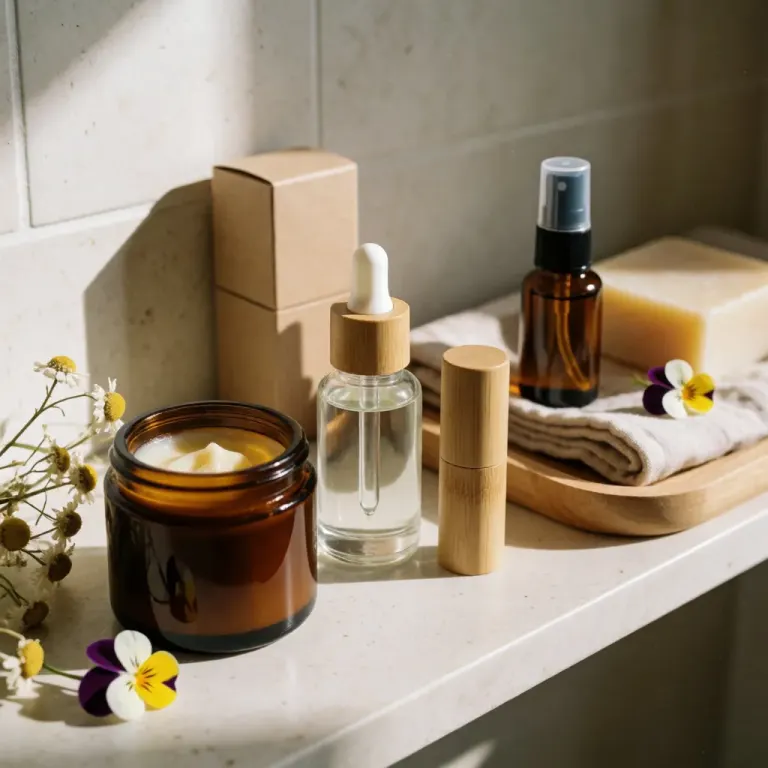
Cosmetic argan oil, cold-pressed and unroasted, is rich in vitamin E and fatty acids. It nourishes, softens and calms tightness. It does not, however, turn back the clock: no oil does, whatever the bottle claims. Three drops at night on damp skin are enough for the face; there's no need to drown your pillow.
Raw shea butter is thicker and can smell strong. It is excellent on dry areas: elbows, heels, damaged ends. On my face, it clogs my pores — I say that because I've tested it, not because it's written somewhere.
When you're shopping, look for argan from a certified co-operative (Fair for Life, Ecocert or Cosmos Organic) and unrefined shea in a glass jar. Worth knowing: Cosmos Organic governs the share of organic ingredients and processing; Fair for Life covers fair trade. They are two different guarantees, and neither says anything about how effective a product is.
Clay, alum, donkey milk
Ghassoul is a clay from the Middle Atlas that absorbs sebum. Mixed with rose water, it makes a tightening mask; applied to the scalp, it helps stretch out the time between shampoos. Tested: it works, as long as you don't leave it on for hours, otherwise it dries out the skin.
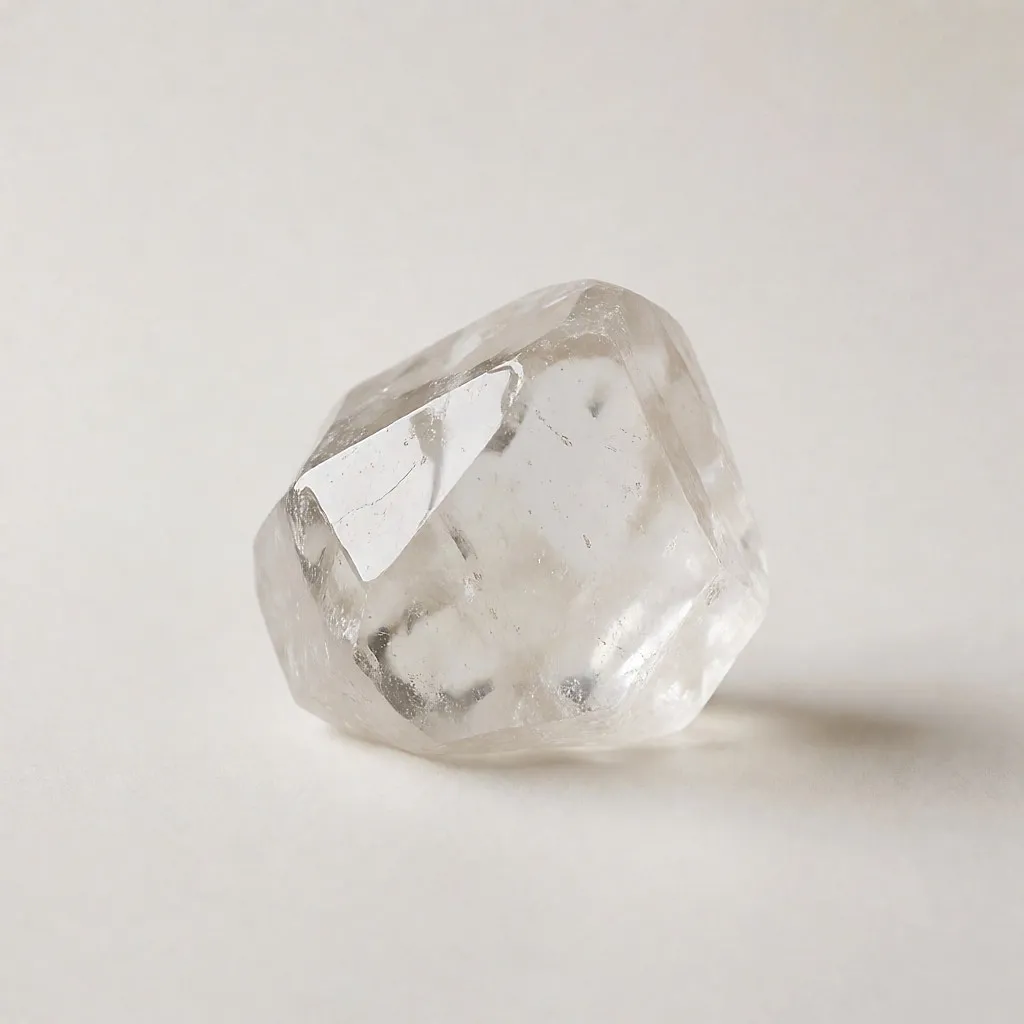
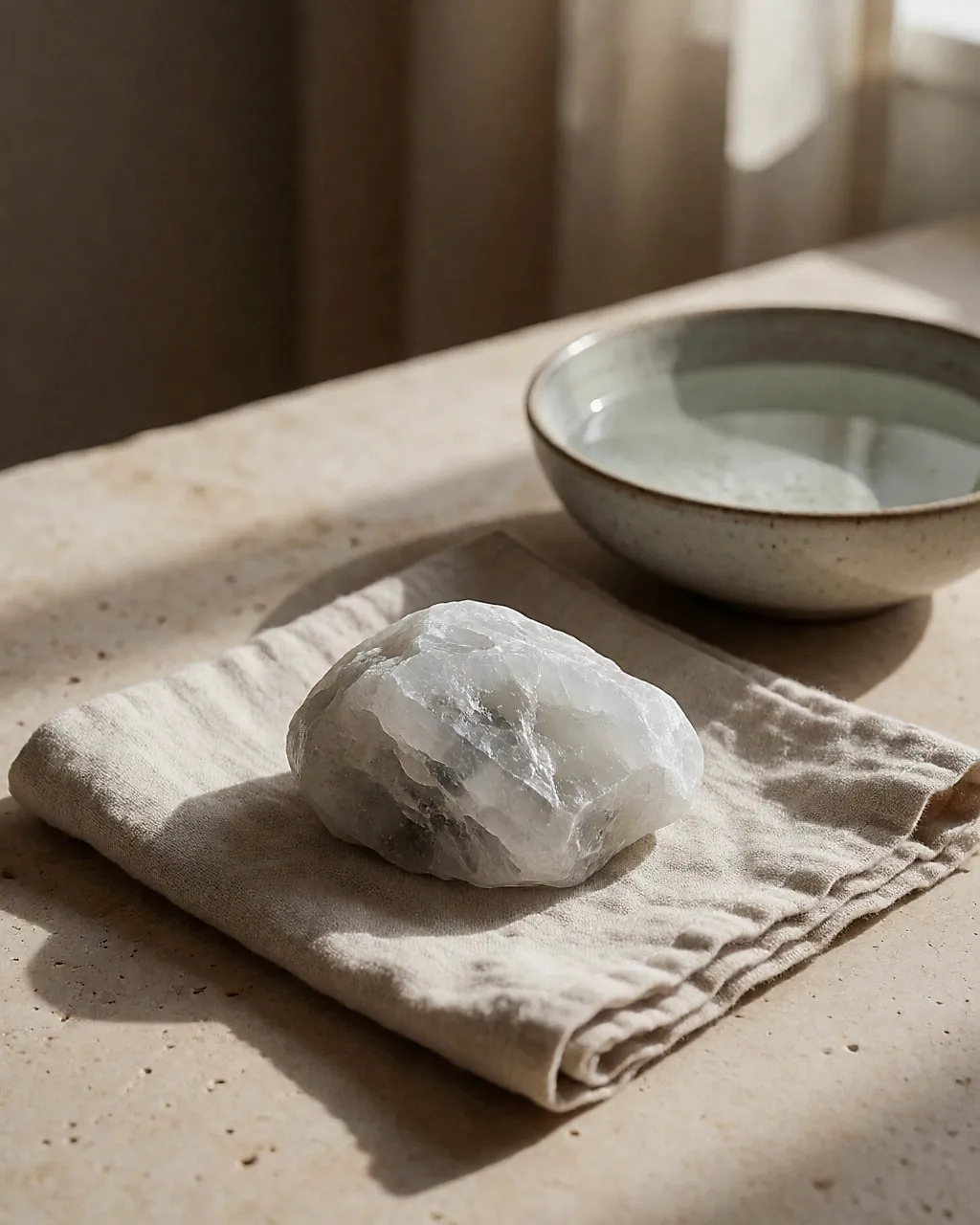
Alum stone is a mineral, most often potassium alum. Its aluminium salts limit sweating. Read the label carefully: some 'natural stones' are actually ammonium alum, which is synthetic.
The donkey milk bath owes its reputation to a legend. Pliny the Elder attributes it to Poppaea, not Cleopatra — and a milk bath remains a comfort treatment, not a medical one.
Kohl: read the label first
Traditional kohl can contain lead sulphide, which is banned in cosmetics sold in the UK and EU. So forget the artisanal powder you brought back from a trip, however beautiful, however much you trust the person who gave it to you: choose a pencil or liner that complies with UK cosmetics rules. This isn't distrust, just traceability.
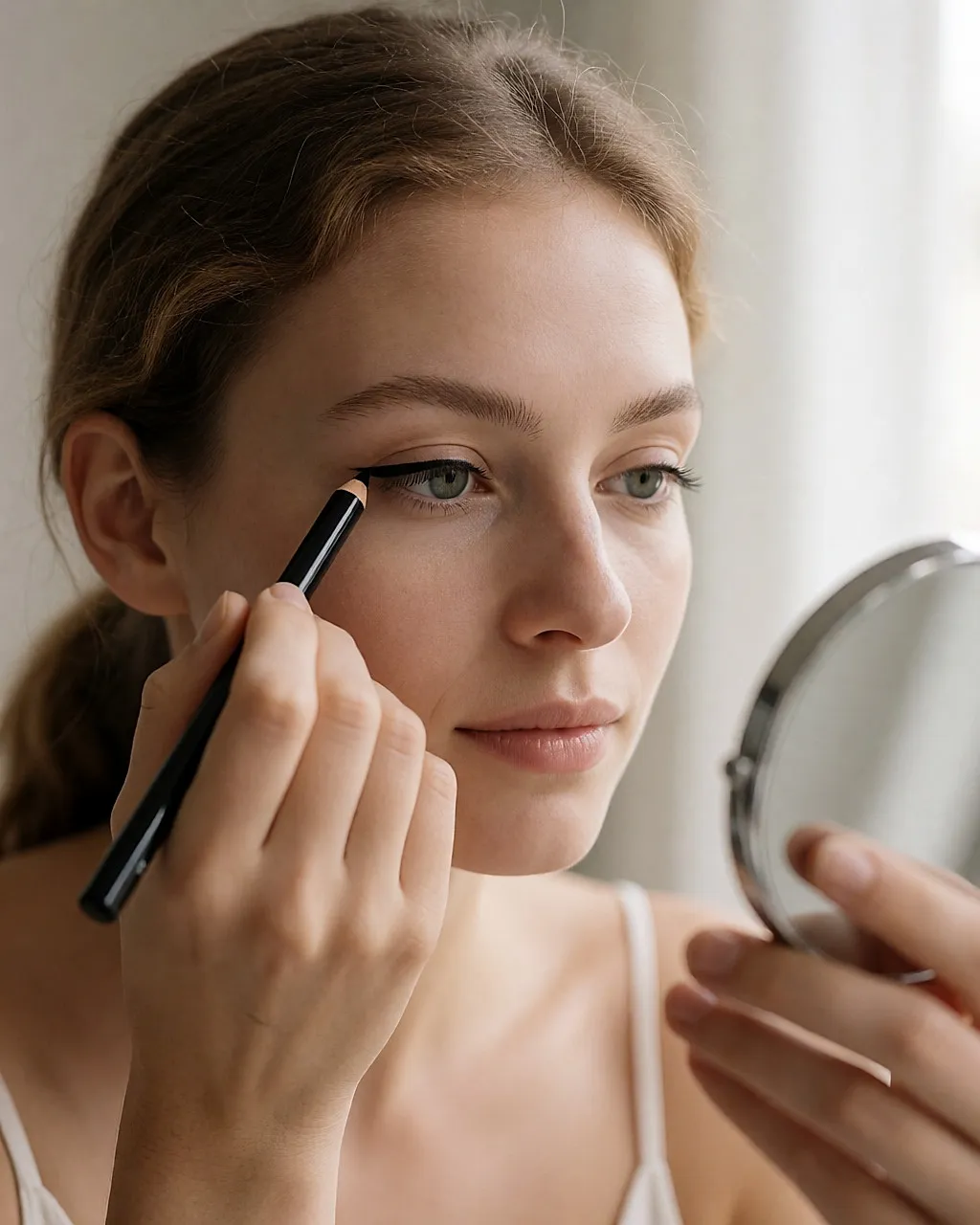
For any product that is brought back for you or sold to you at a market, look for the INCI list on the packaging. No readable label, no purchase — and around the eyes, never take the risk.
Budget
As a rough UK guide, expect to pay around £5–12 for beldi soap, £3–8 for a kessa glove, £12–30 for 30–100 ml of organic cosmetic argan oil, £6–15 for 100–200 g of raw shea butter, £5–12 for ghassoul, £5–10 for an alum stone and £6–20 for a compliant liner. For a hammam, a session in a public hammam is often around £20–45, while a spa hammam with a scrub can be £60–120.
These ranges shift according to city, certification, size and where you buy: Middle Eastern grocer, health food shop, beauty retailer, pharmacy, salon or brand website. Solid formats and refills often bring down the price per gram, and buying direct from a co-operative can sometimes cost less than an established brand at comparable quality. The real question isn't the price on the label, but what you'll actually use up.
Sources
- UK Cosmetics Regulation (retained Regulation (EC) No 1223/2009), Annex II (lead and its compounds prohibited).
- UNESCO, Arganeraie Biosphere Reserve (Morocco), 1998.
- Pliny the Elder, Natural History, Book XXVIII.
- Ecocert, Cosmos Organic and Fair for Life certification standards.

Comments
Your opinion matters: rate the article, react and reply to comments.
Comments are moderated; AI-assisted comments are flagged. Text emoticons (8-), :-), <3…) are automatically shown as images.