
You come back from holiday with clear skin and high spirits. Three weeks later — back at work, squashed into the Tube, nights cut short — your forehead is covered in small spots. Nothing in your routine has changed. And that is exactly the problem: your skin has changed season without warning you.

Come autumn, pollution builds up, stress climbs and sebum production goes into overdrive. Pores clog, skin becomes inflamed and your complexion turns grey and dull. The good news: a targeted routine, followed for a few weeks, genuinely changes things. The less good news: piling on five aggressive products wrecks the skin barrier and gives you precisely the opposite result.
The ingredients that do the work
Three ingredient families underpin most of the formulas on shelves now.
Benzoyl peroxide is still the benchmark for inflamed spots: it targets the bacteria responsible and takes the swelling out of the lesion. It is drying, so keep it on the affected areas rather than over the whole face. Here in the UK you will usually find it as an over-the-counter gel from a pharmacy.
Acids — salicylic, glycolic, lactic — unclog pores and smooth the texture of the skin. Salicylic acid is oil-soluble, so it goes after the sebum at the bottom of the follicle. It is the one doing the peeling work.
Niacinamide regulates sebum, calms redness and makes pores look smaller.
What separates the newer formulas from the old ones? They pair these actives with soothing ingredients such as panthenol or thermal spring water. The purely oil-stripping products left the skin barrier in pieces.
Three products worth knowing about
At the pharmacy. Effaclar Duo+M from La Roche-Posay combines salicylic acid, niacinamide and two actives that limit bacterial recolonisation. The base is a light gel-cream, applied morning and evening to clean skin. I will be straight with you: I have not tested it over several weeks — it is simply a very well-documented formula in this category. One downside: plastic bottle, and as far as we know no refill.
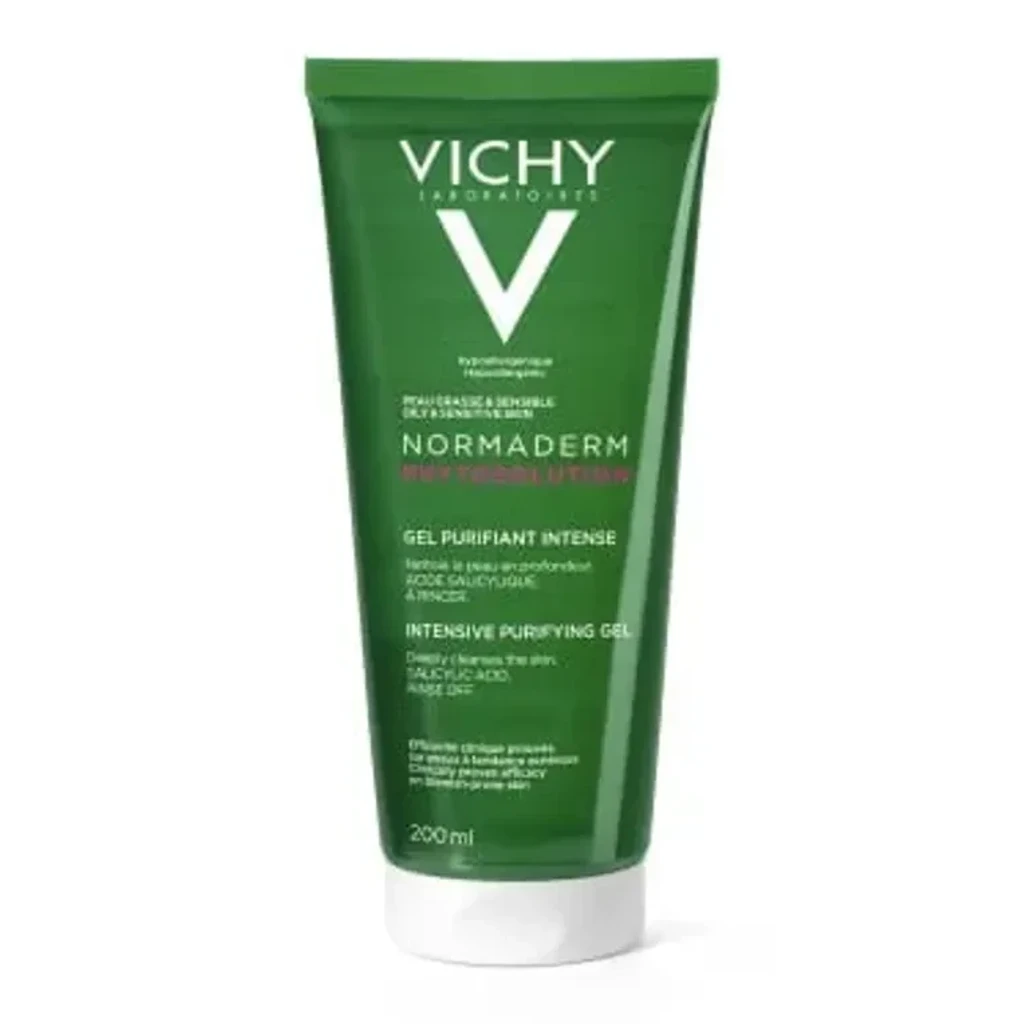
At Vichy, Normaderm Phytosolution plays the same game with a probiotic fraction and a more fluid texture. Avène has Cleanance Comedomed, interesting on reactive skin, and TriAcnéal when breakouts are more pronounced — in that case, use it in the evening.
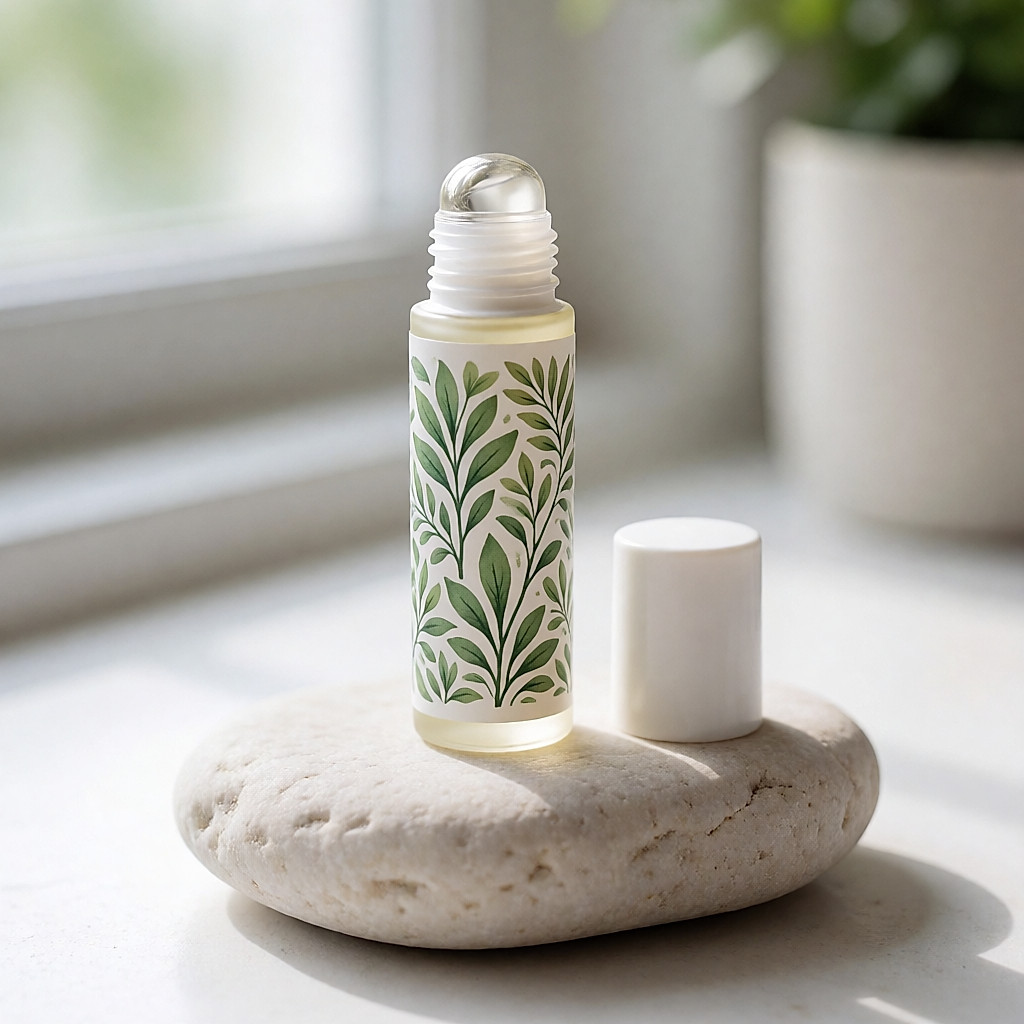
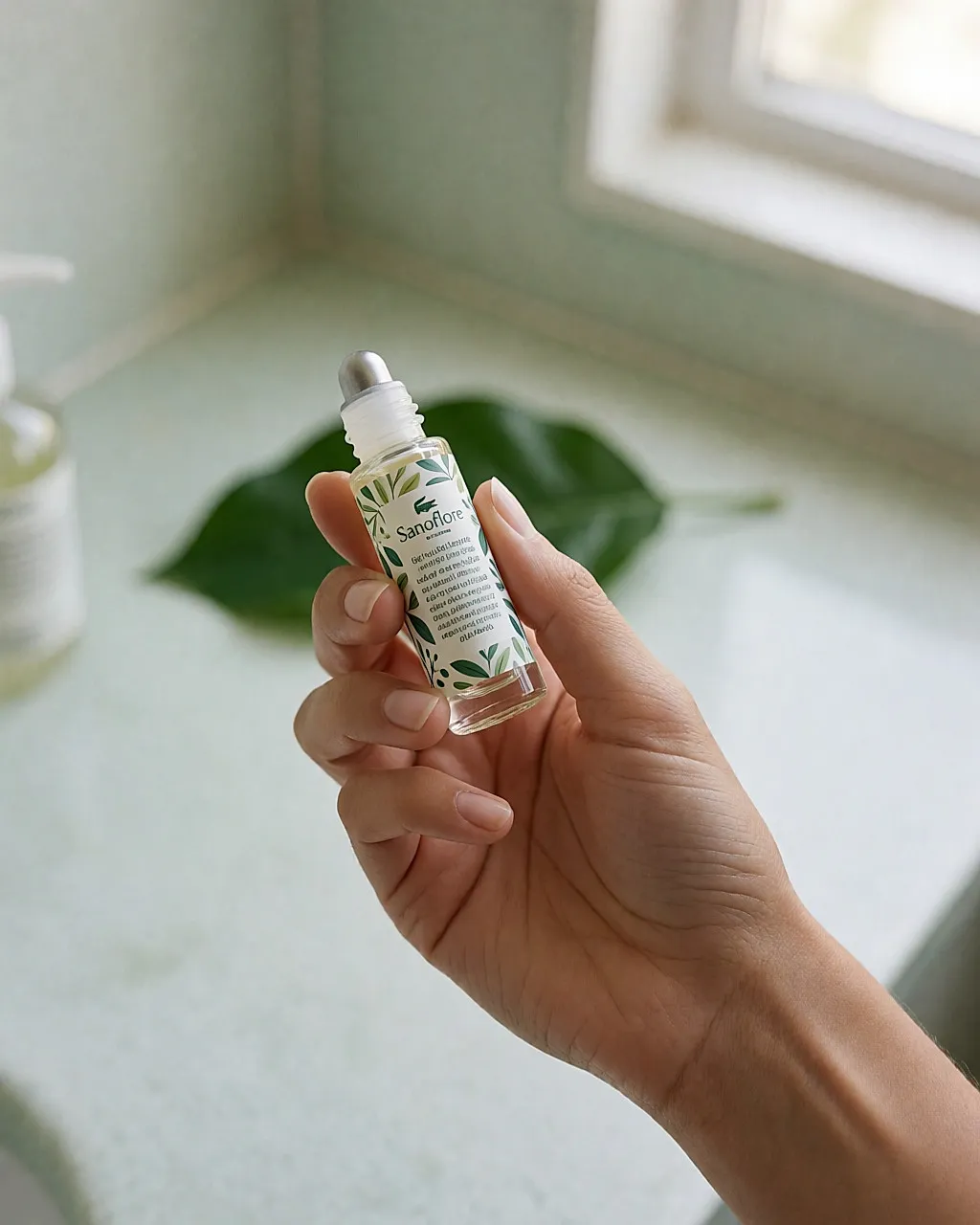
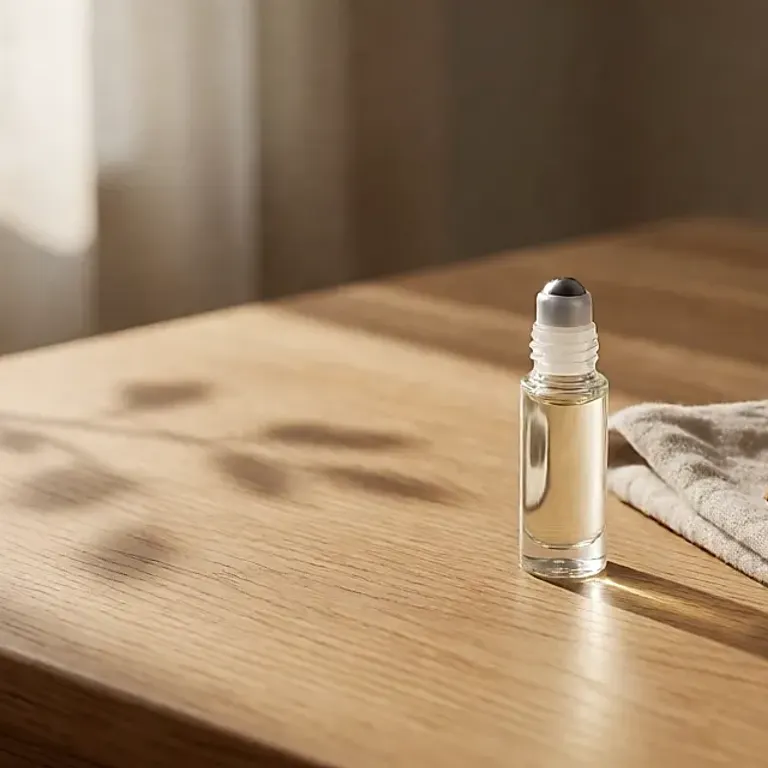
For one isolated spot, a targeted roll-on is enough: a dot of product, not a pea-sized blob. Some formulas are seriously drying, so patch-test on a discreet area first.
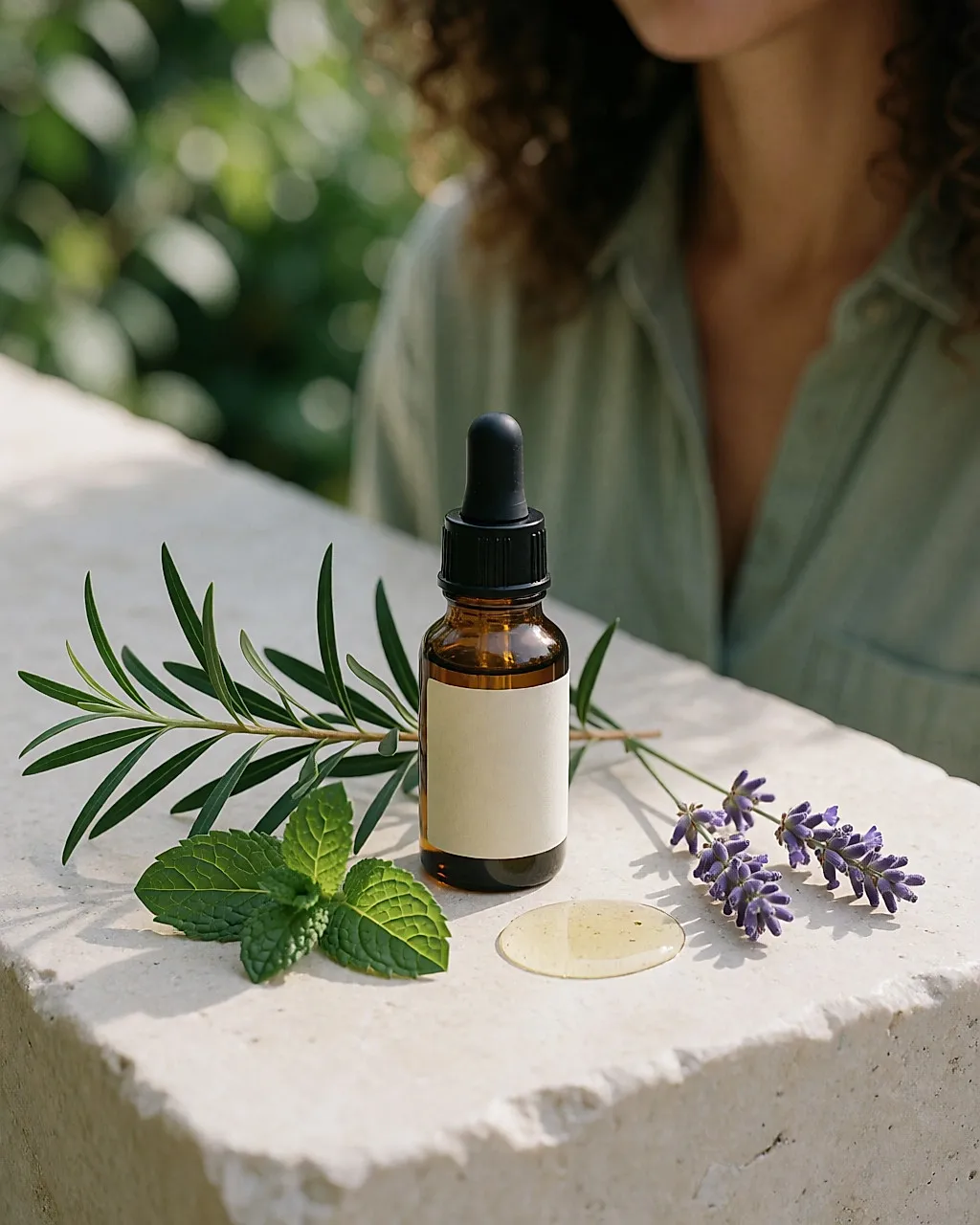
Certified organic options. Sanoflore makes purifying products certified Cosmos Organic. The label sets rules on the share of naturally derived ingredients and those from organic farming. Glass packaging, sometimes refillable, keeps waste down. Weleda, certified NATRUE, leans on essential oils: tea tree, peppermint, lavender. A word of caution, though: skin tolerance depends on their concentration and on the overall formula, and they call for care on reactive skin and during pregnancy — it is worth asking a pharmacist or doctor first. The trade-off is real; do not ignore it.
Weeks, not three days. An anti-blemish active generally needs several weeks to change the texture of your skin, depending on the active, its concentration and your skin type. If your skin feels tight, stings or peels, you are doing too much: use it every other evening and add a non-comedogenic moisturiser on top. And if you notice nodules or scarring, see your GP, who can refer you to a dermatologist — a cosmetic is not a treatment.
Your routine in three steps
Morning: gentle cleanse, non-comedogenic moisturiser (mattifying if your skin shines), then SPF. Sun does not cure spots — it thickens the skin and darkens the marks.
Evening: cleanse, then the active treatment, over the whole face or only where you need it. Nothing else.
Once a week: a clay mask or a gentle chemical exfoliant. Not both on the same evening.
What it costs
As a rough guide, budget £7 to £18 for a gentle cleanser, £13 to £27 for a 40 ml all-over treatment from a pharmacy, £18 to £30 for a certified organic version, and £7 to £16 for a targeted roll-on. A decent clay mask sits between £9 and £18.
What moves the price: the size, the number of actives, the certification, whether there is a refill. Organic versions often cost a little more than the conventional benchmark. Where to look? Pharmacies and health-and-beauty retailers for the well-documented formulas, supermarkets and specialist websites for prices, health-food shops and refill aisles for the certified versions. In pharmacies and online, discounts are frequent — but a giant bottle you only half use has not saved you anything, so if you are torn between two treatments, take the smaller size.
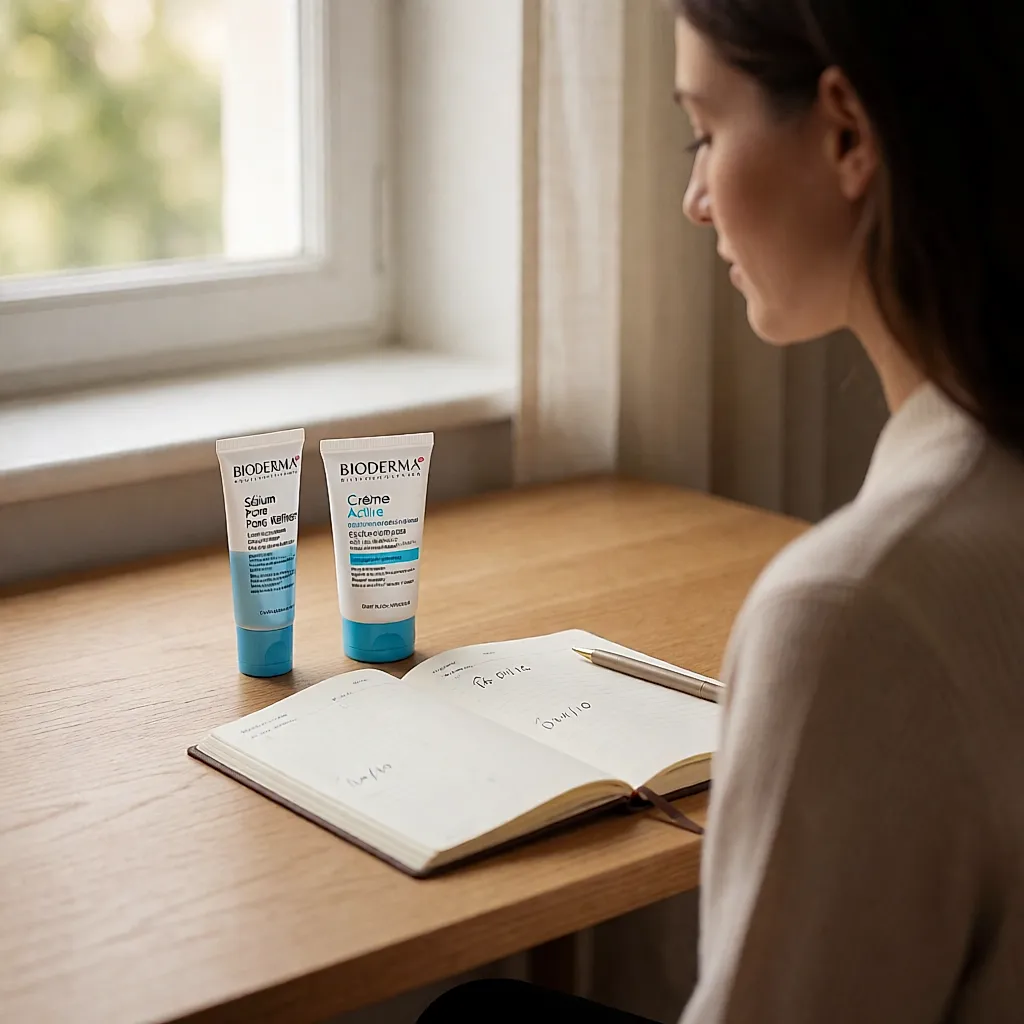
The habit that changes everything: write the date you opened it on the bottle. Past the period printed on the pack, an acid-based treatment can lose some of its potency.
Sources
- La Roche-Posay, Effaclar Duo+M product page — laroche-posay.fr
- Vichy Laboratoires, Normaderm range — vichy.fr
- Eau Thermale Avène, Cleanance and TriAcnéal ranges — eau-thermale-avene.fr
- Sanoflore, certified purifying skincare — sanoflore.fr
- Cosmos Standard (Ecocert Greenlife reference) — cosmos-standard.org
- NATRUE, natural cosmetics label — natrue.org
- NHS, acne guidance — nhs.uk (UK clinical reference)
- Société Française de Dermatologie, recommendations on acne management — sfdermato.org
- VIDAL, benzoyl peroxide product information — vidal.fr


Comments
Your opinion matters: rate the article, react and reply to comments.
Comments are moderated; AI-assisted comments are flagged. Text emoticons (8-), :-), <3…) are automatically shown as images.