
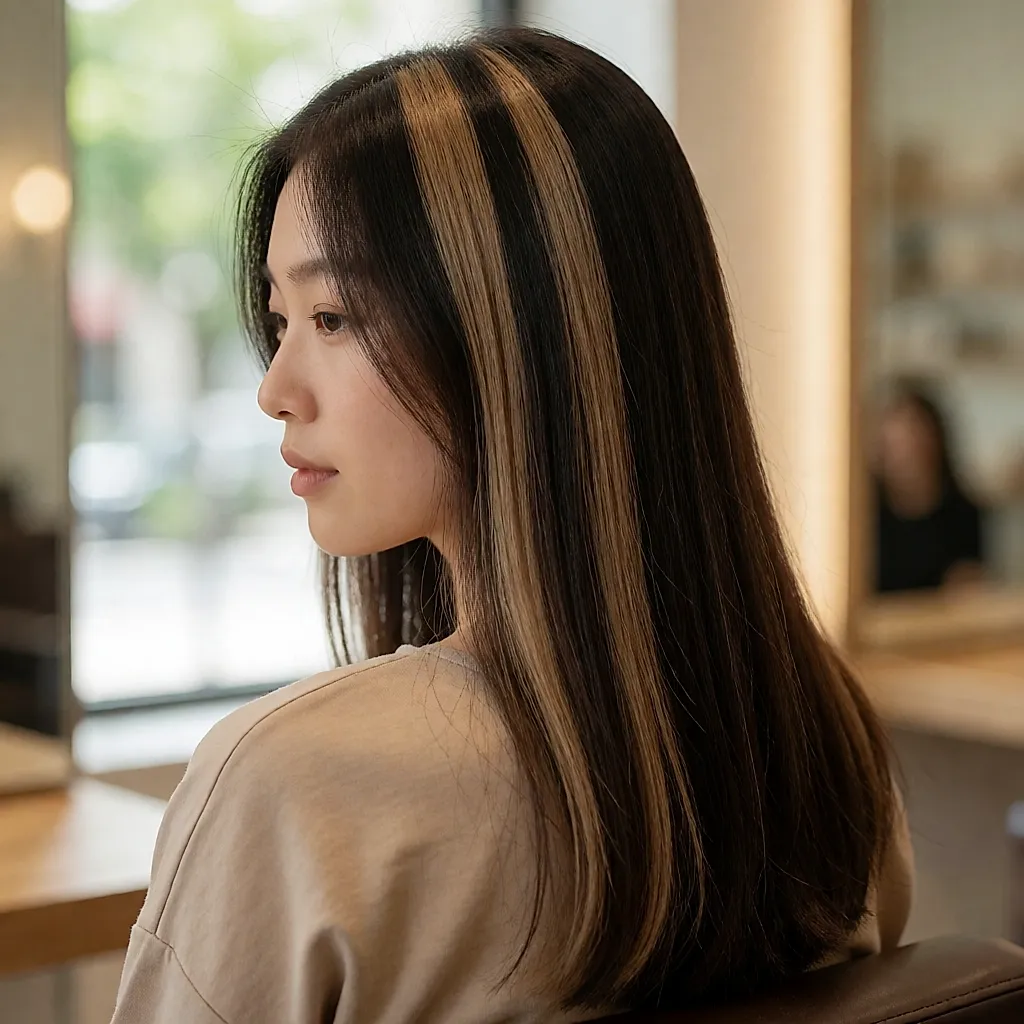
“Blend it or make it stand out?” If your colourist asked you that this autumn, you probably felt the trap snap shut: the answer commits you to six months of selfies. In 2026, it seems to be leaning towards standout — wide, readable sections you can see from the roots. Wide highlights are having a moment, but soft blending hasn’t had its final say, and Y2K nostalgia appears to be back in the salon chair.
Contrast is having a moment, and it's grown up
For a good decade, the goal was colour that didn't look coloured. Ultra-blended balayage, soft roots: that “back from three weeks by the sea” effect nobody could date. Lovely era. But after years of blending everything together, plenty of heads ended up well-behaved, uniform and a bit flat. Wide highlights put back exactly what was missing: contrast. A lighter band that stands out, cuts in and gives the cut structure.
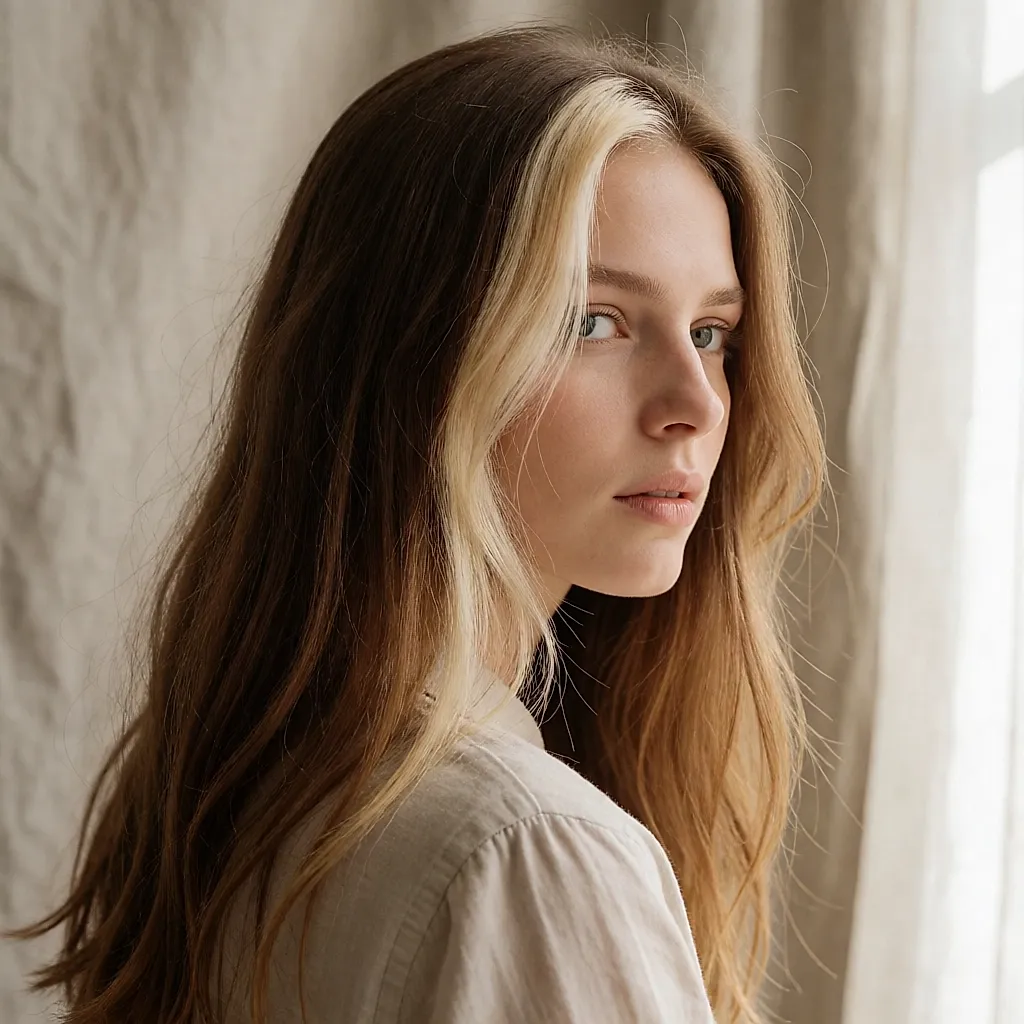
Don't worry, this isn't about bringing back the stiff stripes of 2000. Back then, contrast was blunt, almost graphic. Today we keep the idea — sections you can identify — but with a finish that softens without erasing everything. And the detail that matters most: it's almost never the shade that dates a colour, it's its width.
What does “wide” actually mean?
In a salon, a highlight is a section of hair that's isolated. Thin as a thread, it gives sheen. A few centimetres thick, it creates a real zone of colour. That second version is becoming more visible: fewer sections, but more generous ones. The amount of hair worked is sometimes similar; it's the distribution that changes, and that's what makes the contrast readable.
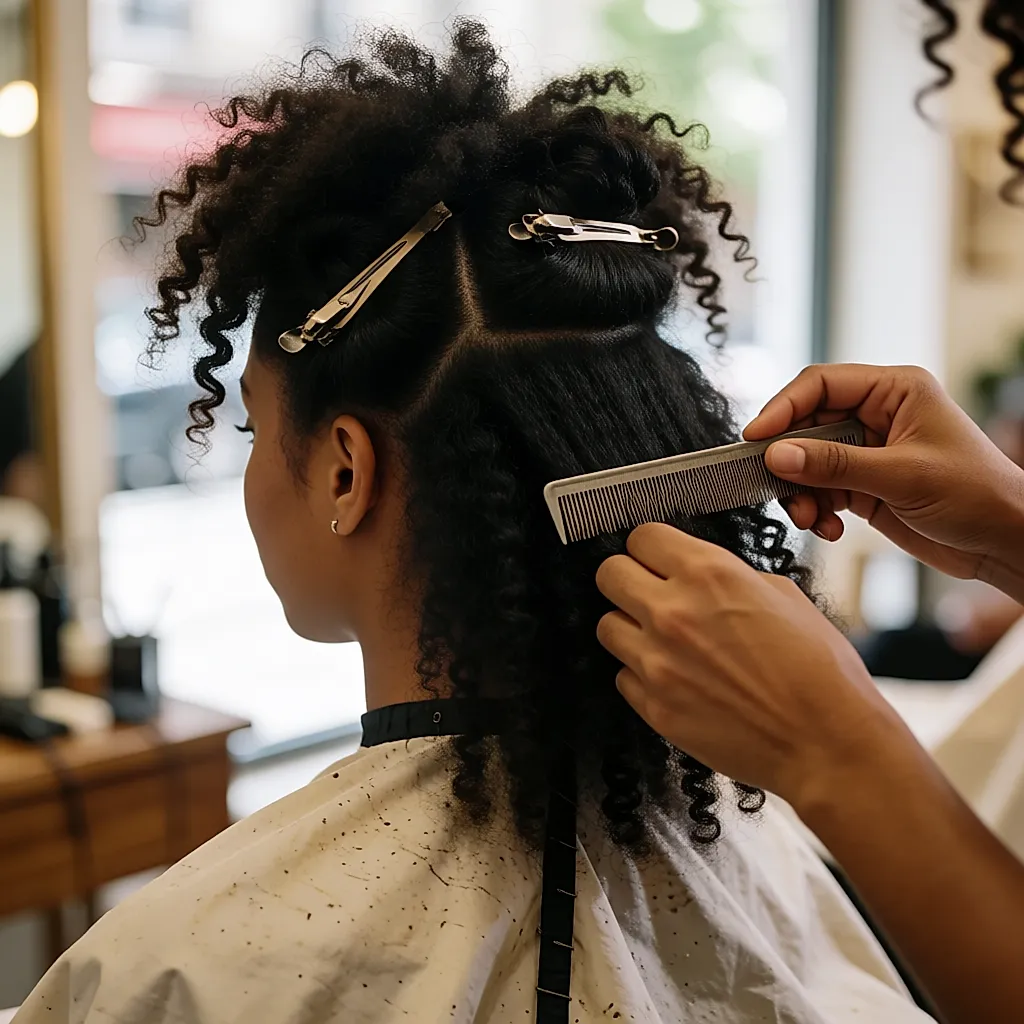
Three parameters decide the result, and none of them is colour. The width of the sections and how many there are, then how far apart they sit. Two heads coloured with the same shade can leave the salon with a soft, blended effect or a bold one, depending on those three choices. Add to that the gloss, the finishing veil applied after lightening, which calms unwanted tones without wiping out the bands.
The decision comes down to three questions
Then comes the chair moment, and it pays to know what you want. The real question isn't “which blonde?” but “how many, and how wide?” Turn up with two or three images, but show them for the placement, not the shade: otherwise the appointment slides into a shade debate and you leave with a sensible honey blonde when you'd dreamed of contrast.
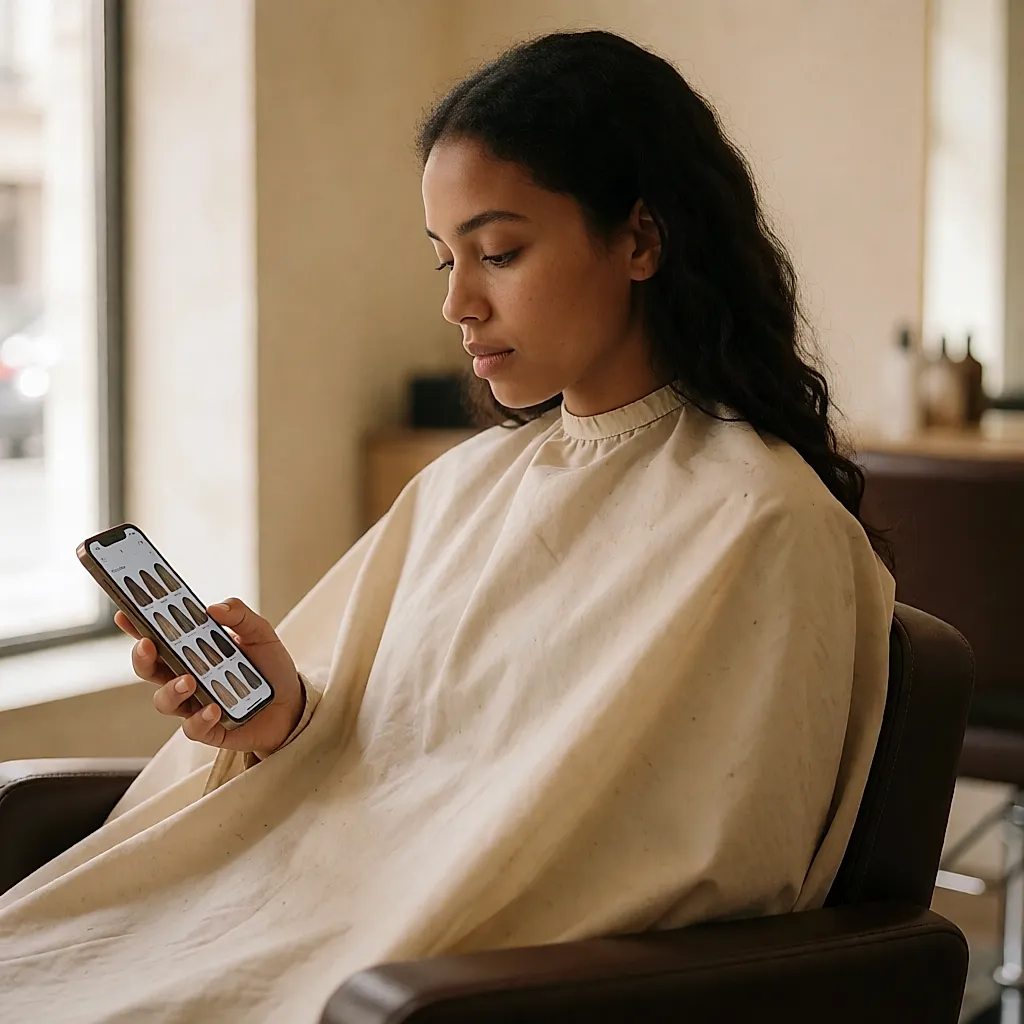
Second thing to pin down: can it all be done in one session? Many wide highlights are done over two appointments, or reworked at the next visit. Asking how many sessions are needed avoids the nasty surprise of a quote doubling while you're being offered a coffee. And if your colourist suggests building the width gradually, say yes: you can see it, adjust it, and not erase it.
Three questions that can change the appointment, to ask before you say yes:
- How many sections, and how wide?
- Are we doing it all today, or spreading it over two appointments?
- In two months, what will the regrowth look like, in your opinion?
Does it suit everyone?
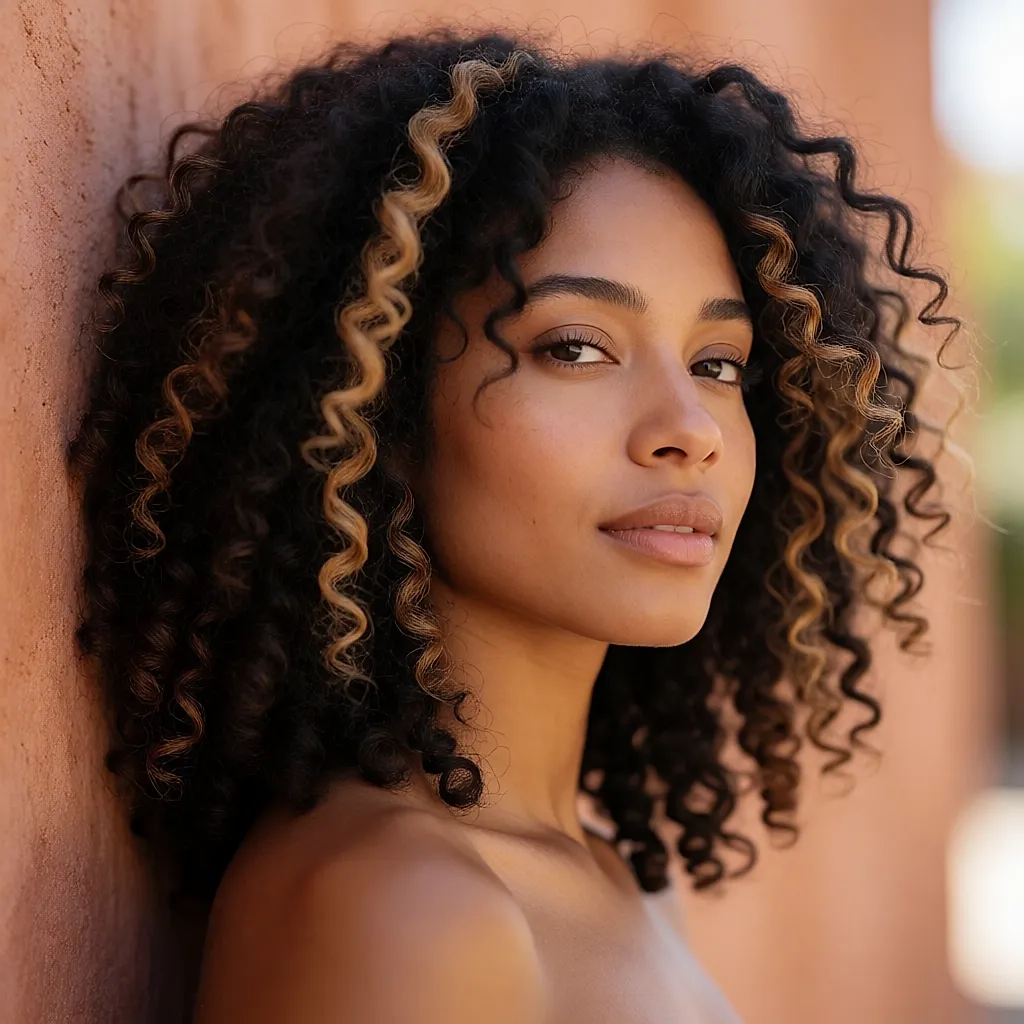
On fine hair, contrast can add visual density — as long as you don't overload it. In practice, people often ask for wide but few sections, to keep some body and avoid a straw-like effect. On curly and frizzy hair, the bands read even more strongly: it's dramatic, but one worked shade is better than a three-colour gradient.
Then there's the case of hair that's already very light, very fragile, or a scalp that reacts. In that situation, the first step isn't colour: it's professional advice, and a little patience between appointments. A successful colour is also judged by the head wearing it six months later, not just as you leave the salon.
Afterwards, upkeep moves up a gear
With bold contrast, regrowth shows sooner — that's the trade-off. Hence two habits: a root area lightly reworked to soften the transition, and an occasional gloss to refresh without redoing the whole thing. A purple shampoo, on light coloured hair, helps calm yellow tones between visits; treat it as a usage guide, adapted to how often you wash your hair and its type, not a rule.
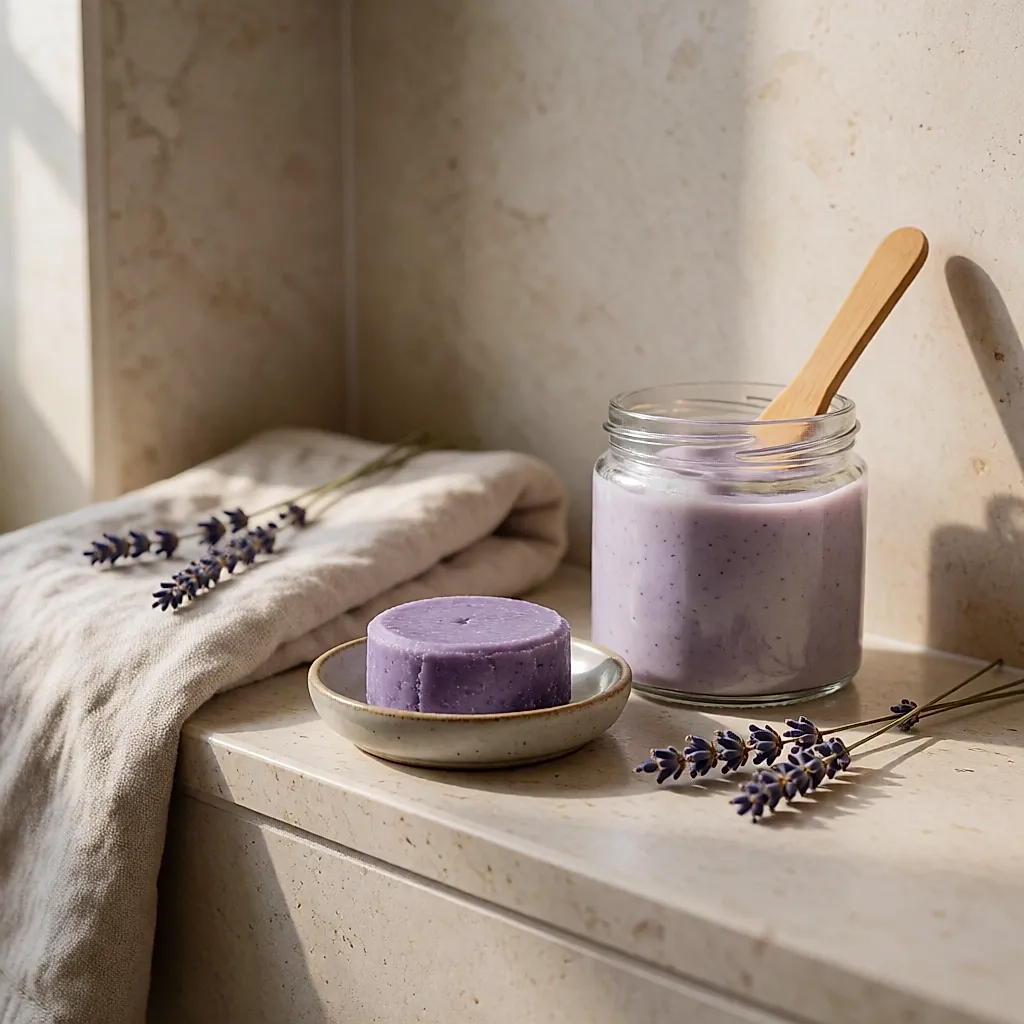
On the product side, the natural haircare world has plenty of options: solid, refill or loose formats, glass jars rather than plastic. Look above all at the ingredients and what the label actually guarantees (organic raw material, percentage of natural ingredients, refillable container), rather than the green leaf on the packet. A finishing plant oil is often enough to bring it all together.
Budget
In a salon, expect roughly £70 to £150 for wide highlights or balayage, depending on length, density and where you live; on very long hair or in a high-end salon, it can easily exceed £200. A finishing gloss often adds £20 to £40. Hair and beauty colleges charge much less, with a longer appointment time — a good option if you have a morning to spare.
For upkeep, a solid purple shampoo usually costs between £8 and £15, and a mask in a glass jar or loose format between £10 and £25. You'll find them at beauty retailers, health-food shops, supermarkets or online. An independent hairdresser is often the best combination of advice and price: they know your hair and you see them again.
And the next morning?
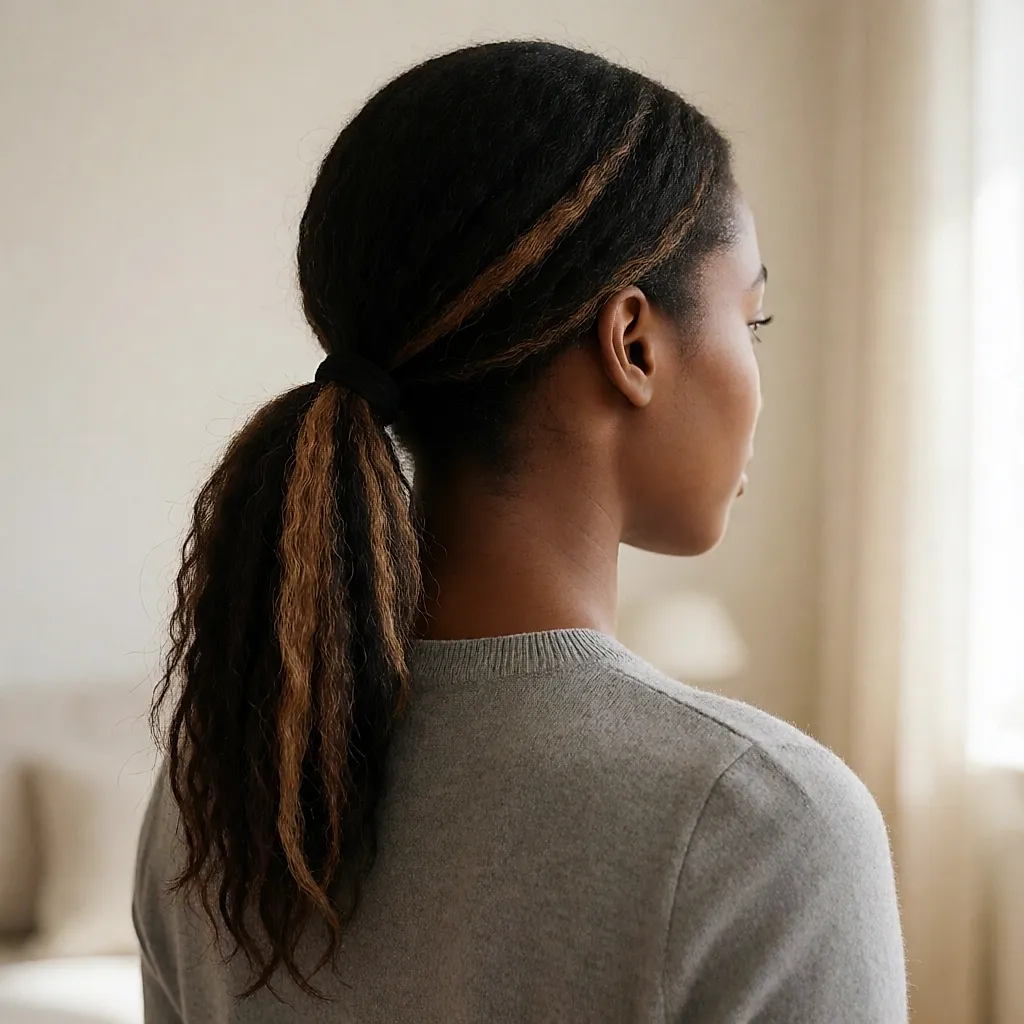
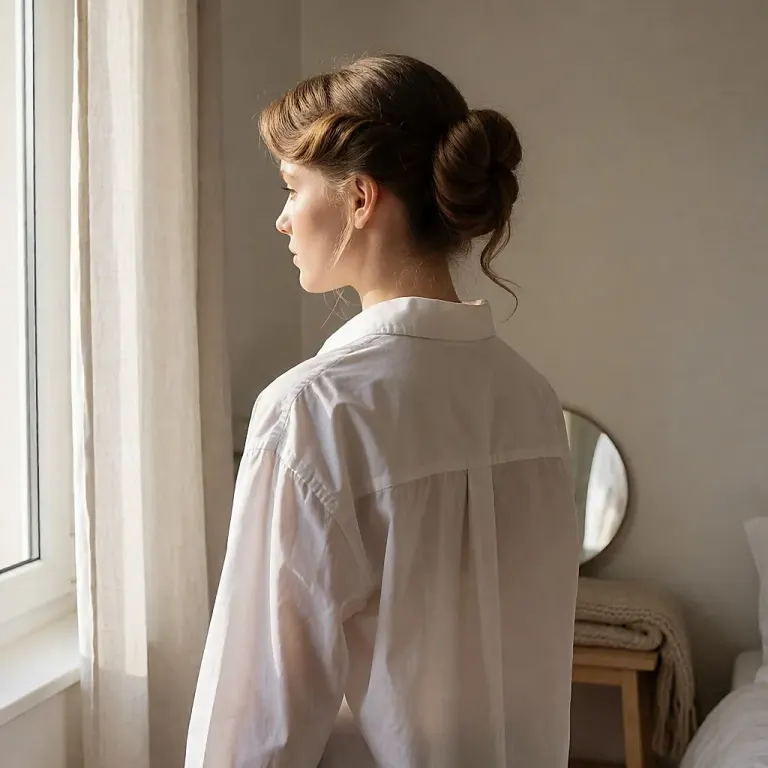
Once you're home, real life resumes: a quick blow-dry on Monday, a bun on Wednesday, hair tied back on Friday because it's raining. That's exactly where a well-distributed colour earns its keep — the bands stay visible even in a ponytail, even without a blow-dry.
So if you're still torn between blended and contrast, ask yourself one question: do you want it to show, or not? The honest answer is worth more than any moodboard. And if you're still unsure, talk it through in the salon: it's the kind of decision that's much better made together, in front of a mirror.
Comments
Your opinion matters: rate the article, react and reply to comments.
Comments are moderated; AI-assisted comments are flagged. Text emoticons (8-), :-), <3…) are automatically shown as images.