
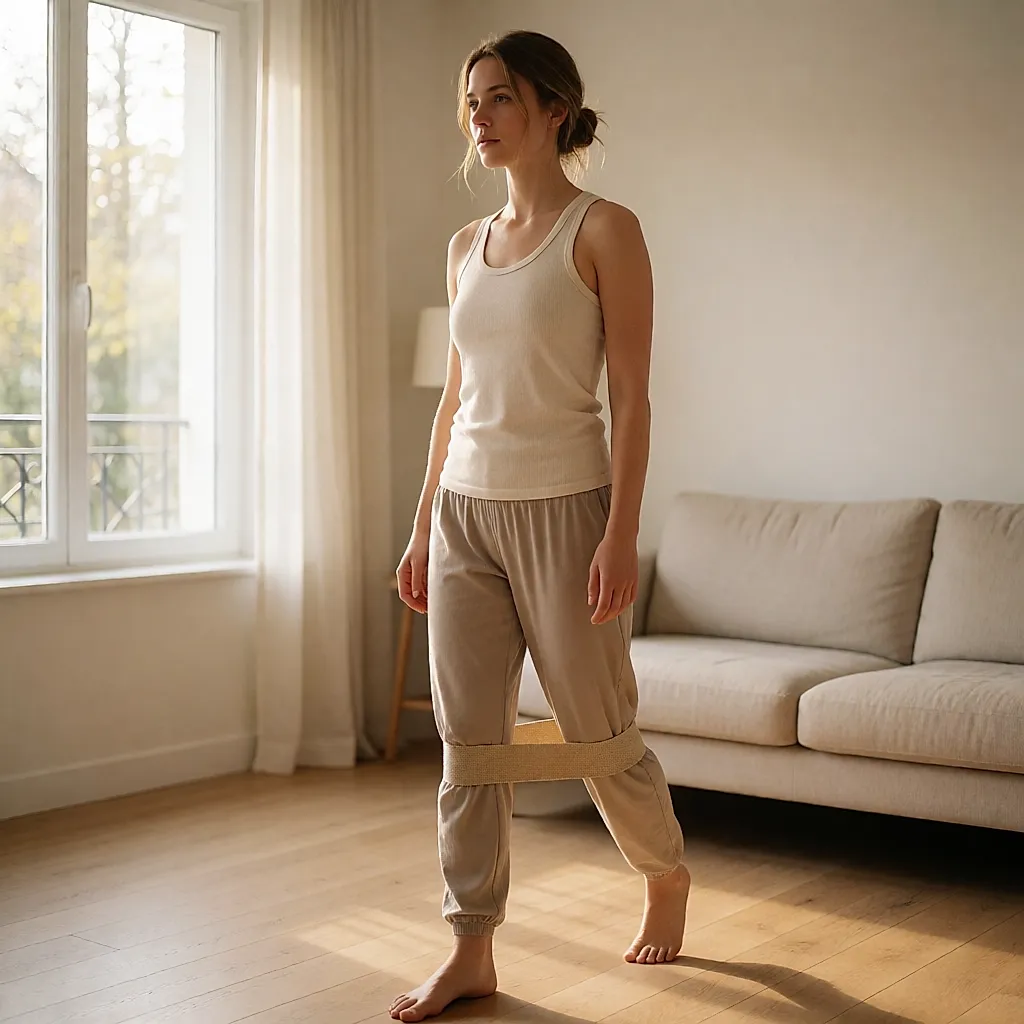
In almost every home, a resistance band leads a quiet life behind the sofa, somewhere between an odd sock and an obsolete charger. It was bought one Sunday in January, with good intentions and in a fluorescent colour. And what if the real problem was never motivation or the grey of a British November, but the level? Too stiff and it puts you off; too soft and the muscle barely notices. Either way, it ends up in the same exile.
Fabric rolls less, latex travels light
Two families share the shelves. Natural latex bands are thin, flexible and easy to slip into a bag: they offer firm resistance, but they have a habit of rolling up on the thigh and pinching the skin when you least want it. The fabric version tends to stay put, rolls less and is less likely to pull at hair. One precaution, though: not every fabric band is latex-free, and some hide a latex elastic core. If latex irritates your skin, check that the fabric band really is latex-free before you buy.
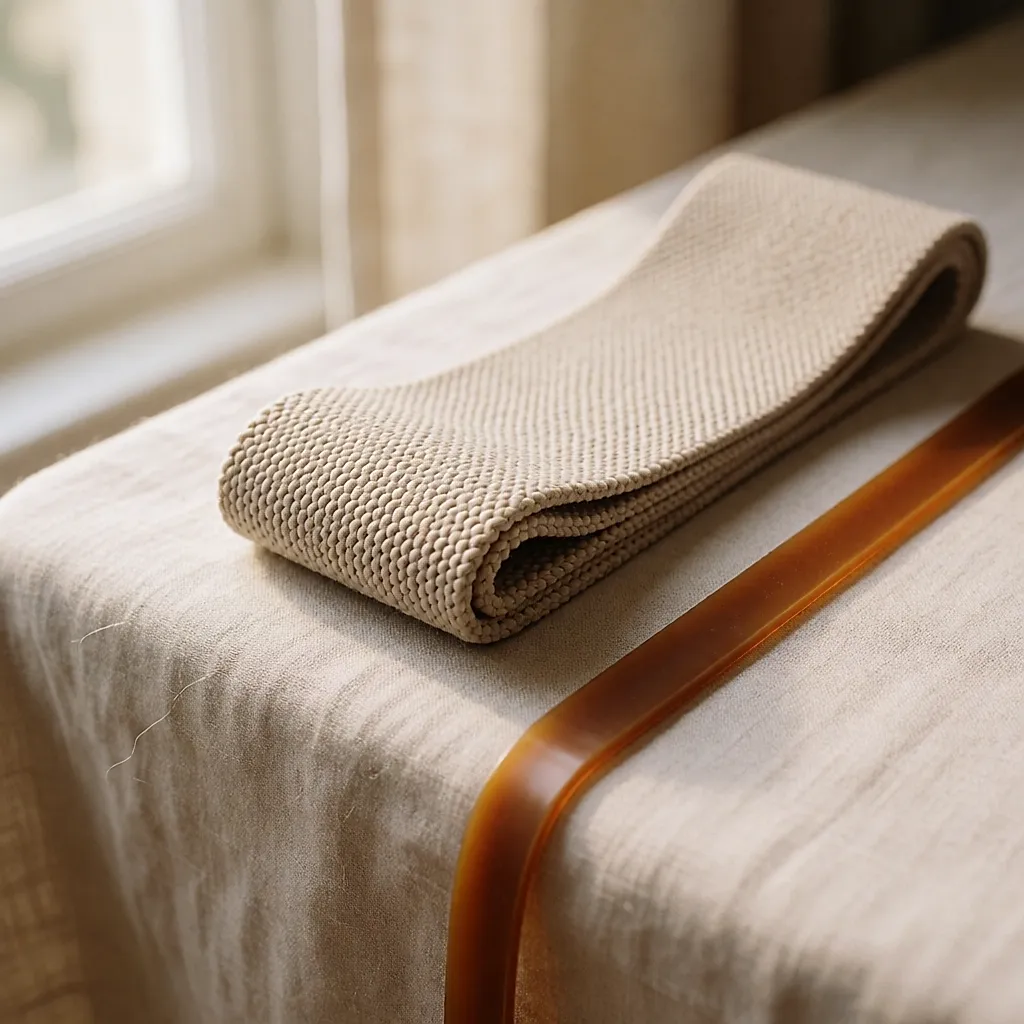
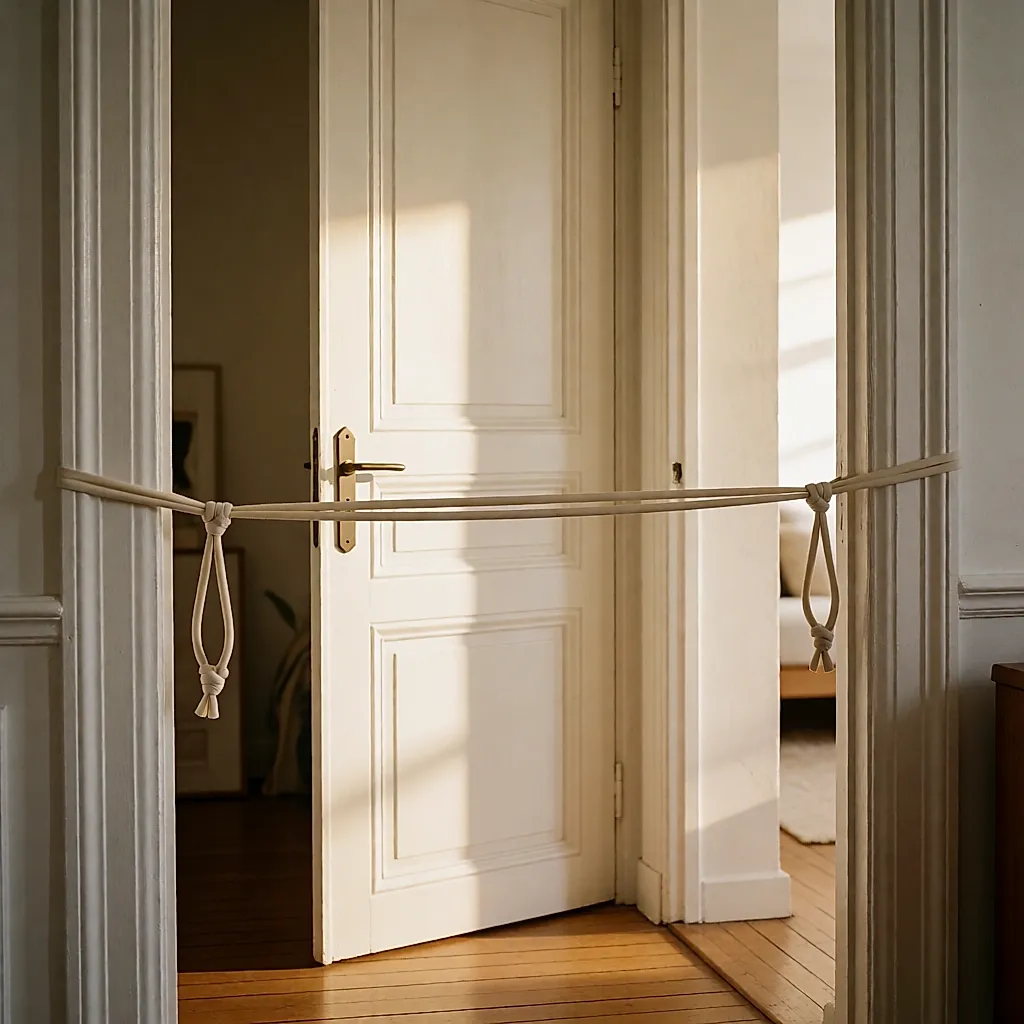
Material isn't everything. A long band loops under your foot or anchors to a door; mini loops, shorter, go above the knees to work hips and thighs. Handles and ankle straps change the grip — more comfortable for pulling, a little bulkier in the drawer. Check what's inside the set: you sometimes pay for accessories you'll never use.
Kilos, not colours
Here's the awkward bit. Colour codes are not universal: one brand's "medium" can be stiffer than its neighbour's "heavy". The most comparable figure is the stated resistance in kilos at a given percentage of stretch, when the manufacturer bothers to give it. And you often have to hunt for it: many sets settle for a pretty gradient and vague wording.
One physical fact worth remembering: resistance increases with stretch. The same band is gentle at 10 centimetres and very demanding at twice its length. So the level isn't just on the packaging — it's in the movement.
Which level should you start with?
In practice — and this is an editorial rule of thumb, not a prescription — a band is well calibrated if you finish a set of 10 to 12 reps in control, without the movement falling apart. If you can't manage eight clean reps, drop to a lighter band without any guilt: a soft band used well does more work than a stiff one abandoned at the third rep.
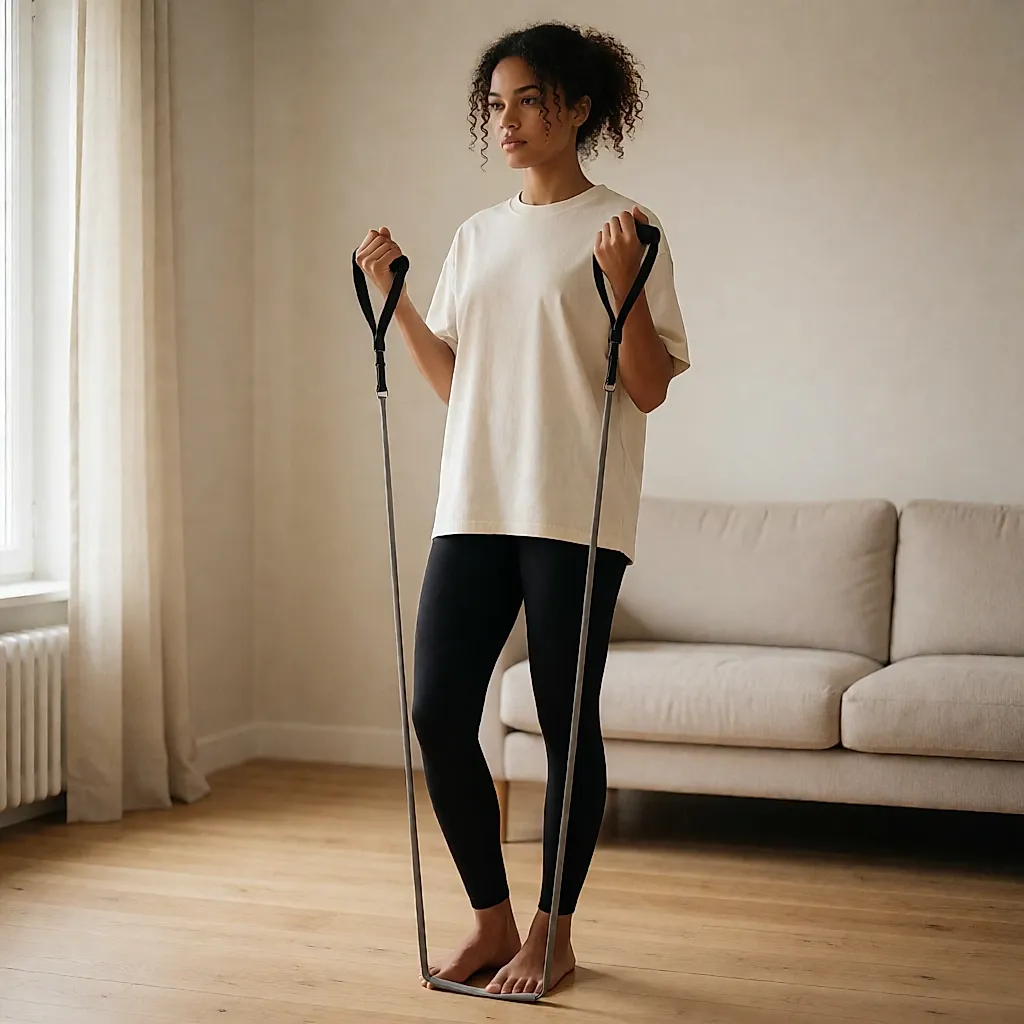
The pull-up you can already do sets the tone. If you can knock out press-ups or pull-ups without difficulty, an intermediate or heavy band is your starting point. If you're coming back to movement after a long break, an injury or a pregnancy, it's better to start light — and if in doubt, speak to a health professional or a qualified trainer before pushing.
Progress without buying a whole new range
Before you add another band to the basket, there's still mileage in the one you've got. Shorten your grip, double the band, slow the return phase, hold a pause at the end of the movement, increase your range: five ways to raise the challenge without spending a penny. In practice, these tweaks often last several months.
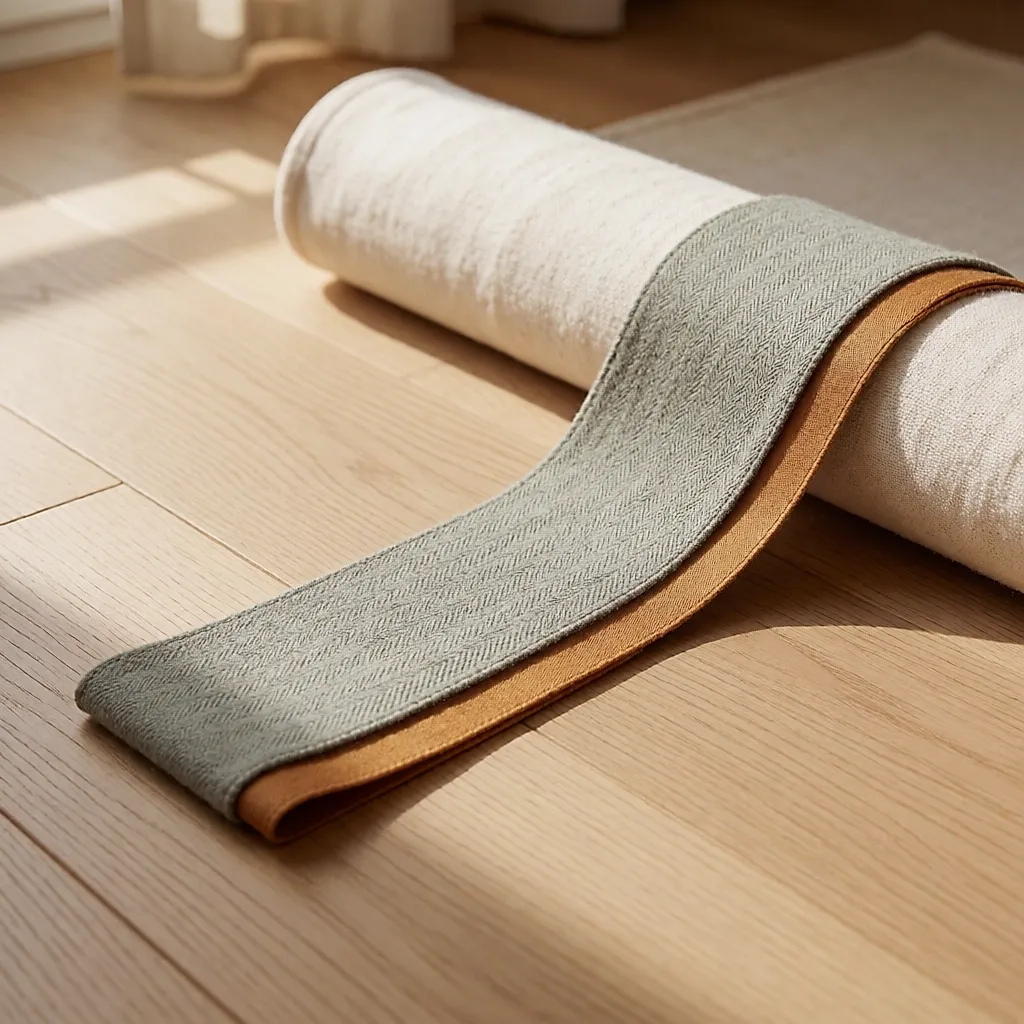
When those stop being enough, two routes. Move up a level, or stack two bands together — a common trick, with the advantage of choice: a light day, a denser day, without filling more drawers.
No band melts fat off a single spot
It's the most stubborn myth in the fitness aisle: the band around the thighs to "target" the thighs, around the arms to "target" the arms. Spot reduction is not a reliable way to lose fat from a specific area. What the band does, it does well: it loads a muscle and, rep after rep, maintains or builds it. Muscle is earned; the calorie burn comes from the whole session and from consistency.
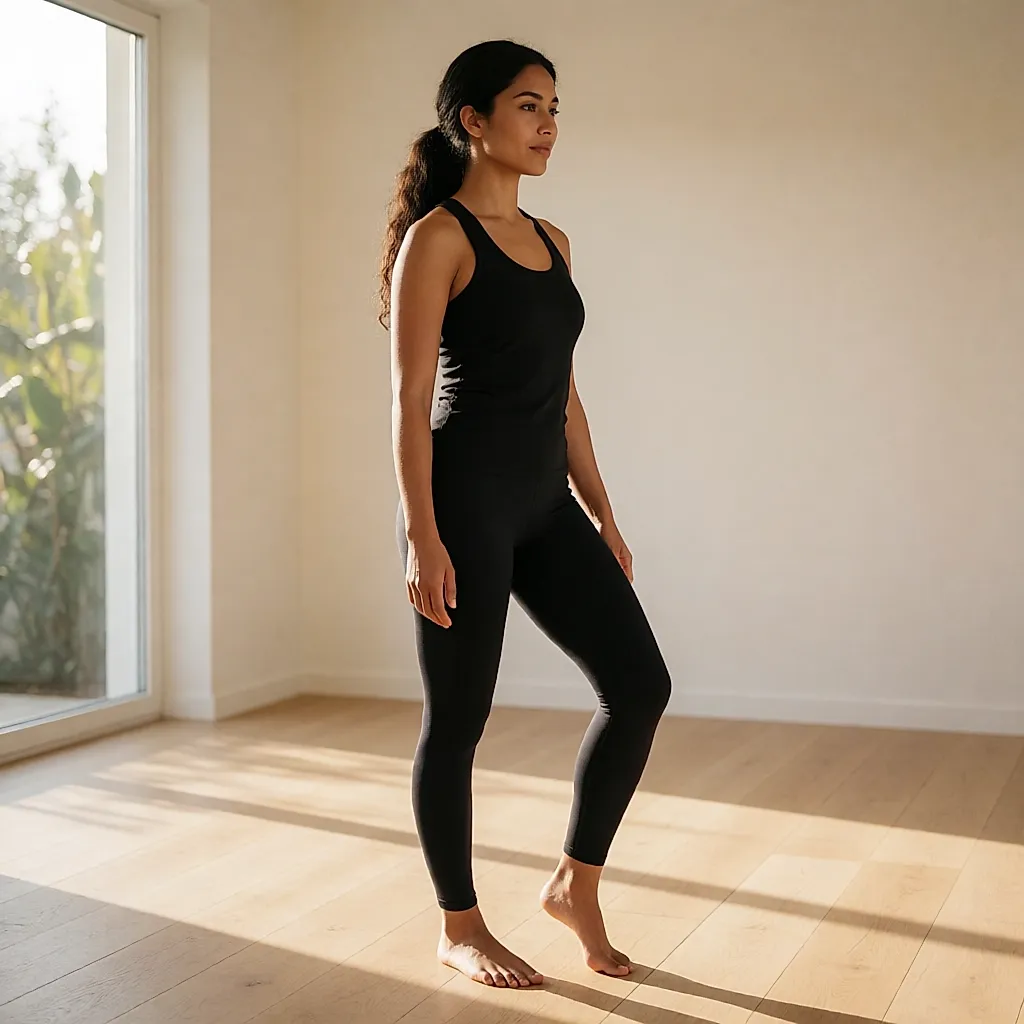
On the scales, other factors weigh in — sleep, diet, genetics, stress — and no one is promising anything here. The WHO recommends adults get 150 to 300 minutes of moderate-intensity activity a week, plus at least two muscle-strengthening sessions: the band is a handy way to tick that second box on a rainy Tuesday.
Budget
Expect to pay around £10 to £40 per set of several bands. Fabric tends to cost a little more than latex; "everything-included" kits with handles, ankle strap and door anchor sit at the top of that range, without every accessory earning its keep.
You'll find them in the fitness aisle of sports shops, online, and sometimes in charity shops. Second-hand makes sense for these often barely-used items — provided you check the latex and wash the fabric parts. And if one level is all your programme needs, buy a single band rather than a set.
Care in three steps
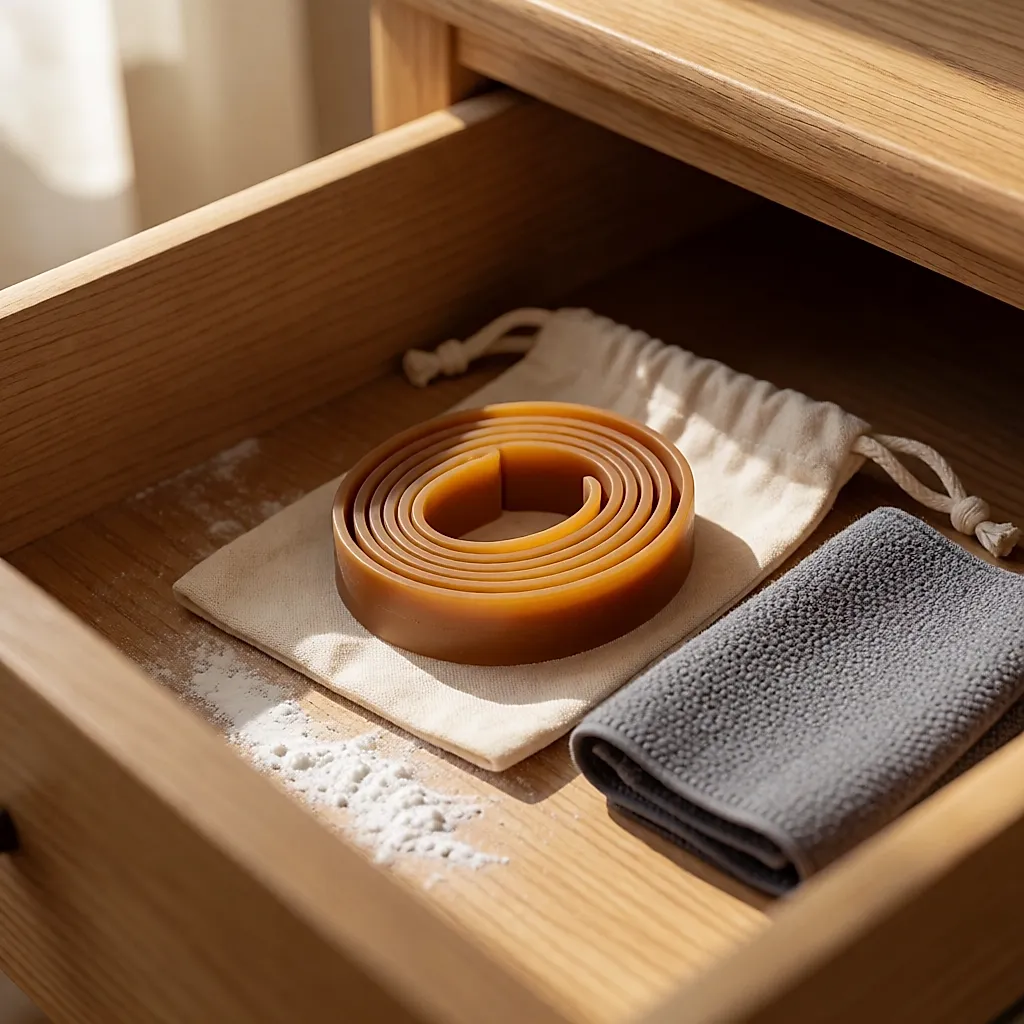
Latex dislikes light and heat: keep it in a drawer or a pouch, rather than on a sunny windowsill. A little talc helps stop it sticking to its neighbour and limits wear. And above all, don't leave your bands stored under tension, stretched around a chair: an elastic that stays stretched loses its spring.
Before every session, check for cracks, especially on latex. A tired band that snaps can whip back, and a band that rolls ruins the movement before the muscle has understood what it was doing. At the first sign of weakness, replace it.
The habit: open the set with the lightest band. Move up a level the day 10 reps finish without the movement twisting — not the day you get bored.
Sources
- World Health Organization — Physical activity: key facts



Comments
Your opinion matters: rate the article, react and reply to comments.
Comments are moderated; AI-assisted comments are flagged. Text emoticons (8-), :-), <3…) are automatically shown as images.