
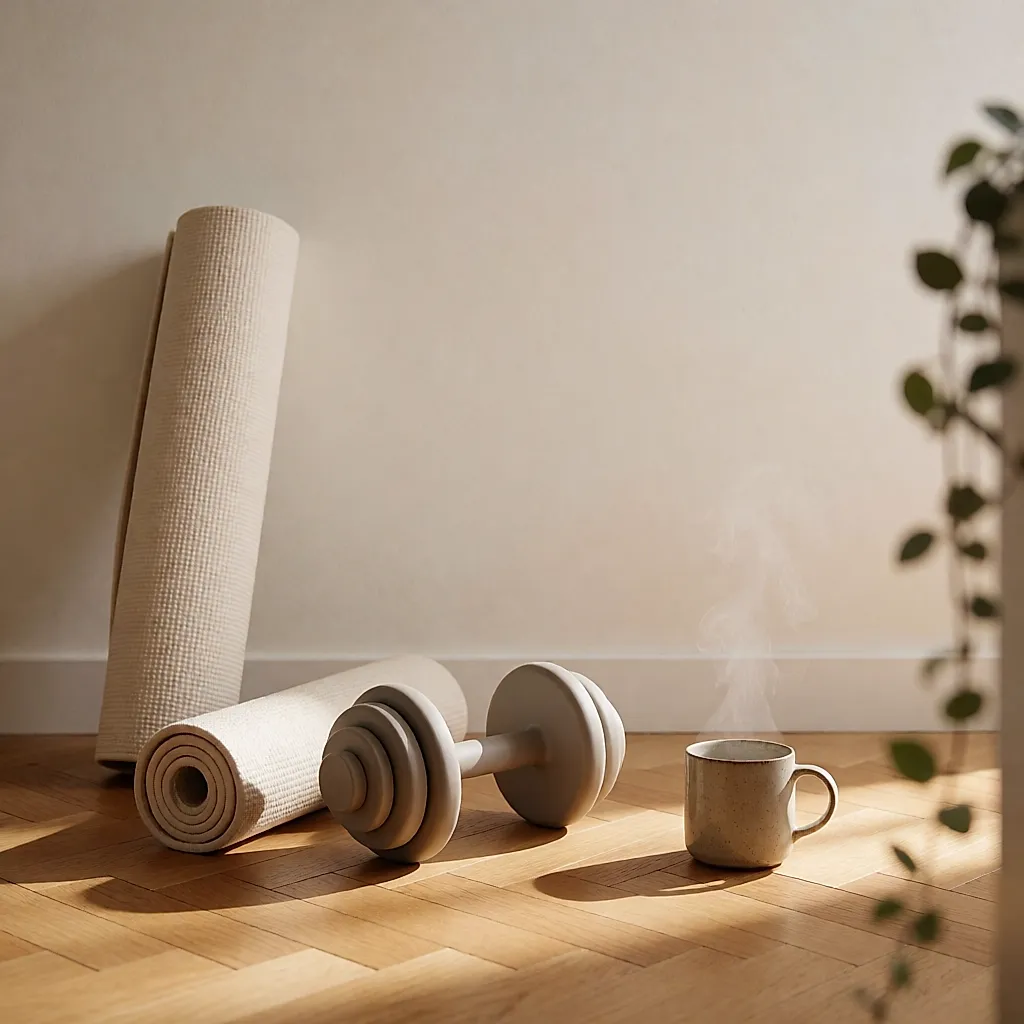
It's 8.37pm, it's been raining since Tuesday, and your living room is three metres by four. Between the sofa and the coffee table, there's a patch of floor free — just enough for a pair of dumbbells against the wall. That's where a good chunk of your strength training will happen this season. And a gym membership isn't compulsory.
The advertised weight isn't always what you lift
Before you spend anything, look for the words 'per dumbbell'. Many listings show a total — '24 kg' — when that's actually both dumbbells together, so 12 kg per hand. On marketplaces, this confusion is common: sometimes accidental, often convenient for the seller. So read the product page like an ingredients list: line by line, and don't be swayed by the biggest number.
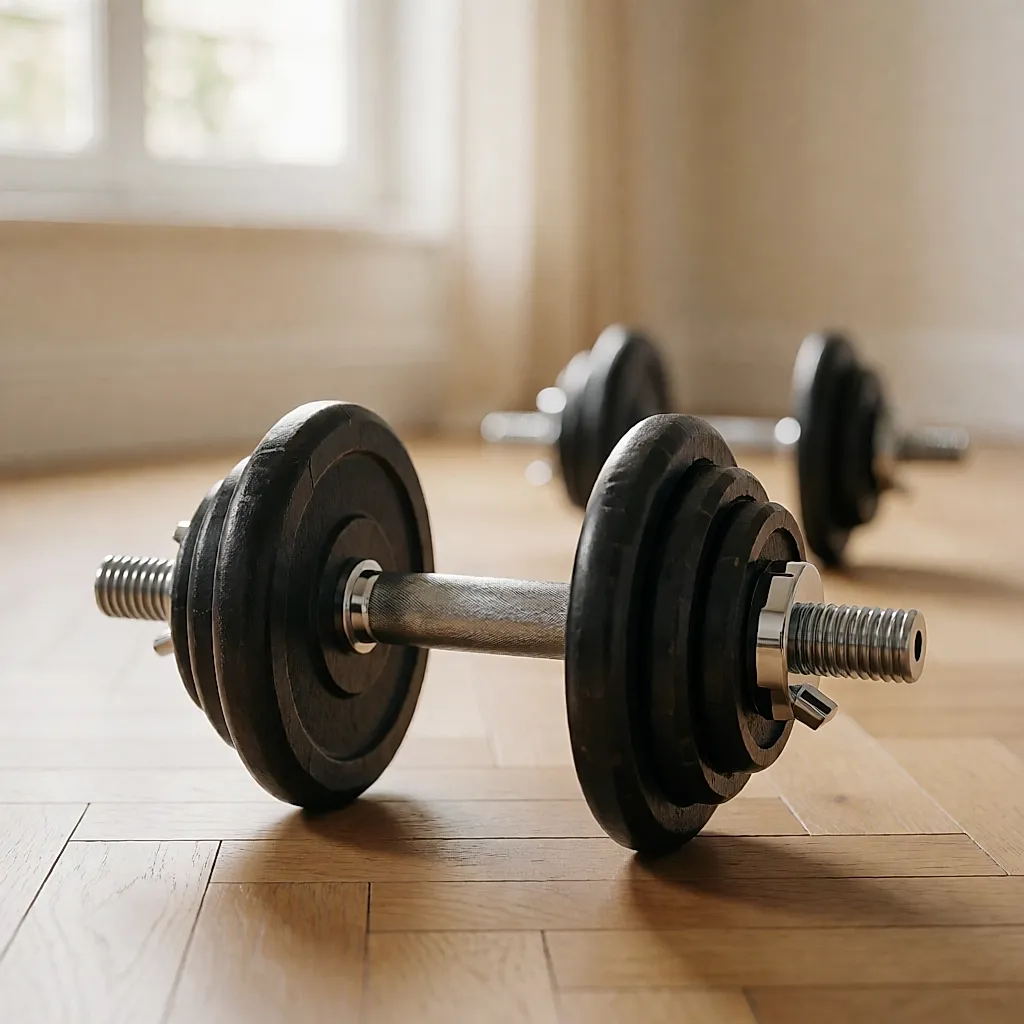
Second, less obvious: the maximum usable weight depends on the system. The bar, collars and locking mechanism all add their own weight, and some setups only reach the advertised figure when the plates are stacked right up to the threaded limit. In other words, a dumbbell advertised at 20 kg may top out slightly below that once everything else is accounted for. The usual range for this type of product, whether new from a sports shop or second-hand, is about 2 to 24 kg per hand — enough to keep you going.
A few seconds, or considerably longer, depending on the system
In practice, using them is a three-step routine: twist or slide to adjust the weight, put them down, then store them under the bed or against a wall. What makes all the difference is how long that first step takes. Screw-kits, the cheapest option, mean unscrewing, removing, adding, screwing back on: manageable between sets, but a real pain between exercises. Dial models usually adjust by turning a dial, while pin-select systems release by moving a pin, at a higher price. Both systems are often marketed as the 'quick' solution — it's up to you whether the time saved justifies the price difference.
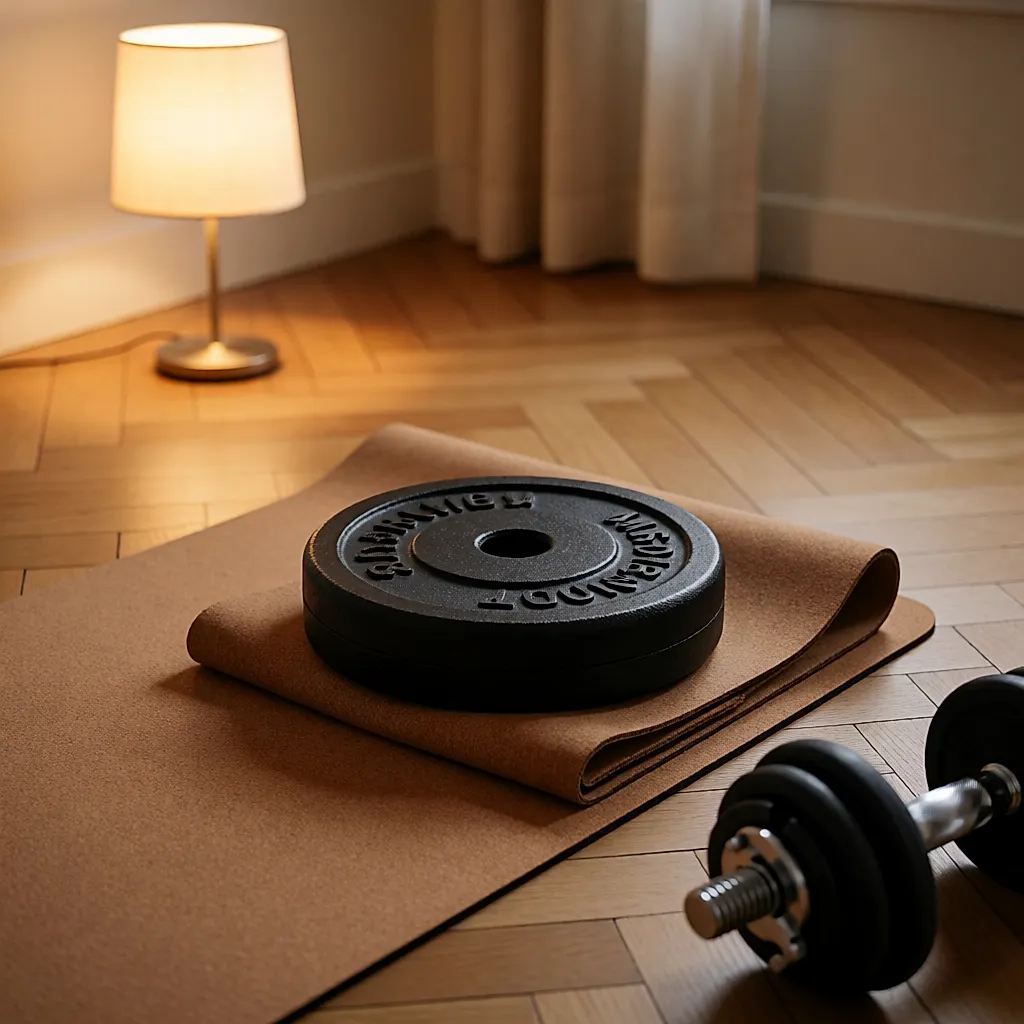
Then there's noise, a key issue if you train above a neighbour or on wooden floors. A rubber-coated cast-iron plate set down on the floor makes a dull, almost muffled sound, and marks the floor far less than bare iron. You'll hear the difference from the first set of rows at 9pm, when everyone else in the building is home. A folded exercise mat, or even a thick towel, completes the job and saves your deposit.
How much weight do you actually need?
The question comes back every autumn: go for a big maximum or a wide range? In practice, it comes down to one simple principle: progressive overload. The body adapts to what you ask of it, so you need to be able to add a little weight when the last few reps start to feel easy. A system that doesn't go low enough — say, a 5 kg minimum per hand — makes shoulder and arm exercises uncomfortable. One that tops out too soon will quickly hold you back on legs and back.
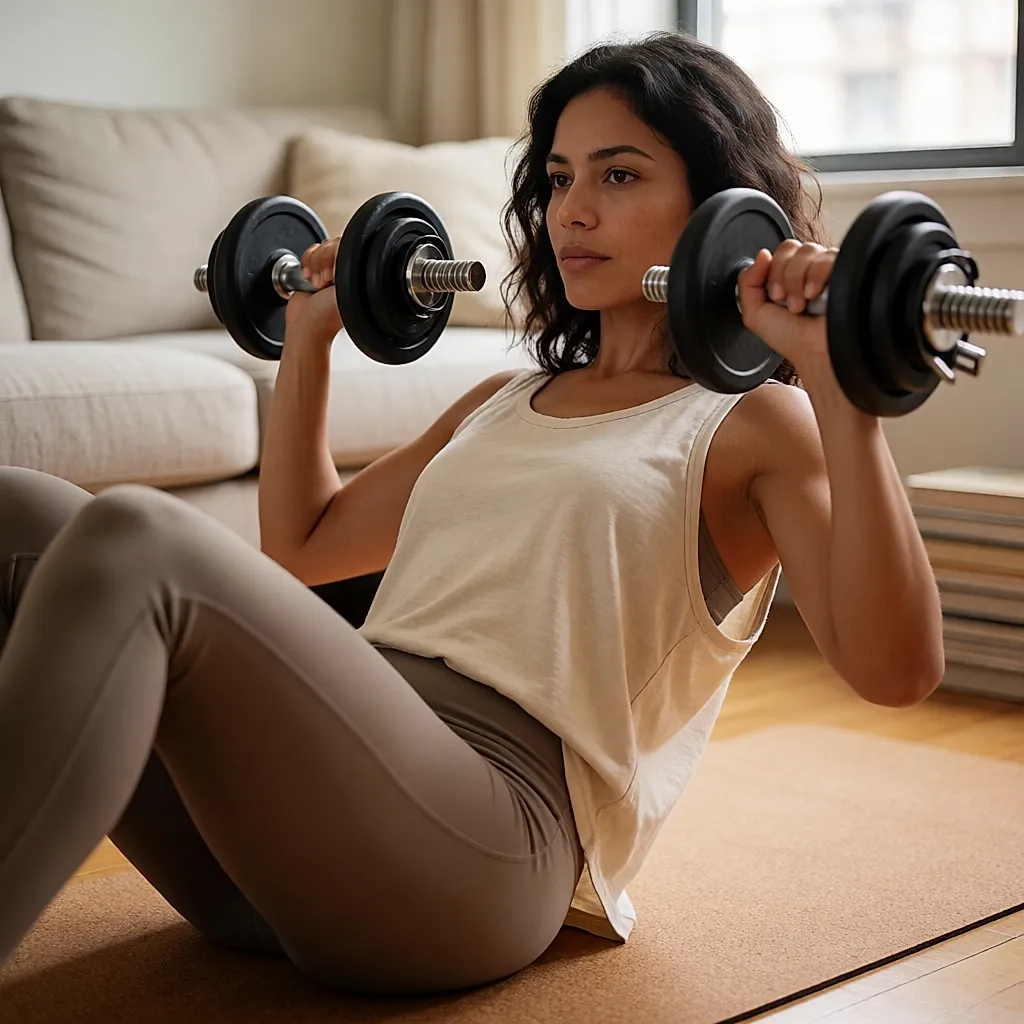
Hence the value of a wide range rather than a spectacular number: better to have 2 to 24 kg per hand, with fine increments, than a 30 kg that you can't adjust gradually. Two dumbbells, a floor and a few basic moves — lunges, Romanian deadlifts, rows, floor press, lateral raises — will honestly keep you busy all winter, no bench or rack required. World Health Organization guidance puts muscle-strengthening activities at two or more days a week, alongside aerobic activity. So two short sessions aren't a cut-down version: that's the recommended format.
Before returning to weights after a long break, or if you have pain, a history of joint problems, are pregnant or have a chronic illness, speak to a healthcare professional. Start light, warm up, increase in small steps — never just because a programme you saw online suggested it.
Budget
Expect to pay somewhere in the region of £60–£250 for a pair, depending on the adjustment system and weight range. Plate-and-screw kits are at the bottom of the range, dial models sit in the middle, and rapid-select models are at the top. You may also want a mat or gloves: useful, never essential.
Second-hand, plate kits change hands easily, often for around half the new price. Three checks are essential: the threading, which wears quickly if it's been forced; the condition of the coating, which can crack; and rust on the plates, especially after storage in a cellar. On marketplaces, watch the delivery costs — cast iron is heavy, and a 'bargain' can look far less appealing once shipping is added. Your local sports shop, by contrast, lets you handle the weights before you buy, which is still the best way to work out whether a system will annoy you every other day.
Ultimately, adjustable dumbbells do something modest but valuable: they turn a square metre of living room into a seasonal gym. You won't break any records, you won't wake anyone up, and you can put the whole lot back against the wall before drinks! If two short sessions keep you going until March, the pair will have more than paid for itself.
Sources
- World Health Organization — Physical activity, accessed 11 October 2026.


Comments
Your opinion matters: rate the article, react and reply to comments.
Comments are moderated; AI-assisted comments are flagged. Text emoticons (8-), :-), <3…) are automatically shown as images.