
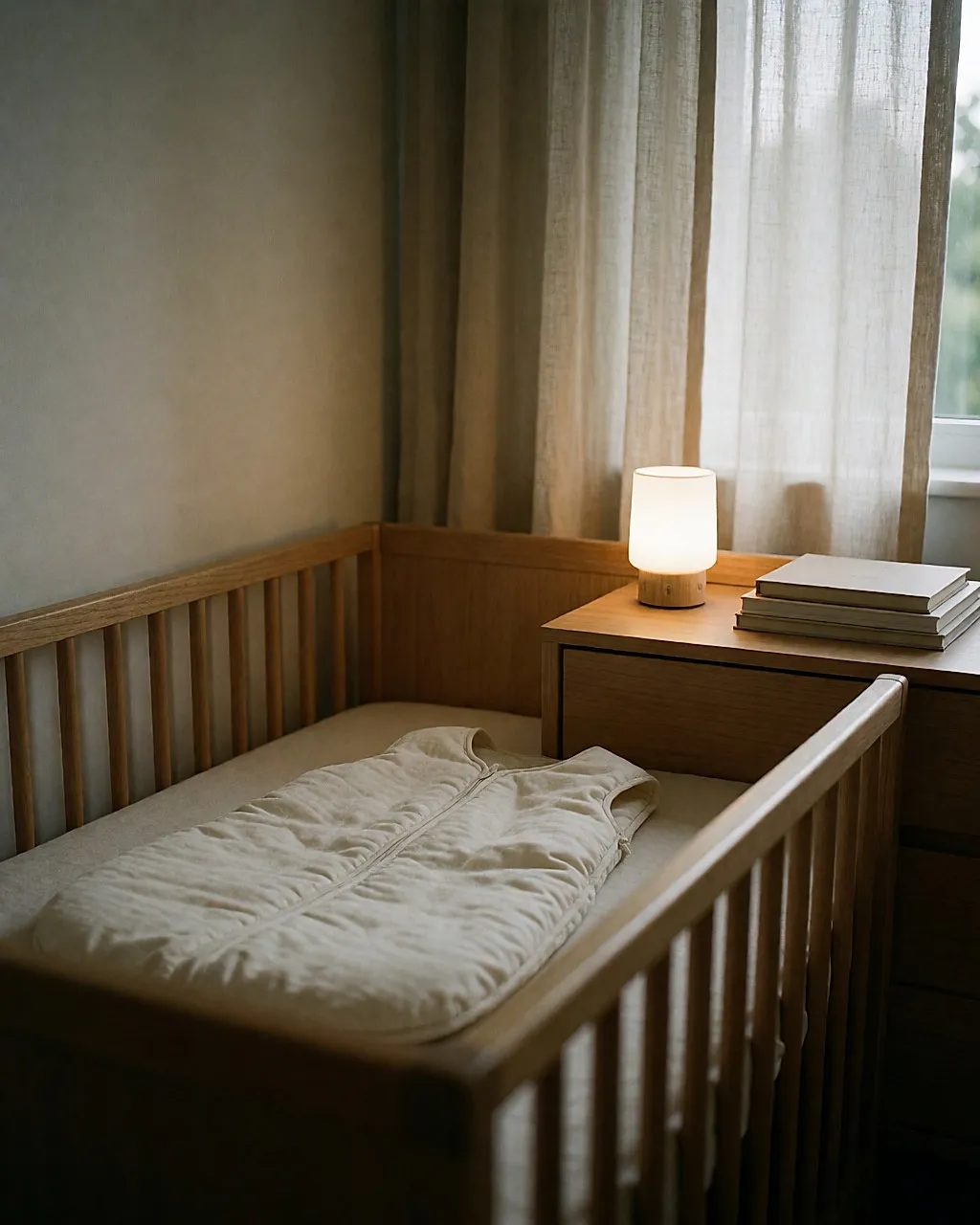
The day comes to an end, the house quietens, and you are still standing by some mysterious reserve of energy. Your baby, meanwhile, clearly didn't get the memo: they stiffen, ask to be held, cry. You feel your patience fray, then guilt arrives right behind it. If this scene plays out every evening, bedtime becomes a trial you dread in advance — and you are far from alone.
What we know today is that a child falls asleep more easily when their days and evenings are predictable. It doesn't take a particular temperament, or luck.
The routine, your best ally
A routine is a sequence of actions, always in the same order, every evening. Nothing complicated: a lukewarm bath, pyjamas, a story, a cuddle, a song. It's the regularity that counts, not the length. Current evidence suggests that a short, steady routine brings bedtime forward and reduces night wakings.
What your child gains: knowing what comes next. What you gain: no longer renegotiating every step.
In practice, remember this: five minutes repeated every night are better than an hour of play one night out of two. And be wary of tickles and giggles at the end — the goal is to bring the energy down, not rev it up again.
Spotting the right moment
This is often where it gets tricky. An overtired child doesn't fall asleep better: they fall asleep worse. When sleep is lacking, the body releases stress hormones that make falling asleep even harder.
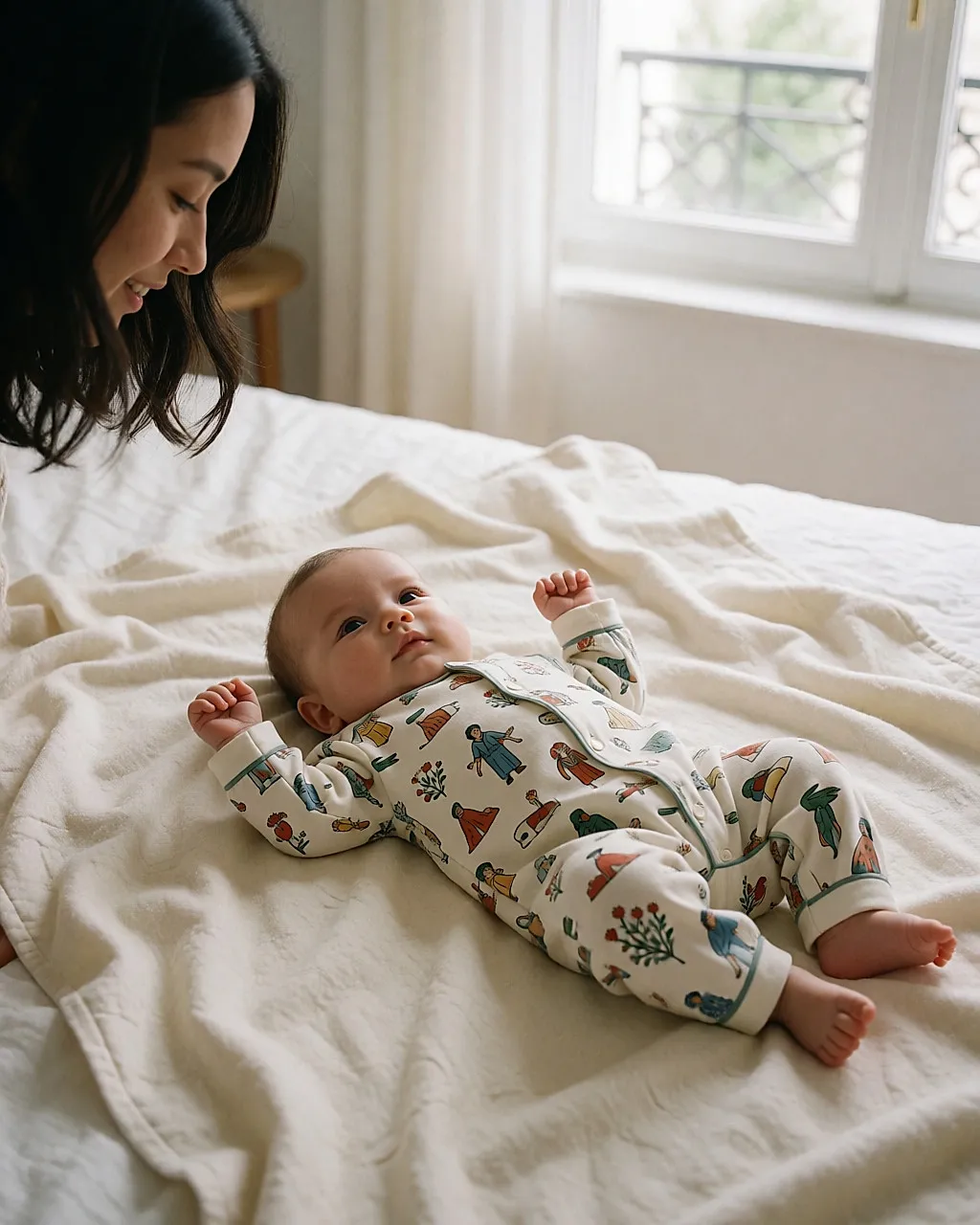
Watch your baby: yawning, rubbing their eyes, staring into space, jerky movements, grumbling. These are all signs of a child who is ready for sleep. If you wait for full-blown crying, the window has often already passed.
And don't drop the nap in the hope they'll collapse in the evening. It rarely works, and bedtime becomes even harder.
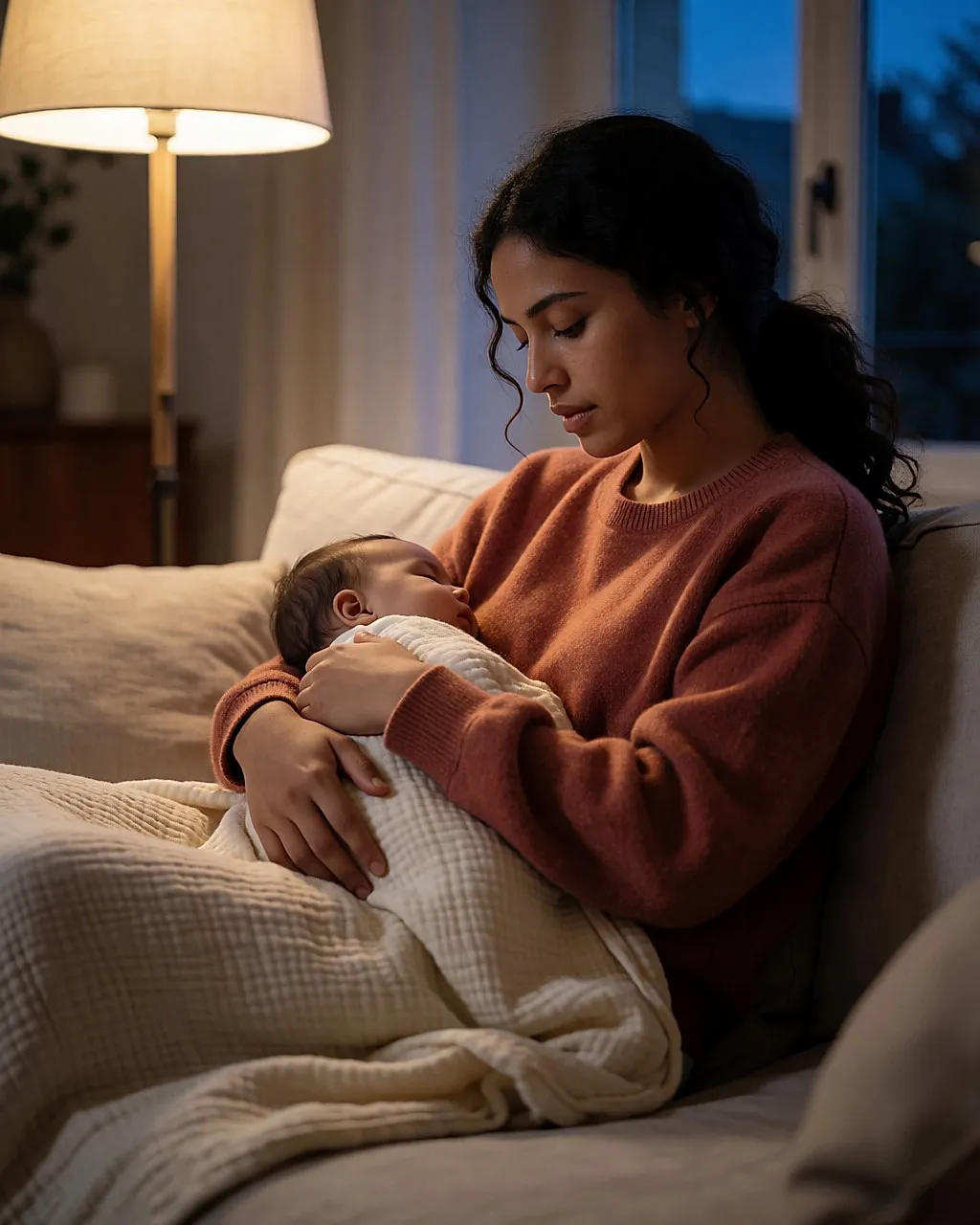
Prepare the ground rather than lay down the law
Announcing bedtime five minutes beforehand makes a big difference. You can say that the story is the last one, show the clock hand or a visual timer, let them choose their pyjamas. The child keeps a tiny margin of decision-making, but a very real one — and that is often enough to defuse a power struggle.
Safety first. For a baby, place them on their back, on a firm mattress, in their own cot, without a pillow, duvet, bumper or soft toy. Room sharing is recommended for at least the first six months, but each on their own sleep surface. Keep the room at around 18 to 20°C. Before 6 months, a baby who cries should be picked up: cry-it-out methods don't apply at this age. If you are unsure, speak to your midwife, health visitor or GP.
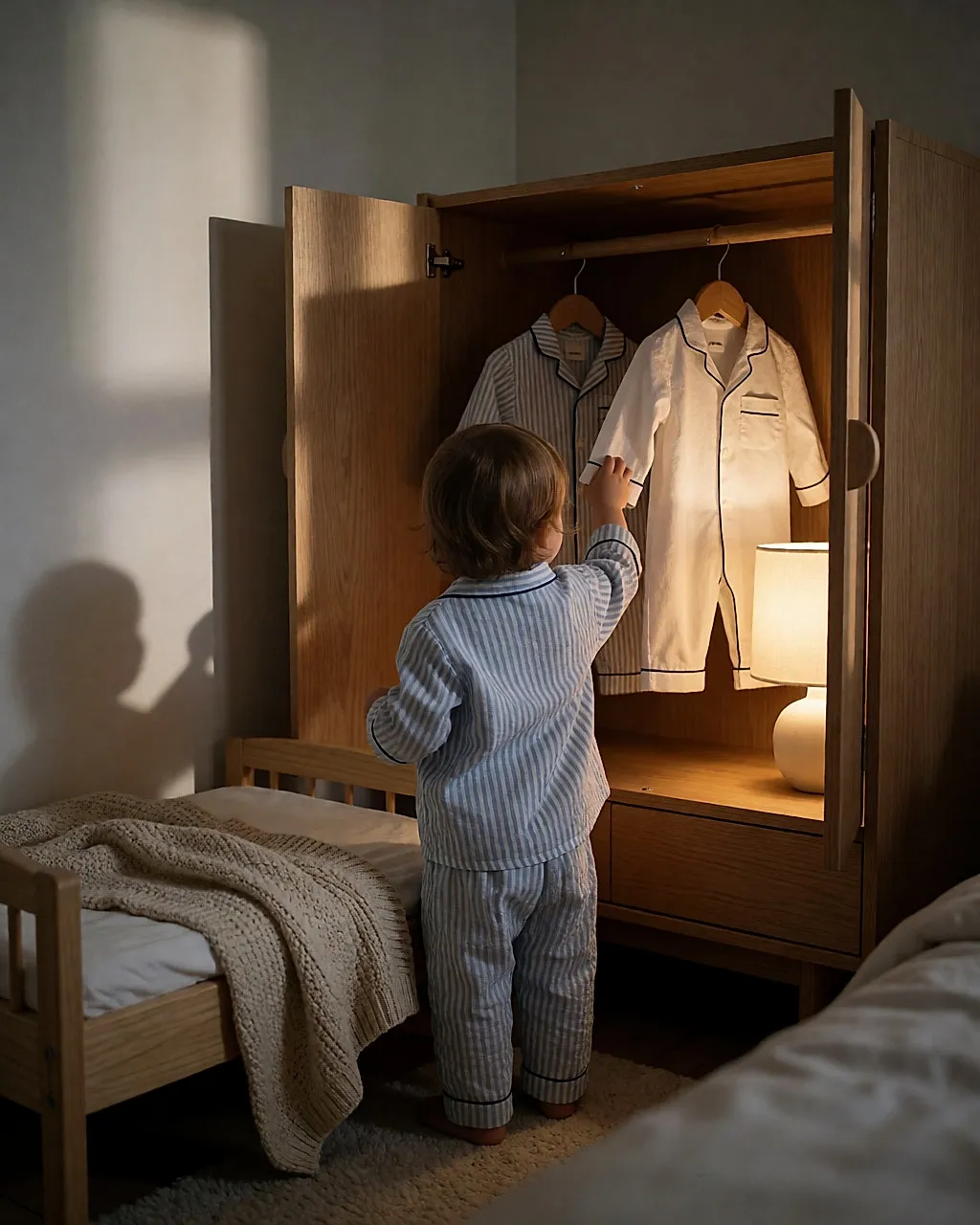
When they protest
It's normal for a child to grumble for a few minutes after the routine. You can stay in the room while gradually moving further away, return at regular intervals, speak softly without picking them back up. For older children, an "I'll be back in two minutes to check on you" often works better than a sudden exit.
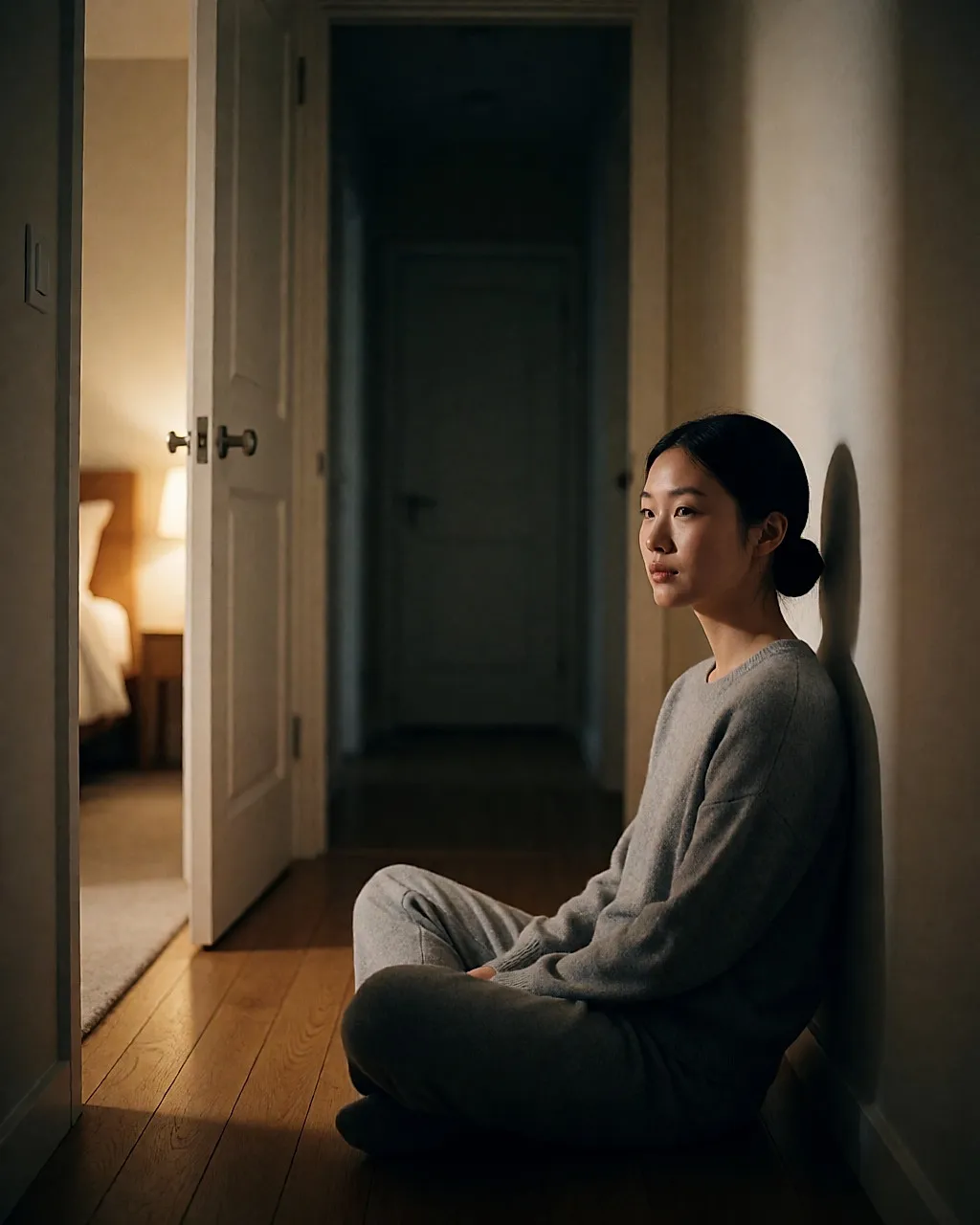
On the other hand, don't leave a baby to cry alone with no reassurance, especially if they are small or unwell. And if crying comes with a fever, a marked change in habits or difficulty breathing, that needs a health professional, without waiting.
Bath, light, screens
A lukewarm bath at the end of the day is relaxing. A slow foot or back massage after pyjamas can help too. It isn't a magic solution, just one more signal sent to the body.
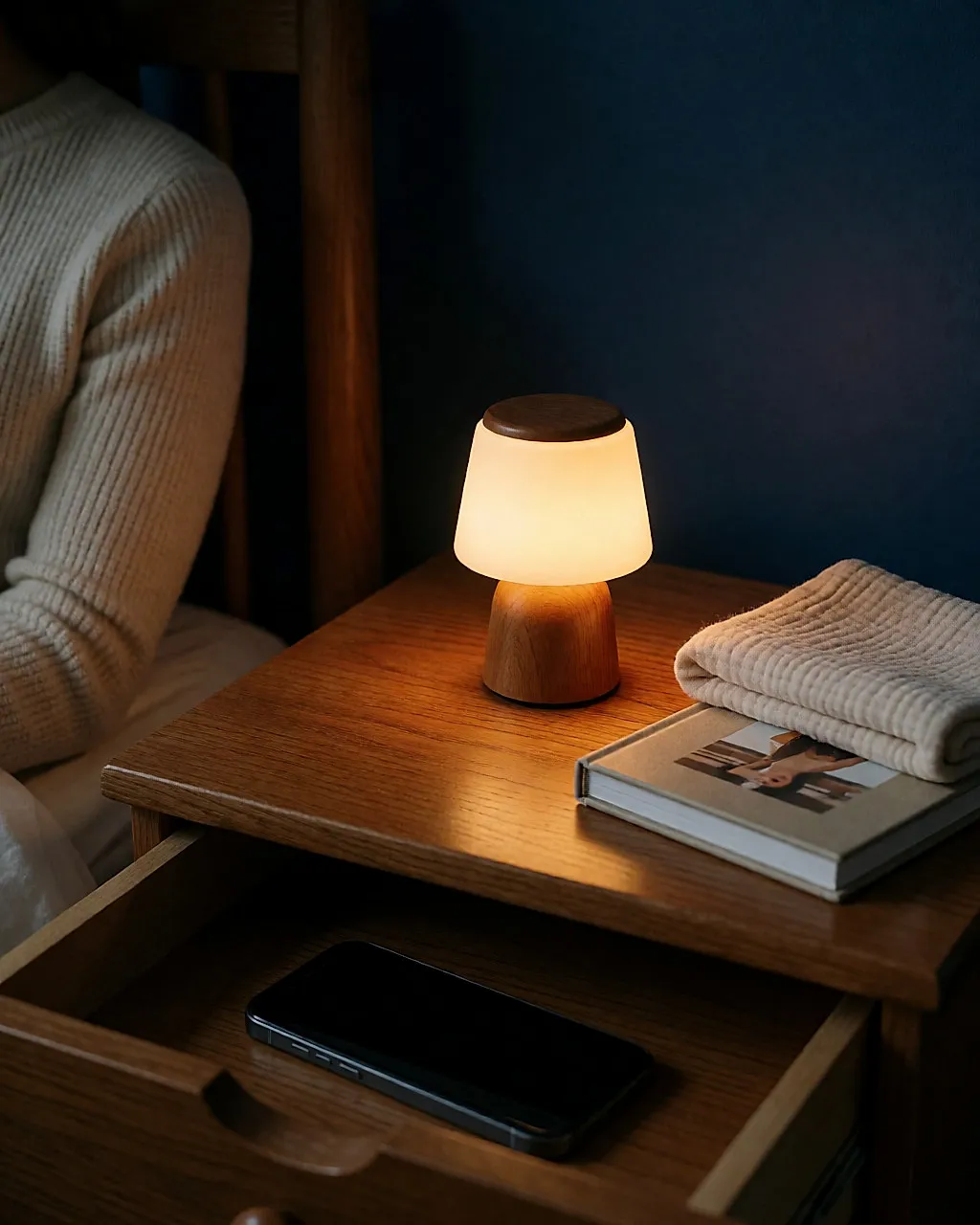
Screens, on the other hand, are not allies. UK guidance advises against them before age 3, and in any case for an hour before bedtime. A warm-light night light, turned off once the child is asleep, is more than enough.
And you, in all this?
Your exhaustion is a real health issue, not a weakness of character. If you have been sleeping badly for weeks, if you feel persistently sad or irritable, speak to your GP, midwife or health visitor. Postpartum depression screening is built into several points in postnatal care — and it isn't a diagnosis to make on your own.

Budget
Bedtime doesn't require any purchases, and that's a good thing. A few accessories can still be useful. In the UK, expect to pay around £8 to £25 for a portable or battery night light, £25 to £60 for a connected model, £15 to £35 for a season-appropriate sleeping bag, and £8 to £15 for a room thermometer. An audio baby monitor usually costs £25 to £50, and a video model £50 to £120.
These differences come mainly from connectivity, brand and where you buy: baby shops, supermarkets, pharmacies for a thermometer, and online — where prices move quickly. Second-hand sleeping bags and baby monitors are easy to find, provided you check zips, poppers and fixings. For textiles, a breathable fabric and a sleeping bag in the right size matter more than an oversized one baby can slip down in. There's no need to aim for the top end: a night light that is too bright is more of a hindrance than a help.
Sources
- NHS — information on sleep in children.
- The Lullaby Trust — safer sleep advice for babies.
- American Academy of Pediatrics — recommendations on safe infant sleep and room sharing.
- NICE — guidance on postnatal mental health.
- The Sleep Charity — information on children's sleep.
- British Sleep Society — sleep in children and young people.

Comments
Your opinion matters: rate the article, react and reply to comments.
Comments are moderated; AI-assisted comments are flagged. Text emoticons (8-), :-), <3…) are automatically shown as images.