
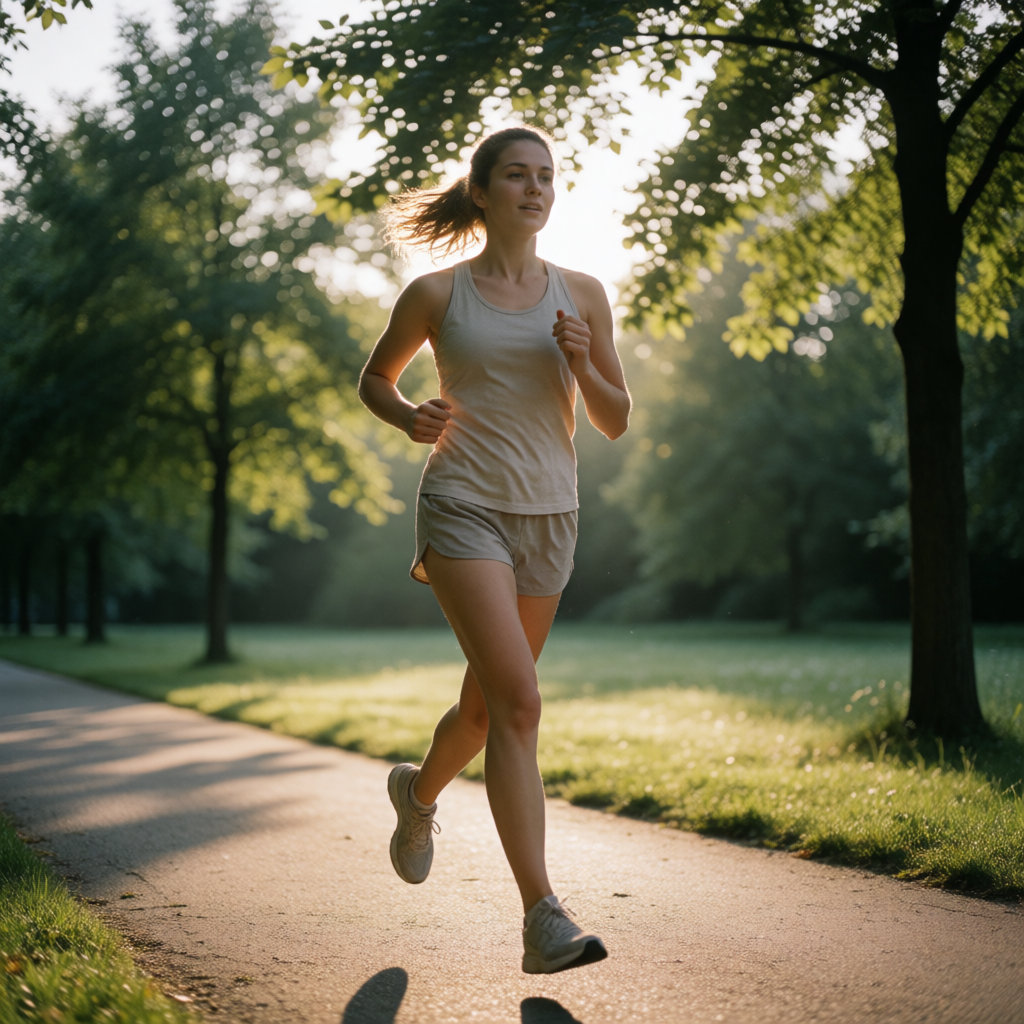
You know the scene: you head out for an easy session, and it's your side, your calf or your heel that ends up deciding the programme for you. The good news is that most of these aches are everyday stuff and settle down on their own. But knowing when to ask for advice can change your whole evening. Here's what we know — and what we don't yet.
A stitch: it's all about breathing
A stitch often strikes at the worst possible moment: when you speed up, or just after eating. The mechanisms are still debated: current evidence suggests the diaphragm and the tissues around it are working hard, and that shallow breathing doesn't help. In the vast majority of cases there's nothing to worry about — but the body is sending a signal, and it's better to listen to it.
In practice, ease off, breathe slowly, and only set off again once it has settled. If the pain persists or comes back every session, speak to a healthcare professional: chest pain can have other causes, which only they can assess.
Blisters: better to protect than to pierce
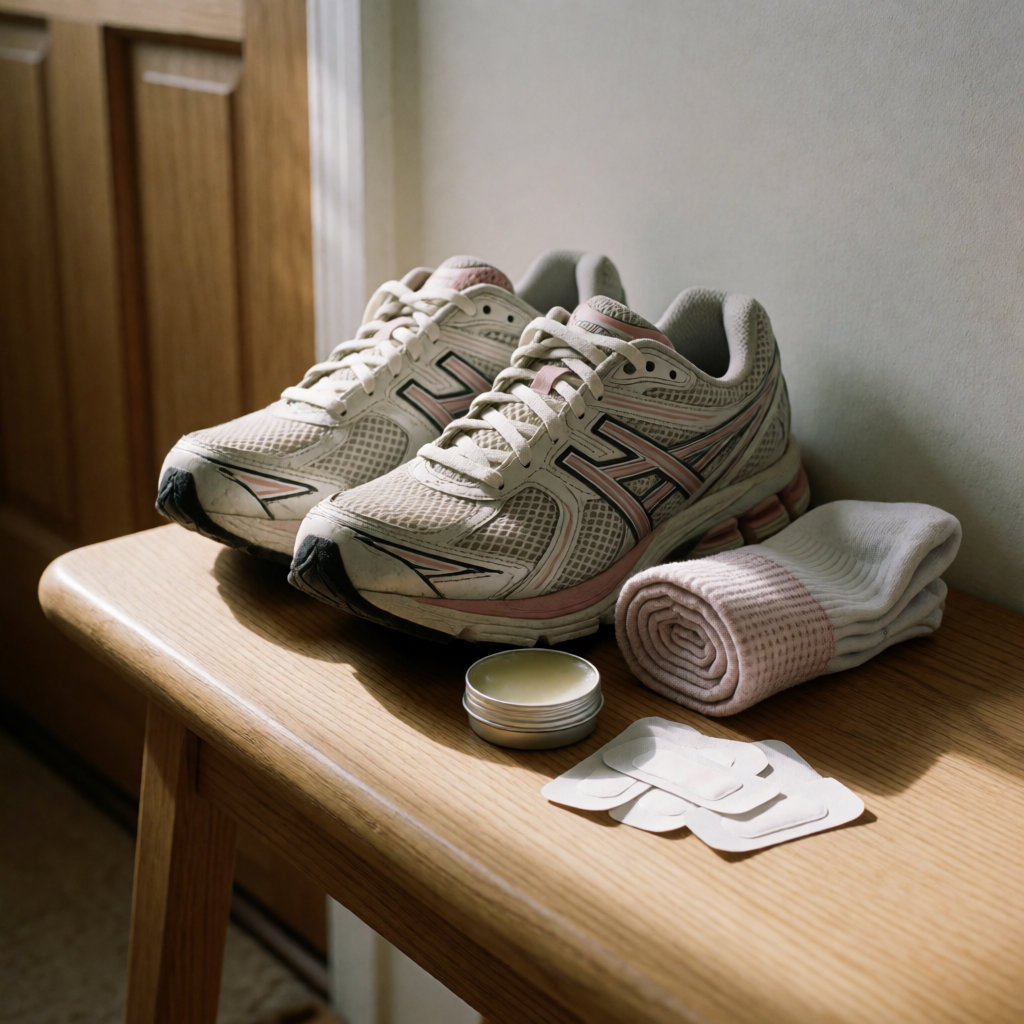
New shoes, damp socks, a slightly wide foot: that little pocket of fluid forms quickly, and it hurts. It's not a serious injury, but it makes walking uncomfortable and, badly protected, it can become infected. So prevention all happens before your session, in your shoes and socks. If a blister does appear, ask a pharmacist: they'll point you to the protection that suits your situation.
It usually clears up on its own within a few days. If it's very tight or very painful, show it to a pharmacist or a GP, who can advise on how to manage it.
Three habits that keep the small stuff at bay: a pair of shoes broken in before your session, technical socks that wick sweat away — they beat cotton, contrary to a common belief — and toenails cut short.
Muscle soreness (DOMS): two to three days, no less
It turns up the day after unusual effort, usually between 24 and 72 hours later. It mainly affects occasional exercisers, but also regulars after a longer or harder session. No, lactic acid has nothing to do with it: it's long gone by then. And no, it isn't an injury — the muscle has simply been asked to work in an unfamiliar way.
No ointment makes it disappear: it usually fades on its own within a few days. If the discomfort feels intense or unusual, speak to a healthcare professional. Next time, build up the load very gradually.
Cramp: a few minutes that feel endless
A cramp is an involuntary contraction of the muscle. It tightens, stays contracted, and you stop dead. It usually happens during exercise or just afterwards, rarely at rest. While it passes, stop what you're doing. If it doesn't ease, or if it keeps coming back, speak to a healthcare professional.
The causes are many: fatigue, exercising in the heat, personal predisposition. Current evidence suggests that magnesium or potassium supplements have no demonstrated effect in healthy people. If cramps keep returning, again, speak to a professional.
Tendinitis or tendinopathy: don't push through
Pain that settles into a tendon — near the heel, the elbow, the shoulder — shouldn't be ignored. It often follows a too-rapid increase in training volume, a poorly performed movement or unsuitable kit.
In practice, the right move is to seek advice rather than to push on. A GP or physiotherapist will help you build back up gradually and tell you what you can keep doing. Pushing too soon can encourage the problem to come back or make the pain worse.

Budget: what really matters
On the kit front, it all comes down to two items — and there's no need to replace everything! A decent pair of running shoes sits around £60 to £130 in a sports shop, depending on the brand, the cushioning and the time of year: end-of-season sales are kinder to your wallet. You'll find them in specialist shops, sports superstores or online, though trying them on is still worth it when you're starting out.
For technical socks, expect around £7 to £18 a pair. Merino wool models cost more, but they wash better, smell less quickly and often last longer — a more considered choice, as long as you check where the wool comes from when that information is available. Plasters and blister protection cost a few pounds at the pharmacy: it's worth asking at the counter before buying a whole box.
As for so-called anti-soreness gels, they generally sell for £4 to £13 in pharmacies or supermarkets. Their effect is limited to immediate comfort, with no demonstrated action on recovery: if you're after something simple, a product based on arnica or essential oils may be enough, provided you follow the precautions for use (and avoid essential oils during pregnancy).
The takeaway
Sports pain isn't inevitable, but it isn't a detail to ignore either. Warming up, progressing gently, hydration and sleep do more than any trendy accessory. And when a pain lasts, moves around or worries you, the right response is always the same: speak to a healthcare professional.
Enjoy your session, and look after yourself!
Sources
- NHS — Sports injuries, consulted on 3 October 2026.
- NHS — Sprains and strains, consulted on 3 October 2026.
Food supplements do not replace a varied, balanced diet and a healthy lifestyle.



Comments
Your opinion matters: rate the article, react and reply to comments.
Comments are moderated; AI-assisted comments are flagged. Text emoticons (8-), :-), <3…) are automatically shown as images.