

As November sets in and the days draw in, something shifts. You get up in the dark, come home in the dark, and the urge to chuck it all in arrives out of nowhere. If this plays out every winter before lifting in spring, you're not alone. The condition has a name: seasonal affective disorder, or SAD. And when it comes to this seasonal low, light therapy keeps coming back into the spotlight. Here's what we know, and how to choose your device.
When winter really takes its toll
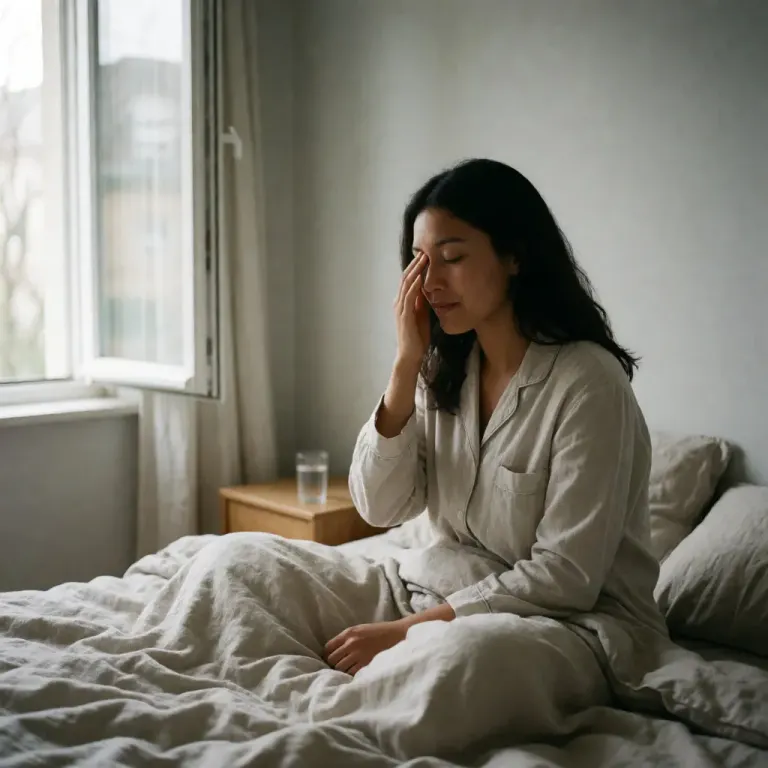
SAD is more common in women than men, and it often appears in young adults. Persistent fatigue on waking, a feeling of running in slow motion, sugar cravings, anxiety, wanting to withdraw: these signs return winter after winter, then fade with the brighter days. The so-called winter blues are a milder version, one that doesn't disrupt daily life.
A note of caution, though: these symptoms are very similar to those of depression, which doesn't stop in spring and needs specific follow-up. Before deciding that you have SAD, speak to your GP: that's the first step, and it isn't optional.
What light does in your body
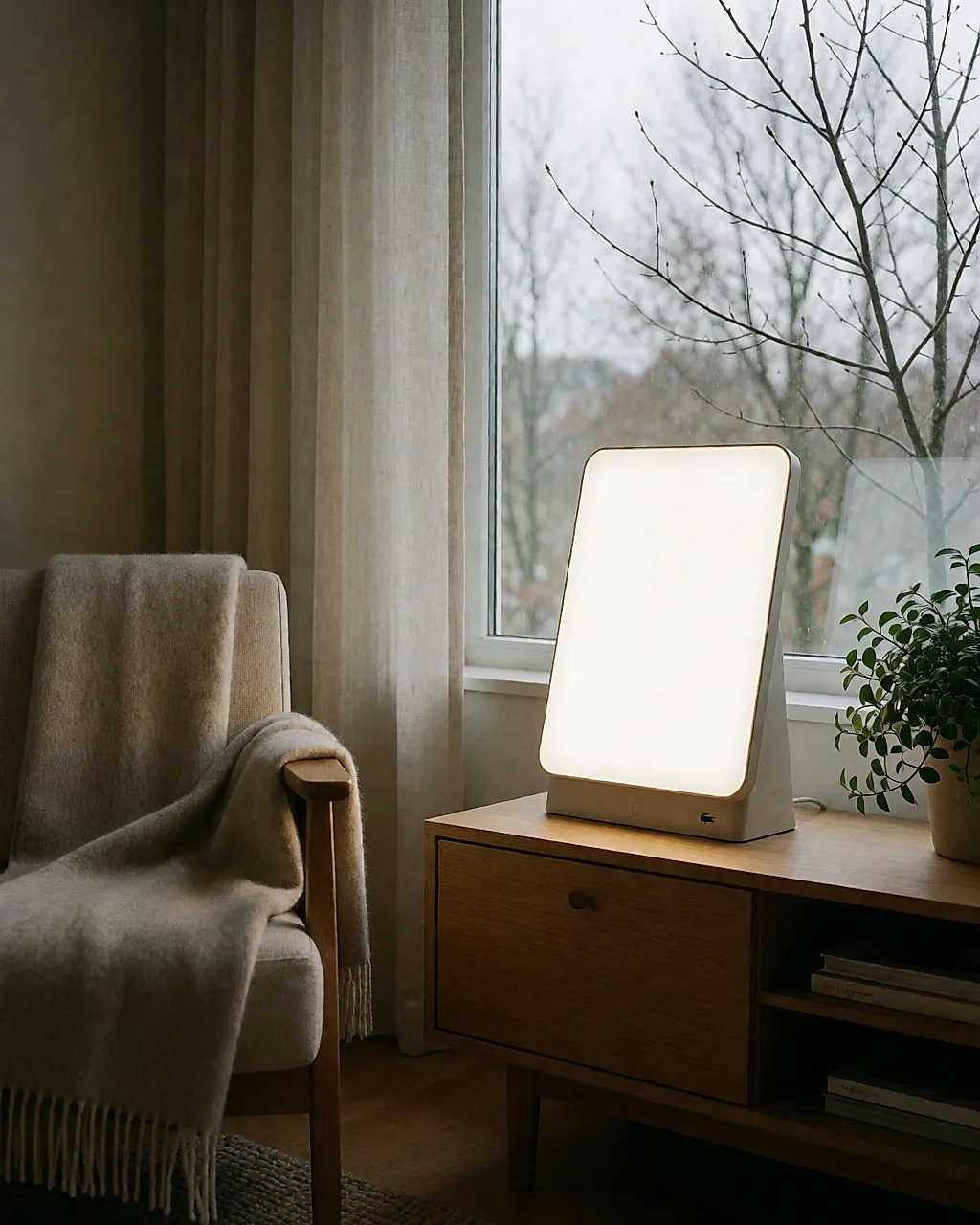
Your body clock runs on the alternation of day and night. When light reaches the retina, it sends the brain a waking signal and suppresses melatonin, the sleep hormone. In winter, natural light is scarce: melatonin can stay high during the day and shift your whole rhythm. Current evidence suggests that light therapy helps reset this system by giving the brain a clear light signal at the right time of day.
What it looks like in practice
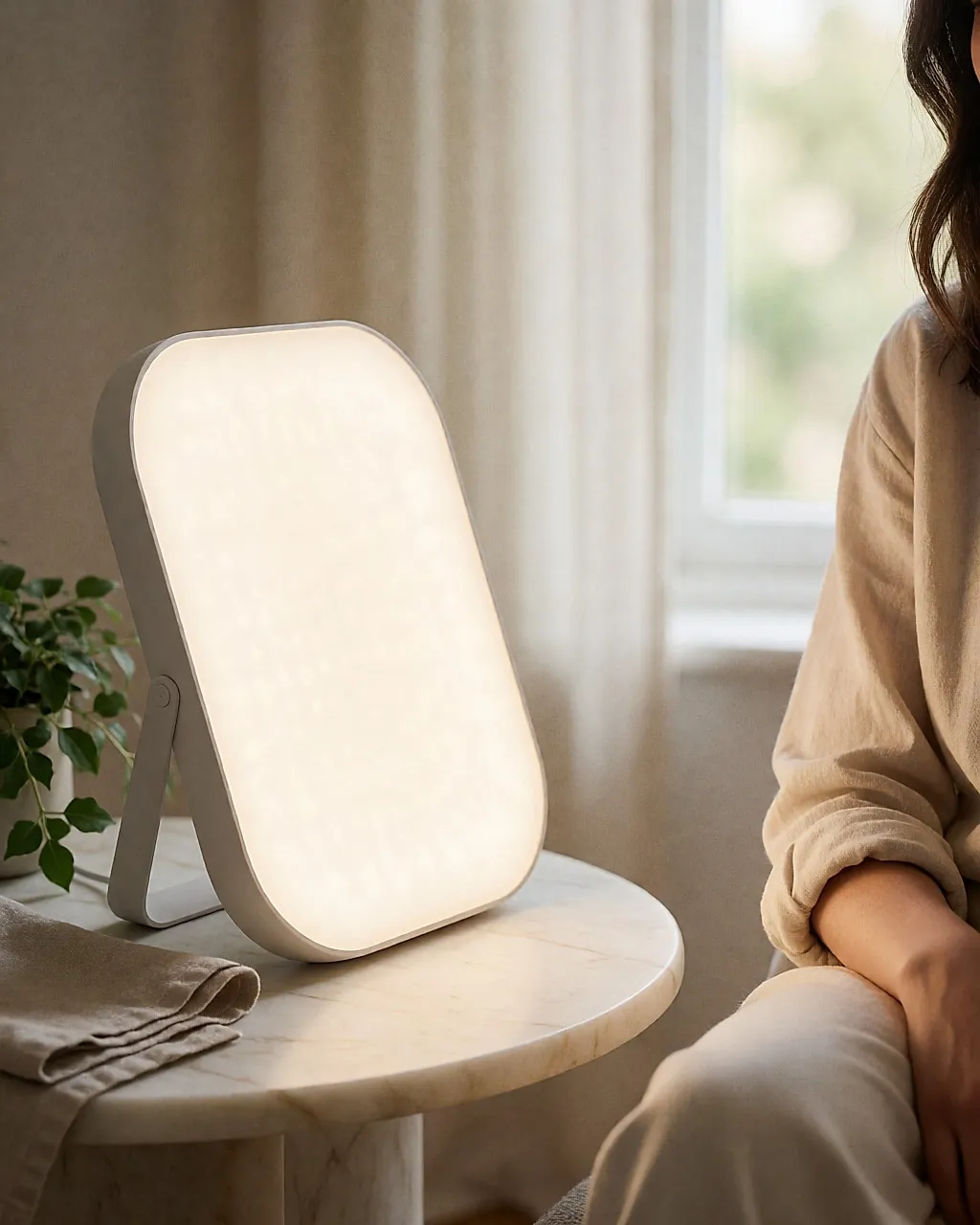
You sit in front of a dedicated lamp, usually in the morning, for 20 to 30 minutes. The higher the intensity, the shorter the session: a 10,000-lux device needs about half an hour, while a 2,500-lux model takes much longer. Keep your eyes open but don't stare at the light source: you can read, eat breakfast or work. The first effects, if they come, are usually felt after one to two weeks. And no, an ordinary ceiling light won't do: you need a device designed for the purpose.
How to choose without getting it wrong
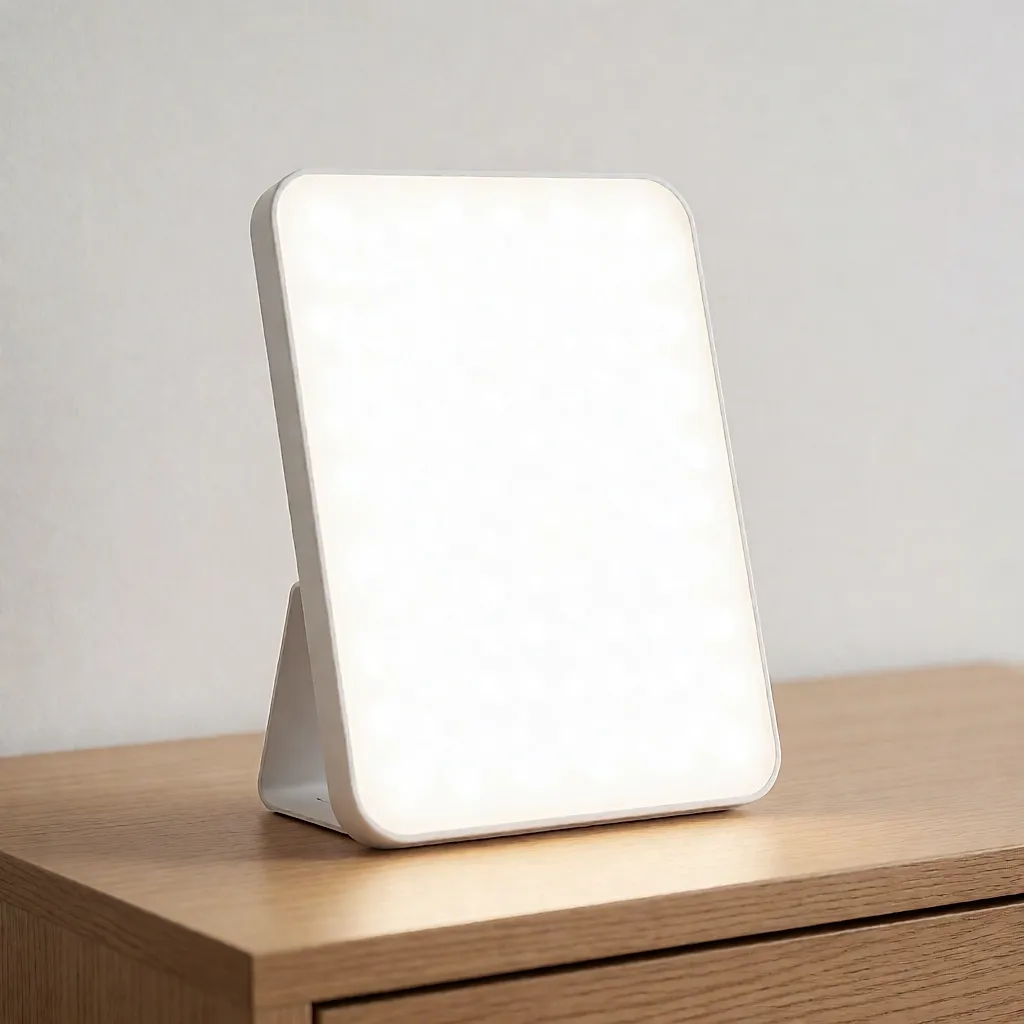
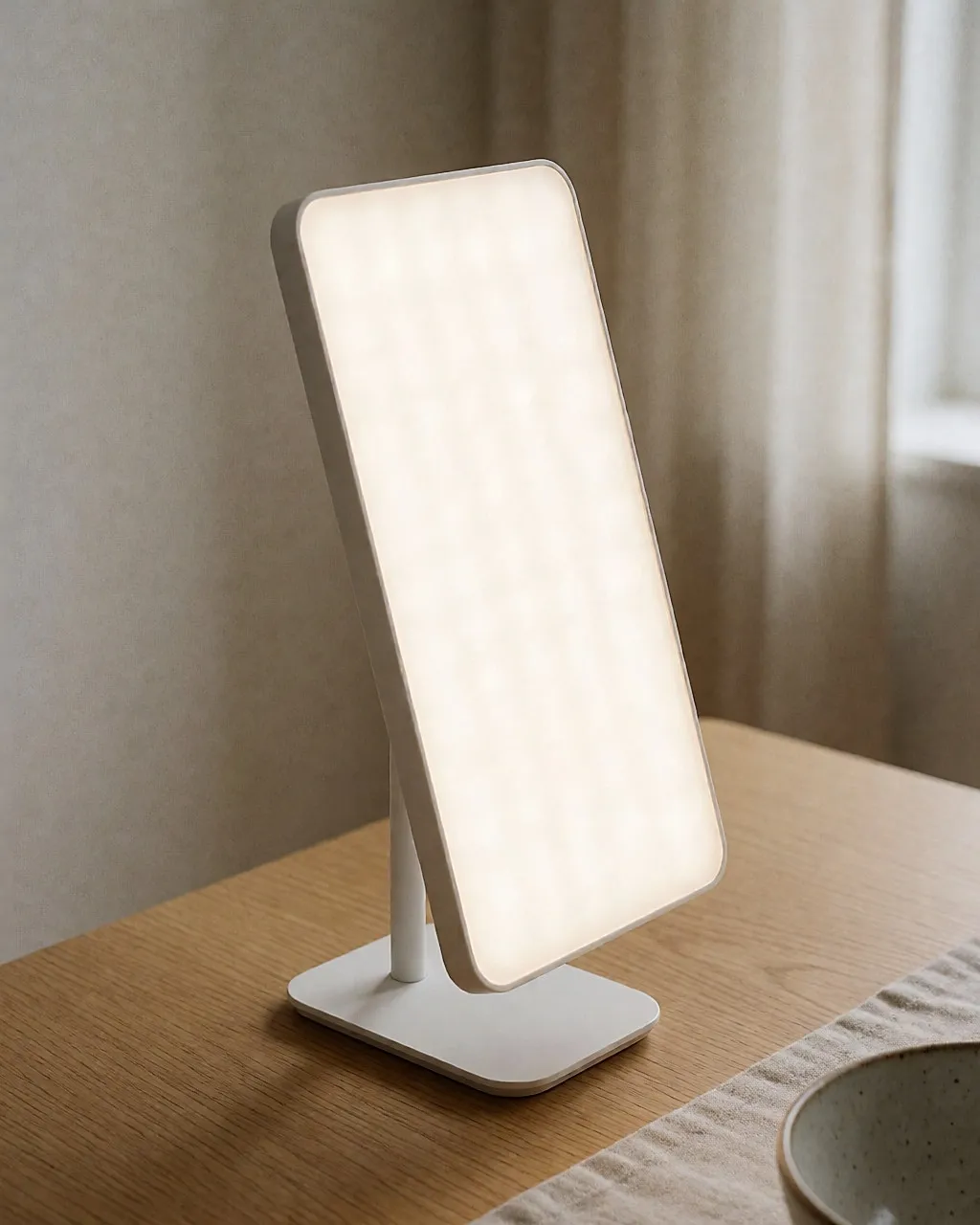
Three things to keep in mind: 10,000 lux, a filter that blocks UV and infrared, and medical device status. There is no official list of light therapy devices 'approved' by the Department of Health and Social Care: what matters is the regulatory status, advice from a professional, and clear instructions.
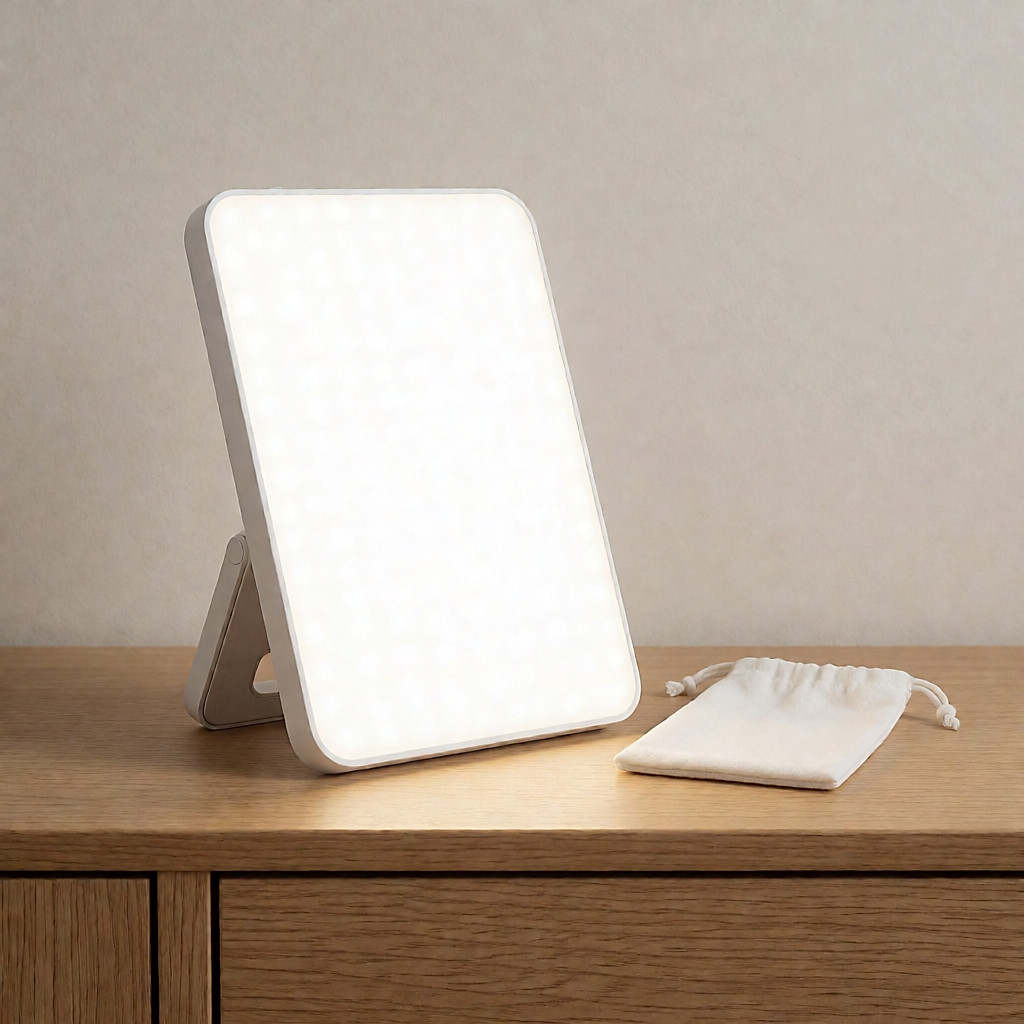
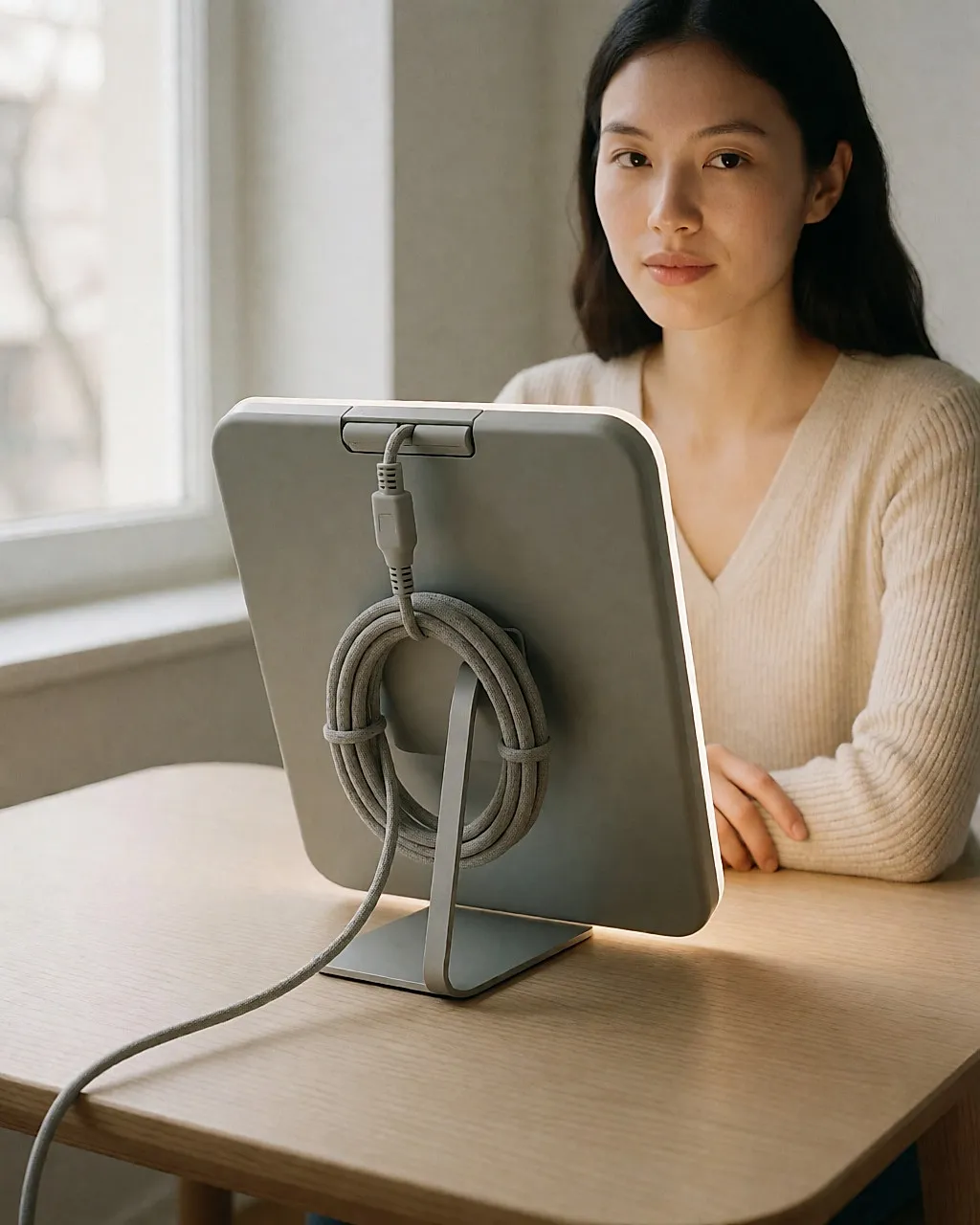
Environmentally speaking, let's be honest: there's no such thing as an 'eco' lamp, because it's an electronic device. The most sensible compromise is to choose an LED model, check the claimed lifespan, spare parts availability and repairability, and avoid devices that can't be repaired.
Light therapy isn't risk-free. It is not recommended if you have cataracts or certain retinal conditions, or if you take photosensitising medicines. In people with bipolar disorder, poorly supervised exposure can trigger a manic episode. Speak to your GP or pharmacist before starting.
Budget
As a rough guide, expect to pay around £40–£80 for an entry-level model, £100–£250 for a device sold as a medical device, and sometimes £200–£300 for wearable glasses-style versions. Prices vary with intensity, size, certification and repairability. You'll find them in pharmacies, health and beauty retailers, medical equipment shops and online — and the professional advice you get behind the counter is far more useful than a simple 'add to basket' button.
In practice, remember this: SAD won't sort itself out, and light is not a cure-all. Used well, with professional guidance, it can give you a little more energy through the winters that feel heavy.
Sources
- NHS — Seasonal affective disorder (SAD)
- NICE — Depression in adults: treatment and management
- MHRA — Medical devices: conformity assessment and UKCA marking
- Cochrane Library — Light therapy for seasonal affective disorder

Comments
Your opinion matters: rate the article, react and reply to comments.
Comments are moderated; AI-assisted comments are flagged. Text emoticons (8-), :-), <3…) are automatically shown as images.