
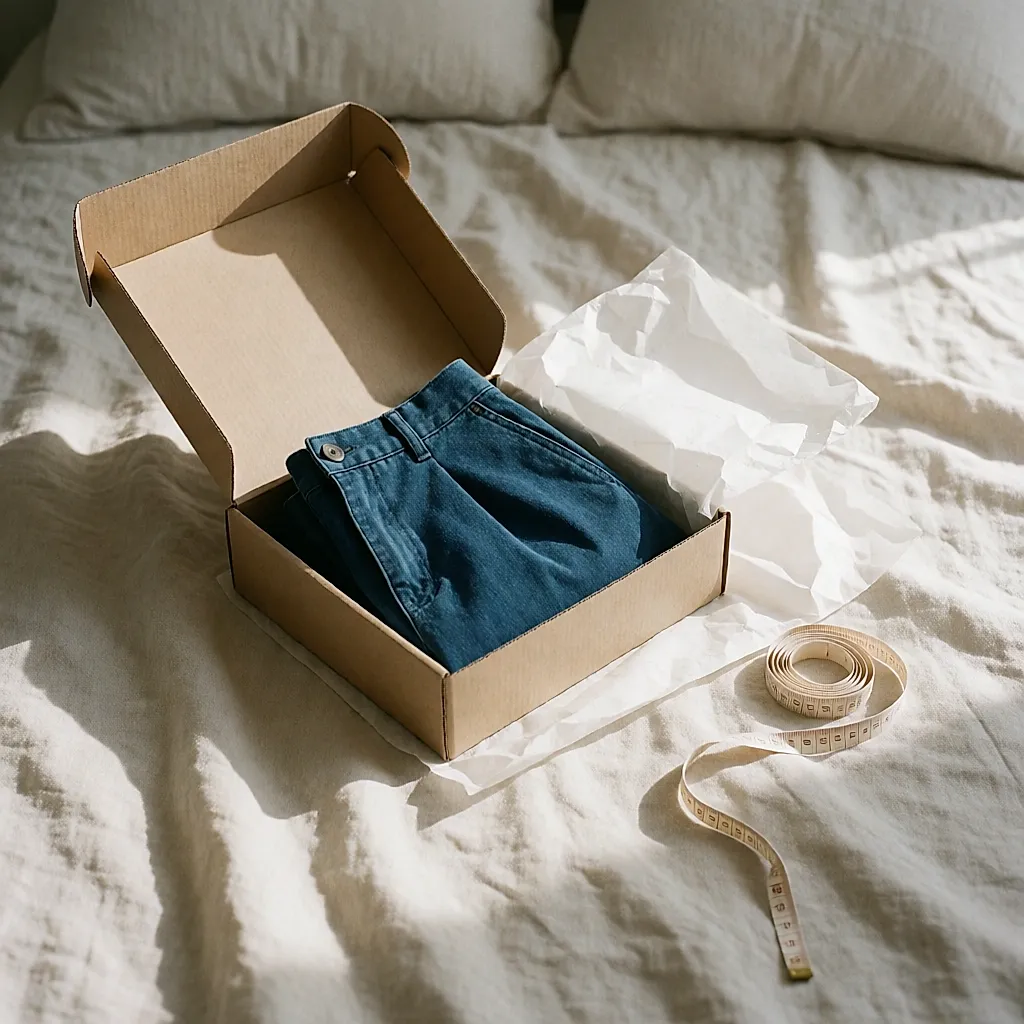
The box is still open on the bed, the tissue paper has made it to the floor, and there it is — that very particular feeling of a weekend parcel: the same size on the label, a different brand, two pieces that clearly didn't go to the same school. You turn the label over as if it might explain itself. It won't — and that's exactly where the interesting bit begins.
Slim silhouettes, wider size ranges
Slim silhouettes seem to be back on the catwalks, fashion photography is getting leaner, and the shows are embracing the straight line: trend does its job, which is to swing back and forth. That isn't in contradiction with what's happening out in the shops. It's just that the two live on different timetables. An aesthetic lasts three seasons; a wardrobe lasts ten years, a house move and a couple of changes of life.
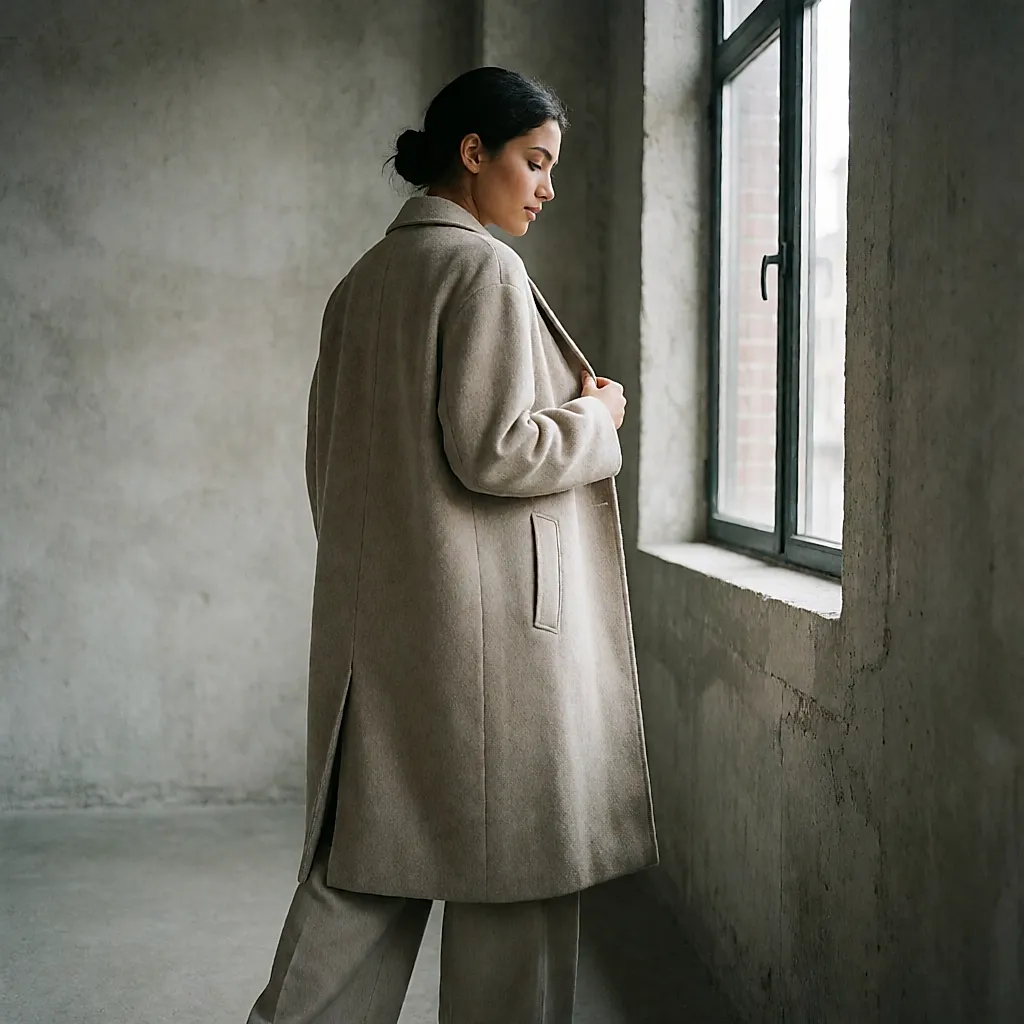
Which is why the paradox isn't really one — and why it's mostly good news. While one aesthetic current swings back towards thin, a chunk of the offering is heading the other way: some ranges are expanding, size charts are getting more detailed, and proportions long ignored are finding their way back into the patterns. Fashion proposes; the wardrobe disposes. That's exactly the way round we like it.
What this changes in practice
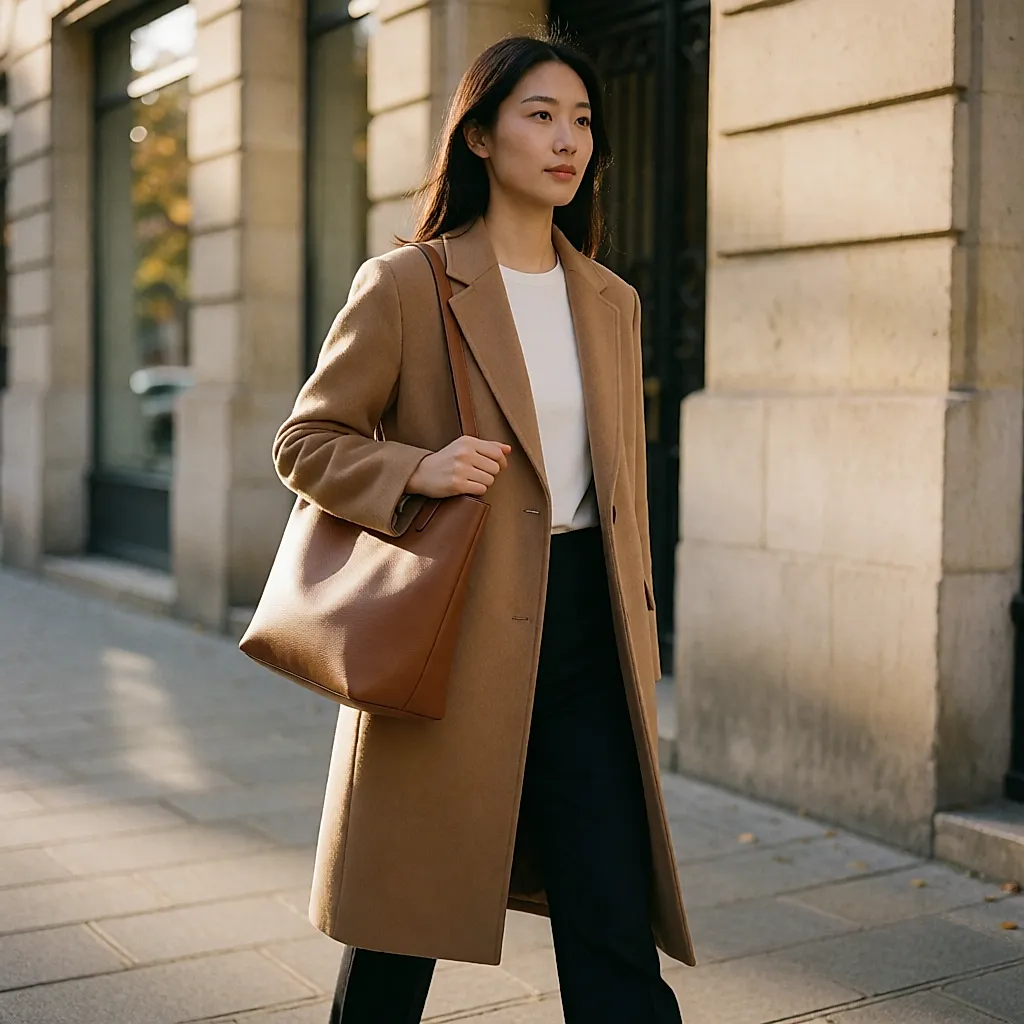
In some ranges, inside legs come in several lengths, rise heights vary within a single style, armholes have been reworked, and shoulders are designed for something other than the standard block. In real life, that means: trousers that no longer gape at the small of your back when you sit down, a sleeve that stops at the wrist, a shirt where you don't have to choose between the bust and the shoulder. It's those three details that turn a basic piece into a staple.
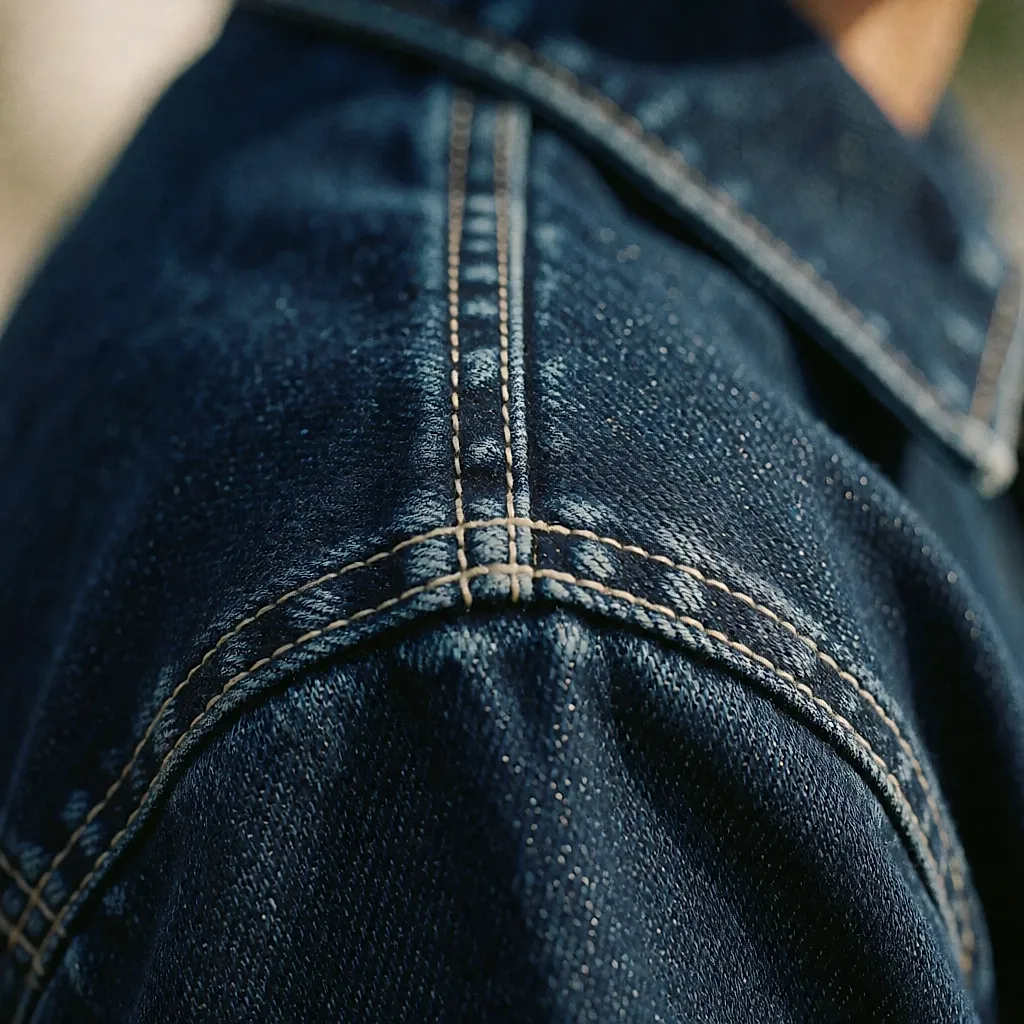
Fabric matters as much as the pattern. Trousers cut from a dense denim, or a jacket in a firmly woven wool, hang well and hold their line; a soft jersey is far less forgiving, even of a good cut. A useful habit: check the synthetic fibre content on the label — it often explains why a piece eventually loses its shape. And before you buy a replacement, remember that a good alteration on a piece you already love almost always costs less than starting again.
Reading a size chart when the letter no longer helps
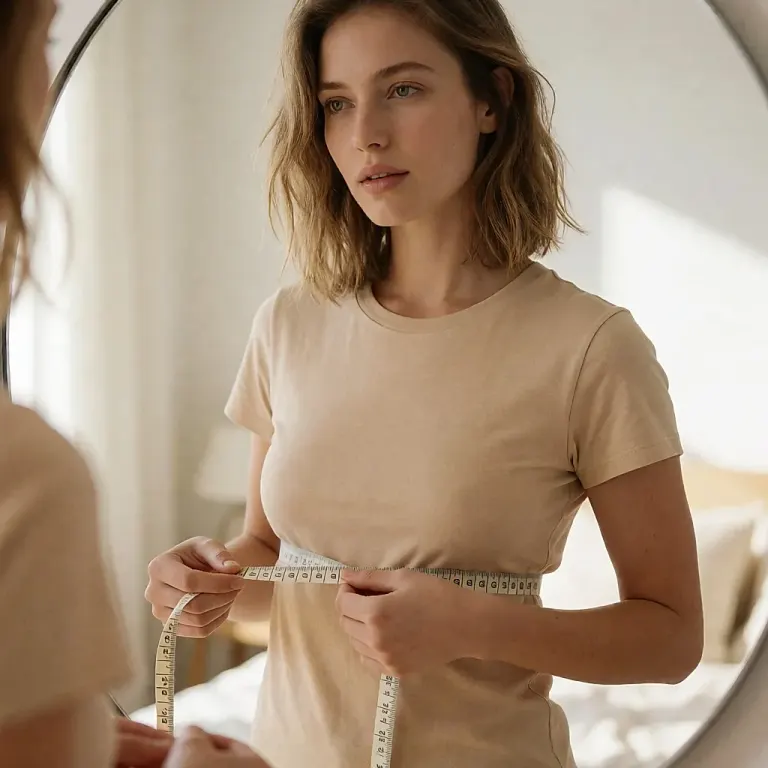
Start with a tape measure, in your underwear, without pulling it tight. Note your bust and hip measurements, but above all your shoulder width (one shoulder to the other) and your inside leg — these are among the measurements worth checking first, because they're often difficult or expensive to alter. Then compare those numbers against the brand's own size chart, not the letter printed beside it. A letter states an intention; a chart states a reality in centimetres.
Second habit, less glamorous but remarkably effective: your benchmark brand. Find two or three shops whose size 12 you know by heart, and trust them to make the call when you order elsewhere. A note on your phone with your measurements, two or three screenshots of size charts, and you stop opening parcels blind. Yes, it's less romantic than a catwalk photo. It also means fewer returns.
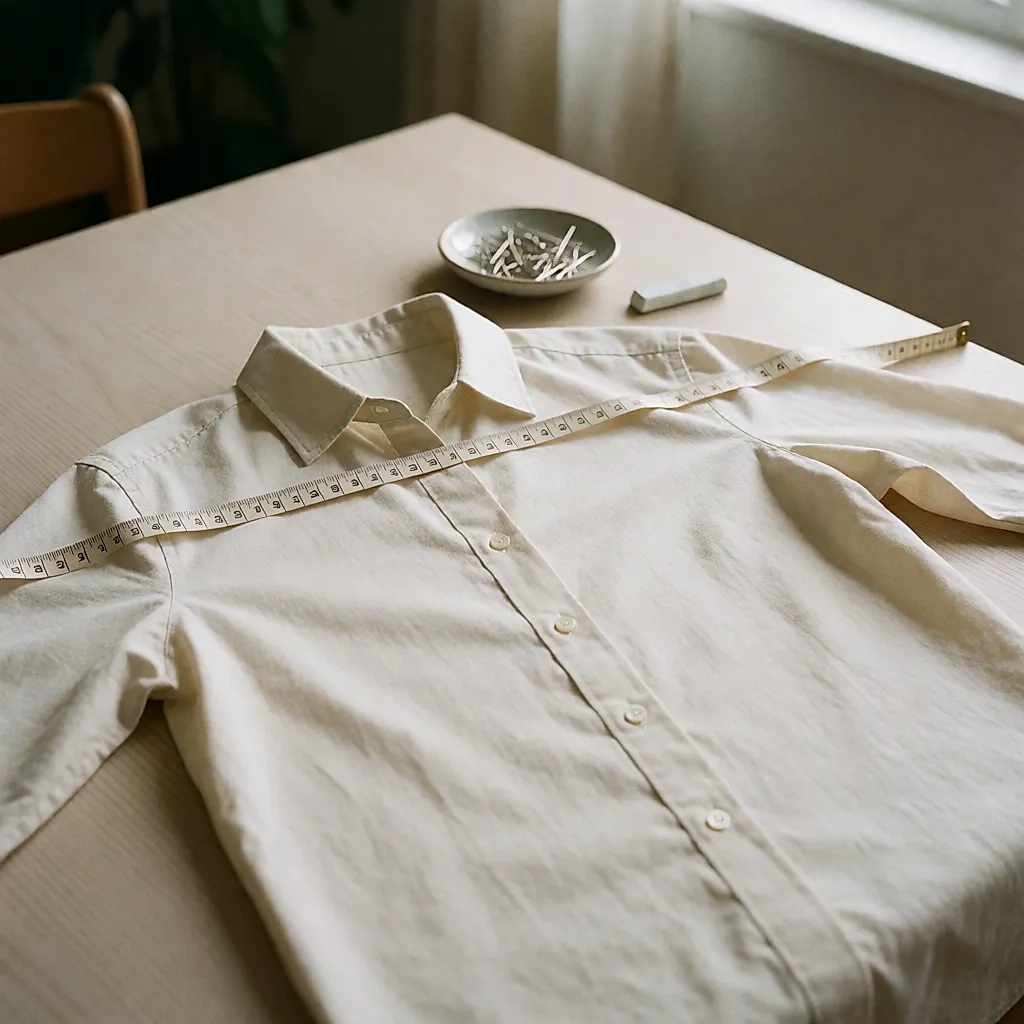
The measurement that never lies: take a piece you wear all the time, lay it flat, and measure it with a tape (shoulders, bust, waist, length). Those numbers are more reliable than any label — check them against the brand's chart before you hit checkout.
What things cost
As a rough guide: jeans in a decent denim run from around £50 to £100, a cotton shirt from about £40 to £80, and a jacket from roughly £120 to £350 depending on fabric and construction. The gaps come down to fabric, construction, where you shop and the point in the season. You'll find these staples on the high street, from specialist brands and second-hand — local charity shops or resale platforms, where the size charts are often, ironically, far more detailed.
For alterations, expect roughly £10–£20 for a simple hem, and more like £25–£60 to take in a waist, adjust the fit or shorten lined sleeves. Prices rise with the complexity of the fabric and the reputation of the workshop. A local alterations shop, a dry cleaner, the in-store service at some chains: whichever you choose, ask for a quote first, and try the piece on with the shoes you plan to wear.
What you actually gain
Deep down, the size letter was never a verdict, just a starting point. What you gain isn't centimetres on a label: it's the ability to buy less, but buy right. A pair of trousers that fits properly lasts far longer in your wardrobe than one that's 'about right', and no one will ever compliment you on your inside leg measurement.
So next time a garment doesn't fit, before you start questioning yourself in the fitting room, think about the size chart. It isn't you that has a sizing problem. And for once, the size chart is playing ball too.
Comments
Your opinion matters: rate the article, react and reply to comments.
Comments are moderated; AI-assisted comments are flagged. Text emoticons (8-), :-), <3…) are automatically shown as images.