
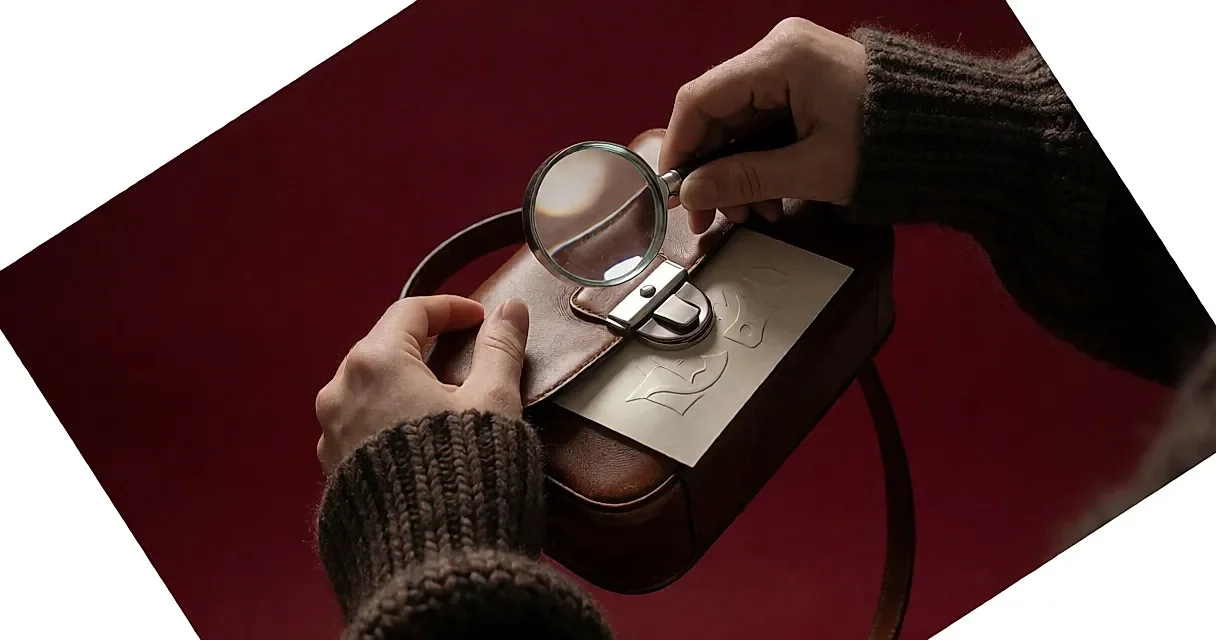
A luxury second-hand bag now comes with its chip, certificate and pre-shipment check. In other words, you are no longer buying a piece of leather from a listing: you are buying a file. And oddly, that changes everything, including the pleasure of opening the parcel.
A few photos are no longer enough
For years, luxury resale ran on blind faith: three slightly blurry photos, a friendly seller and a lot of hope. Specialist platforms eventually realised that people do not part with several hundred pounds on the strength of a smile. So they added the missing piece of the picture: a chain of evidence.
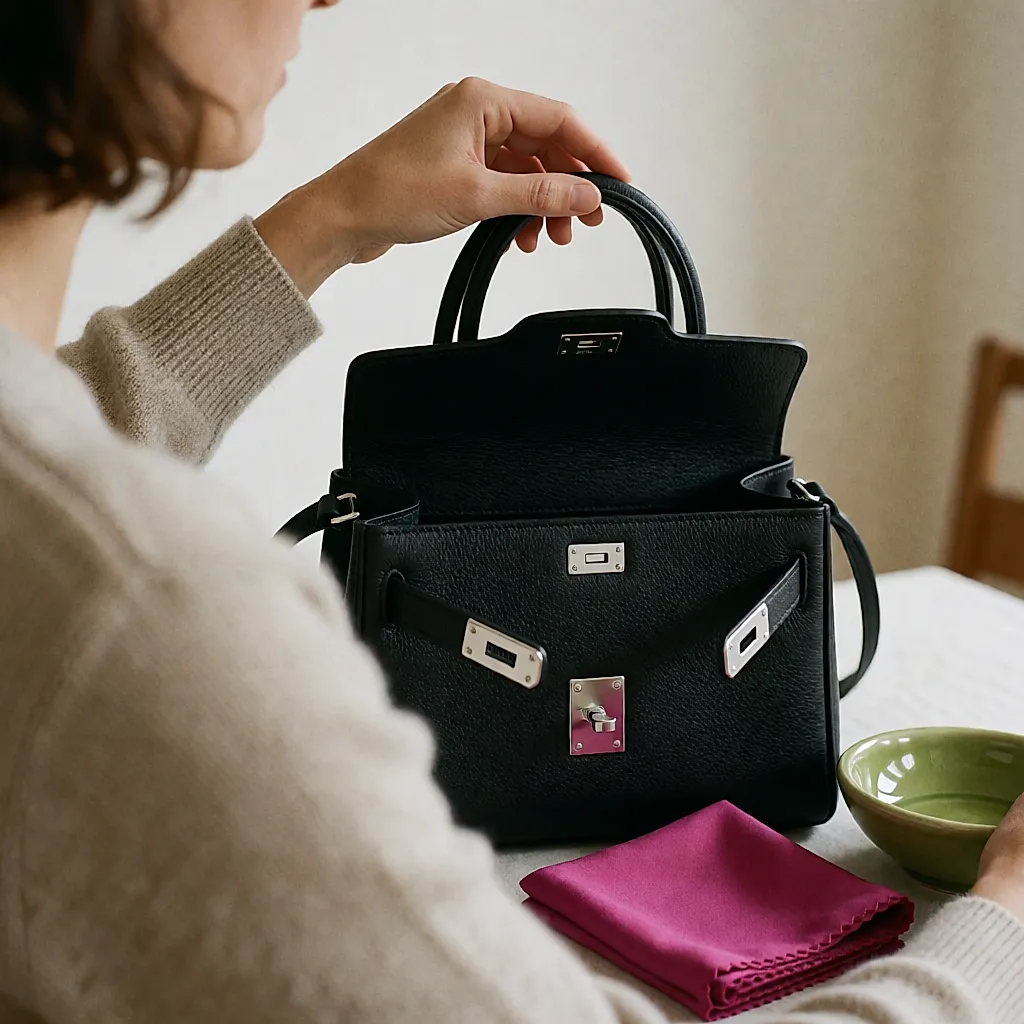
In practice, a bag listed for sale now goes through verification steps: required detail photos, the internal number, an invoice where one exists and sometimes a physical check between you and the seller. Look into the authentication system used by the brand in question. Doubt, once part of the discreet charm of second-hand shopping, now becomes a reason to walk away.
The evidence kit: chip, card, invoice
What you receive looks like a small identity file. The bag, of course, but also the original invoice if it has been kept, the dust bag, the card or serial number and, increasingly often, an inspection report covering stitching, corners, clasp, leather condition and sometimes even the smell.
This paperwork has a very practical use: it stays with you. When you resell, it is what will hold the price. A bag with no history is open to negotiation; a bag with its paperwork is rarely haggled over. See the difference? It is exactly the gap between an impulse buy and one you can stand behind.
What the proof does not tell you
Be careful: a certificate tells you about origin, not condition. A perfectly authentic bag can have been carried every weekend for five years: chip intact, corners tired. Proof answers 'Is it real?', never 'Is it still in good condition?'.
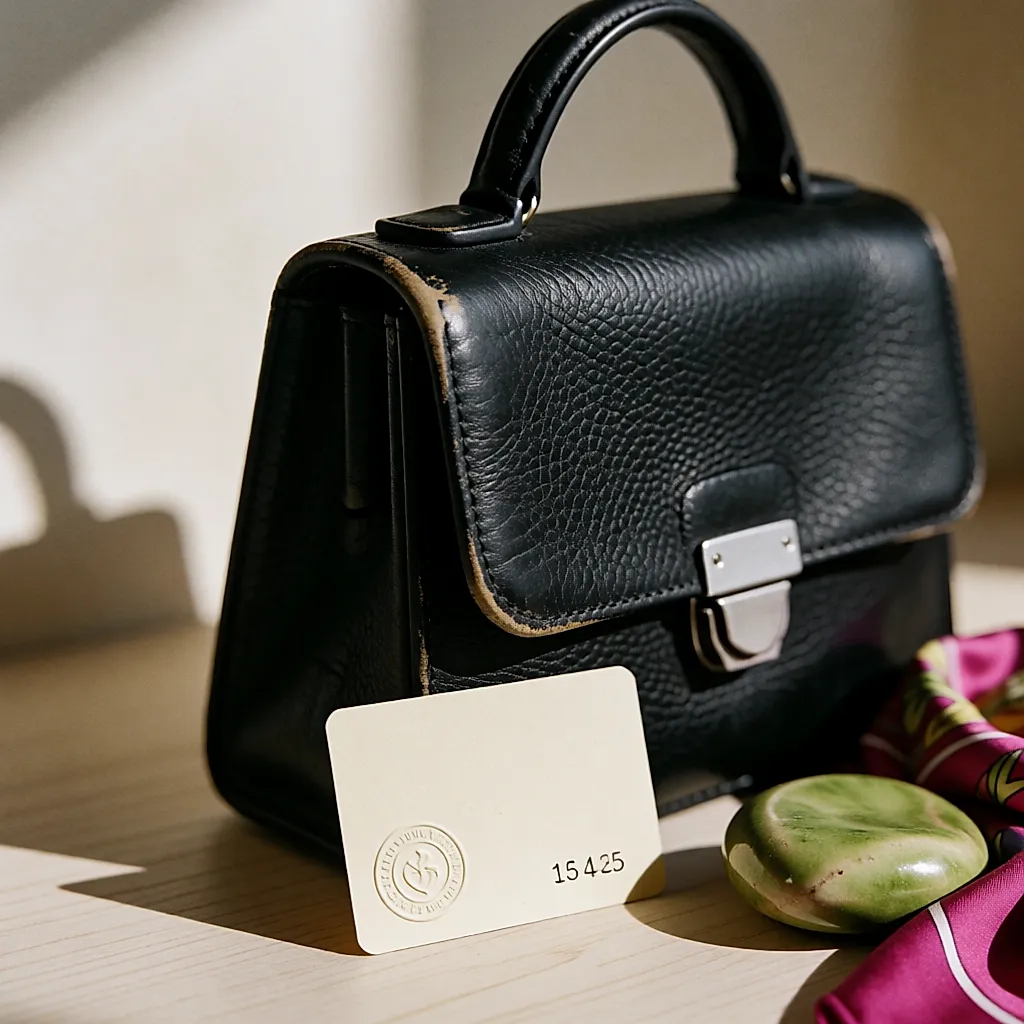
Hence the value of the pre-shipment check: it photographs the actual wear, lists the flaws and saves you the nasty surprise on unpacking, the kind that arrives, of course, on the day you leave. Always ask for close-ups of the corners, handles and interior. A listing that only shows the front is a bit like a dating profile that only frames the good side: charming, but incomplete.
Budget: what peace of mind costs
Start with the price of the bag itself, which varies hugely by brand, size and year: from a few hundred pounds for a small style to several thousand for a highly sought-after piece. On top of that, there may be the resale platform's authentication fee, often around £10 to £30 for a remote check, and more when the inspection is carried out in person.
And if the bag comes from a private seller, with no intermediary? An independent online authentication opinion often costs between £10 and £40, depending on how many photos you supply. Is it worth it? If the sum is above your 'I can justify this' threshold for the month, yes, without hesitation: it is the cheapest insurance for the purchase. Below that, an invoice and a chatty seller are often enough.
Three checks before you commit
- Ask for the invoice, the internal number and macro photos of the stitching and clasp.
- Check that the inspection takes place before shipping, not after you complain.
- Keep everything: box, card, invoice, messages. Tomorrow's resale is prepared today.
At heart, luxury second-hand is becoming what it should always have been: a considered purchase, not a gamble. You can still fall for a piece of leather that catches your eye — just ask for the paperwork to come with it. And if the seller baulks at supplying three paltry stitching photos, you have your answer: it is not a good buy.

Comments
Your opinion matters: rate the article, react and reply to comments.
Comments are moderated; AI-assisted comments are flagged. Text emoticons (8-), :-), <3…) are automatically shown as images.